Whether it be because of the pressure to maintain ratings and maximize profits, or hesitancy to take a stance, fewer and fewer movies are including LGBTQ+ representation. According to the Gay & Lesbian Alliance Against Defamation, while there has been an upward trend in the past decades of queer identities in film, 2024 and 2025 display a decrease of 4.9% from previously record highs.1
For better or for worse, not only do views talk, but even more so, money speaks. Now more than ever, it’s important to show film production companies that queer-centered projects are wanted and profitable.
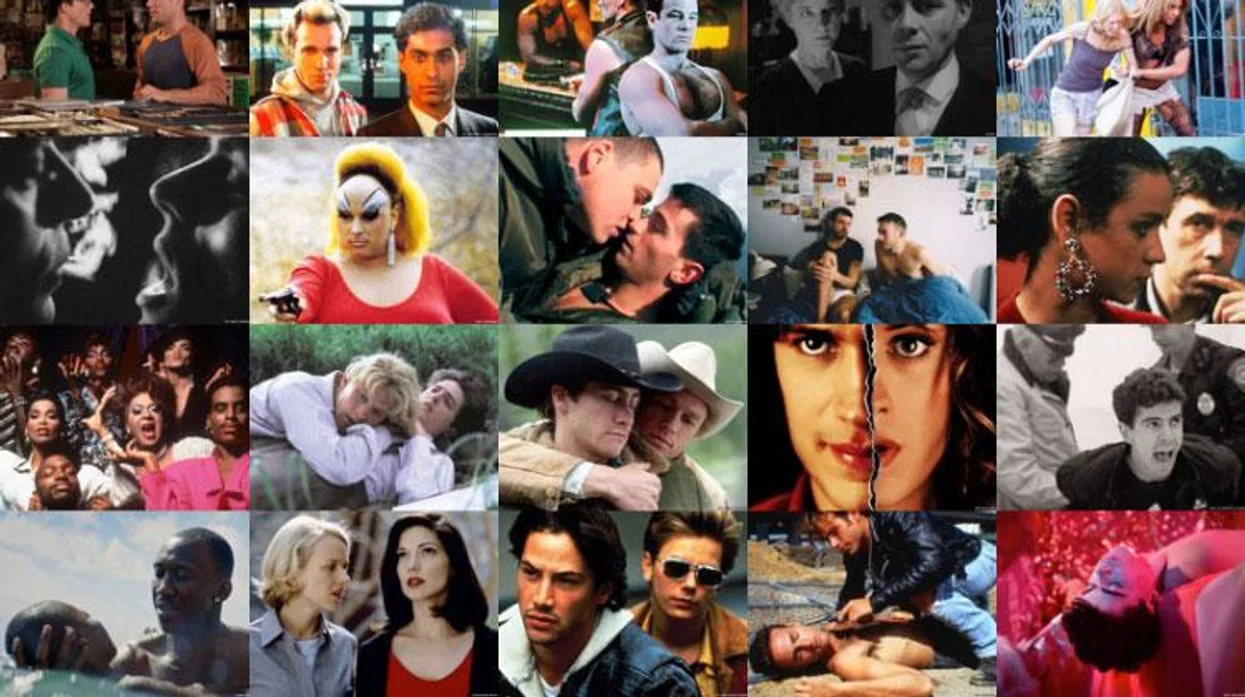
Osenlund, R. Kurt. Out Magazine. 2017.
Another GLAAD2 study found that queer youth seeing characters like them reflected on screens helps them cope with the social stress of having a minority sexual or gender identity, and that reductive representations of queer identities have the opposite effect.3
Especially after Pride Month, big and small, indie and mainstream, the movies presented here are not only entertaining, but show exactly why the struggle for queer rights, queer love, and just plain ol’ fun queer camp are still vital parts of the media landscape.
Documenting Resistance — Queer Lives On Film
Documentaries illuminate nonfiction stories, bringing audiences into different worlds for education or entertainment. Because of the Hays Code of the 1930s through 60’s, earlier works of queer fiction relied on subtext to avoid censorship that heavily restricted queer representation.
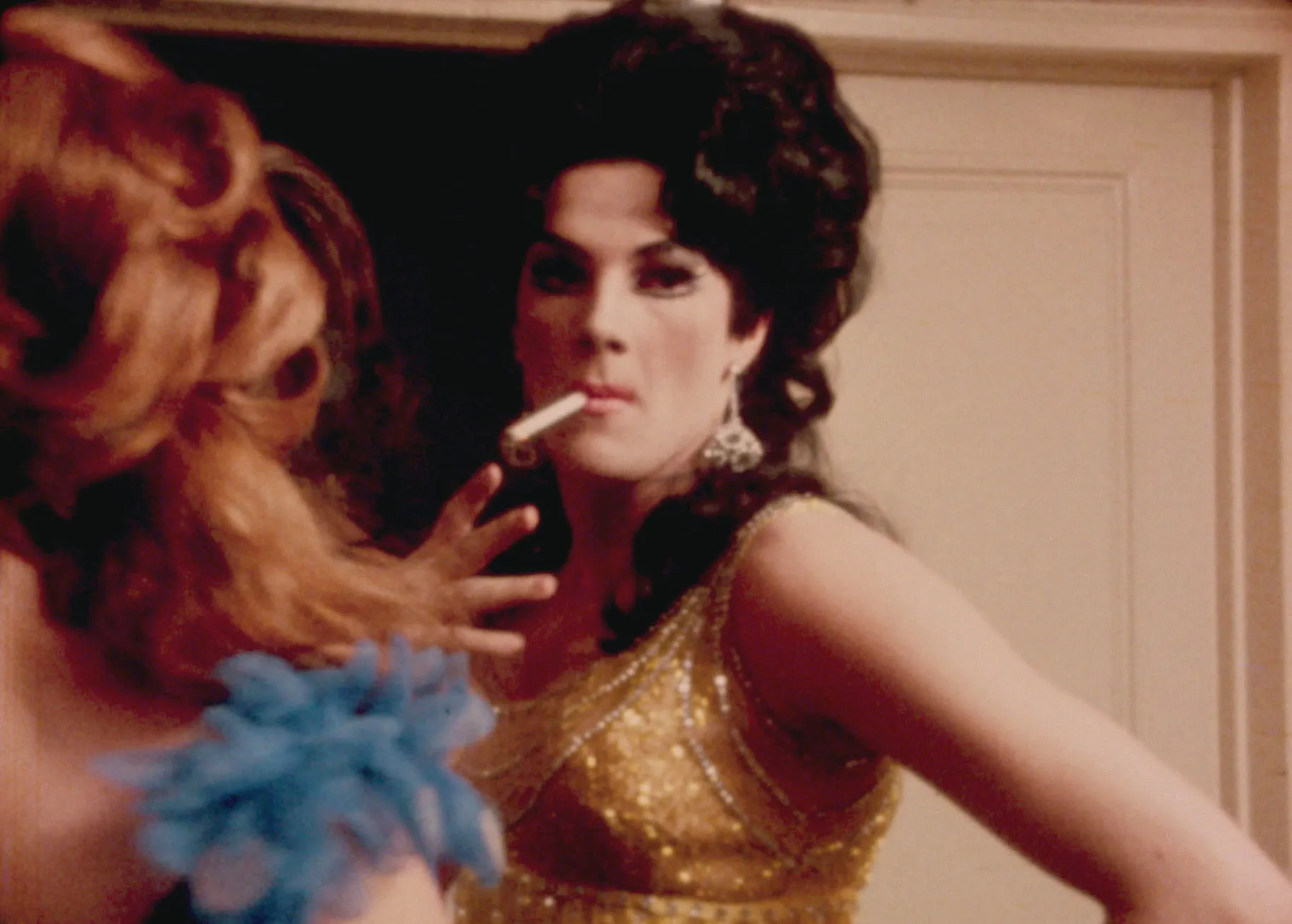
Documentaries, however, could, and frequently did, unapologetically center queer stories. Films like The Queen (1968; Frank Simon) gave drag queens an opening to express themselves in defiance of anti-cross-dressing laws that left them restricted to private events.
Simon, frank. the queen. 1968.
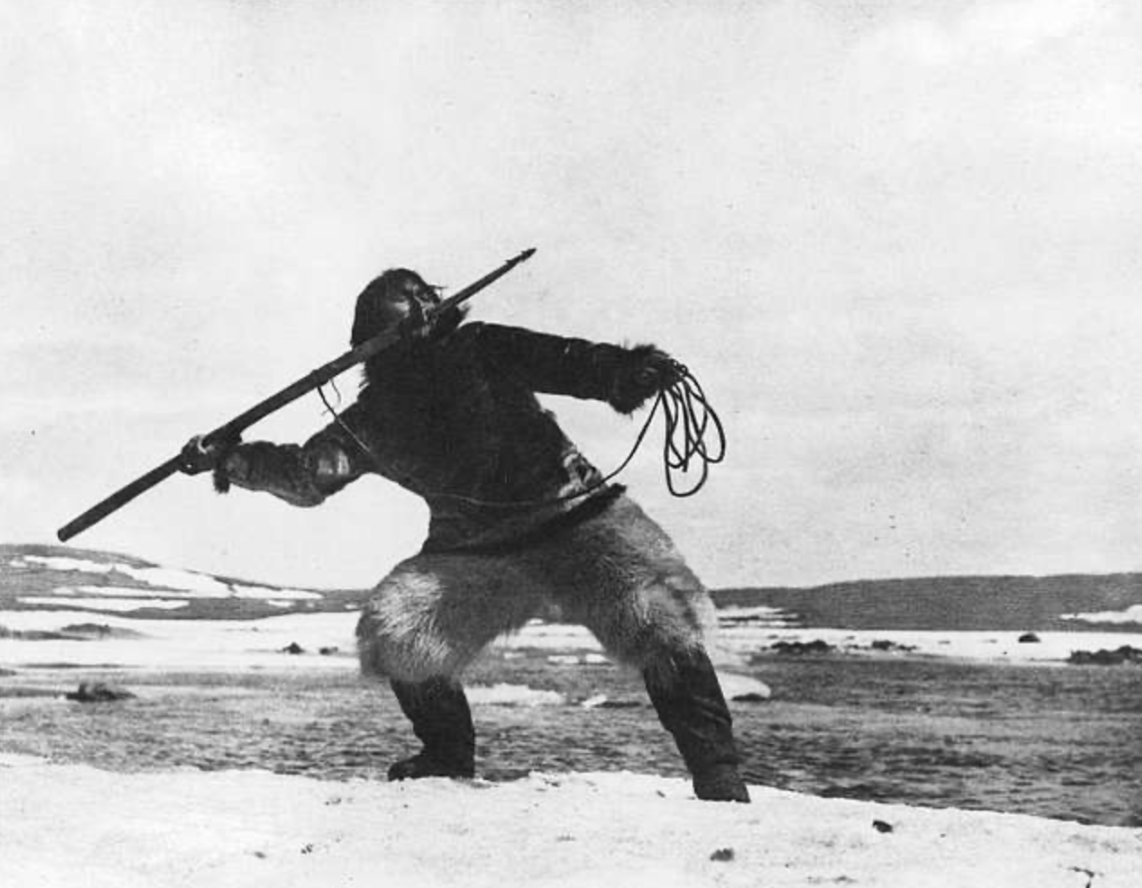
Documentaries of the 21st century can be distributed more easily than ever. While documentaries can have heavy sway in public perception that results in misinformation and harm, such as the first official documentary, Nanook of the North (1922; Robert Flaherty), which Westernized, stereotyped and appropriated Inuit culture, platforming reputable documentaries can result in large systematic changes, such as Blackfish (2013; Gabriela Cowperthwaite) which reformed the treatment of marine mammals in captivity.
Flaherty, robert. Nanook of the north. 1922.
Especially in a political environment where discrimination continues to thrive, queer stories deserve to be platformed. 2025 is stacked with documentaries that call attention to discrimination across the world, encouraging communities to support one another and sharing never-before-told stories.
GEN_ (2024) Dir. Gianluca Matarrese
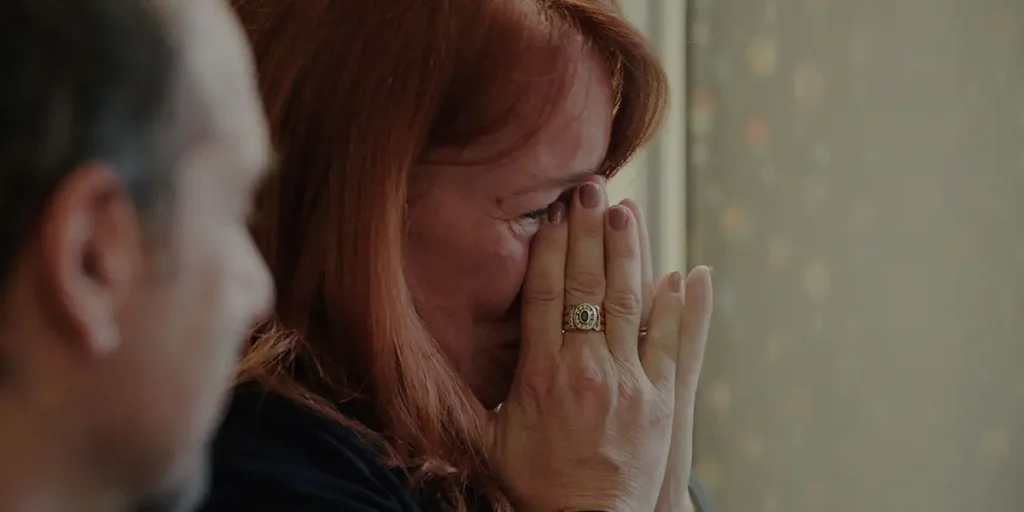
Domestic surrogacy was outlawed in 2004, leaving couples unable to conceive without intervention with fewer options. Since Italian Prime Minister Giorgia Meloni’s far-right administration rose to power in 2022, becoming the first woman Prime Minister, her administration has enacted laws that undermine LGBTQ rights.
Matarrese, Gianluca. GEN_. 2024.
In 2024, a law was passed threatening citizens with jail time for international surrogacy. The international ban disproportionately impacts LGBTQ+ couples, who are already banned from adopting children. In 2024, reports of Italian lesbians being taken off their child’s birth certificate if they are not biological began to crop up.
Matarrese, Gianluca. GEN_. 2024.
“Doctors have to make a choice between what is right and what is legal.”
Says Dr. Bini in the documentary.
Filmed after the surrogacy ban was enacted, Gianluca Matarrese’s GEN_ (2024) centers hormone and fertility specialist, Dr. Maurizio Bini, as he navigates the legal restrictions from Meloni’s administration. The film centers the doctor and his desire to care for his patients seeking in vitro fertility treatments and gender affirming care. His desire to care for his patients transforms into a fight against the onslaught of legislative attacks on his patients’ autonomy and rights by an administration that claims to be protecting women.
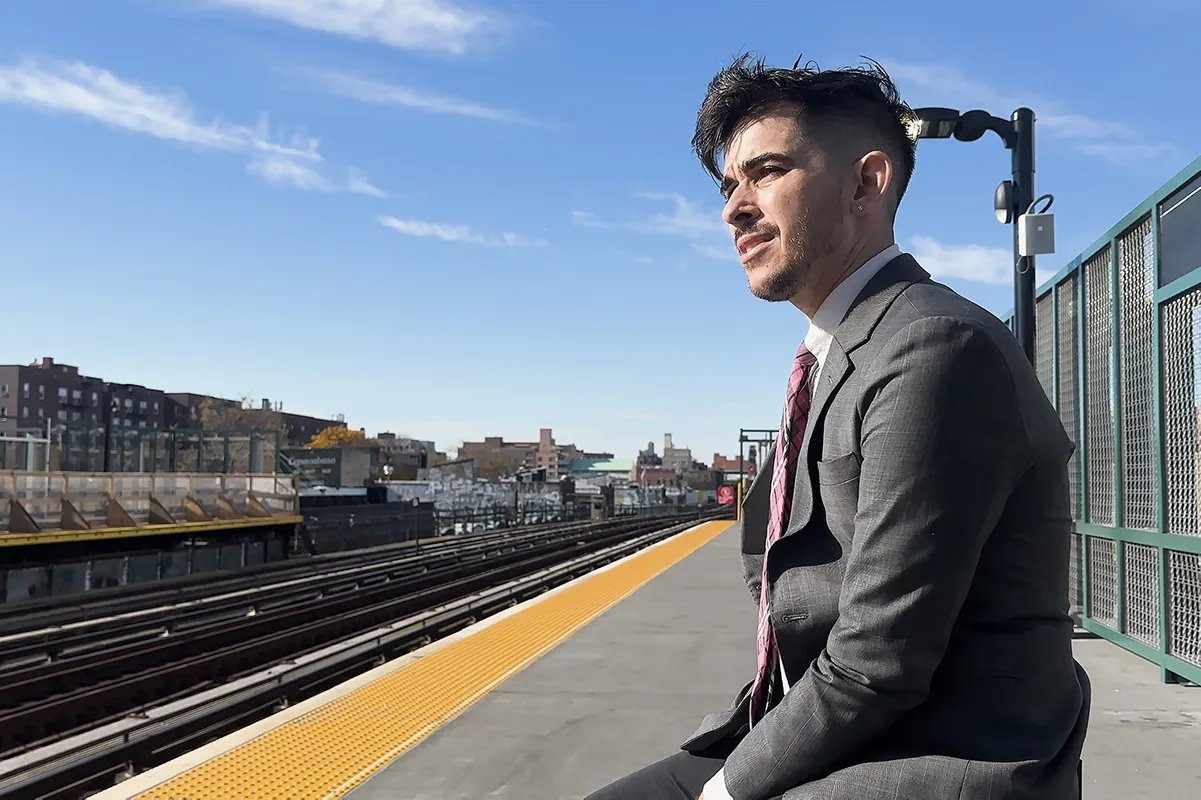
Sam Feder, a transgender American filmmaker, makes his sophomore documentary debut five years after the success of his first film, Disclosure (2020), which examined transgender characters on screen. Heightened Scrutiny explores America’s political reaction to the transgender community.
Feder, Sam. Heightened Scrutiny. 2025.
Feder follows Chase Strangio, a civil rights lawyer for the American Civil Liberties Union and the first transgender person to argue in front of the Supreme Court in U.S. v. Skrmetti, in his battle against anti-transgender legislation in the United States. Strangio calls attention to how transgender youth are the focus of media coverage, conflating children with vulnerable beings — justifying legal discrimination under the guise of protection.
This documentary investigates how biased media coverage fuels anti-trans rhetoric and the detrimental consequences of it. As the film’s website notes, “Heightened Scrutiny… [offers] a powerful call to action against bigotry and injustice.”
Feder, Sam. Heightened scrutiny. 2025.
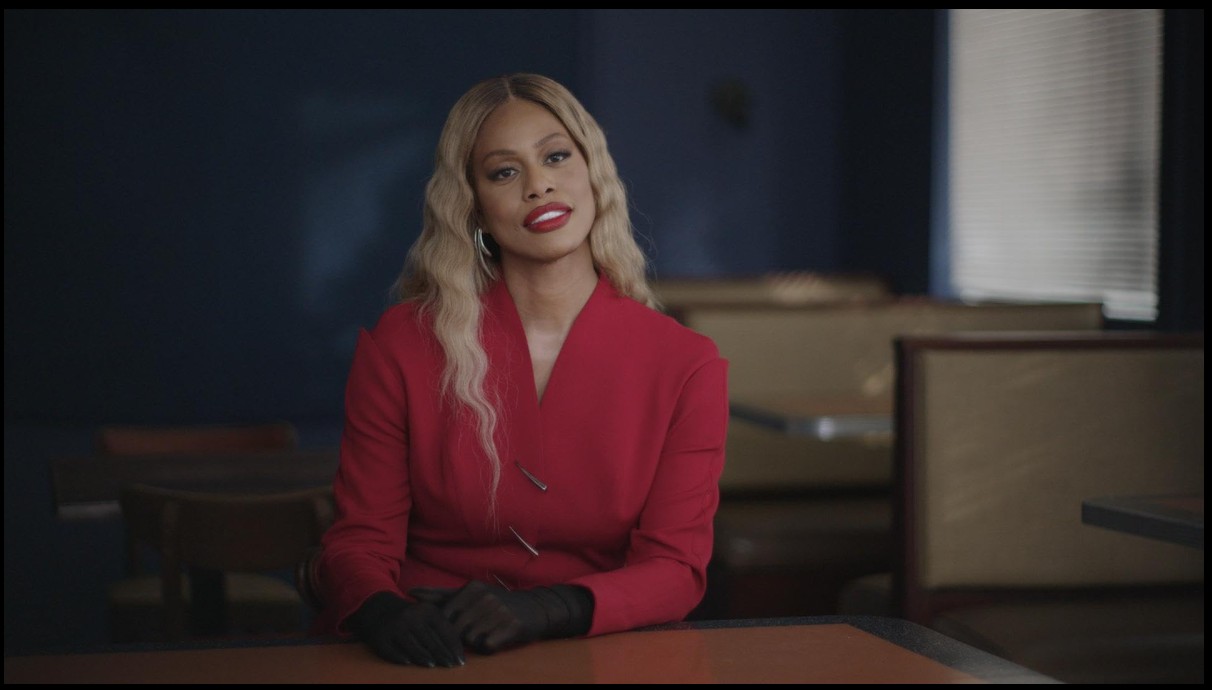
Featuring testimonies from prominent transgender celebrities, such as Laverne Cox, Heightened Scrutiny (2025) urges American audiences to involve themselves in local politics — supporting campaigns advocating for LGBTQ+ rights and fighting against oppressive legislation. Intersectionality is a major point of the film as well. Attacks on transgender identities impact the rest of the queer community, and disproportionately impact queer people of color.
Political attacks harm more than just the queer community — immigrant status, socioeconomic classes, gender identity, religion, age, race, and sexual orientation are under legal threats as well. This film reminds audiences of the intersectionality of identities while humanizing the subjects of the restrictive legislation.
Available at various film screenings, listed on the film’s website, and to California residents on Frameline (rest assured, virtual private networks are a convenient way to bypass geolocked media).
SALLY (2025) Dir. Cristina Costantini
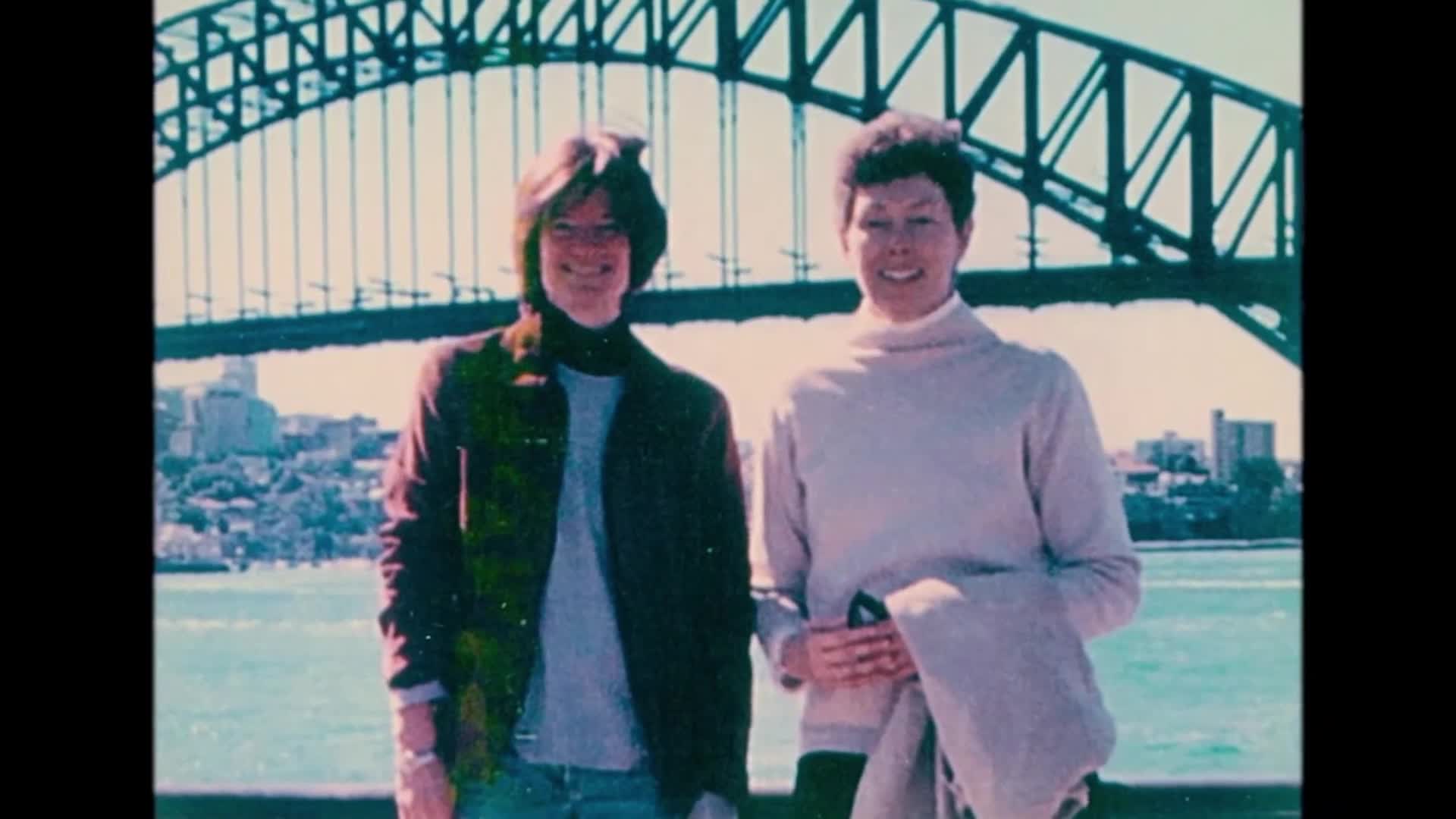
Sally Ride is famously known as the first American woman to fly into space aboard the Challenger, but lesser known was her long-term relationship with Tam O’Shaughnessy — this makes her the first and only gay astronaut.
Costantini, Cristina. SALLY. 2025.
They kept their relationship a secret for 27 years, meeting as rival tennis players in their youth. Cristina Costantini’s SALLY (2025) explores their hidden relationship, giving emotional insights into a notoriously closed-off person. Her life partner, O’Shaughnessy. provides heartfelt anecdotes, grounding the inspiring and heroic image of Sally Ride.
“It was important to me that this film not only celebrate Sally’s legacy, but also share the story of our bond.”
Costantini, Cristina. SALLY. 2025.
Ride was one of five women chosen for NASA’s 1978 space program. The other hundreds were white men, who viewed the women as inferior and unworthy of peership. SALLY (2025) interviews some of these men, who espouse the same beliefs, undermining how the antiquated mindset lives on decades later. The misogynistic culture never deterred Ride from her mission. Instead, she used her success as an opportunity to uplift other women.
Available on Hulu.
Move Ya Body: The Birth Of House (2025) Dir. Elegance Bratton
House music is characterized by its synth-y, beat-driven genre of electronic music, birthed from Chicago’s club scene. Robert Williams created The Warehouse, converting a factory into one of Chicago’s most iconic and the first Black-owned music clubs.
The club drew queer Black and Latino communities — which starkly contrasted the generally segregated club scene and avoided police raids that shut down other Chicago venues. In The Warehouse, Williams and DJ Frankie Knuckles experimented with disco, soul, and electronic music, starting the House genre that dominates clubs today.
Bratton, Elegance. Move ya body: the birth of house. 2025.
Move Ya Body: The Birth Of House (2025; Elegance Bratton) explores the politics surrounding house music and its creators. Disco music, a predecessor to house, was viewed as something by and for Black, Latino, and queer people. In 1979, the Chicago White Sox marketing team leveraged tensions around disco music, promoting a “Disco Demolition Night.”
Fans could bring a disco record in exchange for discounted tickets, and the collected records would be blown up with dynamite. After the explosion, the audience, primarily white men, rioted, setting fires and destroying the baseball field.
Lenahan, Jack. Chicago Sun-Times. 1979.
Bratton’s documentary interviews people from the audience — Black men who witnessed how music could cause such violence in the white crowd. They later became influential in the growth of house. The film underscores how Black and queer media are whitewashed for mass consumption, promoting the pioneers of the genre.
Queer As Punk (2025) Dir. Yihwen Chen
Malaysian band “Shh…Diam!” — Malay for “Shut up!” — is one of the few openly queer bands in the country. Transgender band member Faris and his punk bandmates Yon and Yoyo live under laws that grant no legal protections to the LGBTQ+ community. Venues usually host “Shh…Diam” concerts in private, secluded places to avoid the ire of authorities. At a 2011 concert in Kelantan, emcees intentionally erased Faris’s trans identity.
Chen, Yihwen. Queer as punk. 2025.
Since 2018, when Mahathir Mohamad was elected Prime Minister, queer rights in Malaysia have been under duress. It is illegal to transition and have same-sex relationships. The Malaysian federal court made rulings in 2021 and 2024 that undermined the state’s ability to prosecute “sodomy,” but hasn’t stopped prosecuting the LGBTQ community. In 2021, a transgender woman, Nur Sajat, fled the country following arrest threats based on her identity.
Chen, Yihwen. Queer as punk. 2025.
“Shh…Diam!” resist and protest through their performances. Yihwen Chen’s documentary Queer As Punk (2025) dives into the band’s life, struggling with parental expectations, a hostile political environment, and their battle to express themselves. Their performances become a safe haven for queer people to exist, underscoring the importance of community in tumultuous times.
Queer Love In The Time Of Censorship — 2025’s Boldest Romcoms & Dramas
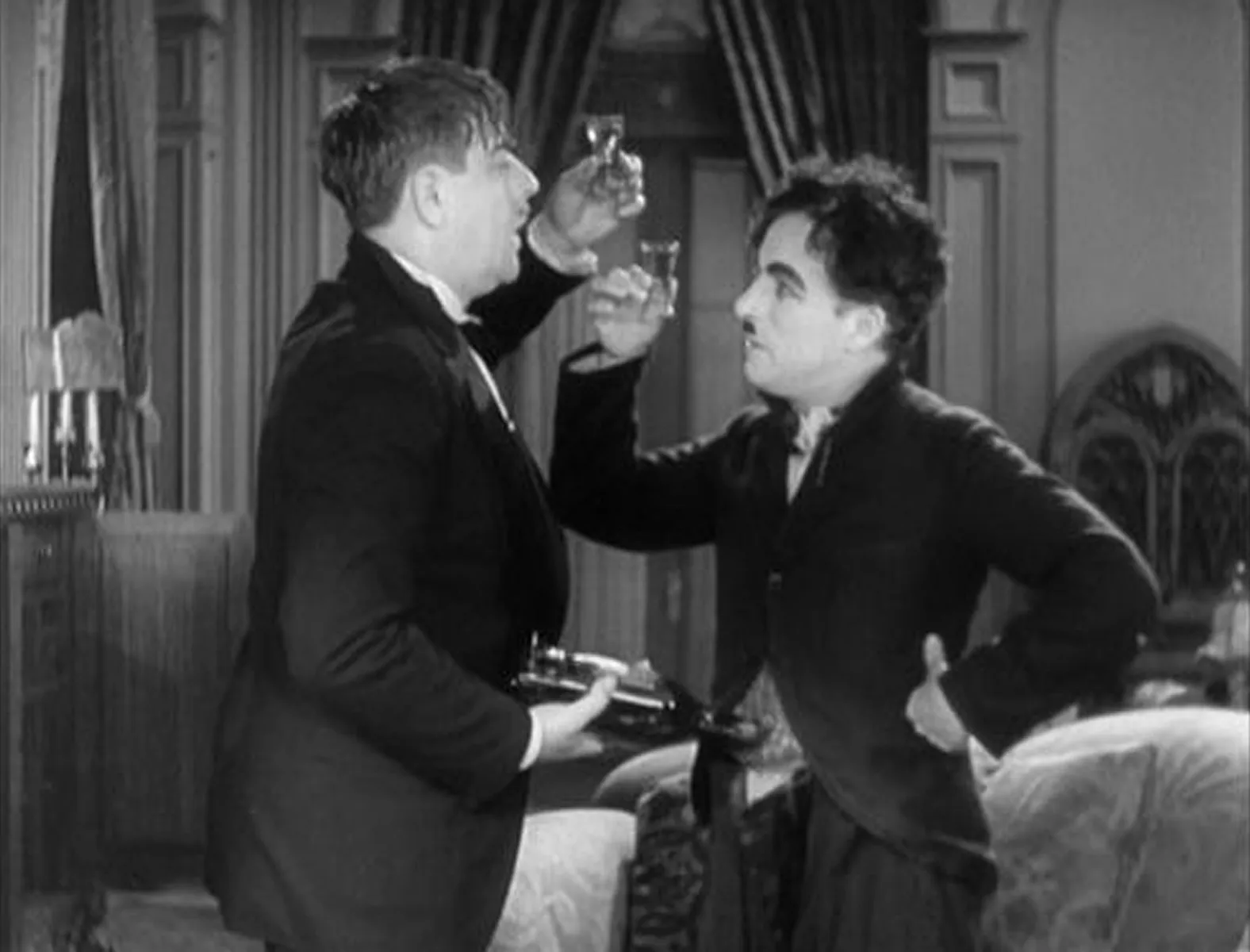
Queer romance on film has been subjected to the whims of politicians and production companies. No film or filmmaker was exempt, including Charlie Chaplin’s 1931 film City Lights, which received restricted airings after the Hays Code went into effect, due to a scene of two men kissing being flagged as sexually deviant behavior.
Chaplin, Charlie. City Lights. 1931.
Outside of the US, films like the German film Anders Als Die Andern (1919) by director Richard Oswald and sexologist Magnus Hirshfeld, defied German laws criminalizing homosexuality, following a gay professional violinist initially rejecting, but ultimately coming to understand and accept his identity, though the character later commits suicide due to media harassment. It is recognized as the first sympathetic portrayal of homosexuality in film history, and survived erasure during the Nazi regime.
Oswald, Richard. anders als die anderen. 1919.
Legal restrictions created “queercoding,” where characters are hinted at being queer, but never confirmed, subverting censorship. Following the delegitimization of the Hays Code and the blooming civil rights movements of the 50s and 60s, production companies were finally able to create openly queer media.
A Nice Indian Boy (2024; Roshan Sethi)initially debuted at the film festival South by Southwest, but director Roshan Sethi told GLAAD he had trouble finding a distributor that would take the film “because of widespread racism and homophobia in the industry.” The film was brought to streaming services this May in a cultural climate Sethi feels wouldn’t give his film the same funding if it were made currently.
Sethi, Roshan. A Nice Indian Boy. 2024.
“I don’t think people have ever needed the movie more… it’s joyful and full of promise and hope — all emotions that our community, the queer community, needs more than ever.”
Naveen Gavaskar (Karan Soni), an openly gay Indian-American doctor, struggles to make meaningful romantic connections with men, feeling his family would disapprove. His parents are conventional, imposing those beliefs on their children. Naveen meets a white man raised by Indian parents, Jay (Jonathan Groff), at a temple to Ganesh, an attractive photographer he falls for quickly.
Sethi, Roshan. A Nice Indian Boy. 2024.
When Naveen eventually introduces Jay to his family, the pressure he feels, the unresolved tension between the family comes to a breaking point. Without getting into spoiler territory, this film centers hope, optimism, and love. The developing familial relationships and intersecting Indian-American identities with queer identities add depth and nuance to the story that has earned Sethi an Audience Choice award.
Available on Fandango, YouTube, Plex, Apple TV, and Amazon Prime.
The Wedding Banquet (2025) Dir. Andrew Ahn
The Wedding Banquet (2025; Andrew Ahn) is a remake of Ang Lee’s 1993 film of the same name. The original, filmed mostly in Mandarin, follows a gay Taiwanese immigrant, Wai-Tung Gao, facing pressure from his parents to fulfill their ideals of success, getting married, and having children.
Ahn, Andrew. The Wedding Banquet. 2025.
He hides his relationship with his Jewish partner, Simon, by marrying a poor artist. Drama ensues — the queer cover is blown, and the parents discover the wife is of low socioeconomic class. In the end, Wai-Tong’s father gives Simon a hongbao, symbolically accepting Simon as a member of the family.
Lee, ang. The Wedding Banquet. 1993.
The remake, filmed almost entirely in English, follows a gay Korean immigrant, Min (Han Gi-chan), stalling his degree to extend his American visa, despite his desire to marry his boyfriend, Chris (Bowen Yang). Angela (Kelly Marie Tran) and Lee (Lily Gladstone) struggle to afford in vitro fertilization treatments. Chris’s refusal to marry Min, coupled with pressure from Min’s family to get married and have children, sparks a plan — Min and Angela will get married. Min will get citizenship, and Angela will get money for IVF treatments.
Andrew Ahn’s remake, unlike its predecessor, doesn’t lean into comedy as much, focusing more on themes of same-sex parenthood, immigration, and intergenerational conflict. In an interview with Forbes, Ahn said, “I’m Korean. I wanted to show a Korean wedding. That was a way for me to personalize the film and have it feel different from Ang Lee’s version… I was like, let me do something that’s closer to my experience.”
Available on Fandango, YouTube, Plex, Apple TV, and Amazon Prime.
On Swift Horses (2024) Dir. Daniel Minahan
The marketing of On Swift Horses (2024; Daniel Minahan) has stirred controversy. The queer characters and their relationship have been downplayed or omitted in promotional material, but the heart of the story is its intentionally unlabeled characters. Based on Shannon Pufahl’s book, this film is set in the 50’s — shortly after the Korean War.
Minahan, Daniel. on Swift Horses. 2024.
Muriel (Daisy Edgar-Jones) and her husband, Lee (Will Poulter), are disinterested in their mundane lives. They both find romantic connections with members of the same sex, pulling their lives in different directions.
Romantic yearning in a culture that disapproves of queer relationships are symbolized throughout the film, mimicking the censorship similar films of the time-accurate era had to comply with. As AP News writer Mark Kennedy notes, “…A film dealing with hidden homosexuality is very relevant as some forces seem to seek to return America to the 50s.”
Available on YouTube, Apple TV, Fandango, and Amazon Prime.
Sabar Bonda (Cactus Pears) (2025) Dir. Rohan Parashuram Kanawade
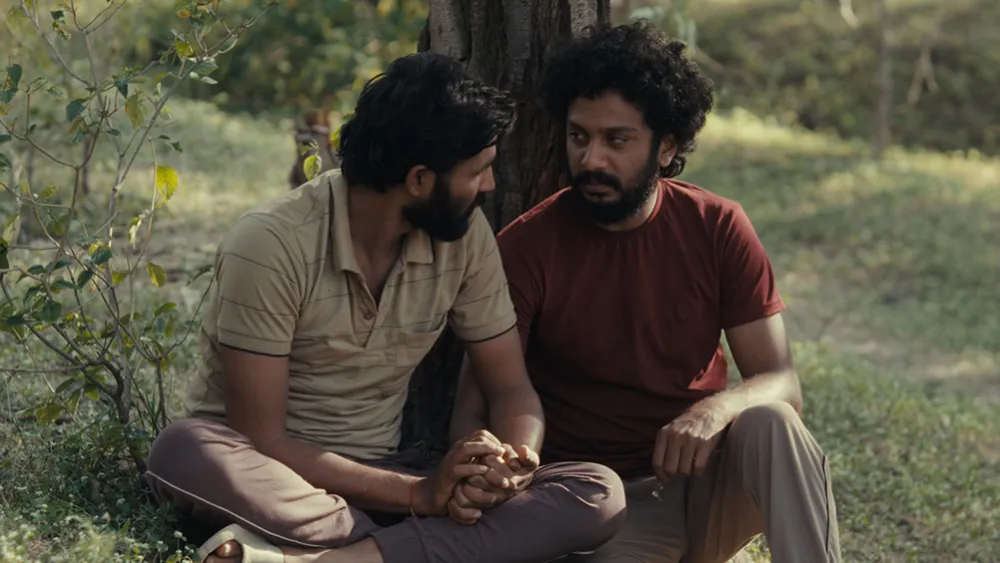
Rohan Parashuram Kanawade’s debut semi-autobiographical film Sabar Bonda (2025), translating to “Cactus Pears,” is the first film in Sundance Film history to feature the Marathi language. Unlike a majority of Indian films that reach international audiences, this film provides audiences with authentic rural life.
Kanawade, Rohan Parashuram. Sabar Bonda. 2025.
Following 30-something Anand (Bhushaan Manoj) in his mundane life as a call-center worker in Mumbai. He struggles mentally with boredom and stagnation. After his father dies, he follows his mother to their ancestral home, a rural village in West India, for a ten-day mourning period, but is ridiculed by others for not having a wife yet. He reconnects with his childhood friend, who is self-assured and unconcerned with their shared lower caste status, but similarly judged by relatives for his single marital status.
Kanawade, Rohan Parashuram. Sabar Bonda. 2025.
“I wanted to tell a queer story grounded in our society and culture where coming out to parents is not always a sad memory.”
Rohan Parashuram Kanawade on making the film from The Hindu.
Coded language, like Andan and Balya asking one another if they have a “special friend,” underscores the heterosexual cultural standard for successful and fulfilling lives. Andan’s mother inquires if Balya “does not want to marry as well,” implying her acceptance of queer identities, but she juggles accepting her son and societal expectations. India’s Supreme Court refused to legalize same-sex marriages in 2023, pushing the responsibility to Parliament. In 2025, they refused to hear lawsuits that would reverse the decision, delaying progress for LGBTQ+ rights in India.
The Return Of Camp And Catharsis — LGBTQ+ Horror As Reclamation
Horror explores the forbidden, drawing from anxieties in popular culture and the darker parts of humanity to shock and frighten audiences. The monsters of horror often embody fears of outsiders and the unknown. The genre is deeply connected to the queer community — mostly through exploitation as perversions of society through queer-coded villains.
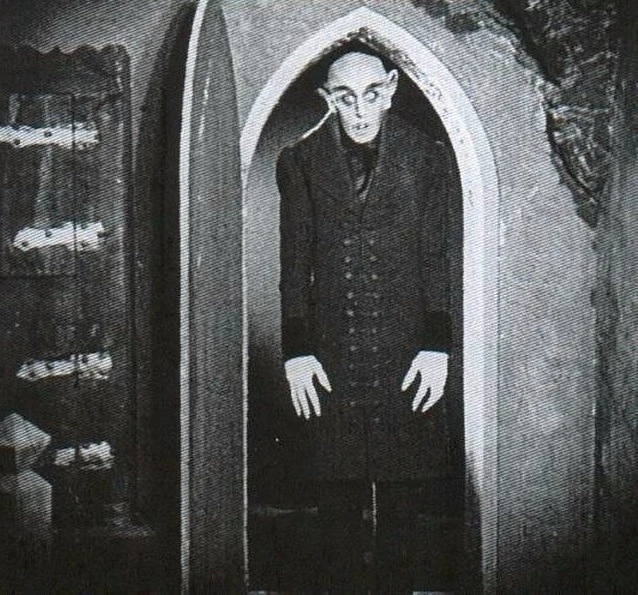
The 1922 film Nosferatu: A Symphony Of Horror by openly gay German director F. W. Murnau is amongst the first — and most iconic — horror films. Murnau reimagined Dracula, criticizing German culture after their defeat in World War I, specifically social anxieties around women’s rights, queer acceptance, and xenophobia. German laws criminalized homosexuality, so Murnau relied on nonverbal communication to translate the themes to audiences.
Murnau, F. W. Nosferatu: a symphony of horror. (1922).
As societal anxieties around queer identities evolved, queer characters in horror became more nuanced — straying from the predatory killer gays. Jennifer’s Body (2009; Karyn Kusama) shows an onscreen kiss between the main characters Anita and Jennifer — leveraged in the marketing to draw a male audience. Jennifer is nearly killed by a group of men, but comes back with vampiric powers and a hunger for men. Her villainy is rooted in her threat to men, not her sexuality.
Modern horror gives queer audiences nuanced characters to see themselves in. The Fear Street (2021; Leigh Janiak) series, directed by Leigh Janiak, centers a teenage lesbian couple as protagonists fighting against a supernatural curse plaguing their hometown. Queer main characters are often killed off — known as the ‘bury your gays’ trope — but the sapphics in Fear Street are heroic. I Saw The TV Glow (2024; Jane Schoenbrun) showcases another kind of horror main character, one struggling with dysmorphia and the horror of living an inauthentic life.
Janiak, Leigh. Fear Street part one: 1994. 2021.
The LGBTQ+ community is reclaiming the modern horror genre, but not without pushback. Times writer Lindsay Wallace says, “queer creators and actors are still discriminated against by studios that have already hit what they consider to be their quota of LGBTQ+ stories,” prioritizing what they think will appeal to the widest audience. Supporting queer stories, often created by smaller companies or direct-to-streaming services, can incentivize the creation of more.
The Parenting (2025) Dir. Craig Johnson
The Parenting (2025; Craig Johnson) is a campy horror-comedy surrounding a gay couple, Rohan (Nik Dodani) and Josh (Brandon Flynn), inviting their parents to a suspiciously affordable Airbnb mansion to meet for the first time — and for Rohan to propose. When the couple arrives, an employee tells them that misfortune fell upon previous owners, raising red flags, but the low price proves too tempting.
Johnson, Craig. The parenting. 2025.
Rohan’s pious parents, Frank and Sharon, and Josh’s aloof, laid-back parents, Liddy and Cliff, clash immediately. Rohan and Josh reflect their parents’ personalities, but as a couple, their dynamic balances each other out. The three couples quickly learn why the mansion was so affordable — it’s inhabited by a spirit feeding on conflict and anger.
Johnson, Craig. The parenting. 2025.
Familial drama ensues, fueled by parental personality differences — not the sexuality of the main characters. Instead, The Parenting shows a refreshingly realistic young gay couple trying to make sure everyone gets along. The parents are humorously exaggerated, and the plot doesn’t always make sense, but it doesn’t take itself too seriously, either.
Johnson, Craig. The parenting. 2025.
Warning for dog lovers, there are on and off-screen dog deaths, though they are cartoonish and obviously stuffed animal stunt dogs.
Available on HBO Max, Hulu, YouTube, and Amazon Prime.
Fréwaka (2024) Dir. Aislinn Clark
Fréwaka (2024; Aislinn Clark) is mostly in Irish, a language that, due to the Great Famine that English colonizers fueled by diverting food, under military escort, away from the starving, faced extinction. The influence of generational pain in Irish culture is a recurring theme throughout the film.
clark, aislinn. Fréwaka. 2024.
The film follows Siobhan (Clare Monnelly) after her mother commits suicide. Her mother’s apartment is found covered in Catholic memorabilia, hinting towards her upbringing. She takes a live-in job caring for a woman with dementia, leaving her pregnant fiancée behind. There, she learns the woman is convinced Sidhe, Irish for fairies, are invading her home.
clark, aislinn. Fréwaka. 2024.
The elderly woman, Peig, was victimized by the Catholic church. Catholicism was introduced in Ireland in the 5th century — largely replacing or integrating into Celtic polytheistic religions — like Halloween, a continuation of Samhain.
The Catholic Church maintains massive influence over Ireland, including over publicly-funded education. Like Peig, Siobhan holds trauma, but she feels guilt around her sexuality due to her family’s Catholic faith. Her mother’s suicide, a sinful act in the eyes of the church, condemns her mother to Hell, like her sexuality condemns her, which complicates her feelings on religion.
clark, aislinn. Fréwaka. 2024.
The women in Fréwaka confront the anxiety triggered by religion together, becoming an unlikely duo against their grief and trauma stemming from their similar upbringings. Peig never judges Siobhan for her sexuality, either, nor her future parenthood with her partner. Irish culture is heavily steeped throughout the film, with the fae as personifications of generational trauma and the continued presence of old Irish culture.
Available on AMC+, Philo, Fandango, Sling TV, YouTube, and Amazon Prime.
There’s A Zombie Outside(2025) Dir. Michael Varrati
Inspired by 70s and 80s thriller aesthetics and Romero-era ghouls, Michale Varrati’s There’s A Zombie Outside (2025) follows a struggling filmmaker Ben celebrating his 40th birthday. His friends and boyfriend rent a cabin when an uninvited guest appears — his movie monster. Ben struggles to distinguish between reality and his fictitious world, eventually believing he’s inside his film.
Varrati, Michale. There’s a zombie outside. 2025.
Ben’s relationship with his movie monster is complicated — it’s the subject of his only semi-successful film, but also represents Ben’s loss of self. He struggles to hide his confusion from everyone, but consistently struggles to behave in a way that conforms to society. For example, he wakes up inside the house he originally filmed his debut movie. A few seconds later, he’s in jail and a cop is explaining his trespassing charges — much to Ben’s confusion.
Varrati, Michale. There’s a zombie outside. 2025.
“This film isn’t just about zombies; it’s about taking control of and telling our own stories.”
Says Ben about his film.
His interpersonal relationships struggle alongside his mental stability, but with self-acceptance comes strengthened relationships. Not shying away from messier representations of queer relationships, Baur’s film takes audiences on a mind-bending journey of the truth of artists reflected in art.
Available for free on Tubi, Fandango, Plex, and the Roku Channel.
Queer Expression As Resistance
Global and domestic political trends indicate that diverse queer stories need to be platformed. Internationally, 63 countries criminalize same-sex sexual activity, with 12 countries able to enforce capital punishment.4
In the United States, especially, children have become the focal point of anti-LBGTQ legislation, facing unprecedented restrictions on their rights.
In U.S. v. Skrmetti, the Supreme Court upheld a Tennessee law banning gender affirming care for youth, enabling 26 other states to enforce similar laws. Executive Order 14190 bans schools from “radical indoctrination” — discussions of transgender identities and racial equity.
Not only will schools found in violation have funding pulled, but law enforcement has been directed to prosecute any school staff who “unlawfully facilitate” the transition of transgender youth. Discriminatory bills harm the mental health of LGBTQ+ youth — compounded when legislation manipulates their schools into unwelcoming places.
Sangiuliano, Loredana. 2023.
Queer youth seeing themselves reflected on screens helps them cope with the social stress of having a minority sexual or gender identity.5
The Trevor Project’s 2022 survey found 89% of LGBTQ youth felt good about their identities when represented in media, especially queer youth of color, while one-dimensional and reductive representations of queer identities that lack diversity have the opposite effect, reinforcing negative stereotypes.6
Visibility also counteracts propaganda used to justify discrimination — heterosexual, cisgender people are more likely to accept and support queer rights and identities if they have seen them before.6
With direct-to-streaming services, access to indie and mainstream films has never been easier. Media supporting queer identities should be supported, and there’s a film out there for everyone.
Footnotes
Ellis, Sarah Kate. “2025 Studio Responsibility Index.” GLAAD, 2025. ↩︎
“In Focus: LGBTQ Representation in Entertainment and Gaming.” GLAAD, 2022. ↩︎
McInroy, Lauren and Craig, Shelley. “Perspectives of LGBTQ emerging adults on the depiction and impact of LGBTQ media representation.” Journal of Youth Studies, vol. 20, ed. 1-15, 2016. ↩︎
Paletta, Daniele. “Pride Month: ILGA World Releases New Data and Maps on Laws Affecting LGBTI People Globally.” IGLA World. 31 May 2025. ↩︎
“2022 National Survey on LGBTQ Youth Mental Health.” The Trevor Project. 2022. ↩︎
Toomey, Russell B et al. “Coping With Sexual Orientation-Related Minority Stress.” Journal of Homosexuality vol. 65, ed. 4, 2018. ↩︎