

Table of Contents Show
2007 was a landmark year for video games. With the release of the next generation of consoles like the PS3 and the Xbox 360 just a few years before, companies were able to produce even bigger, more ambitious games. The first “Assassin’s Creed” title was one of them.
Throughout the years, the franchise has gained a massive following thanks to its interconnected storytelling that spans centuries following one singular timeline of Assassins, those who seek absolute freedom for all, clashing against the Templars, those who want the same outcome albeit in a much more controlled way. As a testament to the legacy of the franchise, here is a ranking of the top five “Assassin’s Creed” games.
“Assassin’s Creed II” (2009)
With its sophomore game, “Assassin’s Creed II,” the franchise was spearheaded into a new frontier and took to the throne as the new face of Ubisoft — all that was needed was a hot-headed, smooth-talking troublemaker hell-bent on avenging his family.
Right off the bat, gamers witness the birth of the new protagonist, Ezio Auditore, and follow him from his early teens into adulthood as he is unexpectedly forced to take the torch from his father after he and his brothers are all hanged for treason.

In the wake of their deaths, they left behind unfinished business that would have exposed Lorenzo de’ Medici, the ruler of Florence, Italy. Unlike his predecessor, Ezio was able to resonate more with fans than Altair did thanks to his witty personality, which steered him away from being too one-dimensional.
When times called for it, he was just as ruthless. And when conditions were right, he knew how to throw in a joke or two. The various different cities featured in the game provided the perfect outlet for Ezio to showcase his charming personality, and it meshed together well with his journey as he learns the ways of the assassins and meets interesting characters.
Among the ensemble cast that Ezio comes across are notable figures of renaissance Italy including Leonardo Da Vinci, a “mad scientist” type who immediately becomes a close friend of the assassin and offers many opportunities to grow, Niccolo Machiavelli, and Rodrigo Borgia, better known as Pope Alexander VI, and many more.

For the first time ever, gamers were able to customize their robes at will and look even more dangerous doing so, with a much bigger arsenal of swords, daggers, and upgradeable pouches that allowed for more throwing knives and medicine to be carried. If said weapons weren’t enough to take down templar cronies, there was always an option to hire mercenaries for a good price to help you fight your battles. In short, “Assassin’s Creed 2” became the template to follow and set the foundation for the next handful of titles that released.
“Assassin’s Creed: Brotherhood” (2010)
“Assassin’s Creed: Brotherhood” feels as though it was intended to be the perfect playground game. With a more laid back yet still meaningful approach to its story for the sake of maximizing the fun in everything else, it’s fair to say that the game did not disappoint. The story continues immediately after the concluding events from “Assassin’s Creed 2.” With his peace cut short after an attack on the assassin stronghold, Ezio finds himself back on the road in order to stop Cesare Borgia, son of Rodrigo Borgia, from achieving his goal of conquering and uniting the whole of Italy under his rule.

Because the brotherhood has lost influence in the city of Rome, it is up to Ezio to recruit new blood for the cause and once again build it from the ground up. Apart from the main circle of assassins who serve a much bigger purpose in the story, potential assassin allies can be found throughout the city and recruited by helping them to fight off Templar soldiers.
Another notable step toward a more ambitious direction was the return of familiar but improved fan-favorite elements from its predecessor including banking and investments, different sword types from all over the world, and more robe customization options with enough shades of just about every color to satisfy fans of every kind.
The combat mechanics are not much different from those of “Assassin’s Creed 2.” However, because of the setting going deeper into Templar country, enemies were even more well-equipped than before and missions could be more difficult to complete if gamers were not adequately equipped with enough throwing knives or bullets to strike from a distance or medicine to regenerate health.

The different fighting styles of the various enemy types, who did not wait their turn to strike, also added to the difficulty. But besides the usual archetype of enemies that had been seen before, “Assassin’s Creed: Brotherhood” presented a new, unique evil in the form of The Followers of Romulus, wolf skin pelt wearing foes who hide underneath the Roman Coliseum and usually struck in groups at night. In situations like these, Ubisoft provided quite the help by allowing you to call for backup and, as the ultimate form of defense, a storm of arrows that could take down a small army of foes in one go.
“Assassin’s Creed: Revelations” (2011)
“Assassin’s Creed Revelations” took what made “Brotherhood” great and amplified it by quite a margin. Serving as the conclusion to the epic tale of the beloved Ezio Auditore, it was only right for Ubisoft to wrap things up with a bang. The playground of choice this time around was a hazy but picturesque depiction of Constantinople, and players took the helm of a now grizzled Ezio, who is tasked with finding the five Masyaf keys in order to uncover what he believes to be the secrets of the assassins.
The plot did not feature eccentric foes like the iconic Cesare Borgia from the previous game, but what it lacked in villainy it made up for with the masterful maturity and growth Ezio displays as he takes on the burden of his mission. For the first time, Ezio dons a robe that is grey with fur by default, a far cry from his usual white and red one that perfectly encapsulates his growth from a young, naive killer to a mentor of the younger generation of assassins who don’t yet truly understand the creed.

And what better way to teach them than in arguably the best assassin hideout. The headquarters, stationed underground in a series of caves in Galata, allowed gamers to manage assassin recruits, interact with interesting artifacts, and even craft bombs among many other things.
The abundance of new technology like the parachute and hook blade, which made for a fine weapon in addition to providing quicker transport throughout the city, also made for a fun experience and ensured that Revelations would not fail to impress its core fanbase. Ubisoft’s most pleasant surprise, however, was its wonderful conclusion: they brought back the legendary Altair, who had not made a major appearance since his debut in 2007.

Though the first ever “Assassin’s Creed” game did leave quite an impression among its players upon its release in 2007, fans had been left to their imagination about the conclusion of the earliest titular assassin at that point in time. Because Ubisoft proved to be getting much better in regards to storytelling, it was only right for the original assassin, Altair, to join his successor in sharing the final ovation of their legacies.
“Assassin’s Creed III” (2012)
Originally, “Assassin’s Creed 3” was met with a mixed reception between critics and fans of the franchise alike. Aside from the Desmond storyline, the game marked its most significant jump in time by way of colonial America during the American Revolution and is told from the perspective of Ratonhnhaké:ton, better known as Connor Kenway, a Native American whose journey leads him to take up arms in the American Revolution.
The first portion of the game focuses on Haytham, father of the titular protagonist, Connor, and drags on a bit too much. While the story leading up until Connor’s introduction could have been more fleshed out, the reveal that Haytham was a Templar the whole time was masterfully done and laid the foundation for the first full-time Templar protagonist of the franchise in “AC Rogue.”

Throughout his journey, Connor is caught in a battle between family and freedom, but with the help of his gut instinct, the guidance of his mentor Achilles, and his self-reliance, he manages to keep himself grounded throughout his difficult journey. Admittedly, the fighting mechanics took a more laid back approach without sacrificing the creativity and bloodshed of multi-kill assassinations. Fans no longer had to stay on their toes to anticipate an enemy attack as the simple, new combat system dropped the fear of death by gamers to an all-time low.
In addition to having to fend off opposing humans, gamers had to be weary of furry beasts when in the forests throughout the colonies, but the inclusion of traps, firearms and Connor’s iconic bow and arrow made things a bit easier to handle. With his ability to skin animals, Connor can use the various body parts he collects to help create new outfits, craft equipment, and even upgrades. It also provided an extra outlet for making extra money by selling what you collected.

One of the biggest critiques against the game was that the main storyline didn’t provide enough of a chance for Connor to display a different side of his personality. Like Altair, Connor is one of the most stoic of the assassins at the point of the game’s release. While a point could be made for either side of the argument, there was no denying that the homestead side missions provided the perfect outlet for him to showcase his more compassionate side.
“Assassin’s Creed IV: Black Flag” (2013)
At the point of its release, “Black Flag” was by far the most ambitious “Assassin’s Creed” game, and it did so without stretching itself too thin. Though the story pivoted more toward being a pirate game than a traditional assassin one, it did so well in its transition with a huge open world that allowed gamers to hunt for treasure, supplies, and even big game like whales and sharks.
The protagonist, a pirate by the name of Edward Kenway with a love for all things wealth, prioritizes fortune over finding honest work and being with his wife and children. It is during one of his antics that he truly strikes gold. Unlike the assassins from the games before him, Edward Kenway stumbles into the rabbit hole of the robed warriors by way of identity theft after murdering an assassin in order to claim a reward for himself.
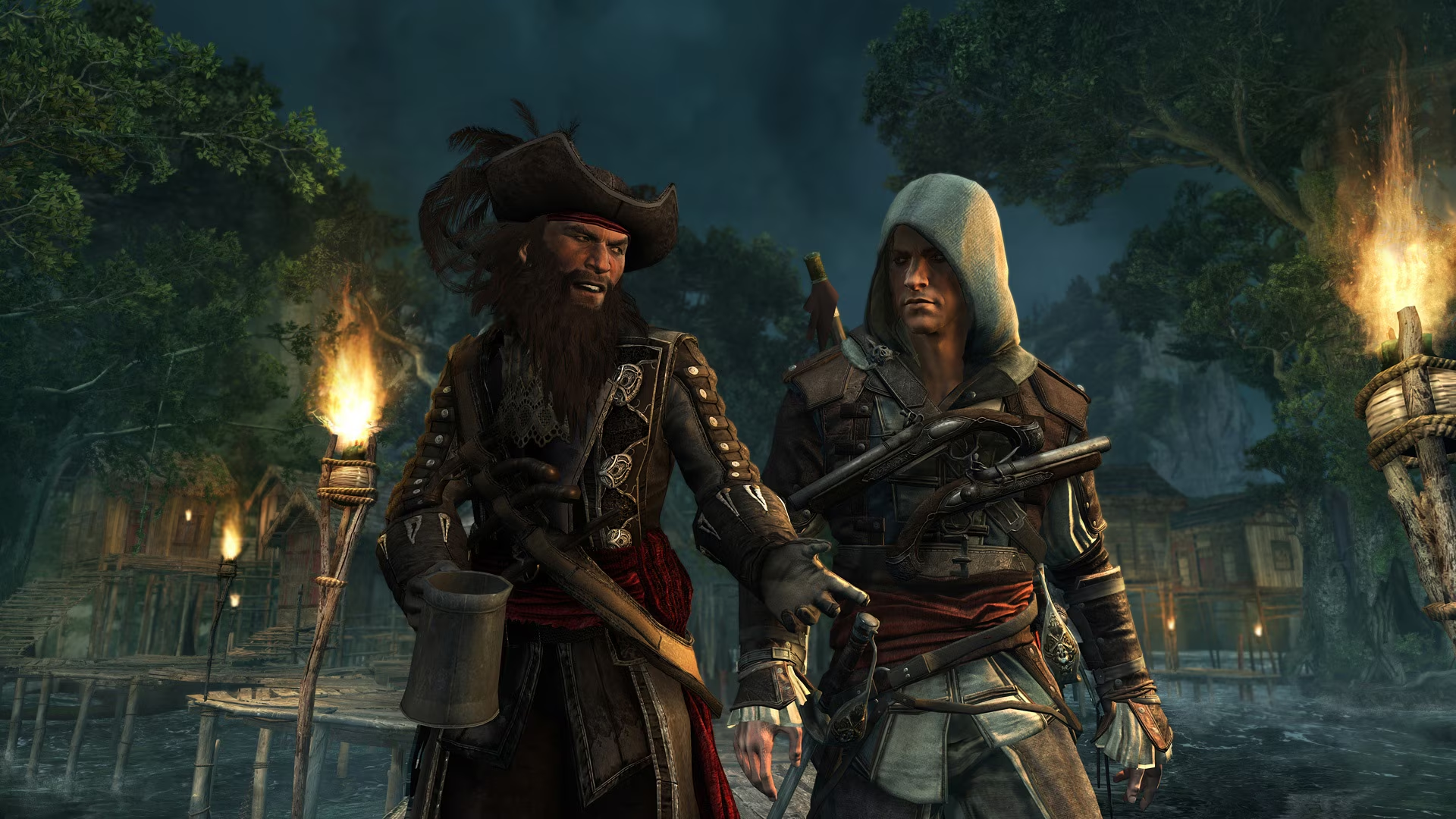
The ordeal spins his life around and he grows to embrace his new calling as the new head of the assassins, sailing the west indies on his ship, the Jackdaw, which can be upgraded into a fearless vessel as the story progresses. While much of the game is spent at sea, the shanties the crew sings as you sail between islands made for memorable trips, and the tunes complimented the spectacle of whales that could occasionally be seen bursting out from the depths of the ocean.
If you somehow do manage to get bored while at sea, you can quickly let go of the wheel and hang out in your cabin, go for a swim in the middle of the ocean, or even go on a quick adventure on one of the many remote islands located all throughout the map. The ever-present threat of enemy ships who wanted nothing more than to see your vessel kiss the sea floor added a touch of thrill and fear, making gamers plan their trips accordingly.
The game also boasts some of the more memorable characters, many of which were based on real figures such as Blackbeard and James Kidd, to name a few. A few original faces who left fans with a soft spot for them also geared up such as Stede Bonnet and the loyal Adewale, who was stripped of his freedom and en route to becoming a slave until he met Edward.

While the first few games focused on Desmond and his crew outside of the animus, Ubisoft took a surprisingly pleasant new approach. After Desmond’s unexpected death, fans were anxious about what direction the game would take with regards to the modern-day missions and what new storyline could come from them.
The answer came in the form of an unnamed character with a first person point of view who is a new hire at Abstergo, the modern-day front for the Templars. As the new hire, gamers are subject to completing puzzles throughout the headquarters of Abstergo, an interesting, futuristic complex, as the story progresses, and it all leads to one of the most satisfying endings in all of video-game history.
The Assassins’ Evolving Fate
The five listed games, apart from being nominated for and winning various awards, demonstrated just how big of a global phenomenon intricate storytelling can make a video game, however, it is commonly said that all good things must come to an end. Over the years, many video games have failed to stand the test of time for one reason or another, but the shovel is guaranteed to hit rock bottom much sooner when one simple formula becomes the basis for everything henceforth.
With more than 10 mainline titles centered around betrayal and revenge, said formula that once captivated gamers has depreciated, leaving the future of “Assassin’s Creed” in limbo. The most recent addition to the franchise, “Assassin’s Creed Shadows,” reportedly sold the least amount of copies of the franchise’s mainline games, possibly failing to break even with its budget.
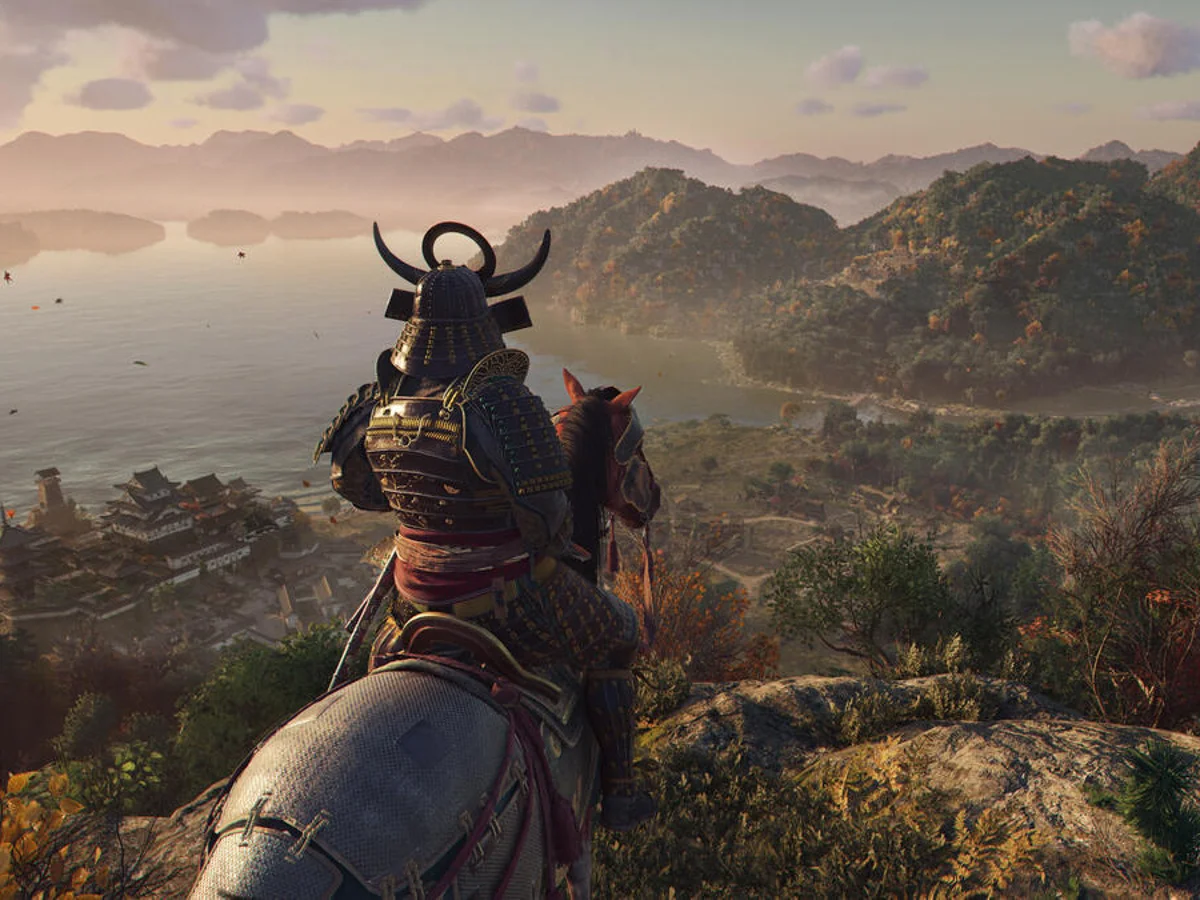
With the hype of the games dying down, Ubisoft might have to consider giving the franchise an honorable sendoff with a concluding game that both satisfies longtime and newer fans with a carefully crafted and fitting end to the tale of the assassins.