

Table of Contents Show
Anime has always been known for its openness to engage with queer characters and themes,1 inspiring queer creators around the world. There are many great LGBTQIA+ anime, some of which are very popular. But there are also other series that have often been overlooked. Here’s a list that includes iconic and lesser-known LGBTQIA+ anime (all of which are currently streaming) to celebrate Pride Month.
Queerness And Anime Today
But first, a brief history of Japanese attitudes toward queer people. Japan has a long history of homosexual practices, but its government began to discourage gay relationships in the Meiji era (ca. 1868-1912) in an attempt to be perceived as “civilized” by the Western world. They even briefly instituted anti-sodomy laws from 1872-1880.2

Today, homosexuality is more normalized in Japan, due to a lack of strong influences from Christianity or other puritanical religions. This explains why recent surveys found that Japanese people are more open to legalizing gay marriage than Americans, despite the fact they might have a more conservative society.3 Despite the apparent support for gay marriage, their government has yet to actually legalize it.4
Trans advocacy, on the other hand, has struggled to gain traction. While a law from 2003 allowed trans people to change their gender, there were many hoops to jump through, including gender confirmation surgeries and, up until 2023, sterilization. Insurance generally covers those surgeries, but not hormone therapies.5 Furthermore, Japan has yet to recognize more than two genders, with many genderqueer Japanese people referring to themselves as “X-gender.”6
Must-Watch LGBTQIA+ Anime
Since queer anime is about as distinct as queer people, this list won’t attempt any sort of ranking. Instead, it will be arranged chronologically, starting with Revolutionary Girl Utena (1997).
Revolutionary Girl Utena
There’s a good reason this anime has been so influential–it isn’t just “great”, or even “groundbreaking;” it is a masterfully crafted narrative about the violence of patriarchy that delves into the psyches of its characters, while including a variety of different, messy queer representation, all in a series from the 90s!
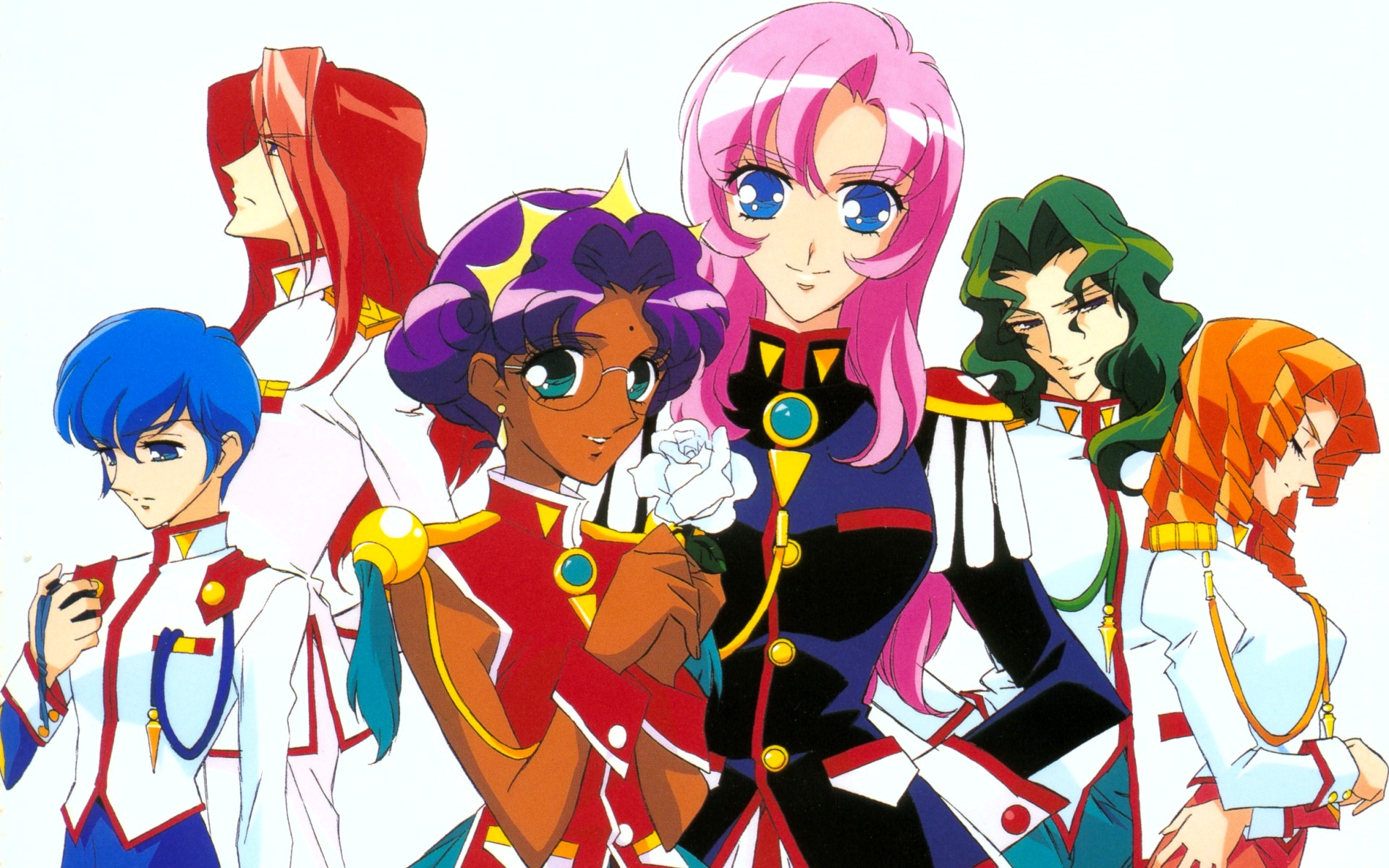
This was director Kunihiko Ikuhara’s first original series, and while he might have improved in some ways over the years, this is undoubtedly his masterpiece. It’s since become a foundational text, not only for queer anime, but for queer animation in general.
To be fair, this is not a series to take lightly. It goes to some very dark places, reflecting the reality of queer people living in a cisheteronormative society (and even just being a girl under the patriarchy). It’s also rather surreal and thematically dense–you really need to turn your brain on for this one. But ultimately, it sends a powerful message about the need for revolution.
Revolutionary Girl Utena: The Movie (1999)
Alternately titled “Adolescence of Utena,” this movie is many things, including both a recap and a sequel (but if you’ve seen the series, you know that a recap is never JUST a recap). The movie deserves its own spot, because it is a very different beast.
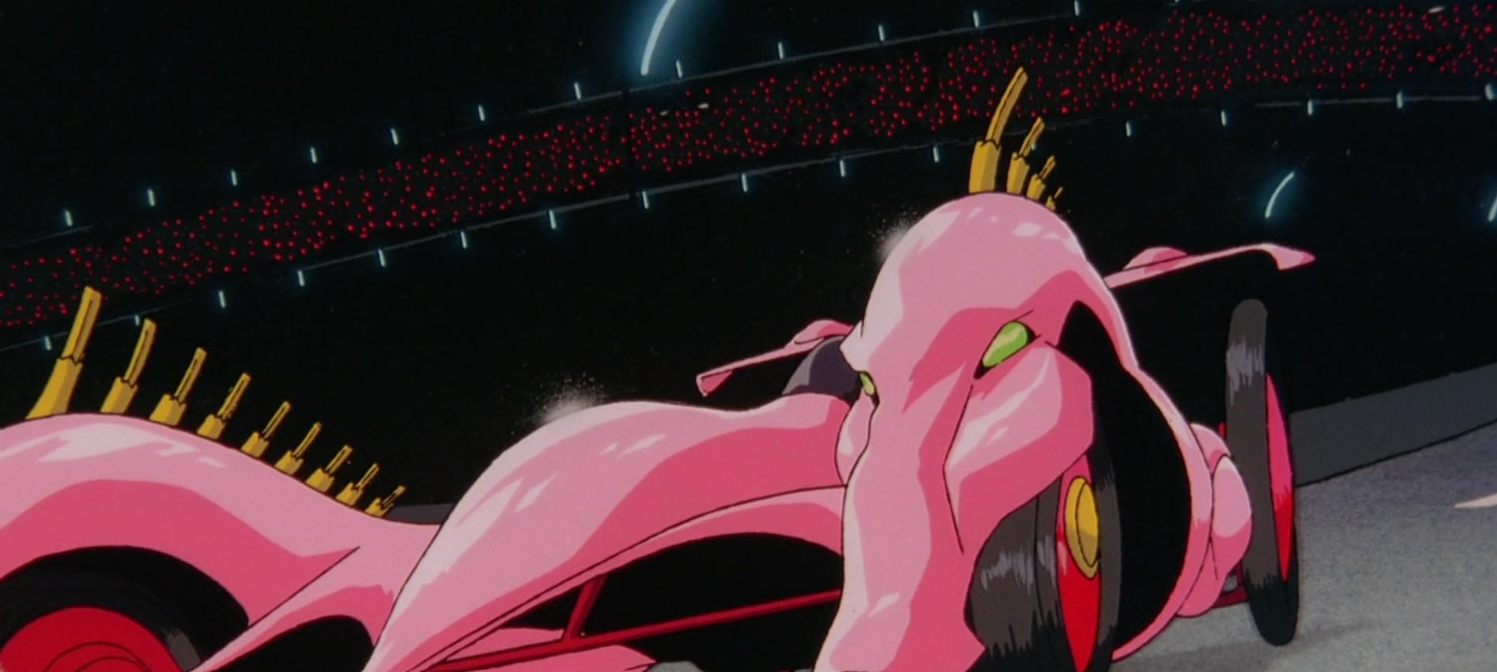
Since it is so much shorter (and hence more surreal), there have been people who got into the show by watching the movie. It does have much better animation, and while a newbie will have no clue what’s going on, the insanity often draws them in.
It’s also able to be much more explicit (on several fronts), which is refreshing after the series had to tiptoe around what it was actually about to avoid getting demonetized stay in it’s shoujo time slot. If you’re struggling with the pacing of the series (it takes its time getting to the point) or just want to experience Utena without committing to 39 episodes, give the movie a shot. You won’t forget it.
Yuri!!! On Ice (2016)
The original gay skating show! There’s a reason this anime became a phenomenon before anime had become quite mainstream. It is partly due to the quality animation of the many, many skating scenes, to be sure, but it’s mostly because of the colorful cast of characters and the central romance.
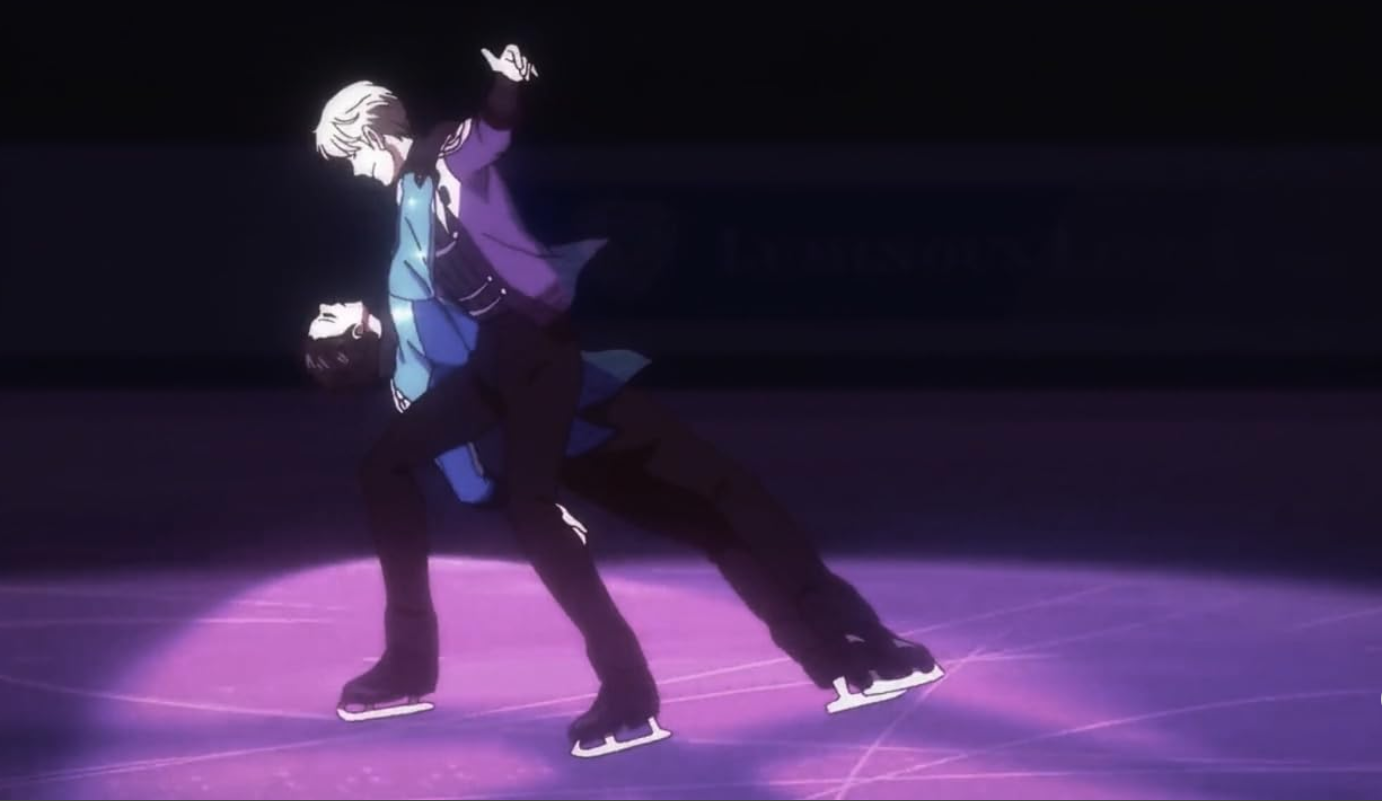
This isn’t just a good gay romance; it’s a good rom-com, period. While the buildup is a bit subtle, between the kisses and the rings, it’s clear that they’re at least dating by the end. It’s just a cute show, and even though the creators haven’t been able to make the follow-up they clearly intended, it’s still a complete story.
Mobile Suit Gundam: The Witch From Mercury (2022)
While Witch From Mercury clearly steals its premise from Utena, it is a very different show, featuring space battles rather than complex symbolism. It does touch on socio-political conflict, but it’s only about as dark as your average Gundam show.
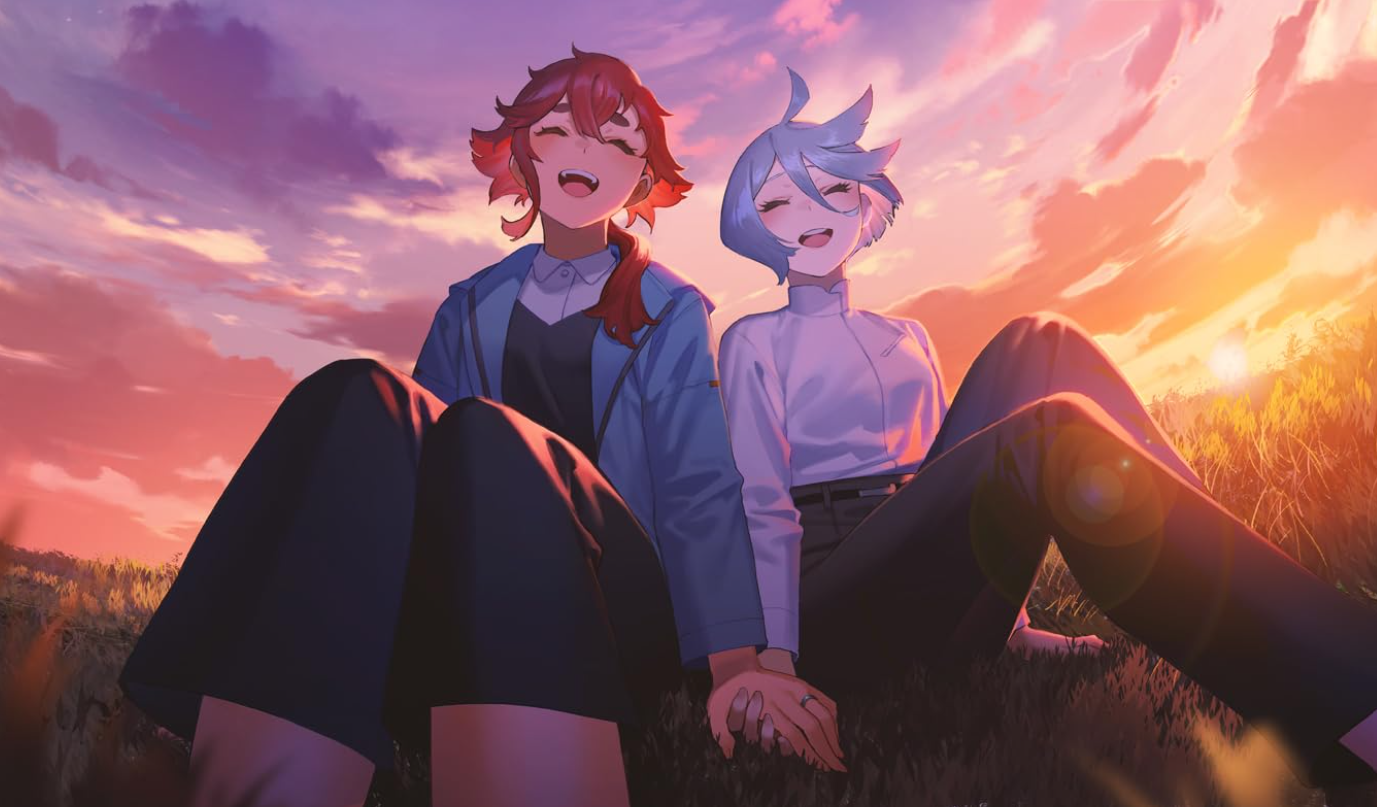
You don’t really need any prior experience with the Gundam franchise, either–this is basically just a space adventure with some war as a backdrop, featuring a sweet lesbian romance.
The Magical Revolution Of The Reincarnated Princess (2023)
This is another entry in the “light novel title that tells you the whole premise,” but it’s among the best one-season isekai (“isekai” being an anime subgenre about one or more people who are transported to another world, mostly through reincarnation).

It focuses more on the worldbuilding than the titular princess’s origins, making it feel more like a plain fantasy than an isekai. It’s also a rarity among gay anime, since the love interests actually get to be intimate on-screen.
Senpai Is An Otonoko (2024-25)
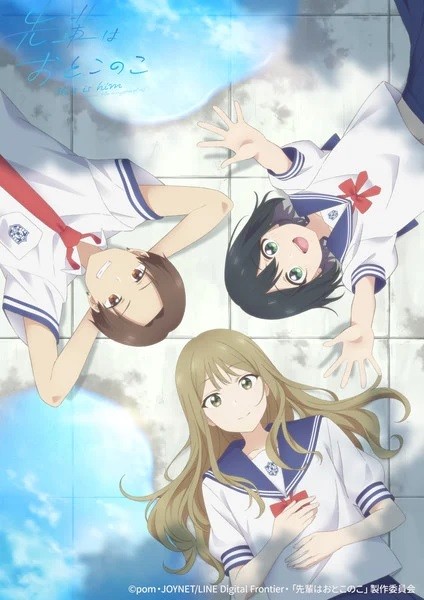
This show is a sweet exploration of how queer kids can support each other. The titular senpai is Makoto, a person who was assigned male at birth (“AMAB”) but likes to present as a girl. They’re often suppressed by family or other societal forces, and grapple with their gender identity throughout the show.
They are also caught in a sort of love triangle between a girl and a boy. It might sound like a lot, but the drama tends to come from society in general more so than from their friend group, so it’s a surprisingly cozy watch.
More LGBTQIA+ Anime You Might Have Missed
This section will hopefully point fans of older LGBTQIA+ shows to newer or lesser-known ones.
If You Liked Revolutionary Girl Utena…
Journal With Witch (2026) may be very different from Utena, but it deals with many of the same themes in a more grounded setting. It’s technically josei, anime made for women, but young people would probably connect to the high schoolers, too.

Its queerness is more subtle, with a gay character who never officially comes out on-screen, and a minor non-binary character who might go completely overlooked if one doesn’t have context from the manga. Nevertheless, it’s a more mature look at the harms of patriarchy (both to men and women), based on a foundation of feminine solidarity.
If You Liked Yuri On Ice…
Botan Kamiina Fully Blossoms When Drunk (2026) may not be a sports anime, but it is mostly focused on one thing (in this case, alcohol) and features gay adults falling in love while bonding over that thing.
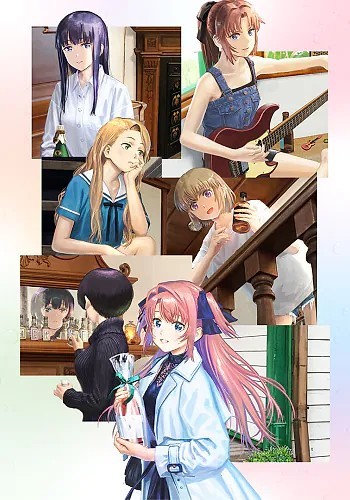
Naturally, it tends to have lower stakes, and there are more than two people who could potentially get together. Seeing as there was a certain drunken confession in Yuri On Ice, too, it’s an apt recommendation.
If You Liked The Witch From Mercury…
We have two recs here, depending on what elements you enjoyed about the Gundam show: Astra Lost In Space (2019) and Cosmic Princess Kaguya! (2026).
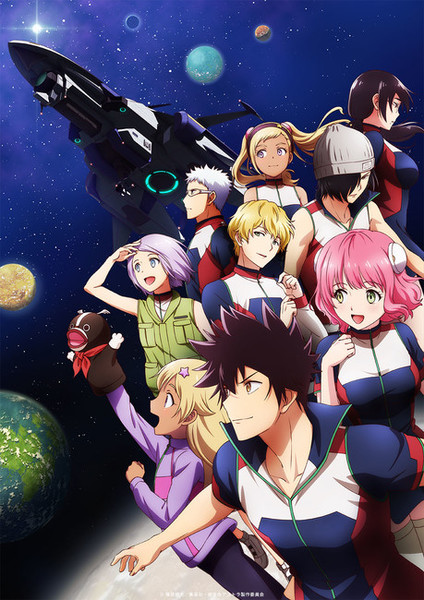
Astra Lost In Space is a sort of puzzlebox mystery set in space, and while the crew eventually form a found family, it’s most notable for including an intersex character, representation that’s pretty rare in any medium. He’s AMAB, and despite experimenting with more feminine presentation, still identifies as male. It’s mostly a fun story that occasionally plays with queerness.
Cosmic Princess Kaguya, on the other hand, is all about the yuri in a slightly futuristic setting. As with most of these shows, it’s not great, but it’s also only a film, so not a huge time commitment. If you want to watch a love story between two girls, you could do much worse.
If You Liked MagiRevo…
There was a surprising influx of sapphic isekai in 2022-23, but two stand out: The Executioner And Her Way Of Life (2022) and I’m In Love With The Villainess (2023).
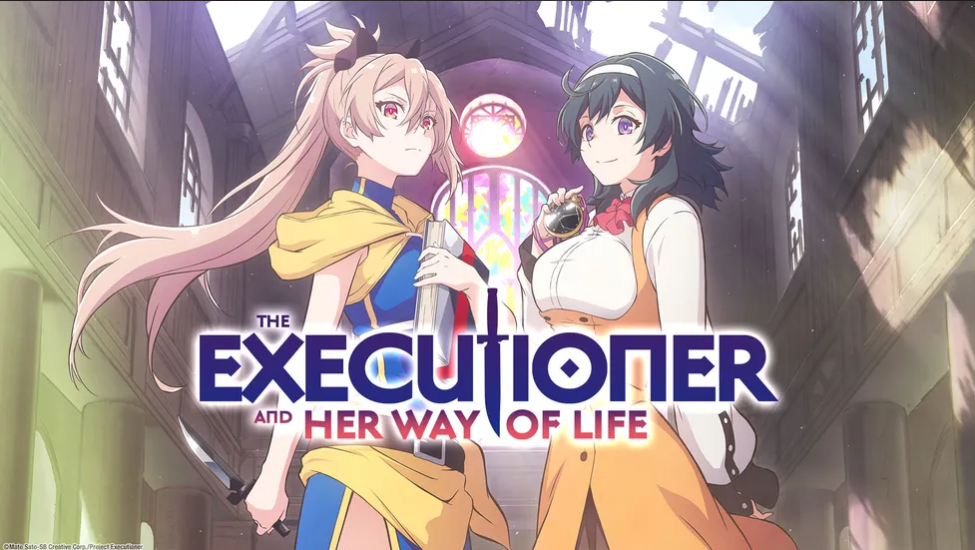
This one might be responsible for that particular subgenre, and while it is excellent, there’s one glaring flaw: It doesn’t have an ending. It clearly sets up a second season, but hasn’t gotten one, so if you want to know how it ends, either gamble on a second season or just pick up the light novels.
I’m in Love with the Villainess has two advantages: One, it actually discusses the protagonist’s sexuality, and two, it has a proper ending (even if it’s not the most satisfying). It also represents the particular isekai subgenre of “reincarnated into a visual novel”.
If You Liked Senpai Is An Otonoko…

Stars Align (2019) was clearly a labor of love but remains sadly unfinished. Despite its sports-anime facade, it’s one of the darker shows on this list; however, it also depicts the struggles of boys figuring out their sexuality — and it contains a rare example of a trans man in anime, even if he’s a fairly minor character.
Celebrating Queer Stories Year-Round
There are plenty of other queer anime that are no longer streaming (like Wandering Son (2011) or Bloom Into You (2018)), which might be available on physical media, not to mention tons of queer manga that have never been adapted, but some of which are available in English.
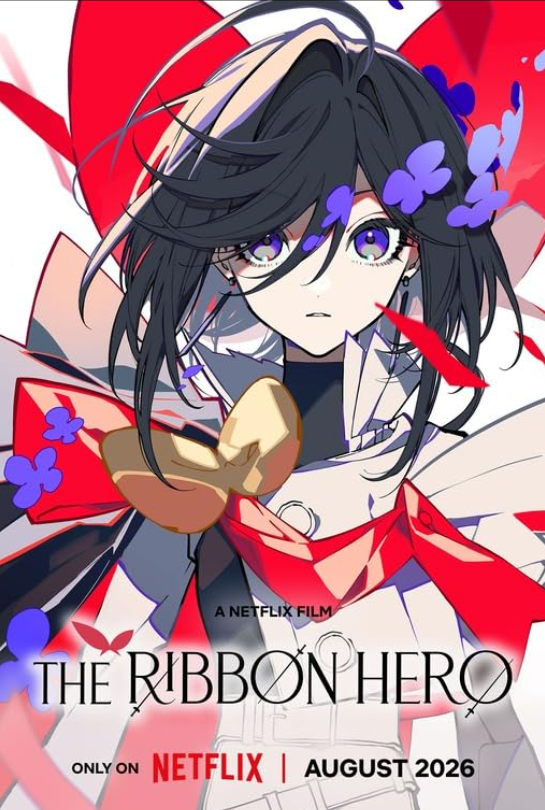
And there’s also a queer anime film coming to Netflix in August: The Ribbon Hero (2026), a new adaptation of Osamu Tezuka’s Princess Knight (1953-56), which was the first queer anime.7
Pride Month is a special time set aside to celebrate queerness, but when you’re LGBTQIA+ yourself, any representation you can get is welcome. And in a world that’s becoming more hostile toward the queer community, you’ve got to take wins (and representation) where you can find them.
Footnotes
- LGBTQ themes in anime and manga. Wikipedia, 13 March 2026. ↩︎
- McNeill, J. R. The Cambridge World History: Volume 7, Production, Destruction and Connection, 1750-Present, Part 2, Shared Transformations. “Migrations” — “Homosexuality.” Cambridge Press, 2015. ↩︎
- Gubbala, S., Poushter, J., & Huang, C. How people around the world view same-sex marriage. Pew Research Center, 27 November 2023. ↩︎
- Khalil, S. Marriage equality eludes Japan’s same-sex couples. BBC, 2 October 2023. ↩︎
- LGBTQ rights in Japan, “Transgender rights.” Wikipedia, 2 April 2026. ↩︎
- X-gender. Wikipedia, 12 June 2026. ↩︎
- LGBTQ themes in anime and manga. Wikipedia, 13 March 2026. ↩︎