![[CONCEPT] TOE1. YouTube, Uploaded By Doctor Nowhere. 19 Dec. 2023.](https://storage.googleapis.com/stateless-thedailyfandom-org/2025/07/51fae0f6-toe1.jpg)

Table of Contents Show
Analog horror once ruled the internet. An eerie, lo-fi genre that tapped into nostalgia, fear, and the unknown, it offered something new for those who were interested in the horror aspects of the internet.

But just as fast as it rose into popularity and mainstream media, it hit a wall. The once-beloved tropes are now viewed as repetitive and overdone. Many of the same techniques that once made the genre feel fresh are now seen as lazy, and even meme-worthy, making its popularity die down.
“Analog Horror Defined” — Nostalgia As Fear
As explained by Studio Binder, analog horror is a subgenre of horror that draws heavily on the style and aesthetics of vintage analog media, such as VHS and cassette tapes.1 Analog horror doesn’t follow the usual formula of horror — it’s fragmented and vague, leaning on the viewers to piece together the story and fill in the blanks themselves.
What sets analog horror apart is its ability to use nostalgia as a weapon. It draws on collective memories of analog technology that millenials and early Gen Z experienced in their childhood: fuzzy images, PSAs from televisions, and ‘lost’ episodes of cartoons. There is an uncanny valley effect in something familiar repurposed into horror, making it feel real — like you came across something you weren’t supposed to see.
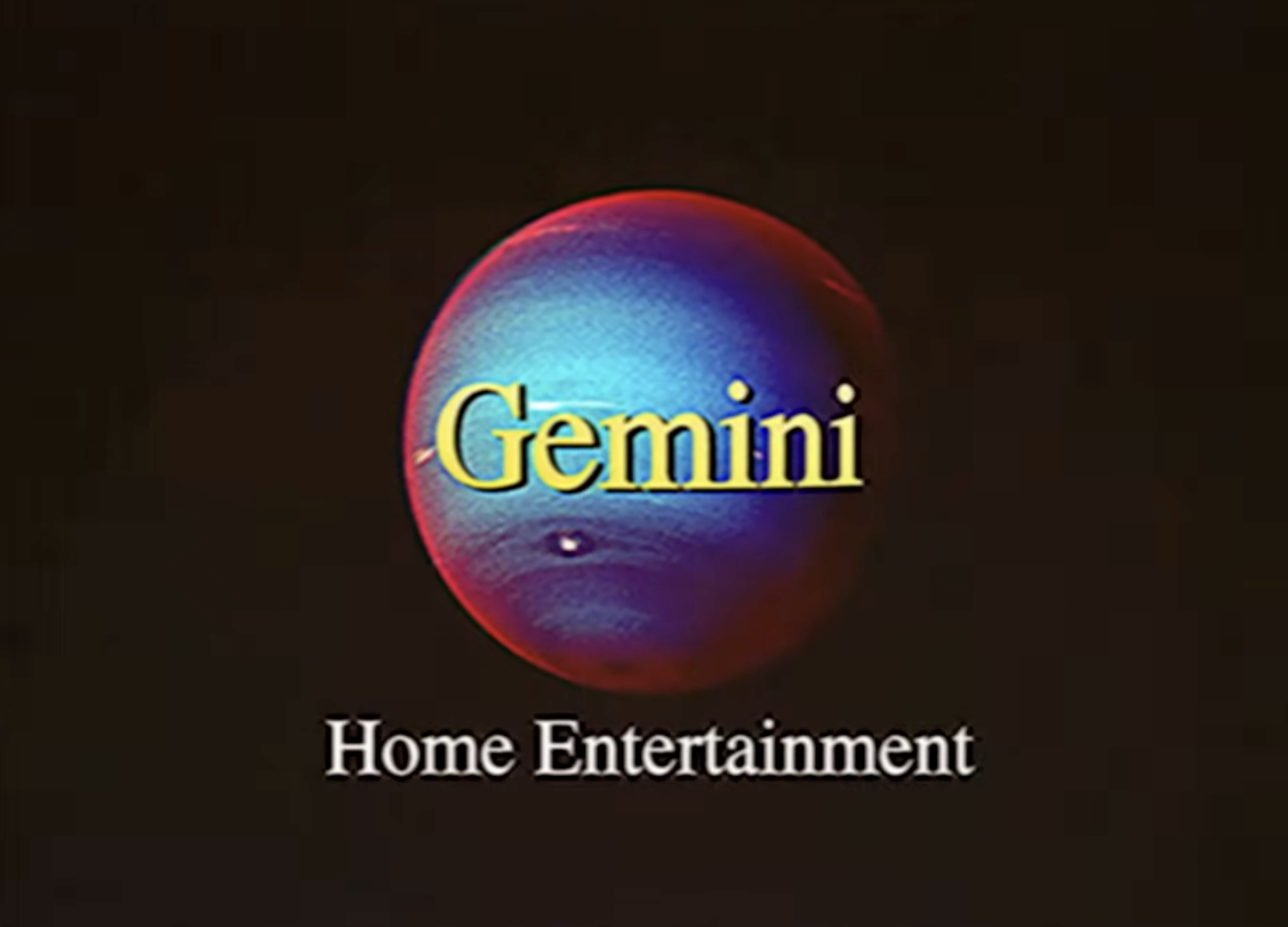
It resonated with the viewers, turning the sense of comfort, twisting it into dread. The line between familiarity and the uncanny is part of what made the genre feel so powerful at its peak.
The internet loves nostalgia. A big reason for analog horror’s success came from the internet’s obsession with nostalgia. Online spaces are constantly recycling old aesthetics: vaporwave, Y2K, to early 2000s web-designs. Analog horror fits in perfectly into the aesthetic, with its usage of traditional media like cassette tapes and VHS effects, even adding in some retro fonts — it was the definition of nostalgia.
“From Viral Hit To Saturation” — The Genre’s Rise
Analog horror cemented its place on the internet in the late 2010s and exploded in the early 2020s. Projects like Local 58 (2015), Gemini Home Entertainment (2019), and The Mandela Catalogue (2021) tapped into the internet’s growing obsession with nostalgia.
Part of the genre’s appeal was its accessibility. Creators relied on their creativity and limited resources. Alex Kister, the creator of The Mandela Catalog, used his phone to record the first episodes of his series, with the help of his friends to do voiceovers.2
![The Mandela Catalogue Vol. 1 [RESTORED EDITION]. YouTube, uploaded By Alex Kister. 5 Apr. 2023.](https://storage.googleapis.com/stateless-thedailyfandom-org/2025/07/9989584d-man-c.png)
This showcased the core of analog horror: simplicity and accessibility. Unlike many horror projects that required paying to see (like horror movies in theaters), viewers could watch analog horror for free using their favorite social media platforms, such as YouTube and TikTok.
It is because of their accessibility that the rise of analog horror couldn’t happen without YouTube and TikTok. Both platforms were used for creators to build their series and audiences to consume and theorize. These platforms played a major role in turning analog horror from a niche side of horror into a full-blown trend that you couldn’t escape in the early 2020s.
Timing also played a part in its virality. COVID-19 caused people to be more indulged in online spaces. A study from the National Institutes of Health showed that social media was a primary mode for information seeking, social support, and entertainment for people during the pandemic.3
More people were using social media during the pandemic, with billions of content being produced to fill in the gaps during the isolation from social interactions. Analog horror, with its themes of surveillance, unseen threats, and disrupted communication, resonated deeply in this moment.
It was something made by the internet, for the internet, in a time when traditional entertainment was on pause.
“When Tropes Turn Tired” — Overused Storylines
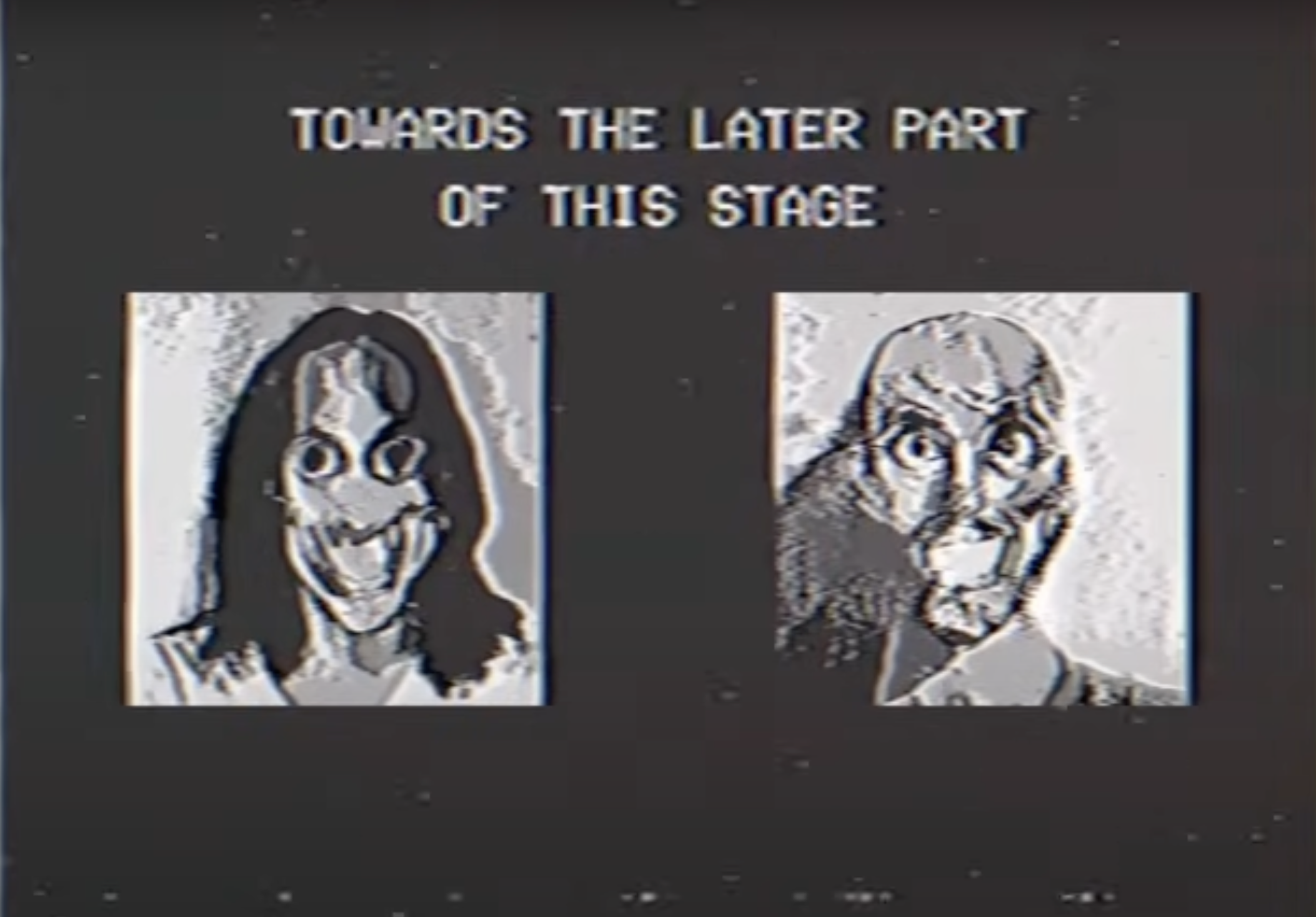
At its core, analog horror reflected its genre’s name: analog. With its style of distorted faces, emergency alerts with cryptic messages, VHS glitches, shadowy, uncanny people as a threat, and alternate dimensions, analog horror carved out a niche aesthetic that felt nostalgic yet terrifying.
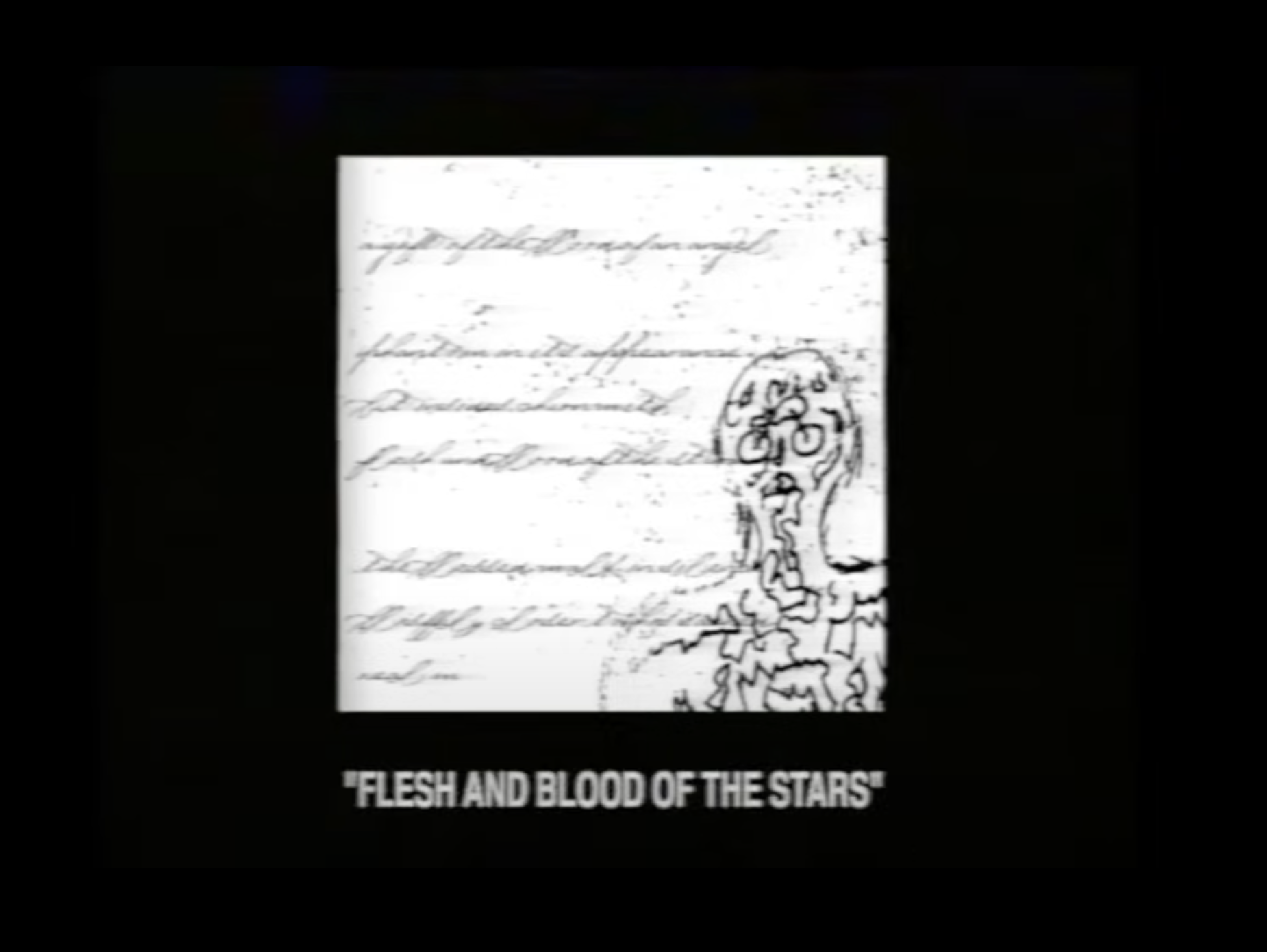
As analog horror rose in popularity, so did its tropes. However, this wasn’t always for the best. Due to the repetitive use of the same tropes, many became the trademark elements of the genre, with things like the use of distorted faces, emergency alerts, and VHS-like visuals all being included in some of the most popular analog horror stories.
Distorted Faces
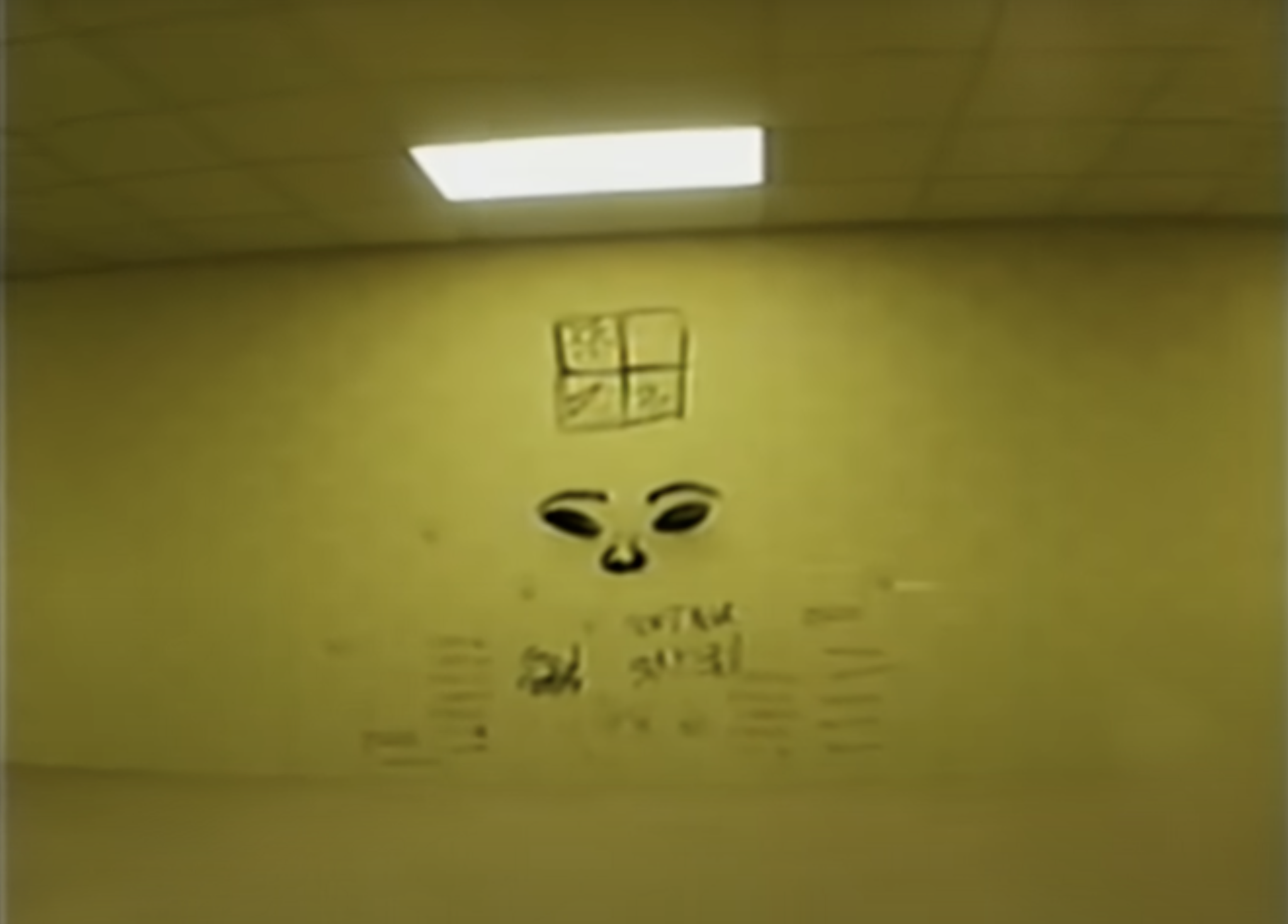
Whether it’s a face on the wall or a news anchor with blurred faces and enlarged eyes, this distorted image of faces became a staple in the genre. Originally used to suggest something “wrong” with the people within reality, this element became a cue for corrupted identities.
The Mandela Catalogue, one of the most popular analog horror series, utilizes this element. Set in a fictional plot, Mandela County, where the population is tormented by the ‘alternates’ who manipulate victims, driving them to paranoia and madness.
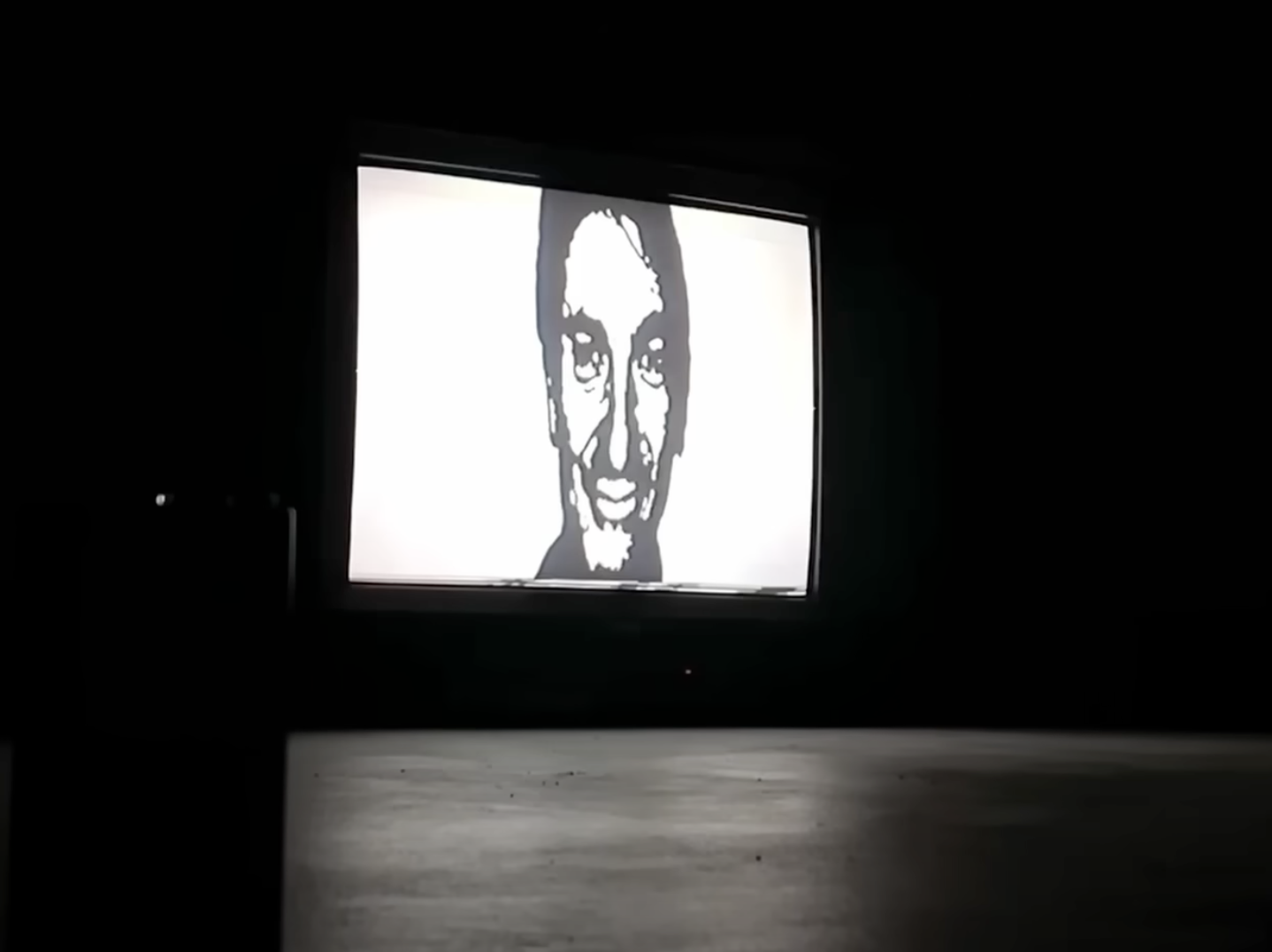
As part of the “distorted faces” trope, The Mandela Catalogue helped popularize the ‘common’ entity in analog horror, an ‘alternate‘ which mimics human appearance but is slightly off and uncanny.
Emergency Alerts
Analog horror creators used creepy, fake emergency alerts as a form of world-building in their stories. Alerts about alternate people, entities, and government warnings flooded the genre — these were meant to mimic reality. An example of this trope would be The Basswood County.
![Basswood County Humanoid Alert [ Analog Horror ]. YouTube, Uploaded By Dark Mind. 17 Mar. 2022.](https://storage.googleapis.com/stateless-thedailyfandom-org/2025/07/821c8846-basswood-c.png)
Basswood County follows a rural town haunted by ‘humanoids,’ a humanlike creature killing, stalking, or replacing the residents. Throughout the series, emergency alerts by the police department were used to warn residents about the growing threat.
VHS-like Visuals
The main aesthetic for analog horror was its usage of VHS-like visuals. It became the medium for creators to project their creations. Using a grainy yet nostalgic ambiance, they gave the viewers a sense that they were actually watching a replay of the weather report or a lost episode of a children’s TV show.
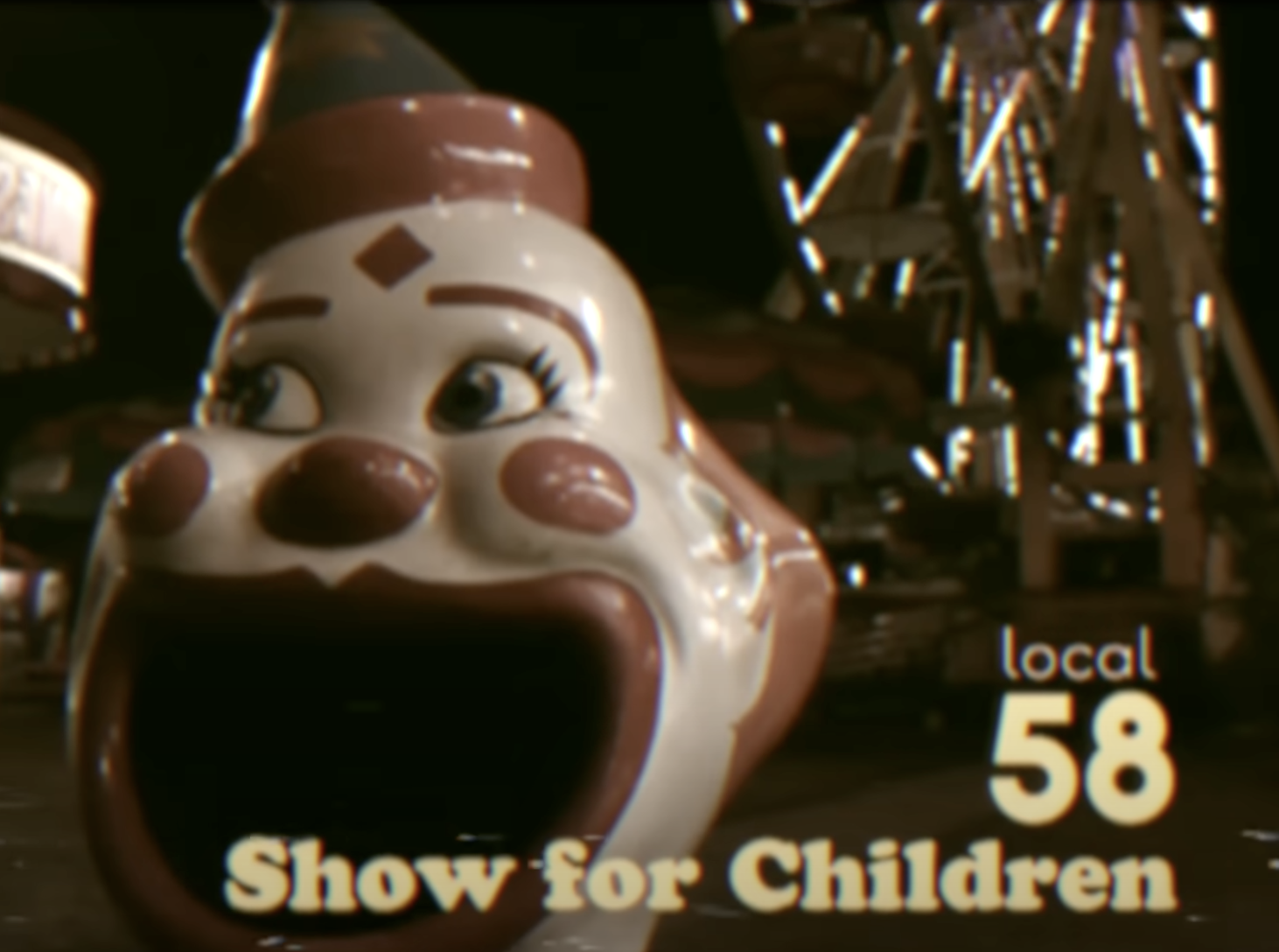
Through the eerie broadcast of a fictional public TV, hijacked by mysterious and disturbing signals, Local 58 popularized the concept of using the aesthetic for the genre.
The Reality Of Repetition
People originally gravitated to the common tropes, finding them interesting. It was a fresh concept of horror, bringing in the materials that they were familiar with when they were growing up and twisting them into something unthinkable — a horror phenomenon.
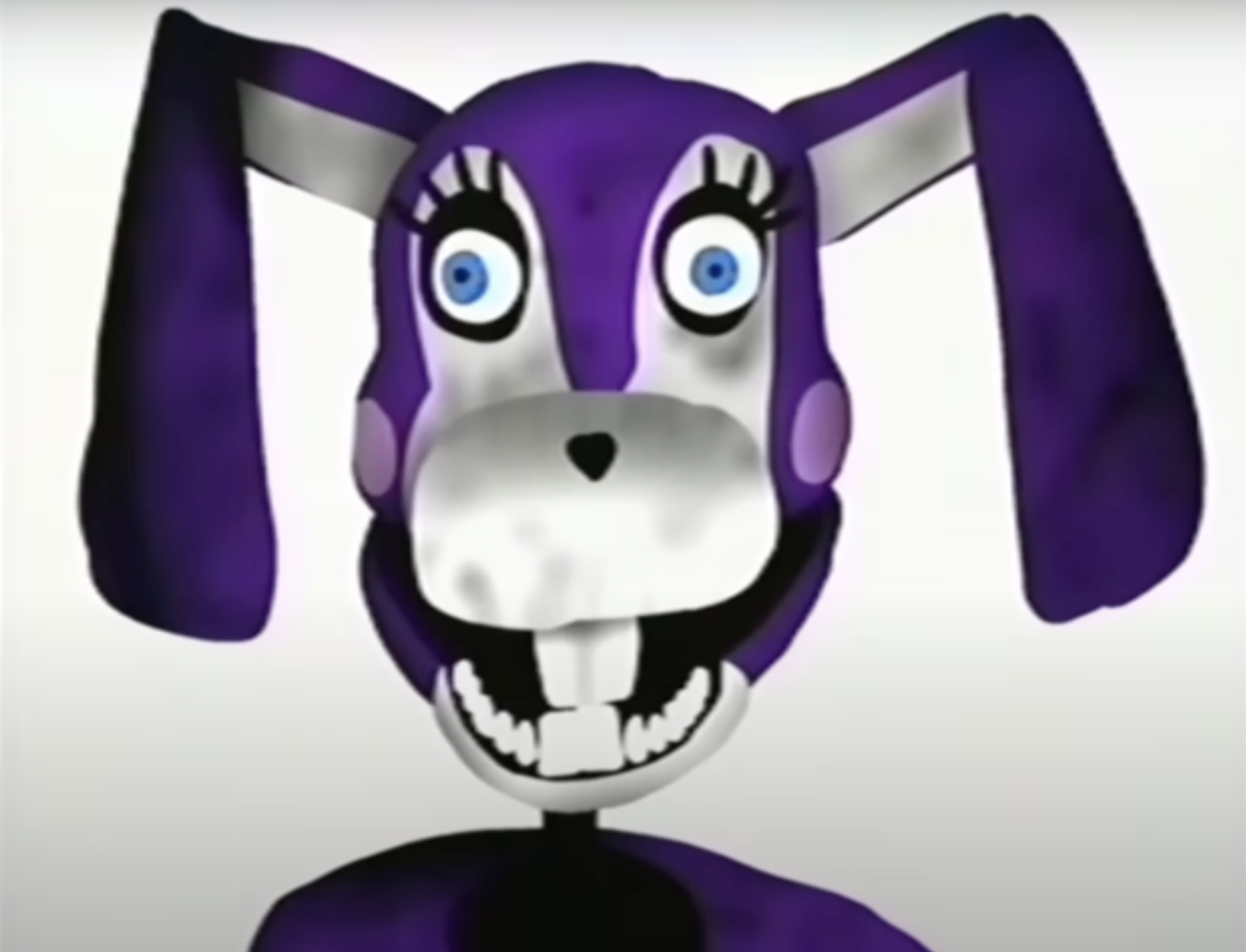
But as the genre exploded in popularity, these tropes began to repeat. Many creators leaned into the same visual effects and story formulas — distorted faces, eerie PSAs, and the overuse of VHS-like visuals. The horror became a surface-level — viewers could tell what was going to happen and what they were going to see.
“The Fall Of Analog Horror” –Why Audiences Turned Away
Analog horror didn’t disappear overnight. It is still around the internet, but with less excitement and less exposure. The genre became oversaturated with people trying to replicate the same formula, making it uninteresting for the viewers.
Analog horror’s low budget and accessibility were both a blessing and a curse for the genre. Creators relied on the sources they already had, mastering storytelling with their creativity. But again, accessibility meant everyone could make an analog horror series — and many did. The internet was flooded with the same structured content, the same distorted faces, and creepy VHS ambience.
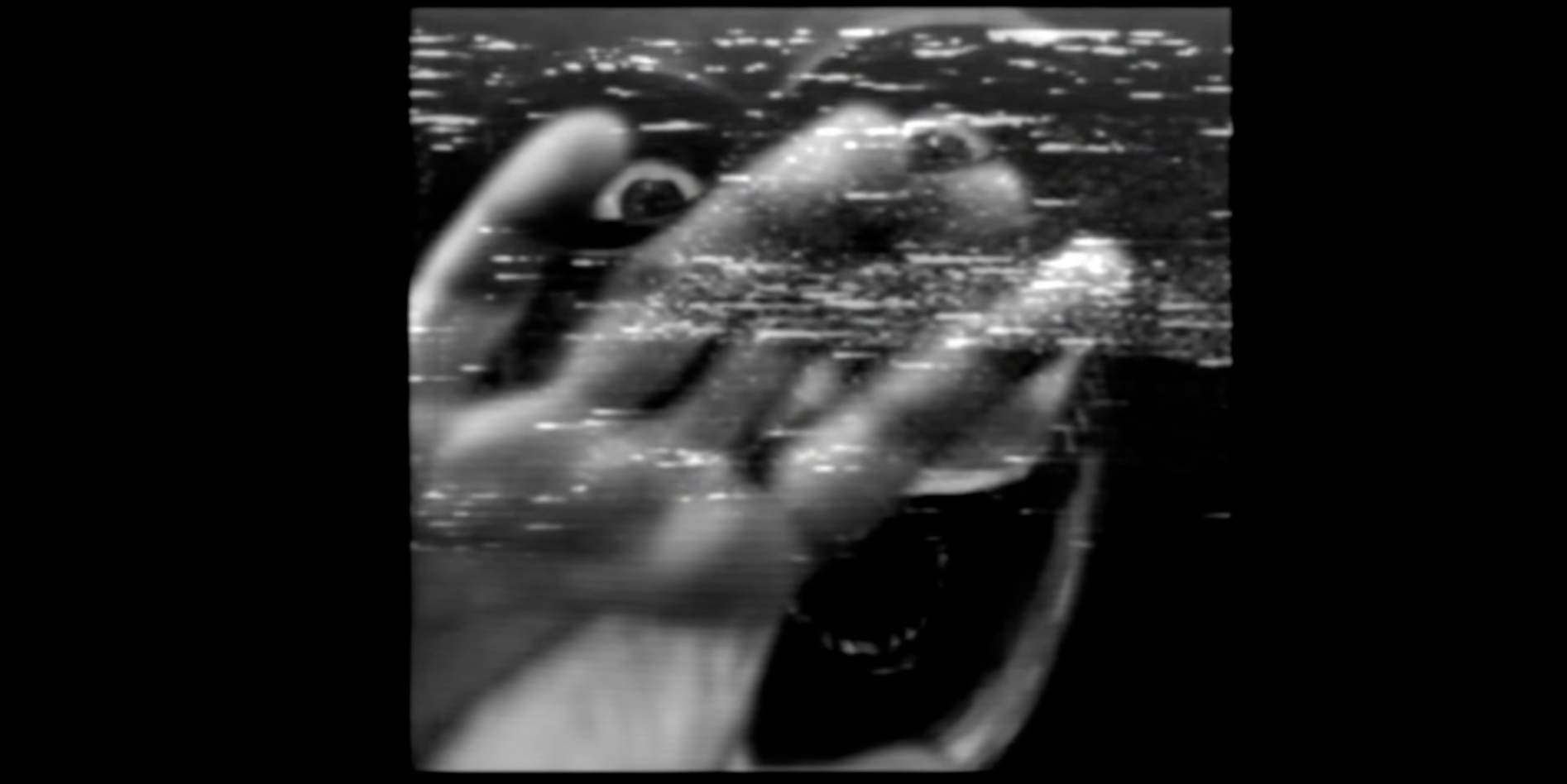
The saturation of a certain genre isn’t new. It reflects a familiar cycle on the internet: a niche format gets popular, gets copied frequently, loses impact, and becomes a parody in the online space. Analog horror relied on its vagueness, hidden messages, and ambiguity, which made it interesting for viewers to piece together their own theories for it.
Creators would often leave easter eggs for viewers to consume, making it an in-depth storytelling. But with the saturation of the genre, and everyone using the same storyline, without the depth of the storytelling, the mystery felt unintentional. It became lazy.
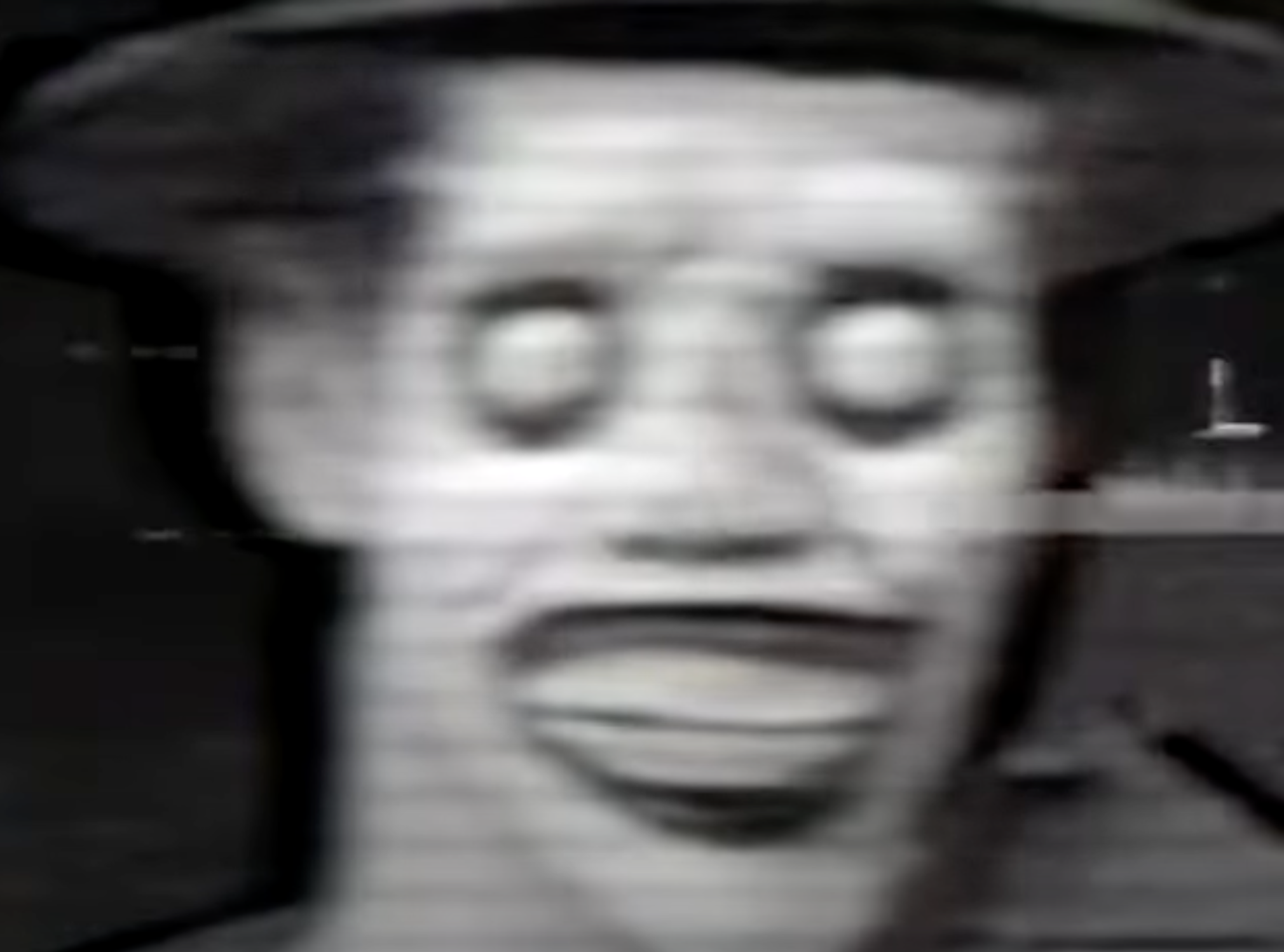
Platforms like YouTube and TikTok accelerated the oversaturation of the genre. Social media platforms favor what’s familiar, with algorithms rewarding content that imitates past successes rather than fresh content. That caused the push for content creators to follow the formula, prioritizing virality instead of creating new ideas that may have helped to prolong the genre.
Audiences noticed the same ongoing formula for the genre, scrolling and making fun of analog horror, since it was repetitive and unoriginal. The horrors of analog horror became predictable. Horror, at its core, was all about the unknown and uncertainty. But when audiences could predict the jump scares and storyline, it took away the power of the genre. It became a joke on the internet. Repetition without progress caused the downfall of analog horror.
Traditional horror, on the other hand, progressed slowly. They had time to develop sub-genres and reflect on the cultural state of the world. But internet-born genres accelerated quickly, just like everything else in the digital space. The internet jumps on new trends every other week — once something catches on, it’s everywhere, and as soon as it gets boring, people move on to the next thing.
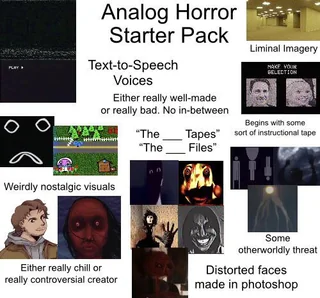
Also, like everything else in the digital space, analog horror became “memeified.” They turned the once-horrorizing and terrorizing concept of analog horror into memes. It was inevitable because of its popularity. The fear disappeared, and once it became a joke, it was hard to bring back the terror of it.
Reddit, an online platform with subreddits for specific topics such as analog horror, gave space for conversations regarding the direction of the genre to be had. A lot of posts could be seen criticizing the lack of original ideas and the oversaturation of tropes in analog horror. People made memes about the recognizable patterns of analog horror series.

In the end, analog horror didn’t collapse all at once; it slowly lost what made it special. The genre was once praised by the internet for its creativity, racking up from fan-made content to reaction videos lost its charm when it became oversaturated.
The memeification of analog horror supported the downfall of the genre, turning fear into punchlines. As more creators followed the same formula to stay relevant, the originality faded, causing the audience to stray away. The decline of analog horror shows how quickly an online trend can lose momentum when it becomes more about imitation than innovation.
“The Next Wave” — Digital Horror & New Frontiers
The downfall of the genre doesn’t mean internet-born horrors are gone. If anything, it is a turning point. The internet remains a place for horror to evolve. The genre’s decline has cleared the way for newer and fresher concepts. Creators fleshed out their creativity in a newer genre of horror: digital horror.
Digital horror uses digital media that people might also be familiar with, much like analog horror, only that it’s digital. The similar aesthetic for it would be flash games played on websites and bandicams for recording your desktop. Creator of Backrooms, Kane Pixel, encapsulated the current rise of this genre with his newest project: People Still Live Here.
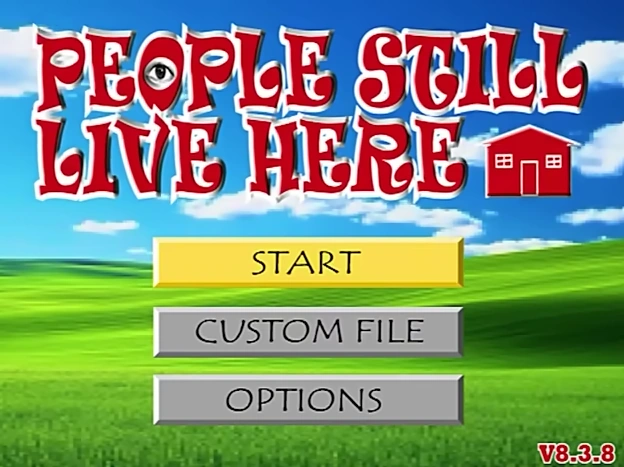
People Still Live Here borrows analog horror’s aesthetics with its low-quality images; it uses the trope as a tool, not crutches. The decay in the media isn’t used to spook people with distorted faces; it serves something deeper.
The series blends cinematic framing and minimalist world-building that sets it apart from analog horror. Pixels mastered the formula of analog horror-adjacent content with his past work, Backrooms, but his new one showcased the maturity of how horror could be presented without jump scares and eerie visualizations.
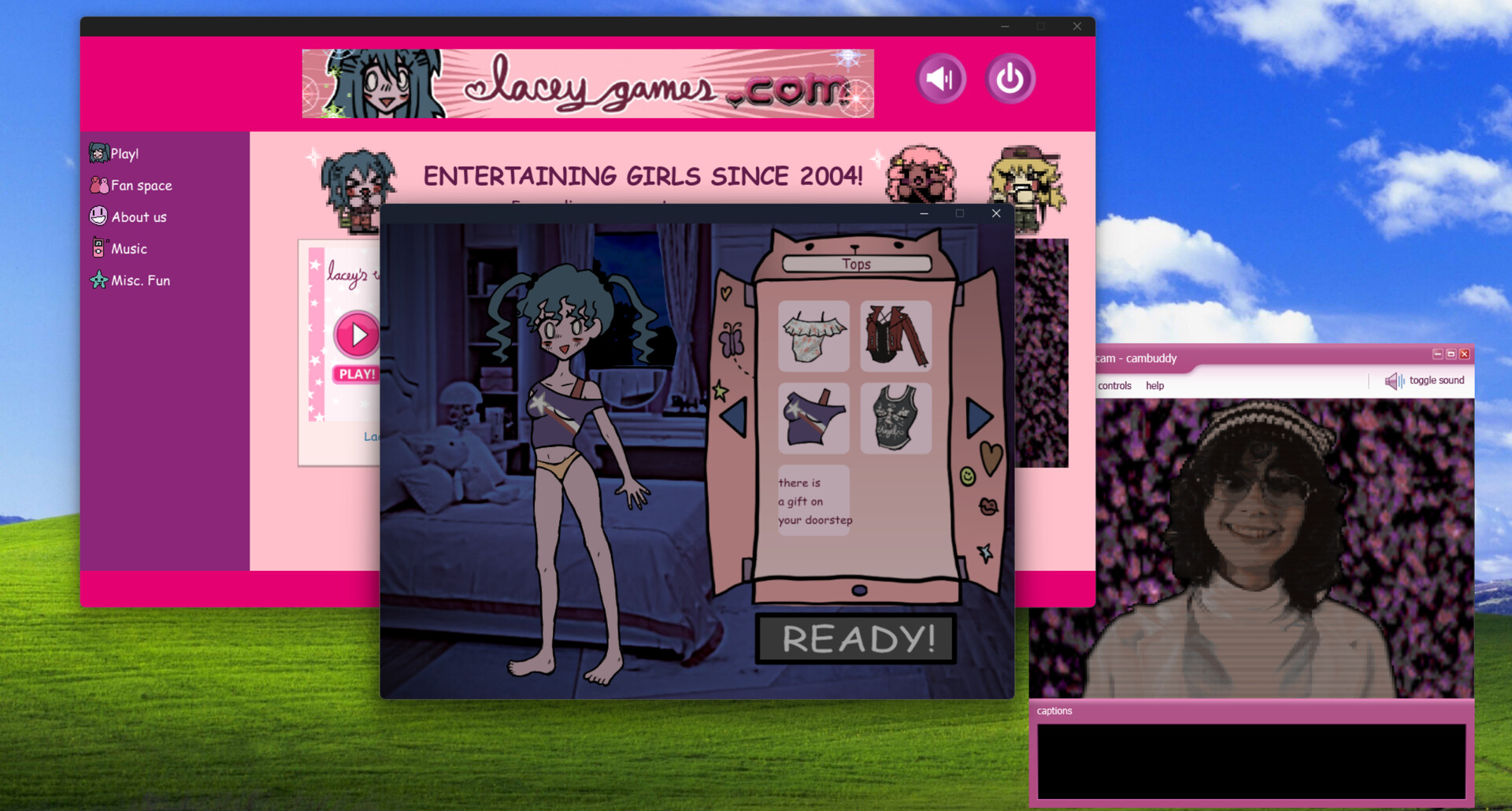
Other digital horror content that is on the rise is Lacey’s Flash Games, created by ghosttundra. It serves an aesthetic that you could find back in the early 2000s and 2010s, where Flash games were popular. This series dives in deep in the storytelling, making what seems like a cheery girl flash game, turning it into fear. What sets Lacey’s Games apart is its commitment to using the digital landscape.
Lacey’s Games is an upcoming game on Steam that emphasizes digital horror. The audience will be able to play different games in the series, nostalgically reliving the horror flash games that once plagued the internet. In the decline of analog horror’s genre, Lacey’s Games proved that nostalgia can still be scary with original ideas rather than repetitive ones.
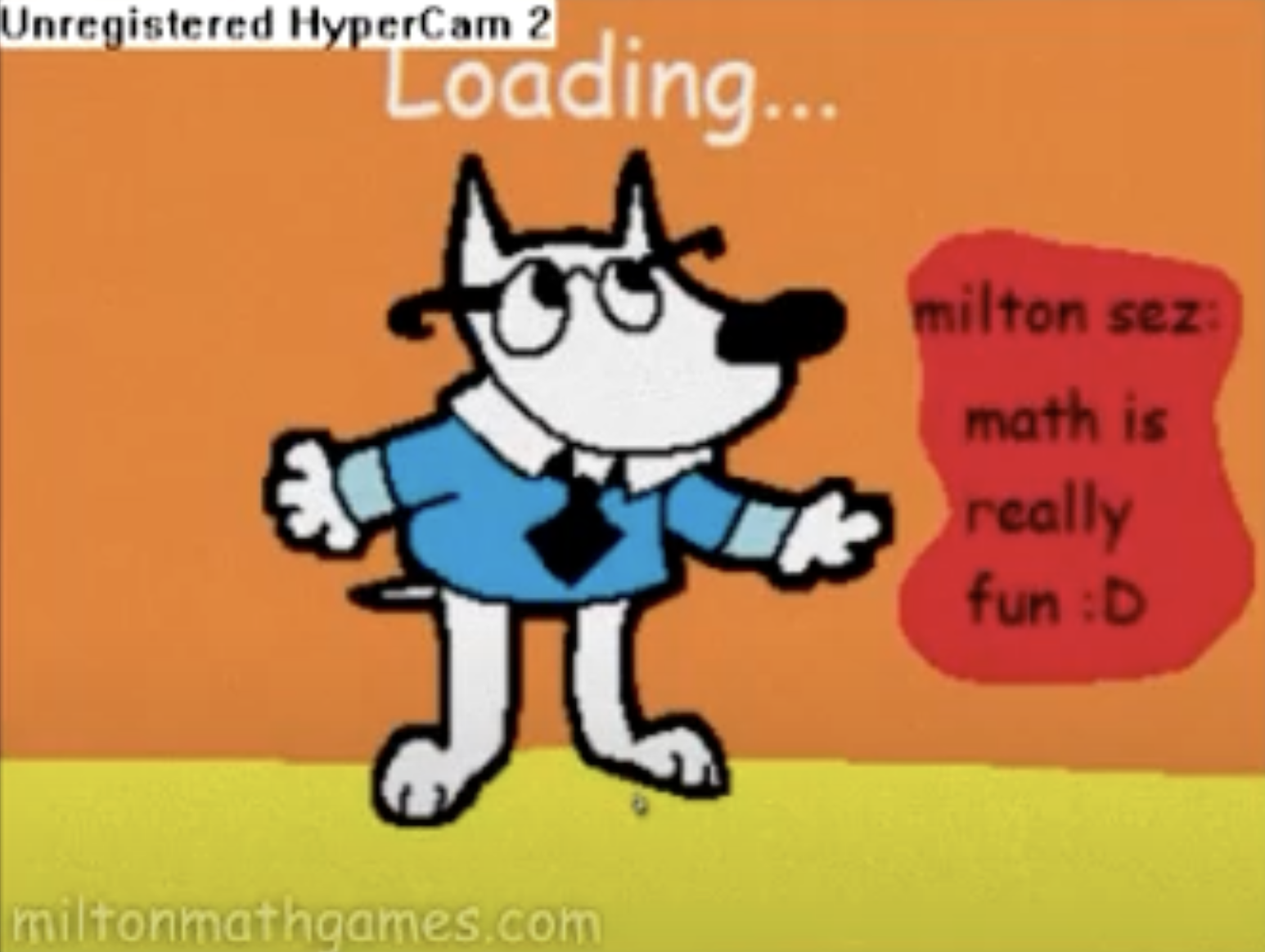
What these newer forms have in common is adaptability, they mix formats and cross platforms, making it a fresh and interesting concept for the audience, instead of reusing the same formula.
Analog horror shifted the landscape for internet-born horror. It was more than just a trend that blew up around the internet; it showed how low-budget horror is still horror. But like many other online content, its strength became its own weakness. More popularity meant more exposure, leading to the oversaturation of the genre. This led to people turning it into a joke, rather than seeing it for what it originally was.

Analog horror’s decline doesn’t mean it’s failed; it just reached the end of the cycle. The real question isn’t whether analog horror is dead or not — rather, it’s what comes next.
Footnotes
- Deguzman, Kyle. What is Analog Horror — History and Examples Explained. Studio Binder. 2025, Mar 15. ↩︎
- Wikipedia Contributors. The Mandela Catalogue. Wikipedia. ↩︎
- Cho H, Li P, Ngien A, Tan MG, Chen A, Nekmat E. The bright and dark sides of social media use during COVID-19 lockdown: Contrasting social media effects through social liability vs. social support. National Institute of Health. 2023, Apr 24. ↩︎