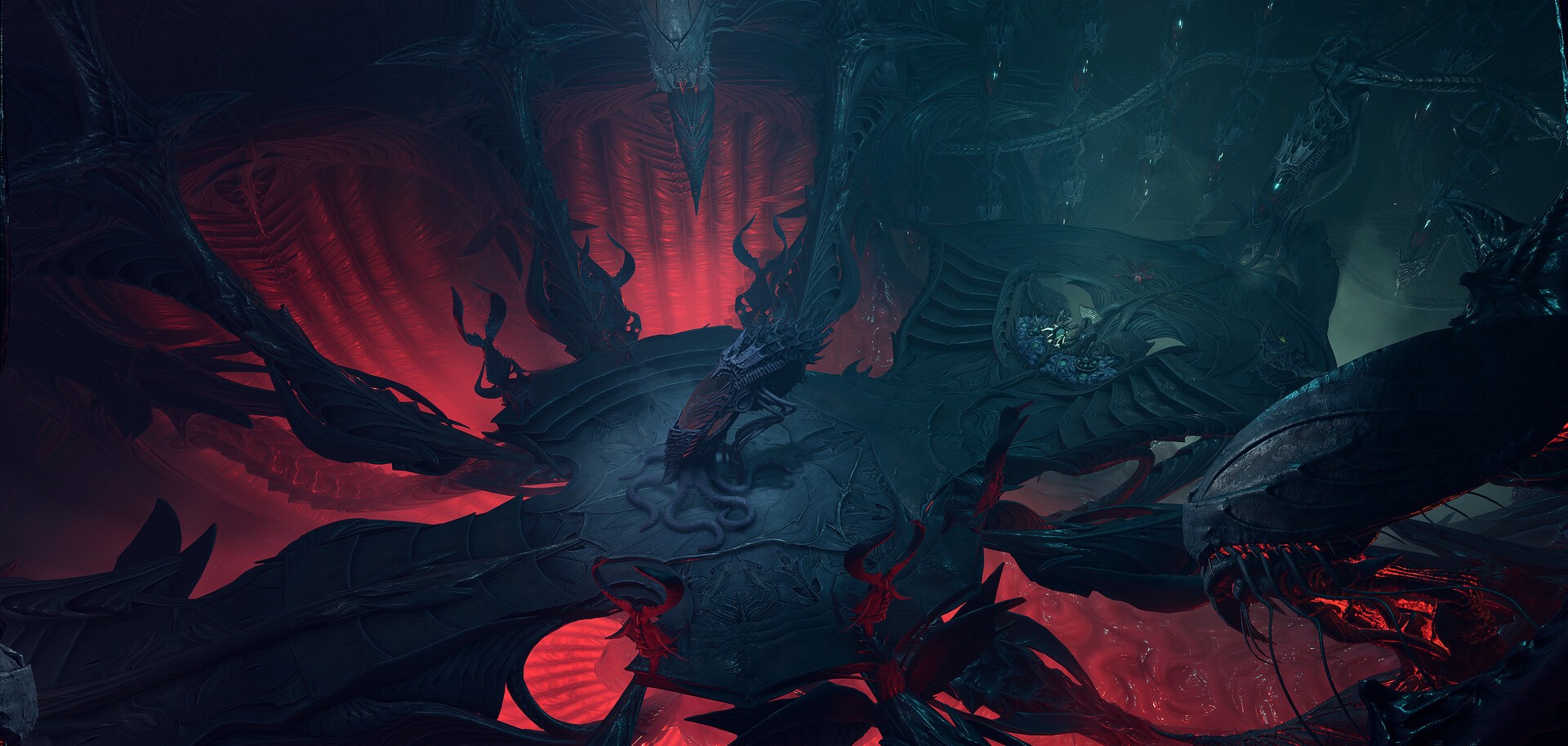

Table of Contents Show
Almost every gamer has heard of the critically acclaimed roleplaying game “Baldur’s Gate 3” (2023), developed and published by Larian Studios. It had first released in an early access phase in 2020 that spanned for three years, where Larian’s developers would make adjustments and additions to various gameplay and narrative aspects.

To say the game was well-received when it officially launched is an understatement. It was showered in praise by critics and fans for the sheer amount of player freedom, immersive story and compelling characters.1 The game earned over 40 awards and was the first game to win Game of the Year at five major ceremonies.2
Taking place in the Forgotten Realms campaign setting for Dungeons & Dragons, the story of “Baldur’s Gate 3” starts when the player’s character is infected with a “mind flayer tadpole.” This refers to a worm created by a species of squid-like psychic monsters known as “mind flayers” or “illithids,” with the purpose of converting the player into one of their own.
“Baldur’s Gate 3” makes it clear that power and freedom are not one in the same. It is a message carved into the heart of the game’s story as well as its characters. The game asks the player a vital question that remains relevant to our society: Is getting what you want worth losing what you have?
Power Vs Freedom — The Central Conflict Of “Baldur’s Gate 3”
“Power,” as a noun has many meanings. In the case of “Baldur’s Gate 3,” it is defined as something that grants control over other things and/or people, including oneself. There is physical power, which covers how fast someone can run, how much they can lift, and how long they can go without breaking a sweat. Mental power is how well someone can absorb, retain, apply, and/or intuit information. And financial power is how much money someone has, which lets them throw it at almost all of their problems.
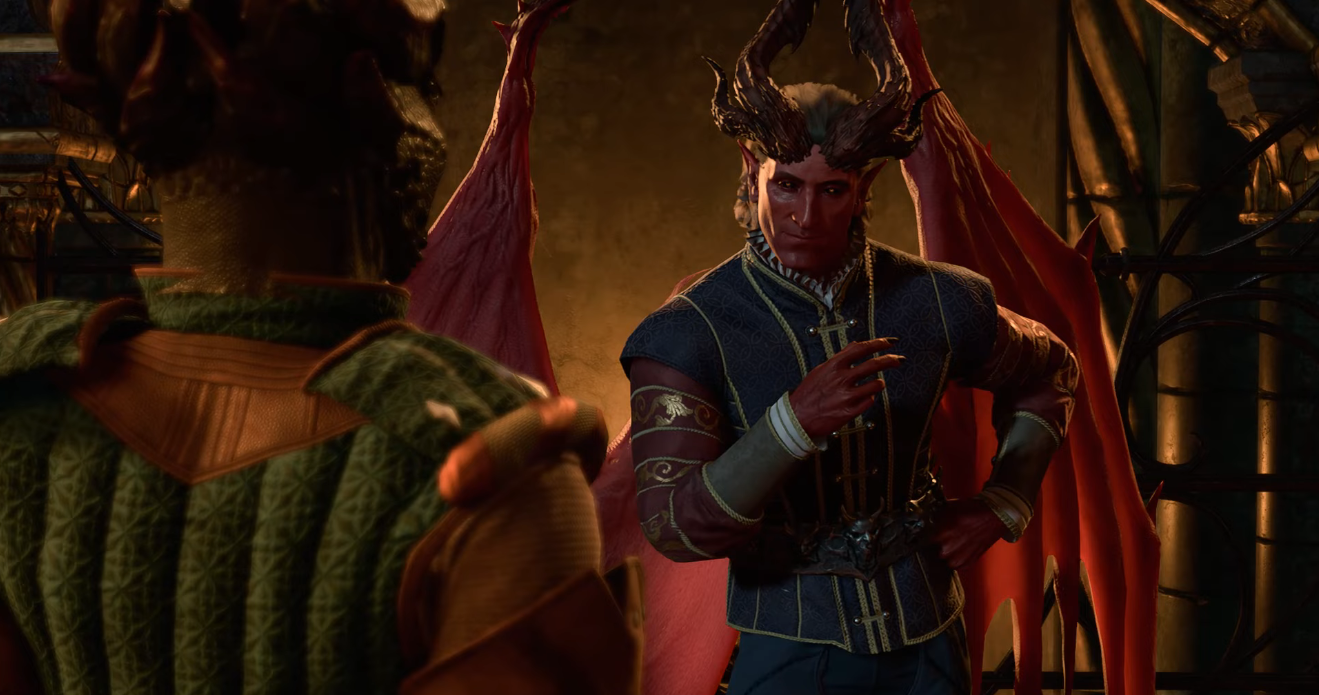
“Freedom” is defined as the ability to do something without restraint. While it can overlap with power, it is still distinct from it. Sometimes, people find themselves at a crossroads, where they must choose to preserve one or take the other. A good example of this in fiction would be a Faustian bargain: a person trades something of value, like their soul, in exchange for their desires. They get what they want, but they lose what they have. It’s a common trope and one that consistently reappears throughout “Baldur’s Gate 3.”
The Absolute — Power That Demands Obedience
The main antagonistic force in “Baldur’s Gate 3” is the cult of the Absolute, a group that implants mind flayer tadpoles into their most favored followers, “true souls” as they are called. The player and their companions were granted these tadpoles presumably to convert them all into true souls as well.
The tadpoles grant the host a variety of powers, but forces complete and utter subservience to the Absolute. While many members are unfortunate victims, some were unsavory individuals who would’ve most likely performed evil acts somewhere else, were they not infected.3
“To take without asking, to feel without doubting, and to kill without consequence. In a word – freedom.”4
Disciple Z’rell from Baldur’s Gate 3.
These words are the answer given by a high-ranking absolute cultist when asked what the Absolute has given her. “Freedom” she claims, unaware how deeply she and so many others have been enslaved.
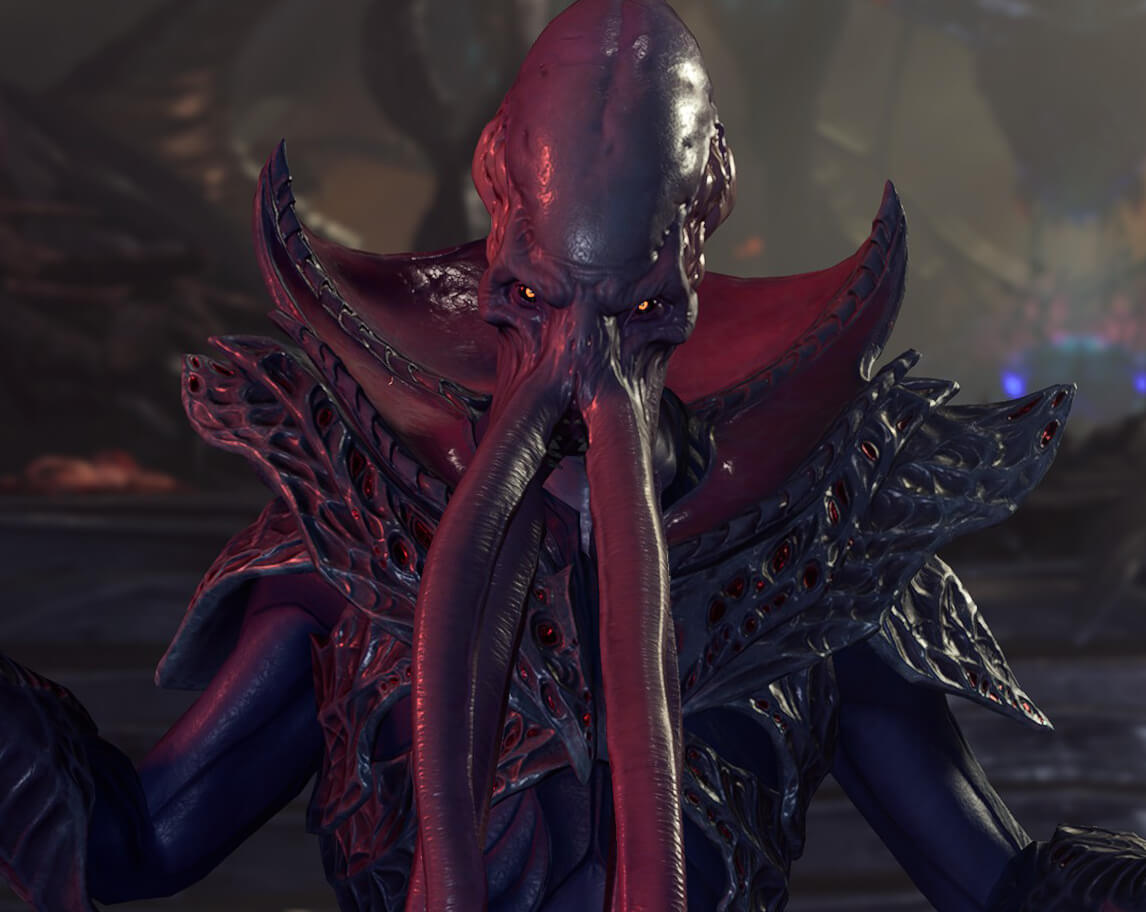
The player and their companions are protected from the Absolute’s influence by a mysterious artifact. However, the player can still access the power granted by the tadpole and is even encouraged to do so by the individual who is controlling the artifact. By indulging in their newfound power, they risk being completely possessed by their newfound illithid nature.
The dilemma of power at the cost of losing oneself is carved into the very heart of the game with its main plot and illithid power mechanics. It is present as well in the choice to either take control of the cult or destroy it for good. But of course, the theme extends even beyond the main story.
The Tadpole’s Temptation
In addition to creating a custom character, “Baldur’s Gate 3” also offers the player the option to play as one of many “origin” characters. These are established characters within the game that have their own unique dialogue, voices, and stories to experience. Playing as an origin character can give the player insight into that character’s personality and introduce a new level of reactivity. But should the player decide to go with a custom character instead, then most of the origins will appear as recruitable party members.5
Whether through playing as or adventuring with the origin characters, it becomes apparent that the game’s themes of power and freedom continue to be prominent even in their personal stories.
Lae’zel — Loyalty Or Liberation
Assuming they do not choose to play as her, Lae’zel is the very first companion that a player will meet. She is a Githyanki, a species that was once entirely enslaved by mind flayers before they broke their chains with a grand rebellion. Led by their undead queen Vlaakith, they slay illithids without mercy, as well as anyone else who stands in their way.
Lae’zel is proud, brash and often prefers direct, violent solutions. Above all, she seeks to be Vlaakith’s best soldier. A true Githyanki; mighty, disciplined, and efficient. If she distinguishes herself enough, she has a chance at attaining “ascension,” the highest honor a Githyanki can achieve. But how does one become the best in a ruthless society like the Githyanki’s? And is it worth the cost?
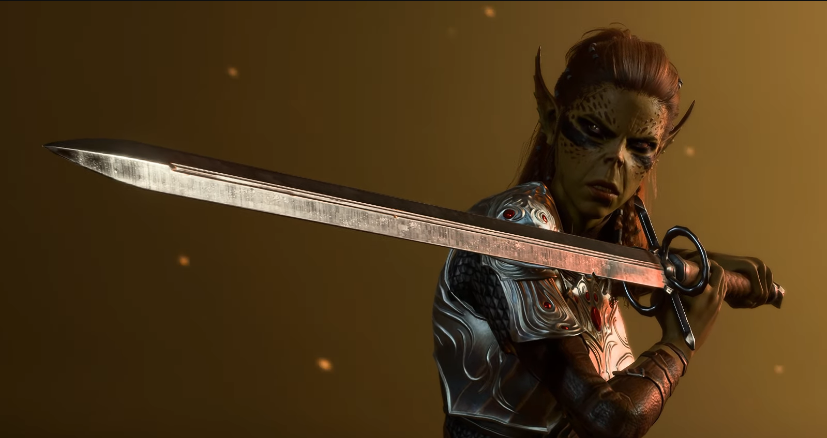
Despite being born out of a slave rebellion, the Githyanki enforce strict obedience to their queen above all else. Lae’zel’s experiences push her loyalty to the brink as she finds that her people’s “cure” for tadpole infection is no real cure at all and that Vlaakith may not value her as much she hopes. Eventually, she must make a choice: remain blindly obedient in hopes of appeasing her queen or open her eyes and achieve glory on her own terms.
Shadowheart — Faith, Memory, & Identity
Shadowheart is a favorite among the “Baldur’s Gate 3” fandom and is one of the most popular romantic interests.6 She is a half-elf and a cleric, a worshipper of one of the deities within The Forgotten Realms who can use her faith to channel divine magic. But where most clerics in Dungeons & Dragons dedicate themselves to good deities who stand for things like law, justice, mercy and/or beauty, Shadowheart has dedicated herself to a dark goddess.
Shar is the goddess of darkness, loss, and the night among other things. As loss is sacred to Shar, Shadowheart has undergone a ritual to lose her own memories to protect the secrets of her cloister as she pursues a certain artifact under the orders of her leader, the mother superior. She aspires to not only serve her goddess, but to excel at that service, earning a place among her most dedicated warriors: The Dark Justiciars. But like Lae’zel, Shadowheart serves a cruel mistress who has unconventional ideas of “rewarding” her followers.
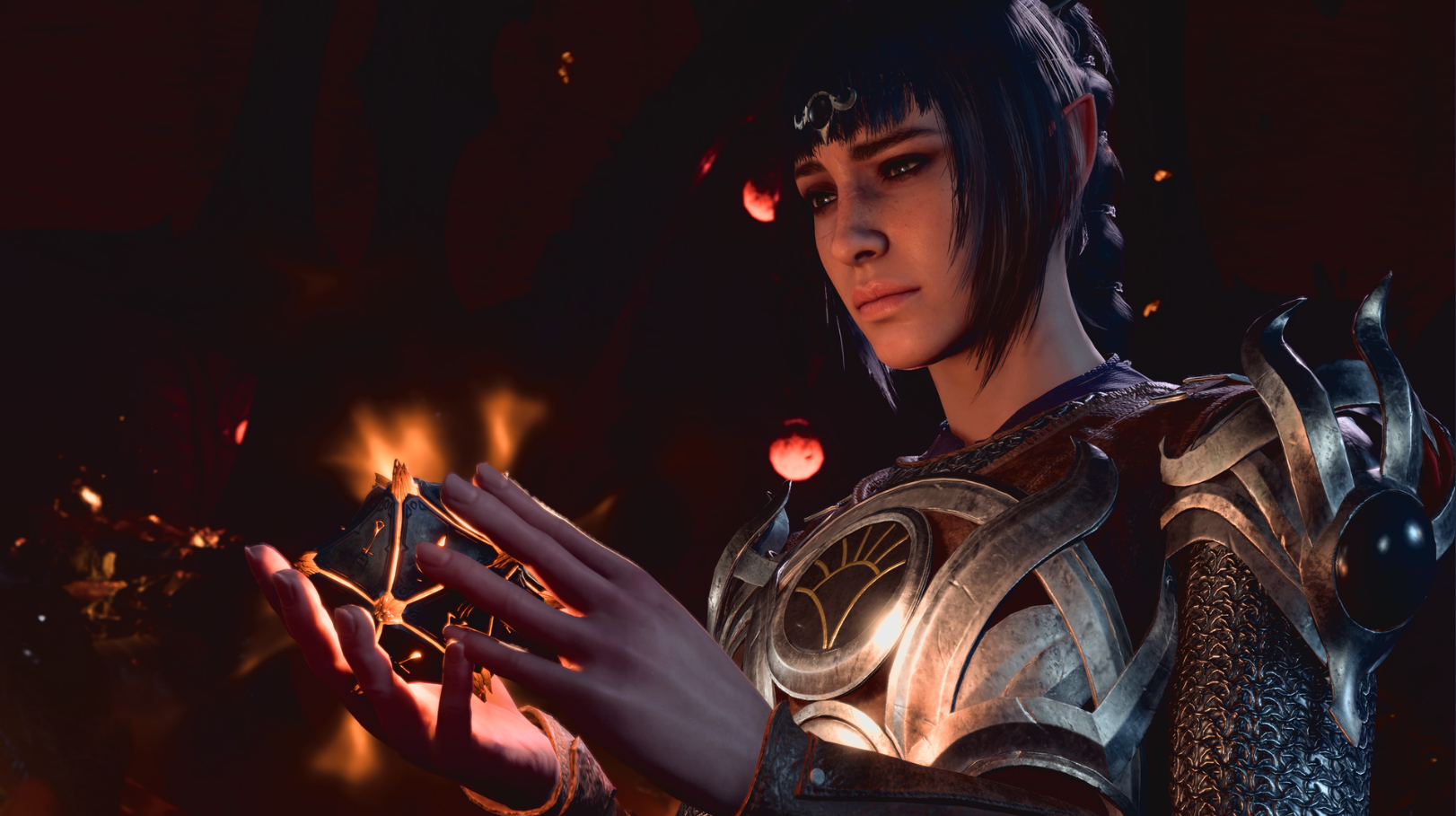
If loss is a gift, then loss is all that Shadowheart will receive should she pursue her ambitions relentlessly. At the start of her journey, this may not be something she minds. But as she travels and bonds with the player, doubts may begin to arise about her faith and who she truly is. At the climax of Act 2 of the game, she is faced with a decision: lose herself to her goddess or learn the truth of her life.
Astarion — Freedom Or Domination
Another fan favorite of “Baldur’s Gate 3,” Astarion is a rogue with a loose set of morals and a thirst for blood. He is a vampire, but not a very powerful one. Rather, he is a vampire spawn, meaning that he receives all of the drawbacks and none of the benefits of vampirism. In addition, he is bound to his master, a ruthless vampire named Cazador Szarr. Or rather, was bound. The tadpole seems to have changed many of the rules for him. He is no longer tied to his maker and can walk in the sun. With his newfound freedom, he plans to seek revenge on Cazador.
Killing a powerful vampire lord isn’t so bad of a goal. But as Astarion uncovers more information about Cazador’s plans, the goal shifts. He does not merely wish to kill Cazador anymore. But to steal his power through a diabolical ritual, becoming more than either a spawn or a true vampire.
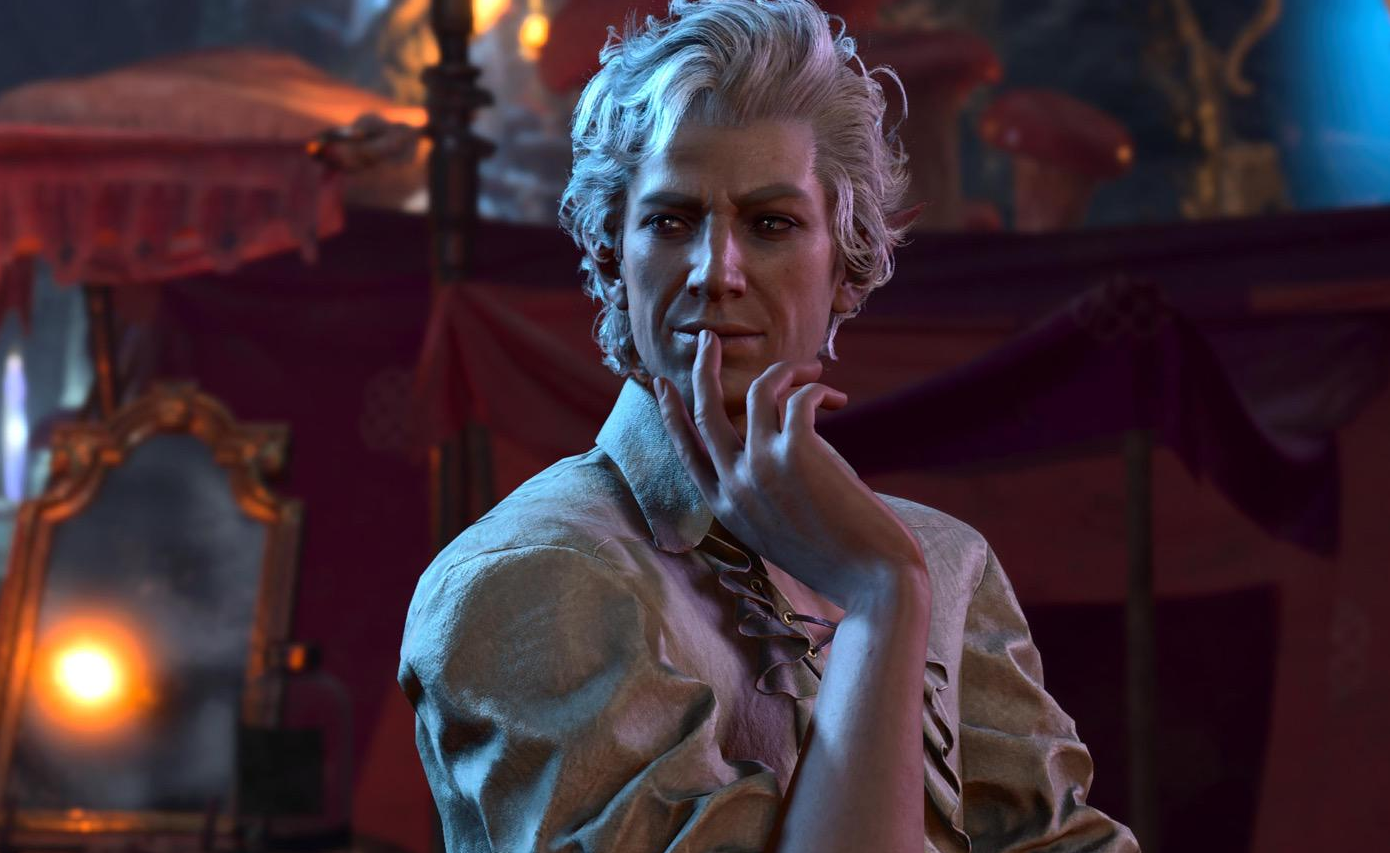
As it turns out, Cazador wants to sacrifice Astarion and his other spawn as part of a grand ritual to become the vampire ascendant. Imagine a vampire with all of the perks and none of the weaknesses. At least, that is what is sounds like on paper. In truth, the vampire ascendant is still beholden to one weakness: their own nature.
While Astarion isn’t exactly a hero, he is still someone capable of love and the occasional good deed. Becoming the ascendant would strip him of that and replace it with an insatiable urge for control and power. While revenge is mandatory, Astarion’s choice comes down to whether or not he will remain himself while taking it.
While these are only three of multiple possible party members, their stories resonate well with the main theme. But there are even more stories that resonate with Baldur’s Gate 3’s overall message, ones that happen to take place in our world.
From Faerûn To Reality — Why The Theme Still Matters
Power is sometimes pursued as a means to an end. Especially financial power, the accumulation of money. Not only just so that one can afford to live, but to also pursue their personal goals in life. A musician may pay for an ad or a better microphone to try and get themselves known. But such pursuits may lead people astray. The musician might get a promising deal, getting fame and fortune. But they may lose their passion and identity along the way, being forced to do as their executives say to keep their relevance in the industry.
Another, possibly more relevant example, would be a game studio wanting to make enough money to make their dream game. They strike a deal with a bigger company that lets them get more funds, but they end up having to develop games they don’t really care for, with features meant to maximize revenue as opposed to genuine fun. In the end, their studio becomes bigger, but they no longer truly own it. They forfeit their freedom, like many of the characters in “Baldur’s Gate 3” forfeit theirs: in the pursuit of more.

It’s an example that’s not particularly unheard of in the gaming world. Some gamers will tell people the stories of how their favorite studios have lost their way or became defunct in a similar fashion. It is fitting then, that an independent studio such as Larian were the ones who developed the game and wrote its story. The core message that we should not sacrifice freedom for power resonates better when it’s being delivered by the studio that almost went bankrupt creating their dream project.7
What Is A Life Worth?
In the first act of the game, the player encounters a peculiar undead creature named “Withers,” who asks them a question. “What is the worth of a single mortal’s life?” The player can answer as they please, but the answer given by the game is clear: a mortal’s life is priceless (well, 200 gold pieces if the player needs someone resurrected, but that’s just a gameplay mechanic and the money can be stolen back later without consequence).

Control over that life, or things that are a core part of it, are not worth giving up. Even for absolute power.
“Baldur’s Gate 3” is a game with a powerful message woven into its plot and characters, a message of exceptional relevance to today’s society. It reminds us of the true value of our freedom, identities and passions.
Footnotes
- “Baldur’s Gate 3,” Wikipedia, Accessed 10 February 2026. ↩︎
- “List of accolades received by Baldur’s Gate 3,” Wikipedia, Accessed 10 February, 2026. ↩︎
- Baldur’s Gate 3. Developed by Larian Studios, Published by Larian Studios, 2023. PC, macOS, Xbox Series X/S, PS5. ↩︎
- Baldur’s Gate 3 – Disciple Z’rell – All Voice Lines – All Dialogue. YouTube, uploaded by Voice Acting in Games. 13 Sep. 2024. ↩︎
- “Origins,” Baldur’s Gate 3 Wiki, Accessed 12 February 2026. ↩︎
- @larianstudios. “Since our launch in August…” Twitter, 5 December 2023.
↩︎ - “Larian Studios,” Wikipedia, Accessed 12 February 2026. ↩︎