
Table of Contents Show
The Batman franchise has been a cinematic juggernaut for decades, complete with contributions from renowned artists ranging from Christopher Nolan to Prince. However, the twelve Batman films released in theaters are only a portion of the Dark Knight’s movie history. Warner Bros. Animation has released dozens of direct-to-video Batman films, but one stands out among them all.
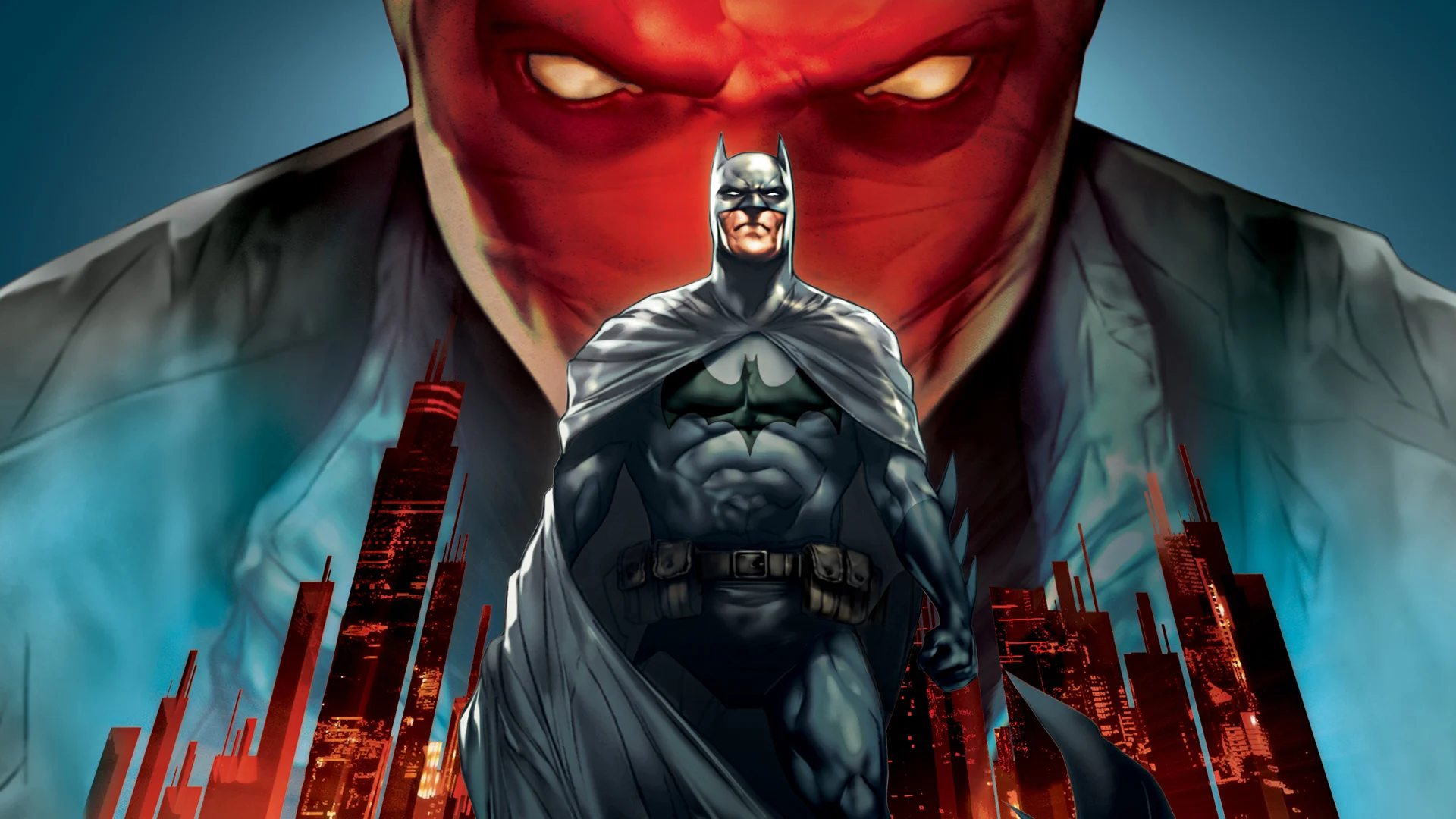
Batman: Under the Red Hood (2010) is an animated adaptation of the return of Jason Todd, the second Robin that the Joker brutally murdered in the classic story A Death in the Family. After his resurrection, Jason adopts the mantle of the Red Hood and begins a hostile takeover of Gotham’s underworld.1

Though it is often overlooked in favor of theatrical releases, Batman: Under the Red Hood is the best Batman film. The superb adaptation of the 2005 comic raises questions regarding vigilante justice, harm reduction, and classism through a deeply emotional conflict between father and son. The movie is a must-watch for anyone who enjoys the Caped Crusader.
The Most Underrated Batman Film
Despite the character’s popularity, most people are unfamiliar with the Dark Knight’s animated appearances. Comic book fans regularly sing the praises of Under the Red Hood and Batman: Mask of the Phantasm (1993), but the average audience member is more likely to recognize Tim Burton’s duology or the recent Matt Reeves film.
Under the Red Hood delivers a crucial part of the Batman mythos that is absent from most of his theatrical projects: the Robins. Of the twelve Batman films screened in theaters, Robin has only been present in four of them. Even then, the younger half of the Dynamic Duo was always Dick Grayson. Though Damian Wayne is set to make his theatrical debut in the upcoming The Brave and the Bold film, the other Robins have been noticeably absent from the silver screen.
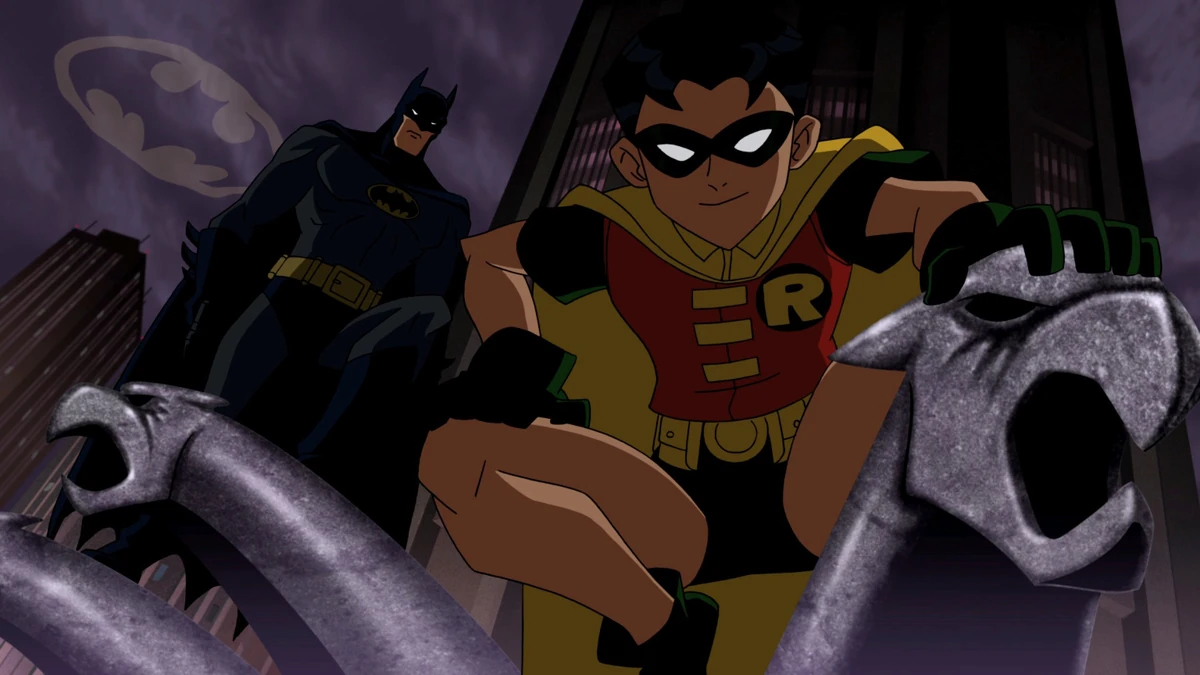
Jason’s tenure as Robin is given the spotlight in Under the Red Hood, but Dick makes his appearance as Nightwing. The nature of the story necessitates a more experienced Batman, allowing both Dick and Jason to be showcased further along in their journeys than they had been previously.
The conflict of the story is personal to Bruce as both a father and a hero. This isn’t about just any other villain, nor even a former friend turned enemy. Bruce must face his own son, the one he had lost once before. Jason’s turn to crime forces Batman to confront his own failures the way only the Red Hood could.
Adapting Under The Red Hood
The film is a faithful yet streamlined adaptation of the Batman: Under the Hood comic. This becomes especially interesting when one considers the fact that Judd Winick, the writer of the comic, returned to pen the screenplay for the movie. The choices made regarding what to change and keep the same can be understood from the perspective of doing what’s best for a self-contained story, but also from that of an artist returning to their old work and finding ways to improve it.

While the film takes advantage of the requisite continuity to tell the story, Winick chose to cut parts of the comic that tied it to the wider DC Universe. While the context of Batman’s guilt surrounding the events of Batman: War Games and Infinite Crisis helps readers understand his emotional state, the standalone movie benefits from the more familiar status quo audiences are met with.
Winick’s decision to shrink the cast and remove characters like Mr. Freeze, Onyx, and Deathstroke ensures that the pacing feels like a natural escalation of the war between Red Hood, Black Mask, and Batman. The core cast of the film is one of the strongest elements. Jensen Ackles and Bruce Greenwood deliver heart-wrenching performances as Jason Todd and Bruce Wayne respectively, and John DiMaggio’s take on the Joker is filled with sadistic delight.
Some smaller changes are made that aren’t necessarily meant to simplify the story, but perhaps the most notable alteration is how Batman defeats the Red Hood. In their final confrontation, Jason presents Bruce with a choice: either let Jason kill the Joker or shoot him in the face to stop him. Batman manages to prevent either from dying, but he slices Jason’s throat in the process.2

This moment remains controversial among fans to this day. The image of Batman cutting his own son’s carotid artery to save a mass murderer’s life is not one cherished by fans. Even the staunchest proponents of Bruce’s “no killing” rule would find it hard to defend the choice to put Jason’s life at such risk just to protect the Joker.
The film takes a different approach. Batman turns to walk away from the trolley problem that Red Hood has inserted him into. Jason fires at Bruce before Bruce throws a batarang and jams the gun, saving the Joker without endangering Jason’s life. It’s a small change, but it makes Bruce’s stance on killing much more reasonable. That’s the kind of detail that’s extremely important in a film that is heavily invested in questions surrounding the ethics of the Batman. It preserves the philosophical debate at the heart of the story, and it makes the emotional turmoil all the more painful.
Jason Todd And Batman’s Greatest Failure
While the movie has no shortage of action, the true draw is the personal conflict between Batman and Red Hood. Batman has always been tormented by a feeling of responsibility for his enemies. His refusal to take a life means they all live to kill another day, but some argue he is responsible for creating a number of his rogues.
When he first encounters Batman in the film, Red Hood leads him to Ace Chemicals. A flashback is shown depicting the anonymous original Red Hood falling into a vat; playing cards float to the surface as the camera focuses on the face-up Joker card.
“Hard to forget that night, huh? In a way, Batman, this was the site of your first great failure. Maybe your greatest, but certainly not your last, right? Ah, memories.”3
Red Hood to Batman. Vietti, Brandon, dir. Batman: Under the Red Hood. DC Entertainment; Warner Bros. Animation; Warner Premiere, 2010.
There’s plenty of debate to be had about the degree of responsibility that Batman has for the rest of his villains, but it is undeniable that he is responsible for the new Red Hood. It was Batman who let Jason fight crime, who led Jason to his death, who taught him everything he needed to know to become a feared crime lord. He was even the one to teach Jason how to fire a gun.4

Suspension of disbelief allows audiences to disregard the irresponsibility of bringing a teenager along to fight dangerous criminals, but Jason’s death is a sobering reminder of Bruce’s choices and their consequences.
Jason Todd’s life was never easy. His mother died of a drug overdose, and his father was a criminal killed by the villain he was working for. Batman found him boosting the tires from the Batmobile just to get by.
Jason’s socioeconomic background was an important humanizing moment for the people Batman spends his nights fighting. Some are surely violent individuals doing dirty work for the Joker and the Penguin, but others like Jason’s father Willis are motivated by the same incentives as many real-world criminals. Batman’s war on crime has long been depicted as two-pronged. The stories told most frequently are about his vigilante work as Batman, but his charitable work as Bruce Wayne is his attempts to stimulate the community programs proven to reduce crime.5
In both the film and the comics, Batman justifies the choice to take Jason on as a Robin by claiming that if he hadn’t, Jason would have ended up a criminal like his father. Taking this statement at face value would be doing the story a disservice. Bruce is trying to convince himself just as much as he’s trying to convince anyone else.
Jason’s potential future as a criminal was averted when Bruce adopted him and eliminated the survival incentive to break the law. Even if he had left Jason in Crime Alley to fend for himself, there’s nothing to indicate Jason ever would have escalated beyond stealing tires. In fact, when the young boy was presented with the opportunity to join a more serious gang in the comics, he refused and went back to his old, dilapidated apartment.6

The truth is, Bruce took on Jason Todd as the new Robin because he was lonely. The Red Hood is Batman’s greatest failure because Bruce is responsible for him the way any father is responsible for his son. Bruce made Jason into the man he is today, and his horror at who Jason has become lies in the culpability he bears for all of the death and suffering.
The Morality Of The Red Hood
As easy as it would be to write off Jason as a simple villain, he is not without valid points. Batman may be able to fight lawbreakers at night while attempting to eliminate the social pressures that underlie Gotham’s crime issue by day, but his war will never end. Crime will always exist so long as society exists, though efforts can be made to reduce the harm done.
Red Hood did not become a crime lord for profit. By asserting control, he becomes the one who makes the rules. Jason stealing territory, underlings, and product from Black Mask, a far less altruistic villain, is a net good for the city. Additionally, Jason’s first rule for those in his employ was a simple one: No dealing drugs to children. As far as Red Hood sees it, he is compromising himself so that no one worse gets the seat at the head of the table.
“You can’t stop crime. That’s what you never understood. I’m controlling it. You want to rule them by fear, but what do you do with the ones that aren’t afraid?”7
Red Hood to Batman. Vietti, Brandon, dir. Batman: Under the Red Hood. DC Entertainment; Warner Bros. Animation; Warner Premiere, 2010.
Though he can reel in the activities of Gotham’s underworld, it comes as a bitter twist of fate. The Red Hood is a drug lord and a killer; his actions are exactly the kind that killed his parents.
Jason’s anger towards Bruce comes from a deep hurt caused by Batman’s refusal to kill the Joker, even after everything he’s done. There are many who agree with Jason’s position, but Bruce objects. He claims that if he did succumb to the temptation to kill the Joker, he wouldn’t be able to stop there.
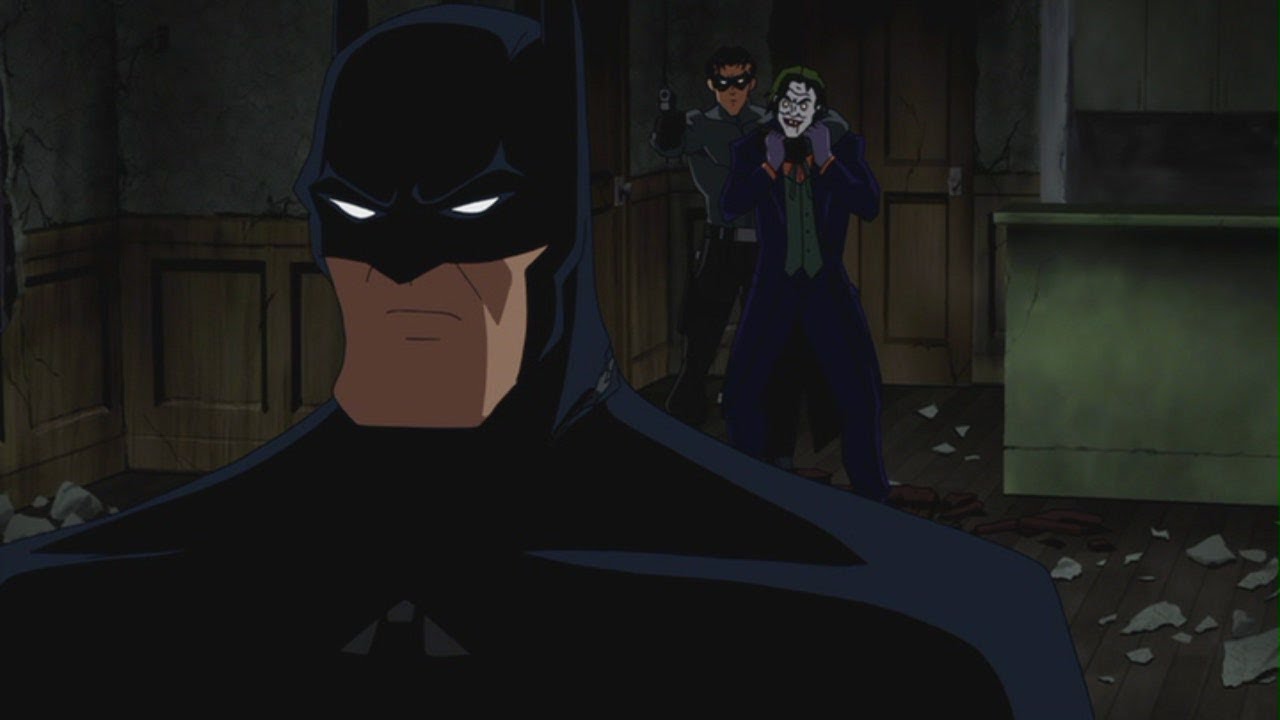
While Batman’s point may ring hollow to Jason, it does raise the issues with vigilante justice, especially the lethal variety that Red Hood preaches. Allowing anyone the authority to take a life sets a dangerous precedent. Innocent people can be convicted of crimes they did not commit, and vigilantes would be far more fallible than the justice system.
Even if the vigilante had proof beyond a reasonable doubt that their target committed a heinous crime, killing them would deprive them of any chance to be rehabilitated. It’s better to have a changed person than a dead one.
Nothing gives Red Hood or Batman the right to decide who lives and who dies. While Jason may argue that the Joker unambiguously deserves to be executed, some would say the same for individuals guilty of far less serious crimes. Neither has any more authority than the other. The United States has a dark history of extrajudicial killings, and Red Hood’s philosophy is not too far removed from it.
Why The Story Still Resonates
Batman: Under the Red Hood is a story about a father and son who have grown apart. Their differences have become irreconcilable, but they still hold love in their hearts for each other. Jason may no longer be dead, but Bruce has still lost him.
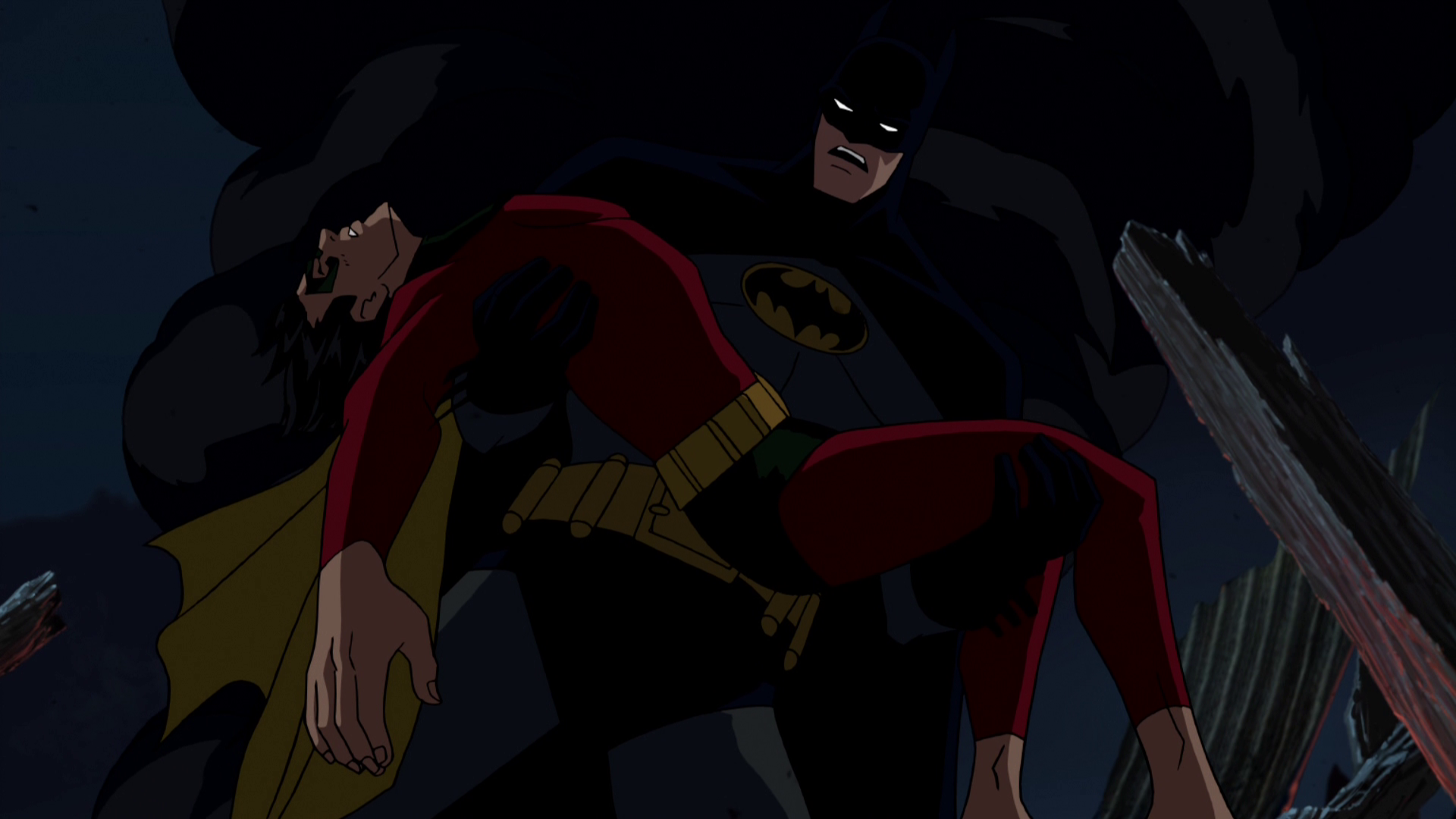
The film captures the essence of the comic; the emotions and ethical dilemmas are brought to the forefront of the story. The debates surrounding the mere concept of Batman and similar vigilantes are no less relevant than they were in 2010 or 2005.
With Jason Todd set to make his theatrical debut in the upcoming Dynamic Duo animated movie, it’s important to remember what makes his character special in the Batman mythos. Jason challenges Batman’s methods, not just as a vigilante who isn’t afraid of getting blood on his hands, but as the kid who needed to steal in order to survive.
Under the Red Hood strikes a balance between moving interpersonal drama, dynamic action scenes, and meditations on the nature of justice. It stands out among superhero films as an adaptation that lives up to the original.
What Makes A Great Batman Story?
Batman has fascinated audiences for almost ninety years. Something is alluring about a human being who chooses to put everything at risk to fight the forces that killed his parents. As Batman’s popularity grows and the world becomes more familiar with his mythos, surface-level stories about foiling the Penguin’s latest bird-themed scheme carry the same weight.
Cinematic adaptations of Batman continue to grow more introspective. For instance, The Batman (2022; Matt Reeves) tackles Batman’s similarities with his version of the Riddler, a villain that blurs the line between vigilante and terrorist. Under the Red Hood showcases an antagonist that can challenge Bruce in his capacities as both a hero and a father.

A strong story is what all good Batman stories have in common. Batman: Under the Red Hood is a grounded and emotional tale about two men with an unbreakable bond and a great divide between them. Even against the franchise’s heaviest hitters, Under the Red Hood reigns supreme as the ultimate Batman movie.
Footnotes
- Vietti, Brandon, dir. Batman: Under the Red Hood. DC Entertainment; Warner Bros. Animation; Warner Premiere, 2010. ↩︎
- Winick, Judd. “Batman #650.” All they do is watch us kill Part 3 It only hurts when I laugh. DC Comics. 22 Feb. 2006. ↩︎
- Vietti, Brandon, dir. Batman: Under the Red Hood. DC Entertainment; Warner Bros. Animation; Warner Premiere, 2010. ↩︎
- Collins, Max. “Batman #410.” Two of a Kind. DC Comics. 12 May 1987. ↩︎
- Sharkey, Patrick, Gerard Torrats-Espinosa, and Delaram Takyar. “Community and the Crime Decline: The Causal Effect of Local Nonprofits on Violent Crime.” American Sociological Review vol. 82, iss. 6. Dec. 2017. ↩︎
- Collins, Max. “Batman #409.” Just Another Kid on Crime Alley. DC Comics. 17 Mar. 1987. ↩︎
- Vietti, Brandon, dir. Batman: Under the Red Hood. DC Entertainment; Warner Bros. Animation; Warner Premiere, 2010. ↩︎