

Table of Contents Show
For those who grew up reading, it is easy to remember the huge fandoms surrounding various book series, such as Percy Jackson1(2005-2009), The Hunger Games 2(2008-present), or Divergent3 (2011-2014).
Pretweens and young adults banded together in communities to immerse themselves in the worlds they loved so much. Fandoms became massive book clubs where many groups could come together and discuss characters and the stories they loved. People who may have otherwise never known one another found a blooming connection as a result.

With the intense popularity of these fandoms, or “book clubs,” upping the scale of them seemed to be a great way to make connections, get ideas, and discover more. TikTok created just the platform for that — a sub-genre titled BookTok where creators and viewers could join together in support of the latest reviews, their favorite novels, and the next generation of writers.
This new TikTok community, however, quickly soured as overconsumption and the need for relevancy poisoned its residents, pushing for a literature world that is unsustainable, low-quality, and problematic.
“BookTok,” Virality, & The Future Of Reading Culture
BookTok, a subsection on the popular app TikTok, has become a large community full of conversations about new authors, popular books, and general literature discourse. Within these influential internet walls sit the saviors of modern-day literature or perhaps the impending downfall.
Large creators and the immersive reading community on TikTok have brought a new life into the world of books, encouraging reading and discussion as well as helping physical bookstores stay in business.

Recently, as Amazon announced a cross-platform book sale, many books were being sold at 80% off, booktokers with large platforms came together to announce the boycott of the event and encouraged the rest of the community to venture offline and into their local bookstores instead.
There’s no doubt about the success and deeds TikTok has led to due to the virality of reading, with many debut authors gaining instant success from TikTok marketing; however, the fame of it doesn’t come without its cost. As influencers began to grow their platform and sustain a life of reading for profit with the TikTok monetization program, the hauls and wrap-ups became more intensive and vast.

With their job as a full-time reader, many of these creators started to make monthly reading wrap-ups featuring 40 or more books — that’s more books than there are days in a month. For example, creators such as @Bethanys_books4 and @Kurryreads5 read 39 books in October of last year and 38 books July of this year respectively.
Although reading a large number of books is a virtuous and good goal to set, over 20 novels a month has become an unrealistic standard. Many influencers and watchers have now begun to feel the pressure to keep up with this massive number, causing readers to speed through novels without deep appreciation or comprehension.

The standardization of reading an enormous amount has also led to a mass production of books. Residents of the BookTok community have begun to buy a large number of books due to the constant stream of new hot topics being discussed across the platform and the influence of them. The virality of the books becomes the most critical part as these book content creators feel the need to keep up with the new topics and continue relevancy, rather than reading for the story itself.

This trend of buying large hauls of the most popular books has created an overproduction of books, with a few popular influencers claiming over six hundred unread books and counting. Many videos with the shared feeling of disappointment have been distributed across the platform, as people who only read a book a week feel like a failure in comparison.
In reality, four books are an accomplishment, but with the new standards and praise to those who hit over ten, it’s not seen as one.
How Spicy Is Too Spicy? The Rise Of Smut On “BookTok”
The encouragement of reading and book sales to first-time authors is a tremendous achievement in itself, but with the influencer side of most things, it’s been taken too far to the point where consumerism and the profitability of literature are becoming the most critical aspect, not the words on the page.

Smut,6 a term coined for books that contain a large percentage of sexually explicit scenes, has become the number one of the most popular and bought sub-genre. With cartoonish character covers, hockey subplots, and fantastical worlds taking the spotlight, the question every book faces is the same: How spicy is it?
The higher the ‘spice’ level, the more likely it is to sell, putting the priority of marketability at the forefront over the writing and, in some cases, the ethics of the story. Many controversies have blown up publicly over some of these questionable choices. Such as Colleen Hoover’s It Ends With Us7 (2016) and the tough conversation around domestic violence, with the addition of spicy scenes.
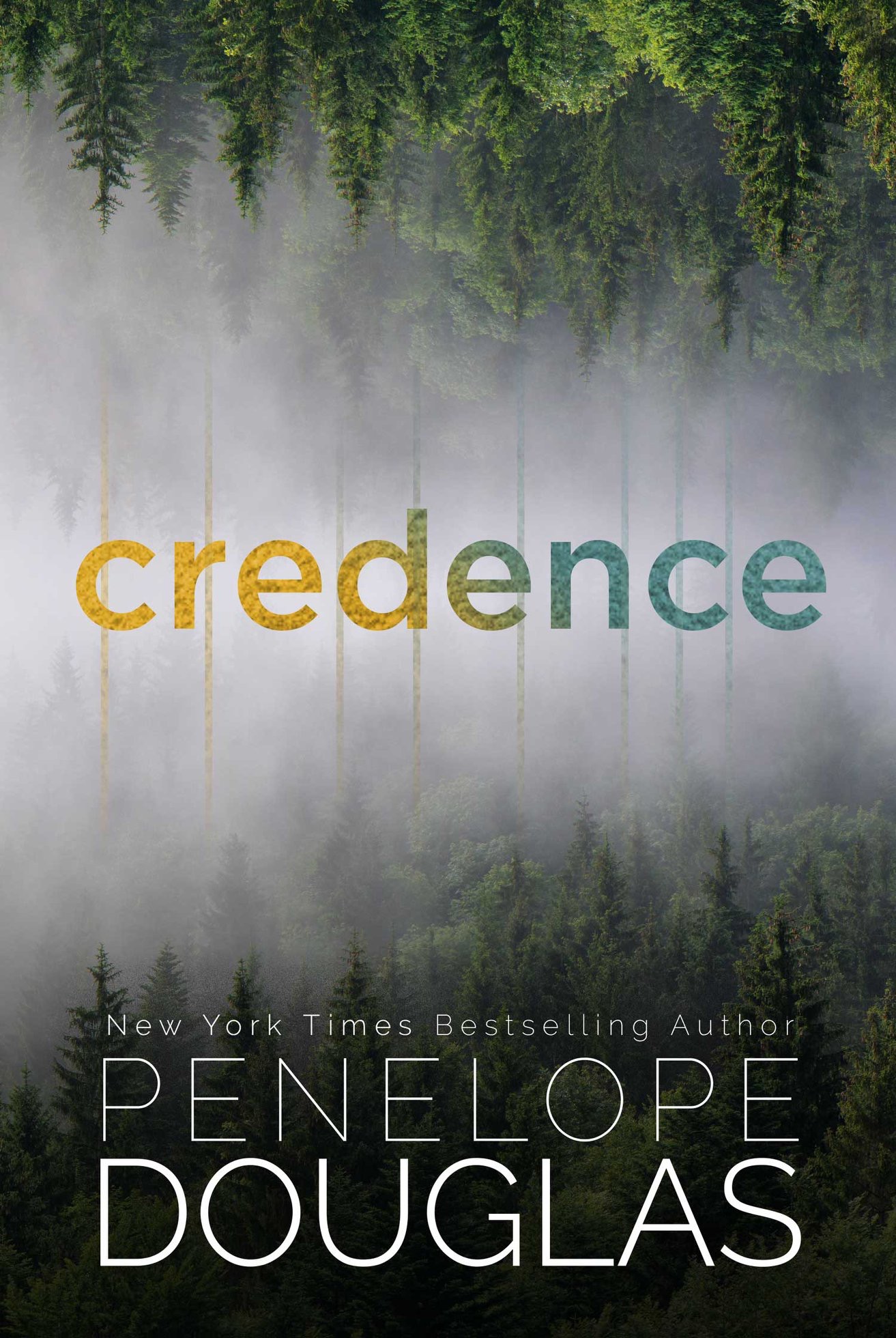
Penelope Douglas’s book, Credence8 (2020), became one of the most infamous books across BookTok, starting as a praised, sought-after book, highlighted for its spice level. It became a marketed success, selling enough copies to be considered a best-selling author, with many residents of the BookTok community feeling influenced enough to read it.
As the novel began to see more eyes, the absurdity of its content became apparent, with the plot revolving around a graphic sexual relationship of an eighteen-year-old girl and her step-uncle and two cousins. A shocking and disturbing story that still sold even more copies after the content was revealed, since the discourse over the obscurity of the novel kept users entertained.
The “BookTok” Effect — Community, Classics, & Controversy
With the newly found hype for reading communities on TikTok, many bookstores, most notably Barnes and Noble, have started their own subsection for BookTok finds. In their browsers can find a plethora of various books from revamped classics, epic fantasy series, dark romances, and new debut authors.
Promoting authors and highlighting the hard work that goes into the creation of their novel is aspirational at best. Due to the BookTok community, there has been a spiked in interest in older literary fictions that have important messages and moving story lines that otherwise may not have been read by many in the new generation.
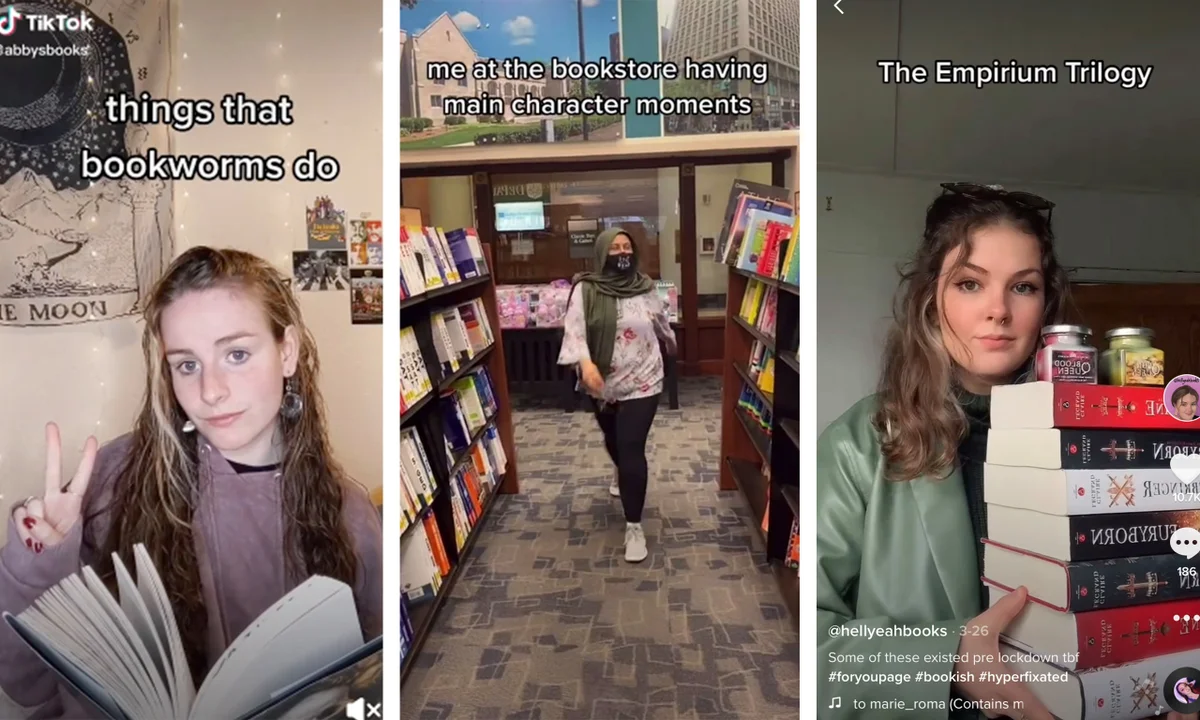
For example, Jaqueline Harpman’s I Who Have Never Known Men9 (1995), a devastating and impactful read, has garnered massive attention and praise due to exposure on TikTok — and rightfully so. Many other astounding works have been given a new life in this modern age, with many debut novels being allowed their first life in the new spotlight.
At worst, the platform has allowed problematic voices to influence an unmonitored section. With the popularity and marketing of TikTok influencers, books that contain abusive and toxic mentalities in romantic relationships are being blindly sold to impressionable consumers. Discrete covers and a lack of trigger warnings hide what lies beneath, and the popularity of an entire community’s mention of the novel sells it.
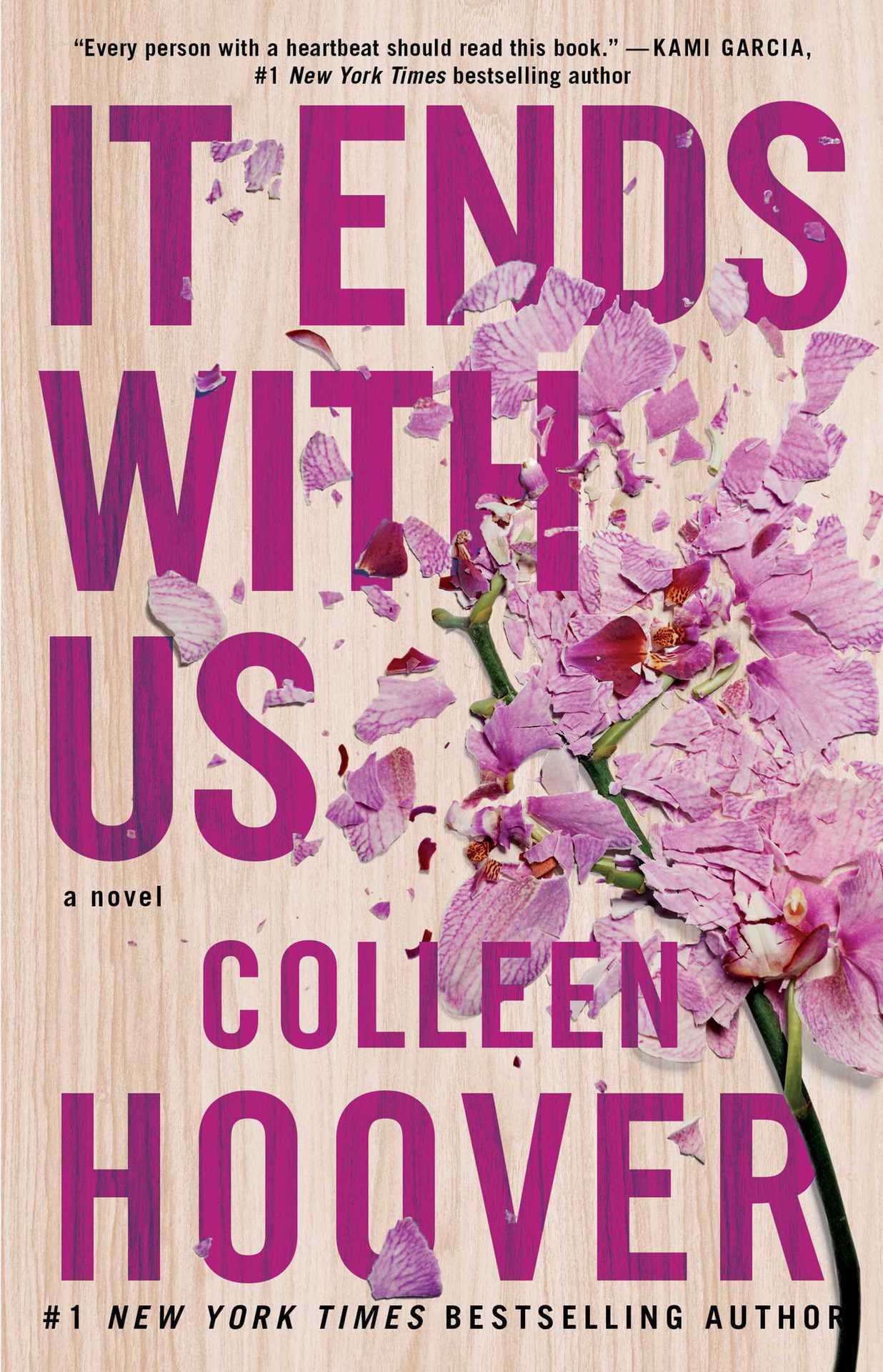
Colleen Hoover is the most notable author who was given a large platform and significant success due to BookTok. Many of her books are deemed ‘spicy’ with problematic situations and her lack of sensitivity to groups of individuals.
Her novel, November 9th10 (2015), inappropriately romanticizes being a burn victim and promotes the relationship between the female victim and the man responsible. With that and countless consensually vague sexual scenes in many books, it could be argued that the mob mentality of TikTok, due to the many users attempting to keep trending, the community has allowed problematic voiced to shine.
‘Fame First’ — When Virality Outpaces Craft
Although Colleen Hoover gained much of her notoriety as a writer through BookTok, she was already an established author separate from the app. It was users on the platform that found her work and marketed it, spreading their love for her writing.
This caused her sales to skyrocket due to engagement from her most endearing fans and her harshest critics — both equally published with their remarks. It’s not just well-known novels and authors gaining traction across BookTok — many debut authors have been given almost instant success with their first release.

Helping debut authors market their book in a condensed area that provides more visibility, leading to success in their careers, is a fantastic accomplishment of the platform. However, there have been some new writers where the marketing and fame have become the most crucial part, and the quality of their debut novel has suffered.
Some authors, unfortunately, were exposed for using AI to write. Other, though more authentic storytellers, publicly missed the mark. Audra Winter, the young author of the upcoming book, The Age of Scorpius11 (2025), is living out the nightmare scenario of any writer. She gained fame and notoriety through her TikTok videos, in which she showed her process for developing a fantasy series around the zodiac signs.

With a massive following and overwhelming support, Winter published her first novel with thousands of preorders. However, the instant rating and overall conclusion were low, with disappointment from those who had been supporting her. With many spelling errors and poor writing choices, it became clear that her focus was on the art style and the future series rather than the details and editing.
This was a devastating downfall of a new author, but with notoriety through the public forum becoming the primary source of marketing and the growing number of book influencers, a trend of fame before the book is beginning to grow. Much like fashion trends, there will be a rise in writers jumping onto the latest sensation, rushing their work in favor of quality to stay relevant.
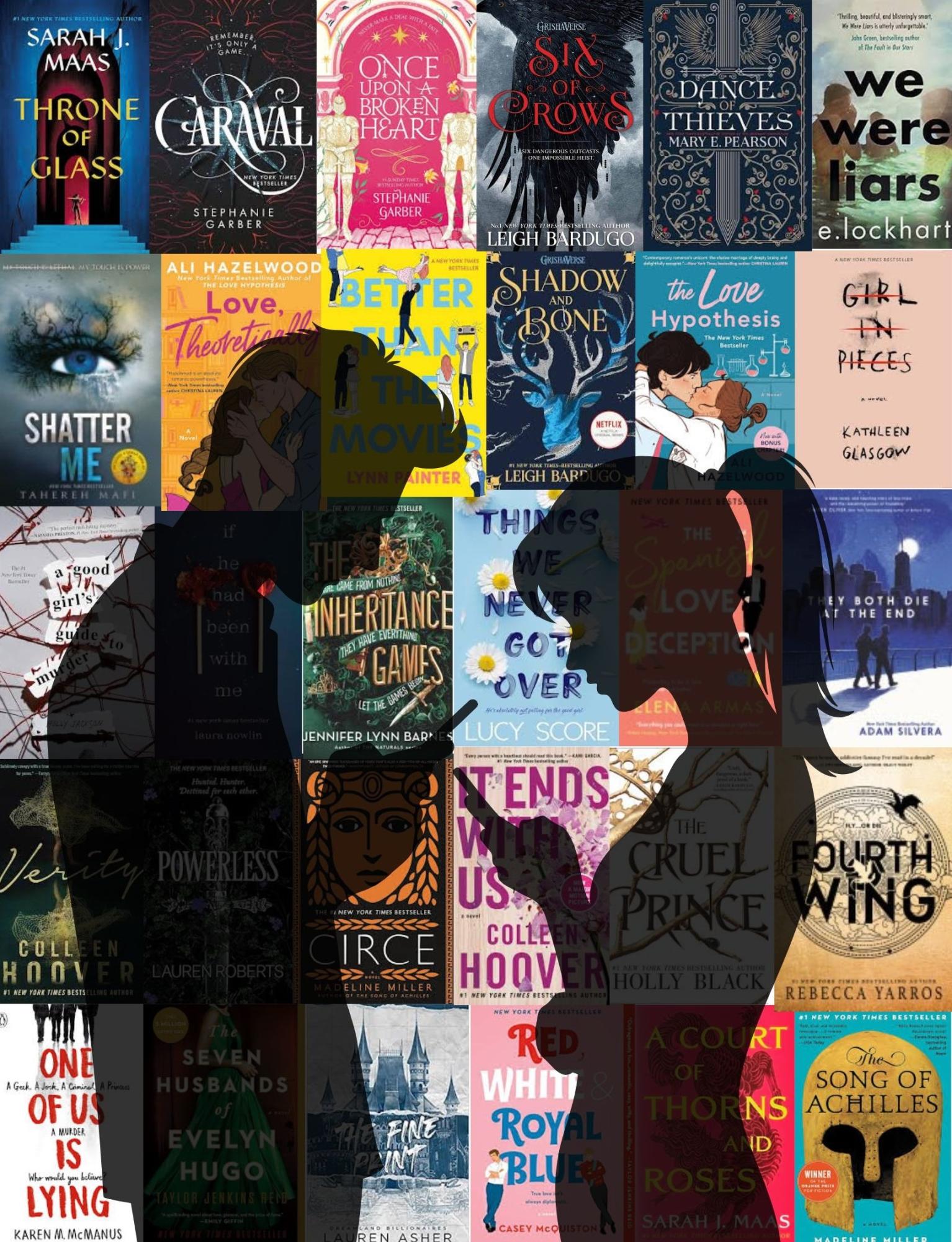
BookTok influence is turning the literary world into fast fashion — a massive selection of books and micro-trends — but the lacking value makes the final product of the novel unsustainable and temporary.
When Virality Overshadows Value
Literature can be many things to a person: an escape, a message, or an understanding of oneself. It’s an experience every reader would wish on someone else, and that’s why BookTok became such an expansive part of the app.
Many people put themselves out there to give to others what a writer had given them–reading is the gift that keeps on giving. However, as monetization rolls in and the view count becomes a necessity, relevancy becomes the most crucial factor. It’s the problematic voices, extreme numbers in wrap-ups and hauls, and the next big event that generate the most revenue.

BookTok caters to virality, meaning writers who produce stories solely for shock value and attention, whether good or bad, will be given the biggest platform. With BookTok users being fed overconsumption numbers from their favorite influencers and the same problematic novels, the literature world is bound to continue its snowball down in quality and culture.
Footnotes
- Riordan, R. Percy Jackson and the Olympians. Hyperion Books. 2005-2009. ↩︎
- Collins, Suzanne. The Hunger Games. Scholastic, 2008-2025 ↩︎
- Roth, Veronica. Divergent. HarperCollins, 2011 ↩︎
- @bethanys_books. “October Reading Wrap-up” TikTok. November 2023. ↩︎
- @Kurryreads. “July Reading Wrapup” TikTok. June 2025. ↩︎
- Dictionary, Cambridge. “Smut.” Definition in the Cambridge English Dictionary, Accessed 12 Sept. 2025. ↩︎
- Hoover, Colleen. It Ends with Us. Atria Books, 2016. ↩︎
- Douglas, Penelope. Credence. Penelope Douglas LLC, 2020. ↩︎
- Harpman, Jacqueline. I Who Have Never Known Men. Transit Books, 2022. ↩︎
- Hoover, Colleen. November 9. Simon & Schuster, 2015. ↩︎
- Winter, Audra. The Age of Scorpius. The World of Gardian LLC, 2025. ↩︎