Table of Contents Show
As the world continues to evolve, so does technology. While in many cases this is seen as a positive consequence of modern evolution, the rapid development of technology such as artificial intelligence (AI) gives cause for concern.
NASA defines AI as “computer systems that can perform complex tasks normally done by human-reasoning, decision making, creating, etc.”1 In other words, AI are computers meant to accomplish things in a quicker, more efficient manner than can be done by humans — this includes things of a creative nature such as music, painting, drawing, writing, etc.
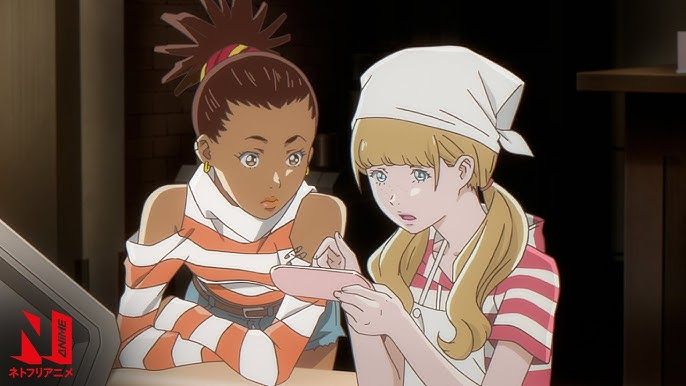
For decades, AI has been depicted within the media as a terrifying force with the capability of replacing humans. Oftentimes, this replacement begins with taking over the technology humans rely on, such as computers and cars. However, the impact of art being overtaken by AI is rarely explored. This changed with the 2019 Netflix original anime, Carole & Tuesday.
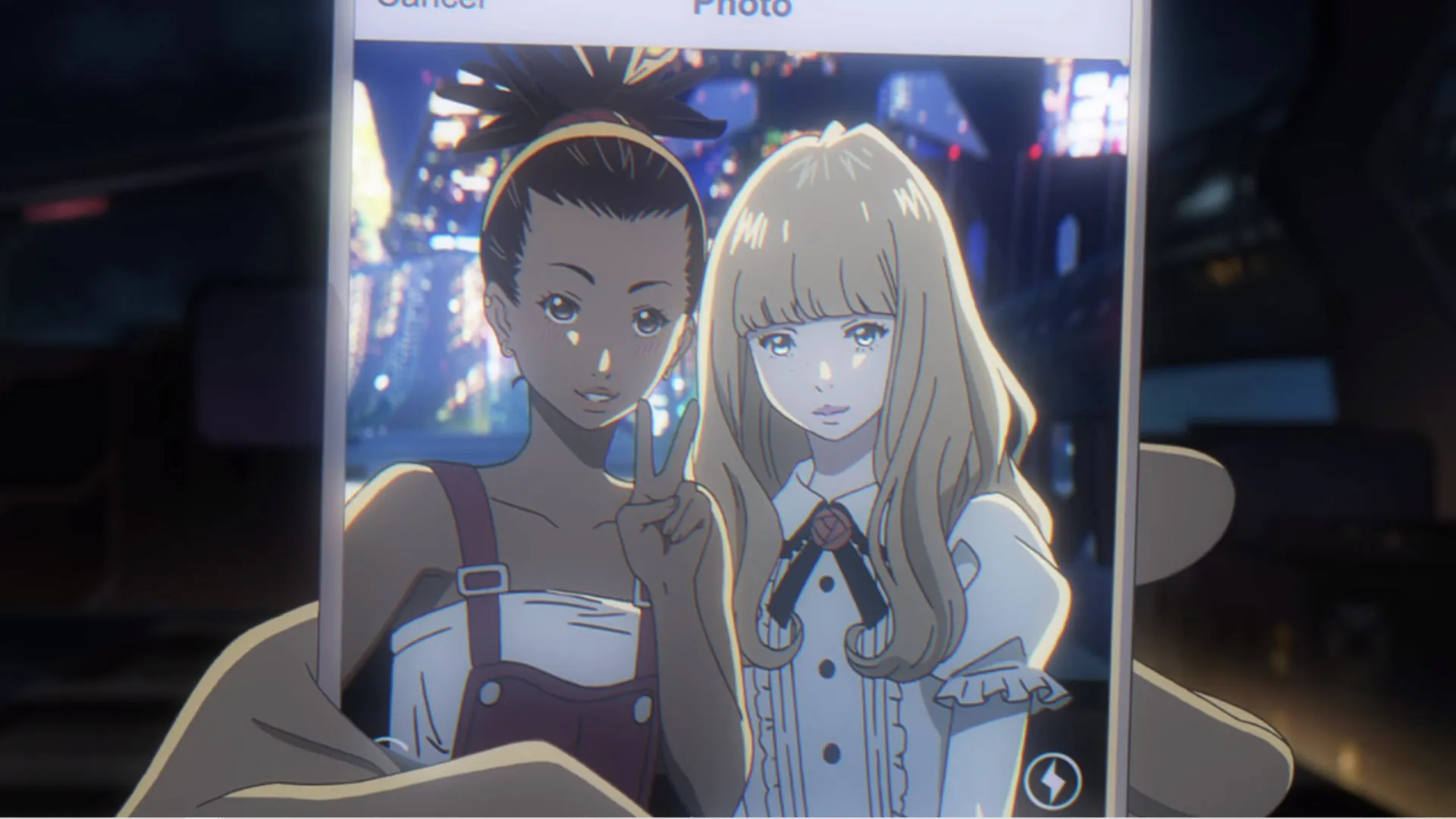
Created by Shinichirō Watanabe, the director of popular shows such as Cowboy Bebop (1998), Samurai Champloo (2005), and Space Dandy (2014), Carole & Tuesday follows two girls as they follow their dreams of being musicians. The story is set on Mars and is estimated to take place around the year 2071.2
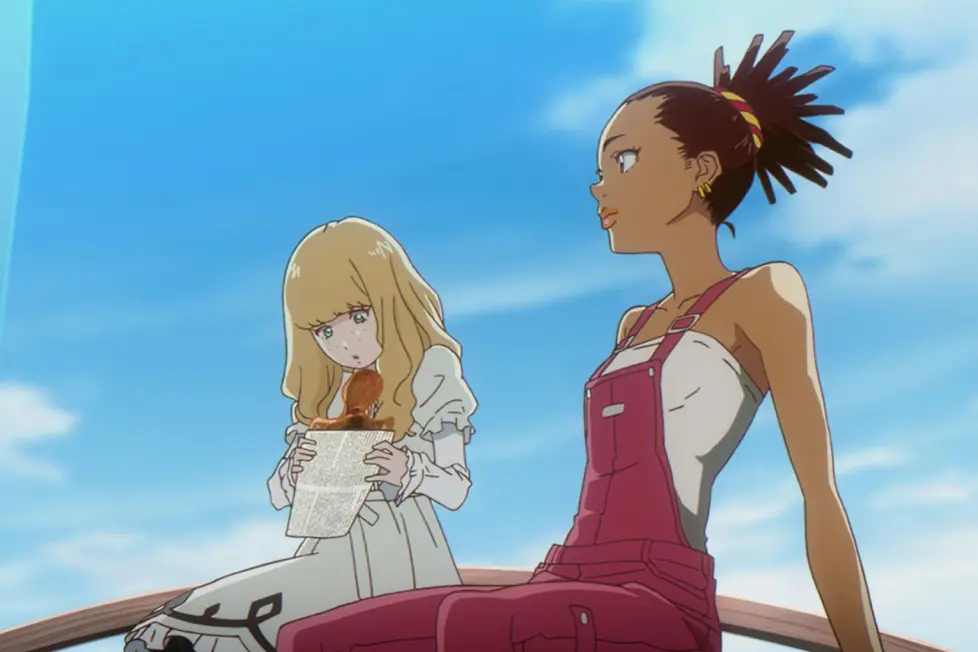
After most humans abandoned Earth to live on Mars, AI became a natural part of everyday life. From ordering food to creating music, there is not a single instance in which AI is not referred to — it is relied on as a necessity.3 However, Carole and Tuesday begin to challenge this reliance through their music. From the beginning of their journey to the end, Carole and Tuesday rely on their own abilities as artists in a sea of technology, fighting back against the slow disappearance of human-made art.
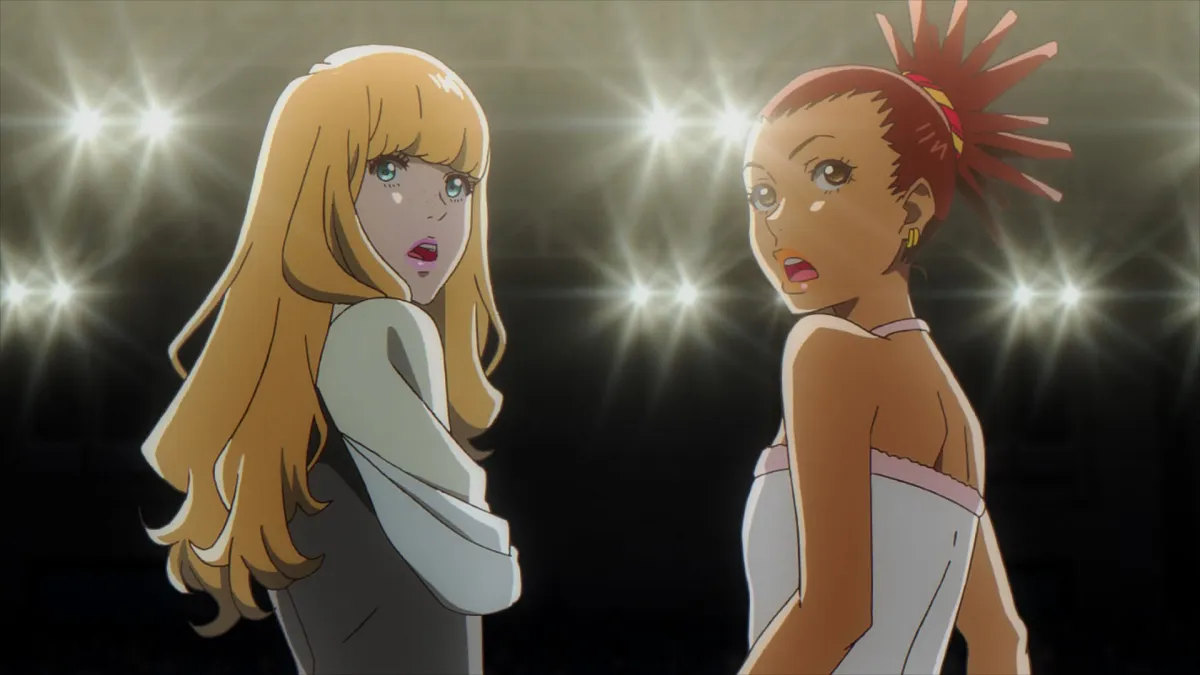
Their drive, passion, and talent become an inspiration to those around them. Most of all, in a world of automated robots and artificially-generated songs, it is their unashamed display of humanity that gave hope to those who had previously lost it.
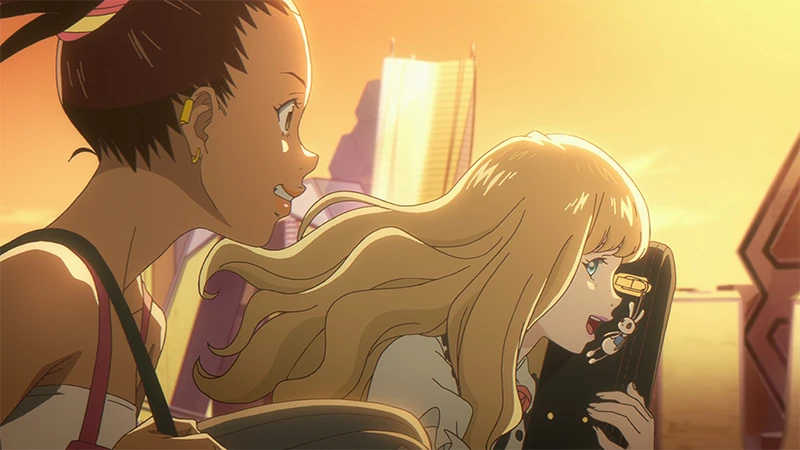
On the surface, Carole & Tuesday seems simplistic in nature. However, at its core, Carole & Tuesday is a beautiful exploration of the importance of art in our society that criticizes the reliance on AI within the creative world.
Through its subtle, nuanced approach towards the issue of AI, Carole & Tuesday shows how art is more than just songs or paintings — it’s a form of resistance against those who wish to erase the beauty and uniqueness of humanity.
The Art Of Being Human — Carole & Tuesday Celebrating Humanity
From the first seconds in Carole & Tuesday, the audience is given a glimpse into the story of a miracle that started with two ordinary girls: Carole and Tuesday. Their first meeting was in no way extraordinary. Carole had been playing a song on her keyboard on a bridge as everyone around her passed her by without so much as a glance — everyone but Tuesday.
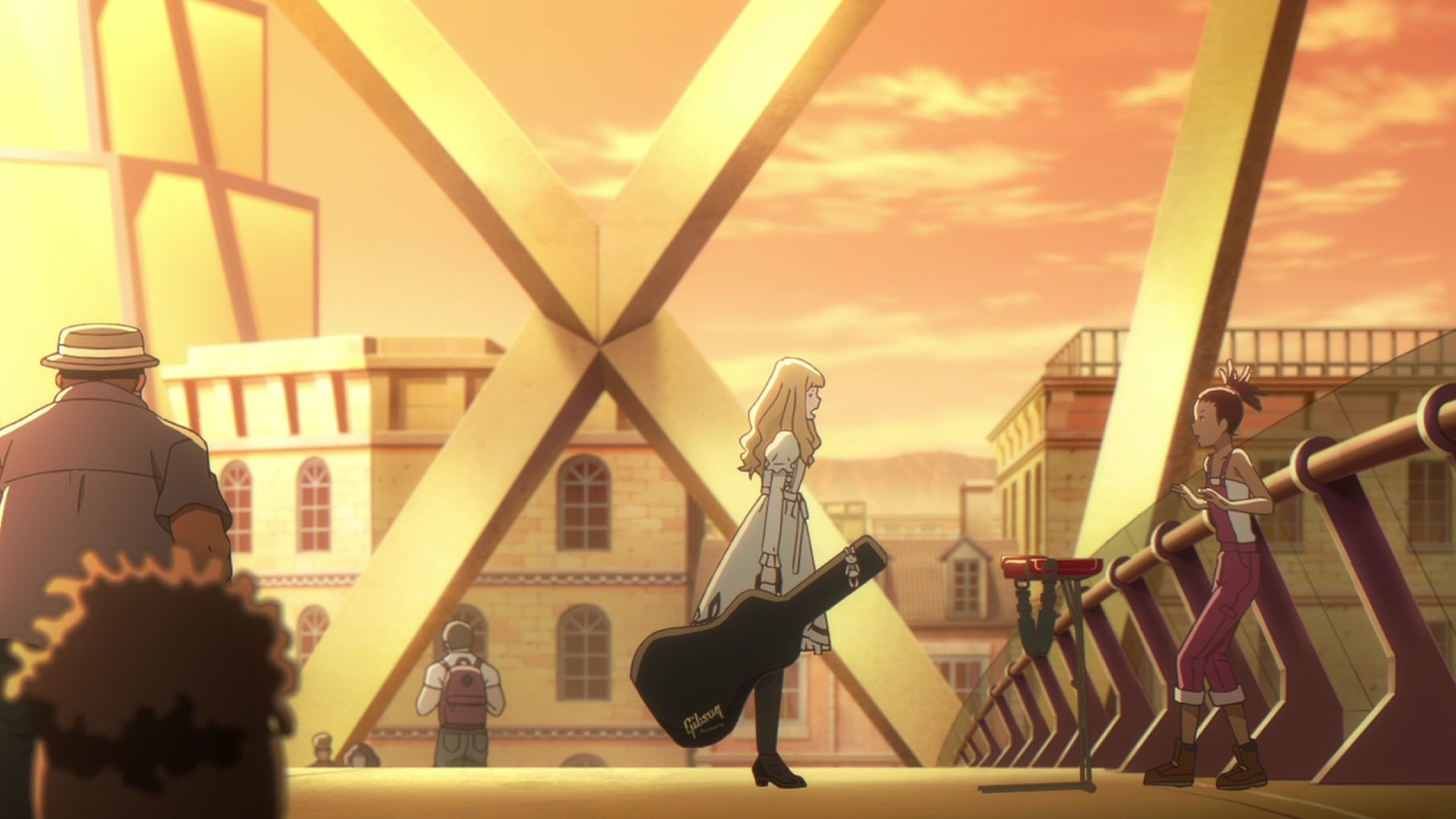
Carrying her a guitar, she stood and listened to Carole’s song with tears in her eyes. To her, the keyboard paired with simple humming was beautiful enough to evoke such emotion. This scene illustrated something so inexplicitly human in a world where the use of AI is normalized and expected.
There were no outside forces bringing them together. No futuristic technology or the usage of social media. It was simply an organic meeting of two vastly different people who shared one dream — making music.
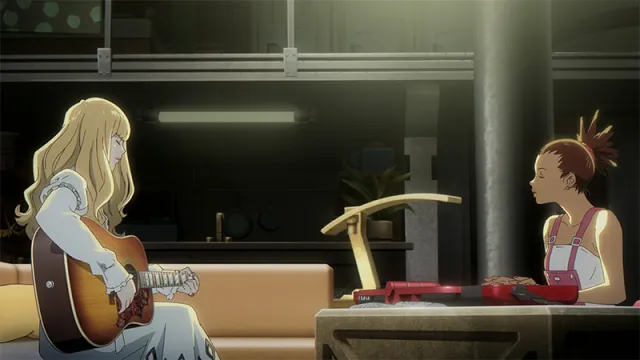
It is through the organic nature of their relationship, and their relationships with others, that the beginnings of a tale fighting against AI is created in Carole & Tuesday.
The Power Of Music
From Carole and Tuesday’s first meeting, one key detail stands out: they both carry regular instruments. Carole performs on a keyboard with the only futuristic element to it being it’s ability to fold more efficiently for carrying. Tuesday performs on a simple acoustic guitar with no futuristic elements at all.
As Carole & Tuesday progresses, it becomes clear that most artists spotlighted do not use “old” human instruments from Earth. Instead, they use AI technology to create both the instrumentals and lyrics of their songs.
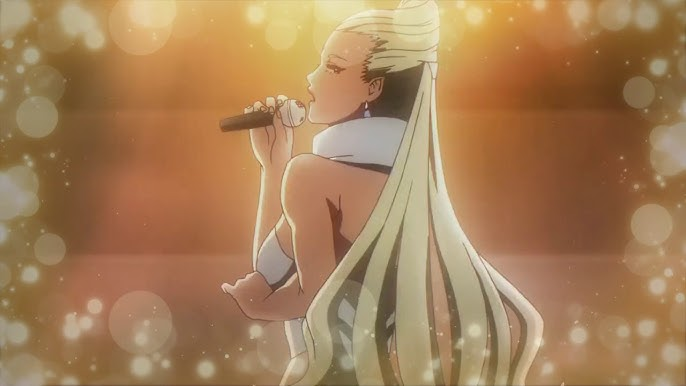
This separates them from mainstream artists on Mars. For starters, many of the big name artists don’t use instruments at all. Instead, the song instrumentals best resemble pad controllers in terms of sound production.
This is especially true for artists such as Crystal. Although extremely talented and well-renowned, their music is incomparable to Carole and Tuesdays because the lack of proper instruments shifts it to a completely different genre.
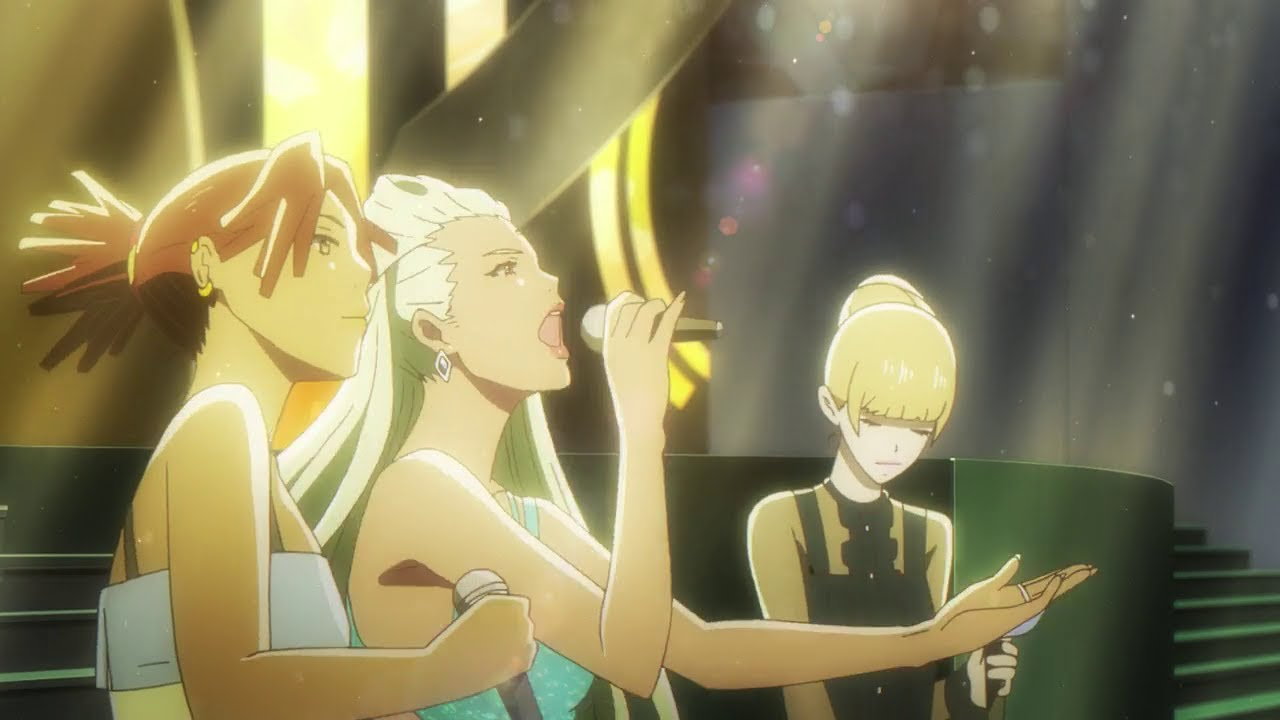
In terms of content, the known song by Crystal, “Unbreakable”, is more straight forward in its message. The pre-chorus goes as follows:
"Two hearts, four broken pieces / That's who we were before / Somehow we fit together / Now we're unbreakable."4
The lyrics are simple but not bland, and they are extremely relatable for both the audience and the artist.
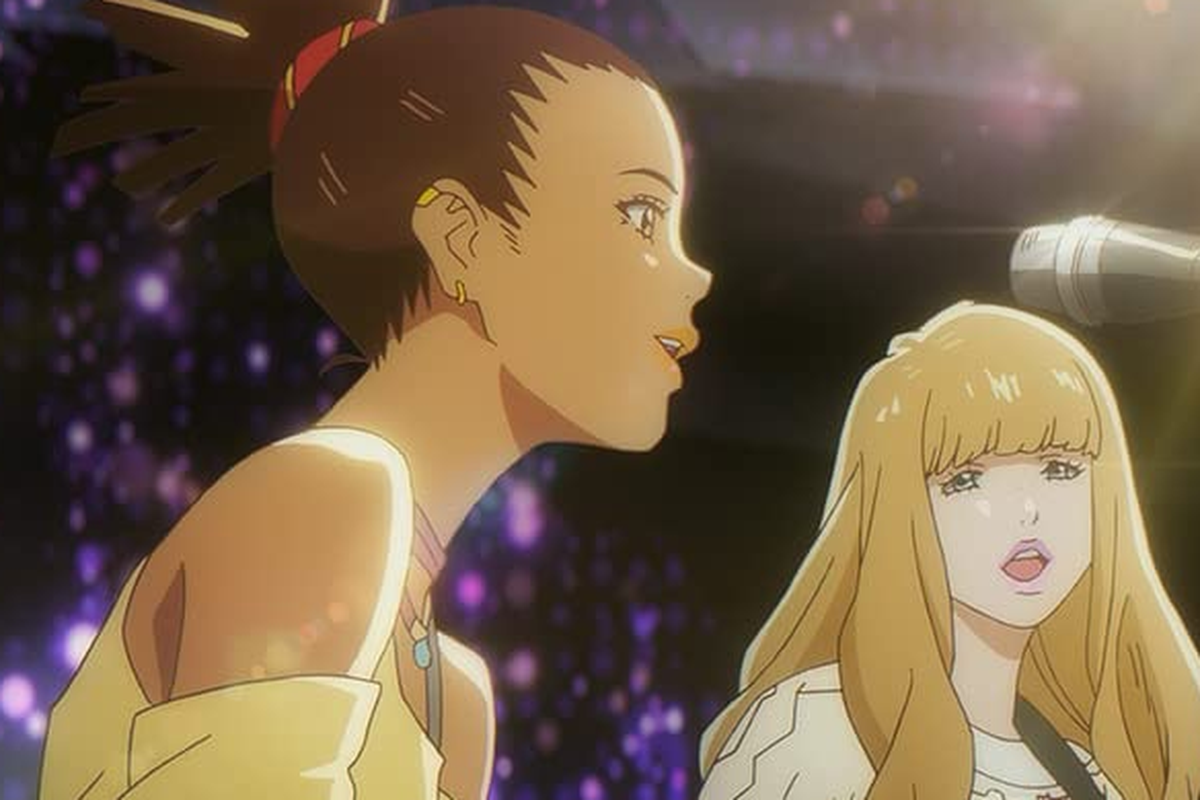
On the other hand, Carole and Tuesday’s songs focus more on their own enjoyment and artistic expression rather than trying to make a successful, popular song. This is exemplified in the first piece they wrote together: “The Loneliest Girl.
"Can you feel my tears? They won't dry / Can you feel my, can you feel my / Tear drops of the loneliest girl? / The loneliest girl."5
Front the title to the lyrics, Carole and Tuesday take a more unconventional approach. They don’t worry about perfect rhymes and easily digestable themes. Instead, they write songs to express their own emotions.
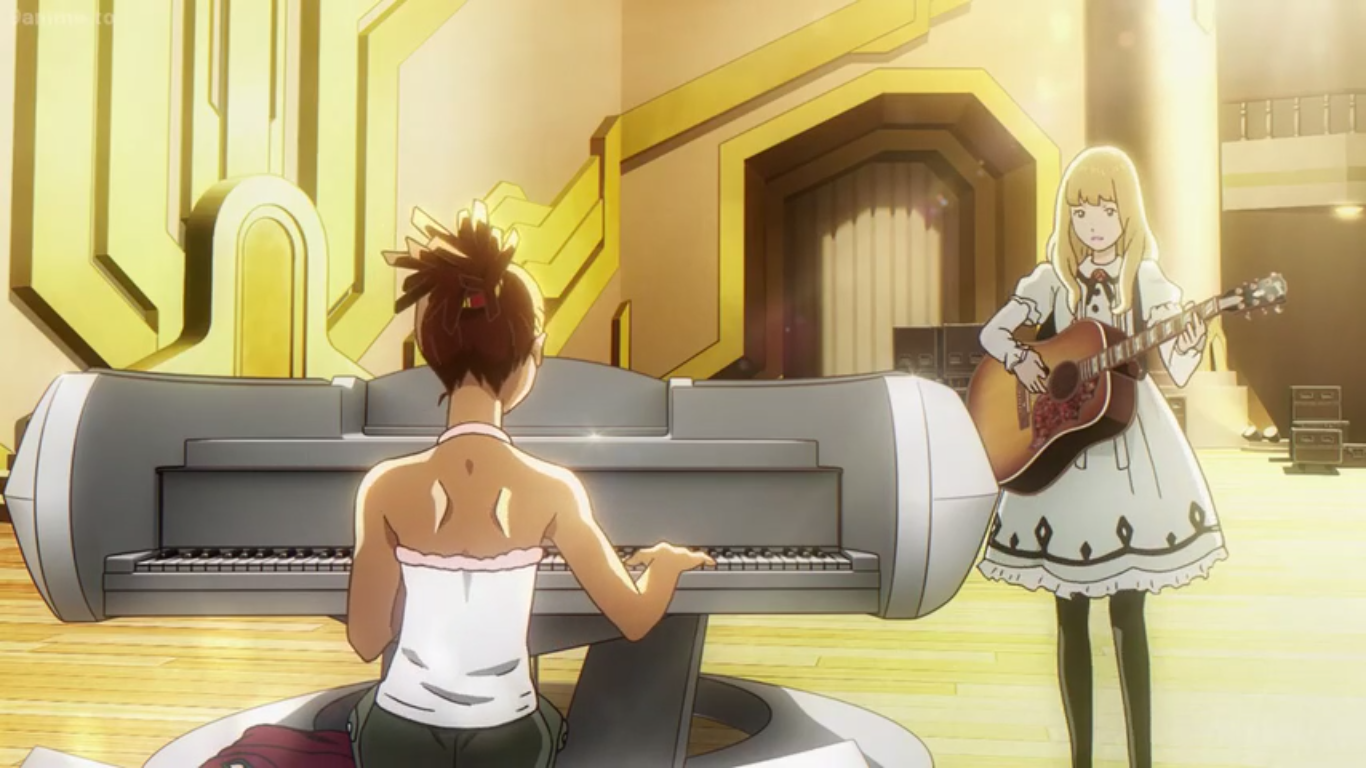
By presenting Carole and Tuesday as two regular people with a passion for instruments from Earth that hold immense historical significance, the anti-AI message starts to take root. In fact, the instruments begin to take on the symbol of rebellion as the duo continues to use their voice for the things that matter.
New Beginnings
The root fighting against AI begins to grow with each relationship that Carole and Tuesday develop, starting with their manager, Gus. Gus is depicted as a washed-up manager who has struggled in the industry after his initial big break with a famous musician.6 He finds Carole and Tuesday through a video of them singing that was posted online.
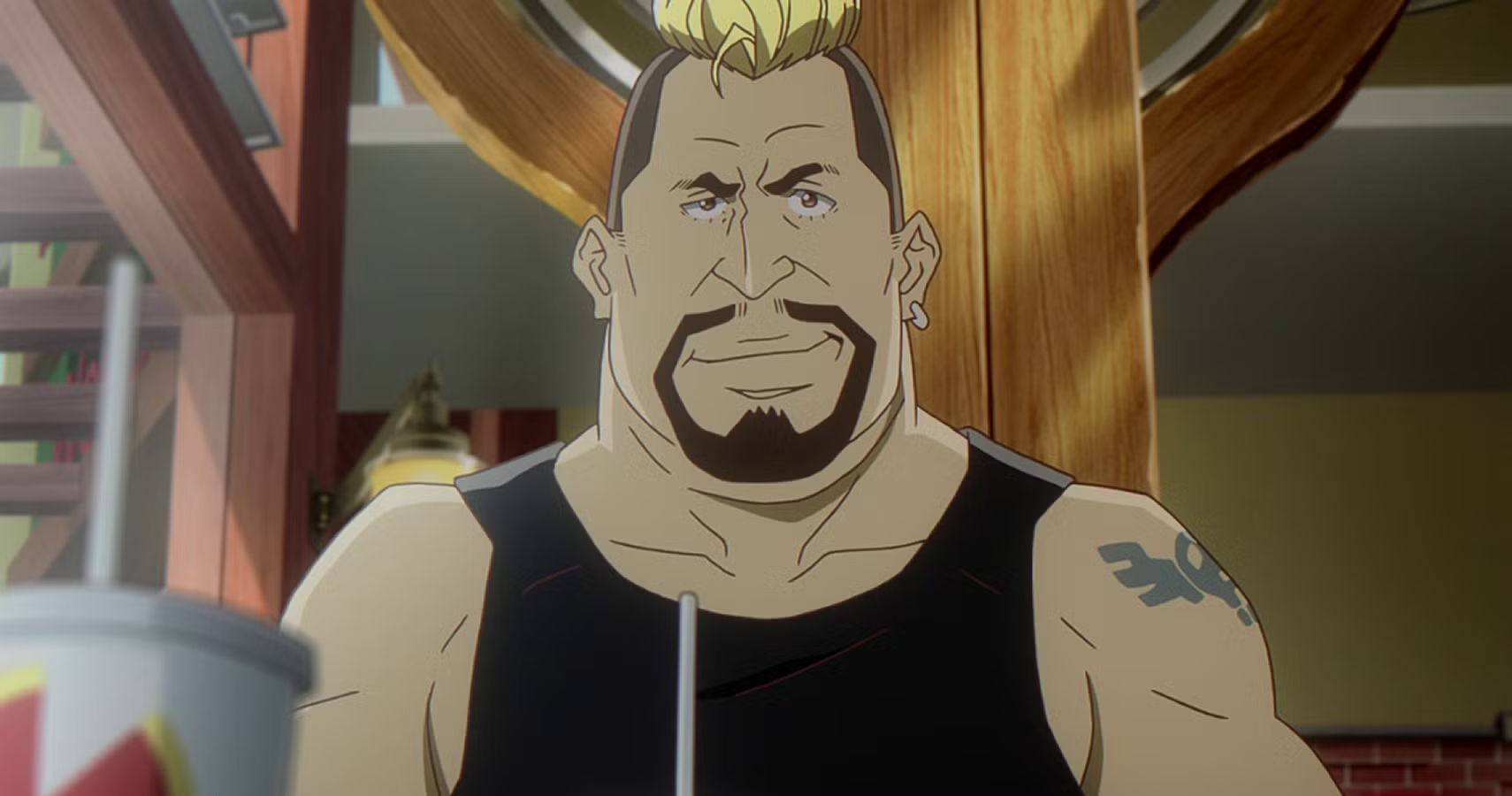
The second he heard their voice, he knew they were something special. He ends up tracking them down and offering to be their manager, an offer the singing duo accepts. Now, this alone is not anything significant — it is a given that story centering around music would include a manager in the plotline. What makes Gus special is what he represents: human determination.
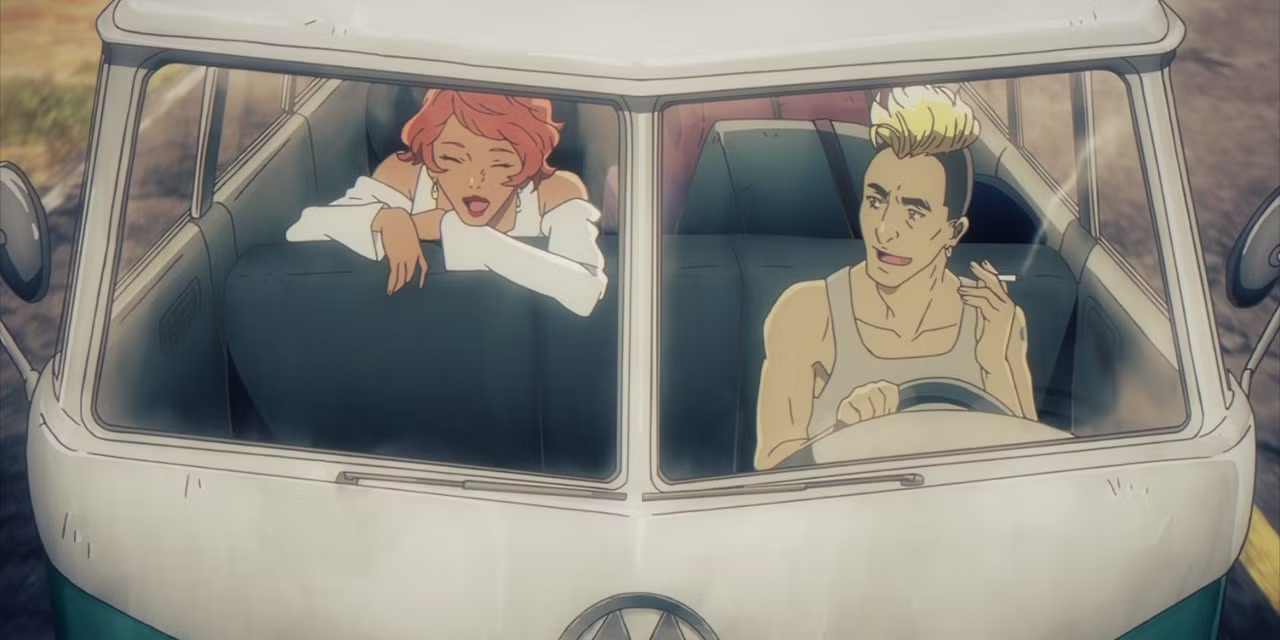
Gus was born on Earth in the United States, specifically Texas. His methods for artist exposure are old school methods one would expect when trying to build a following without the help of social media, instead relying on word of mouth.
In fact, he is depicted as being completely unaware of “modern” methods for music promotion, making his insight particularly unique. While other artists have the luxury of AI software’s helping to boost their popularity by maximizing their audience and promotional material, Gus only imagines Carole and Tuesday rising in a “natural” way through their own means.
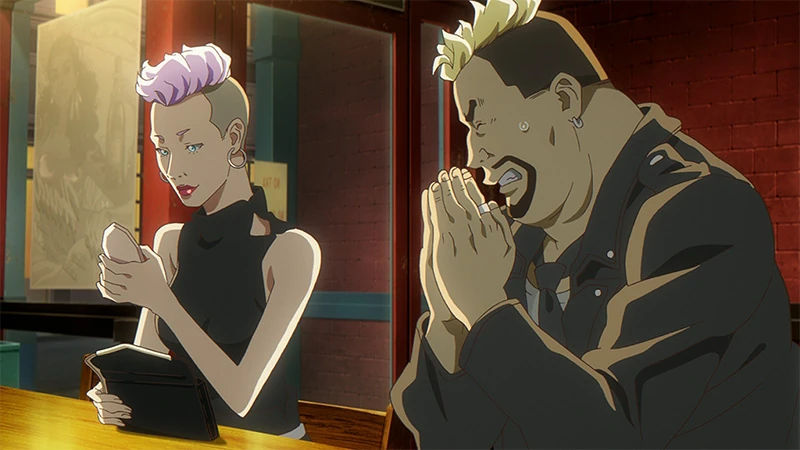
He specifically avoids doing what other artists do, instead choosing to allow for Carole and Tuesday to express themselves in the ways that matter. This carries on when they begin properly recording their songs. Rather than searching for AI software’s to produce instrumentals and using high-tech AI recording technology like other artists, Gus finds a human producer, Tobe, who noticeably also hails from Texas.7
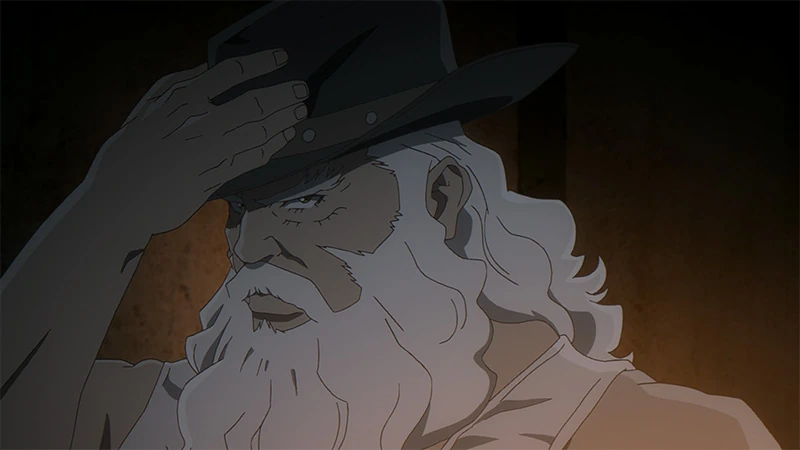
Tobe is clear in his expectations for Carole and Tuesday and uses methods unlike those previously scene in the show — he uses a microphone from Earth and has Carole and Tuesday perform the entire song in one take, instruments and vocals included. This recording technique pays homage to classic Earth songs and fully emphasizes Carole and Tuesday’s musical ability and artistic vision.
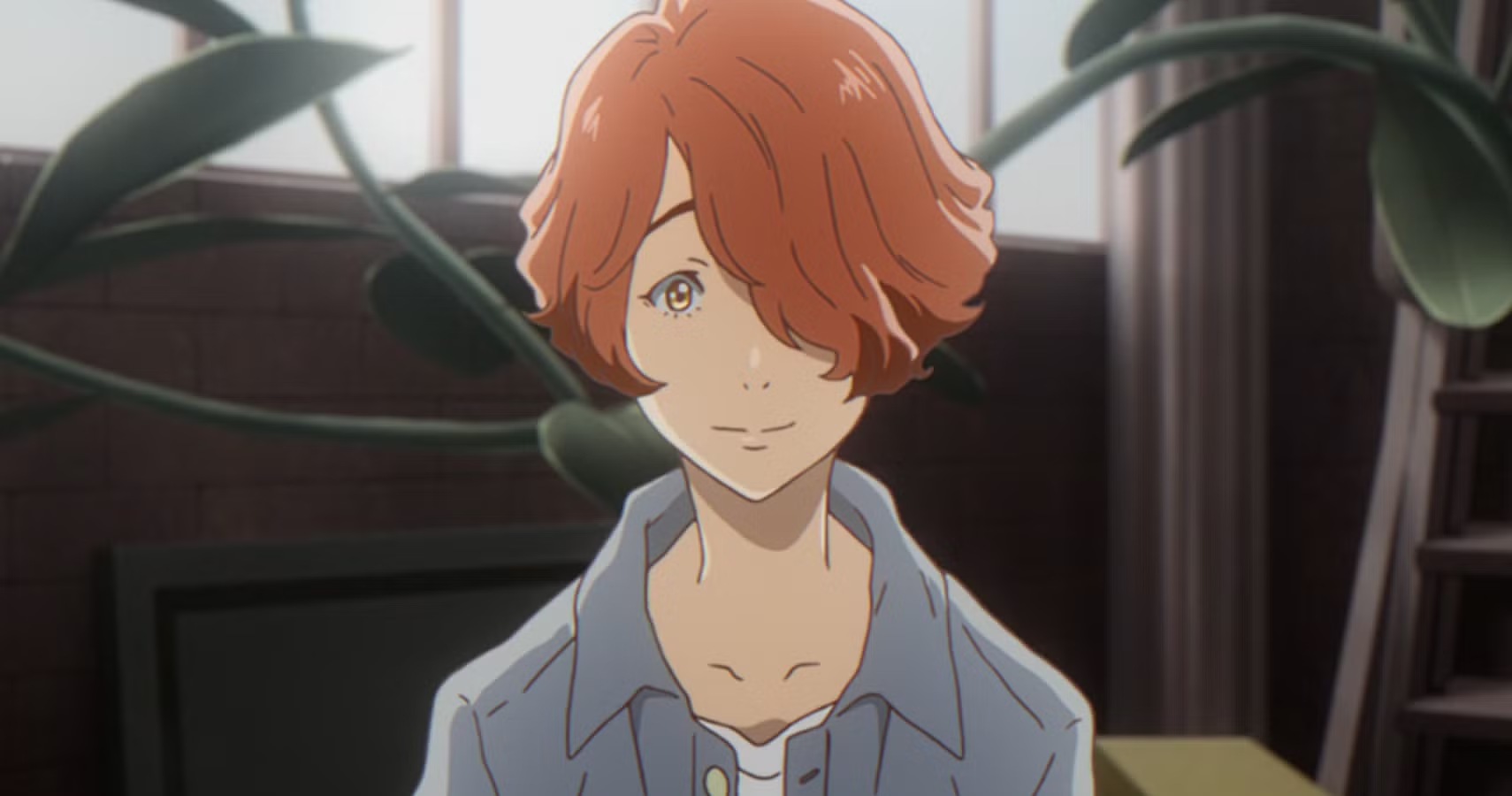
This theme is exacerbated through Roddy, an AI technology specialist who is responsible for sharing the video of Carole and Tuesday that lead to Gus discovering them.8 His initial introduction provides a stark contrast between him and the singing duo.
While they were performing raw, live vocals with nothing but a piano and guitar, Roddy was calibrating an AI software for a DJ’s performance. It is clear by the starstruck look on his face that he is immediately in awe by the performance in front of him.
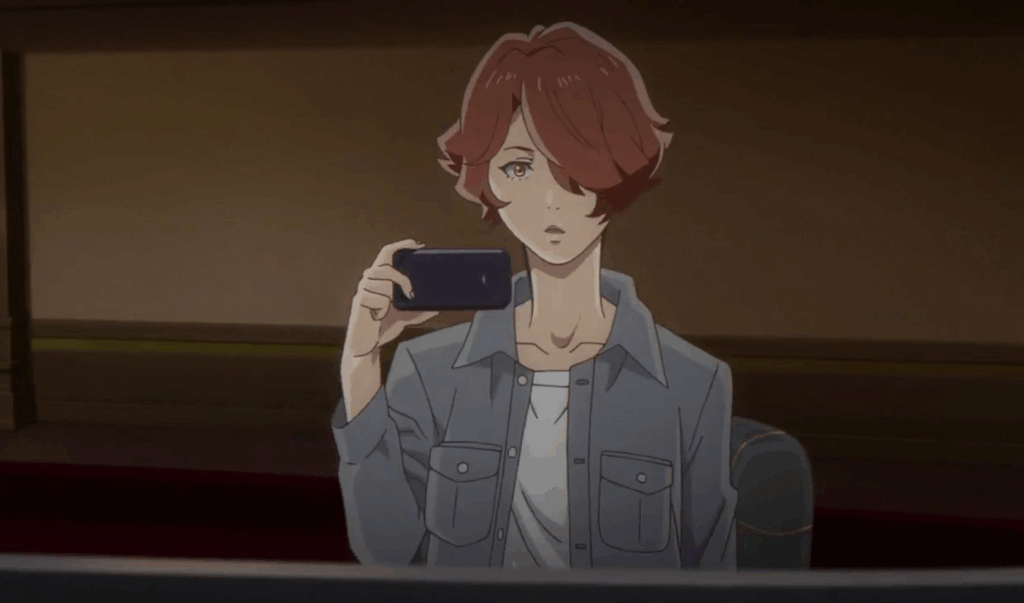
His actions of posting the recordings lead to thousands of people seeing Carole and Tuesday perform and leads to a chain reaction. However, despite his talent with AI software, it is his human connections that aide in their journey of sharing their music, with attempts at using AI noticeably failing.
When they attempted to use AI to record and edit a music video, it turned out to be a disaster for everyone involved, once again showing that the power of humanity will always out win that of AI.
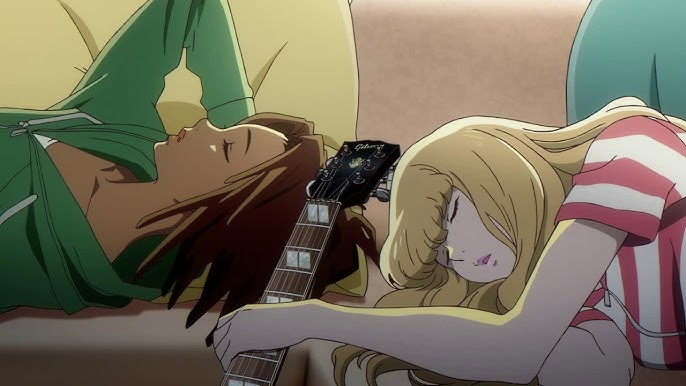
The lack of technological interference, and complete chaos when it does make an appearance, speaks to the power of community and the value of hard work when chasing ones dreams. By using Gus as a catalyst and further exploring the subject through Tobe and Roddy, the core anti-AI theme found in Carole & Tuesday is highlighted.
A Futuristic Omen — Showing The Dangers Of Relying On AI
Throughout Carole & Tuesday, AI is given equal attention through Angela‘s character, the rival and direct foil of Carole and Tuesday. While Carol and Tuesday rose from obscurity through their own means, Angela was a child star who had the privilege of high-grade AI and industry connections.
Here entire career was molded with the help of AI algorithms. Everything from lyrics, song production, and overall stage presence was carefully created and considered through artificial intelligence.9 This is a stark contrast to the complete self-produced approach taken by Carole and Tuesday and plays an important role in the development of anti-AI themes.
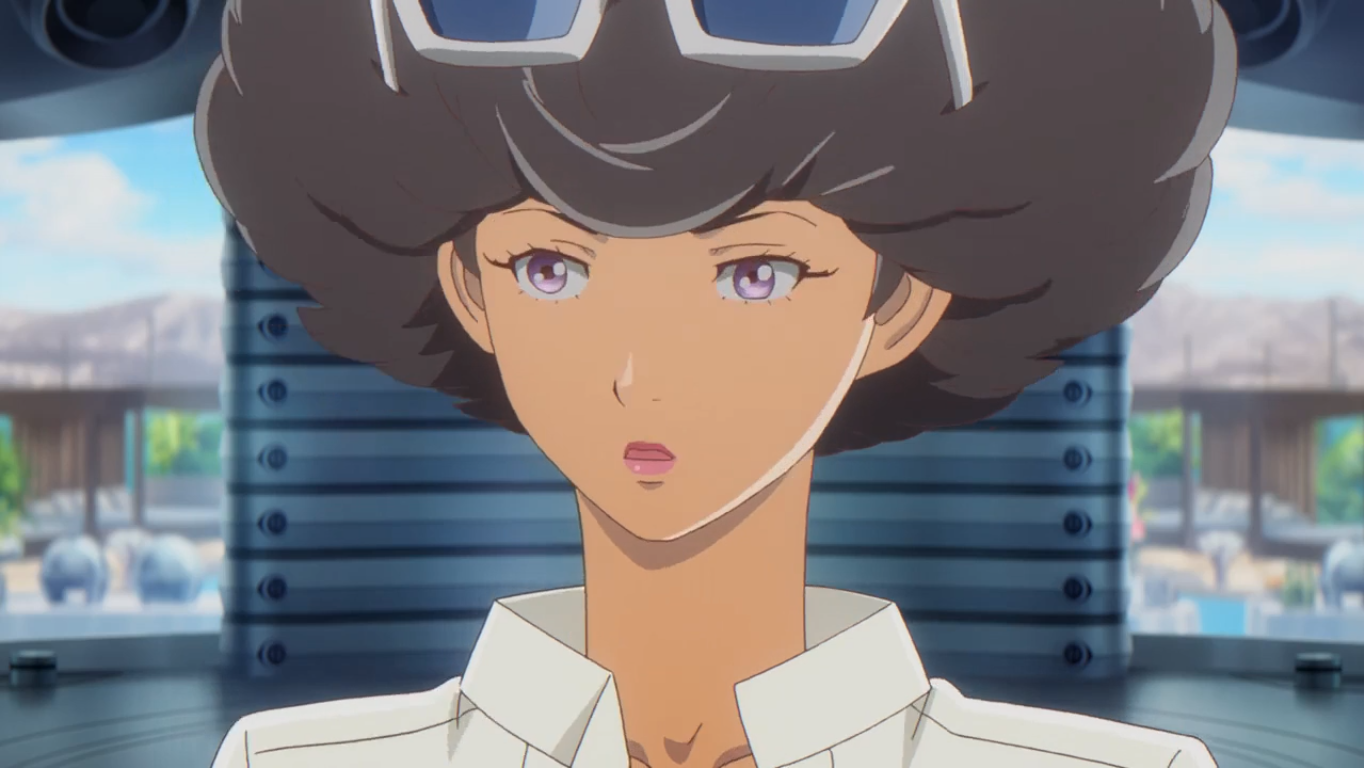
By all accounts, Angela should have had the upper hand in the fight to success. She had the resources and desire to make her dream a reality. Carole and Tuesday only had themselves and the help of their friends.
However, while Carole and Tuesday experience their trials and tribulations, Angela’s negative experiences are intensified. The more she follows the path outlined for her by AI, the more she finds things falling apart. She relies wholly on AI technology to develop songs and teach her the proper methods to singing them.
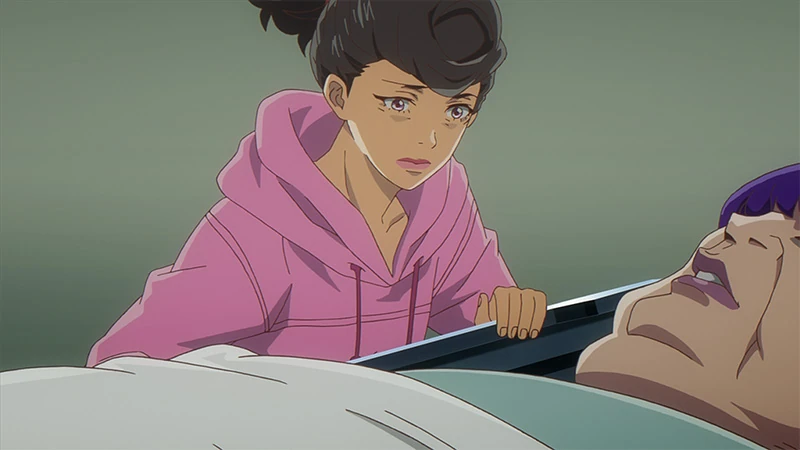
Without that technology, she finds herself lost. Day by day, her life begins to fall apart. She achieved her dream, but she was still miserable. After her mother got sick and she was abandoned by her benefactor, she spiraled.10
Now, although these situations aren’t related to AI, Angela’s relationship with AI is emphasized throughout the series; it is a core element of her character. Carole and Tuesday, two people who rely on their own artistic ability, are able to persevere through resolve the conflicts in their lives, Angela, a person who relies on AI for success, is drowned in them.
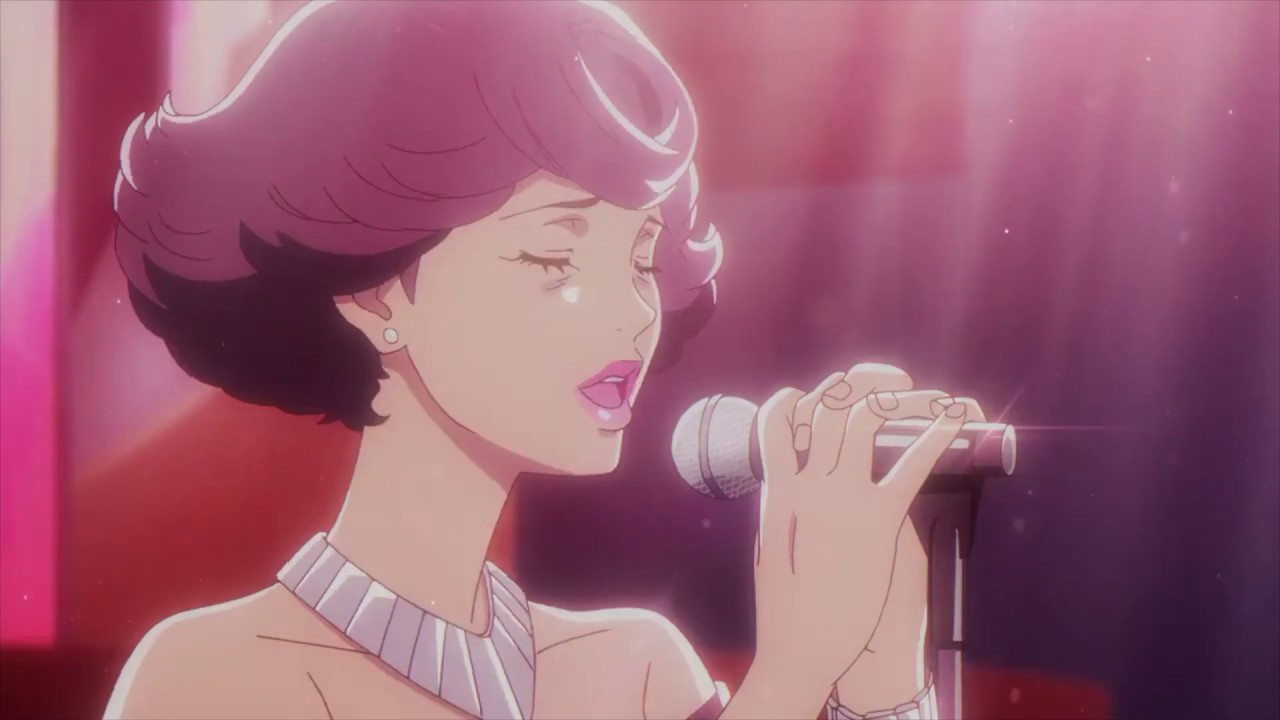
Additionally, she is left with the knowledge that the same AI used to build her career is capable of replacing her. Angela’s relationship with AI is a representation of the dangers of relying on it. She let an algorithm control her decisions and ended up losing herself and the things she cared about in the process.
A Defiant Stand — Carole & Tuesday Rising Against AI
Carole & Tuesday included numerous scenes showcasing the duos artistic process for creating songs. It is one of the many charms of the show. The minute details that go into creating music are never brushed over.
Instead, every roadblock they faced is showcased in great detail. The viewers are able to see the all of their ideas and the process of making them a reality. Everything from writing lyrics, creating melodies, and making music videos are thoroughly explored.
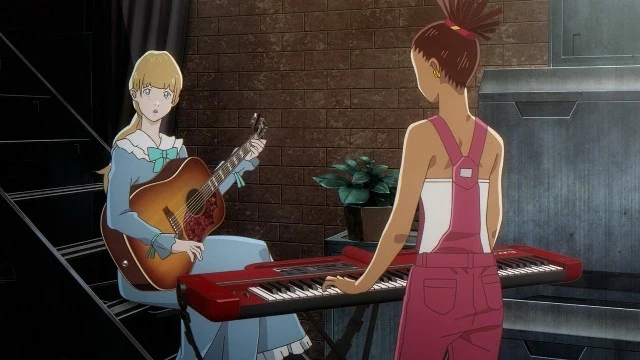
This is something that is lost when AI is brought into the picture as shown through Angela’s character. Her songs are generated to best suite her, so the trial and error that comes with creating art is nonexistent.
Carole and Tuesday give light to just how much work goes into creating art. AI reduces art to something lacking in complexity and meaning. Rather than being filled with human emotion and struggle, it turns it into a generative process.
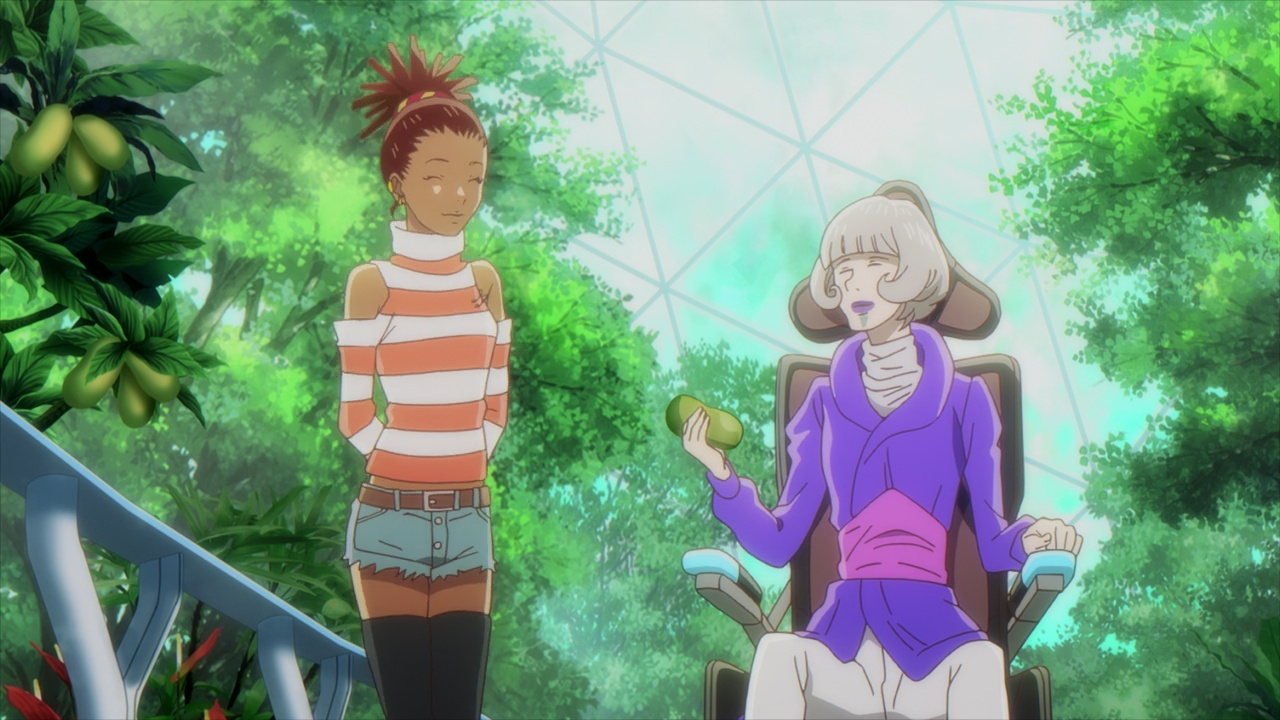
Carole & Tuesday emphasizes the power that art has to evoke change. There are many talented singers featured in the show, but Carole and Tuesday are the only known characters to write their own music and it is them who have the most impact.
Artists from all over Mars feel moved by their music. Through their songs, they brought people together and gave them hope for a better future.
The celebration of human art and themes of anti-AI come to a head in the final episode — the episode where a miracle took place.
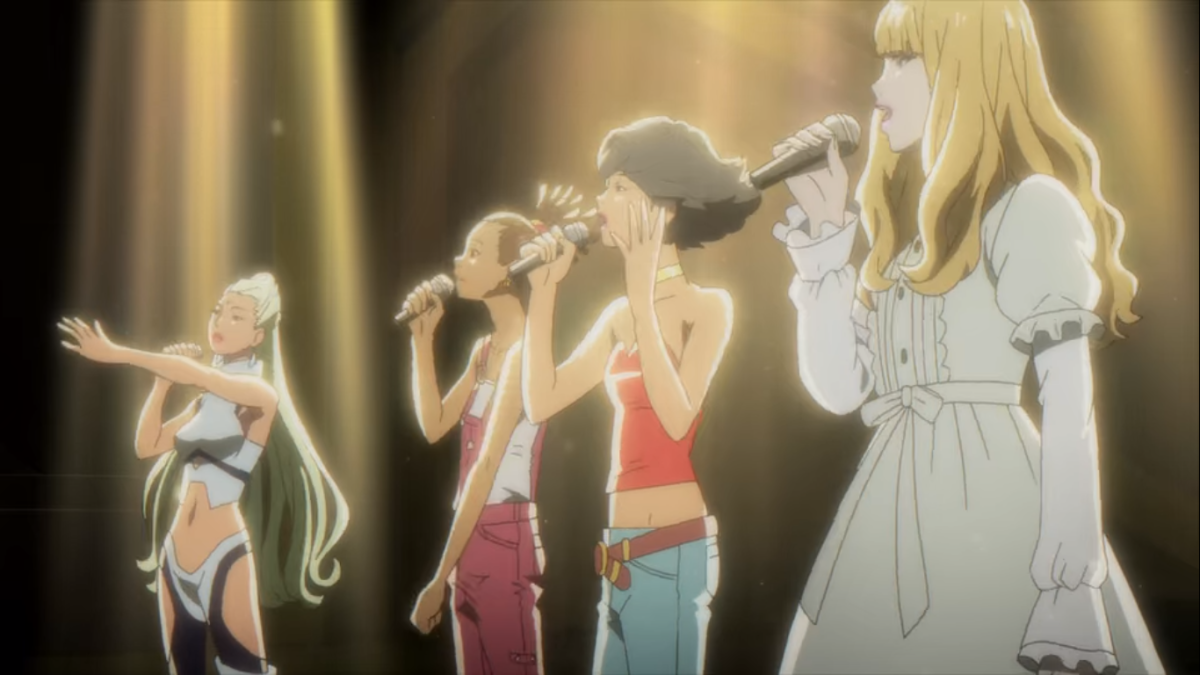
It was through a song that Carole and Tuesday wrote and arranged titled “Mother” that they were able to bring together the most unlikely of people. Iconic singers, both active and retired, came together because they believed in the words that Carole and Tuesday wrote. They believed that change could happen if humans took a stance.
A Message To The Future — Carole & Tuesday (2019) Giving Hope For Humanity
The state of today brings anxiety for artists all over. AI has continued to advance and is now using the work of real artists to train their algoithms and produce AI “art.” Consumers see value in this “art” because of its accessibility and convinence — they get the chance to create without having to put in the work.
As a result, many artists fear that they will become obsolete and unneeded. After all, if AI can create, what’s the point of employing human artists at a higher price? However, Carole & Tuesday shows that artists are irreplicable regardless of technological advances.
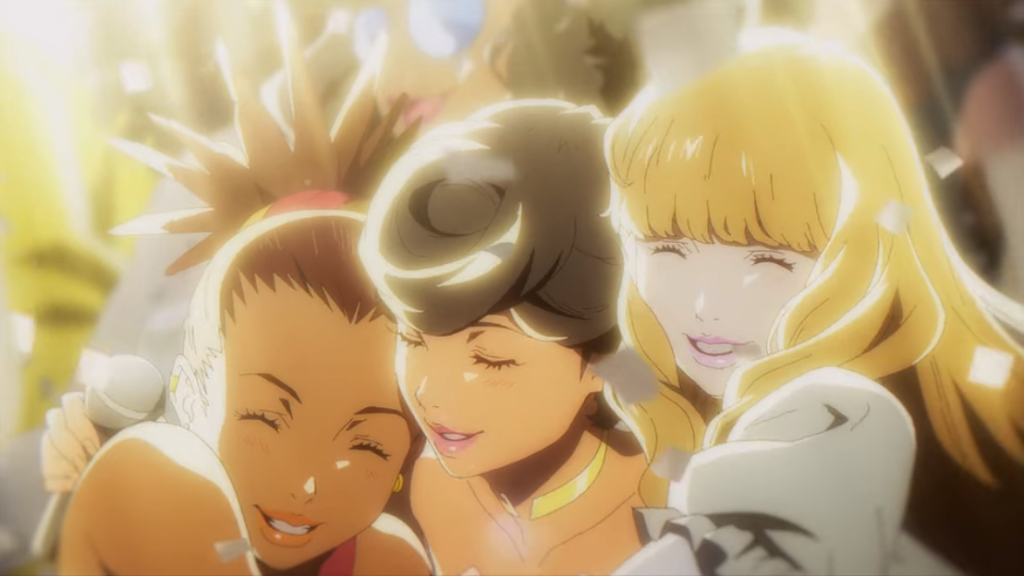
Carole & Tuesday illustrates the story of two ordinary girls who have a dream. Living in a world of AI, Carole and Tuesday create a path with their own means. Even though the people around them rely on AI and thrive due to it’s use, they never succumb to the pressure that AI is needed to succeed.
They give hope to all artists who fear their place in the world, showing that the “art” of AI will never live up to that of real people, people who put their blood, sweat, and tears into their work. Carole & Tuesday shows that artists should never give up. Keep failing, keep struggling, keep creating. Because, in the end, it is art of humanity that has the power to evoke change, and that is something that can never be taken away.
Footnotes
- “What is Artificial Intelligence.” NASA, 13 May 2024. ↩︎
- Petitti, Joseph. “Exploring the Shinichirō Watanabe Cinematic Universe.” Joseph Petitti, 2 May 2019. ↩︎
- Shinichiro Watanabe, creator. Carole & Tuesday. Bones, 2019. ↩︎
- “Crystal — Unbreakable Lyrics.” Genius, 2019. ↩︎
- “Carole & Tuesday — The Loneliest Girl Lyrics.” Genius, 2019. ↩︎
- Shinichiro Watanabe, creator. Carole & Tuesday. Bones, 2019. ↩︎
- Shinichiro Watanabe, creator. Carole & Tuesday. Bones, 2019. ↩︎
- Shinichiro Watanabe, creator. Carole & Tuesday. Bones, 2019. ↩︎
- Shinichiro Watanabe, creator. Carole & Tuesday. Bones, 2019. ↩︎
- Shinichiro Watanabe, creator. Carole & Tuesday. Bones, 2019. ↩︎