
Table of Contents Show
The cozy macabre aesthetic is more than a cute-spooky trend; it reflects a growing desire among fans to engage with darkness in a softer, emotionally safer way1. This article argues that the rise of creepy-cute mascots and characters — including projects like “Plushie Dreadfuls” — shows how fandoms transform fear into comfort, community, and creative expression.

The key selling point is that cozy macabre isn’t just a visual style; it functions as a cultural response to stress, uncertainty, and the growing desire for gentler forms of storytelling.
What Is Cozy Macabre? The Rise Of Soft Horror In Fandom Culture
Recently, fandom spaces have embraced a new hybrid aesthetic that blends cute and creepy, taking on a kawaii-meets-goth vibe: cozy macabre. This visual and emotional style takes cute, soft, pastel elements and merges them with spooky motifs — stitched-up plush creatures, gentle-looking skeletons, big-eyed bats, and sweetly smiling ghosts that look like they’ve stepped out from a haunted toy store. It’s horror without the hostility. Darkness with a blanket.

Cozy macabre isn’t simply about “cute horror” or “pastel goth.” It’s an aesthetic that treats fear like something you can hold in your hands. Instead of the overwhelming dread traditionally associated with horror, cozy macabre takes the frightening and makes it familiar. Soft textures, rounded shapes, and playful expressions make once-scary symbols soften. Fangs become funny. Shadows become plush. Monsters become mascots.
Most importantly, cozy macabre has become a community-driven aesthetic shaped through participatory fandom spaces. Fans, indie artists, and character designers have come together to collectively shape this aesthetic through TikTok, Discord servers, Etsy shops, Webtoons, and fan-art ecosystems. It’s a movement built from the bottom up — one not driven by corporate brands.
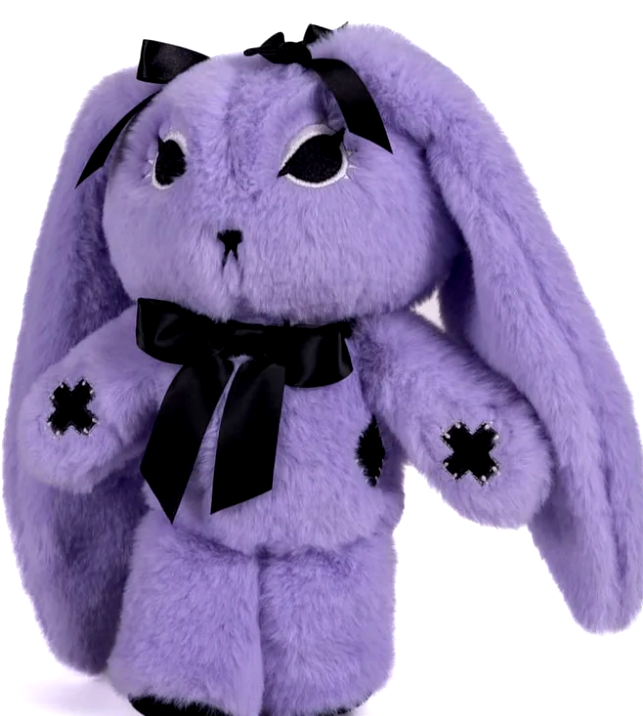
One example of this community energy is a brand known as Plushie Dreadfuls, a creepy-cute mascot line beloved by collectors of the soft and dark. These plush characters exemplify what cozy macabre does best: transforming the unsettling into comforting, emotionally resonant companions.2

But why now? What’s fueling this aesthetic shift? And why should we pay attention? To understand its rise, we need to look beyond visuals to the emotional and cultural landscape that allowed cozy macabre to function not just as a trend, but as a haven.
Why Fans Are Embracing Cozy Macabre — The Psychology Behind Soft Horror
The growing embrace of cozy macabre reflects a broader cultural shift toward softer, less confrontational forms of engagement with darkness. Fear becomes easier to approach when its edges are softened, and its symbols are made into something gentle instead of unsettling.

In a world marked by instability and overstimulation, this aesthetic offers comfort without denying reality. At the same time, it opens room for more layered self-expression, where vulnerability and sharpness, softness and darkness, can coexist in a way that feels authentic and grounding.
How Cozy Macabre Makes Fear Feel Safe & Manageable
Fear is easier to engage with when it’s softened. Cozy macabre gives fans a way to express complicated feelings like anxiety, loneliness, or uncertainty in a visual way that acknowledges darkness without intensifying it. Instead of being overwhelmed by horror’s harshness, fans can explore unsettling motifs at their own pace.

Plush Stuffed Animal.” Plushie Dreadfuls, n.d.
Horror becomes manageable. Spooky becomes safe. This emotional alchemy helps explain why creepy-cute mascots have become grounding tools within fandom spaces.
A stitched bunny or a tiny skeleton in a hoodie turns fear into something disarming, almost friendly. Psychological research consistently shows that humor and cuteness reduce threat perception; cozy macabre taps into that instinct effortlessly3.
The Post-2020 Cultural Shift — Comfort Media & The Rise Of Gentle Horror
The last several years have forced people to navigate unprecedented stress, isolation, and instability.
This led many fans to look for media that could comfort them while still acknowledging the reality of their circumstances. Cozy macabre responded to that need.

It says:
“Yes, the world is scary — but here’s something soft to hold while we deal with it.”
Cozy macabre acknowledges fear while also creating an emotional safety net. It’s horror with guardrails.4
Cozy Macabre As Identity Aesthetic In Online Fandom Spaces
Cozy macabre resonates strongly with audiences who identify with the blend of softness and darkness, people who don’t fit neatly into one aesthetic lane. Gothic but gentle. Sweet but spooky. Soft-hearted but shadow-inclined.
This aesthetic functions as identity shorthand within online fandom communities:
- “I’m anxious, but I use humor to cope.”
- “I love the dark, but I’m not interested in brutality.”
- “I want to express vulnerability without losing my edge.”
Creepy-cute designs also align naturally with sensory preferences often discussed within neurodivergent communities. Many fans describe these mascots as grounding objects, emotional companions, or safe little monsters5.

Cozy macabre gives people a vocabulary for who they are, and permission to embrace all sides of themselves.
Why Creepy-Cute Mascots Anchor The Cozy Macabre Movement
Mascots sit at the emotional center of the cozy macabre aesthetic. They are the characters fans project onto, meme with, reinterpret, and gather around — forming a shared emotional language that doesn’t depend on lore. Unlike traditional fandoms built around stories, cozy macabre creates its own icons: small, strange, endearing figures that give form to the blend of softness and darkness at the heart of this style.
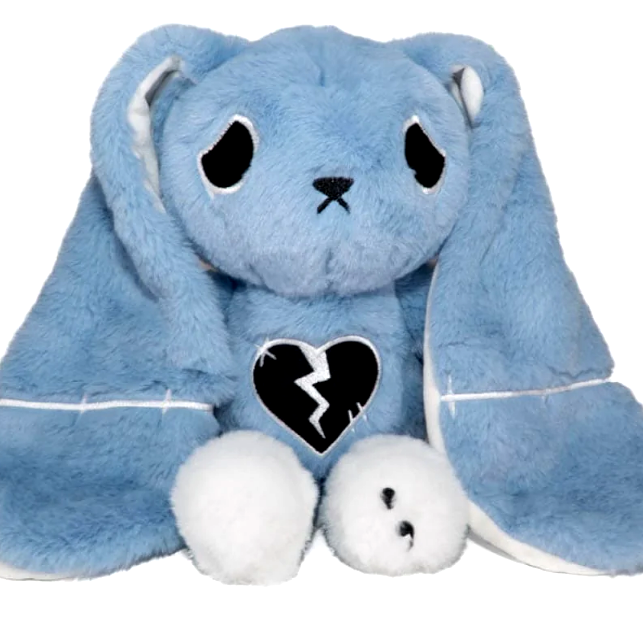
These mascots communicate emotion through design alone. Stitched smiles, mismatched eyes, patched hearts, and rounded silhouettes become shorthand for humor, vulnerability, anxiety, and resilience. A single glance or crooked expression can express feelings that fans often struggle to put into words. This is why people gravitate toward these little creatures: they mirror emotional struggles in a way that feels validating rather than overwhelming.

Brands like Plushie Dreadfuls show how this visual language functions in practice. Their characters mix eerie designs with comforting textures, turning unsettling themes into forms that feel strangely gentle and familiar. These mascots balance anxiety with warmth, capturing the emotional tension crucial to cozy macabre and making fear feel manageable rather than threatening.
Mascots also keep the aesthetic incredibly accessible. You don’t need backstory, lore, or prior fandom knowledge to connect with a plush figure in a stitched hoodie or a soft, sad-eyed skeleton. A single mascot can instantly communicate the aesthetic’s core tension: spooky but sweet, dark but soft. This low barrier to entry creates immediate belonging, an “aww, he’s weird but precious” moment that resonates across TikTok, Discord, Etsy, and fan communities.

Within these spaces, mascots serve multiple roles at the same time: emotional anchors, identity symbols, conversation starters, creative prompts, and comfort objects. Fans share photos, write micro-stories, trade designs, and build rituals around their collections. What begins as a plush becomes a tool for connection and self-expression.
By embodying anxieties, hopes, fears, and softness, mascots help transform cozy macabre from a visual trend into a lived, participatory culture. They make the aesthetic feel alive, giving fans something to hold, interpret, and share, and that emotional resonance is what sustains the movement.
The Emotional Architecture Of Creepy-Cute — Why Soft Darkness Resonates
Cozy macabre succeeds not because of its art style, but because of its emotional architecture. It resonates on a deeper level, tapping into how people understand fear, softness, vulnerability, and self-expression.
Anxiety, grief, burnout, and loneliness often feel heavy and indistinct — emotions that are hard to name but impossible to ignore. Cozy macabre gives those emotions form — small, strange, endearing creatures that make intangible feelings easier to recognize and discuss.

This is why fans say things like “This plush is my emotional support goblin,” “This creepy-cute bat is my anxiety buddy,” or “I don’t know why this sad little skeleton feels like me, but it does.” Symbolic comfort is still comfort, and cozy macabre offers it in a form that feels playful rather than clinical.
Cozy-macabre characters often look like they’ve endured something — but they’re still standing. Their stitched smiles, oversized eyes, and soft textures suggest both fragility and strength. They are dark, but not defeated, and that duality mirrors the way many fans experience their own emotional complexity.
From Monstrous To Manageable — How Cute Horror Reframes Fear
By making something scary small, soft, or silly, people regain a sense of control over it. Cozy macabre performs that transformation visually, taking elements associated with fear and reframing them into approachable, even lovable, symbols.
The frightening becomes familiar; the monstrous becomes manageable. Cozy macabre makes that transformation visible, reshaping fear-filled imagery into symbols that feel approachable — even endearing.

It’s a soft reminder:
“If this monster can be cute, maybe my own shadows are manageable too.”
The Cultural Longevity Of Cozy Macabre In Fandom
Cozy macabre continues to grow because it offers something relatively rare within fandom aesthetics: a way to face darkness without being consumed by it.

Through soft-dark mascots, comforting textures, and a language of playful shadows, fans transform fear into connection and vulnerability into creativity.
Footnotes
- Mathias Clasen. Why Horror Seduces. Oxford University Press, 2017. ↩︎
- “More Than Toys: Stuffed Animals’ Calming Effects on Mental Health.” Archer Oracle, 2024. ↩︎
- Banan, Fatemeh, et al. “Emotional Responses to Cute–Threatening Stimuli.” Cognition and Emotion, 2021. ↩︎
- Mary Elizabeth Leary, “The Comfort Media Turn: The Role of Media in Supporting Psychological Well-Being During COVID-19,” Journal of Media Psychology 34, no. 2 (2022). ↩︎
- Hood, Bruce, and Paul Bloom. “Children’s and Adults’ Preferences for Security Objects.” British Journal of Developmental Psychology, 2003. ↩︎