

Table of Contents Show
Bungie’s flagship game is still playable, but the end of its traditional live-service model has changed what it means to be a “Destiny” player.
For nearly a decade, “Destiny 2” has been more than a video game.
For some players, it has been part of a daily routine. It has been the game they opened after work or school, the place where friends gathered for a few hours, and the reason they stayed online for “one more activity” long after it was time to log off. Players have spent years chasing weapons, completing raids, following the story, exploring new destinations, and building friendships within the community.
That history is what makes Bungie’s current changes feel so significant.

“Destiny 2” is not shutting down. The game remains playable, and Bungie has not announced that its servers are simply going away. What has changed is the structure that players have known for years. On June 9, 2026, Bungie released Monument of Triumph, marking the final planned live-service content update for “Destiny 2.” The studio has explained that future maintenance hotfixes may still be released when necessary, but the regular cycle of new live-service content has ended.1
The difference may sound small, but for the “Destiny” community, it is not.
A game can remain online while the experience of playing it changes completely. For players who have spent years expecting another season, expansion, activity, weapon, or story chapter, the end of that cycle creates a strange kind of loss.

The question is not whether “Destiny 2” is dead.
The more complicated question is what longtime players are supposed to do with a game that is still there but no longer moving forward in the way they have always known.
When “Destiny 2” Stopped Feeling Like The Future
When “Destiny 2” launched in 2017, there was an expectation that the game would continue to grow.
Bungie had already established its reputation through “Halo”, but “Destiny” represented something different. Instead of creating a game that eventually reached a traditional ending, Bungie created a universe designed to keep evolving.

That evolution became one of the most important parts of “Destiny 2.”
Expansions introduced new stories. Seasons moved the narrative forward. Raids gave players difficult cooperative challenges. New weapons and armor created reasons to return. Events gave the community something to do together.
There was always something coming next.
That expectation changed the relationship between players and the game.
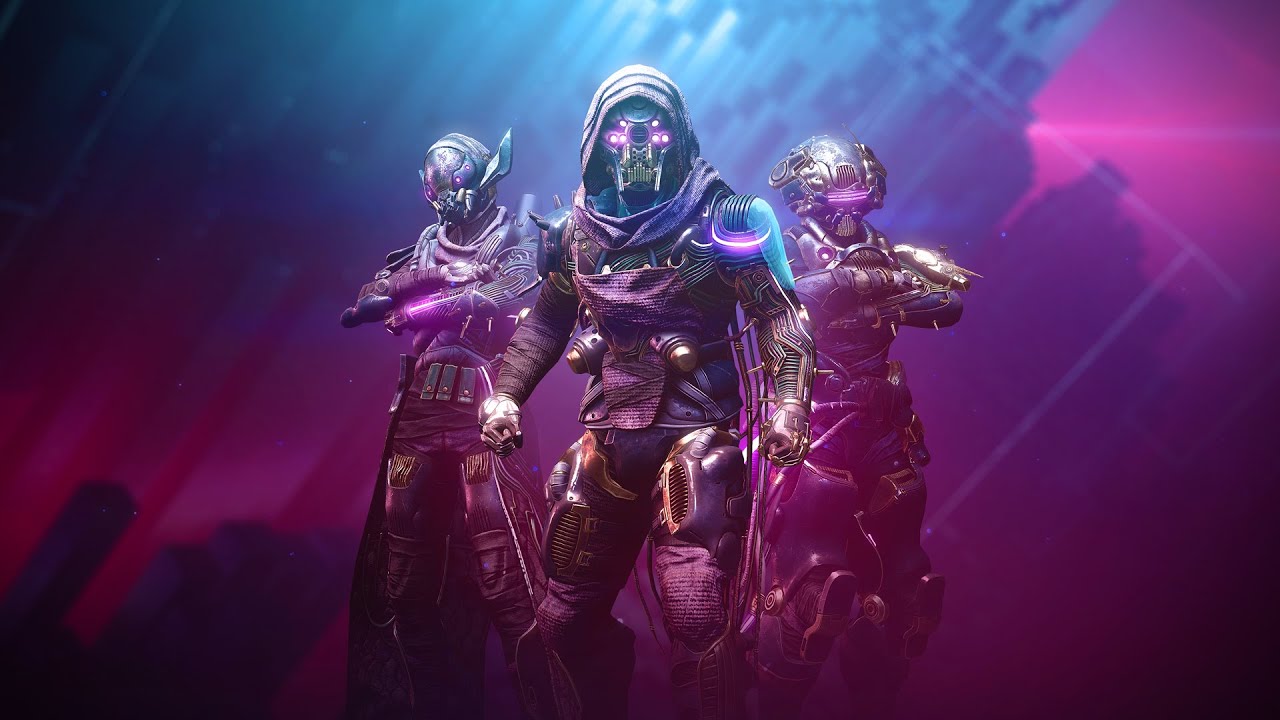
In a traditional game, finishing the story can mean the experience is complete. In “Destiny 2”, finishing one story often meant waiting for the next one. Completing one raid meant preparing for another. Obtaining a favorite weapon meant wondering what the next powerful weapon would be.
The game became a continuing experience rather than something that could simply be finished.
For many players, that continuity was the point.
The game did not just exist in the present. It represented the possibility of what would come next.

That is why the end of regular live-service development feels bigger than the end of another update schedule. It changes the expectation that has surrounded “Destiny 2” for almost nine years.
The future used to be part of the game.
Now, the future looks different.
The Cost Of Keeping A Living Game Alive
The idea of a game that never stops sounds exciting, but maintaining one is complicated.
A live-service game requires constant attention. Players expect new content while also expecting old problems to be fixed. Developers have to balance weapons and abilities, maintain servers, address bugs, create new activities, continue the story, and respond to community feedback.
The longer a game survives, the more complicated those responsibilities become.

“Destiny 2” grew enormously over the years. Its systems, stories, characters, activities, weapons, and destinations accumulated into a universe that could be difficult for new players to understand and increasingly difficult for developers to maintain.
Even Monument of Triumph, the final major update, showed the scale of what Bungie had created. The update included new rewards and systems, changes to older content, updates to raid and dungeon loot, the return of Pantheon 2.0, and the permanent addition of Sparrow Racing League. Bungie’s final major patch notes stretched beyond 17,000 words.2
That is a remarkable amount of content for a game approaching its ninth year.

But it also illustrates the challenge.
Keeping “Destiny 2” constantly moving required a large team of people to keep building it.
Bungie’s restructuring made the cost of that model increasingly visible.
In July 2024, Bungie announced that it would eliminate 220 positions, representing approximately 17 percent of its workforce. The studio also announced plans to transfer 155 employees to Sony Interactive Entertainment and move an incubation project into a new PlayStation studio.3

Those decisions were business decisions, but players experienced them differently. They were not just numbers in a corporate announcement. They represented developers who had worked on the game that the community had spent years playing.
That connection matters because “Destiny” has always depended on the relationship between the people creating the world and the people living in it.
A Community Losing Faith In Bungie
The most important part of Bungie’s current situation is not the number of employees it has lost, or the amount of money involved in its acquisition.
It is the relationship between Bungie and its players.
The “Destiny” community has never been quiet.
Players have criticized Bungie over monetization, balancing, seasonal content, storytelling, communication, bugs, and countless other decisions. At times, community frustration has been intense.
But that frustration is also evidence of investment.

People do not spend years discussing a game they do not care about.
The strongest criticism often comes from players who have already invested hundreds or thousands of hours into “Destiny.” They know the systems. They remember older versions of the game. They recognize when something feels different.
They also have memories attached to it.
A first raid completion.
A weapon that took weeks to obtain.
A favorite character.
A clan formed with people who were once strangers.
A late-night activity that turned into hours of playing.
A story moment that gave players something to discuss long after they had finished the mission.

Those experiences are difficult to measure.
They do not appear in sales charts or player-count statistics, but they are part of what makes a gaming community exist.
That is why the end of Destiny 2’s traditional live-service model can feel like a loss even though the game itself remains available.
Players are not necessarily mourning the disappearance of the game.
They are mourning the disappearance of certainty.
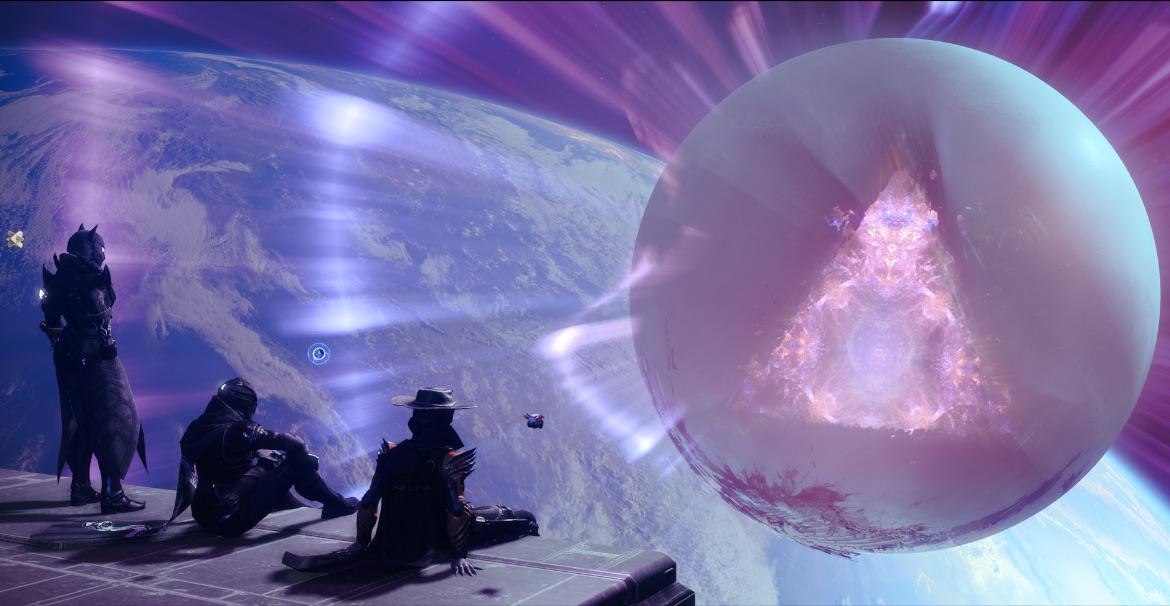
For years, there was an assumption that something else was coming.
Another expansion.
Another season.
Another raid.
Another chapter.
Now that expectation has changed.
The game that once encouraged players to look toward the future is asking them to look backward at what they have already experienced. That is a difficult adjustment for a community built around an ongoing world.
When The Developers Became Part Of The Community
The relationship between Bungie and its players also developed through communication.
For years, Bungie used developer updates, community discussions, social media, and This Week in Destiny posts to explain changes and talk about what was coming next.
That communication helped create the feeling that players were participating in an ongoing conversation.

The relationship was not always perfect.
Players disagreed with Bungie, and Bungie sometimes changed direction because of community feedback. But that back-and-forth became part of “Destiny” itself.
The community did not simply consume content. It reacted to it.
Players analyzed trailers, searched for clues, debated lore, tested weapons, criticized changes, and speculated about what might happen next.

That is one reason Bungie’s recent changes have affected the community beyond the loss of future content.
When a long-running game changes direction, players are also forced to reconsider their relationship with the developer behind it.
Trust becomes part of the conversation.
Can players invest in another Bungie game with the same confidence?
Can they believe that their time and support will be rewarded with a long-term experience?
Can Bungie rebuild the connection that made “Destiny” feel like more than a product?
Those questions are much more important to the community than whether a server technically remains online.
Bungie’s Future Is Now Part Of “Destiny’s” Story
Bungie’s future became even more complicated after Sony acquired the studio for approximately $3.6 billion in 2022. Sony highlighted Bungie’s expertise in creating and maintaining live-service games as an important part of the acquisition.4
Since then, Bungie has gone through restructuring and layoffs while continuing to work on “Destiny” and “Marathon.”

Sony later acknowledged that earnings from Bungie’s title portfolio had fallen below expectations and that it had impaired the full amount of fixed assets related to Bungie other than goodwill. Sony also said that “Marathon” had received strong reception and that Bungie would continue improving and expanding the game.5 For players, however, Bungie’s business matters because it affects what comes next. That brings the conversation to “Marathon.”
“Marathon” And The Future Of Bungie
“Marathon” matters to Bungie’s future, but it also matters to “Destiny” players for a different reason. Bungie is asking its community to consider another long-term online game at the same time that “Destiny 2” is entering a new phase.

That creates an obvious question:
Why invest again?
The answer cannot simply be that Bungie has made another game.
The studio needs to demonstrate that it understands what players value about long-term communities.
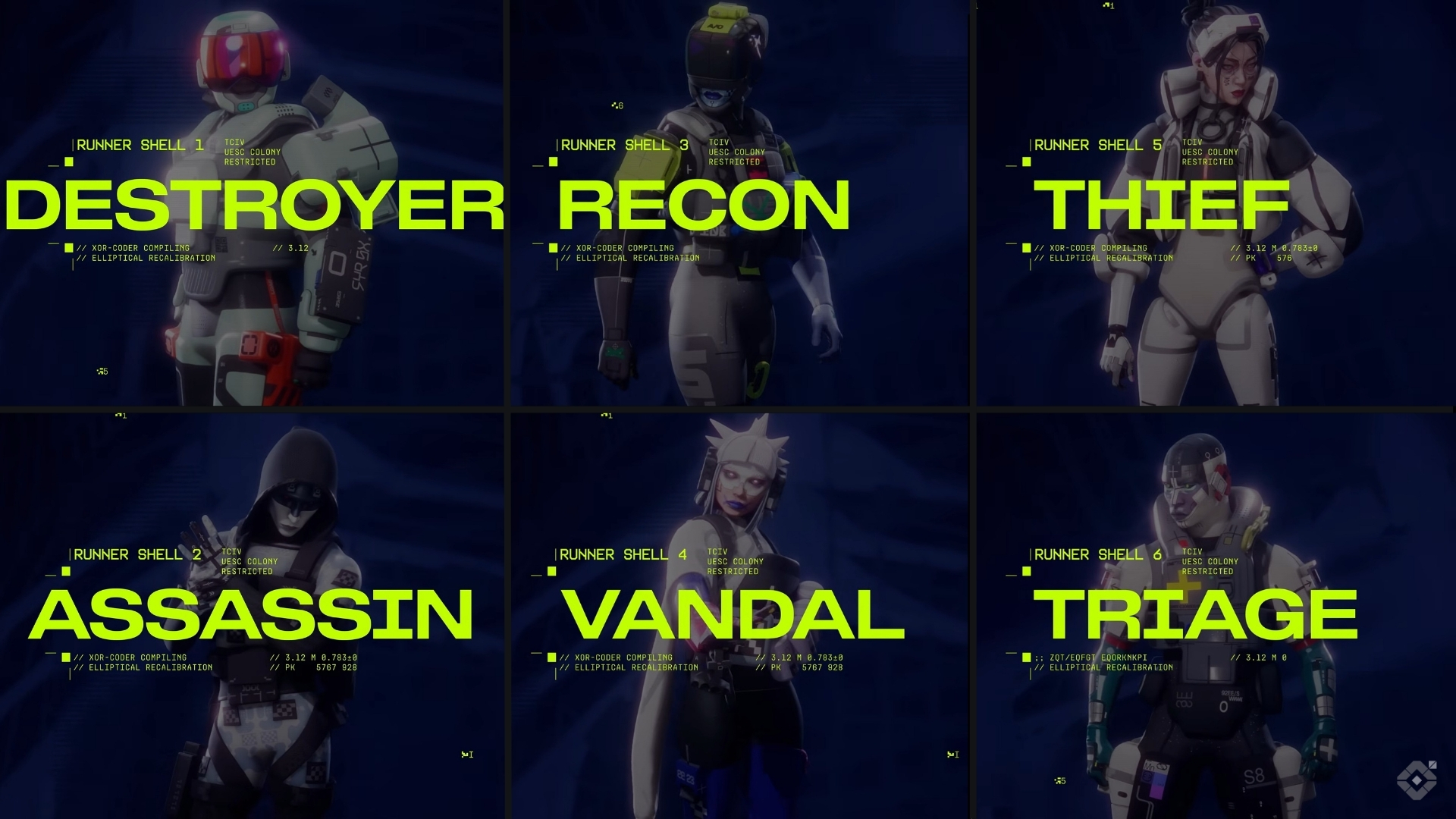
“Marathon” does not have to replace “Destiny 2.” The two games are different, and Bungie can continue supporting “Marathon” while “Destiny 2” remains playable. But the future of “Marathon” will still be watched through the experiences players have already had with Bungie.
Every new decision will be compared with the past.
Every promise about future content will be considered alongside what happened to “Destiny 2.”
That means Bungie is not only building a new game. It is rebuilding credibility.
The End Of An Era, Not The End Of “Destiny”
Perhaps the strangest part of the situation is that there is no single moment when “Destiny 2” ends.
The Tower is still there.
Players can still launch the game.
Raids still exist.
Weapons can still be collected.
Old stories can still be experienced.
Friends can still log on together.
In that sense, “Destiny 2” is still alive.

But the experience surrounding the game has changed.
For nearly nine years, being a “Destiny 2” player meant expecting the game to evolve. Even when players disliked an update, there was usually another update to anticipate.
That cycle created something unusual.
It made the game feel like it had no ending.
Now there is an ending to that cycle.
That is what longtime players are mourning.
They are not necessarily mourning a shutdown.
They are mourning the loss of the “Destiny” they knew as an ongoing part of their lives.
They are mourning the anticipation of what came next.
They are mourning the feeling that there would always be another story to experience, another activity to master, another weapon to chase, and another reason to return.
Most importantly, they are mourning an era.

One “Destiny” player captured that feeling after the announcement, writing, “I am truly sad that the game is ending. It is an end of an era for them, but it is more of an end of an era for us.”6 The sentiment reflects what makes this transition so difficult for longtime players. “Destiny” was not simply a game that they played; it became something they expected to remain a continuing part of their lives.
“Destiny 2” may remain online for years.
The community may continue playing it.
Players may continue sharing memories, completing raids, collecting weapons, and introducing new people to the world Bungie created.
But something fundamental has changed.
The game is no longer asking, “What happens next?”
Instead, it is beginning to ask, “What did all of this mean?”
For longtime players, that may be the hardest question of all.

Because “Destiny 2” is still alive.
It just no longer feels like it is becoming something new.
And perhaps that is what the end of an era really feels like—not watching something disappear but watching something familiar remain while realizing that it will never be quite the same again.
Footnotes
- Bungie, “Destiny 2: Every End Is a New Beginning,” Bungie.net, May 21, 2026. ↩︎
- Bungie, “Destiny 2 Update 9.7.0,” Bungie.net, June 9, 2026. ↩︎
- Bungie, “The New Path for Bungie,” Bungie.net, July 31, 2024. ↩︎
- Sony Interactive Entertainment, “Sony Interactive Entertainment to Acquire Leading Independent Video Game Developer Bungie,” January 31, 2022. ↩︎
- Sony Interactive Entertainment, “An Update from PlayStation Studios,” June 25, 2026. ↩︎
- “Thank You Destiny,” Reddit, r/DestinyTheGame, May 21, 2026. ↩︎