
Table of Contents Show
Spoilers ahead for The Last of Us (2013–2020) and The Walking Dead (2012–2019).
Girls in zombie media are seldom portrayed as independently successful survivors, often serving as emotional foils or burdens. Clementine from Telltale’s “The Walking Dead” (2012-2019) and Ellie from “The Last of Us” (2013-2020) challenge these reductive tropes, redefining girlhood through their autonomy and emotional depth. They epitomize agency, emotional resilience, and moral complexity. Apocalyptic fiction offers insight into how societies imagine their collapse — and who gets to survive it.

Girlhood is experiencing a media evolution, with international box-office hits like Barbie (2023, Greta Gerwig) directly critiquing patriarchal systems. Social media trends like ‘girl math‘ and ‘girl dinner‘ ironically reflect how women both parody and participate in patriarchal expectations. Gender-based stereotypes in media negatively impact the girls consuming it, so it is vital that positive representation be supported.
Ellie and Clementine’s stories parallel each other, but their different journeys and distinct personalities illustrate how trauma, leadership, and survival manifest in gendered ways. They challenge patriarchal tropes and give audiences a rich lens into power, grief, and growth amongst the undead.
‘The Roots & Evolution Of Zombies’ — From Haitian History To Pop Culture Phenomenon
Zombies today are virtually unrecognizable from their Haitian roots; the modern zombie typically conjures images of reanimated corpses with an insatiable hunger for human flesh, but the Haitian Creole word zonbi connects the undead to Haiti’s long history of colonization and slavery1.
In the 17th century, Spain had ceded control of modern-day Haiti to France, creating Saint Domingue. Saint Domingue’s economy was driven by brutal sugar plantations — among the deadliest in the Transatlantic slave system.2

Before the slave rebellion led by Toussaint Louverture, a former slave himself, that successfully overthrew Napoleon Bonaparte’s military and established Haiti as a free country in 1804, around 800,000 slaves had been brought to Haiti from West Africa. Nearly half died within a year of enslavement3.
The French slave owners had little regard for the well-being of their slaves, tasking them with clearing natural ecosystems for the resource-draining crops. The slaves had the least prosperous land for their crops. Many enslaved people resisted — through escape, revolt, and spiritual practices that subverted colonial violence4.
A commonly held belief by the enslaved West Africans was that everything had a spirit. Through death, their spirit would return to their homes in Africa. If they were to die at their own hands, however, their spirit would be condemned to their physical body. They would be denied the freedom that only death could offer. The zonbi was a manifestation of the trauma endured from slavery.
Vodou, a religion shaped by West African and Haitian culture, honors the belief that everything possesses a spirit5. A practitioner powerful enough could force a deceased spirit back into the body, creating a mindless slave of their own. These practitioners, known as bokor, must continuously administer potions to maintain control.6
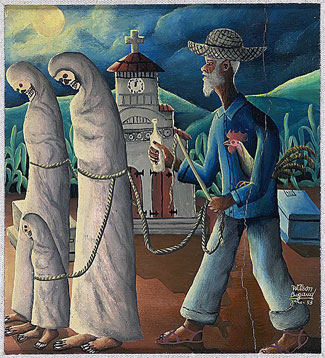
Contemporary portrayals of zombies strip them of their cultural roots, reducing them to mindless agents of destruction. These zombies are culturally and historically alienated from their origins. Western audiences can ignore the ways slavery still impacts culture while enjoying the catharsis of typically white, hypermasculine men fighting in apocalyptic worlds. Haitian zombies mourn the loss of spirit — Western zombies strip personhood.
Haiti today has diverse religious affiliations, recognizing the Vodou Church of Haiti in 2003. There are elaborate rituals to protect the spirit of the recently deceased from having their autonomy stripped. Haitian law explicitly criminalizes the act of zombification, underscoring the cultural gravity of spiritual autonomy. The United States Centers for Disease Control has guidelines for survival in a zombie outbreak, “Preparedness 101: Zombie Apocalypse.”

The U.S. government piggybacked off the success of The Walking Dead (2010-2022) TV show to spread awareness of disaster preparedness. The U.S. government’s zombie campaign detached the mythos from its violent colonial origins, reducing it to a marketing gimmick.
‘From Haiti To Hollywood’ — The Evolution Of Zombies In Film & Culture
George Romero’s Night of the Living Dead (1968)7 is renowned for popularizing flesh-eating zombies for the Western audience, but he is far from the first to deliver zombies to screens. White Zombie (1932; Victor Halperin)8 is recognized as the first film containing zombies.
Set in Haiti, Charles Beaumont, a plantation owner, seeks the aid of a voodoo practitioner, Murder Legendre, to steal the fiancée of another man. This practitioner uses zombies for his sugarcane mill, so Charles is persuaded to make the woman into a zombie of his own.
It is reminiscent of the loss of autonomy and subjugation that Haitian zombies represent, but Victor Halperin’s White Zombie (1932) focuses on themes of good and evil with biblical elements.
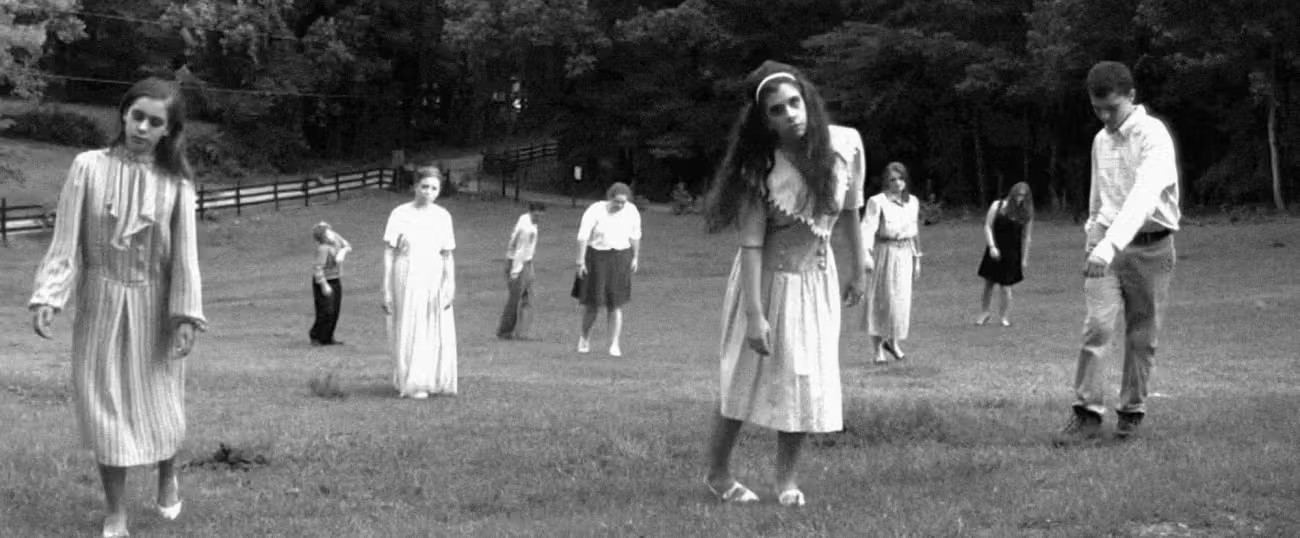
Night of the Living Dead (1968) brought zombies into the mainstream zeitgeist, drawing inspiration from the social revolution of the ‘60s. The undead are not entirely mindless in this world, complicating the military’s efforts to eradicate them. At the end of the film, the Black survivor attempts to get help from the military, but they mistake him for a zombie and kill him.
Romero calls attention to the violent response to social justice movements condoned by the government, disproportionately victimizing Black men. The military in modern zombie media represents a different cultural response to unrest and uncertainty.
‘Brains, Guns, And Patriarchy’ — How Western Zombie Stories Became Militarized
In the apocalyptic worlds of the 2000s, zombies are generally the backdrop for characters to navigate; a constant threat to their survival, but usually not as dangerous as the living. This enables zombie media to uphold dominant Western culture rather than criticize it.
The undead masses showcase the disposability of people, but also create a constant threat that requires extermination.9 Their dehumanization legitimizes extreme violence — especially when justified by survivalist logic.
Protagonists in zombie media will often initially rely on a military response to help, reflecting trust in state-sanctioned violence. Most zombie movies show the failure of Western governments and militaries to quell the apocalypse, but the militaristic themes are retained on a smaller scale. These tropes center hypermasculine figures whose authority stems from their capacity for violence — against the living and undead.
The ontological threats of unstable governments and seemingly endless violence create conditions for characters to further fall into stereotypes. Frequent stereotypes include the capable male figure and the female companion who needs protecting. The woman can be interchanged with a child, usually lacking the skillset to survive, unlike their male counterparts.

Characters like Geeta (Huma Qureshi) from Army of the Dead (2021; Zack Snyder)10 or Barbara from Night of the Living Dead (1968) put themselves in danger and then need rescuing. They serve as static representations of what the masculine main character strives to protect. Women are rendered as emotional scaffolding — supporting male arcs without ever shaping their own.
The men must lean into stereotypically masculine traits to survive, while the woman plays the role of a supportive side character. Patriarchal structures are represented as necessary for survival. In Army of the Dead (2021) and 28 Days Later (2003; Danny Boyle)11, women are assaulted by men in power, but nothing is done about it. When women defend themselves, like Army of the Dead’s Kate (Ella Purnell), men threaten them with sexual violence.
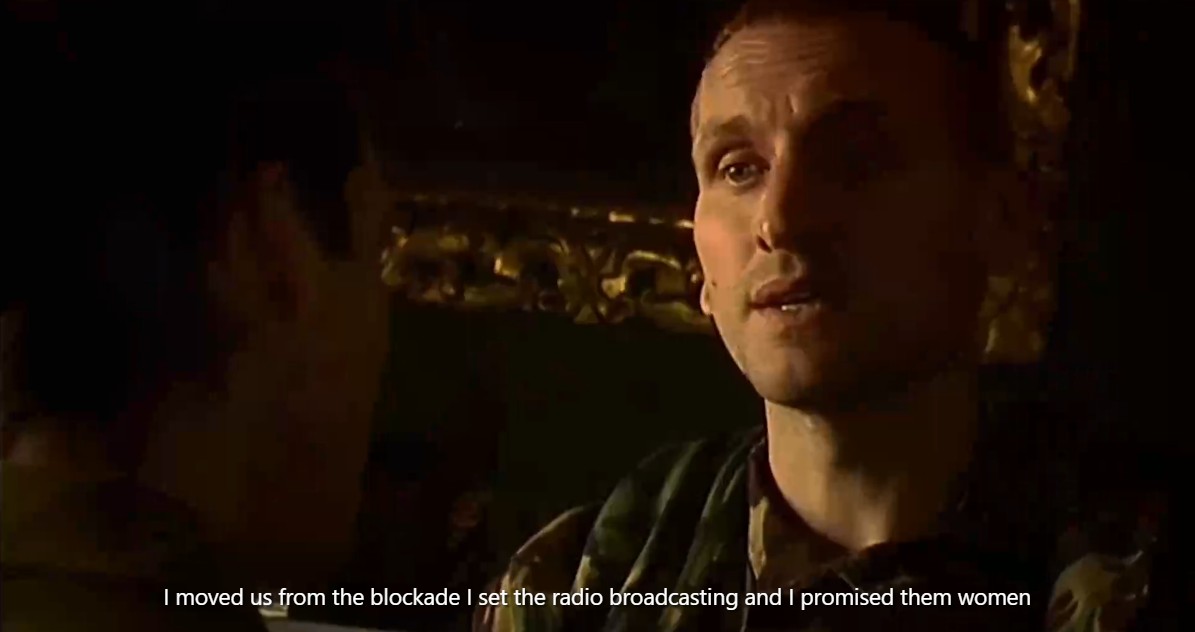
The women must maintain peace to retain protection from the dominant men. This creates a Darwinistic and bio-essentialist view on how individuals should survive and their designated role in an apocalypse12.
Horror relies heavily on the “final girl” trope — an often-virginal survivor who outlasts her peers by adhering to moral or gendered codes. This virginial lone survivor confronts the antagonist, giving her agency over her life — and death. Female characters from zombie media, like those in slasher-type horrors, are portrayed as victims juxtaposed with male perpetrators, but lack the agency to confront their abusers. Unlike the final girl, Ellie and Clementine aren’t spared — they endure.
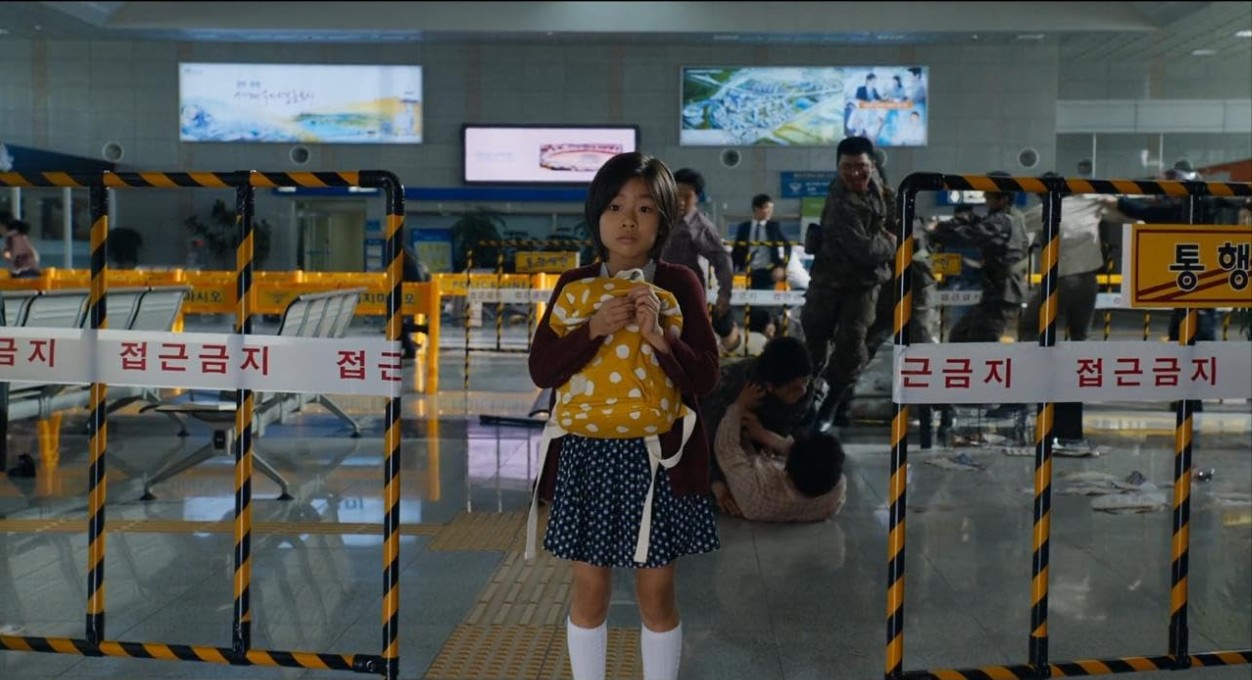
When films differentiate from stereotypes, they typically fail to encapsulate autonomous female youth. Train to Busan (2016; Yeon Sang-ho) follows divorced father Seok-woo and his estranged daughter, Su-an, in their fight for survival when a zombie outbreak strikes their train.
Seok-woo tries to teach his daughter to be selfish and focus on their own survival, but Su-an tells him this is why he’s divorced. Su-an is astute and emotionally intelligent, befriending adults and charming the elderly. Instinctively, she puts herself in danger to help others. Seok-woo becomes more empathetic, dissolving the emotional wall between the two.
While Su-an remains consistent in her values, her emotional intelligence catalyzes her father’s transformation. Like Clementine, Su-an is emotionally attuned — but unlike Clementine, her emotional labor serves others’ arcs, not her own.

In video games, depictions of men often follow the stereotypes: strong, powerful, and well-equipped for the apocalypse. Their attire, specifically, tends to be full-coverage, so as not to leave skin exposed for biting.
Women, in contrast, often find themselves dressed more appropriately for a fancy dinner than a zombie outbreak. When they are not main characters, they are usually useless to the players. Even narratively rich characters like “Resident Evil’s” (1996-2024) Ada Wong are costumed in ways that prioritize sexualization over survival — heels and cocktail dresses in chaos.
Clementine
Video games offer an interactive experience in the zombie realm. These games are generally shooter-style or survival games, but Telltale gives players direct involvement in how the story is told. First released on April 24, 2012, Telltale’s “The Walking Dead” Video Game13 follows two main characters, Lee and Clementine. Player actions and dialogue choices alter the story, with each game building from the player’s previous decisions.
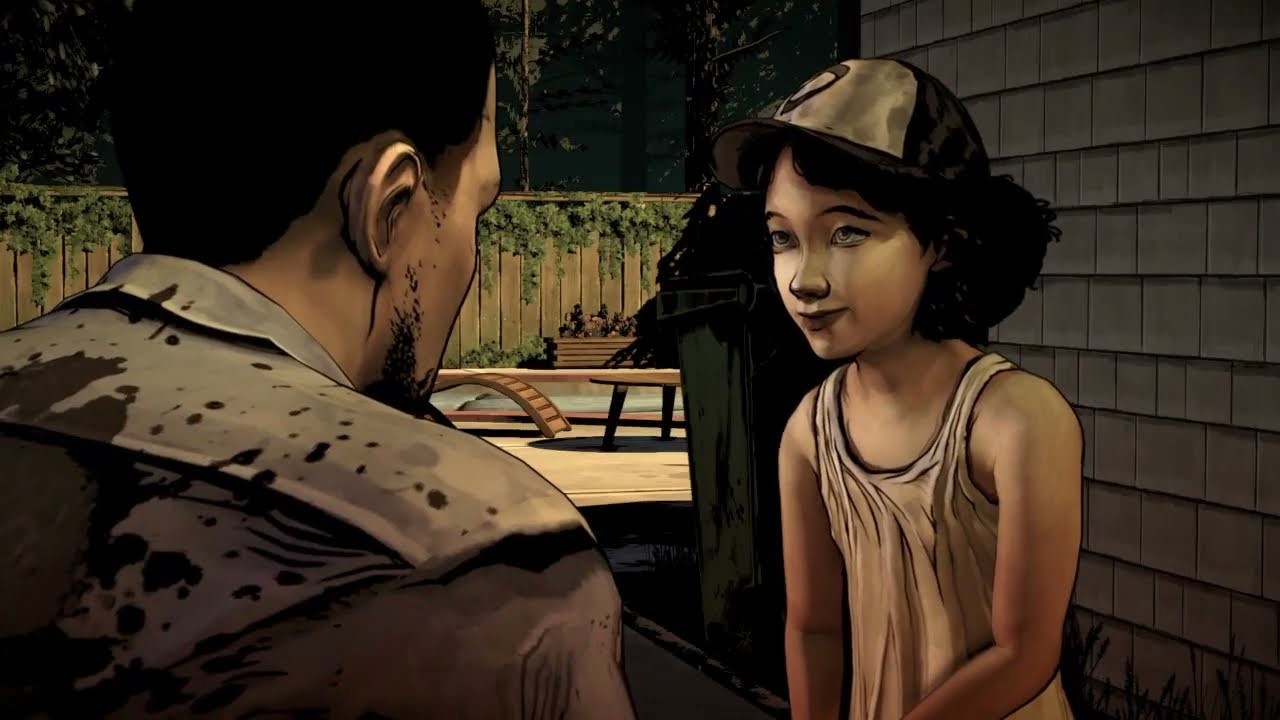
Season 1 starts with Lee Everett handcuffed in the back of a cop car. A “walker” wanders in front of the car, causing a crash and an opportunity to escape. He finds a home with a conveniently unlocked back door. Inside, he listens to the voicemails left, learning of the devolving state of Atlanta. The homeowners left their daughter Clementine with a babysitter.
Depending on whether the player searched the building first, they may hear a girl’s voice from the kitchen or from a walkie-talkie they looted. She warns him to be quiet, but her undead babysitter quickly attacks him. Within seconds, she appears behind Lee, giving him a hammer with trembling hands.
After he kills the walker, she comforts him, saying that he wasn’t killing a real person. Clementine is eight years old at the time, but that doesn’t stop her from acting in the face of danger and offering compassion.
Trust, Leadership, & Survival
Clementine weaponizes her smallness, using it to access tight spaces and disarm suspicious adults. She is charismatic and persuasive. She negotiates trust in high-stakes environments, often persuading adults to take risks they’d refuse for one another. By her presence and existence as a child, she learns that adults tend to let their guards down. She lets adults underestimate her — so she gets away with actions Lee wouldn’t be able to by feigning youthful innocence.

Seasons 2 and 4 follow Clementine, with season 3 featuring her as a non-player character. In season 2, Clementine must survive on her own for the first time. Her implicit belief in the goodness of people wavers. She becomes less trusting of strangers, but she still risks her life to help others. When she joins new groups, she quickly earns the trust of the adults around her, even when they suspect she could be bitten.
A ruthless leader named Carver kidnaps her group and attempts to groom Clementine as a protégé, praising her pragmatism. He argues that his style of leadership, sacrificing lives to benefit his community, is essential for survival. Clementine convinces his community to turn against him.
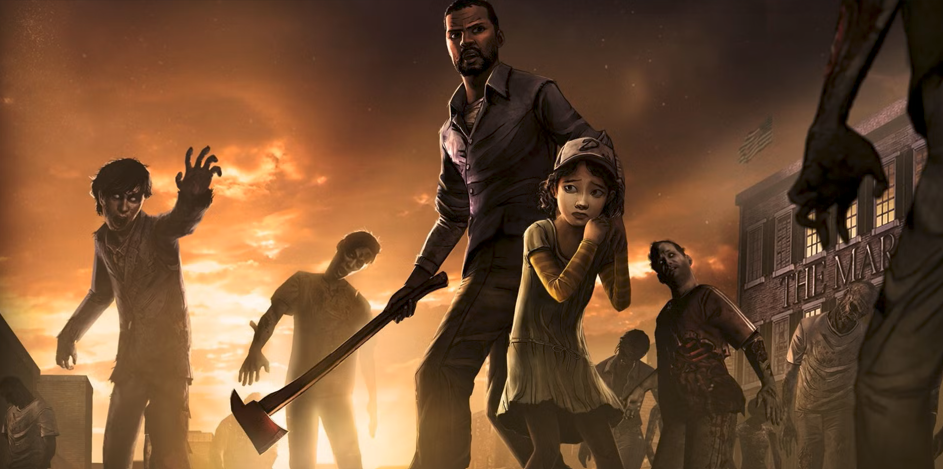
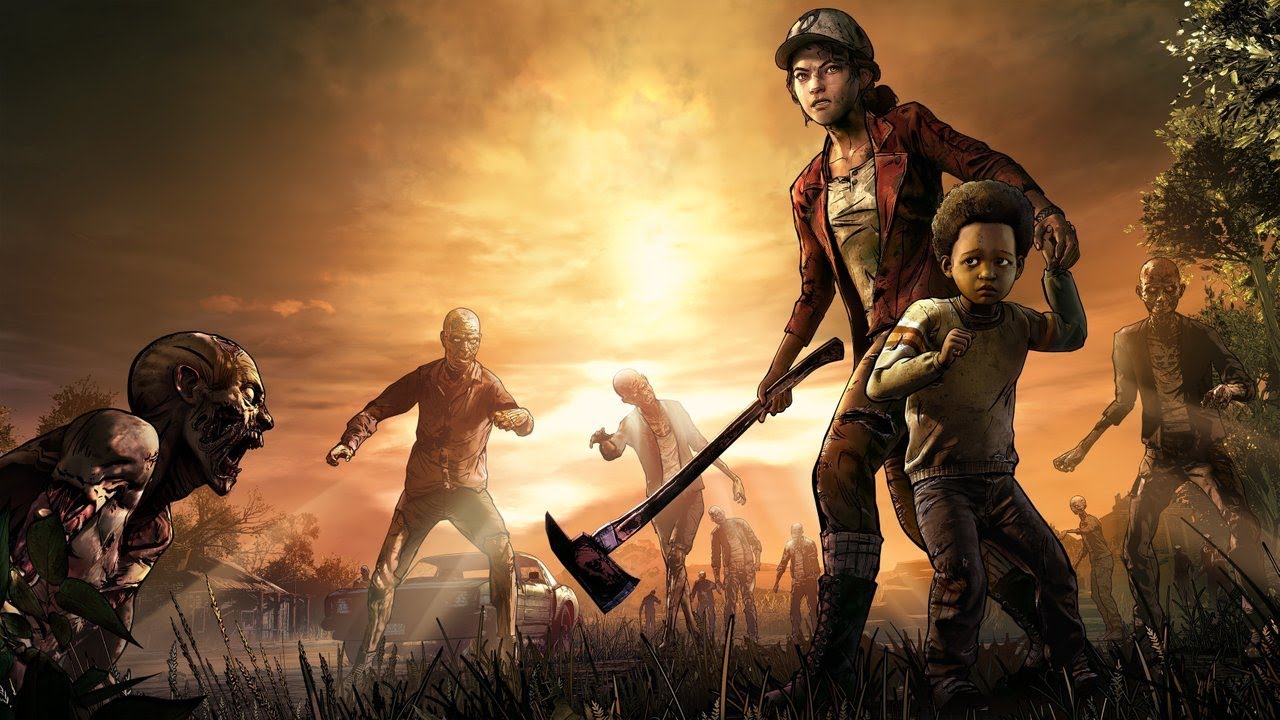
At the end of season 2, she becomes the sole caretaker for Alvin Jr., a baby whose mom died after giving birth due to a lack of medical supplies. Separated from her group, she starts over again, this time with the responsibility of raising a child.
They are separated once more in season 3, where Clementine stops at nothing to find him again. She steals from others, threatens the life of a doctor for information, and searches for months to find him. Javier, the main character of season 3, meets Clementine after she rigs a tree to collapse, blocking a road so she can acquire a car. At the end of some chapters throughout season 3, players see flashbacks of Clementine with AJ.

The circumstances build on player choices in previous seasons. When Clementine finally reunites with AJ, she promises to never leave him again. Caring for AJ transforms Clementine’s moral compass — her violence becomes protective, precise, and reluctantly necessary.
Season 4 has a time jump; Clementine is around 16, and AJ is around five. Clementine’s relationship with AJ mirrors her relationship with Lee; AJ utilizes his size to help Clementine access unreachable places, and she teaches him how to shoot a gun. They create a home for themselves in a boarding school with other children. Clementine quickly becomes their leader, but her authority is earned — not through brute force, but through relational trust. Clementine’s goal shifts from surviving with AJ to living and giving AJ the childhood she didn’t get.
Ellie
Naughty Dog’s “The Last of Us”14 follows Joel Miller as he tries to deliver an immune girl to a group attempting to create a cure. Joel lost his daughter on the first day of the apocalypse. Ellie, the immune girl, was raised and trained by the militaristic government after society devolved. Within the quarantined zones, the military enforces order through authoritarian rule and rationed survival. Outside the fortified walls, other groups vie for power.

Ellie’s dedication to helping find a cure is fueled by every person she loses. She initially discovers her immunity when she was bitten with her first crush and had to watch her turn while she remained unchanged. When Tess, Joel’s ex-lover, is bitten, she makes Joel promise to see the mission through. This further convinces Ellie that their deaths wouldn’t be in vain if she could help make a cure.
Vengeance, Loss, & The Fractured Bonds Of Survival
Joel’s previous trauma from losing his daughter makes him unable to sacrifice Ellie. When the truth is discovered that Ellie must die for the cure, he opts to kill everyone in the building rather than give Ellie up. Joel tries to keep this a secret from Ellie, but her suspicions and his denial only create an irreconcilable rift between the two.
In “The Last of Us Part Two,”15 Ellie becomes the main player character. Joel’s life is ultimately taken by the daughter of the doctor he killed, Abby, in front of Ellie. Her unresolved guilt over pushing Joel away — compounded by the trauma of his death — fractures her emotionally. Ellie, witnessing Joel’s brutal murder, unaware of Abby’s motivations — catapults her into a cycle of grief and vengeance.
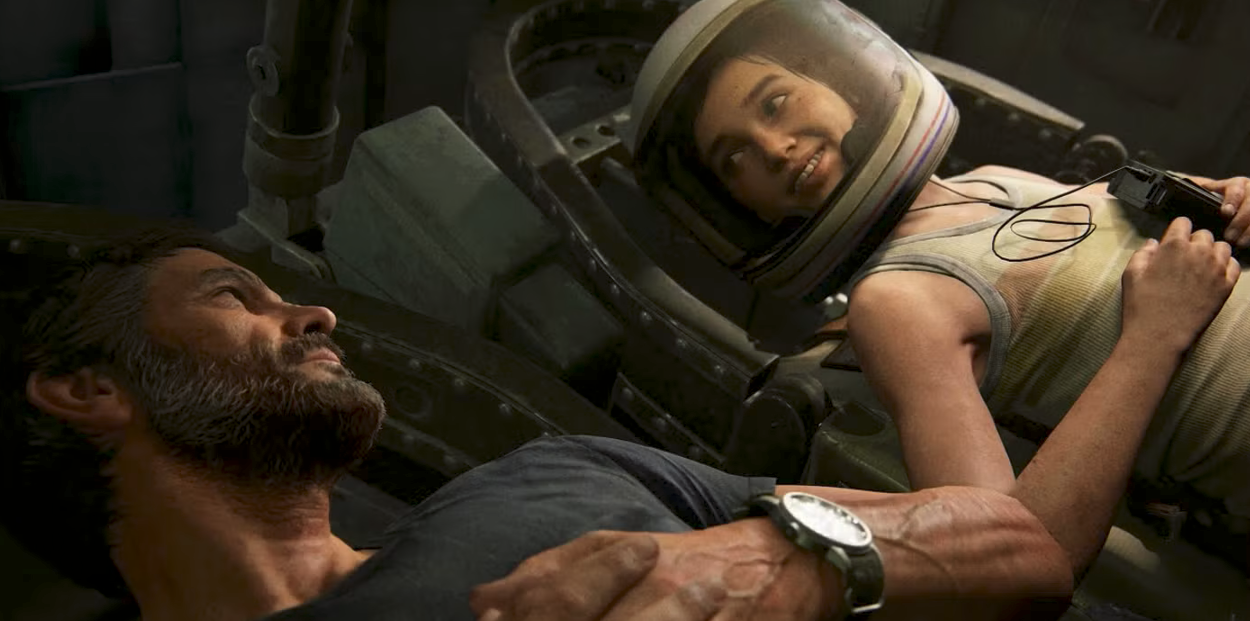
Ellie’s revenge path is joined by her pregnant girlfriend, Dina, and Joel’s brother, Tommy. Tommy abandons his leadership position to pursue his brother’s killers. Dina is more concerned with Ellie’s safety, recognizing her psychological descent. Though Ellie dismisses Dina’s pregnancy as a liability, Dina proves resilient — resourceful, loyal, and emotionally grounded.
She spies on enemy radio broadcasts, mapping their whereabouts, and frequently saves Ellie’s life. Dina learns of Ellie’s immunity by risking her own life — offering her filtration mask to Ellie to protect her from airborne spores. Ellie centers her pain, sidelining Dina’s sacrifices — ultimately losing her.

The game intersperses Ellie’s brutal quest with flashbacks of tender, unresolved moments with Joel. She reflects on the circumstances that led her to where she is, such as going to the hospital to find audio recordings describing Joel’s attack and the necessity of Ellie’s death for a cure. In Ellie’s pursuit of revenge, Dina chooses to leave Ellie on her path of destructive revenge alone.
Ironically, she loses two of her guitar-playing fingers in her pursuit of revenge. The last connection she had to Joel, playing guitar, was irreversibly changed because of the anger that consumed her. It is only until she was moments away from finally enacting revenge and killing Abby that she realizes violence will not make her feel better.
In a moment of painful clarity, Ellie spares Abby — breaking the cycle of violence and offering belated forgiveness to Joel and herself. This choice does not restore what was lost — but it disrupts the cycle.
How Clementine & Ellie Revolutionized Girlhood In The Zombie Apocalypse
Clementine and Ellie are rare and refreshing representations of girlhood in apocalyptic worlds. Unlike traditional depictions of women in zombie media, they survive not in spite of their girlhood — but because of it. They can kill the undead and the living without hesitation if necessary. They become dangerous precisely because adults underestimate them — a miscalculation rooted in age and gender bias.
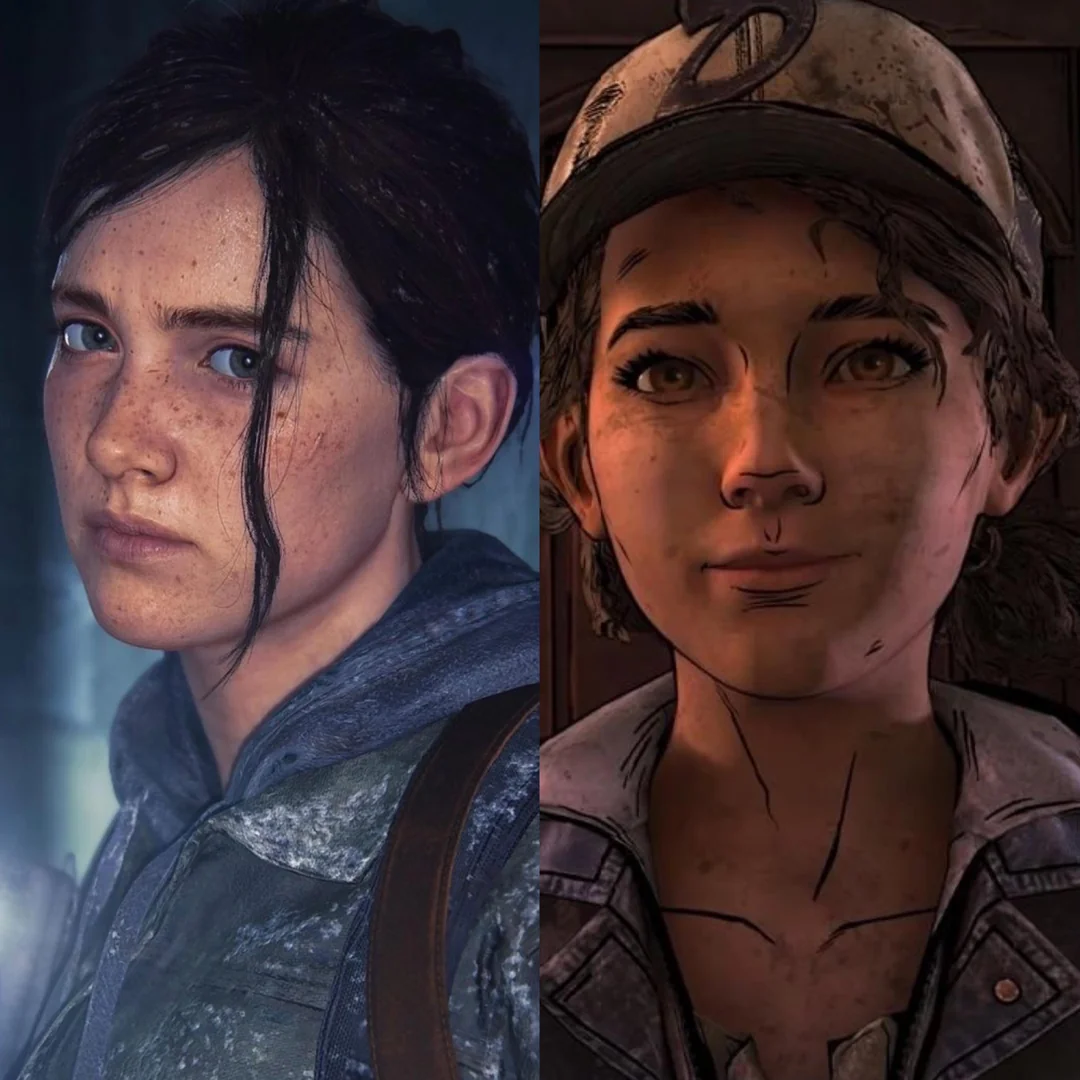
They both begin as naive orphaned girls, unaware of the extent of the danger the world is in and missing their parents. Joel and Lee take guardianship of them, teaching them valuable survival skills. Lee and Clementine are very close from the beginning, while Joel keeps his distance from Ellie due to the trauma of losing his daughter.
Clementine loses Lee to a walker bite, giving her a sense of closure. Ellie, however, witnesses Joel’s murder and feels she cannot get closure until she gets justice. Clementine and Ellie both emerge as leaders — but their leadership styles reflect diverging emotional philosophies. Clementine prioritizes the safety of the people she cares about above all else.

After she becomes the sole caretaker for AJ, she asserts herself as an emotionally intelligent leader who frequently calms people down from heightened emotions.
This gives her the skills to sway youth and adults alike to her side, even if it isn’t in their best interest. Ellie leads through sheer will, often prioritizing her mission over the needs — or safety — of those around her. She is unafraid to put those she cares about in harm’s way if she can further her objective.
Before she lost Joel, Ellie was a sarcastic and rebellious kid. After she loses him, she becomes a hardened version of herself, falling into more stereotypically masculine goals of violence and revenge. Ellie and Clementine come from similar backgrounds and follow similar storylines, but their characters respond to situations differently.
They are both children, but their characters are more capable than the adults around them. Clementine is usually a persuasive voice of reason. Ellie is so strong-willed that she disregards everyone around her.

They do not exist within traditional zombie media, where women and girls lack autonomy and survival skills. They offer a complex and nuanced representation of two different ways to deal with trauma, loss, and grief. Ellie and Clementine redefine what it means to be a girl in an apocalyptic world, not as victims or sidekicks — but as architects of their own futures.
In rewriting the apocalypse, Ellie and Clementine reclaim what girlhood can mean, even at the end of the world.
Footnotes
- Gilbert Berdine et. al. “The undead in culture and science.” National Library of Medicine. 11 April 2011. ↩︎
- Mariani, Mike. “The Tragic, Forgotten History of Zombies.” The Atlantic. 28 October 2015. ↩︎
- “Haiti (Saint-Domingue).” Slavery and Remembrance: A Guide to Sites, Museums, and Memory. ↩︎
- Girault, Christian Antoine and Murdo J. MacLeod. “The Haitian Revolution.” Britannica. 12 November 2024. ↩︎
- McAlister, Elizabeth A. “Vodou: Haitian Religion.” Brittanica. 4 June 2024. ↩︎
- Baptiste, Constaguinov. “Insights from an Insider: Discover the True Story of Haitian Zombies.” Visit Haiti. July 2024. ↩︎
- Romero, George A, director. Night of the Living Dead. Image Ten, 1968. ↩︎
- Halperin, Victor. White Zombie. Halpertin Productions, 1932. ↩︎
- Armstrong, Megan A. “Why is the zombie apocalypse so terrible for women? Gender, militarism, and ontological insecurities at the end of the world.” International Feminist Journal of Politics, vol. 5, 801-818. 25 May 2023. ↩︎
- Snyder, Zack, director. Army of the Dead. The Stone Quarry, 2021. ↩︎
- Boyle, Danny, director. 28 Days Later. DNA Films and UK Film Council, 2003. ↩︎
- Langsev, Megan. “Zombified Patriarchy: The Role of Nature and Gender with the Undead.” Minnesota Undergraduate Research & Academic Journal, vol. 6, 2024. ↩︎
- The Walking Dead: The Telltale Series. Developed by Telltale Games, 2012. Android, iOS, Nintendo Switch, PlayStation 3, PlayStation 4, Xbox 360, Xbox One, Windows. ↩︎
- The Last of Us. Developed by Naughty Dog, 2013. PlayStation 3, PlayStation 4. ↩︎
- The Last of Us Part II. Developed by Naughty Dog, 2020. PlayStation 4, PlayStation 5, Windows. ↩︎