
Table of Contents Show
Content and Spoiler Warning: This article will include mentions of death, murder, bullying, rape, suicide, and homophobia. Additionally, it will include spoilers for seasons one and two of School Spirits (2023-).
It is impossible to produce a story free of pain — this is a fact that media has made clear for decades. It is hard to create a compelling story if no one is hurt in the process because shock value needs to be found somewhere. Viewers need something to keep them on the edge of their seats, to get them feeling emotional and attached to the characters on screen. What better way to do that than through the traumatic experiences of the characters?
It has become all too common for trauma to be used as a tool to increase engagement in television. Whether it be including graphic scenes of sexual assault or using trauma as a sole plot point to drive the story forward, television production companies have caught on to the effectiveness of employing these strategies. Regardless of a positive or negative reaction, the inclusion of trauma in media will always keep viewers engaged.
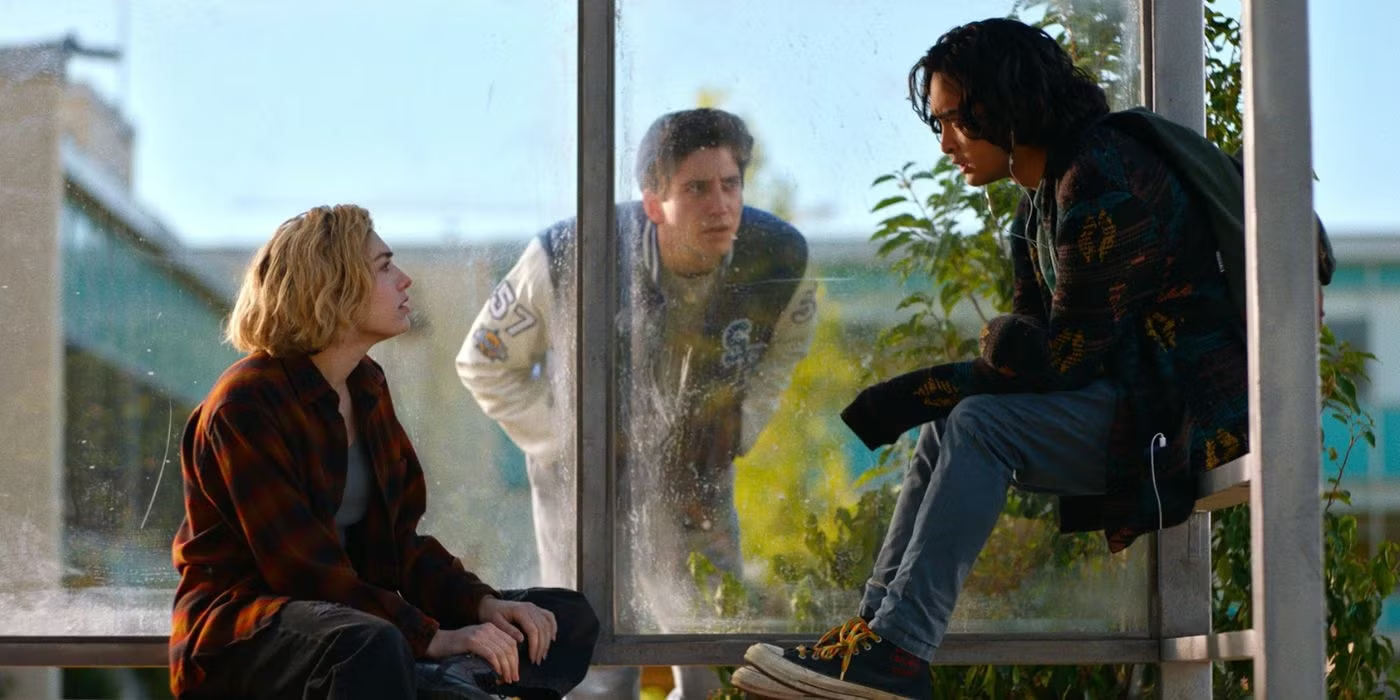
However, School Spirits (2023-) has shifted the idea of trauma as being a simple tool to promote viewership. Initially debuting on Netflix in 2023 and eventually moving to Paramount+ for the production of its second season in 2025, School Spirits is classified as a “supernatural teen drama” with murder mystery elements.1 It follows the story of Maddie Nears (played by Peyton List), a teenage ghost who cannot remember how she died, and her best friend, Simon Elroy (played by Kristian Ventura), who is attempting to solve the mystery as the only living person who can see her.
While simplistic in its concept, School Spirits tackles numerous sensitive and complex topics regarding grief. Each character has their own scars, and each one is trying to get them to heal. The story is a beautiful exploration of how trauma harms a person and the steps they take to move forward despite it. This is a stark contrast when compared to many other shows of today.
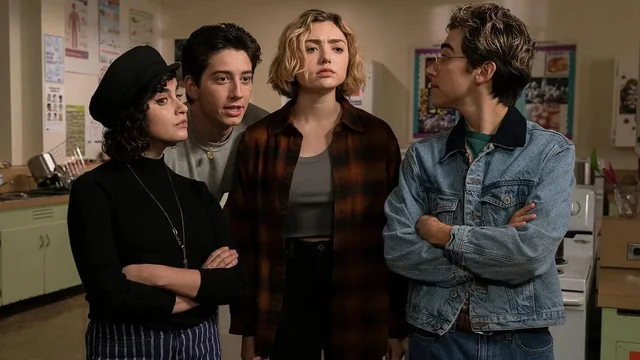
Although trauma is often used as a simple plot point or for shock value within television, School Spirits shifts away from this idea with realistic depictions of traumatic experiences and the effects they have on people. Through after-death exploration of trauma, School Spirits shows how recovery is non-linear and trauma never needs a reason to affect a person — it simply does, regardless of the perceived severity.
A Haunting Beginning — The Subversion Of The Ghost Story
The most identifiable element of School Spirits is its inclusion of ghosts — this is made clear in the title with the inclusion of “Spirits.” The show begins as a simple ghost murder mystery. Maddie wakes up and realizes she has become a ghost; she does so with the help of the other ghosts trapped at Split River High. After speaking with them, she learns that her being unable to remember her death is unprecedented.
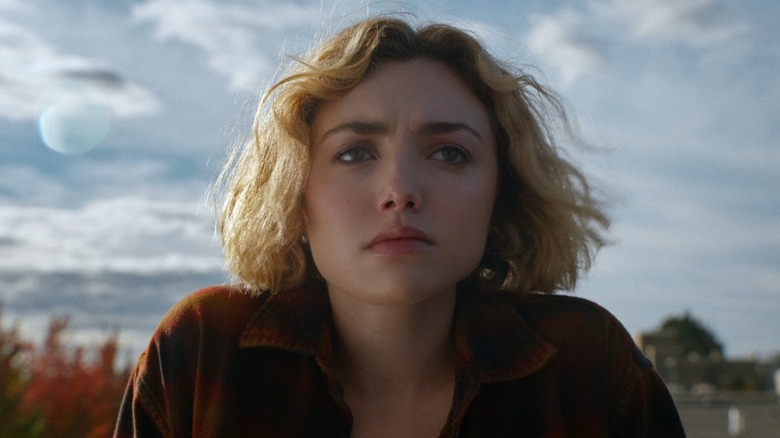
Wanting to learn the truth of her death, she sets out to find answers. This leads to the revelation of Simon being able to see her despite her status as a ghost. This, by itself, is not a groundbreaking idea. Numerous stories follow a ghost and a living person who can see them. Shows like Ghost Whisperer (2005-2010) include a living person who can communicate with ghosts, subsequently featuring mystery elements. However, while plenty of shows use this idea, not all of them execute it in the manner of School Spirits.
The biggest difference between the aforementioned supernatural shows and School Spirits is how ghosts are portrayed and utilized. Upon entering into the “after-life” of Split River High, Maddie is included in a support group headed by Mr. Martin (played by Josh Zuckerman), a dead chemistry teacher who used to work at the school. It is then revealed that each student in the support group died on campus and was all trying to pass over.
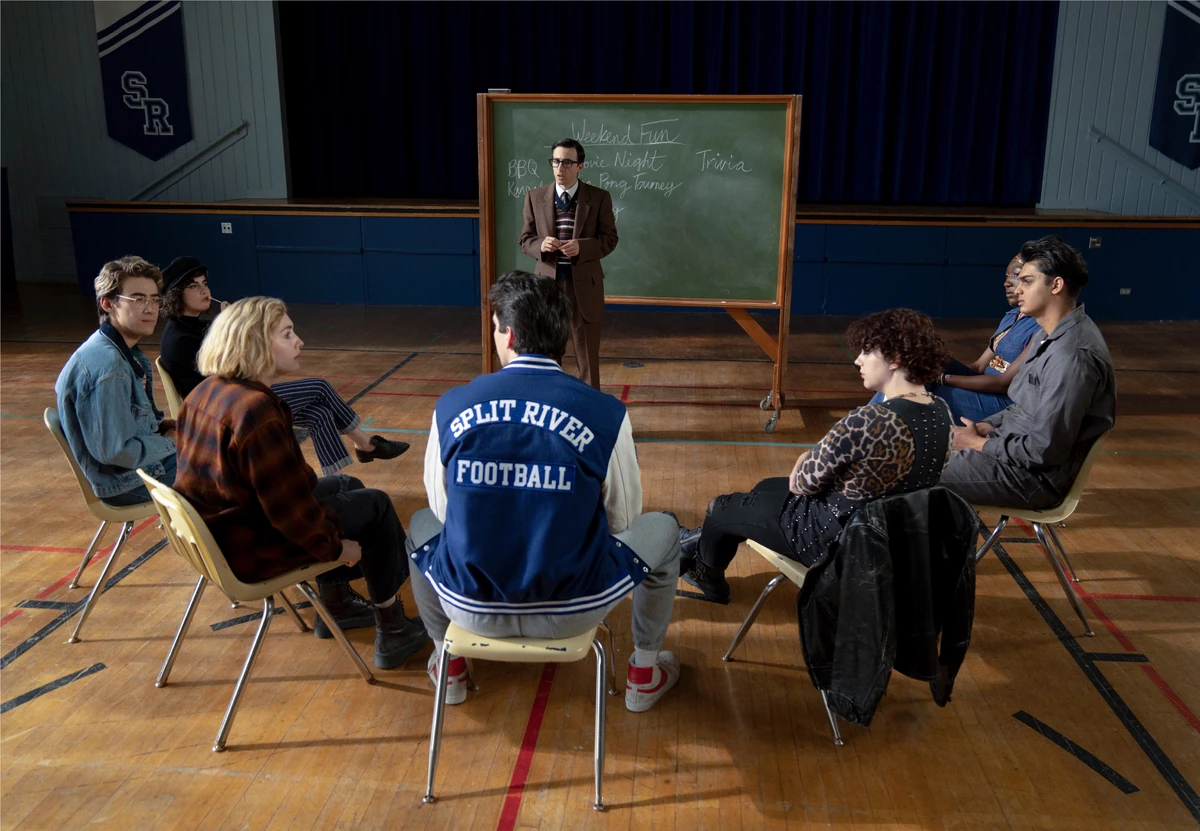
At first glance, this seems like any other story. However, the finale of season one and the entirety of season two shift away from any sense of normality or predictability regarding the ghost trope. This is because it becomes a secondary element within the story and steps away from the horror genre.
Ghost stories are typically associated with horror and include common tropes of jump scares, “the last girl standing,” possessed children/objects, and more. School Spirits avoids these tropes and actively takes advantage of the expectation for their inclusion in ghost stories.
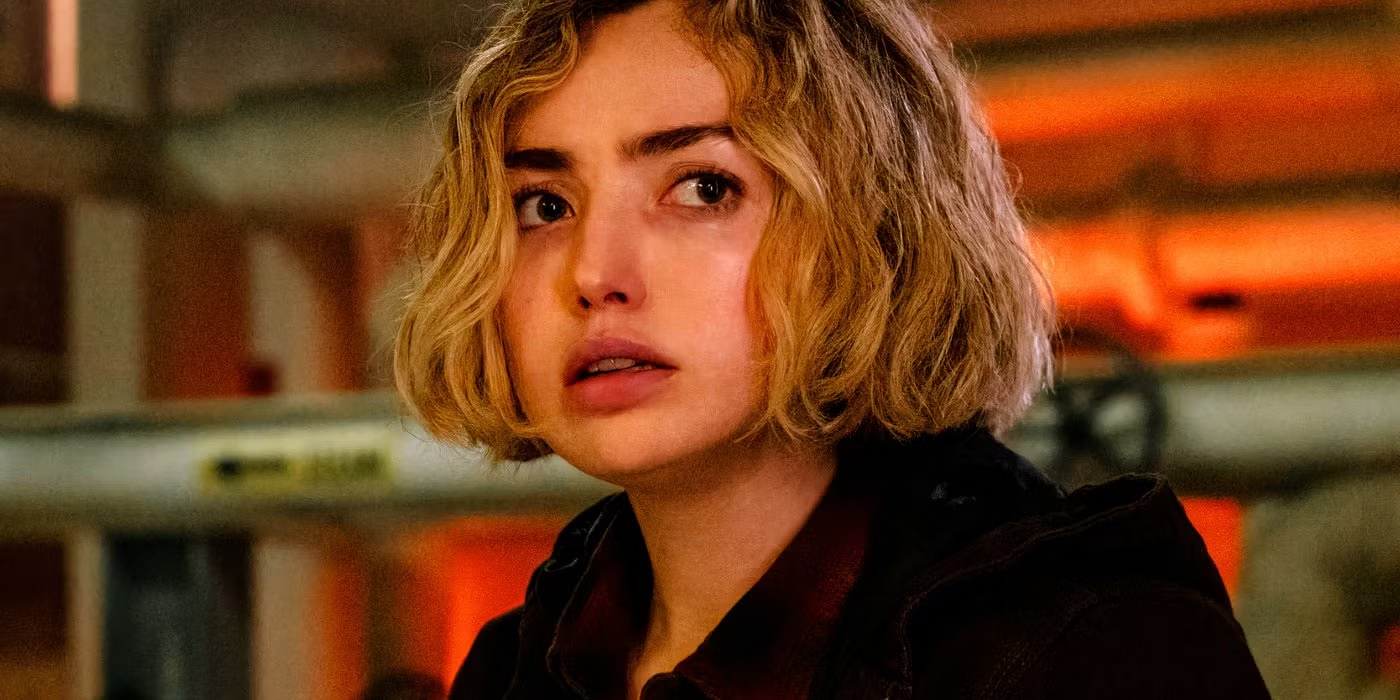
There are many moments in which the viewer can expect a jump scare, only for it to never come. This creates a lasting feeling of suspense throughout the series. Additionally, the inclusion of ghosts does not serve as the main element within the story, regardless of its necessity within it.
The majority of the main characters are all ghosts, but they are unable to interact with the real world, making their impact on the setting minimal. Instead, they are trapped in a never-changing school. Their status as ghosts only serves as a supporting element for the overarching theme of grief and coping with one’s experiences within the show.
This is reflected within the second season as each of the main characters begins to discover the truth of why they are at Split River High and how they can cross over. Rather than being used as a horror element or for comedic purposes, the ghosts of School Spirits set the stage for exploring grief and the trauma that comes with it, shifting away from the typical expectation of a ghost story.
The Impacts Of Trauma — Coping Through After-Death Reflection
One of the most important plot points in School Spirits is the Split River High ghost counseling group. The goal of the group is to help each individual find what tethers them to the school and how they can cross over. The focus of the group tends to be on each character’s causes of death.
The commonality between them all is dying on the school campus, making that their resting place prior to crossing over. Given this fact, each person’s experiences are ones of hard to accept or explore. They each come from different decades, some being exposed to sexist ideals and others to intense homophobia and bullying as a result.
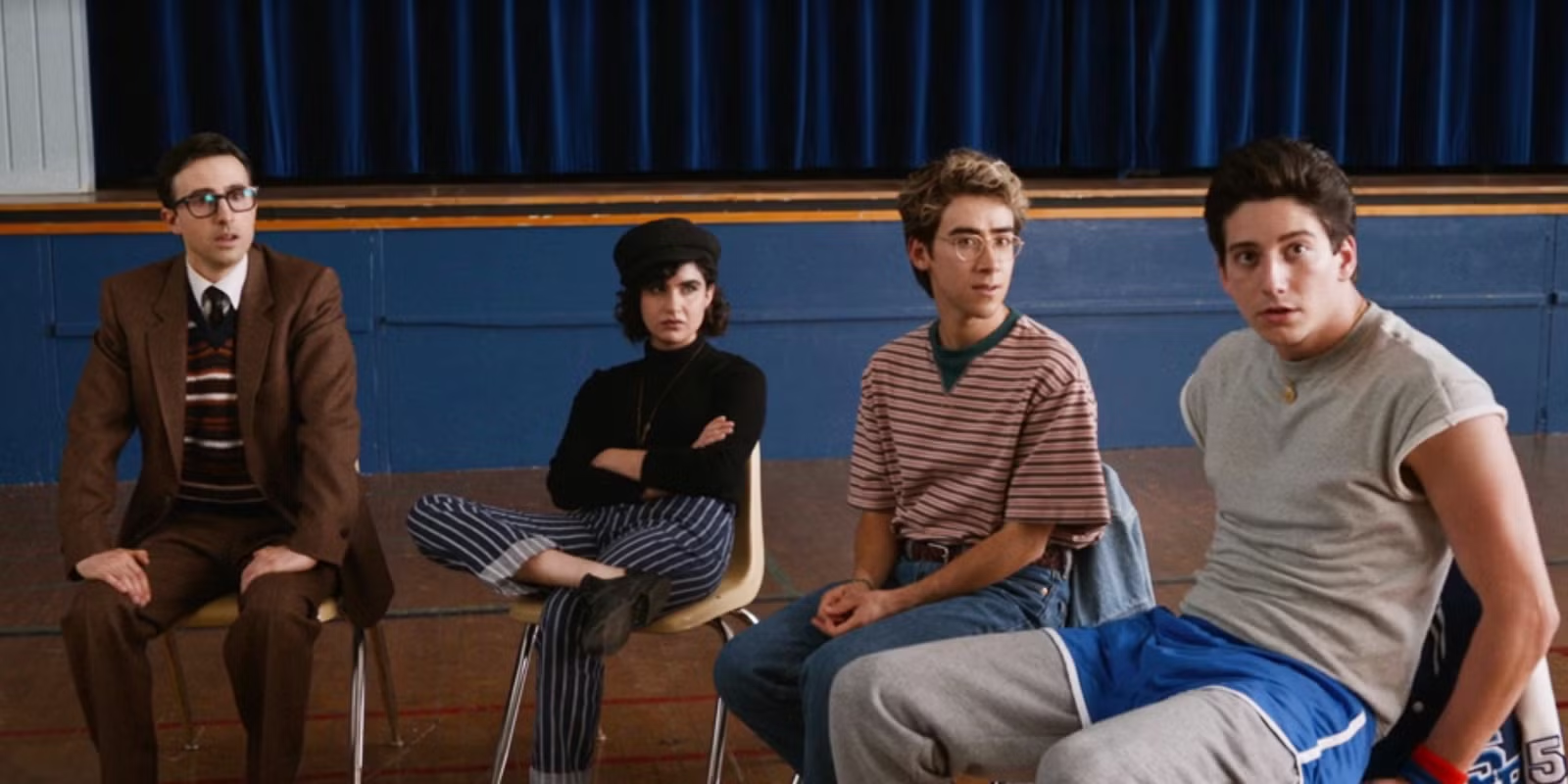
This is briefly explored in the first season; each character reveals the cause of their death, and as the story continues, the effects of what happened to them become clear. Entering into the second season, these effects are explored in more depth through the concept of “scars.”
Hoping to cross over and solve the mystery of the Split River High after life, Maddie and the other ghosts learn of the existence of scars and the keys to enter them. They each held an important object when they died that stayed with them after death. These objects were deemed “keys.” By holding them and entering the area on school grounds where they died, they could enter their scar.
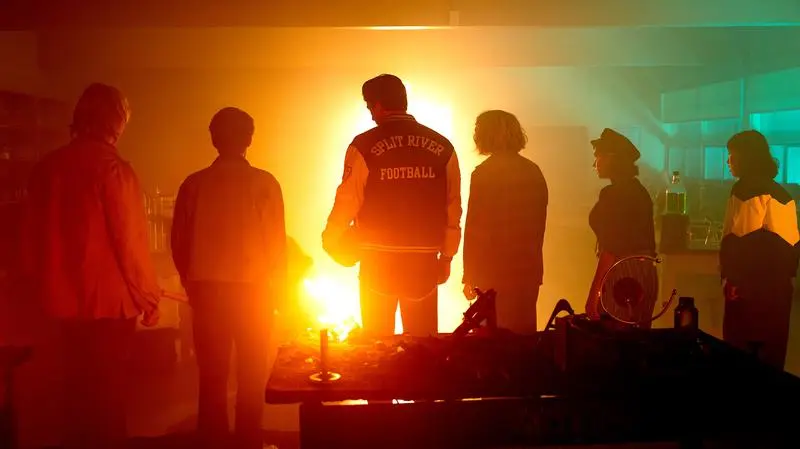
These scars are a representation of each character’s trauma and how they’ve coped with it. Each one is unique and showcases the characters coming face-to-face with the trauma they endured in different ways. This idea seems harsh at first. At face value, it feels like a way to shock the audience and elicit an emotional reaction. However, upon further exploration, that is not the case.
Rather than including the concept of scars and reliving trauma as a way to shock the viewer, it becomes clear that it’s meant to emphasize the complexity of grieving one’s own life and coping with their experiences. Each character has a completely different reaction to their scars. Regardless of the perceived severity of their cause of death, all of them cope with it differently and are affected in different ways.
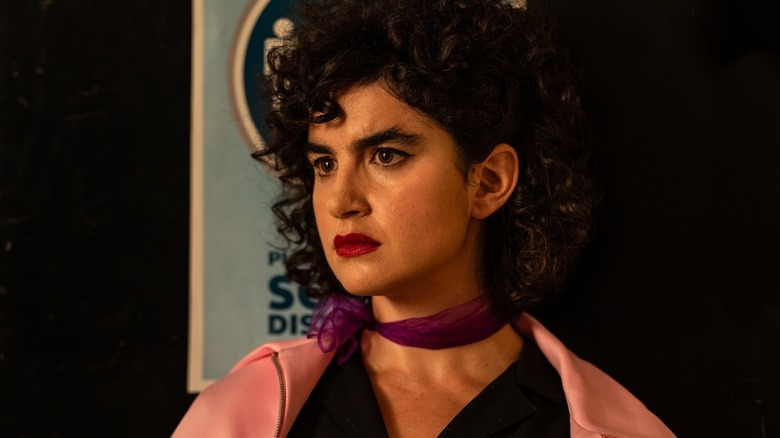
Three of the main characters who aide Maddie in her search for the truth of her death, Rhonda (played by Sarah Yarkin), Wally (played by Milo Manheim), and Charley (played by Nick Pugliese), all have scars that force them to relive their death. Rhonda was murdered by her high school counselor, Wally broke his neck playing football, and Charley had an allergic reaction in the school cafeteria. All of them were completely different scenarios, but each had a major impact.
As the characters had yet to cope with what happened to them, their scars were more overtly brutal than those of other characters. They were forced to relive the situation in an intensified manner.
Each of them dealt with their scars differently. Rhonda entered accidentally, so she was blindsided by the experience (similar to how she was blindsided by her death). When Wally first entered his scar, his experience was similar to Rhonda’s. It was an intense and all-encompassing pain that he struggled to face. However, he eventually chose to return with a purpose, symbolizing coming to terms with his experiences.
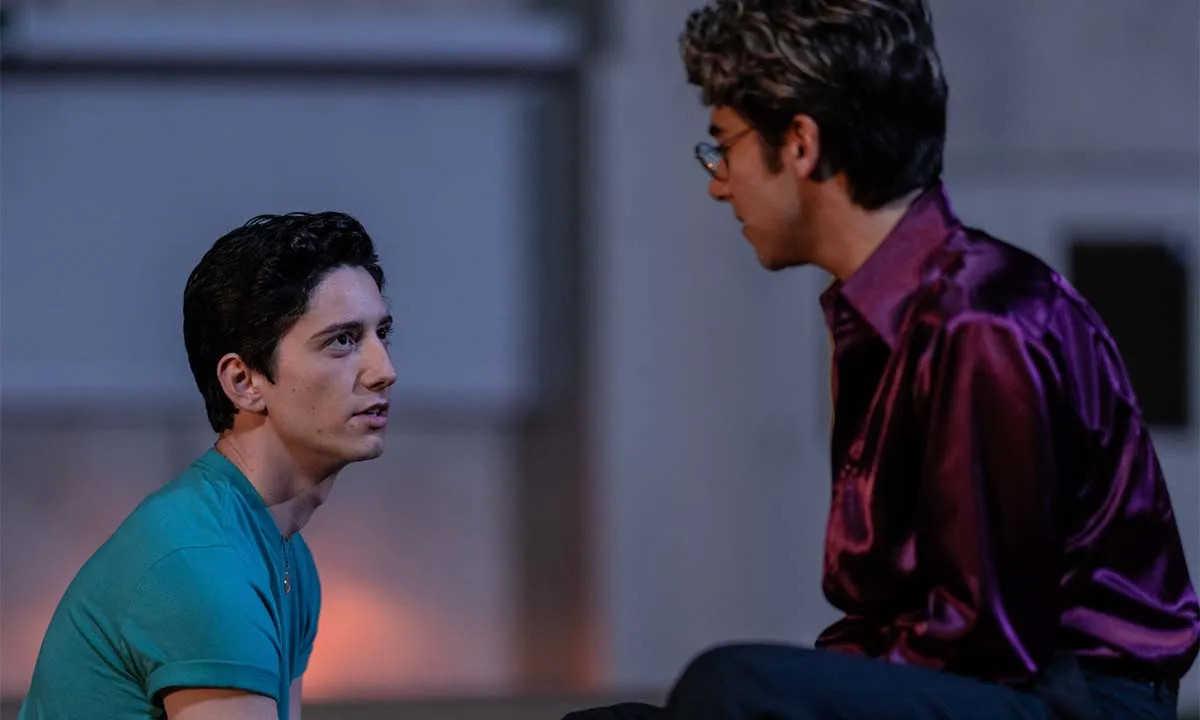
Charley chose to enter his scar, knowing what was to come as a symbol of his growth and willingness to move forward. His death wasn’t just about an allergic reaction; it was about being alienated and bullied by his peers due to his sexuality and the humiliation and shame he felt. In choosing to go into his scar, he showed he was ready to face what happened to him.
Other characters’ scars represented their trauma in different ways. Dawn (played by RaeAnne Boon), a ghost who crossed over in season one, had a scar filled with flowers. Although her being electrocuted was one of the more overtly brutal deaths, her scar was completely peaceful. Its presence hinted that she had already started to process her trauma and was finding a way to move forward despite it.
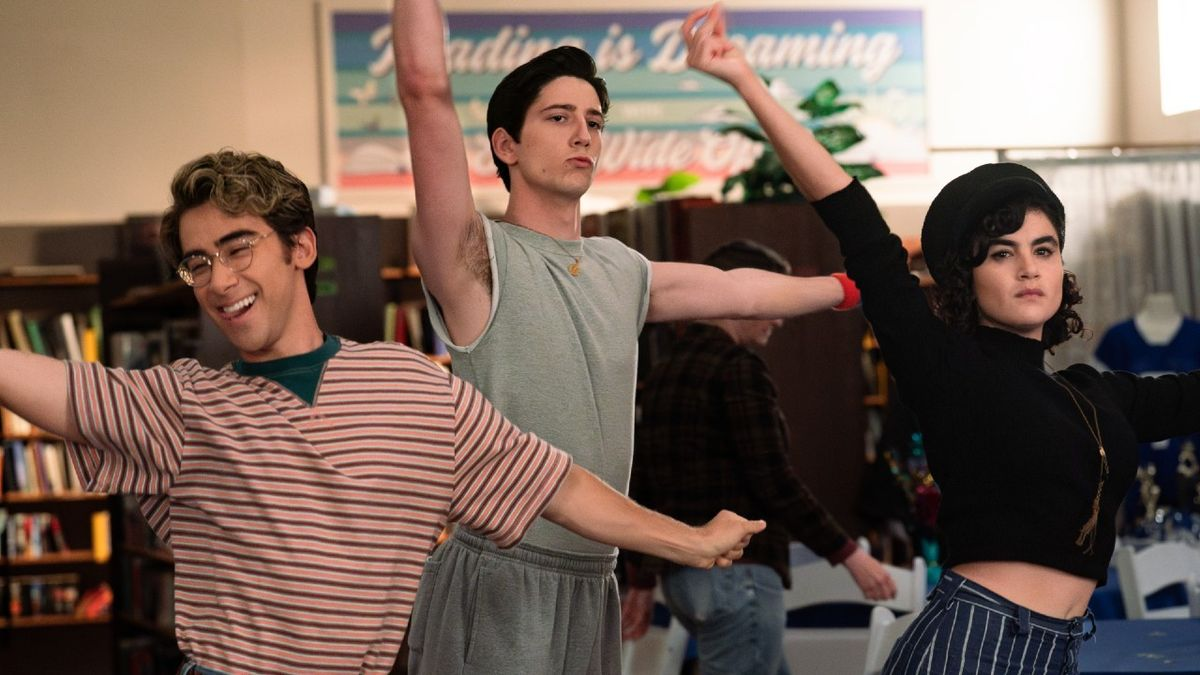
For this reason, she was able to cross over.
Every character’s experience serves as an integral element, but they are never used solely to draw in audience attention. Every scar is tastefully built in a way that illustrates the complexities of trauma and how everyone experiences it differently. Rather than producing trauma as a singular experience, School Spirits shows that it is so much more than that and should be treated as such.
The Importance Of Realism In Fiction — Illustrating Truth In The Supernatural
The depiction of trauma in School Spirits is an incredibly realistic one. There is no rhyme or reason for how or why things affect people. What may seem inconsequential to one person is completely life-altering to another.
This is clearly illustrated by the scars. However, not every show takes the same care when dealing with the topic of trauma. In fact, many simply take advantage of people’s experiences to drive the plot forward. This can be seen in 13 Reasons Why (2017-2020), another Netflix series.
The entire premise of the first season revolved around Hannah Baker (played by Katherine Langford), a girl who committed suicide and left thirteen tapes detailing each person who played a role in her decision. While it claimed to be a series meant to spread awareness regarding suicide, the execution was poor. This was due to the abundant graphic scenes included within the series.
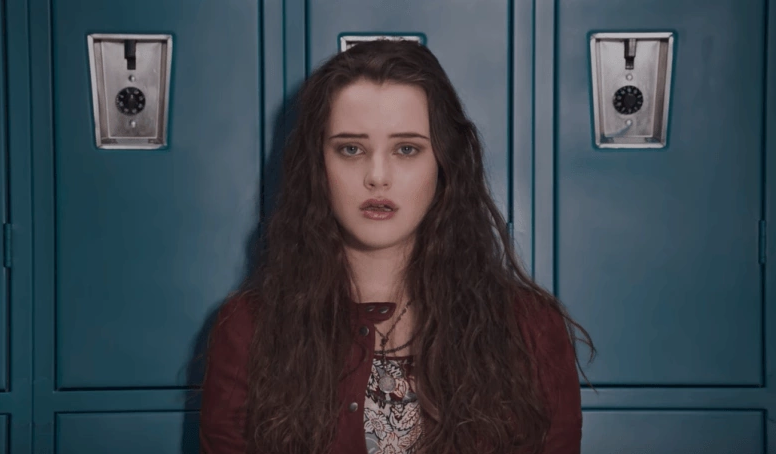
Not only did the series contain detailed rape scenes, but it also included an incredibly graphic three minute scene of Hannah taking her own life.2 Scenes such as these serve only to shock the viewer because, while it is important to spread awareness about the unfortunate frequency of rape and suicide in society, it is never necessary to include extremely graphic scenes of those events taking place.
Their inclusion served only as a negative trigger for the audience, especially due to the lack of content warnings. Many viewers claimed that the show was “too realistic” and that many elements were unnecessary. Additionally, as the series continued they started depicting characters who committed horrible acts such as rape in a redeeming light, completely opposing the shows status of “spreading awareness.”3
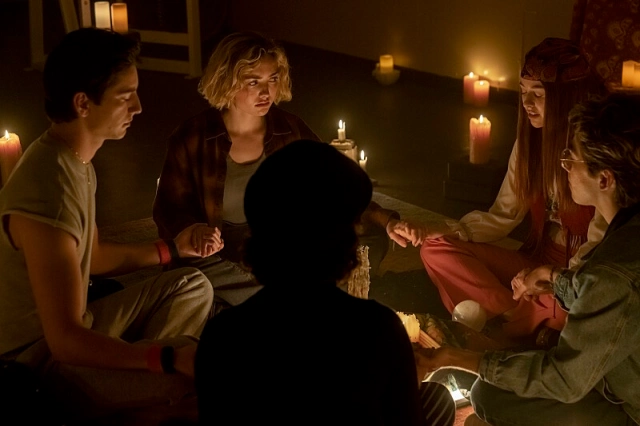
13 Reasons Why is just one example of the many shows that take advantage of trauma to up view counts and spark a reaction. This is what makes School Spirits so special. 13 Reasons Why is a series that takes place in reality. As a result, there is only so much one can do within the confines of realistic conventions.
On the other hand, School Spirits establishes the supernatural; there were many avenues the show could have taken to dramatize the character’s trauma like 13 Reasons Why did, but it instead chose to approach subjects with cautious realism.
Each character’s experiences were unique, yet realistic. Not everyone goes through what many people would consider a “real” tragedy, like being murdered or being a victim of a car accident. Some people simply have an allergic reaction.
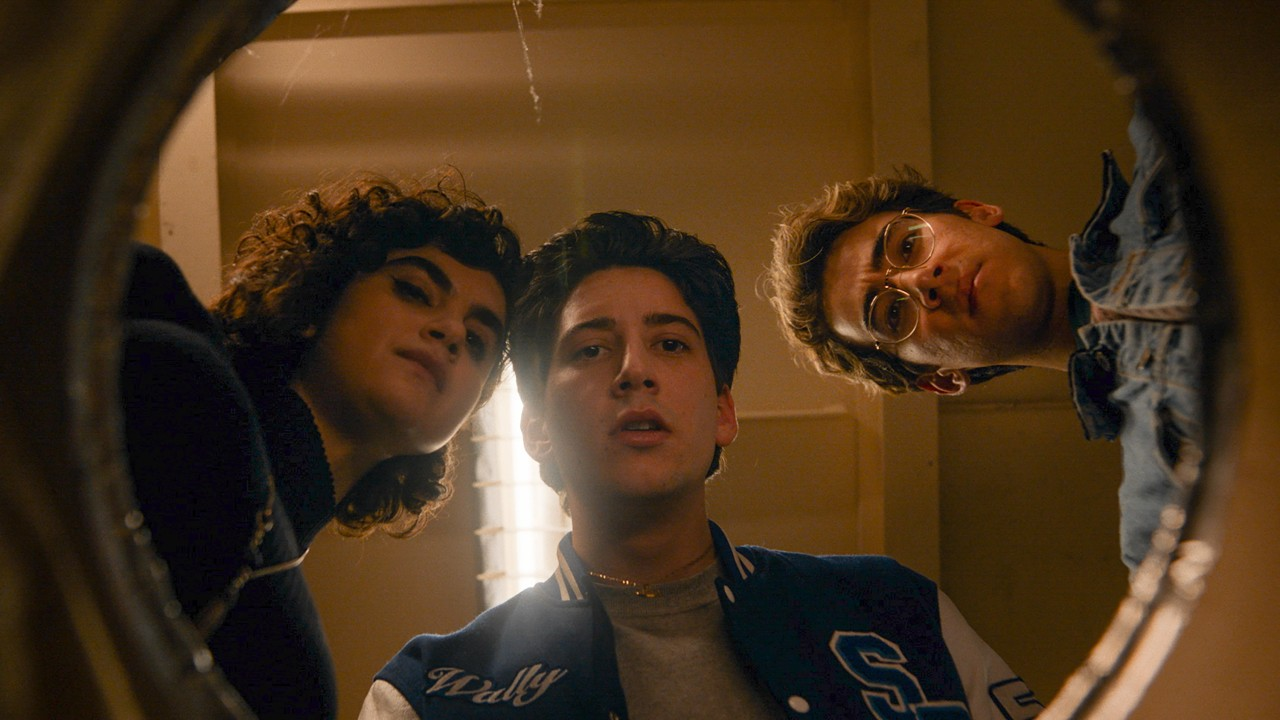
Others suffer life-threatening injuries while playing sports. Regardless, that doesn’t make it any harder to cope with. That doesn’t make it any less important.
School Spirits highlights the subject of trauma with careful consideration rather than sensationalizing it. Even though it had the opportunity to use ghosts to exacerbate traumatic experiences, it chose not to, instead utilizing its platform to spread awareness.
From Trope To Truth — Trauma Without Exploitation
School Spirits shows that it is possible to engage in the topic of trauma without exploiting the viewers and their experiences. It uses the common ghost story trope to explore the complexities of grieving over one’s own life and coming to terms with traumatic experiences. The depiction of how trauma can impact a person was masterfully explored through the concept of scars, a unique inclusion within the story.
Regardless of its status as a supernatural series, School Spirits never compromises its integrity. Instead, it avoids graphic content to attract viewers in favor of subtle, cinematic scenes that encapsulate the characters’ feelings and experiences without having to depict detailed scenes. Viewers are able to understand and relate despite the smaller number of details included.
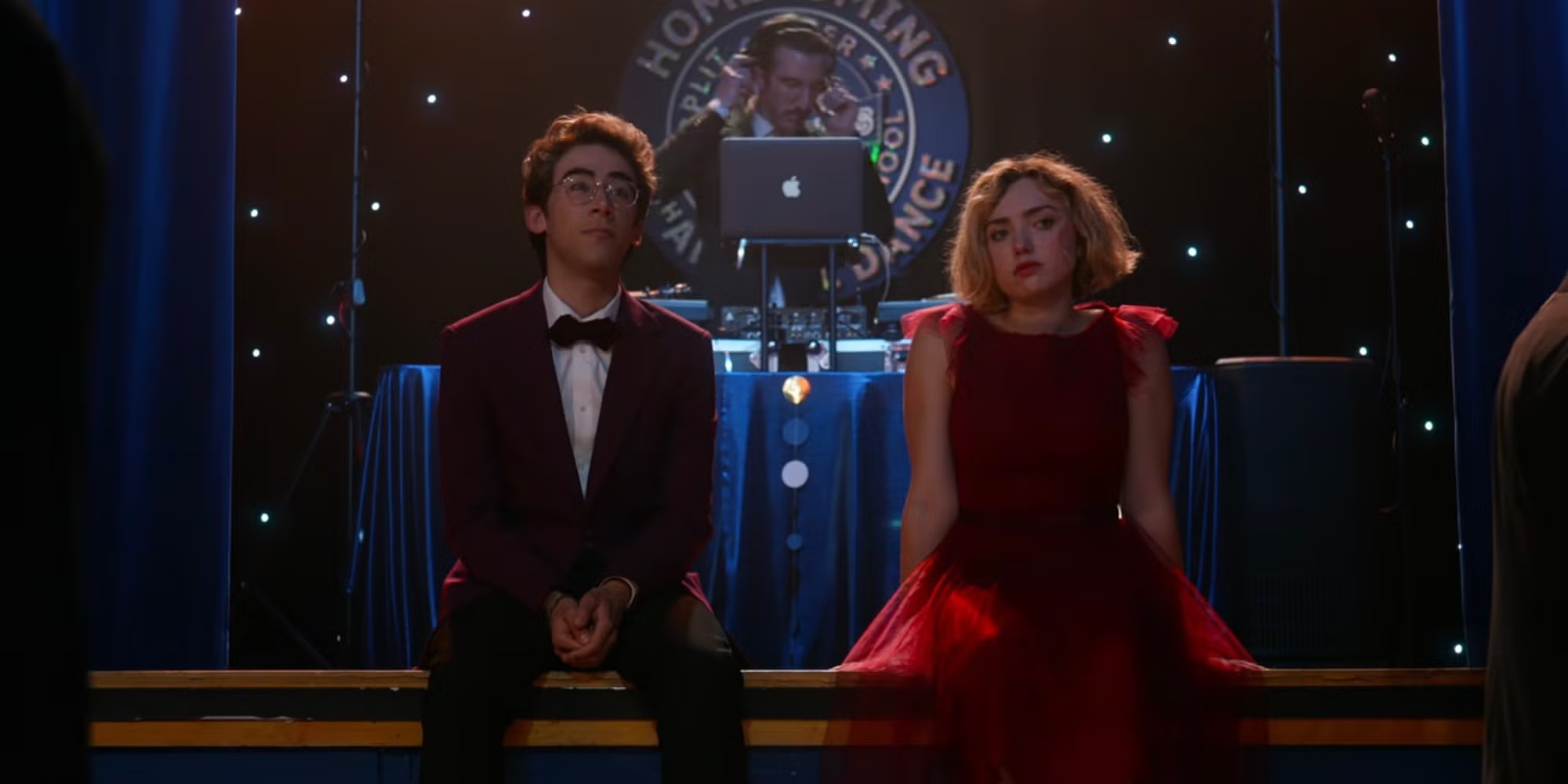
Shows such as School Spirits are integral for television to grow as a form of media. As more shows such as School Spirits begin to take the forefront in place of ones such as 13 Reasons Why, the subject of trauma will slowly cease being used as a simple trope to up the view count.
Instead, it will show the truth of how it affects people and remove the idea of recovery being linear. Everyone deserves to have their stories told in a way that respects their experiences — School Spirits takes this idea to heart.
Footnotes
- “School Spirits.” IMDb, IMDb.com, 9 Mar. 2023. ↩︎
- Goldberg, Lesley. “Netflix Alters Graphic ‘13 Reasons Why’ Suicide Scene after Controversy.” The Hollywood Reporter, The Hollywood Reporter, 29 Apr. 2023. ↩︎
- Johnson, Annie. “13 Reasons Why Is Harmful for Mental Health.” The Evanstonian. ↩︎