

Table of Contents Show
Media for younger audiences is often taken at face value. Cartoons are seen as lesser compared to live action films and television, and middle-grade novels aren’t considered important literature.
Whether it be the fantastical nature of fairytales, the unrealistic adventures in books, or the art style of cartoons, viewers find reasons to devalue children’s media. As a result, the nuanced messages they hold often go unnoticed. However, with the publishing of Wings of Starlight (2025) by Allison Saft, this notion has been challenged.
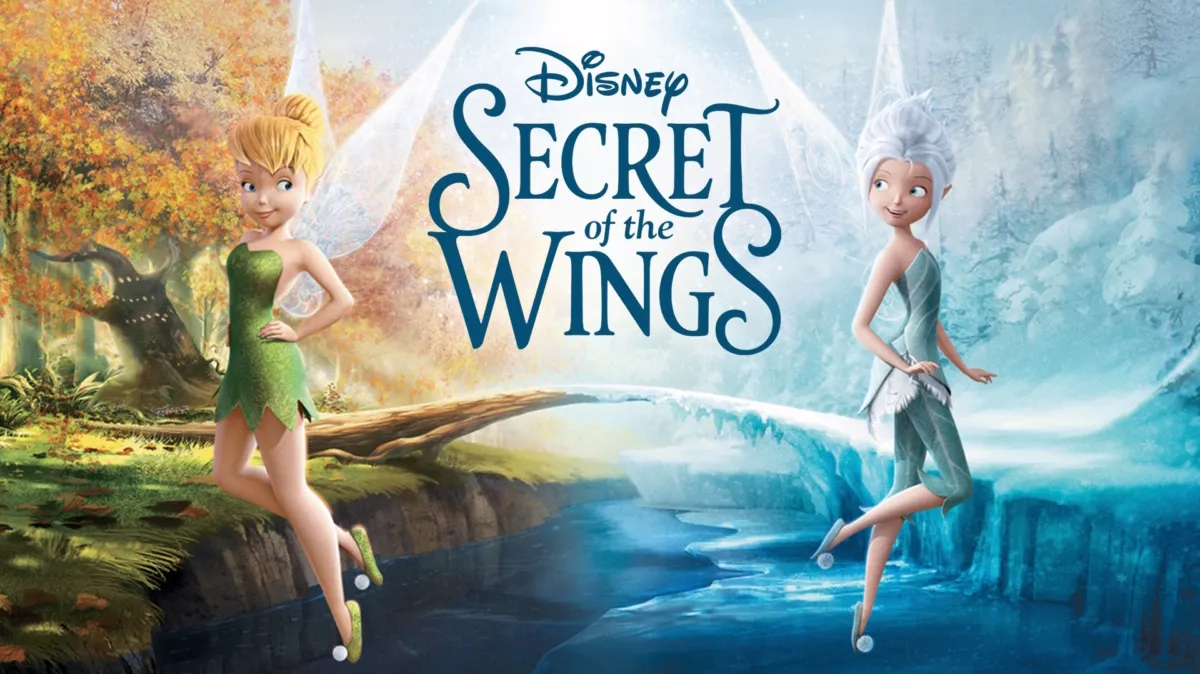
Acting as a prequel to the animated movie Secret of the Wings (2012) from the Tinker Bell movie franchise, Wings of Starlight reinvents what children’s media can be. Rather than simply indulging fans with the origin of two popular characters from Secret of the Wings, Lord Milori (the Lord of Winter) and Queen Clarion (the Queen of Pixie Hollow), the novel invests time in exploring more complex subjects, such as perfectionism while still staying true to the fantastical nature of the original story.

Through the utilization of a nostalgic fairytale setting, Wings of Starlight challenges the romanticization of perfection and emotional repression in positions of leadership, using the contrasting experiences of Milori and Clarion to provide commentary on gendered expectations in positions of power.
“More Than Romance” — Perfectionism In Wings Of Starlight
Although, at its most basic form, Wings of Starlight is a romance between Clarion and Milori — a service to the long-time fans who have wanted to know more about their relationship — a deeper look shows that the romance isn’t the only element of value within the story. Rather, the novel provides a great representation of how detrimental pressure for perfection can be on leaders.
Wings of Starlight follows Clarion’s life leading up to her coronation. The story explores her internal struggles with her impending coronation and the reality that comes with it. Every action she takes is driven by one goal: not to disappoint her mentor and predecessor, Queen Elvina.
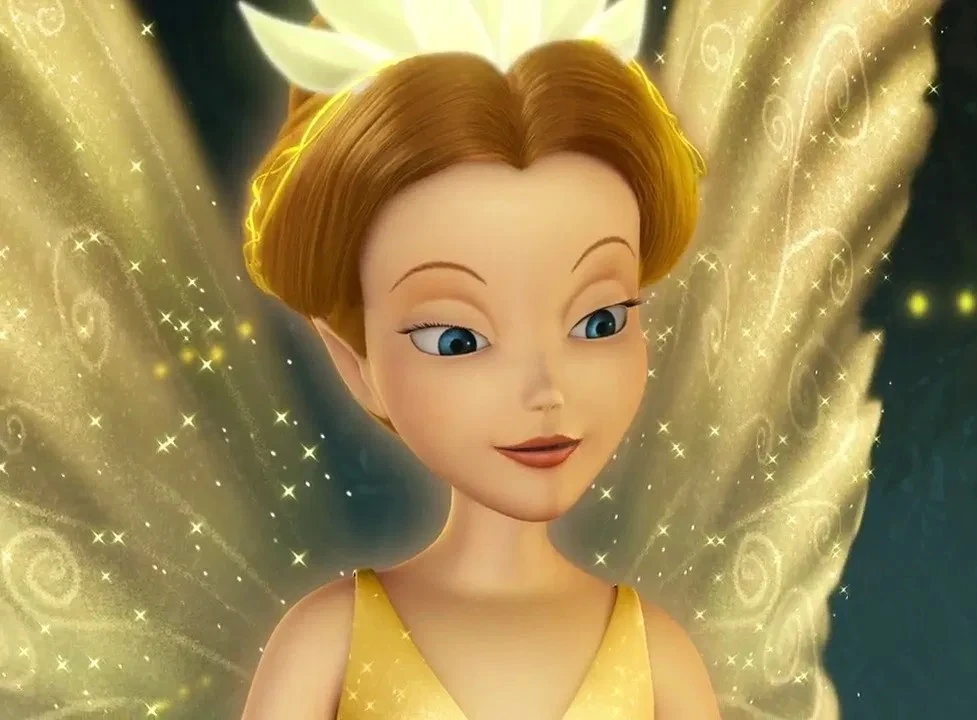
Regardless of her desire to make Elvina proud, Clarion is not characterized as someone terribly concerned about doing things by the book. Her first introduction in the book includes her lounging on a tree branch, “almost regretting” her enjoyment of the fifteen minutes of freedom she found herself with, despite knowing Elvina would disapprove.1
Her defense for her attitude is the fact that she is not yet queen — letting herself enjoy a few moments alone at this point did not carry the same weight it would after her coronation.
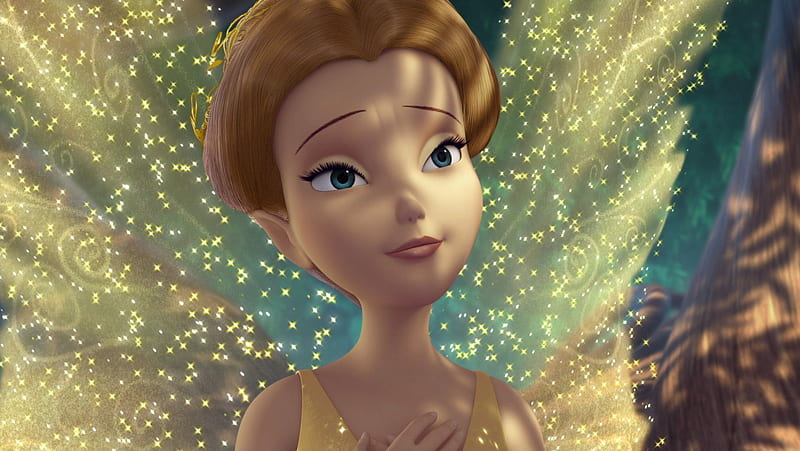
Despite this unassumingly simplistic start to Wings of Starlight, it is made clear that Clarion’s perceived nonchalance is not all there is to her character. In fact, the author quickly makes it known that she is terrified of the responsibility — she doesn’t want to let her subjects down.
Each moment of worry and insecurity is backed by Clarion’s own impression of Elvina’s words. Statements such as “The Queen of Pixie Hollow does not sit idle while there is work to be done” and “The Queen of Pixie Hollow does not belong among her subjects” ring like alarms in Clarion’s head every time she acts (or fails to act).2
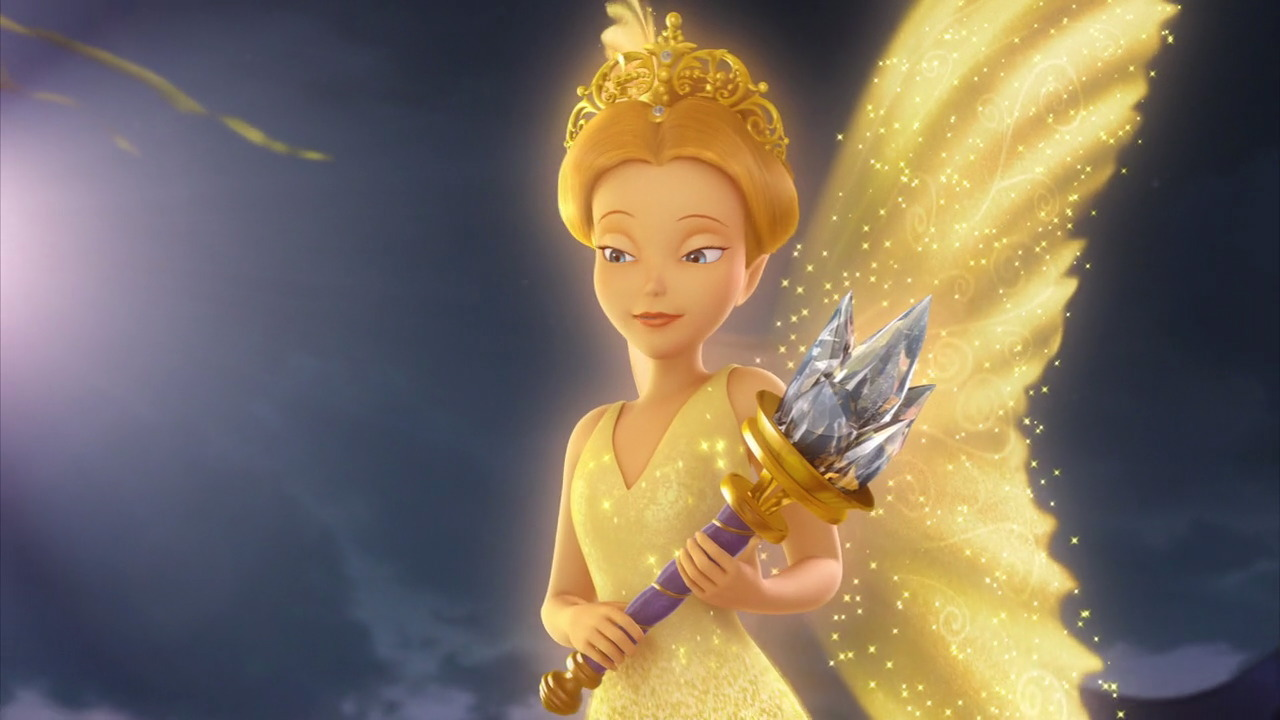
She looks up to Elvina as a symbol of unshakeable perfection — the ideal queen — and wants to be like her. This perception is made clear when Elvina makes her first official appearance in the novel. Clarion described her as “imposing, exactly as a governing-talent fairy should be,” subsequently comparing herself to Elvina as they are both governing-talent fairies (like all of Pixie Hollows queens).3
Elvina’s first words to her were “‘You’re late,'” simple criticism towards Clarion that says so much while saying so little. Tardiness is not the mark of a perfect queen — it is the mark of a sloppy one.
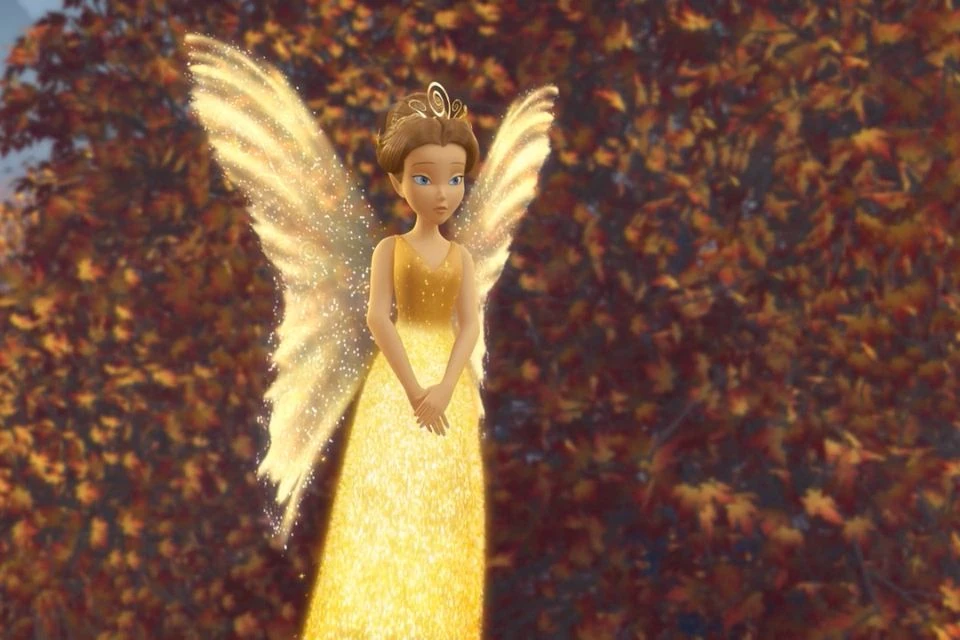
Through Clarion’s character, perfectionism is emphasized as a major theme within Wings of Starlight. And while Milori’s character also deals with expectations of perfection, this exploration is limited due to the story being in Clarion’s perspective. However, one theme explored thoroughly for both characters is sacrifice and the expectations of leadership.
“Silent Sacrifice” — How Clarion & Milori Carry The Weight Of Expectation
With perfectionism comes the inevitable need to fulfill the expectations of others. This is evident within Clarion and Elvina’s dynamic. Clarion wants to make Elvina proud and be the queen that Elvina expects her to be; in other words, Clarion wants to be as “perfect” as Elvina and become as unshakable as her.
This is both a result of Elvina’s expectations as well as the demands that come with being a queen. Since she was born, the responsibilities that came with being queen and the path she was required to take were drilled into her by Elvina. She had no choice but to shape herself to Elvina’s expectations and those of her subjects.
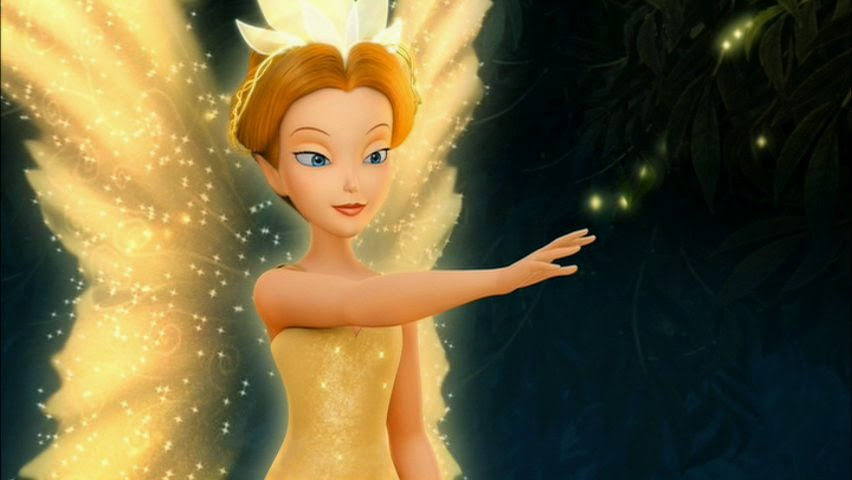
Throughout the novel, there are multiple moments where her internal narration alludes to this idea. Early on in the story, Elvina makes it clear that Clarion needs to begin taking her duties more seriously. As a result, she became the sole manager of state affairs within Pixie Hollow — a duty that was originally Elvina’s as the then-queen of Pixie Hollow — to prepare her for taking the crown.
With this responsibility given to her, along with the weight of expectations it carries, Clarion resigned herself to trying to act like the “queen Pixie Hollow needed.”4 Rather than becoming who she wanted to be, Clarion needed to become someone her people could rely on. And, in both her and Elvina’s eyes, they didn’t need her to be a casual, fun queen; they needed her to be perfect.
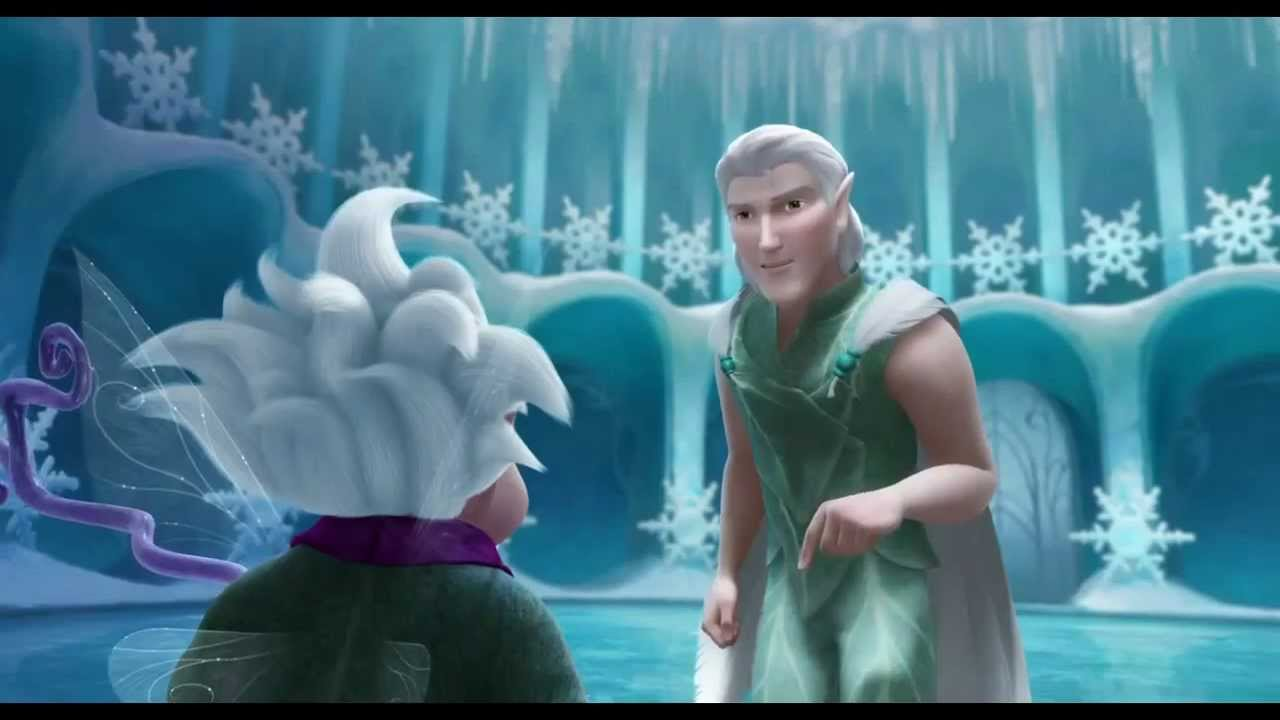
This weight from carrying their expectations dragged her down throughout the entirety of Wings of Starlight. She felt isolated from those around her, including Elvina — the one person she should have been able to relate to. Even her closest friends, Artemis and Petra, could never fully relate to her situation. However, Milori could.
Although called the “Lord of Winter” in the original movie, Wings of Starlight reveals that Milori was originally called the “Warden of the Winter Woods.” The difference in titles is stark and reveals the expectation-filled life he led within the novel.
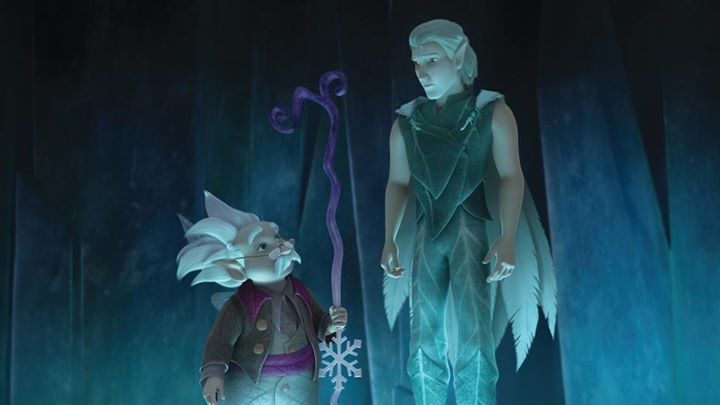
The title of “Warden” was given to all rulers of Winter as a symbol of the burden they carried. Responsible for ensuring the safety of all of Pixie Hollow, the Wardens are meant to sacrifice their freedom for their people. They are unable to experience the same carefree joy that everyone else can because complacency can mean tragedy.
Additionally, fairies of Winter were cut off from the rest of Pixie Hollow because it was too dangerous for them to cross into warm seasons and for warm fairies to cross into cold seasons. As a result, Milori had no support from other leaders. He alone was forced to carry the weight of the world to keep Pixie Hollow safe.
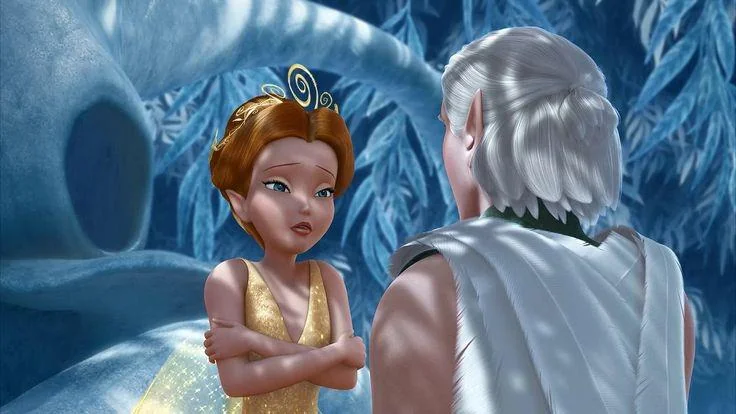
Clarion is in a similar situation. She is responsible for the well-being of all of Pixie Hollow. In meeting Milori, she was able to break free from her previous isolation and be truly seen for the first time outside of the expectations and rules.
However, in the end, those expectations tie the two of them down. Their relationship is a dangerous one. Clarion is a warm fairy, and Milori is a winter one, meaning they are not made for each other’s environments. Regardless, they wish for more. Clarion wants to carve a new path for Pixie Hollow, one where the winter fairies don’t have to live in isolation.
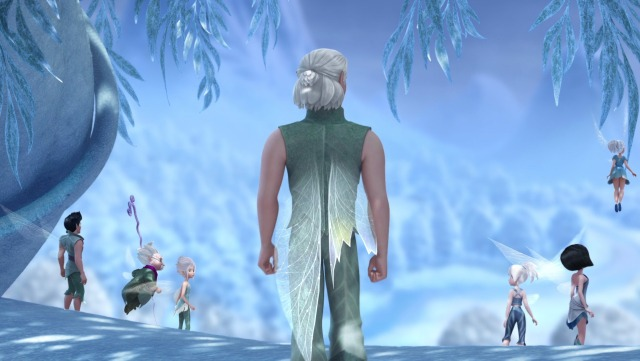
Though in the end, both of them have to make sacrifices for the good of Pixie Hollow, disregarding their own personal wishes. Milori sacrifices his flight to save Clarion, both because of his love for her and because Pixie Hollow needed her, and Clarion sacrifices her relationship with Milori to ensure no one gets hurt as he did again, forbidding warm fairies and winter fairies from crossing paths with one another again.
Additionally, she knew that the two of them would always put one another before their people; it would be impossible to be effective leaders when that was the case. Both of them had to make sacrifices for the betterment of Pixie Hollow because that’s what it means to be a leader. While they loved each other, they understood the ramifications of that love and couldn’t risk the same fate befalling another.

When all was said and done, very few in Pixie Hollow knew what they sacrificed. They only saw strong decisions in the face of disaster, not the events leading up to it. Both returned to carrying their burdens alone.
“From Fairytale To Allegory” — Gendered Expectations In Fantasy Leadership
Wings of Starlight stems from a fairytale world — a world where fairies are born from the laughs of children and the world’s seasons rely on they’re powers to function.5 Many expected the novel to follow the same approach to storytelling that the movies did. However, Wings of Starlight did so much more.
Rather than taking the fairytale trope at face value, Wings of Starlight uses it to emphasize the examination of the gendered expectations that come with leadership. The fantastical roles that Clarion and Milori are meant to fill are representations of real stereotypes that leaders are forced to fulfill.
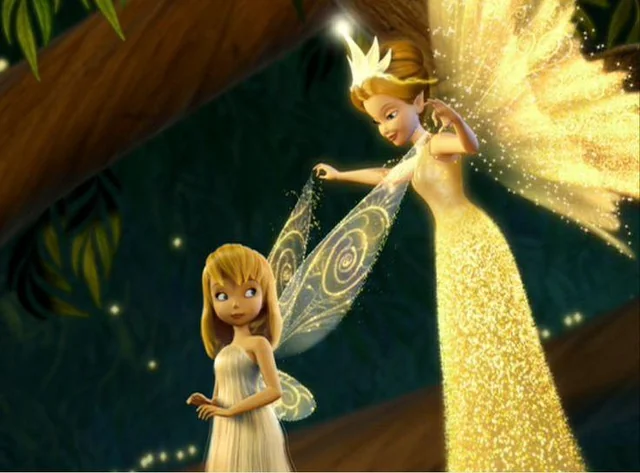
It is undeniable that both Clarion and Milori made sacrifices for the good of those around them. However, the nature of each sacrifice raises questions about gendered expectations in leadership.
When in positions of power, women are not expected to show emotions — emotions are seen as a weakness. Elvina made a point to emphasize the necessity for perfection, supporting the long-standing expectation that women leaders have been expected to follow both in fantasy settings and in real life.
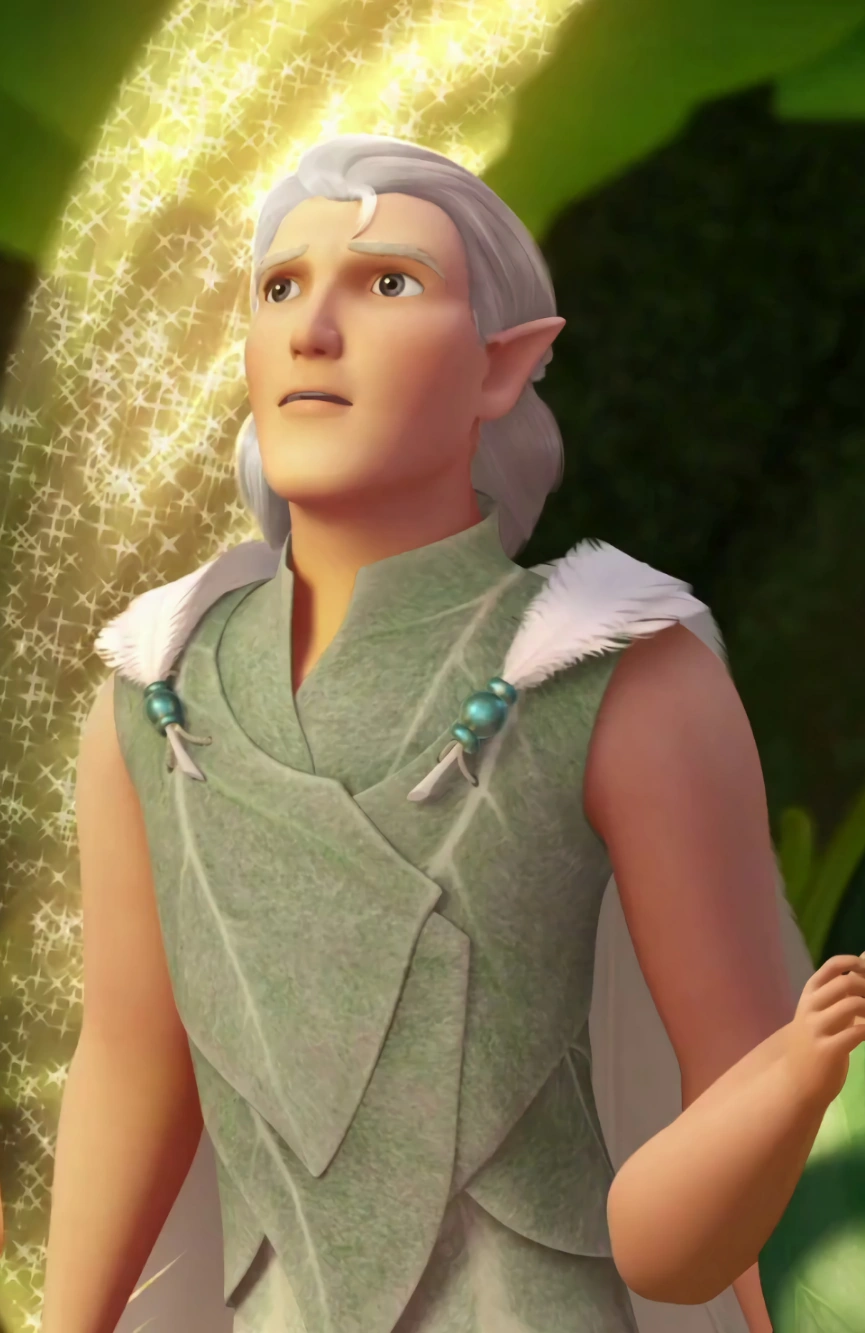
In a similar vein, Milori’s position was one that required strength. He was a Warden meant to protect Pixie Hollow — a stereotypical role for a male leader. He had to learn to lead on his own, having no previous Warden to guide him. This led to him being cold and putting pressure on himself to succeed.
Of course, it isn’t only their initial situations that examine the idea of gendered expectations in leadership. It is also the nature of their sacrifices. Milori sacrificed his wing for Clarion. He wanted nothing more than to save her, and did so regardless of the consequences.
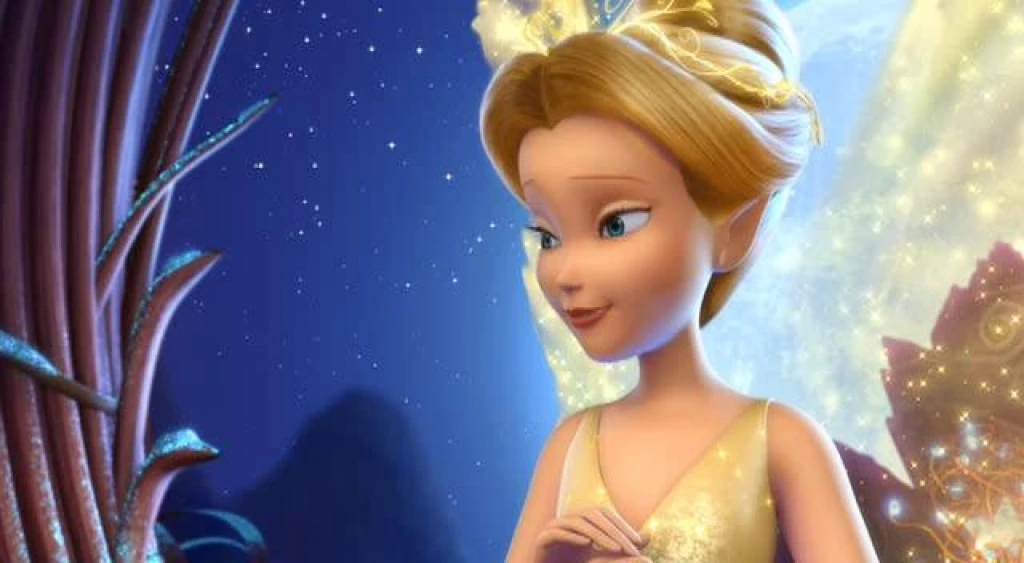
On the other hand, Clarion sacrificed the love of her life for her people. As much as she wished to be with Milori, she knew she had a duty as queen and an obligation to fulfil it. Neither situation can be compared as worse than the other, but they are very telling in regards to gender stereotypes.
Milori’s sacrifice was a show of strength that is to be admired. He fought through the pain to save the one he loves — a characteristic often given to men in fantasy.
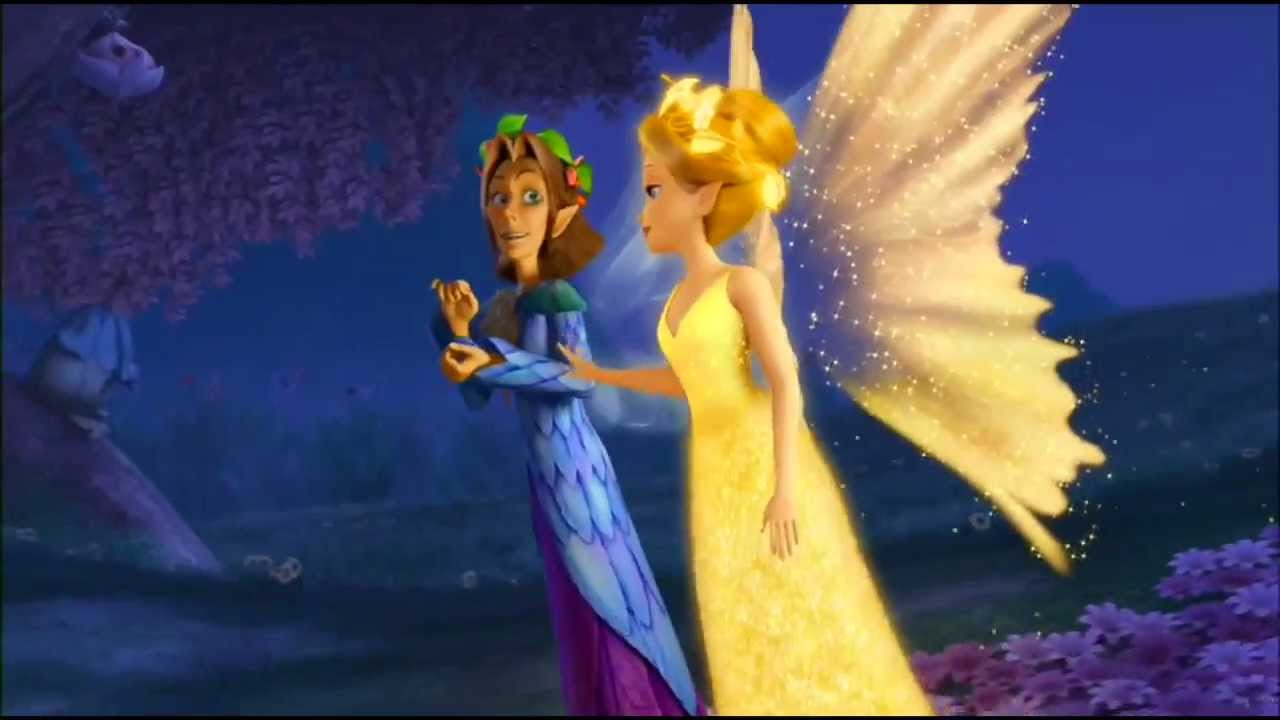
Clarion’s sacrifice was an emotional one. She said goodbye to one of the few who truly understood her, so she could rule impartially and ensure the safety of Pixie Hollow — she sacrificed love.
Women in leadership are viewed as weak for any break in stoicism and perfection. Falling in love would be considered weak. As a result, she gives it up just as many women often do.

In Wings of Starlight, both Clarion and Milori were forced to make impossible decisions, with each leading to a heartbreaking outcome. However, their situations provide a stark example of how male and female leaders are perceived both in fantasy and the real world.
“Legacy Of Sacrifice” — How Secret Of The Wings (2025) Sets The Stage
Even though Wings of Starlight builds on new themes in a unique manner, it is not an independent idea. Its very existence relies on the original movie Secret of the Wings. Everything from the setting to the characters was all brought forth in the original movie. This includes hints to the major themes within the novel.
The end of Secret of the Wings revealed the truth of the warm fairies and winter fairies’ separation, and Milori and Clarion’s relationship was revealed. With this reveal, Clarion’s want to do what was best for her people and be the perfect leader is shaped.
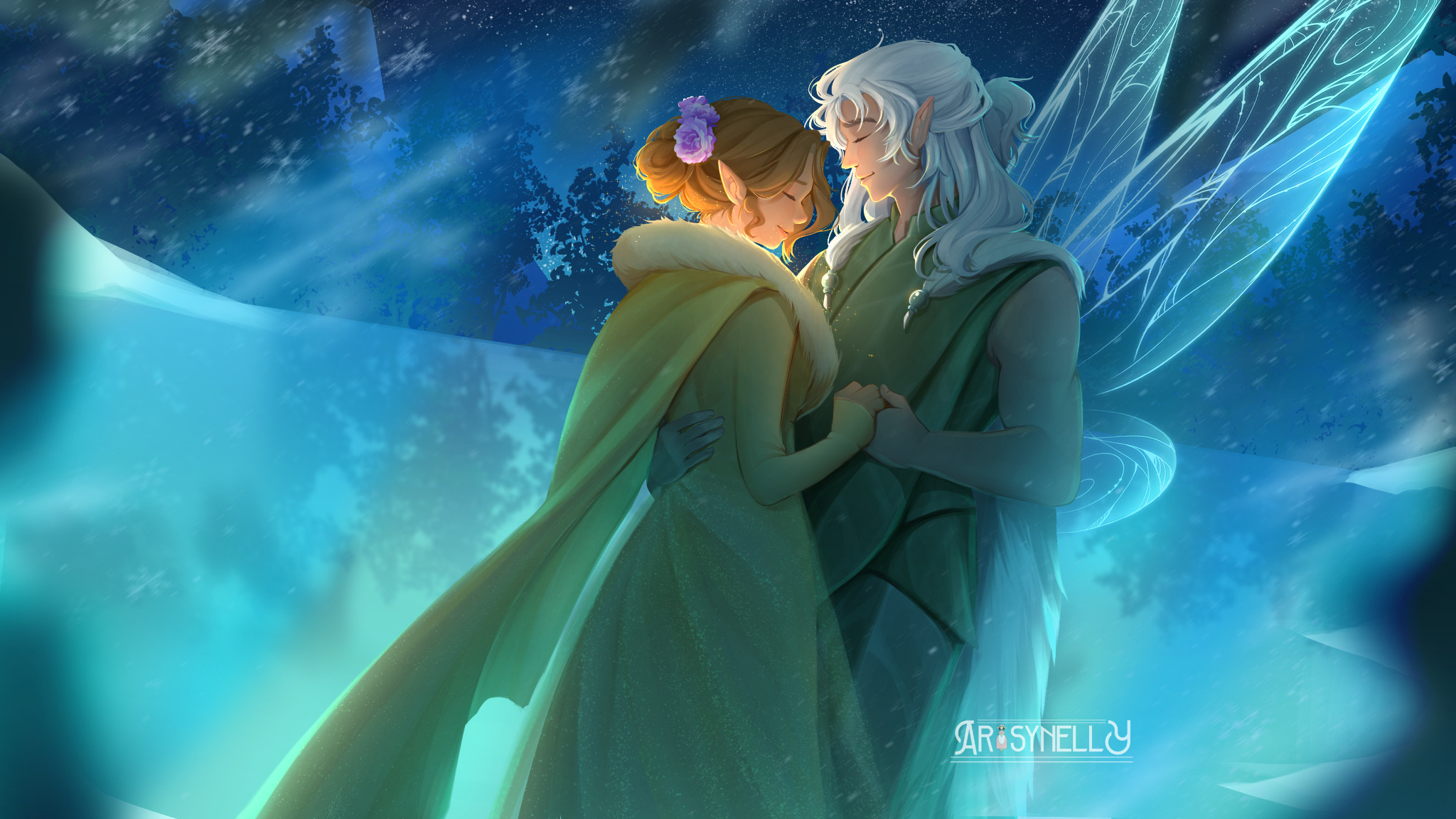
Additionally, even the gendered expectations are subtly placed, whether intentionally or not, within the original movie, with Tinker Bell assuming Lord Milori was responsible for the separation between realms instead of Clarion. This builds on the idea of men having to make the “harder” decisions instead of women.
These small details in the original movie allowed for Allison Saft to build a nostalgic, unique story. Although Clarion and Milori’s romance was a fun, intriguing element within the story that added tension to the plot, Wings of Starlight was more than just that.

Using the content of the original movie, Wings of Starlight illustrates the pressures of perfectionism while simultaneously exploring gendered expectations and the sacrifices that come with leadership, making it so much more than a cheesy fairytale novel. It is an examination of real-world pressures, the struggles of success, and the price people pay for perfection.
Footnotes
- Saft Allison. Wings of Starlight. Random House/Disney, 2025. ↩︎
- Saft Allison. Wings of Starlight. Random House/Disney, 2025. ↩︎
- Saft Allison. Wings of Starlight. Random House/Disney, 2025. ↩︎
- Saft Allison. Wings of Starlight. Random House/Disney, 2025. ↩︎
- Raymond, Bradley, director. Tinker Bell. DisneyToon Studios, 2008 ↩︎