Table of Contents Show
Canceled, unfinished, and unreleased media often become mythologized within fandom culture, as limited information and unrealized potential allow fans to imagine these unfinished projects as more influential, groundbreaking, or meaningful than they may have actually been. Throughout the most prominent fandoms, it is not uncommon to learn that groups of individuals within these communities still highlight promises that were never made.
While the reasons for these works being brushed off to the sideline differ in more ways than one, many of these projects that never saw the light of day still offer fans something to dream about when dreams are all that’s left.
To people who want nothing more than to see these projects come to life, lost media is a golden tower without a ladder == a chance to fantasize but possibly never realize. For the purposes of this article, lost media refers broadly to canceled, unfinished, unreleased, or otherwise inaccessible projects that audiences continue to discuss despite never experiencing them in their intended form.
Why Fans Mythologize The Unfinished
Intense rivalries between fandoms have always sparked debates about which of two works is better. Whether it be in terms of art direction, writing, impact, or any of the other elements that can be critiqued, fans wish to hear nothing but the positive aspects about the shows, video games, and movies that they adore.

Most of the time, these fandoms are built up by people who grew up adoring a work of art. Naturally, to have been promised an accompanying or continuing storyline within the realm they love and having it come to an end before it ever began is sure to spark outrage that blinds the faithful. Because people naturally favor the media they love, fandoms often focus on the positives while overlooking potential shortcomings.
The Perfect Game That Never Existed
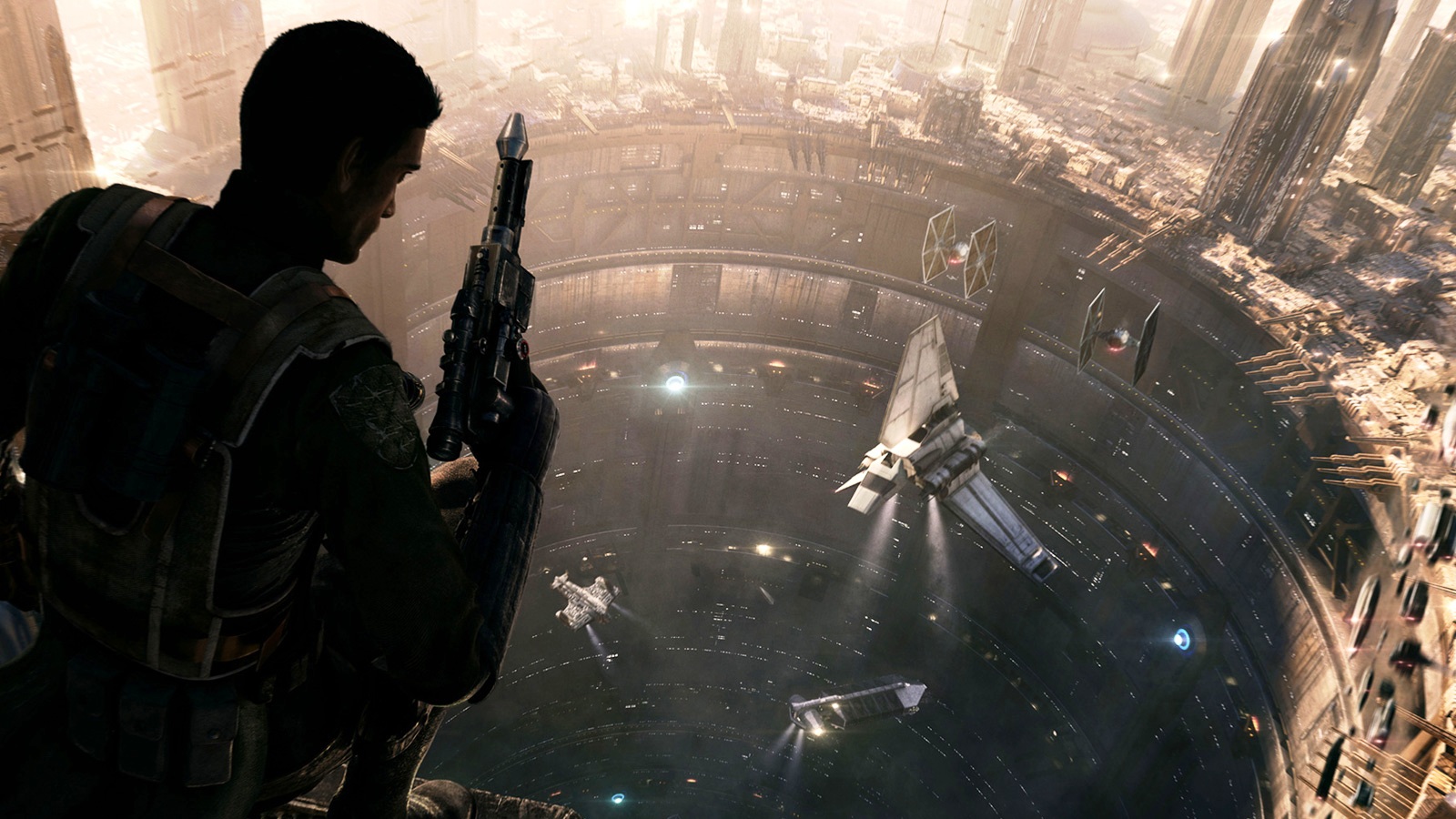
When Disney bought the rights to Star Wars (1977-), along with Indiana Jones (1981-), via their purchase of Lucasfilm in 2012, fans were split between deciding whether their franchise was saved or destined to fail. In the aftermath of the great shift, a video game titled Star Wars 1313 that had already released a short demo met its end1.
In response to the cancellation, fans of the franchise vented their frustration online. It did not help that the game had been officially announced at E3 in 2012. Because there had not been a Star Wars project of this stature for years, fans were justified in their disappointment, even going as far as to create multiple petitions to get the game back in the works.

To diehard fans of the franchise, the game had potential to land among the best in the history of Star Wars because of its open-world concept that Star Wars had not yet explored to a great extent. While they did sell well and stand the test of time by receiving multiple titles throughout different generations of video game consoles, the highly popular Battlefront series limited the experiences of gamers due to its nature as a large-scale multiplayer shooter game.
It’s safe to say that many of the great expectations set by fans stemmed from how well third-person open-world games do in general in terms of both financial success and reception. With the popularity of the Star Wars franchise and the financial backing it would have received, the limits of the creators were bound to their imagination.

Through Star Wars 1313, fans would have finally been able to live out their dreams of playing as a young bounty hunter navigating his way through the criminal underworld of Coruscant, one of the more significant planets in the franchise with regards to its history and lore.
Unlike the Bounty Hunter video game starring Jango Fett that released in 2002 and had a similar premise, Star Wars 1313 would have had the opportunity to take the fan favorite elements of this “blueprint” and expand upon it through the use of improved video game mechanics and more fleshed-out storylines among other things.
In the years leading up to the game’s reveal, there had already been many titles focusing on the Jedi ways. With Star Wars 1313, the game would have switched things up by getting into the darker side of the franchise’s universe, perhaps even showcasing that not all Jedi work is done in good faith, which could explain the heavy idealization by fans. After all, a noir-style story told from the perspective of a bounty hunter sounds appealing on paper.
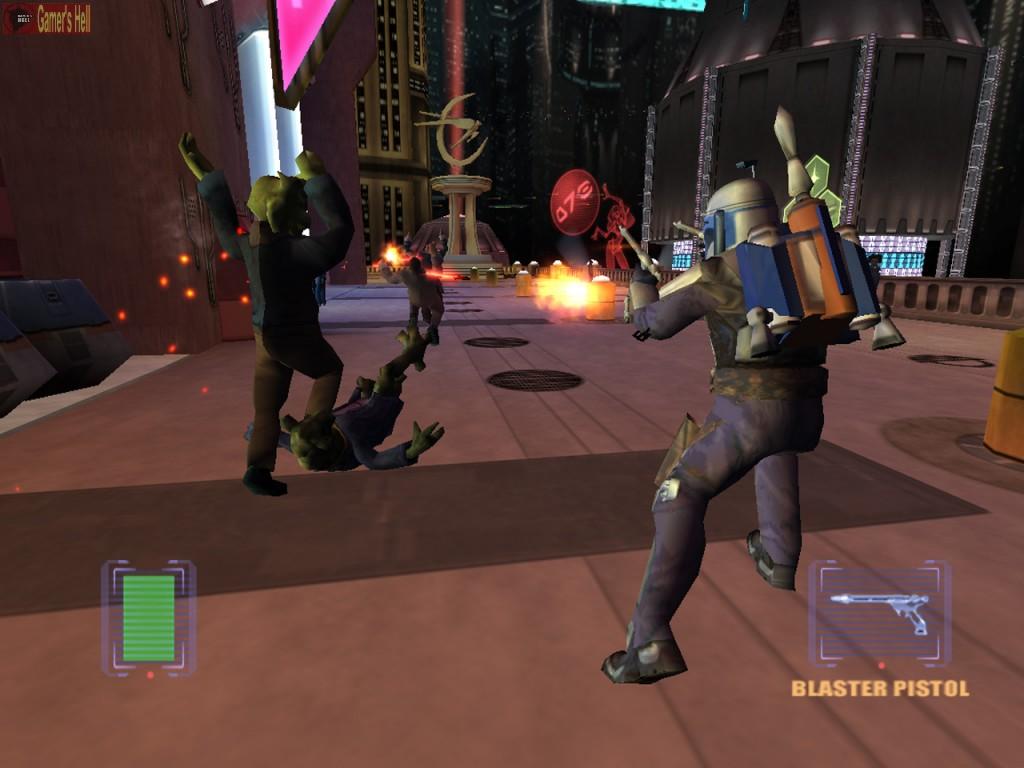
However, like history has taught time and time again, not all great ideas are destined to land. Even if Star Wars 1313 had been completed and set on store shelves, basing a perceived outcome off of something similar in style and not the context from which it derives is not a suitable method for comparison.
The absence of a finished product is why fans mythologize 1313 the way they do. Because you can’t actually play it, there’s nothing to break the illusion. You can’t find the mission that drags, the combat that feels buggy or the story that doesn’t hit. With no final game to challenge those first impressions, fans keep projecting their own hopes onto it. The game becomes whatever each person wanted from it, because there’s no real version to contradict them.
All things considered, fans still mourn the loss because the world will never truly know what could have been. At best, the game could have been a defining moment in video game history, which could have inspired a wave of other open-world games from best-selling franchises. At worst, a generational flop sentenced to serve as a role model for how not to approach a game.
While companies ultimately decide what desires from the masses they will tend to, sometimes promises are made by the individual creators themselves that ultimately go unfulfilled because of high hopes.
When Potential Becomes Better Than Reality
Because no two people want the exact same thing from a project, expectations are incredibly hard to satisfy, but that does not stop fans from being so unreasonable that certain projects go untouched for years. In the case of collaborative albums in the world of music, it is almost always expected for two giants of a genre to be able to mix well creatively and sonically and create a project worth listening to.
Kendrick Lamar and J. Cole, who are two of the most beloved and influential rappers of this generation, teased a collaborative album for years before leaving the project in limbo2. The diss battle between Drake and Kendrick, which Cole happened to be caught in the crossfire for, only helped to further delay progress. To this day, fans still eagerly await updates on the project despite the current state of the friendship between the two artists being unclear.

While the project may have worked earlier in their careers due to the intensity of their music and the drive that often accompanies up-and-coming rappers, a project between the two now would most likely not land for fans of either artist. With differing styles when it comes to subject matter and production choices, it seems as though the two might have been forced into a situation that neither of them might know how to navigate through.
With no real album to challenge the idea, fans fill the gap with their own hopes. For some it’s the ultimate lyricist record. For others it’s the project that would end the “who’s better” debate. The idealized album becomes a perfect version of what each person wants from both artists at once.
Lost media like this supposed work is highly resistant to criticism because a released album has to survive creative differences, label deadlines, and the risk that the chemistry from one feature doesn’t hold for a whole project. This collab never had to go through that. Without a product, there’s no material to receive criticism, so the idea can’t fail on those terms.

Fans are able to imagine perfection because there’s no final version to test it. The Kendrick and Cole album can always be a flawless classic because it was never completed enough to prove otherwise. It stays in the realm of potential, and potential is much harder to argue with than an album you can actually play.
What many fandoms don’t seem to understand is that there is much more that goes into a collaborative project than just the popularity of the artists involved, which does not guarantee that an entire album between the two would land.
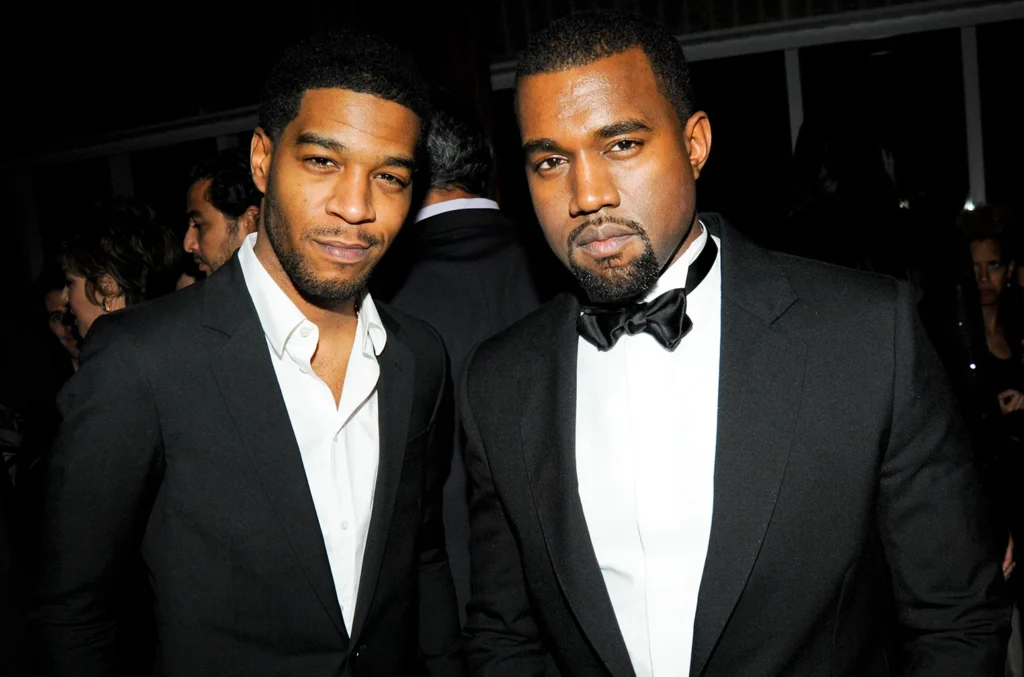
While there have been a handful of these types of albums over the past few years that ended up becoming commercial and critical successes, pairs like Kid Cudi and Kanye West, who teamed up for Kids See Ghosts, had proven chemistry that dated back about ten years before the release of the album, a time in which they supported each other on multiple collaborations3.
While the two complemented each other well sonically and lyrically, there have been other similar acts that failed to meet expectations, such as The Album, a collaborative album that brought together prolific lyricists Nas and AZ on the same team with support from Foxy Brown and Nature. While taking pride in being a commercial success, it received mixed reviews, as many hip-hop listeners expected much more from the supergroup, a fate that Cole and Lamar would probably have to endure if the album ever made it out of the confines of limbo4.
In the world of hip-hop, the project has seemingly been put on a pedestal by the community, with memes being made about it every so often and even the two artists themselves constantly getting asked about progress on the album during interviews. While fans today remain hopeful for a future release, the high expectations are extremely unwarranted and would only apply even more pressure for the two.
Some fans, however, are more aggressive than others and decide to take “lost media” into their own hands.
Protecting An Idealized Version Of A Story
Even if everything from contracts to budgets is perfectly set, the creator of any piece of art must still remain healthy enough to be able to complete their work. Unfortunately, a handful of these individuals have had to step down from their respective projects in order to prioritize their health, which gives way for their fandoms’ frustration and anger to manifest into idealization.
When Kentaro Miura, the creator of the best-selling Berserk (1989-) manga series, passed away in May of 2021, fans were shocked. They had to mourn the loss of one of their favorite creators as well as the uncertainty of the future of his magnum opus. Only a few months after his death, however, the final chapter he wrote and drew was posthumously released and accepted into the arms of devout readers with great delight5.
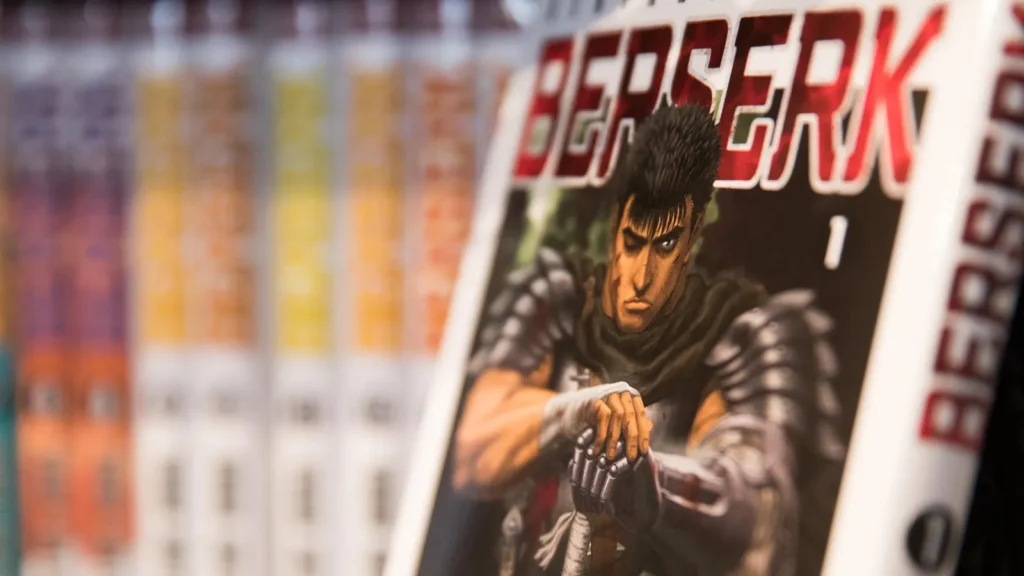
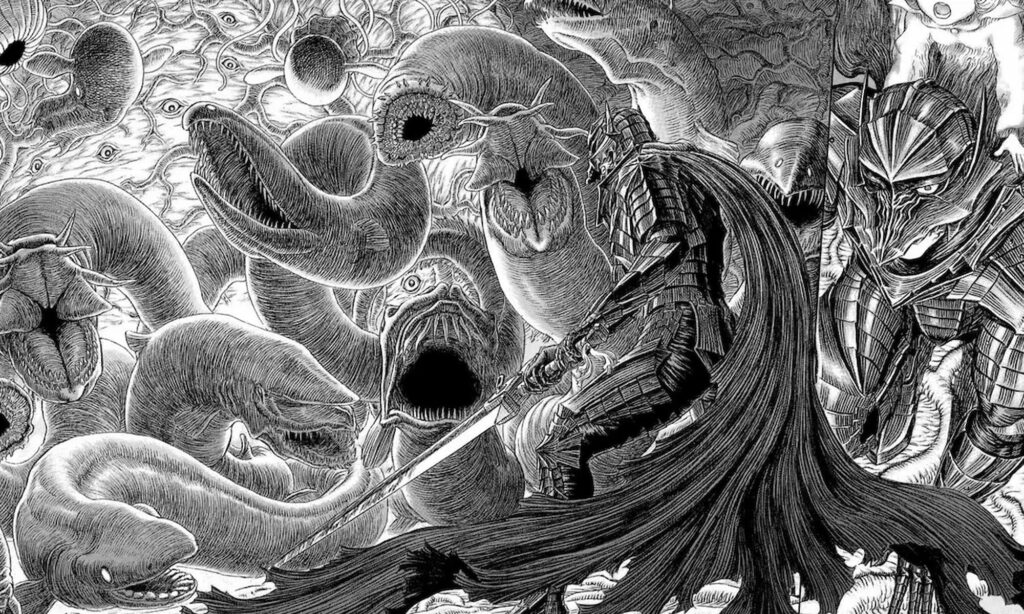
When it was announced that Kouji Mori, a fellow manga artist, along with Miura’s assistants, would be taking the helm from the original creator, the fandom was split in half, with much of the frustrated half of deciding to canonize the last chapter Miura wrote as the conclusion to the entire series, effectively deeming it as lost media on their own terms. The act serves as an extreme case of idealism, even if they believe it is being done to honor the legacy of the creator. To many, excluding the rest of the work, which is being written in compliance with notes the original writer left behind, could be seen as inconsiderate.
To the opposers of the replacement, the story just isn’t the same anymore. The new art style, coupled with the writing from Mori, has raised questions about whether or not the newer chapters are truly a continuation of the beloved series and not just an improvised compilation led by notes that fans might never get to see.
Hunter X Hunter (1998-), another popular manga series, which is equally as known for its intricate storytelling and relatable characters as it is for its long-term hiatuses in between chapters, has had similar treatment.
While the creator of the franchise, Yoshihiro Togashi, has had his work delayed due to health problems that hinder his working ability, he has attempted to return multiple times in the past only to once again go into hiatus shortly after teasing new manga panels via his (“X”) Twitter account.6
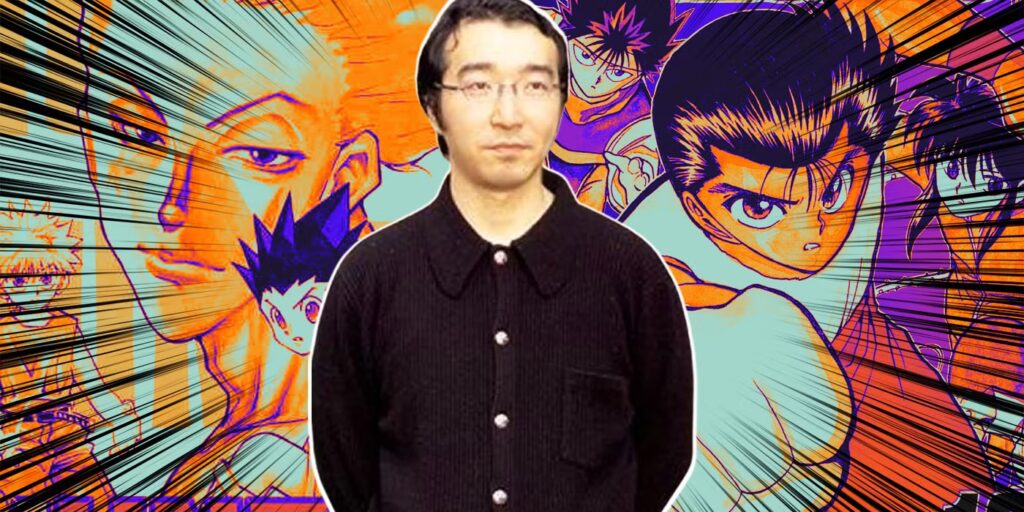
What “lost art” extremists, such as the aforementioned Berserk fans, should realize is that by mistreating other works, they run the risk of demoralizing artists who are struggling to finish their work.
There are many among the fan base who believe it would be the best course of action for the legendary mangaka to continue the series in novel form to put less of a strain on his health. But even still, some argue that a transition into prose would reframe the story as a whole, putting an emphasis on dialogue and drama more than the fights, which has become synonymous with the world he has built his success upon.
If the future of the manga were novelization, there might be another case of fans taking it upon themselves to label Hunter X Hunter yet another form of lost media in their own terms.
On the flip side, when Robert Jordan passed away in 2007, the conclusion to his best-selling franchise, The Wheel of Time, was left up in the air. The franchise had been going on for almost twenty years at the point of his death, and fans had to ponder what the future of the series would look like without the man who started it all.
Behind the scenes, however, Jordan held private talks with his wife before he died, instructing her to pick a writer she believed was fit to complete his work, which at the time was expected to wrap up with the next volume7. Before that, Jordan had reportedly considered having all hard drives containing the notes for the rest of the series crushed so that nobody could run the risk of tarnishing the legacy of his art. Had it not been for his thoughtfulness, the Wheel of Time could have been yet another piece of lost media.
The Power Of What Could Have Been
Lost media keeps pulling at fans because what’s missing is often more powerful than what exists. When a game, album, or project never gets finished or released, it never has to survive things like deadlines, bad reviews, and the gap between a great idea and a decent execution. Without a final product, there’s nothing to contradict the version fans build in their heads.
That’s why absence lets people project so much onto these works. The imagined Star Wars game, the rumored collab album, and other unfinished projects can all be exactly what each person wanted them to be because there’s no real version to prove them wrong. Unfinished works stay resistant to criticism for that reason. You can’t argue with the quality of a work when there’s nothing to point to.
Every single fandom is fascinated by a certain aspect or aspects of their community, and the feeling regarding lost media is no different. Lost media serves as a guessing game for what could have been and as an escape into idealization.
Footnotes
- Schreier, Jason. “Before It Was Cancelled, Star Wars 1313 Was Going To Be About Boba Fett.” Kotaku. 2013, April 4. ↩︎
- Bristout, Ralph. “A Timeline Of Kendrick Lamar And J. Cole’s Hopeful Joint Album.” Revolt. 2017, August 24. ↩︎
- Diep, Eric. “Kanye West & Kid Cudi Bring Out The Best In Each Other On Kids See Ghosts Album.” Billboard. June 8, 2018. ↩︎
- Maye, Wayne. “Revisting The Firm’s The Album.” Medium. 2024, June 24. ↩︎
- Valentine, Evan. “Berserk: What We Know About the Manga’s Posthumous Finale.” Comic Book. 2021, September 8. ↩︎
- Garza, Branson. “The True Reason Hunter X Hunter Stays On Hiatus Will Leave Fans Devastated.” Screen Rant. 2026, January 2. ↩︎
- Smith, Zack. “Brandon Sanderson Finishes Robert Jordan’s Bestselling Wheel Of Time Series With A Memory Of Light.” Indy. 2013, February 18. ↩︎