
Table of Contents Show
Many films in the nineteen-nineties were made with a message in mind. Though fun, they wanted the audience to take something important away from them. This was especially true for animated films. Beauty and the Beast (1991) was meant to teach children that you shouldn’t judge a book by its cover. Pocahontas (1995) was meant to show the effects of colonization.
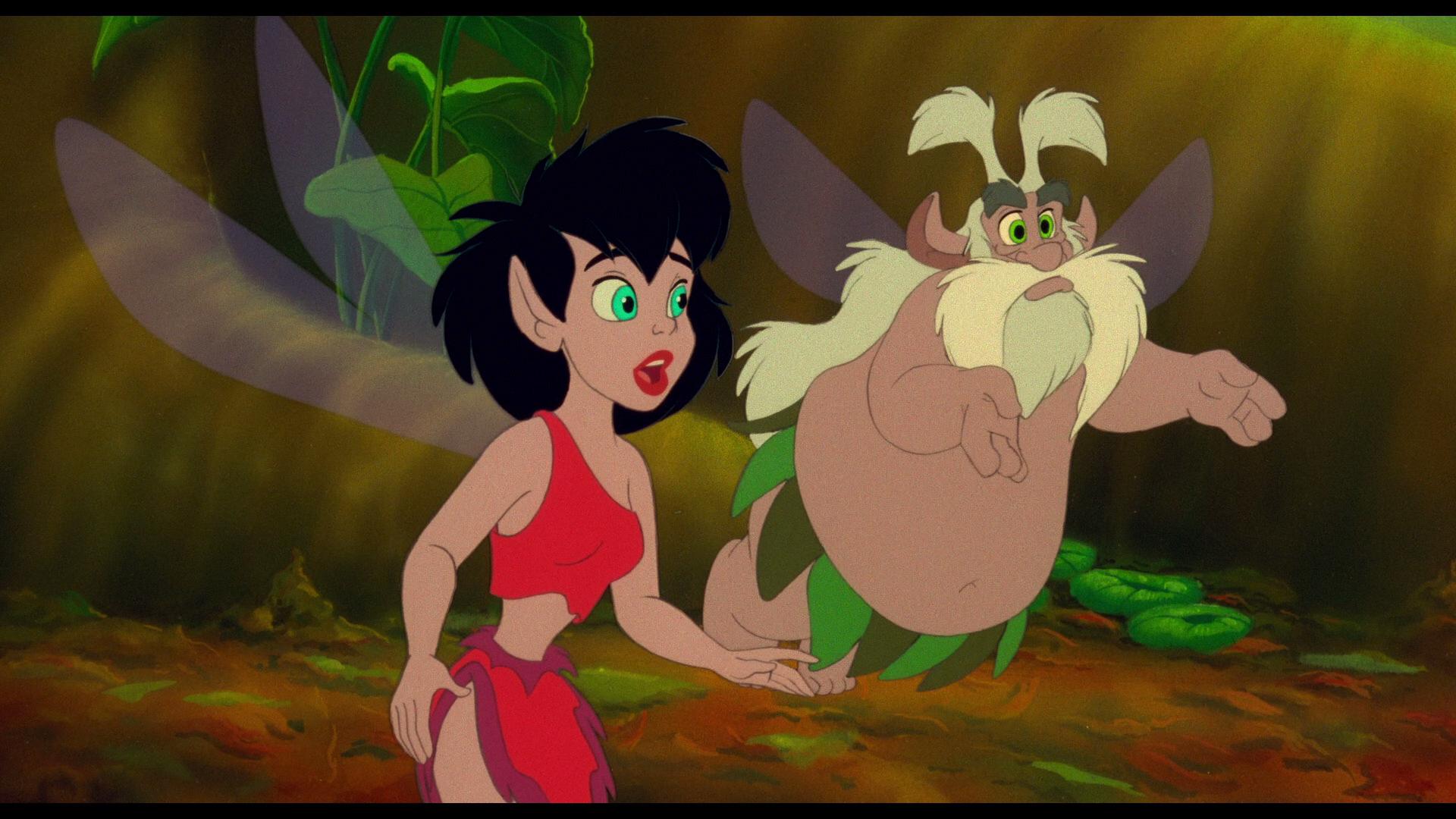
Perhaps one of the most memorable of these messages is that of Ferngully: The Last Rainforest (1992). Leaving a lasting impact, the movie allows an introduction into the realm of environmentalism.
The Environmental Message Of Ferngully
Ferngully: The Last Rainforest teaches children about the importance of the environment and how much of an impact their actions may have. The humans within the movie directly affect Ferngully with the many things that they do. They grind the rainforest to a pulp, abuse its animals, and leave behind pollution in their wake. Despite the heavy subject, its use of a whimsical art style and lovable characters makes its message more digestible.
One of the many things that the movie covers is animal testing. Animal testing has been a common practice dating back millennia.1 Animals to this day are used to test cosmetics, medications, and more! Even in academic settings, animals can be used to test various things. Though this may seem harmless, animal testing is anything but. Animals are injected with chemicals that would otherwise be applied topically. They are forced to ingest various products. This allows companies to know if their products are poisonous to humans when ingested, but at what cost? Animals are blinded, crippled, and killed in the name of science.2

The character Batty (Robin Williams) is a bat who has escaped from a laboratory. Throughout the film, the wires in his head mess with his brain, causing him to do impressions of humans that he has seen through film or during his testing. His mistreatment has given him a strong fear of humans.
Despite the brutality of his backstory, Batty is beloved by fans of the movie. His issues are cartoonish, allowing the audience to laugh and root for him rather than pity him. This lightheartedness keeps the movie from feeling heavy-handed and dull.
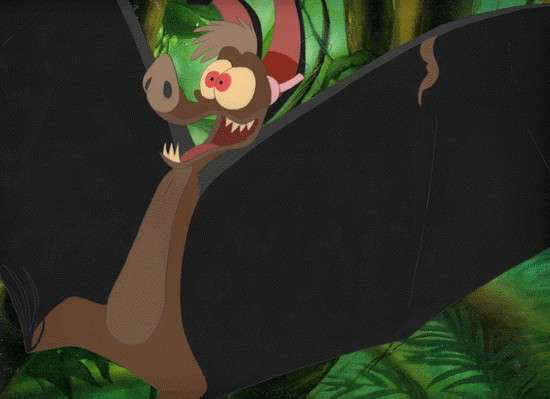
Kroyer, Bill, director. Ferngully: the Last Rainforest. Twentieth Century Fox, 1992.
Ferngully also teaches mindfulness and morals. Throughout the movie, Crysta (Samantha Mathis) stays strong with her morals by correcting those around her, being inquisitive, and trusting her intuition. Zak Young (Johnathan Ward) cuts his and her initials into a tree when they first meet. She stops him before he finishes this action, letting him know that his actions are harming the environment around him.
She also protects Zak from her friends when they want to test him, showing that despite his differences in opinion, she still cares for him. It is important to be kind to others while being firm in your beliefs. If not, it can steer people away from you and isolate you.
Humans Are The Real Threat In Ferngully
Within every issue of the movie lies a common denominator: human interference. The humans within this film are not mindful of how they may affect the world around them. They blindly follow orders from their corporation without considering the impact they are creating.
This is not unlike humans in our modern world. Many harmful actions are overlooked, as people believe that their actions will not produce any large-scale harm in the long run. This mentality causes environmental stressors to pile up and cause a significant amount of harm.

In the movie, Hexxus (Tim Curry) is trapped within an ancient tree. When Zak accidentally marks it to be cut, they do not consider the consequences of cutting down a tree that old. Rather, they put it into the grinder just like every other tree they come across. Old growth trees, similar to the one found in this scene, store much more carbon than their smaller, new growth counterparts are able to.3
Hexxus embodies the carbon stored within an ancient tree. The action of releasing that carbon into the atmosphere creates a large carbon footprint that is difficult to offset. As the movie progresses, the carbon footprint of the humans increases through their actions, leading to Hexxus increasing in power.

Every action of the humans within the movie has a reaction that they may not expect. It is only through education and experience that Zak and the other humans finally make a change and help the environment.
How Ferngully Encourages Environmental Action
It’s no secret that today’s world is full of polluters and environmental stressors. In the age of AI data centers, things can seem bleak. Though the world’s issues seem daunting, the small changes within our daily lives matter. The movie points its audience towards things that we can do in order to better the environment one step at a time.
One important way to make a change is to be mindful of animal testing. Many companies have been testing on animals without disclosing the information on their products, causing those who are not informed about animal testing to pick it up without a second thought. Others fake the certification, making them appear more animal-friendly than they actually are. This can trip up even the most mindful person. Below are common symbols that you can look out for when buying products.

Another way to make a change is by making yourself aware of your actions. Ferngully teaches through Zak’s action of cutting a name into a tree that even the smallest action can cause long-term harm. If everyone cut into a tree, it would become weak and scarred. Be mindful of what you do, and work to make your actions more beneficial to the world around you. Rather than throwing a cup out the window of your car, take the extra time to recycle. In fact, you can go even further by cleaning the ditch in front of your home. It may not seem like much, but every action makes a difference.
One of the biggest things that can be done to help in this day and age is to eradicate the use of AI. Though it seems like people’s chat logs and generated photos are harmless compared to the damage companies are doing, the truth is more frightening than you think. According to Zohar Barnett-Itzhaki, “AI’s global water footprint could reach between 4.2 and 6.6 billion cubic meters annually by 2027, with U.S. data centers alone projected to consume up to 280 billion liters per year by 2028.”4 This isn’t waste or saltwater either. To cool these machines, data centers need clean water that we use for drinking, irrigation, and more!
Additionally, these data centers are being built in rural areas that are heavily impacted by environmental change, with little opposition from their governments. This is in part because these towns tend to be poor and are easily bribed into letting these companies build there. It’s important to be up to date and knowledgeable about the impact that data centers may have not only on yourself, but on the environment around you. Not only should people reduce and eliminate their usage, but they also should educate those around them on the harmful nature of AI.
Why Ferngully’s Environmental Message Still Matters
Things seem bleak at times. Corporations make decisions with little regard for how they affect the people and environment around them. Even those who are more mindful than others cannot escape the pollution that comes from packaging and shipping items. A majority of pollution comes from things that our society needs to function.
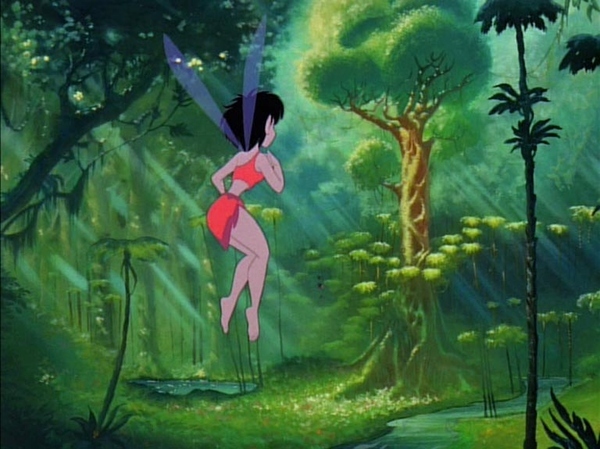
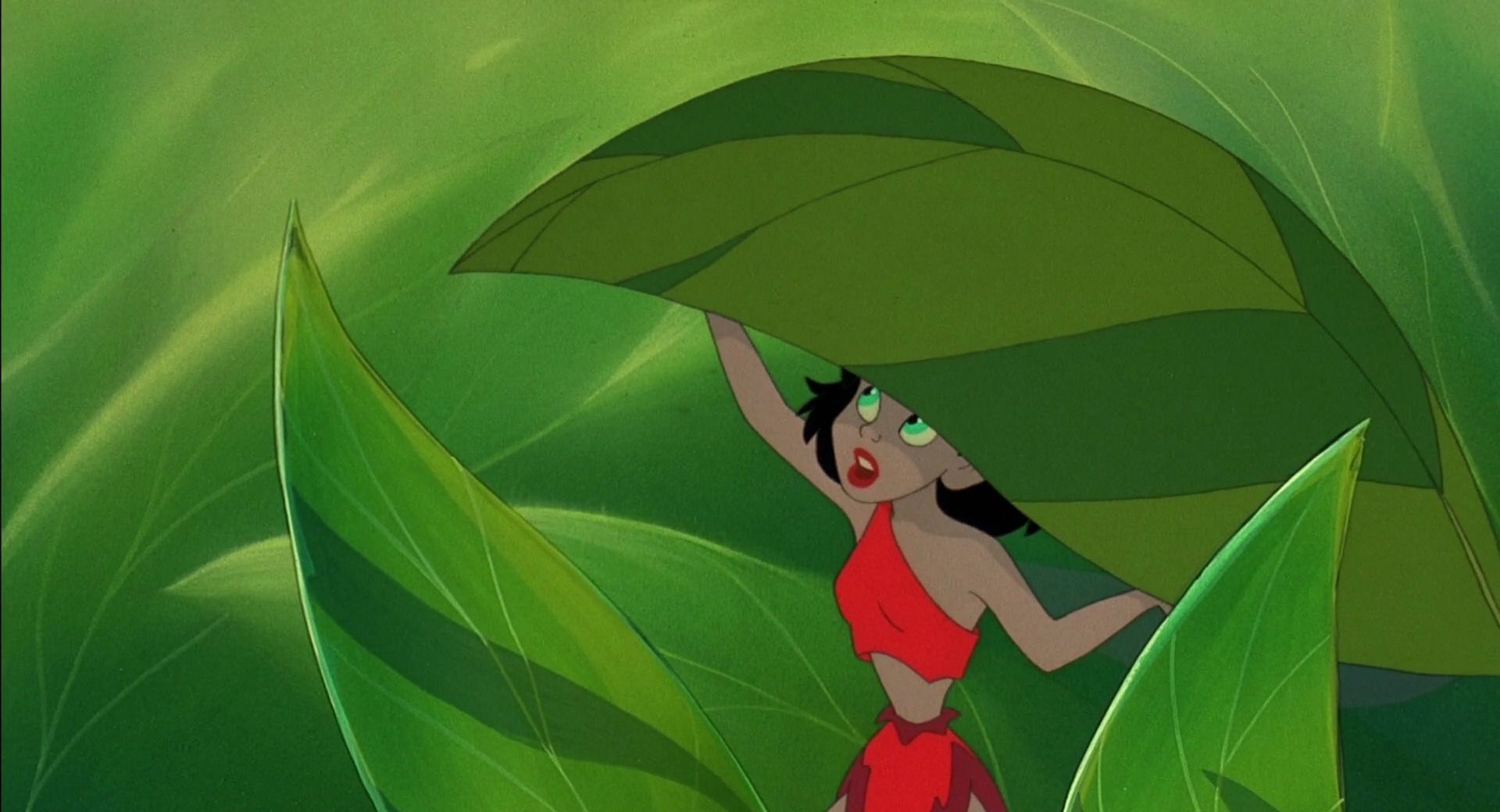
Kroyer, Bill, director. Ferngully: the Last Rainforest. Twentieth Century Fox, 1992.
Even so, Ferngully teaches us that the smallest of us are the ones who start the change within our world, and that we can all make a difference. The smallest individuals make a change in this movie, and so can the everyday small people around us.
Footnotes
- Young, Laura. How Did Animal Testing Start. 2025. ↩︎
- Anonymous. Animal Testing. 2026. ↩︎
- Anonymous. How Does Tree Age Affect Carbon Absorption Rates?. 2026 ↩︎
- Barnett-Itzhaki, Zohar. The water footprint of artificial intelligence: Emerging solutions and governance imperatives. 2026. ↩︎