
Table of Contents Show
The arrest of author Tori Woods for alleged CSAM content in her dark romance novel, Daddy’s Little Toy1, has reignited debates over the legal limits of fiction. At the intersection of literary expression, criminal liability, and public safety lies a deeply fraught tension: while concerns about censorship and artistic freedom are valid, they must be critically weighed against the potential for real-world harm — especially in genres that intentionally blur ethical boundaries.
‘From Fiction To Felony’ — The Legal Firestorm Surrounding Tori Woods
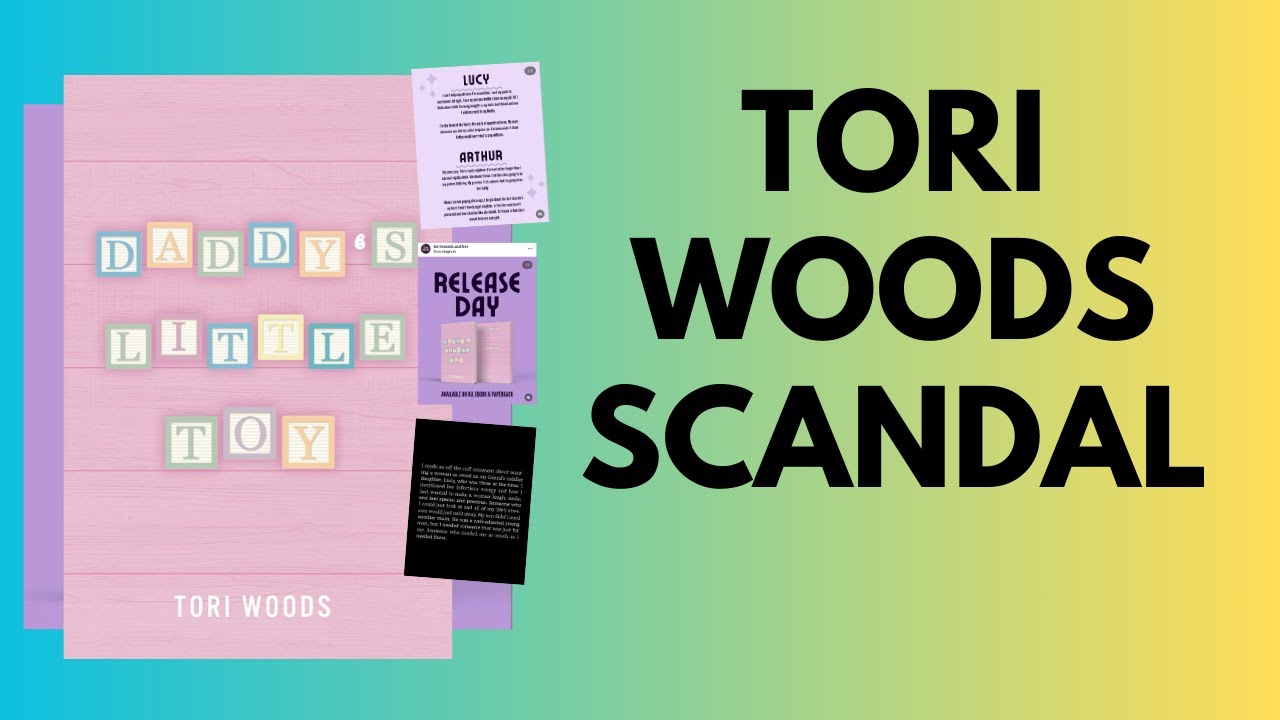
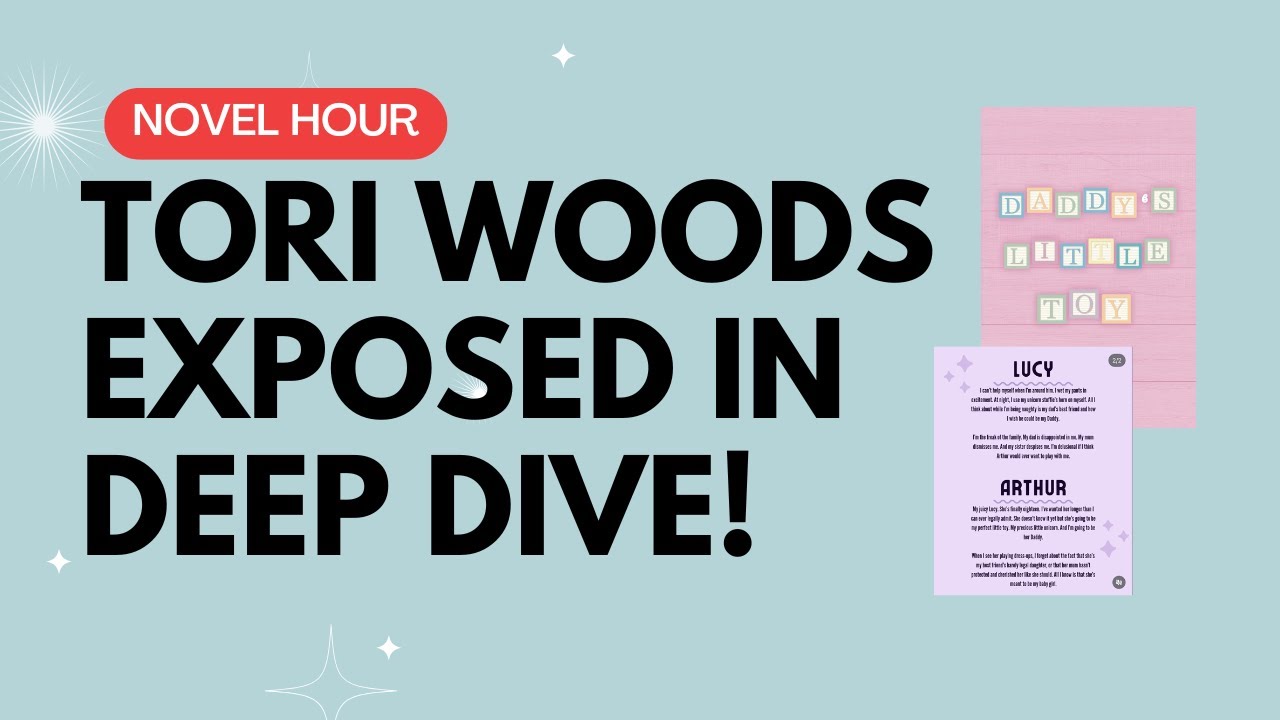
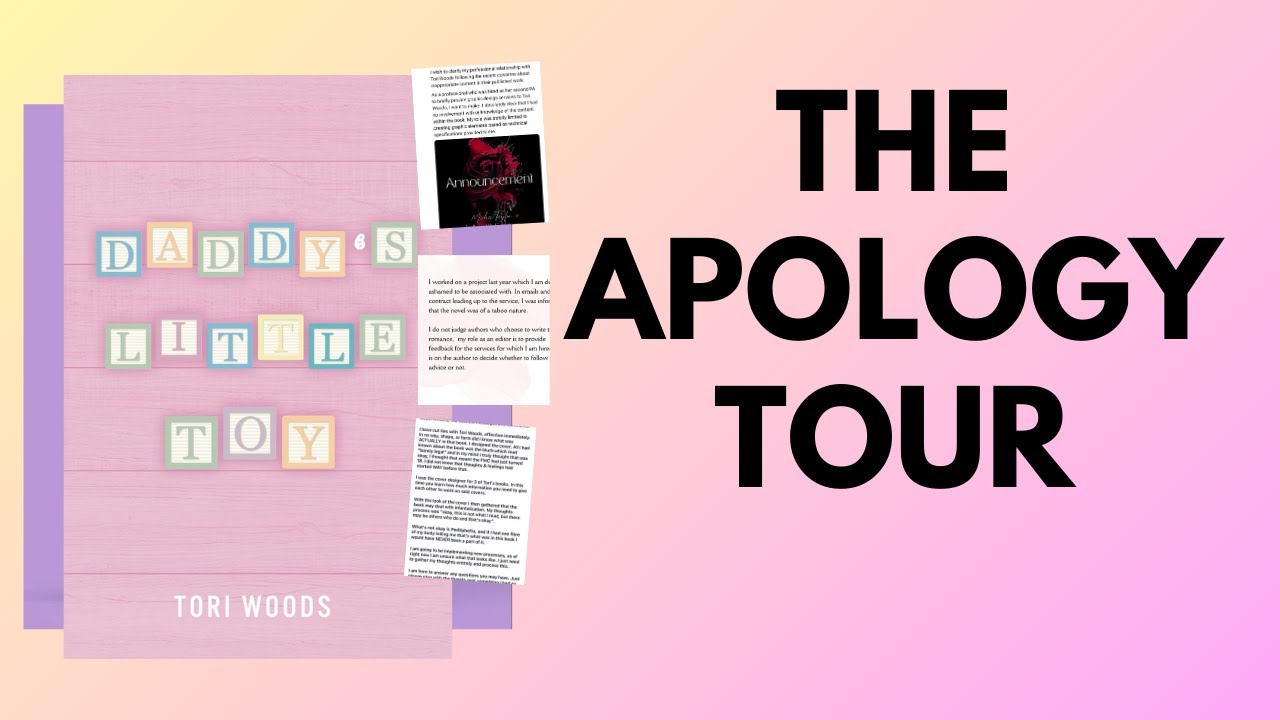
33-year-old Australian author Lauren Tesolin-Mastrosa, who has written several erotic fiction books under the pseudonym “Tori Woods,” has recently been arrested and charged with producing child sexual abuse material (CSAM) in her now-pulled novel Daddy’s Little Toy.

The book was pitched as a barely legal romance between 18-year-old Lucy and her father’s friend — a man who, disturbingly, had harbored feelings for her since she was three years old. Paired with a cover design that spelled out the title in colorful children’s toy blocks, the novel sparked intense backlash, with many accusing it of romanticizing pedophilia.
Before her book had been pulled and her social media accounts deleted, Tori Woods released a statement:
“I think there’s been a huge misunderstanding. DLT is DEFINITELY NOT promoting or inciting anything EVER to do with (child sexual abuse) or pedophilia.”2
Upon receiving reports that the novel contained CSAM, the New South Wales police decided to launch an investigation. When the police came to arrest the writer on Penn Street, Quakers Hill, several hard copies of the book were seized for forensic examination.
In mid-April, Tori Woods set out a bid to keep her identity concealed because of “undue distress and embarrassment and threats”3 as well as the nature of the charges being brought against her had been rejected by a judge.

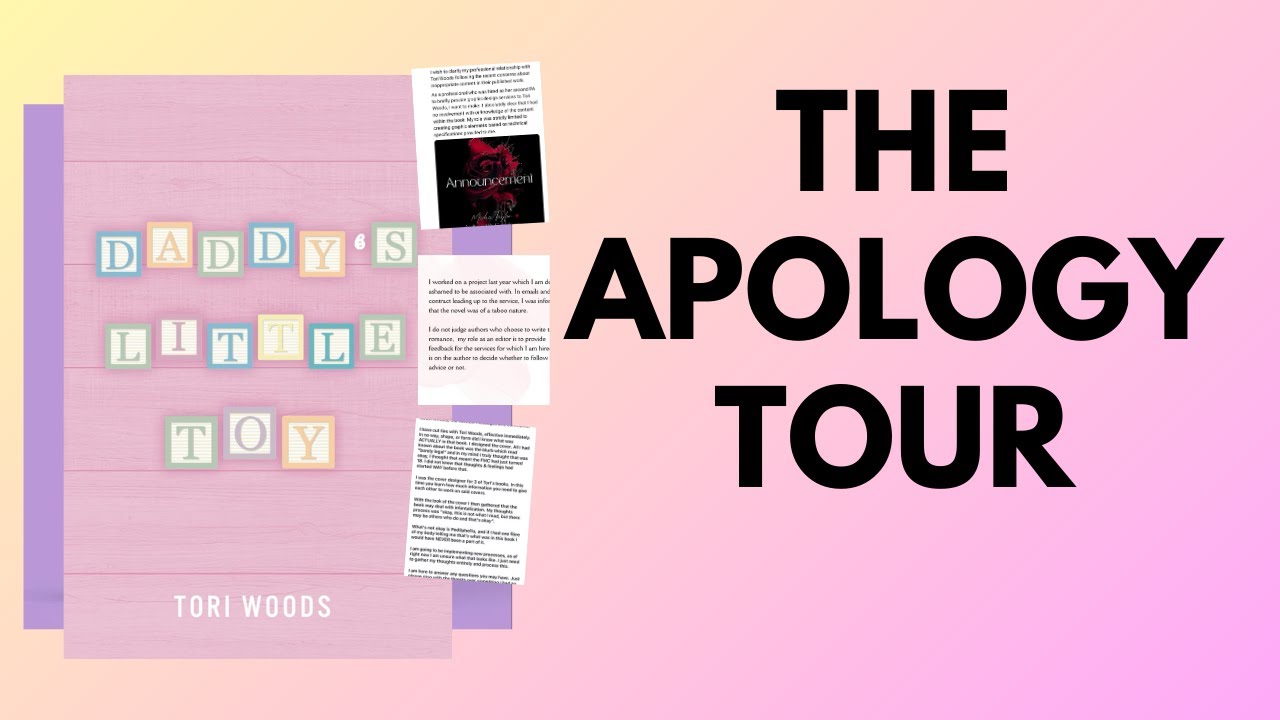
Her lawyer, Mickaela Mate, had argued that the case brought against her client was “completely different” compared to other child abuse allegations because there was no victim, stating:
“It is a fictional book where they [the characters] are consenting adults.”
Currently, Tori Woods is out on conditional bail and is scheduled to appear in court again on June 5th.4
‘Books On Trial’ — Legal Landmarks In The History Of Obscenity, Fiction, & Free Speech
The boundaries of free speech and obscenity have long been contested, especially in the American justice system, evolving through a series of landmark decisions and controversies.
Ulysses & The Foundations Of Modern Obscenity Law
The 1933 decision in United States v. One Book Called Ulysses marked a foundational moment in obscenity law. James Joyce’s novel, Ulysses, had been banned for its perceived obscenity, but federal Judge John M. Woolsey ruled that the book must be evaluated in its entirety and not judged by isolated passages.5
Woolsey emphasized that artistic and literary merit must be considered in obscenity cases, establishing a new framework that moved away from rigid Victorian standards. This ruling laid the groundwork for a more sophisticated, contextual approach to evaluating allegedly obscene material.6

Building upon this precedent, the Supreme Court in Roth v. United States (1957)7 articulated the first formal test for obscenity under the First Amendment. The Court held that while obscenity was not protected speech, material could only be deemed obscene if it appealed to the “prurient interest” of the average person, applying contemporary community standards, and was “utterly without redeeming social importance.”8
This decision attempted to balance moral concerns with freedom of expression by acknowledging that not all sexually explicit material was unprotected. However, its vague criteria left room for continued debate and legal uncertainty.
Community Standards & The “Miller Test”
A more refined standard emerged in Miller v. California (1973), which established the three-pronged “Miller test” still in use today.9 The Court ruled that for material to be considered obscene, it must:
- Appeal to the prurient interest according to average community standards,
- Depict sexual conduct in a patently offensive way as defined by state law, and —
- Lack serious literary, artistic, political, or scientific value.
Importantly, Miller returned greater discretion to local communities to define obscenity, a move that both empowered regional norms and introduced variability into constitutional protections, depending on location.
The decision underscored the Court’s effort to create clearer guidelines while still preserving First Amendment values.
When Instruction Becomes Incitement — The Case Of Hit Man
While Miller addressed broad societal standards, the controversy surrounding Hit Man: A Technical Manual for Independent Contractors in the 1990s brought the issue of intent and criminal facilitation into the legal spotlight.

After a man used the book to commit multiple murders, the victims’ families sued the publisher. In Rice v. Paladin Enterprises (1997), the court ruled that the book was not protected speech, as it intentionally provided explicit instructions for committing criminal acts.10
Unlike other free speech cases, this one focused on speech as a form of action, specifically, aiding and abetting murder. The ruling signaled that even under robust First Amendment protections, speech that directly incites or facilitates crime may fall outside constitutional boundaries.
Digital Bodies & Imaginary Crimes — The Ashcroft Decision
The Supreme Court revisited the limits of permissible expression in Ashcroft v. Free Speech Coalition (2002), this time in the context of virtual child pornography. The Court struck down provisions of the Child Pornography Prevention Act of 1996, which banned depictions that “appear to be” minors engaged in sexual conduct, even if no actual children were involved11.

The justices ruled that such provisions were overbroad and violated the First Amendment, as they criminalized lawful expression that did not meet the Miller standard for obscenity and did not involve the exploitation of real children. The ruling reaffirmed that government regulation of speech must be narrowly tailored and cannot be justified solely on moral grounds or speculative harm.
Global Echoes — International Censorship & Legal Resistance
Throughout the world, several landmark legal cases have emerged where fiction books played a pivotal role in shaping legal precedent, particularly in matters of obscenity, censorship, religious sentiment, and freedom of expression. In Canada, the case of Canada (Customs) v. Little Sisters Book and Art Emporium (2000) addressed the discriminatory censorship of LGBTQ+ erotic fiction and graphic novels by Canadian border authorities.
The Supreme Court of Canada found that customs officials had unfairly targeted the store and violated the constitutional right to freedom of expression.12 This ruling not only protected the import of controversial fictional works but also established clearer guidelines for evaluating literature under the Canadian Charter of Rights and Freedoms.

The Australian 1994 case of Director of Public Prosecutions v WRC created precedents for how obscene and graphic fiction was to be treated within the country. Though the case unfolded through administrative channels rather than the courts directly, it had legal weight. The Office of Film and Literature Classification ruled that the book American Psycho could only be sold in shrink-wrapped packaging and not in general retail outlets.13
The reasoning emphasized the novel’s extreme content, despite its literary merit. The case did not ban the book; it set a regulatory precedent for restricting access to fictional works deemed harmful or graphically violent, influencing how such books are evaluated under Australian law.
Between Fantasy & Fallout — Dark Romance And Its Discontents
Dark romance literature is a genre that intertwines romance with darkness. Its origins stem from exploring forbidden love, tragedy, and the complexities of the human condition.
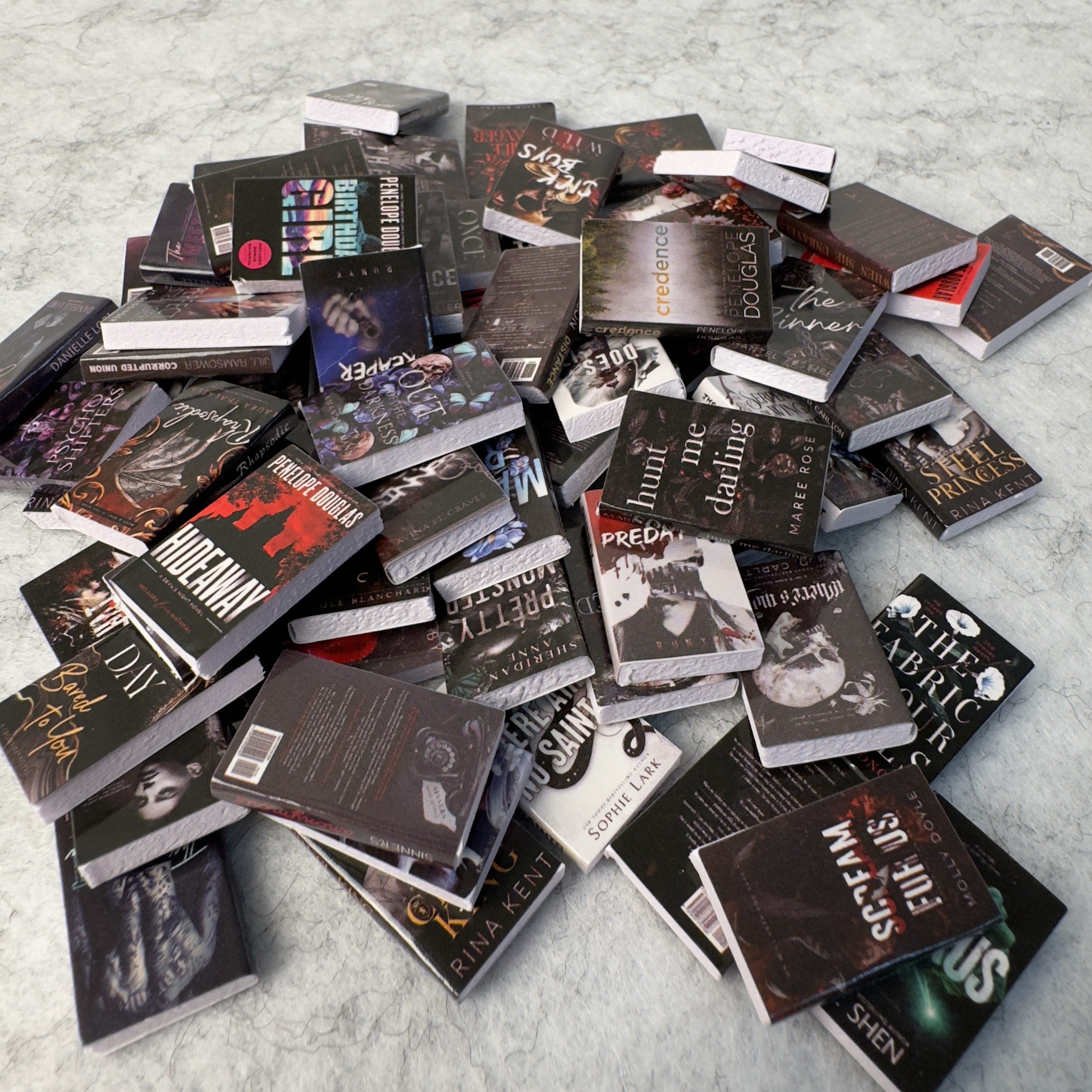
The genre itself challenges societal norms and the traditional perceptions of love by delving into the lives of morally ambiguous characters, introducing layers of depth and intrigue to their narratives. Before the BookTok Boom of 2020/2021, it had been synonymous with love interests willing to do anything for their loves, not to.
BookTok & The Rise Of Romance As A Publishing Powerhouse
Booktok, the reading community on TikTok, has shaped the publishing industry, with dedicated members playing a critical role in a book’s success, causing the romance genre to become one of the most profitable and popular literary genres within the US publishing industry.14 Dark romance is now known for occupying a contentious space within the broader landscape of romantic fiction, drawing both fervent admiration from fans and sharp criticism from its detractors.
At its core, the genre deliberately engages with themes such as coercion, rape, obsession, criminality, and emotional manipulation — narrative choices that challenge conventional ideas of healthy relationships. Readers of the genre argue that dark romance provides a safe psychological space to explore difficult or taboo topics, allowing readers to confront the darker aspects of desire and human behavior without real-world consequences.

However, detractors contend that the genre often blurs the line between consent and coercion, potentially normalizing harmful relationship dynamics under the guise of romantic tension. Those in support of the genre, such as Ana Huang, provided a statement:
“…fiction is a safe way to explore those fantasies and experience these visceral emotions without them actually being in danger.”15
But exactly how true is this sentiment? The repetitive exposure to violence through entertainment, specifically digital media, shows an increase in violent behavior from views, as well as the risk of desensitization to violence through continuous exposure.
Active consumption of dark romance can alter a person’s perception and behavior, and can happen even if the reader does not actively romanticize the content that they’re consuming.16
When Escapism Blurs The Line Between Love & Abuse
Dark romance often serves as a form of escapism for readers — but sometimes, that escape comes at the cost of blurring the line between love and abuse. Within these stories, toxic behaviors like rage, obsession, jealousy, emotional manipulation, and control are frequently framed as expressions of deep passion.
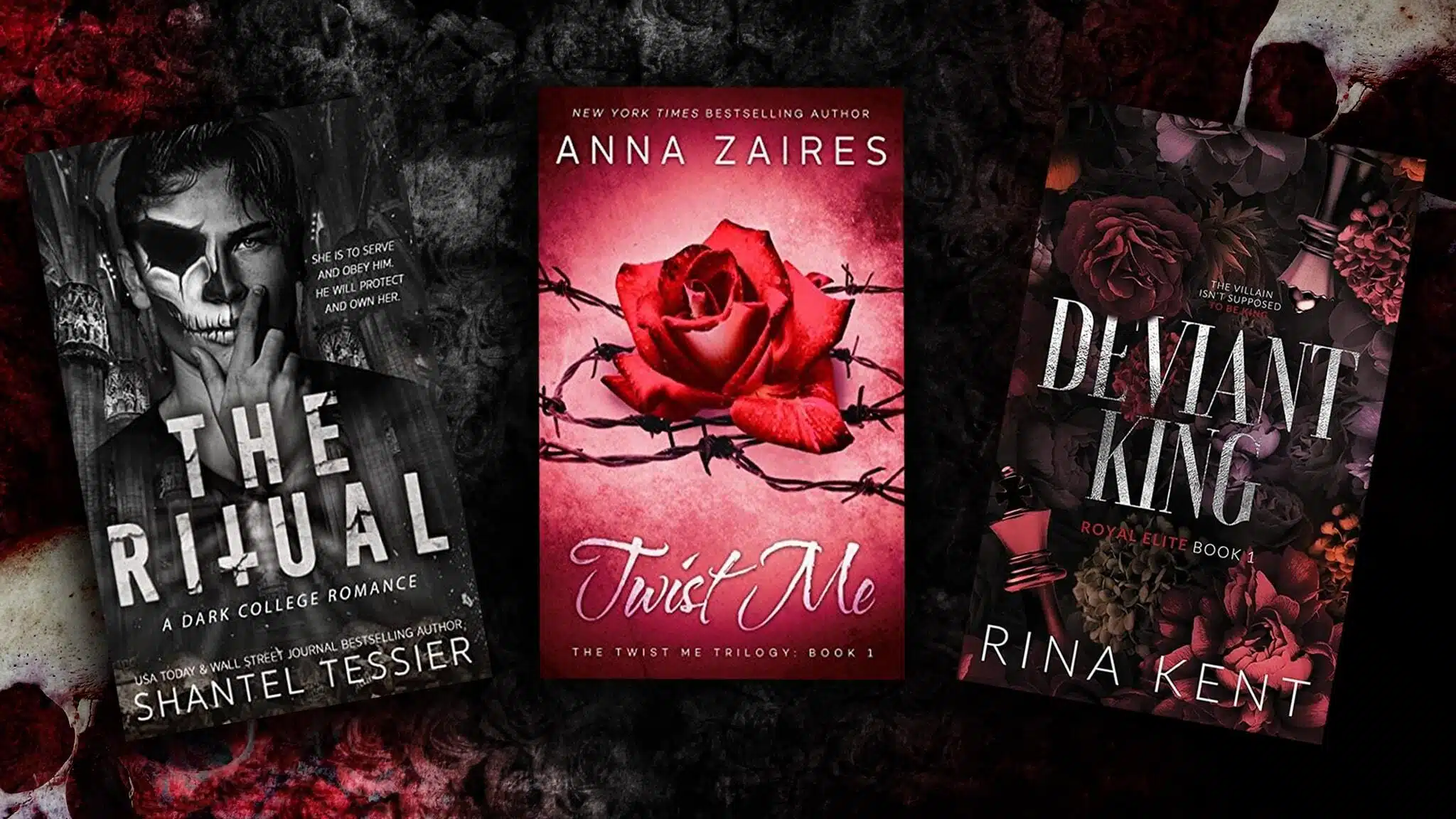
The danger lies in how these portrayals can subtly influence readers’ understanding of what love should look like. Over time, these narratives may begin to shape women’s expectations in real life, normalizing unhealthy dynamics under the guise of intensity and romance.
Where Fiction Ends And Responsibility Begins — The Next Chapter Of Dark Literature
Speculating on the future of dark fiction and literary accountability draws us into provocative terrain — especially as courts, technology, and cultural norms wrestle with where the line between fiction and harm lies.
The foundational U.S. obscenity standard, established in Miller v. California (1973), allows for the restriction of material deemed to appeal to prurient interests, depict sexual conduct offensively, and lack serious artistic, literary, political, or scientific value.

Although most dark fiction avoids classification as obscene due to its inherent literary merit, the subjectivity of “community standards” leaves room for interpretation — particularly in cases involving graphic violence or sexual content. Rather than court rulings, however, content moderation by digital platforms and publishers may become the dominant force in determining what can be published or promoted.
This dynamic is especially relevant as dark fiction continues to explore boundary-pushing narratives in self-publishing or fan fiction spaces. Looking ahead, the blending of realistic detail and digital dissemination may heighten the legal vulnerability of certain forms of dark fiction. Authors may preemptively include legal disclaimers asserting the fictional nature of their work, not merely as a formality, but as a protective measure.

Platforms may introduce algorithmic filters or editorial oversight to identify material that appears too instructive or potentially criminal. In an age where fiction can inspire real-world behavior, courts may even consider a novel’s content or marketing as evidence of influence, particularly in cases involving vulnerable or unstable individuals.
While the legal threshold for culpability remains high — intent and direct causation must be proven — this threshold may be tested in future legal battles, especially as cultural sensitivities shift and technology evolves.

Ultimately, dark fiction is unlikely to be stifled wholesale by obscenity or criminal law. Yet the increasing demand for literary accountability, coupled with evolving legal interpretations, may require writers, publishers, and platforms to navigate not only ethical boundaries but also legal gray areas.
As fiction continues to probe the darkest aspects of human nature, it may be compelled to contend not with public opinion, but with questions of legal responsibility, in ways previously reserved for nonfiction or journalism.
Blurring Boundaries — Why Dark Romance Still Matters
The tension between fantasy and ethics lies at the heart of the dark romance debate, casting the genre as more than just emotionally charged escapism. Its growing popularity suggests a deeper cultural shift — one where readers increasingly gravitate toward stories that resist moral absolutes and instead lean into emotional complexity.
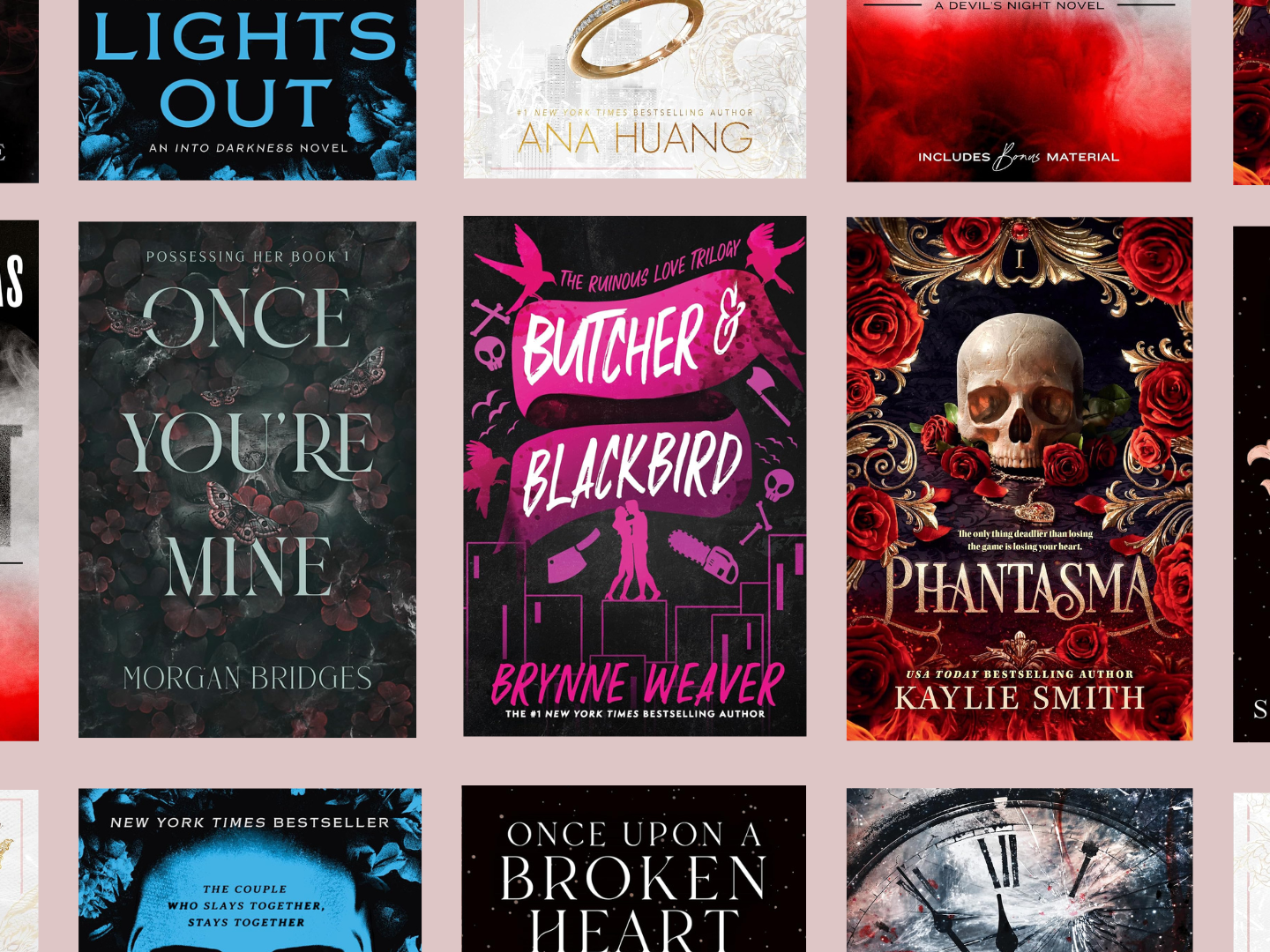
Far from being a fringe genre, dark romance now occupies a space that is intellectually, culturally, and even ethically significant, inviting ongoing questions about desire, agency, and the stories we choose to consume.
Footnotes
- Reddit – The heart of the internet. (2025). Reddit. ↩︎
- Longmire, Becca. “Author Facing Child Abuse Material Charges, Pedophilia Claims Amid Criticism Over Book Titled Daddy’s Little Toy: Report.” People.com, 24 Mar. 2025, people.com/author-facing-child-abuse-material-charges-pedophilia-claims-book-daddys-little-toy-report-11701982. ↩︎
- Beazley, Jordyn. “Sydney Author Loses Bid to Conceal Identity Amid Charges Erotica Novel Contains Child Abuse Material.” The Guardian, 16 Apr. 2025, www.theguardian.com/australia-news/2025/apr/16/sydney-woman-pleads-not-guilty-to-charges-that-erotica-novel-contains-child-abuse-material-ntwnfb. ↩︎
- News. (2025, March 25). Erotic fiction author arrested over disturbing “pedophilia” book featuring adult’s perverted thoughts about 3-year-old. New York Post. ↩︎
- Obscenity Case Files: United States V. One Book Called “Ulysses” – Comic Book Legal Defense Fund. cbldf.org/about-us/case-files/obscenity-case-files/obscenity-case-files-united-states-v-one-book-called-ulysses. ↩︎
- Miller v. California (1973). (2025, April 7). The Free Speech Center. ↩︎
- Roth v. United States, 354 U.S. 476 (1957). (2025). Justia Law. ↩︎
- “Roth v. United States.” Oyez, www.oyez.org/cases/1956/582. Accessed 17 Apr. 2025. ↩︎
- “Miller v. California.” Oyez, www.oyez.org/cases/1971/70-73. Accessed 17 Apr. 2025. ↩︎
- “‘Hitman’ Decision a Landmark Battle.” Society of Professional Journalists, www.spj.org/hitman-decision-a-landmark-battle. ↩︎
- “Ashcroft v Free Coalition.” Oyez, https://www.oyez.org/cases/2001/00-795 ↩︎
- LEAF. “Little Sisters Book and Art Emporium Et Al. V. Minister of Justice Et Al. (2000) – LEAF.” LEAF, 15 Nov. 2021, www.leaf.ca/case_summary/little-sisters-2000. ↩︎
- Flood, Alison. “American Psycho Pulled From Shelves by Police in Australia.” The Guardian, 20 Sept. 2017, www.theguardian.com/books/2015/jul/20/american-psycho-pulled-police-australia. ↩︎
- Arnone, Chris M. “The Most Popular Book Genres Right Now.” BOOK RIOT, 5 July 2024, bookriot.com/the-most-popular-book-genres. ↩︎
- “These Authors Are Putting the Dark in Dark Romance.” WUSF, 17 Feb. 2023, www.wusf.org/2023-02-17/these-authors-are-putting-the-dark-in-dark-romance. ↩︎
- Bonomi et al. “Fiction or Not? Fifty Shades Is Associated With Health Risks in Adolescent and Young Adult Females.” Journal of Women S Health, vol. 23, no. 9, Aug. 2014, pp. 720–28. https://doi.org/10.1089/jwh.2014.4782. ↩︎