

Table of Contents Show
Fruits Basket (both the 2001 anime and the 1998-2006 manga series) was groundbreaking in the early 2000s American anime culture. It was the first introduction to anime for many women and girls, and it served as an introduction to the world of shojo for boys. It remains a beloved classic to this day (hence the 2019 reboot)1, and like many shoujo manga, it also includes various forms of queerness.
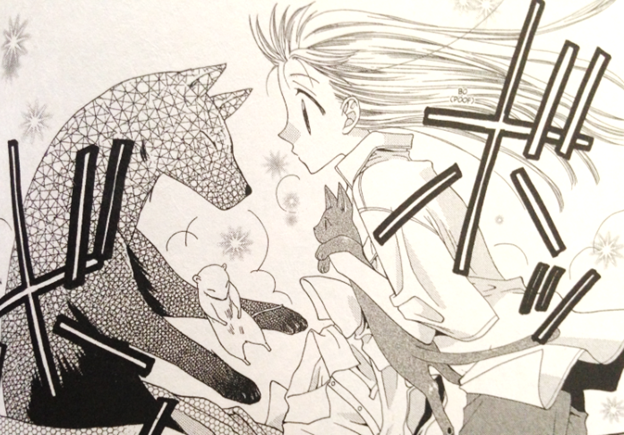
Fruits Basket is a manga by Natsuki Takaya, which revolves around Tohru Honda, a girl who shares a home with three guys: Shigure, Yuki, and Kyo Sohma. These boys happen to be cursed to transform into animals from the legend of the Chinese Zodiac when embraced by a member of the opposite sex or when they are extremely weak (Shigure the Dog, Yuki the Rat, and Kyo, the Cat, who was excluded from the Zodiac).
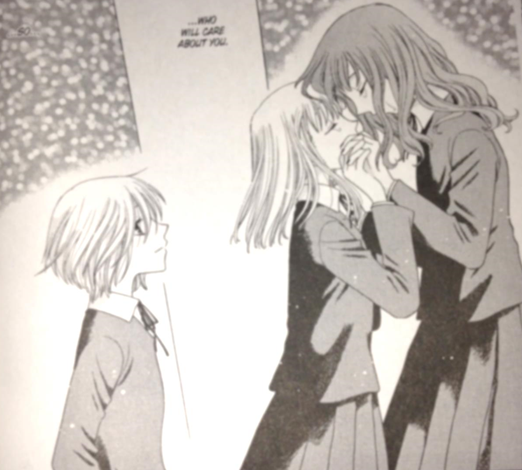
Hijinks understandably ensue, but as the story goes on, the focus shifts from accidental transformations to exploring the Members of the Zodiac as characters.2 The anecdote touches on themes of grief and trauma, ultimately leading to breaking the curse that traps them in a cycle of abuse.
Fruits Basket (1998-2006) — The Quiet Queerness Beneath The Surface
While Fruits Basket was textually very heteronormative, thematically, it is resoundingly queer. Queerness is inherent in the Curse, and as a result, the Members of the Zodiac gradually find community with each other — and that unconditional love and community is what breaks the Curse.
The Queer Allegory At The Core Of The Curse
On a purely literal level, the Curse necessitates queerness because it prevents Members of the Zodiac from having “normal” heterosexual relationships, even with parents and non-Zodiac relatives. Although one might suppose there would be many people who wouldn’t mind their friend turning into a cuddly critter (even with the ensuing naked re-transformation), the Sohma family has always treated this as a dark secret.
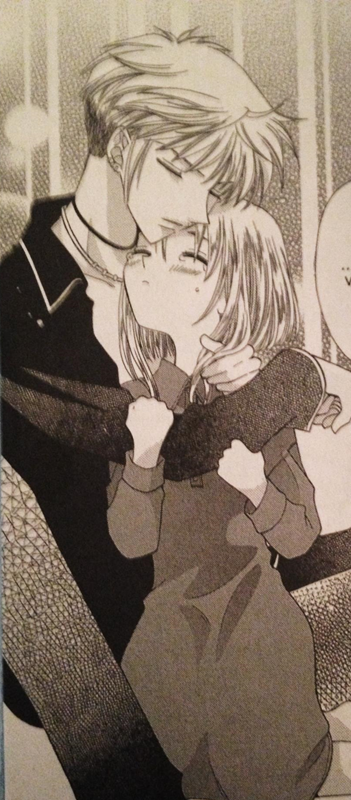
They teach the Members of the Zodiac that they would inevitably be shunned as “disgusting” if it got out, very similar to attitudes toward queerness (particularly in religious families).
They are often othered and bullied, partly because they’re forced to act differently, but also because many of them have unusual hair colors (ranging from white with black roots to more believable colors like blonde or red), which particularly stands out in such a homogenous society as Japan.
This does become a more problematic parallel when one takes into account the fact that the vast majority of their families are dysfunctional at best, and utterly broken at worst. Three families completely abandon their children, despite a presumably sizable stipend for taking care of one of the Members of the Zodiac.
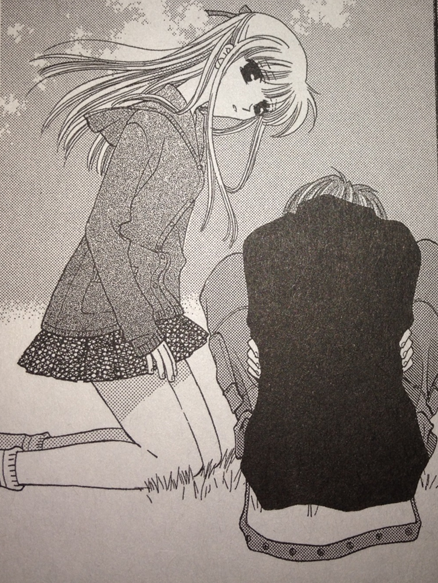
However, that is also a huge element of the appeal: seeing kids with lousy home lives learn and grow in community with each other. They are so othered by society, and have such bizarre lives, that they’re often tempted to doubt their humanity (because so many people around them do).
I don’t think being weak is a good thing, but getting strong isn’t the answer either. Sometimes you hear society is built on “survival of the fittest,” but we’re not animals. We’re human.3
Yuki Sohma
This plea for humanity from people who are different is the heart of Fruits Basket. It is a story about fostering love and empathy in a world that is often quick to dehumanize the other.
“Messy But Meaningful” — Queer Representation In Fruits Basket
Fruits Basket came out in the late 90s and early 2000s, and as such, it reflected a queerphobic society. Gay love (and queerness in general) is constantly played off as a joke, even when a character is acting serious about it.
The story centers on a heteronormative worldview, but within that framework, there were still a surprising number of canonically queer characters. Said queerness manifests as bisexuality and gender-nonconformity.
(This will only be an overview of some prominent examples of queer representation, not a comprehensive account of every queer character.)
The (Depraved?) Bisexuals
Due to the nature of the Curse, heterosexual relationships with people outside the Zodiac are difficult, and due to Akito’s meddling, heterosexual relationships within the Zodiac are all but forbidden (for everyone except herself, naturally).
Akito seems to overlook the gay relationships that arise in the Zodiac, though (that, or she just can’t control Shigure), so a few of them take advantage of that loophole. And yes, since they’re all from the same family, that means all of the Zodiac Members are related (they refer to one another as “cousins,” although it’s unclear if any of them are first cousins or otherwise closely related, aside from siblings).
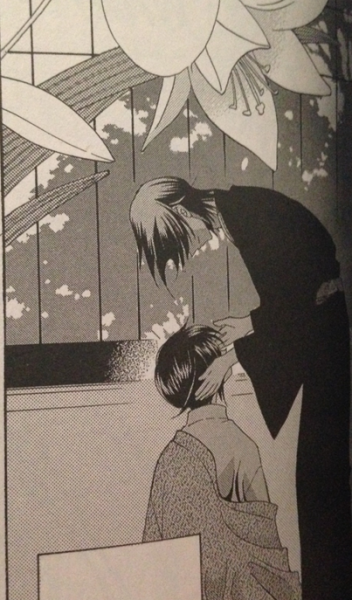
Shigure and Haru are the most relevant examples, ones that exemplify Takaya’s attitude toward bisexuality. Shigure seems to lean into the “depraved bisexual” trope4, a man who will seemingly sleep with anyone he can (even if he’s limited by the Curse), but his relationship with Ayame gets the most focus; notably, his relationship with Akito is similarly perceived by the reader as gay until Akito’s gender is revealed at the end of the second act.
Haru similarly seems to go both ways, although he’s only in middle school at the beginning of the series. He harbors a crush on Yuki when they’re young, but as Yuki is not interested, he doesn’t pursue it further.

While Haru is one of the more well-adjusted characters, in general, he has a “split personality.” When he gets upset and turns “black,” he releases all inhibitions and harasses both Yuki and Tohru. He is also the only one of the teen boys who has sex in the series (with his girlfriend Rin), despite being a year younger than the main cast.
These two combined paint an unfortunate picture of bisexuals just wanting sex all the time, and also having dubious moral character — Haru has his “black” personality, and Shigure self-identifies as “the worst kind of man.”
The Gender-Nonconformists
These masculine characters run the gamut from simply wearing cutesier clothes to almost exclusively wearing women’s clothing: Ayame, Momiji, and Ritsu.
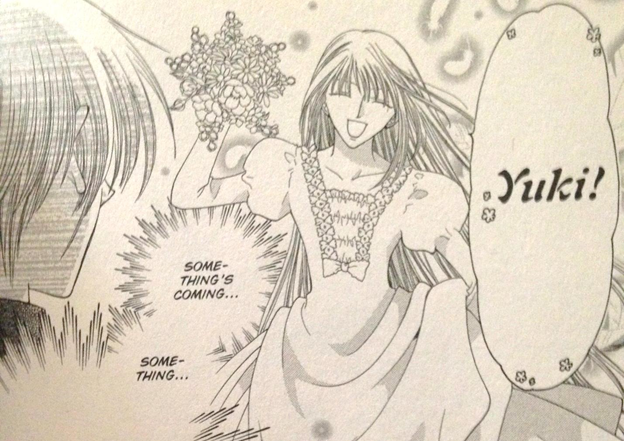
While Yuki cross-dresses on one occasion, he’s clearly uncomfortable with it, whereas these are characters who regularly choose to wear feminine clothes because they like it.
Ayame
First, we have Ayame, who is technically bi but is consistently written as gay. Though, at the end of the story, he happens to end up with a woman due to compulsory heterosexuality. He broadcasts his interest in boys as a high schooler (although it’s never clear whether or not he pursues any relationships beyond Shigure). He also turns down a girl who confesses her love to him, and is stereotypically flamboyant.
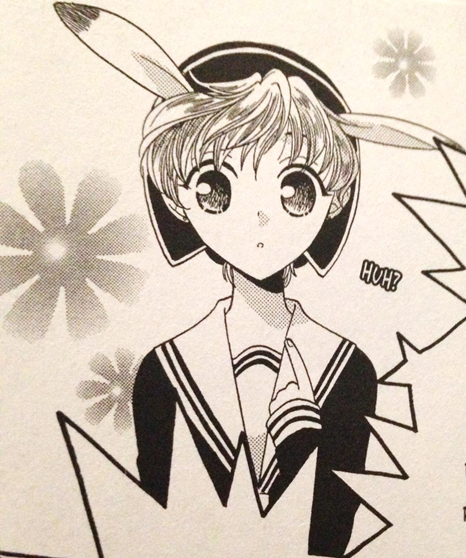
He goes on to start a shop making dresses (and other outfits that cater to “men’s fantasies”), where he does indeed meet a woman that he loves (presumably due to their shared love of fashion). While he rarely wears Western-style dresses, he often dons Chinese robes, and when he’s not wearing one of those, he has an assortment of frilly blouses.
He is easily the most well-adjusted adult in the Zodiac, despite being something of an acquired taste. However, it is also implied that he only managed to improve through the influence of his girlfriend, leaning into the common theme that he would never be complete without a woman in his life.
Momiji
Momiji is a more subdued example, mainly because he never wears skirts (he wears shorts with the girls’ uniform), but his main focus is on looking cute, and if he has to wear girls’ clothes to achieve that effect, so be it.
His main goal is to appear young, presumably because he doesn’t hit puberty until around fifteen, and he wants to enjoy his childhood as long as possible. Despite his family being torn apart by the spirit of the Rabbit, he embraces it wholeheartedly, transformations and all. He seems to be perfectly straight, but his situation is nevertheless relatable to many gay kids.
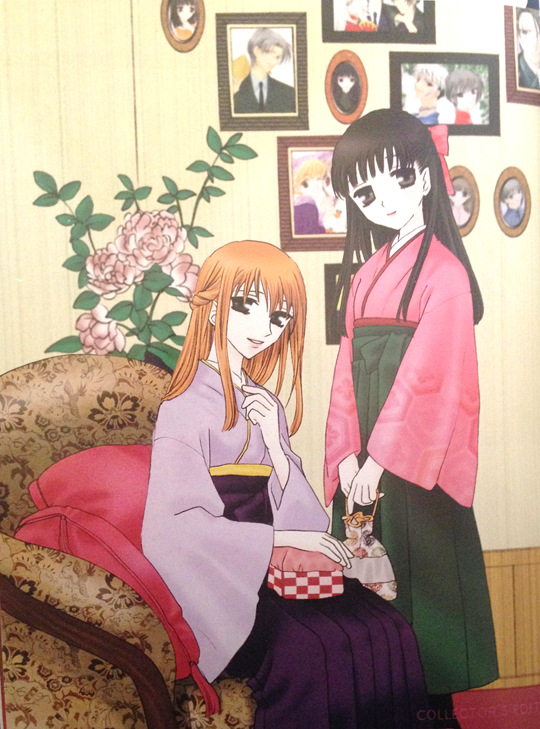
He falls in love with Tohru, but she never even considers him as a romantic option because she doesn’t see him as a “man” she could be attracted to.
Ritsu
Finally, there’s Ritsu. At first glance, they seem to be a trans woman, but the truth is something more nebulous, whether due to Takaya’s ignorance or not.
Typically, in manga and anime, trans people are said to have “the heart” of someone of the opposite sex, but that sort of language is never used with regard to Ritsu; they simply find dressing and presenting as a woman comfortable.
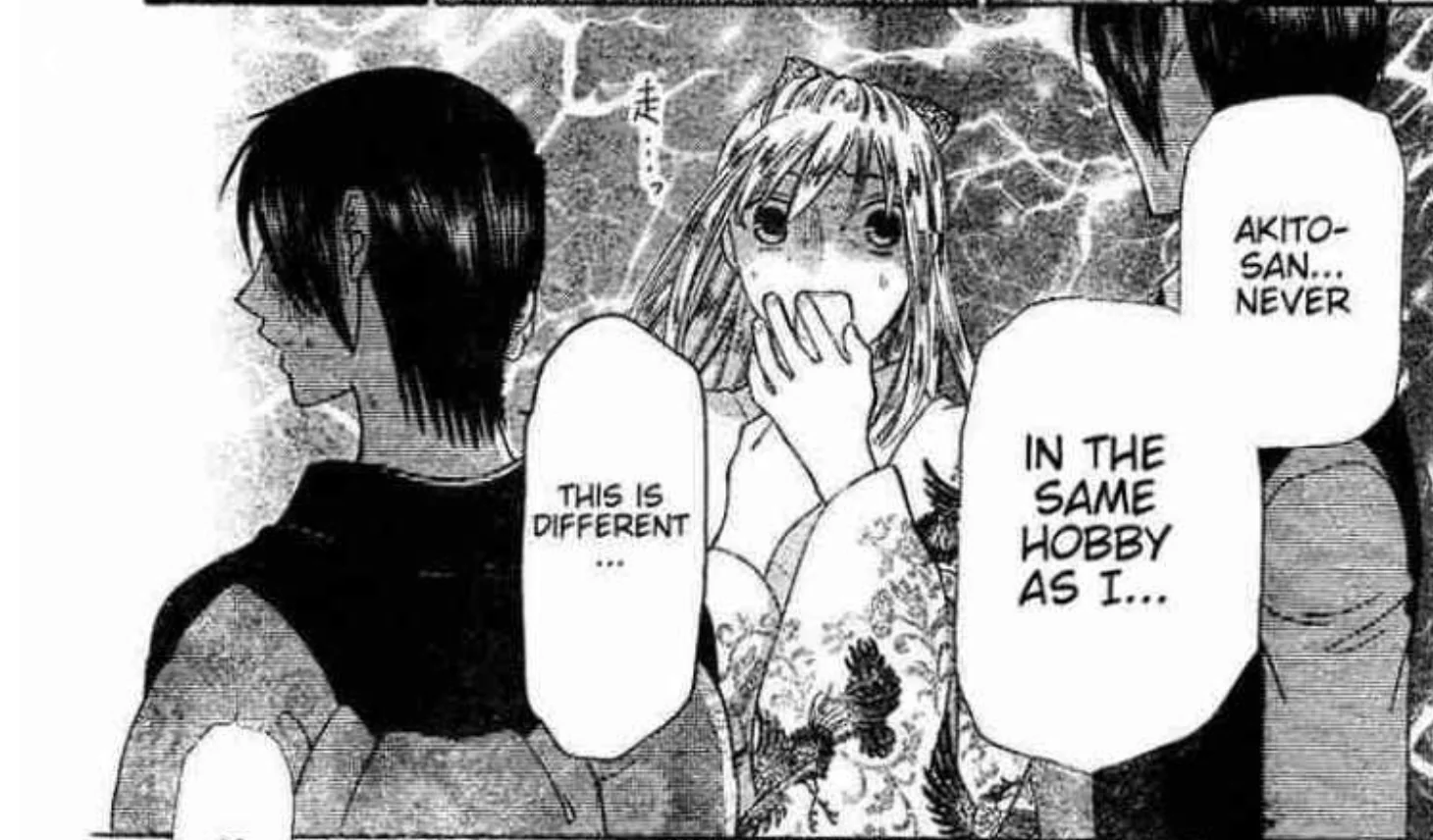
They explicitly call it a “hobby” at one point, and at the end of the series (after the Curse is broken), they appear to put away all their women’s clothing and commit to presenting as a man.
The implication that all this “gender confusion” was caused by the Curse unfortunately feeds into the narrative that trans people are just mentally ill (or worse, that “transgenderism” itself is an illness).

The issue with Ritsu’s characterization is only exacerbated because they’re the Member of the Zodiac with easily the least screen time; Takaya seemed to only bring Ritsu in to make a joke (even if it wasn’t always at their expense).
Ultimately, it’s mostly just lazy writing, which stands out as especially appalling considering how good and nuanced the writing is for most of the other characters.
Akito
The most controversial character in the series, who is not canonically queer but resonates with queer audiences nonetheless, is Akito, Head of the Sohma clan and God of the Zodiac. Akito was assigned female at birth, but thanks to meddling from her mother, she was raised and presented as male to most of the world.
The abuse she received from her mother (combined with the traumatic loss of her father at a young age) made her grow up to be an abusive tyrant, making life as miserable for the Members of the Zodiac as she was herself.
She is presented as the main antagonist for much of the story, but when her true gender is revealed, we get a clearer look at her life — not so much excusing her actions as explaining them.
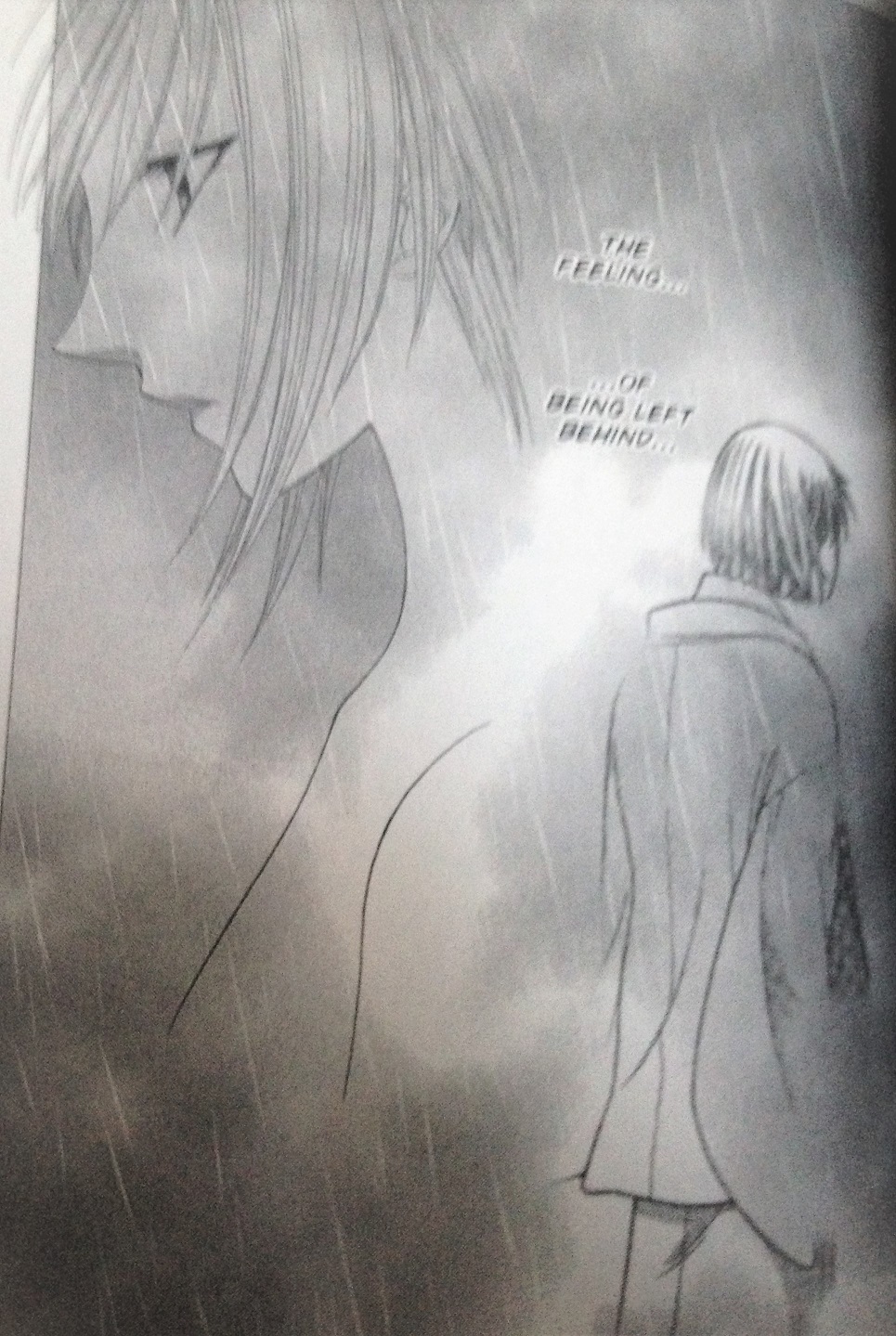
She is, effectively, an allegory for a trans woman. She is raised as a boy because her mother said she must be, but it gets harder and harder for Akito to maintain that facade of masculinity when all she wants is to be a woman. At the very end, with encouragement from Tohru, she finally “comes out” and is able to live as her true self.
While she deeply hurts the majority of the cast, she is never a one-dimensional character, and thus, many queer (particularly trans) people are able to relate to her struggle for identity. The fact that this was a seemingly accidental representation, that she was only intended to be a complex female character, makes it an excellent representation of a flawed “trans” character.
“Building A Queer Community” — Tohru
Into this mess steps Tohru, reeling from the death of her single mother and open to forming a new family. She’s already built a tight-knit “queer” community (in the more archaic sense, that is, “odd”). It consists of her friends: Arisa Uotani (an ex-delinquent), Saki Hanajima (a goth psychic), and Tohru herself, who was simply “odd” and looks at the world differently.
When she meets the Sohmas, she immediately sympathizes with their situation, extending compassion and seeking to understand every one of them, looking for their good points even when they don’t see them in themselves. And with consistent effort, the Members of the Zodiac find family in Tohru and each other.
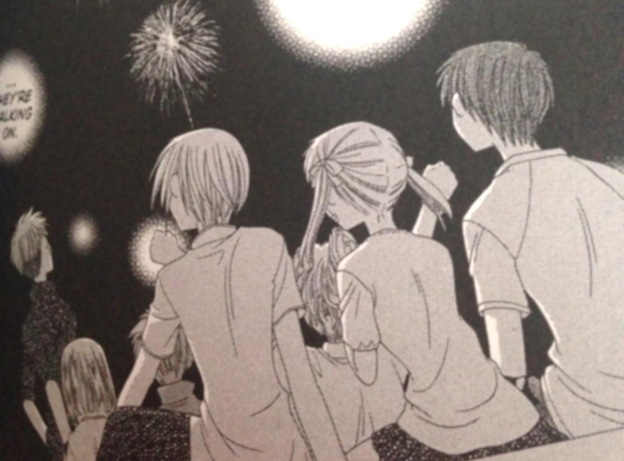
Despite the fact that the Members of the Zodiac are technically all (mostly distantly) related, Tohru’s desire for family (after she functionally lost all but her grandfather) draws them together as an actual community for the first time.
The bonds of love they form there turn out to be just what was needed to break the Curse, especially for Akito, who had been clinging to that Curse because she thought it was all she had. It’s only after Tohru befriends her that she gets the courage to let go of the expectations of her family, “come out” as female, and even let go of the Curse.
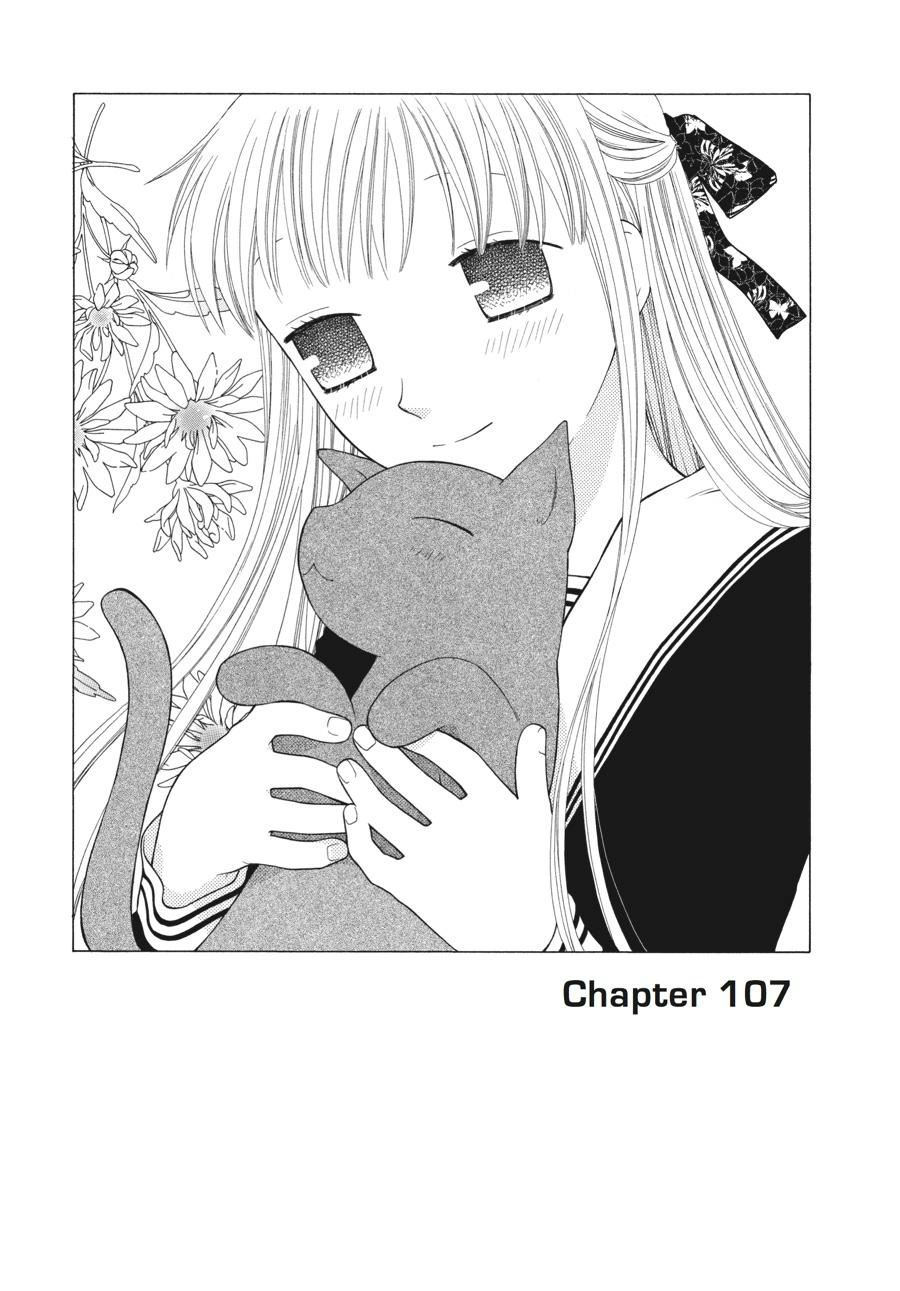
Breaking the Curse doesn’t solve all their problems, but Akito finally takes responsibility for the pain she’s caused, and that at least starts them on the road to healing.
Notably, there is significant focus on platonic relationships alongside the romantic. The story concludes with Yuki confessing to Tohru that he loved her as a mother figure, something he desperately needed after the neglect and abuse he received from his birth parents.

And even if the story doesn’t end with any of the characters in queer relationships, they are finally free to be themselves, and their bonds with each other make them better people.
“The Maddening First Adaptation” — How The 2001 Anime Sparked — and Struggled With — The Furuba Phenomenon
Animanga discourse has always been dominated by shonen, especially in America, where the fandom had its roots in male-dominated comic book culture, and the first shojo anime to reach these shores were mostly magical girl shows, much more action-oriented than your average shoujo.
Natsuki Takaya’s Fruits Basket, however, (commonly known as “Furuba” to fans), took a different approach. Rather than focus on fights (although there are a few sprinkled in), Furuba opted to present relatable characters in slightly fantastical circumstances.
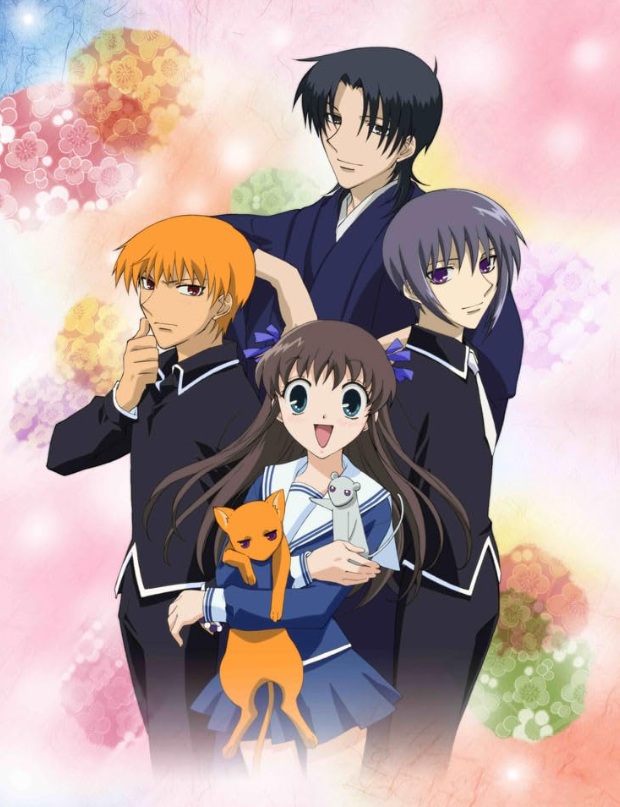
Thus, when the 2001 anime aired in English on Funimation, it kept the interest of the masculine demographic with its well-written, predominantly male cast (and its sense of humor), and drew in feminine folks with its pathos and drama (in addition to the love triangle).
Despite the story’s focus on the Chinese Zodiac (and being firmly rooted in Japanese culture), the anime addressed universal themes of searching for belonging and dealing with family, which resonated with people around the world.
Creative Clashes, Censorship Fears, And The Queer Erasure Of Shigure
However, behind the scenes, director Akitaro Daichi had a different vision for the story than mangaka Natsuki Takaya.5 Daichi presented a softer, more comedic take on the story, while Takaya included darker elements from the beginning and leaned more into them as the story developed.
For example, the manga characterizes Shigure as a much more suspicious, even sinister character than the anime, manipulating everyone around him for his own ends. Significantly, they also removed his feelings for (and relationship with) Akito — although that might not be entirely Daichi’s fault.

At that point in the manga, Shigure’s relationship with Akito was read as gay, and while the producers might have been fine with playing queer characters for comedy, they would probably have been (understandably) concerned about playing it for drama, thanks to Sailor Moon (1992-97), the gayness of which was specifically targeted for censorship.6
Since Furuba was aimed at a similar audience, the higher-ups may very well have nixed the idea of including such a relationship, not wanting an “obstacle” to international distribution. Daichi did include some of the hints of darkness, but never delved into them too deeply, leaving many anime-only viewers dissatisfied.

Due to this behind-the-scenes drama, Takaya seemingly left the anime writers to guess at where the story was going, judging by the way they completely missed the mark with Akito’s true nature. In 2005, Funimation rallied the fandom to make 1000 origami cranes in an attempt to sway producers into greenlighting a second season.7
While later revelations in the manga made it clear that it wasn’t possible to continue that anime in a manner remotely faithful to the manga (in addition to the aforementioned creative differences), it was an unprecedented show of support for Furuba internationally.

Meanwhile, Fruits Basket only gained popularity. Since the anime clearly established that there were thirteen members of the Zodiac, only twelve of whom seemed to have appeared, viewers knew there was more to the story and started seeking out the manga.
While the Japanese manga finished in 2006, the translation turnover wasn’t nearly as fast in the 2000s, so the last volume of the English manga didn’t come out until 2009. 2009 also happened to be the year the New York Times debuted its Manga Bestseller List, and Fruits Basket beat out Naruto and Bleach for four weeks.
“The Queer Echo Of Fruits Basket” — Shadows, Shortcomings, & Shoujo’s Future
Fruits Basket had spotty queer representation, but it also spoke to a queer audience (and beyond) about love and acceptance in an era when that was in short supply.
Whatever its deficiencies, the first Fruits Basket anime still proved that magical girls weren’t the only shoujo that could be successful in the West, and helped to prove that there was a market for shoujo manga here.
Shoujo has since become more openly queer-inclusive, with such hits as Yuri!!! On Ice (2016) and (to a much lesser extent) Bloom Into You (2018), both of which feature queer romances.
Footnotes
- Arivett, E. (2022, April 5). Year of the Cat: Abuse, Healing, and Intergenerational Trauma in Natsuki Takaya’s Fruits Basket. The Journal of Popular Culture. ↩︎
- “Fruits Basket Wiki.” Fandom.com, 2019, Accessed 15 July 2025. ↩︎
- Takaya, Natsuki. Fruits Basket. Collector’s Edition. Yen Press, 2016. ↩︎
- Kornhaber, S. (2015, October 28). The Trope of the Evil Television Bisexual. The Atlantic. ↩︎
- Justin Sevakis (jsevakis) “CareyGrant wrote: If Fruits Baskets continues… Anime News Network Forum, 23 October 2010. ↩︎
- Rodrigues-Garcia, K. (2022, January 25) ‘Sailor Moon’ and the dangers of censorship. The Michigan Daily. ↩︎
- Beveridge, C. (2005, April 9). FUNimation Panel Coverage. AnimeOnDVD.com. ↩︎