
Table of Contents Show
Trigger Warning — This article will contain mentions of trauma, sexual violence, and abuse. If you or anyone you know is struggling, resources are available. For resources, please see the RAINN website in English or Español, the National Sexual Violence Resource Center, or call the National Domestic Violence Hotline.
Since 2021, tens of thousands of books have been removed from schools and public libraries, the majority of which were by elected officials or interest groups,1 reportedly to ensure children are reading age-appropriate material. The American Library Association found that while book-banning efforts cast a wide net, the highest “Top 10” are typically recurring entries.2

According to the ALA, Gender Queer by Maia Kobabe was the most banned book in America from 2021 to 2023. It is an illustrative memoir about growing up with gender dysphoria and fluid sexuality. Last year, All Boys Aren’t Blue by George M. Johnson, published in 2020, faced 39 different challenges — one more than Gender Queer.
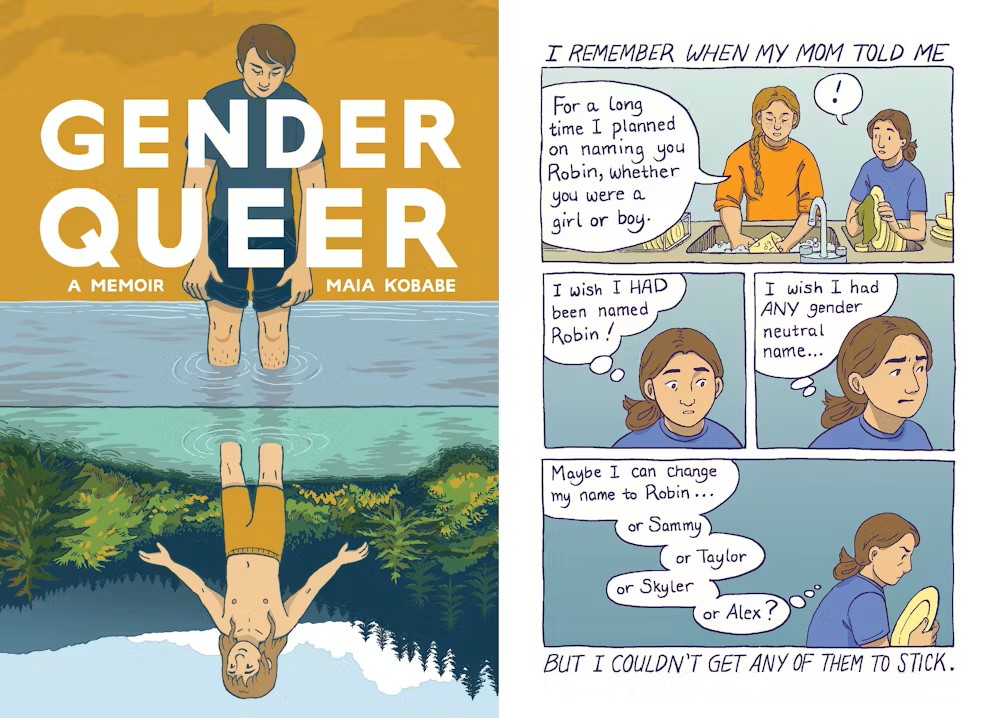
Touching on subjects like grief, sexual assault, and queer and Black identities, All Boys Aren’t Blue (George M. Johnson) is emblematic of the types of books that are targeted for book bans: literature that develops empathy and critical thinking skills is where lawmakers decide to intervene.

Under the guise of protecting children from inappropriate content in books, books like All Boys Aren’t Blue are being challenged en masse, continuing the march of a long-standing history of censorship and contributing to a knee-capping of literacy standards.
Politics & History — America’s Longstanding Book Banning Past
World-renowned writers like William Shakespeare were censored by British Royalty hundreds of years ago. Today, works like Anne Frank’s Diary of a Girl, published in 1947, have been caught up in modern censorship efforts, but these efforts are nothing new in the states. Though this latest wave of bans may seem new, the U.S.’s history of banning dates back over 400 years ago, and the politics behind it are just as similar.
America’s (The New World) First Banned Book
The first banned book originated from frustrations with Puritanical colonial rule in the Massachusetts Bay Colony. Thomas Morton, an Anglican colonist, disagreed with the strict laws, under which entertainment and cursing were crimes, and Native Americans were treated abhorrently. Morton usurped another colonist to create Ma-re, or Merrymount, where colonists and Native Americans lived alongside each other, traded more equally, and all accepted all religions. In 1627, to honor the diverse religious beliefs, a maypole was constructed as a celebration gathering place.

For undermining the other colonizers, Morton was arrested and banned from the colonies, returning a year later to find his maypole destroyed and the supplies raided.3 In 1637, Morton took his frustrations to paper with The New England Canaan, critiquing the treatment of Native Americans and the New World while transcribing native beliefs and nature.4 Morton had to have his book published outside of the continent, since New World-based publishers refused–it was immediately banned from entering the colonies.

Roughly 400 years later, The New England Canaan remains relevant in conversations around restricting literature. In the 60s and 70s, it became a topic of study for civil rights advocates and scholars rather than a piece of literary history. Like the Comstock Act of 1873 that banned “lewd” content and the Red Scare censorship to eliminate communism that restricted all entertainment industries, The New England Canaan’s censorship reflects the ideals and fears of those in power and the perspectives they wanted to silence.

Book bans are culturally specific, underlying the anxious rule Puritan colonists held. Their way of life was critiqued and their power was threatened by Morton’s ‘radical’ ideas, so they tried to prevent anyone from reading it. “Our earliest American heroes were Morton’s oppressors,” Philip Roth wrote in The Dying Animal. Though the Puritan leaders tried to erase the book from history, it exists as a reminder that historic narratives can always be told from multiple perspectives. And, more relevantly, as a reminder that political censorship in the U.S. is nothing new.
How Politics Shapes The New Book Banning Wave
The school year has just begun, but there are already over 100 bills introduced throughout the U.S. to restrict literature access in schools and public libraries. School districts across the United States have reported that the 2023-2024 school year broke records in both individual instances and unique titles banned.
The bans were harsher, completely removing thousands of books rather than re-assessing the content, which is not a traditional practice for libraries.5 The common themes throughout the challenged books were LGBTQ+ characters, main characters of color, and mentions of sex.
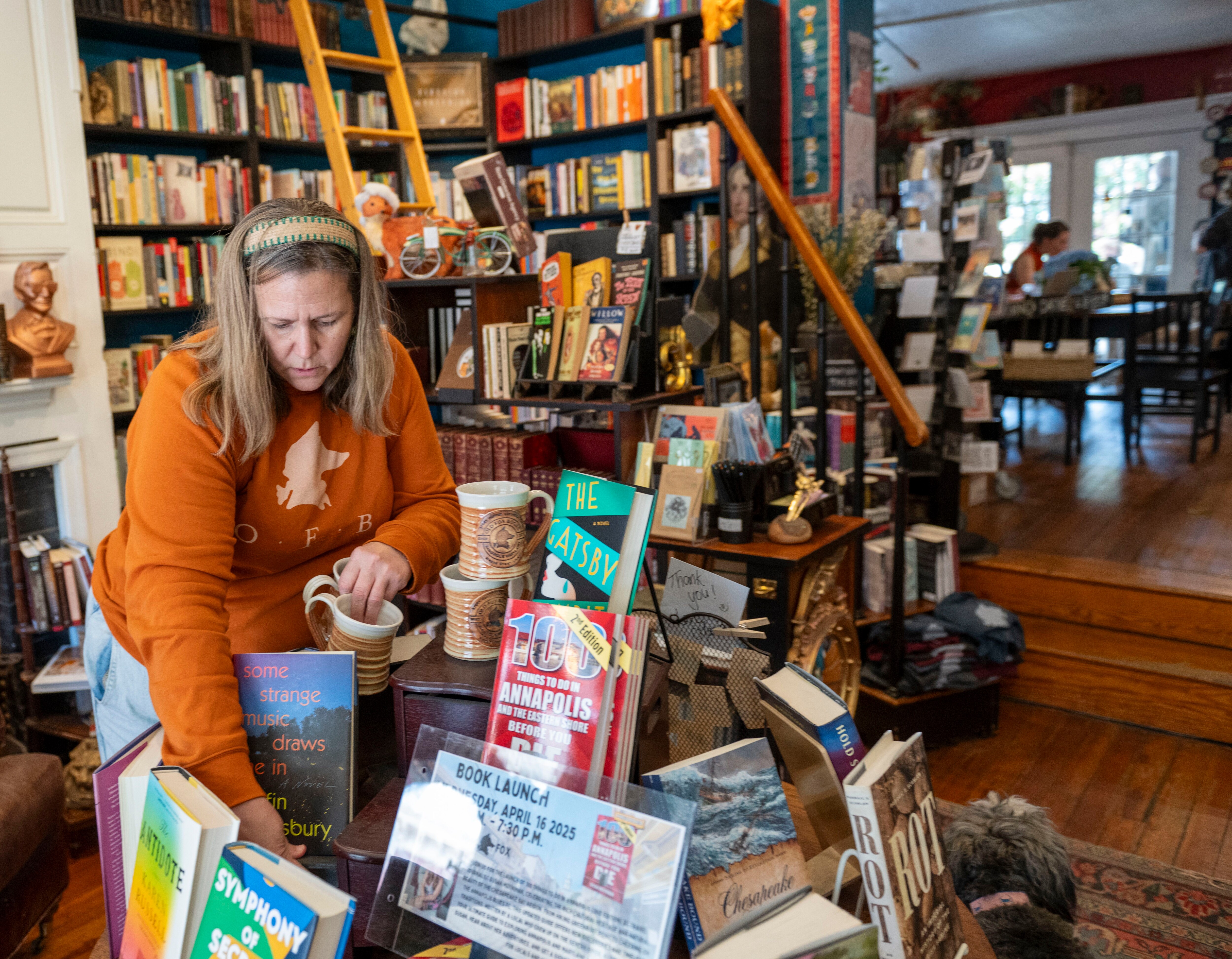
Librarians, psychologists, and book advocacy groups expressed concerns that the current administration has contributed to removing literature. In May, 381 books were removed from the U.S. Naval Academy on topics ranging from the Holocaust to environmental racism (including Gender Queer).6 Dr. Carla Hayden, the former Librarian of Congress who was fired for “advancing a woke agenda,” pressed that book bans aren’t new — the wide net being cast to ban entire perspectives or themes is.
“Before, we’ve had attempts at banning books or restricting access to books that covered a wide range, from Harry Potter to Huckleberry Finn,” Dr. Hayden said in an interview with the Smithsonian, “now, that seems to be very targeted to certain types of materials… and it seems to be tied to broader cultural and political movements and much more organized than it was before.”
With goals beyond just restricting books, some lawmakers seek to take power away from the librarians and to school boards, like in Texas’s S.B. 13.7 Others, like North Carolina’s H805 “defend[s] women from gender ideology extremism and restore[s] biological truth…” by outlawing gender transitions for children or ‘prisoners,’ limiting state funding to schools, allowing parents direct access to school library collections, requiring age-verification for adult websites and defining gender as “male” and “female” according to birth certificates. These types of bills reflect current political anxieties about identities rather than trying to empower parents’ choices over their children’s education or protect children from harmful material.
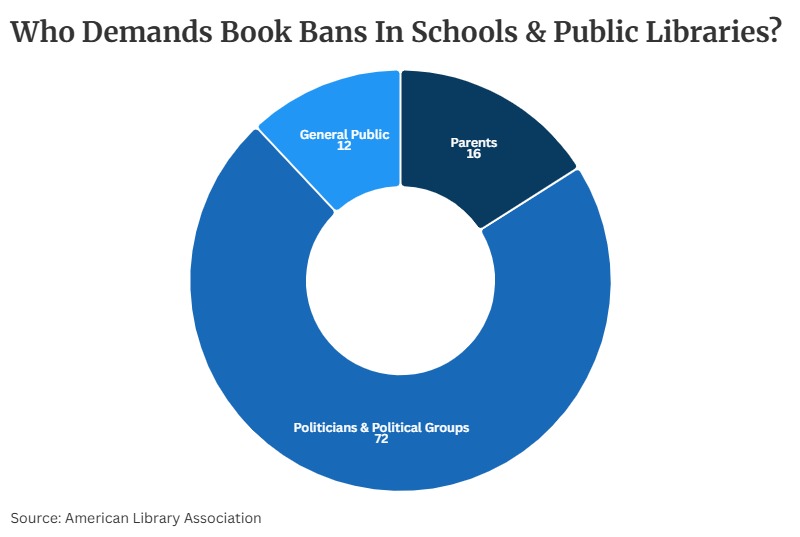
The director of the ALA’s office for intellectual freedom says there is a coordinated effort by special interest groups, like Moms for Liberty, and some lawmakers to restrict books “because of their personal, political, moral or religious beliefs… and they want publicly-funded schools and publicly-funded libraries to reflect their views.”
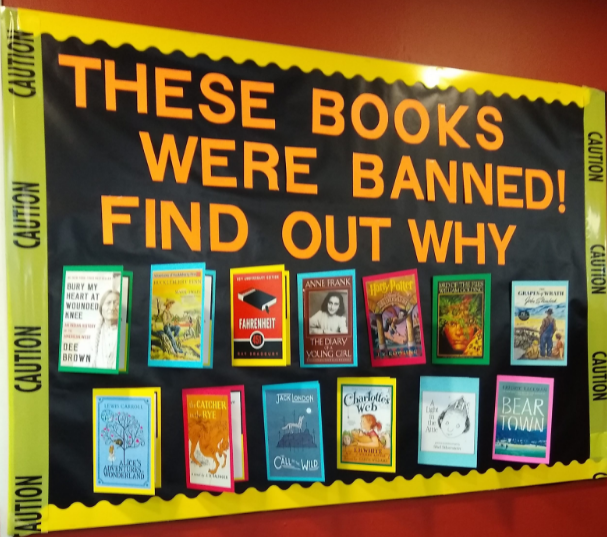
Efforts to ban these books often bring more attention to what is being censored. October 5th through the 11th is “Banned Books Week,” where libraries and bookstores across the nation bring attention to the frequently banned books they feel everyone should read, and All Boys Aren’t Blue is counted among them.
“All Boys Aren’t Blue” — School Appropriate Or Pornographic?
A self-titled “memoir-manifesto,” All Boys Aren’t Blue explores author George M. Johnson’s experience growing up Black and queer in a society that manufactures identities for people and pressures them to act accordingly.

They discuss their traumatizing nonconsensual sexual experiences as well as their empowering and confusing consensual sexual experiences in college, which have sparked outcry and calls for bans. Despite this, over 7,000 reviewers have given the book an average rating of 4.2 out of 5 on Goodreads.
So… What’s In The Book?
The author’s note in All Boys Aren’t Blue mentions the heavy content and themes that might be difficult for teenagers and young adults to read, but they were firsthand experiences. The depictions of homophobia, racism, sexual assault, and the language used, Johnson defends as, “nonetheless…experiences that many reading this book will encounter or have already encountered.” They add that they want “those readers to be seen and heard in these pages.”8
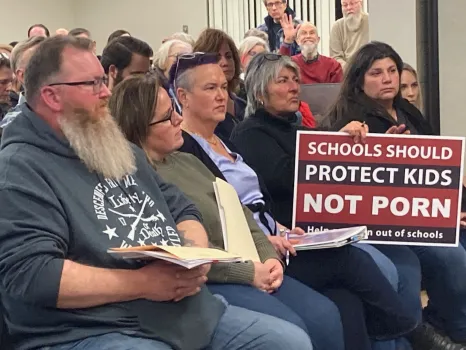
Despite the warnings, pages and excerpts from All Boys Aren’t Blue, The Bluest Eye, and other frequently banned books were printed out and distributed at various school board meetings. These books are accused of containing pornography, LGBTQ+ representation, and inaccurate gender information – this has caused All Boys Aren’t Blue to be moved to the adult section at the Pickens County Public Library.9
All Boys Aren’t Blue begins with a discussion about the cultural context of gender – boys and girls are expected to act differently and like different things. Johnson speculates how society could be different if children were raised based on their interests and passions, rather than focusing on how they should behave. When the author (thought) they made up a new word in elementary school, “honeychild,” the school notified their parents. They were taught at a very young age that acting feminine brought social backlash.
Other sections explore deeper trauma. In chapter 11, they describe being sexually assaulted by an older cousin. They speculate the reasons behind their cousin’s actions – if they were sexually abused before and acting it out on another.
The author explicitly states this does not excuse the actions of their cousin, nor does any victim need to forgive or accept their abuser. They consulted their family, who gave them the courage to write about the experience. The secrecy around sex as a youth compelled them to keep it a secret for many years, as did the stigma of familial sexual trauma – something that multiple studies have reflected, likely causing underrepresented data.
To Time Magazine, Johnson said, “I am teaching kids about not feeling guilty when sexual abuse happens, and how to recognize sexual abuse—most teens don’t even recognize they’ve been abused.”
Reactions To Queer & Sexual (& Queer Sexual) Content
Though chapter 11 is the most traumatic experience discussed in the memoir, it is not what has been distributed or discussed online as inappropriate. Chapter 15, titled “Losing My Virginity Twice,” has caused the biggest stir. Johnson explains their sexual education in Catholic school was surface-level, so they knew nothing of queer sex, nor the prevalence of HIV in the Black and queer communities. When they were in college, they felt insecure about their lack of experience but empowered to have a consensual and fun sexual experience.

After another encounter, where they experienced “bottoming” for the first time, they were in pain for weeks. “So, like most other traumas in my life, I sucked it up and dealt with the pain until my body healed.”
The lack of comprehensive sexual education already contributes to teenage pregnancy and the spread of sexually transmitted illnesses. Recent studies have shown that heteronormative sexual education harms LGBTQ+ youths’ mental and physical health.10 The Centers for Disease Control and Prevention found that queer-inclusive sexual education not only decreases bullying and stigma surrounding queer identities, but also lowers rates of sexual encounters, substance use, and the number of sexual partners.
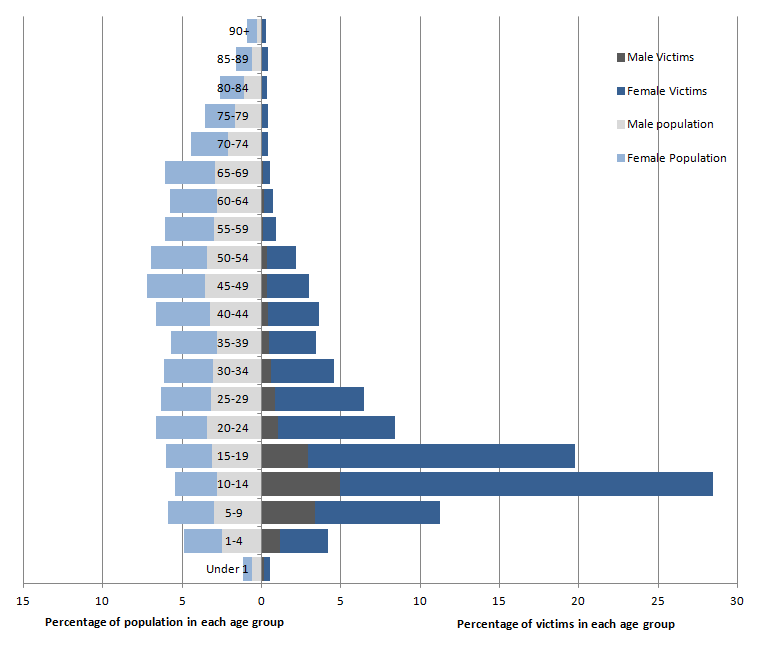
Sexual assault plagues American society, but information is suppressed in school settings. This is especially true for the stigmatized and underreported child-on-child sexual abuse, or COCSA. According to the Rape, Abuse & Incest National Network, 93% of victims under the age of 18 know their abuser.11 Amongst children who perpetrate sexual abuse on other children, most of them are boys, and nearly half had been sexually abused previously. Findings from the Children’s Institute International found there was a history of sexual and physical abuse in most of the children’s homes as well.12

In an interview with National Public Radio, Johnson urges parents who are uncomfortable with their book’s content to not allow their children to read it, not to take that option away from all students.13 Psychological researchers and literary freedom advocates agree; children benefit from diverse literature, and just because content is sexual in nature, it doesn’t negate the educational quality.
As the Responsible Sex Education Institute notes, “many of these works are developed for specific age groups and serve an educational purpose. Removing them from school libraries and classrooms diminishes student autonomy and puts up more barriers to sexual health information.”
“Kids Can’t Read” — Declining Literacy & Disappearing Literature
American children have already fallen behind the school test scores of other similar countries, but the COVID-19 pandemic shocked the school systems beyond recovery. Bans on literature are stunting literacy rates rather than increasing the quality of literature accessible to students.
The latest data from the National Assessment of Educational Progress, also known as the Nation’s Report Card, shows that 2024’s 4th and 8th-grade students scored lower than their 2022 counterparts. Amongst 8th graders, around one-third are failing to meet benchmark reading standards – the largest portion ever recorded.14

Florida, ranked 45th in reading, hosts the majority of the book bans due to laws standardizing or simplifying the censorship process.15 In Florida, 35 school districts out of 67 chose an opt-out policy for parents. Of the 35 districts, 19 reported that not a single parent restricted their library access. Another 15 reported 99-95% of students retained their full access as well.16 Even amongst renewed social and political panic around books that purport parents’ desire to control their children’s education, when parents are given that control, very few actually limit their children.
The controversy around All Boys Aren’t Blue has been addressed by school districts before – either by requiring parental permission to check out the book or moving it to other sections of libraries. Despite the controversy, representation matters to children and young adults. Seeing someone like themselves, struggling to understand where they fit in the vast and confusing world, can be empowering, as can reading the advice of someone who has gone through trauma, even if just to show that they aren’t alone.

Children benefit from reading diverse literature. Research shows that most books written for a young audience largely portray light-skinned characters. The male characters also generally speak more than the female characters.17
Psychological researchers have also found that banning books that reflect experiences outside what is typically centered will stunt interpersonal relationship development and exhibit stronger in-group out-group bias. Beyond social skills, it causes children to consume media more passively. Inversely, encouraging reading led to better civic engagement and less social bias.18

When social media’s short-form content and the internet’s manipulative, click-baity engagement traps are the alternative for children, enriching literature should be promoted.
According to a survey of educators by First Book Research & Insights, 81% felt that banning and restricting access to literature negatively impacts students.19 Another study from the Universities of North Carolina and Albany found that students who could read what they wanted from diverse lists showed improved reading scores.20
The Lasting Consequences On The Future Generation
The National Literacy Trust found that for students aged 8 to 18, over 60% felt it was important for books to have characters from different backgrounds, and more than half enjoyed reading about characters that reflect their own identities.21 Despite data that suggests banning books could hinder the quality of American education, it continues to increase each school year.

Public and school libraries have become a battleground for political ideology, sacrificing the quality of education for the sake of protecting children from information that defies hegemonic standards. Parents, when given the ability to control what their children have access to, overwhelmingly maintain their child’s undiminished access to literature.
External forces, like special interest groups and politicians, are changing the landscape of what is deemed appropriate literature. In a post-lockdown world where American students are continuing to fall behind, especially in reading, it is easier and more convenient to lean on social media and the internet as entertainment.
Children gain confidence when they can see themselves reflected in stories. If the goal is to protect children, then they should be empowered to make the best choices for themselves. Young adults who aren’t taught sexual health in safe, controlled environments like a classroom are at greater risk of harm. Shielding children from information doesn’t protect them from reality.
“We are not as different as you think, and all our stories matter and deserve to be celebrated and told.” – George M. Johnson, All Boys Aren’t Blue.22
Footnotes
- “Top 10 and Frequently Challenged Books Archive.” American Library Association. 2023. ↩︎
- “Top 10 Most Challenged Books of 2024”. American Library Association. ↩︎
- Connolly, Colleen. “How America’s First Banned Book Survived and Became an Anti-Authoritarian Icon.” Smithsonian Magazine. Oct. 2, 2023. ↩︎
- Mark, Joshua J. “New English Canaan.” World History. Dec. 11, 2020. ↩︎
- Baêta et al. “Banned in the USA: Beyond the Shelves.” Nov. 1, 2024. ↩︎
- Brooks, Rachel. “Taking a stand against book bans.” American Psychology Association. July 1, 2025. ↩︎
- Berger, Eric. “Rightwing groups across US push new bans to limit ‘obscene’ books in libraries.” The Guardian. April 1, 2025. ↩︎
- Johnson, George M. All Boys Aren’t Blue, MacMillan Publishing, 2020. ↩︎
- “Banned Books 2025 – All Boys Aren’t Blue.” Marshall Libraries. August 5, 2025. ↩︎
- Kim. “LGBTQ+ Youth Deserve Better: The Importance of Comprehensive Sexual Education.” National Organization for Women Foundation. Dec. 19, 2024. ↩︎
- “Statistics: Children & Teens.” Rape, Abuse & Incest National Network. Aug. 28, 2025. ↩︎
- Johnson, Toni Cavanagh. “Child perpetrators-children who molest other children: Preliminary findings.” International Society for Prevention of Child Abuse & Neglect. ↩︎
- Advani, Reena and Rachel Treisman. “Banned Books: Author George M. Johnson on the need to tell all people’s stories.” National Public Radio. Oct. 25, 2022. ↩︎
- “The Nation’s Report Card Shows Declines in Reading, Some Progress in 4th Grade Math.” National Assessment Governing Board. Jan. 29, 2025. ↩︎
- Baêta et al. “Banned in the USA: Beyond the Shelves.” Nov. 1, 2024. ↩︎
- Ferrell et al. “The Blueprint State.” PEN America. June 3, 2025. ↩︎
- Giegerich, Steve. “Top Ten: Edutopia Puts Analysis of Children’s Literature by Alex Eble and Co-Authors on List of ‘Most Significant Studies of 2021.'” Teachers College Columbia University. Jan. 21, 2022. ↩︎
- Brooks, Rachel. “Taking a stand against book bans.” American Psychology Association. July 1, 2025. ↩︎
- First Book Staff. “How Book Bans Are Impacting Teachers and Students: Insights from First Book Research & Insights.” First Book. Dec. 20, 2024. ↩︎
- The Editors. “Book Bans Harm Kids.” Scientific American. Nov. 19, 2024. ↩︎
- “Seeing yourself in what you read: diversity and children and young people’s reading in 2022.” National Literacy Trust. Nov. 15, 2022. ↩︎
- Johnson, George M. All Boys Aren’t Blue, MacMillan Publishing, 2020. ↩︎