

Table of Contents Show
Charlotte Perkins Gilman published the influential novella The Yellow Wallpaper in 1892. It remains one of the most critically examined texts in both feminist and gothic literary canons due to its layered symbolism, psychological depth, and socio-political resonance. The novella carries deep historical significance and showcases Gilman’s early — and still rare — use of experimental modernist techniques.

The Yellow Wallpaper1 stands out as a landmark in feminist Gothic criticism for its experimental form and enduring relevance, warranting continued study and reflection. The cautionary tale remains powerful, as many women continue to face ignorance surrounding female mental health.
The text not only offers a shocking conclusion but also a raw and relatable portrayal of lived experience. This novella demands repeated discussion and reflection as each reading reveals new layers of perception and insight. Gilman’s work is a timeless classic, celebrated for its historical impact, cultural relevance, striking authenticity, and emotional resonance.
‘Imprisoned Bodies, Haunted Minds’ — Feminist Gothic Before Gilman
Feminist literature within the Victorian Gothic subgenre predates Charlotte Perkins Gilman’s The Yellow Wallpaper (1892). Between 1837 and 1901, gothic and horror stories frequently centered on detective narratives and the supernatural; these villains and monsters often symbolized broader societal anxieties.
The novella uses sensationalism to explore the societal confinement of individuals, particularly highlighting the oppressive nature of marriage for women during the period. Scholars have aptly recognized Gilman’s narrative as a revolutionary intervention in gender discourse and domestic ideology within the Gothic tradition.

However, Gilman’s work was not the first to explore feminist themes within the Gothic tradition. Carol Margaret Davison studies each stage of Gothic literature in her book History of the Gothic: Gothic Literature 1764-1824 (2009).2 Davison examines recurring tropes and motifs in Victorian novels, linking them to horror themes that reflect contemporary social issues.
The Woman in White (1860) by Wilkie Collins is referenced as it combines “everyday people and extraordinary or supernatural circumstances” (Davison, 2243). In doing so, Collins critiques the institution of marriage by portraying the entrapment and marginalization of women through a narrative of mystery, deception, and suspense.
The archetype of the imprisoned, mysterious, or ‘mad’ woman recurs in Victorian female gothic fiction, as authors “Deploy the supernatural for psychological and political ends to advance a gender-aware commentary on women’s roles and the dreaded husbands” (Davison 223–244).
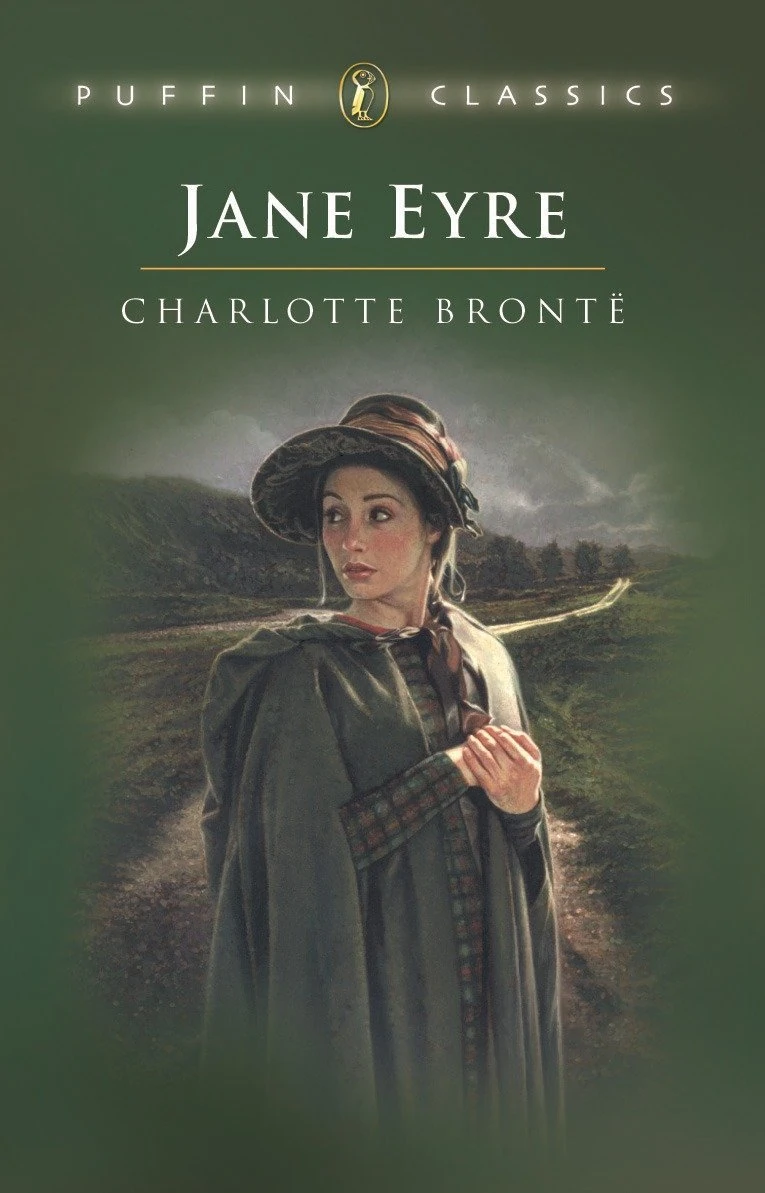
Charlotte Brontë’s Jane Eyre (1847)5 also aligns with feminist gothic conventions through the character of Bertha, the love interest’s wife, who is confined after being deemed mad. Bertha’s confinement in the attic echoes the imagery of the woman in Gilman’s novella, who crawls along the floor in a similarly dehumanized state.
Both novels present shocking scenes that confront readers with extreme depictions of gendered power dynamics and female oppression.
‘Modernism In A Madwoman’s Voice’ — Gilman’s Genre-Bending Innovation
Charlotte Perkins Gilman’s deployment of modernist techniques distinguishes the story from its Victorian Gothic and feminist contemporaries, lending sharper urgency to its social critique.
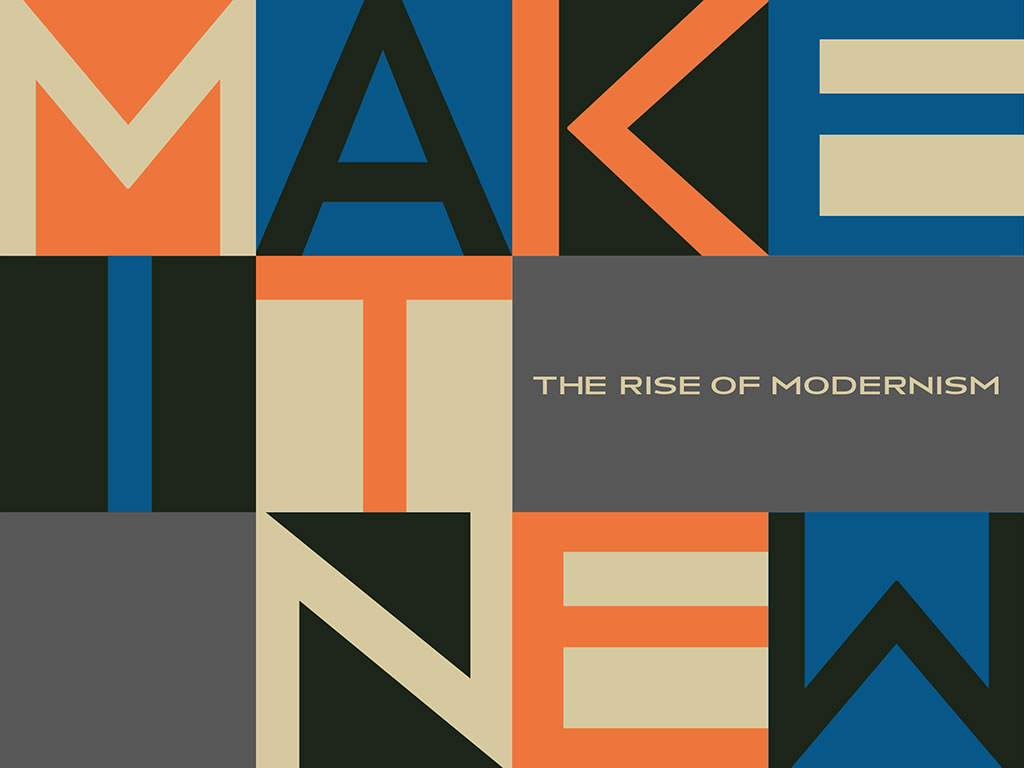
As modernist horror began to move away from overt supernatural elements, it leaned instead into psychological tension — most notably through the emergence of the unreliable narrator, a strategy Gilman employs to powerful effect. Artists across disciplines sought to break traditional conventions, as Ezra Pound famously urged: Make it New.
Poets abandoned fixed meters and rhyme, while novelists employed fractured narration and ambiguity to prompt reader interpretation. Though modernism peaked decades later, Gilman was already experimenting with fragmented narration, unreliable perspective, and narrative forms that defied Freytag’s Pyramid.6
The story unfolds entirely through the journal entries of an ambiguously identified protagonist. The events have ostensibly already occurred, recounted in secret by the narrator. The single first-person perspective introduces bias, further complicated by the haziness of memory.
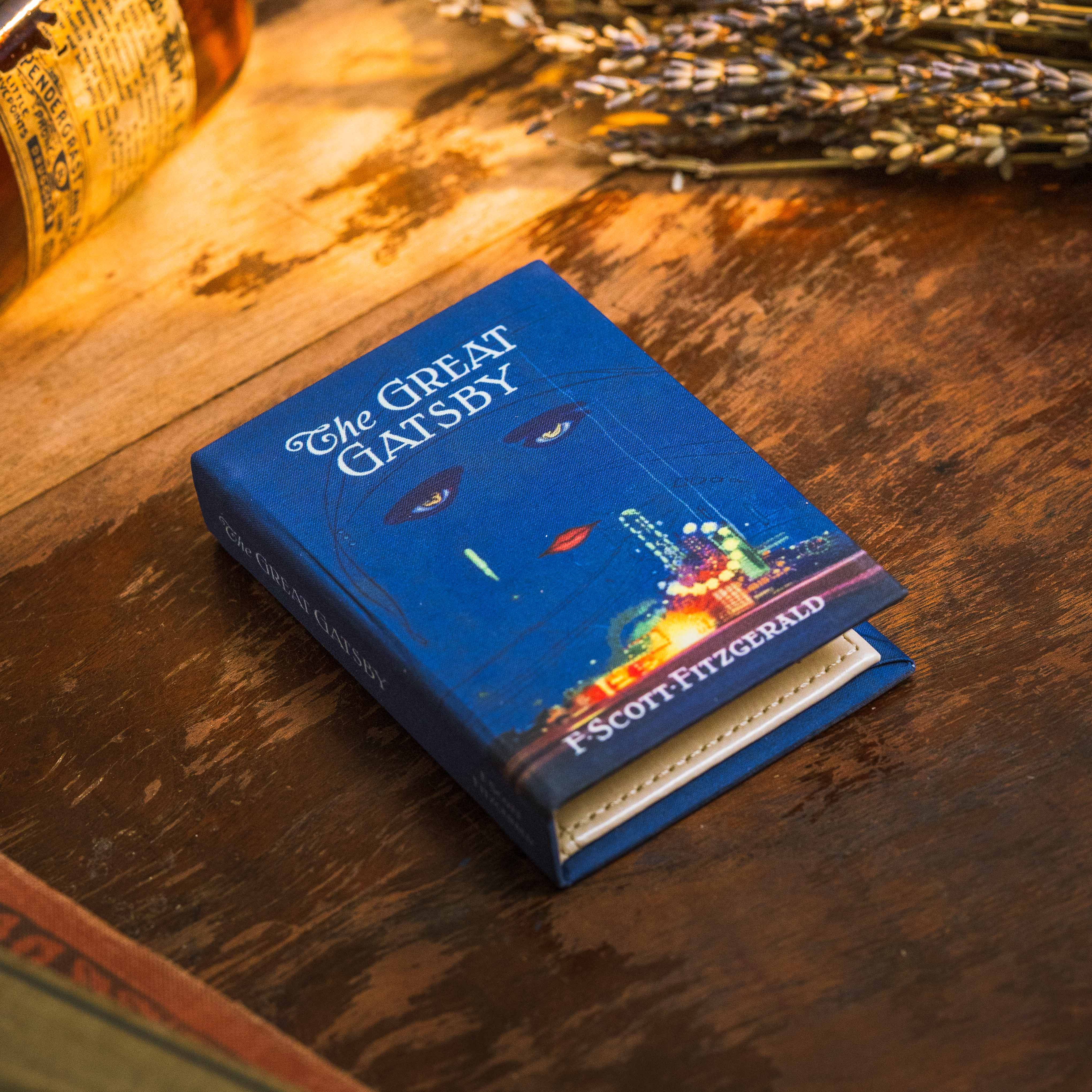
This style recalls The Great Gatsby (1925), where F. Scott Fitzgerald filters the narrative through Nick Carraway’s blurred recollections — a hallmark of modernist technique. Though inherently subjective, human bias reflects a deeper authenticity — one Gilman leverages to portray women’s lived experiences of the era.
‘No Heroine, No Escape’ — Madness Over Romance In Modernist Gothic
The protagonist — possibly named Jane — differs sharply from other notable heroines: she is barely identifiable, and while she resists external oppression, her mental health emerges as the central antagonist. Although Jane operates within the trope of the female rebel, Gilman deliberately denies her the catharsis or narrative closure typically granted to literary heroines.
Other female protagonists often receive romantic or redemptive endings after escaping societal abuse or patriarchal antagonists. Gilman depicts subtle acts of agency even as the protagonist remains under male control; the narrative centers not on liberation but on the imprisoned woman’s interior world.

The anonymous figure in Gilman’s story evokes Bertha from Jane Eyre and other villainous archetypes in earlier Gothic fiction. Jane ultimately becomes both victim and threat, rather than a heroine to herself or others.
Modernist Gothic literature of the 20th century shifted away from supernatural and romantic tropes toward explorations of the human psyche and naturalism. This shift is evident in how the wallpaper — central to the story’s setting — distorts and animates to reflect internal psychological turmoil.
Rather than supernatural, the horror arises from the protagonist’s mental deterioration under oppressive conditions. Gilman’s portrayal of Jane’s unchecked mental decline functions as an early example of naturalism, illustrating how environment and mental state blur until reality is lost.

Driven by forces beyond her control, Jane imagines a threatening world — and gradually merges with it. She fuses with the villainous world she has projected onto the wallpaper — her prison and creation. This transformation distances her from the familiar heroine archetype and aligns her with the figure of the disturbed fiend.
‘Breaking The Frame’ — Gilman’s Rejection Of Narrative Resolution
Gilman subverts Freytag’s Pyramid by abruptly ending the story at the climax — a narrative structure still rare in contemporary fiction. The absence of falling action or denouement creates a haunting sense of dread for the reader. While many narratives have open endings to enhance the mystery and sustain engagement, Gilman pushes this to the extreme with her final psychological break.
The novella gradually builds Jane’s emotional unraveling, culminating in her final break. Gilman concludes the story at its psychological climax — at the precise moment when Jane becomes fully engulfed by her delusion of the wallpaper. Before this rupture, the narrative adheres closely to Freytag’s structure, furnishing the plot with a distinct exposition, rising action, and climax.
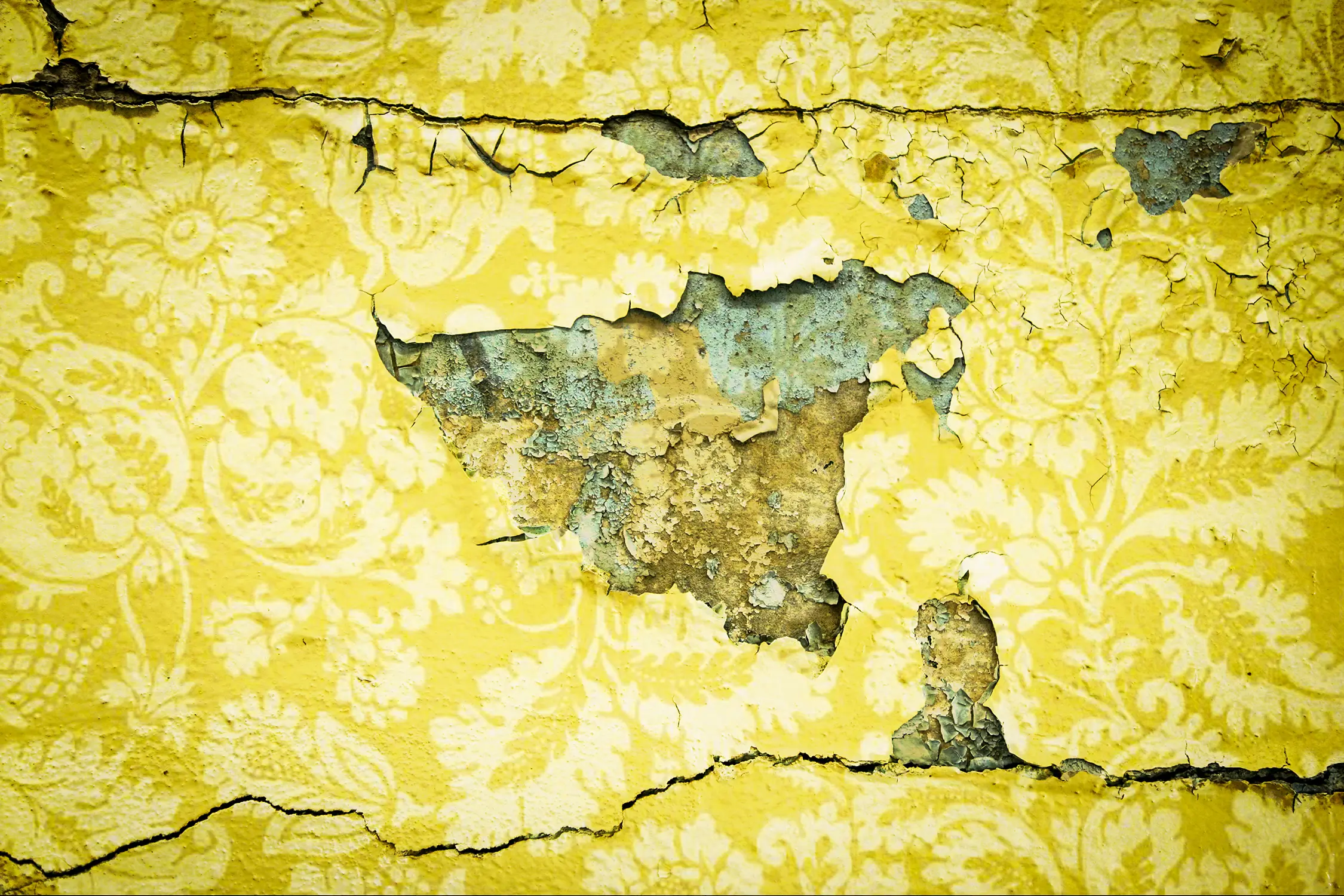
In line with traditional narrative arcs, the exposition begins with Jane’s initial journal entry, establishing both the setting and the protagonist’s restrained emotional register. The opening line immediately establishes both setting and subtle apprehension:
“It is very seldom that mere ordinary people like John and myself secure ancestral halls for the summer.”
7 (Gilman, 1)
This line reveals their temporary residence while introducing an uncanny atmosphere through the phrase ‘very seldom.’ Gilman presents a deliberately vague, archetypal couple — under-described and emotionally distant.
The exposition emphasizes the house’s roots and historical weight, framed by the backdrop of ‘ancestral halls’ to evoke legacy and entrapment.
‘No Redemption, No Return’ — The Gothic Horror Of Losing Oneself
The inciting incident emerges early, and although the external plot remains minimal, Jane’s shifting perception of the wallpaper subtly signals the psychological deterioration that lies ahead. Her description of the room and wallpaper generates a quiet anticipation of impending danger. She describes bars on the windows, hooks in the walls, and the wallpaper pattern that is “suddenly committing suicide” (Gilman, 38).

The story quickly ascends through Freytag’s Pyramid, with rising action emerging almost immediately. The wallpaper becomes increasingly personified as Jane’s mental state deteriorates. At the climax, Jane fully identifies with the woman in the wallpaper. Her identity dissolves beyond rescue; witnessing this, John collapses — now paralyzed and powerless. The novel ends — an abrupt halt, offering no possibility of Jane receiving the care she desperately needs.
Departing from earlier gothic feminist narratives, Gilman exposes the raw horror of gendered oppression by denying the protagonist a redemptive ending. Instead, she confronts readers with the total loss of self — rendered through the brutal authenticity of mental illness.
‘Behind Barred Windows’ — Psychosis, Infantilization, & The Death Of Self
Gilman uses the evolving setting to reflect the gradual deterioration of Jane’s sanity. The plot begins in an eerie, under-described mansion, with tension mounting as Jane becomes fixated on the bedroom.
The bedroom symbolizes both Jane’s physical confinement and the infantilization imposed by her husband, John. Though not yet delusional, Jane’s disdain for both the room and her circumstances is evident in her early descriptions.

Jane depicts the room as a prison:
“the windows are barred for little children, and there are rings and things in the walls.”
9 (Gilman, 2).
She imagines the bedroom’s history as a nursery or gymnasium, worn by the presence of children. The room’s true history remains unclear, but Jane’s sense of infantilization permeates through her sentiments into the backdrop.
She creates a history in her imagination, compelling the reader to envision her trapped in a room made for children. She reconstructs the room’s history through imaginative projection, underscoring her psychological regression and reinforcing the theme of infantilization.

Jane feels ensnared behind the “barred” windows rather than free in the room that she wanted downstairs, which has “roses all over” (Gilman, 210). The floral downstairs windows symbolize vitality and freedom — qualities absent in her confinement upstairs. Denied that freedom, Jane is confined to the barred upstairs room, isolated from the liberating presence of the outdoors.
‘The Wallpaper As Mind’ — Obsession, Projection, & Foreshadowed Collapse
Early in her journal, Jane fixates on the wallpaper when she depicts her living quarters — a detail more offensive to her than the barred windows or forced rest. She expresses revulsion for the wallpaper’s pattern and color, writing:
“It is dull enough to confuse the eye in following, pronounced enough to constantly irritate and provoke study, and when you follow the lame uncertain curves for a little distance they suddenly commit suicide – plunge off at outrageous angles, destroy themselves in unheard of contradictions.”
11 (Gilman, 2).
Early in the description, she describes how the wallpaper is almost impossible to ignore, a constant “dull” irritation. The word ‘dull’ subtly evokes the emotional flatness of depression — a life stripped of stimulation and joy. Her life feels similar as she isn’t allowed entertainment, and, like the paper, she finds no amusement or pleasure. Yet, she can’t stop trying to follow it.

Then, it takes a sudden, drastic turn. It becomes violent out of nowhere as it “commits suicide.” This reflects her current state — boredom and melancholic isolation under the rest cure — and foreshadows her sudden unraveling when her mental health “pluge[s].” She begins the story with a hatred for her life, but then, as she grows more isolated, she becomes obsessed with finding a solution and freeing herself mentally.
In the end, Jane loses herself thoroughly. Though physically alive, her psychological collapse can be read as a symbolic suicide — the death of identity.
‘The Madness Made Flesh’ — Becoming The Woman In The Wallpaper
Through Jane’s perception, the wallpaper transforms into a personification of her entrapment, mirroring her descent into mental obscurity. Jane begins to believe there is a “creeping woman” in it that “shakes the bars” of the paper (Gilman, 812).
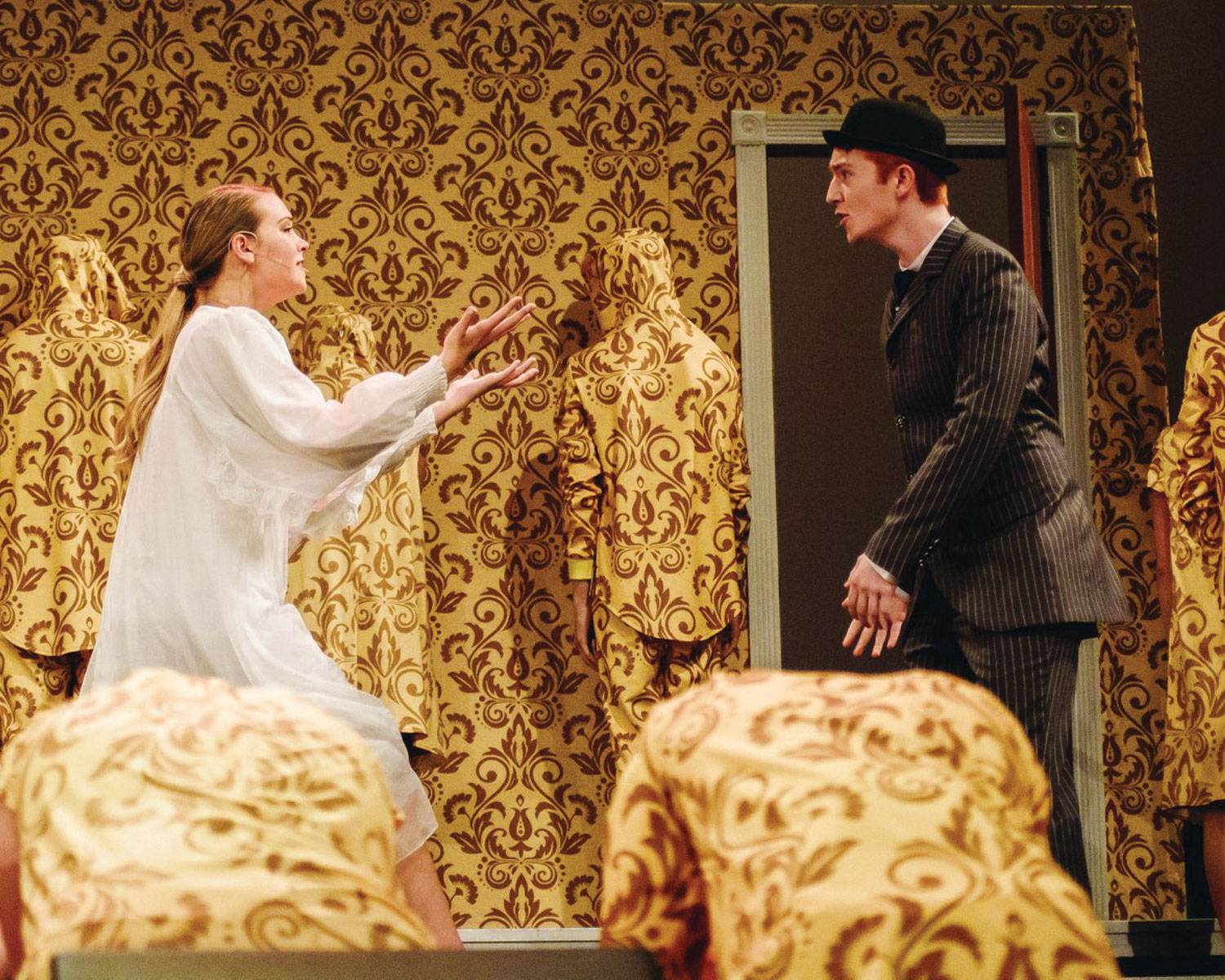
Like Jane, the creeping woman is imprisoned behind suffocating barriers. Even if she could move past them, escape remains impossible — the pattern holds her in its relentless grip:
“And she is all the time trying to climb through. But nobody could climb through that pattern—it strangles so. I think that is why it has so many heads. But here I can creep smoothly on the floor, and my shoulder just fits in that long smooch around the wall, so I cannot lose my way.”
They manage to break through, only to be ensnared by the pattern — strangled, inverted, their eyes turned ghostly white (Gilman, 813). The wallpaper — and her perception of it — has shifted from despair to violence.
No longer dull or unsightly, the paper is now personified as violent and murderous towards women. It “strangles” them, and their heads hang dead “upside down” in the pattern.
Jane’s obsession with the ‘creeping women’ deepens into a dissociative fixation, symbolizing her fragmented self and a subconscious attempt at liberation through identification.

Throughout the novella, Jane’s relationship with the wallpaper grows increasingly intimate — the thin paper symbolizing the fragile separation between sanity and madness.
By the end, she tears the border down with ease, losing herself entirely and merging with the wall. Now fully tangled in her delirium, she becomes the creeping woman herself.
Indistinguishable from her hallucination, Jane believes she has been freed from the wallpaper:
“‘I’ve got out at last,’ said I, ‘In spite of you and Jane. And I’ve pulled off most of the paper, so you can’t put me back!’”
14 (Gilman, 15)
Jane refers to herself in the third person, signaling a complete disintegration of her identity. Forcibly confined, Jane descends gradually into madness — the thin wallpaper acting as the delicate barrier between reason and delusion throughout her imprisonment.
![“Gilman, Charlotte Perkins [Aka Stetson] (1860-1935) The Yellow Wall-Paper.” Invaluable, 24 June 2025.](https://storage.googleapis.com/stateless-thedailyfandom-org/2025/05/59712619-h0132-l258752711.jpg)
In the final line — “so you can’t put me back” — Gilman delivers a tragic double-entendre: Jane can no longer return from her mental break, but in her delirium, she has found a form of escape.
‘Trapped By Treatment’ — Medical Misogyny, Domestic Control, & The Rest Cure
The rest cure15 is an essential historical component to be studied when referencing The Yellow Wallpaper — an oppressive malpractice that echoes biases today. Jane’s suffering with post-partum depression is alluded to throughout the novella: her newborn baby and the described nervous disorder are evidence of it.
John, her doctor and husband, doesn’t believe she is sick beyond a “temporary nervous depression — a slight hysterical tendency” (Gilman, 116) and prescribes the rest cure. This “cure” was a culmination of rest, isolation, messages, and over-feeding. Explained by Anne Stiles,17 this is because the father of the rest cure, Silas Weir Mitchell, observed that “many nervous women looked thin and anemic.”
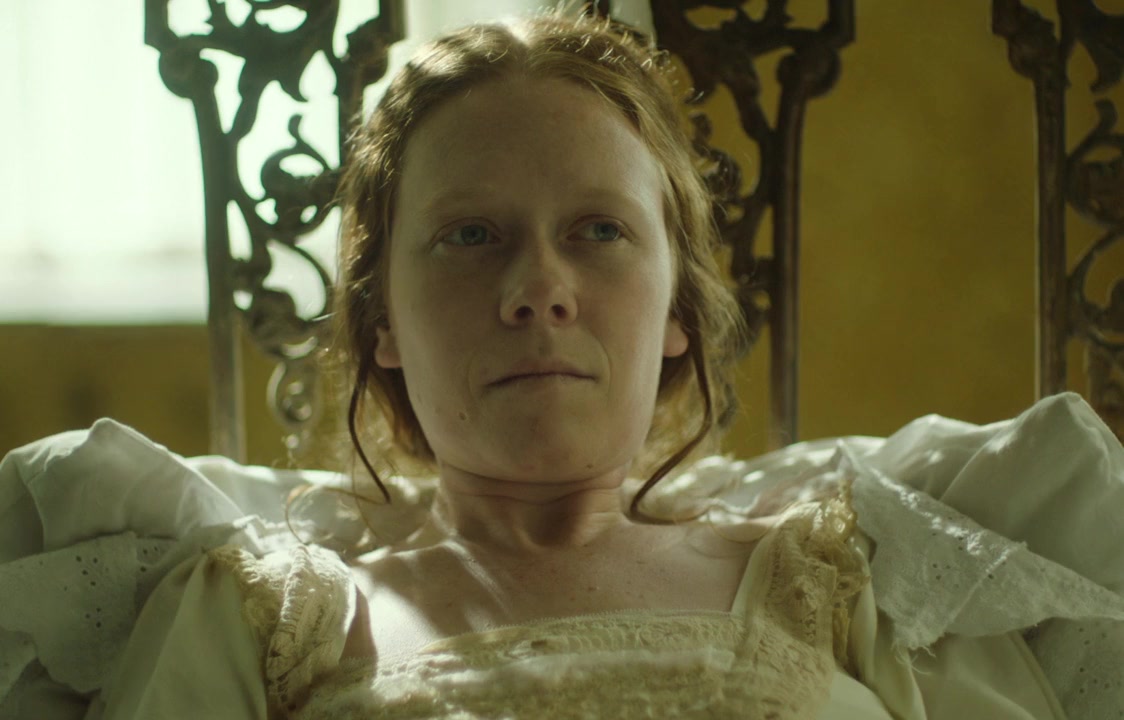
Mitchell believed that an absence of exercise and an excess of food would help patients obtain more fat and red blood cells to cure their ‘nervousness.’ He also believed that women needed to be isolated because their drama and beseeching for pity would harm both themselves and their relatives.
The cure is deeply rooted in medical misogyny, reflecting a broader cultural invalidation of women’s emotional and psychological autonomy. The devastating consequences of this isolation and infantilization can be seen critically through Gilman’s writings.
Gilman is able to expose the dangers of the rest cure and the disregard of women’s health in a genuine narrative because she was forced into a similar confinement. Gilman, much like Jane, suffered from post-partum depression and was prescribed the rest cure. In many autobiographies and articles, she describes her time with it and how she felt that she was on the brink of insanity, “a vivid picture of what the rest cure may have been like for some nineteenth-century women” (Stiles18).
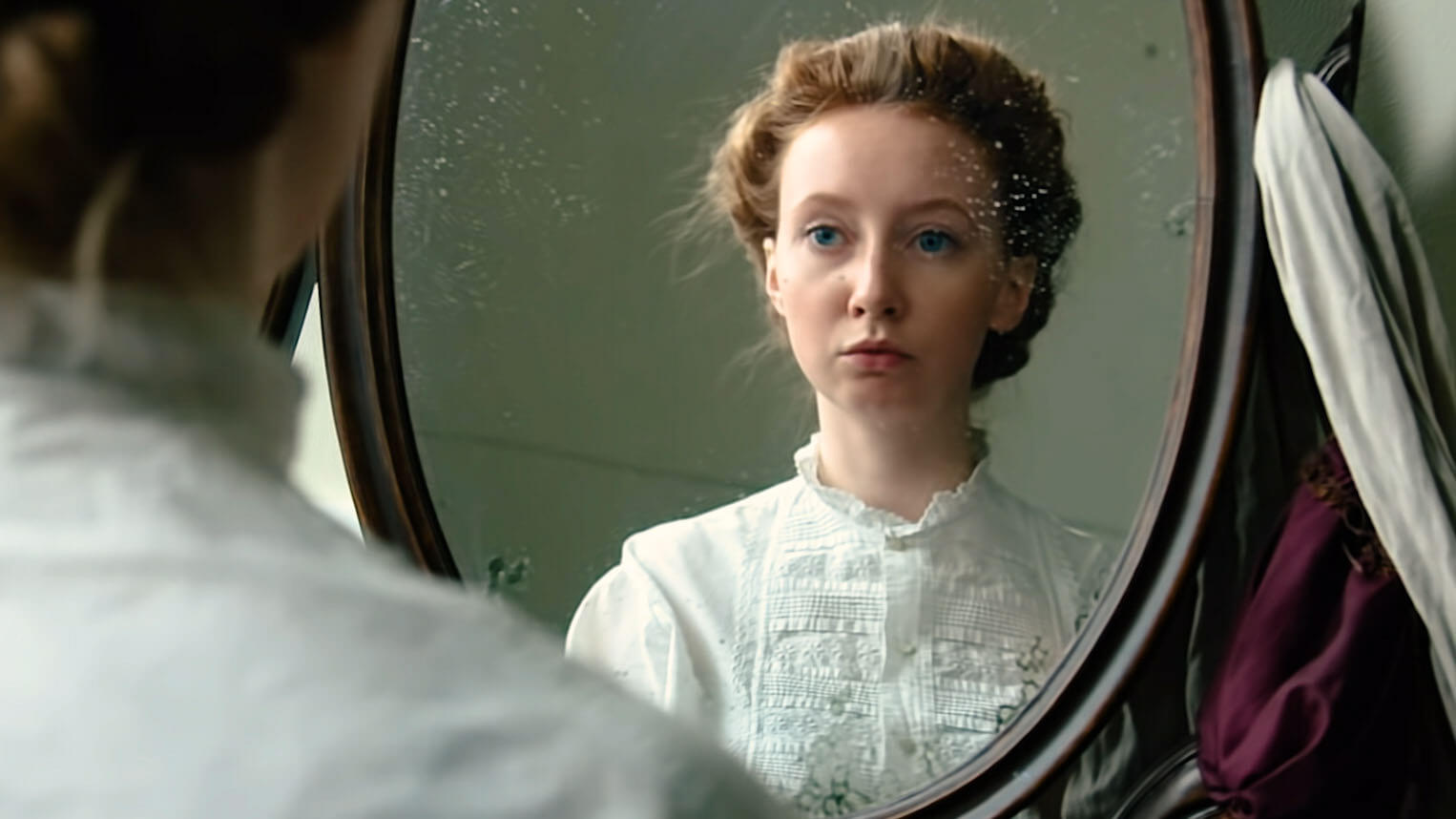
Gilman dreaded losing herself in the imprisonment and isolation the rest cure required. This intimate experience opened her eyes to the dangers the rest cure brought forth and the damage it had caused other nineteenth-century women.
Mitchell’s conviction in the rest cure was grounded in small, coincidental facts, giving it room to root its way into credibility. Many of the depressed and anxious women sent to him were underweight and anemic. Mitchell, rather than seeing a connection between someone who is depressed and having a poor diet, believed that the poor diet is what led them to become depressed. Despite never being confirmed true, the use of medical language and the prolific neurologist’s name, Silas Weir Mitchell, camouflaged his misogynistic perspectives into enough credibility to be enforced on women.
Despite admitting to never having hallucinations, Gilman still showcases the dread of the rest cure and how damaging it was to her mental health. With this experience, she wrote The Yellow Wallpaper to unveil the horror she faced because of the popularized and misogynistic research of Silas Weir Mitchell.
‘Still Jane’ — The Yellow Wallpaper And The Ongoing Erasure Of Women’s Pain
The critique against the prolific doctor and his widely accepted analysis was taboo in Gilman’s timeline. Although it is more widely consulted, there is still ignorance of women’s health and a disapproval of postpartum episodes today. According to the UK charity organization that is designed to help improve health, Future Care Capital, recent surveys showcase that women’s mental health is still not taken seriously despite the growing threat of suicide.

In their page titled “Young women who ask for mental health help are called ‘dramatic’, survey finds”19 the recent survey that asked over 2,000 women about their experience when asking for mental health help, “A third said they were asked if they were ‘overthinking things,’ while 20% were asked if they were on their period and 27% were told their issues could be hormonal. The survey found that 22% of the women feared being seen as ‘attention-seeking’.”
Women are still facing the same apathy, only now it is hidden behind new misogynistic scapegoats: menstruation, weight, busy or overthinking minds, or attention-seeking. Contemporary women continue to face systemic apathy, now veiled beneath modernized scapegoats — such as attributing mental distress to hormonal fluctuations, emotional volatility, or performative attention-seeking.
The Enduring Power Of The Yellow Wallpaper
The Yellow Wallpaper by Charlotte Perkins Gilman represents a landmark of both literary craft and social commentary. Through a literary lens, Gilman’s pioneering use of modernist tools — like her unreliable narrator and unique plot structure — foreshadows techniques that would define a generation of writers. Her rich imagery and layered motifs deepen the story’s unsettling themes, making it a remarkable novella to dissect and revisit.
Yet its significance goes far beyond literary innovation. Viewed in its historical context, The Yellow Wallpaper exposes the true horrors of the oppressive “rest cure” and shines a light on the mistreatment of women at the hands of the medical establishment. Gilman’s public protest against Silas Weir Mitchell, the prolific doctor whose methods inspired the story, was a bold and pivotal act of early feminism that helped challenge dangerous norms.

Most importantly, The Yellow Wallpaper stands tall today as a haunting warning about the consequences of dismissing women’s suffering in medical care. Even now, depression and anxiety in women are often trivialized, and manic or psychotic episodes — even more so. Jane’s slow descent into madness remains an enduring allegory for countless women whose pain is unseen, whose mental health crises are brushed aside until their very sense of self begins to unravel.
While The Yellow Wallpaper has long been celebrated for its artistry and the role it played in advancing women’s rights in the 19th century, its true power lies in its timeless relevance. It resonates with every reader who has ever felt ignored or alone in their suffering. Gilman’s work did more than save women in her own era; over a century later, it continues to give voice — and hope — to those who still struggle to be heard.
Footnotes
- Gilman, C. P. (1892). The Yellow Wallpaper. In National Library of Medicine (pp. 647–656). ↩︎
- Davison, Carol Margaret. “Afterword – Victorian Gothic.” History of the Gothic: Gothic Literature 1764-1824, 1st ed., University of Wales Press, 2009, pp. 219–25. JSTOR. ↩︎
- Davison, Carol Margaret. “Afterword – Victorian Gothic.” History of the Gothic: Gothic Literature 1764-1824, 1st ed., University of Wales Press, 2009, pp. 219–25. JSTOR. ↩︎
- Davison, Carol Margaret. “Afterword – Victorian Gothic.” History of the Gothic: Gothic Literature 1764-1824, 1st ed., University of Wales Press, 2009, pp. 219–25. JSTOR. ↩︎
- Charlotte Brontë’s Jane Eyre Is Both Timeless and Poignant: R/Books. Accessed 24 June 2025. ↩︎
- Glatch, Sean. “The 5 Stages of Freytag’s Pyramid: Intro to Dramatic Structure.” Writers.Com, 12 May 2020. ↩︎
- Gilman, Charlotte Perkins. The Yellow Wallpaper, 1892. ↩︎
- Gilman, Charlotte Perkins. The Yellow Wallpaper, 1892. ↩︎
- Gilman, Charlotte Perkins. The Yellow Wallpaper, 1892. ↩︎
- Gilman, Charlotte Perkins. The Yellow Wallpaper, 1892. ↩︎
- Gilman, Charlotte Perkins. The Yellow Wallpaper, 1892. ↩︎
- Gilman, Charlotte Perkins. The Yellow Wallpaper, 1892. ↩︎
- Gilman, Charlotte Perkins. The Yellow Wallpaper, 1892. ↩︎
- Gilman, Charlotte Perkins. The Yellow Wallpaper, 1892. ↩︎
- Martin, Diana, M. D. “The Rest Cure Revisited.” American Journal of Psychiatry, vol. 164, no. 5, May 2007, pp. 737–38. ↩︎
- Gilman, Charlotte Perkins. The Yellow Wallpaper, 1892. ↩︎
- Stiles, Anne. “The Rest Cure, 1873-1925.” BRANCH, Oct. 2012, Accessed 23 May 2025. ↩︎
- Stiles, Anne. “The Rest Cure, 1873-1925.” BRANCH, Oct. 2012, Accessed 23 May 2025. ↩︎
- “Women’s Mental Health Not Taken Seriously, Study Finds.” Future Care Capital, futurecarecapital.org.uk, July 17, 2023. Accessed 23 May 2025. ↩︎