
Table of Contents Show
Female anger has long been an uncomfortable subject in mainstream media. Too often, women’s fury is silenced, caricatured, or reduced to one-dimensional portrayals of hysteria. Rarely has it been embraced in its full spectrum — ugly, cathartic, absurd, and liberating all at once.
HBO’s Spanish series Rage1 (2025), created by Félix Sabroso, arrives as a revelation: a daring anthology that reframes female rage as something not only necessary, but spectacularly entertaining and nuanced. Through anthology (yet interconnected) episodes, Rage weaves irony, humor, and tragedy into an exploration of anger that is as culturally sharp as it is narratively bold.

What sets Rage apart is not just its premise but its execution. Each episode examines a different facet of fury — domestic, social, sexual, generational — while maintaining a consistent thread of ironic wit and stylish intensity. The result is a series that feels both universal and distinctively Spanish, offering a layered depiction of female fury that resists easy categorization.
In a moment when cultural conversations are beginning to embrace women’s anger as valid, Rage arrives to push the discourse further, demanding audiences to witness fury not as a problem to be solved, but as an art form in itself.
Anger As Irony & Catharsis — Rage Provides A Much-Needed Feminist, Nuanced Lens Of Female Fury
One of the most striking qualities of Rage is its ability to turn anger into irony. Rather than presenting anger as purely destructive, the series revels in its contradictions. Characters lash out in ways that are both devastating and darkly funny, finding humor in the very moments that might otherwise feel unbearable. This duality is what makes the show so compelling: it recognizes that fury is rarely a clean or singular emotion. Instead, it is messy, layered, and sometimes hilarious in its intensity.

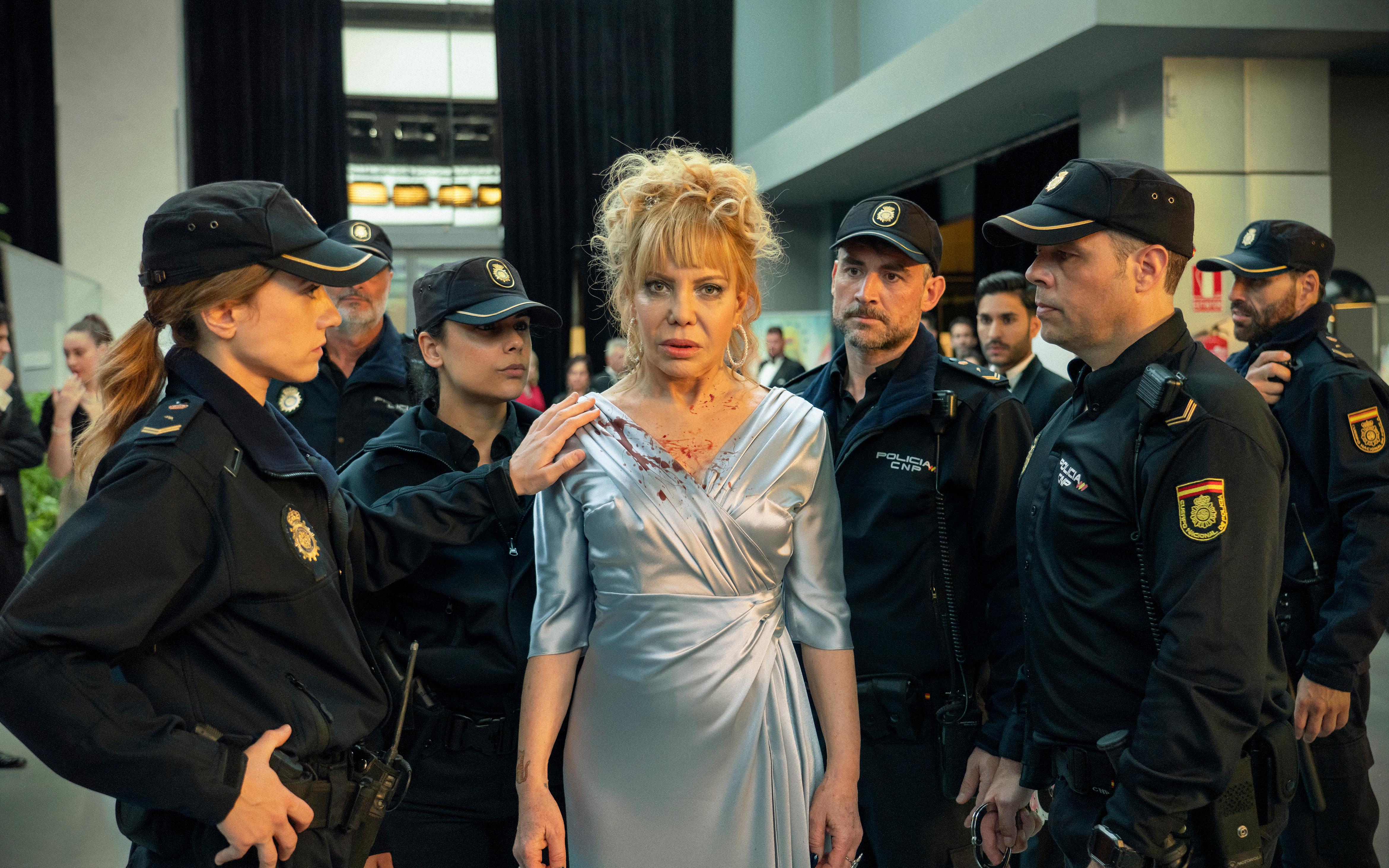
Each episode follows a new female character — though all interconnected by their social and spatial sphere — who deals with sickening and highly unfair societal treatment that brings her to a much-deserved boiling point of rage. For instance, in the first episode, we follow Marga (Carmen Machi) and Tina (Claudia Salas), a middle-aged wealthy and eccentric artist and her maid, respectively.
They are both deeply wronged and betrayed by the same man: Robert, AKA Marga’s gold-digging and cheating husband. Not only does he impregnate Tina, but he asks her to pretend to be his and Marga’s surrogate to keep Marga’s wealth and status and his affair intact. Finally, as his lie is inevitably exposed the two women share a usually unseen moment of collective anger in which rather than unleashing their rage on each other, they unleash it on the man who wronged them.

The scene — located at Marga’s luxurious mansion and plagued with notorious film industry guests high on acid — is played with biting humor, but it never loses sight of the emotional stakes. This is not just slapstick chaos, but a cathartic release of long-buried anger by both women; both used and abused by the very man they thought had their back.
However, by leaning into irony and a darkly comedic tone rather than full-on melodrama or tragedy, Rage offers a viewing experience that is both entertaining and emotionally resonant.

This ironic framing also challenges traditional depictions of women’s fury and explores them through a feminist lens that doesn’t ridicule them or play their anger down, but fully understands them. Too often, media narratives treat female rage as a threat to be neutralized or as a spectacle for male consumption, especially when two women villainize each other for a man’s sins.
Rage refuses both paths. Instead, it allows its characters to inhabit their fury fully, to make mistakes, to be ridiculous, and to find liberation in the absurd. The show’s wit functions as a weapon, turning anger into a tool of survival and self-expression. And most importantly, it allows the women to finally stop blaming themselves, or each other, and direct their anger at those who truly deserve it.
Multigenerational Rage — The Interconnectedness Of Each Woman’s Story Avoids Female Villainization
Another key to Rage’s success is its anthology structure. By weaving together distinct but interconnected stories and perspectives, the series avoids reducing female rage to a single archetype (or even age). Instead, it highlights the multiplicity of anger — its different causes, expressions, and consequences. Each episode feels like a variation on a theme, adding new layers to the overall exploration, especially due to the intergenerational struggles depicted.

For instance, the characters of Nat (Candela Peña), a middle-aged woman who has devoted her life to a department store because of her undying belief in the power of fashion and style, and the couple comprised of Megan (Mima Riera) and Lu (Claudia Roset) each have their own episode in which their distinct perspectives regarding the same situation are expanded on.
Nat sees the young millennials as inexperienced and callous for getting her fired through manipulation and fake friendliness, but once their episode comes along, we realize their actions (and anger) come from financial desperation.

This interconnectedness is part of what makes the show feel so unique. While anthology series often function as collections of stand-alone tales, Sabroso ensures that each narrative thread contributes to a larger mosaic. The episodes are not just variations but pieces of a whole, capturing the many faces of rage in a way that feels both expansive and unified.
In doing so, the show mirrors the reality of women’s fury: it is not one story, but many stories that overlap and resonate, often with multiple crooked sides of the same story. This also allows us to truly get to know each of the women as individuals; not heroines or villains, but nuanced and complicated people acting out because of their strong and complex emotions.
A Cultural Moment For Female Fury — Rage Provides A Safe Yet Comedic Space That Was A Long-Time Coming
Beyond its storytelling, Rage matters because of the cultural moment it enters. Across media, there has been a growing appetite for stories that embrace the validity and nuance of women’s anger. Films like Promising Young Woman2 and series like Fleabag3 have touched on the theme, but few have tackled it with the same sheer audacity and nuance. Where others offer glimpses, Rage offers a full panorama.
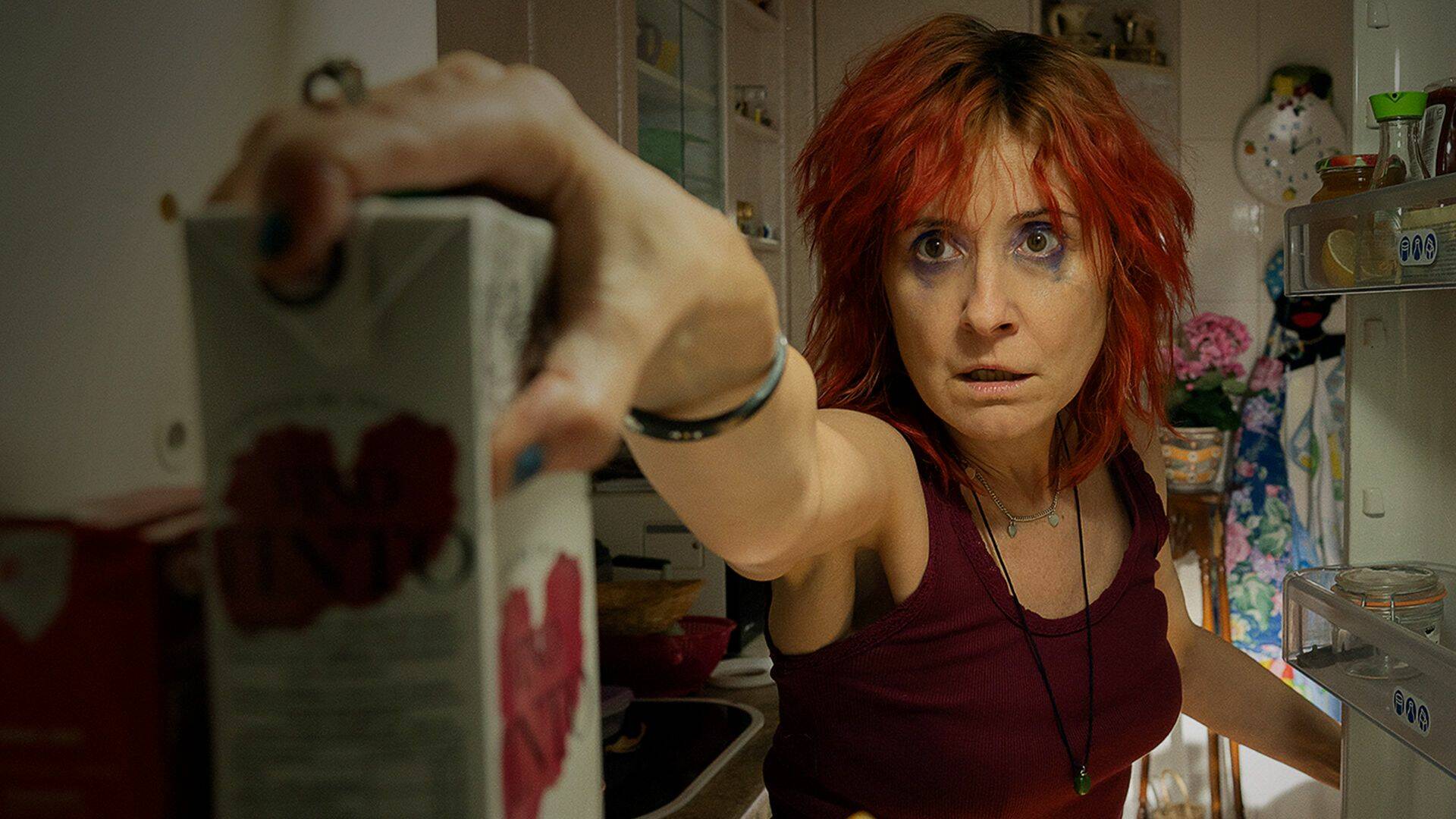
Importantly, the series does not sentimentalize rage or sanitize it for easy consumption. It shows anger in its rawest forms — sometimes ugly, sometimes liberating, sometimes both. This refusal to make anger palatable is precisely what makes the show feel necessary. At a time when women’s anger is often commodified or diluted, the show insists on its complexity. It is not interested in making audiences comfortable; it is interested in making them think, laugh, and squirm.

The Spanish context also matters. While anger is universal, the series roots its stories in cultural specifics — family structures, gender roles, and societal expectations that reflect Spain’s own dynamics. This grounding makes Rage feel authentic and textured, while also underscoring the universality of its themes. Viewers outside Spain can recognize themselves in these stories, even as they learn something about the particular cultural backdrop from which they emerge.
The Visceral Aesthetics Of Anger — The Show’s Style Is Glitzy, Gritty, And Satisfyingly Flawe
Equally crucial to Rage’s impact is its aesthetic. Sabroso and his creative team craft a visual language that matches the emotional intensity of the stories. The series makes bold use of color, framing, and movement to heighten the tension and irony of each episode.
In one episode, a woman’s quiet fury is mirrored by the stark mix of minimalism and quirkiness of her apartment, where every object becomes a potential weapon of release. In another, the chaos of a nightclub setting amplifies the explosive humor of an outburst of long-repressed fury.

The performances are just as vital. The ensemble cast inhabits their roles with fearlessness, capturing the contradictions of anger with nuance and intensity. Actresses shift seamlessly between humor and pathos, embodying characters who are both sympathetic and deeply flawed.
This willingness to embrace imperfection is what makes the series resonate: the women within the show are not idealized heroines, but real, messy human beings whose anger feels startlingly familiar.
A Perfect Cocktail Of Female Representation — Why Rage Is 2025’s Boldest Dramedy
While other shows and films have engaged with female rage, none have done so with the same combination of irony, anthology storytelling, and cultural specificity as Rage. Its brilliance lies in its refusal to flatten fury into a simple narrative. Instead, it embraces the contradictions, the humor, and the discomfort of anger, presenting it as something worthy of both analysis and entertainment.
In a media landscape saturated with content, the series distinguishes itself by daring to center an emotion that has historically been marginalized. It does so not with solemnity, but with wit, energy, and a sense of irony that makes the series not just important, but genuinely pleasurable to watch. This dual achievement — cultural significance and sheer entertainment — is what makes the show a cultural landmark.

At its core, HBO’s Rage is a series that understands something vital: rage is not just destructive, but transformative. It can fracture relationships, but it can also reveal truths. It can be tragic, but it can also be hilarious. Above all, it is human. By capturing anger in all its irony and multiplicity, Sabroso has created a series that is both spectacular and necessary.
In reframing female anger as something to be celebrated rather than silenced, Rage offers a new model for storytelling — one that is raw, funny, and deeply resonant. It is not simply a show about anger; it is an argument for the cultural necessity of letting women’s complex emotions be seen, heard, and, yes, enjoyed. Deliciously, ironically, and spectacularly, Rage proves that fury belongs at the center of our screens.