

Table of Contents Show
Many television show fandoms experience a decline after their initial surge in popularity, but identifying the elements that sustain a show can guide new creators toward success. As Hope (2022) explains, television creators rely on fan viewership to maintain momentum.1 House (2004-2012)2, the gritty medical drama, illustrates this phenomenon; it captured over 81.8 million viewers on Fox, securing its status as a worldwide hit.

Even after the show ended in 2012, its fandom continues to thrive and adapt. Ultimately, House’s complex characters, unique structure, and adaptable fandom demonstrate this captivation. The show is set around Dr. Gregory House, the head of diagnostics at the Princeton-Plainsboro Teaching Hospital.
With his team of doctors, Allison Cameron, Robert Chase, and Eric Foreman, House must identify and treat a patient’s diagnosis before the patient dies. In each case, House and his diagnostic team confront moral dilemmas that challenge their identities, choices, and beliefs.
“From Operating Rooms To Primetime” — A History Of Medical Dramas
Since the 1950s, medical dramas have leveraged hospital realism to captivate audiences.3 The high stakes, complex problems, and fast-paced environment appeal to viewers, not to mention the variety of ways hospital life can be interpreted for show creators. This enduring popularity explains the longevity of shows like Grey’s Anatomy (2005–), which continues to air today.

Most of these medical dramas weave multiple independent stories together, merging storylines of the doctors with the patients. This grants shows more complex storylines with opportunities to address more controversial medical problems, such as abortion and euthanasia.
“From Germs To Human Motives” — The Birth Of House (2004-2012)
House debuted on Fox in 2004, created by David Shore, Paul Attanasio, and Katie Jacobs, inspired by CSI as a medical drama.4 Influenced by a physician’s magazine column about her experience at a hospital, the show was designed to perform like detectives uncovering a mystery, with doctors investigating the germs as if they were suspects.

However, Shore initially questioned whether audiences would be engaged by germs rather than human motives.
“That’s what’s interesting. That’s what’s surprising. That’s what’s human. And germs don’t have motives.”5
In response to this conundrum, Shore decided to place the motive with the patients. Rather than relying on random discoveries, cases are solved by uncovering a patient’s distorted truth or lie.
As a result, House (2004-2012) was born. The distinction between truth and lies evolved into an investigation of House’s personal ideology in interacting with patients, and the focus shifted from a medical drama, in Shore’s eyes, to a show about people, with a hospital to hang the characters.
“Flawed Genius” — Why Audiences Invest In House (2004-2012)
Along with the show’s unique investigative premise, House distinguishes itself by featuring a deliberately unlikable protagonist.
House, as a character, is incredibly complex and flawed. Forced to walk with a cane from a previous diagnosis, pain leads House’s life and fuels his Vicodin addiction. He hates people, societal expectations, and is generally rude to the people around him. Often called a narcissist, House exploits his rule-breaking tendencies, sometimes committing medical malpractice to satisfy his desires.

Despite his rudeness and addiction, House’s brilliance and persistence compel viewers to invest in him. His obsession with solving puzzles allows him to decipher the symptoms that other doctors can’t make sense of, and that strength outweighs his unlikeable character. His success in solving cases keeps him employed at Princeton-Plainsboro and earns audience investment.
With so many layers, House’s complexity can be gradually peeled back by viewers as an entertaining puzzle. Unlike many shows with morally upright protagonists, House challenges audiences to admire skill over virtue, confronting the juxtaposition between being a good person and being good at one’s job. His lack of morals allows him to cross lines other doctors avoid.
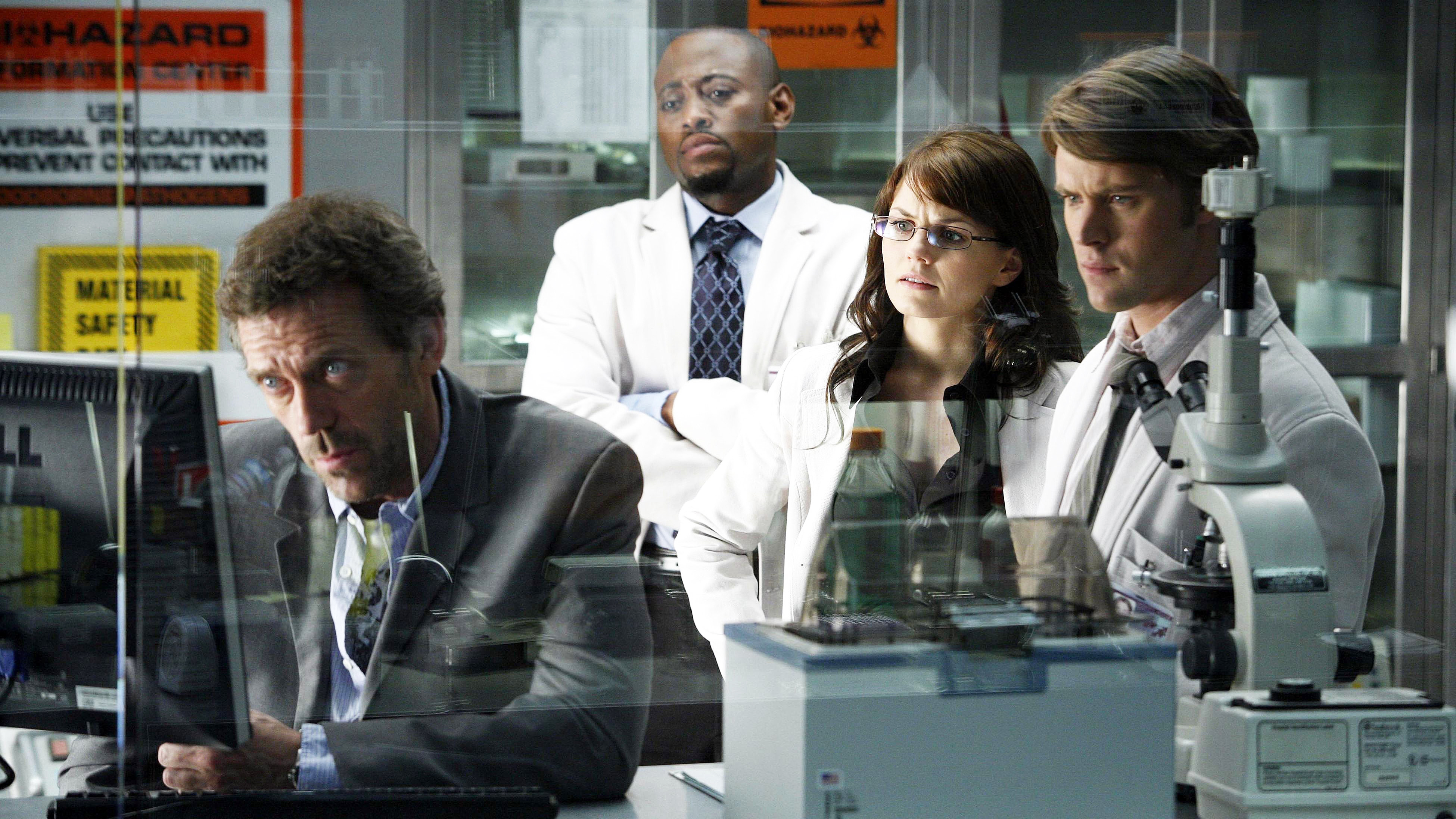
In the Season 5 episode, “Last Resort,”6 House and a number of patients are held captive at gunpoint by a man desperate for a diagnosis. Fascinated by the unsolvable, House accepts the challenge and trades medical tests for the return of captives. As the episode progresses and more captives are traded away, House succeeds in bargaining away the man’s gun.
However, when the test results come up inconclusive, House gives the gun back, with House putting his need for a diagnosis above the safety of the hospital and its patients. At the last possible moment, House uncovers the diagnosis, and the man is sent off to jail.
“I take risks. Sometimes patients die. But not taking risks causes more patients to die — so I guess my biggest problem is I’ve been cursed with the ability to do the math.”
House. “Detox.” Amazon Prime, 44:03. February 4 2005.
House manages to make seemingly unexplainable actions understandable, and it’s his flaws that make him interesting and push him to do interesting things, like giving the gun back to the man that was threatening him.
While audiences find him fascinating, many struggle to like him due to his flaws and resistance to change. Because of his stubbornness, other characters are forced to change to compensate, and these characters bring their own forms of complexity to the show.
“The Importance Of A Moral Compass” — Dr. James Wilson
Dr. James Wilson, House’s best friend and moral anchor, contrasts sharply with House’s abrasive personality. While House is negative, antisocial, and rude, Wilson is positive, friendly, and compassionate.

Though loyal to House, he is not always loyal in his personal relationships. With a history of cheating, Wilson’s flaws are easily hidden by his kind nature, which is often overlooked by fans. He can be too caring and giving, sacrificing his own liver for one of his patients and bottling up his feelings to preserve someone else’s. Wilson’s emotional intelligence and compassion endear him to fans, often more so than House’s intellect.
“Conquering The Unconquerable” — Dr. Lisa Cuddy
Dr. Lisa Cuddy is the counterbalance to House’s extreme methods. As the Dean of Medicine and Chief Hospital Administrator, she controls House when he gets too out of hand. She prioritizes patient safety over diagnostic risks, effectively checking House when he endangers patients.

Cuddy draws fans through her authoritative yet nuanced persona, and her implied romantic history with House adds tension and layered entertainment throughout the series. Because of their relationship, Cuddy is often too lenient with House and fuels his Vicodin addiction to keep him working effectively. Together, their arguments add obstacles to the show that prevent each episode from being too repetitive.
“The Balance Of A Trio” — Doctors Cameron, Chase, & Foreman
Doctors Cameron, Chase, and Foreman provide essential perspectives in both medical cases and House’s psychological landscape.
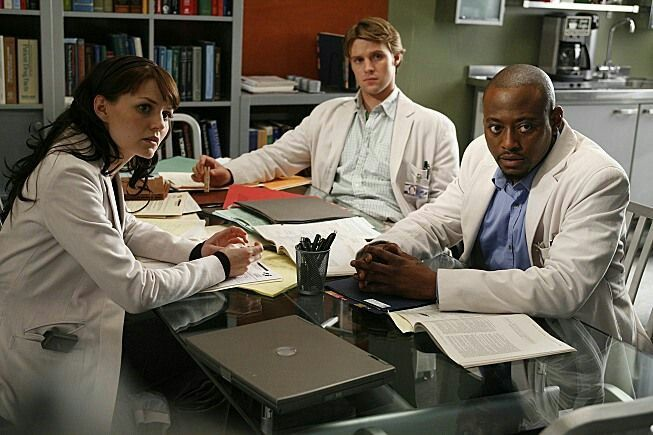
They collaborate to dissect complex moral dilemmas, leading the team to a diagnosis while existing as relatable characters the audience can connect with.
Each character has their own strengths and weaknesses, and throughout the series, those characteristics resonate with the audience, developing into relevant plot devices that keep the show entertaining.
Dr. Allison Cameron
Dr. Allison Cameron provides an empathetic counterbalance to House’s rule-breaking tendencies.

As the only woman on the team, her presence stimulates opportunities for romance in the show.
Dr. Robert Chase
Dr. Robert Chase often follows authority, demonstrating loyalty even under ethical tension. His expertise and loyalty drive the team, even when ethically compromised by House’s orders.
Dr. Eric Foreman
Dr. Eric Foreman’s leadership and stubbornness create friction and growth within the team. His beliefs often rival House’s, and he challenges House’s methods.

Their ambitions spark competition and arguments, creating an engaging dynamic for House and the audience.
‘Design Is In the Details’ — The Art Of Structure In Television
Along with the complex illustration of characters, House‘s appeal can’t be complete without the show’s purposeful design.
House’s forty-minute episodes allow multiple storylines and thorough character development. Over time, romance is able to shift from Cameron’s one-sided crush with House to a mutual relationship with Chase.

Because of the show’s popularity during its airing, House has one-hundred-seventy-seven episodes, which gives fans a great deal of content to analyze and break apart.
The show’s episodic format blends humor with angst, balancing emotional depth with lighter moments. Character-driven plots highlight House’s resistance to change, focusing on how his flaws affect those around him and hinder his ability to connect with others. These issues allow each character the opportunity for transformation throughout the series.

The show encounters a lot of stereotypical topics that audiences tend to find interesting. Subjects like abortion, lying for a dying patient, and euthanasia attract viewers through their controversy and similarity to reality. Even deeper topics raise awareness to certain issues, like how people handle grief, the trials of addiction, and suicide.

Many shows avoid darker topics to prevent alienating their audience, but House tackles them maturely and professionally, bringing awareness to deeper societal issues.
House shows great versatility in its design, and these details that resonate with audiences for all its effort to be a good show. Without these key structural details, House wouldn’t maintain the popularity it has today.
Shipping, Social Media, & Shifts In House Fandom Culture
Fandoms play a key role in sustaining a show’s relevance; House’s fandom evolved alongside platforms like LiveJournal, Fanfiction.net, Tumblr, and Archive of Our Own.7

However, despite the variety of platforms that enhanced the show’s popularity, nothing kept the show alive more than its airing on Fox. It gathered millions of viewers each season, and accessibility from the free television network led to House becoming a household name.
In the House fandom, focus centered on the actors’ relationships. Hugh Laurie, acting as House, and Lisa Edelstein, playing Lisa Cuddy, faced a lot of romance and sexual tension in the show. With fans, this translated over to wanting the actors to be in a relationship (known as shipping) outside of the show, spurring on theories and fan interest.
@YookHouse. “We Were Influencers Back Then Lol Good Ol’ Times.” Reddit, November 2024.“I remember that picture where Hugh and Lisa sit together. Just the two of them talking in their own little world while the wrap party was going wild. Facebook went CRAZY about it. Huli fans wrote many fanfics with that pic as inspiration.”8
With the end of the show came the dampening of the fans’ investment in the actors. Lisa Edelstein left House before the production of the final season, and Hugh Laurie moved on to different projects.

Because of this lack of content and House’s official end, the fandom declined. Their savior, however, was discovered with the evolution of TikTok and social media.
“As the #1 source of discovery for new movies or TV series, TikTok has become the place for entertainment fans. It’s where our global community of one billion comes together to discover, share and connect around creative storytelling.”9
TikTok. “TikTok Spotlight: A New Way To Tap Into The Entertainment Community.” TikTok, 8 August 2024.
TikTok’s For You page has allowed more people to discover new shows than ever before. Longtime fans repost favorite clips, introducing new audiences to the show and its fandom, and the recent development of fan edits and animation has expanded the opportunities for fandom expression.
House inside jokes populate TikTok comments, intriguing newcomers while highlighting the fandom’s presence.

In addition to the larger community, there has been a shift in fans’ preferred ships (desired romantic relationships). TikTok has introduced House to new audiences, reviving interest and reshaping fan interpretations, including shifts in popular ships from House-Cuddy to House-Wilson.
Now, people are more connected than ever, using online platforms to bond and form communities over shared interests. Social media has revolutionized fandom spaces, and with it has come the appreciation of new and old media as a whole.
What House (2004-2012) Means For The Future Of Television
House‘s popularity has continued to rise well into 2025, gathering new fans every day. While the fandom spaces have changed, their muse has not, and the show’s complex characters, unique structure, and adaptable fandom have emphasized its enduring appeal.

House‘s success serves as a model for TV creators to identify the roots of compelling television and apply them to their own work. With traditional television viewership on the decline,10 taking advantage of House‘s strengths can elevate future television to an entirely new level.
Footnotes
- Hope, J. “What Does a TV Writer Do?” The Faculty Cut | Biola University, 6 July 2022. ↩︎
- Shore, David. “House.” NBCUniversal, 2004-2012. ↩︎
- Rocchi, Marta. “History, Analysis and Anthropology of Medical Dramas: A Literature Review.” Cinergie – Il Cinema E Le Altre Arti 2019. ↩︎
- House Wiki. “House, M.D.” Fandom, April 2007. ↩︎
- David Shore, interview with Amy Harrington. “David Shore interview Part 3 of 3 – EMMYTVLEGENDS.ORG.” Archive of American Television, 11 October, 2012. ↩︎
- House Wiki. “Last Resort.” Fandom, April 2007. ↩︎
- Fiesler, Casey and Dym, Brianna. “Moving across Lands: Online Platform Migration in fandom communities.” University of Colorado Boulder, vol. 4 no. CSCW1, 2020. ↩︎
- YookHouse. “We were influencers back then lol good ol’ times.” Reddit, November 2024. ↩︎
- TikTok. “TikTok Spotlight: A new way to tap into the entertainment community.” TikTok, 8 August 2024. ↩︎
- Adgate, Brad. “2024 Was Another Tough Year For Cable Television Industry.” Forbes, 2 January 2025. ↩︎