
Table of Contents Show
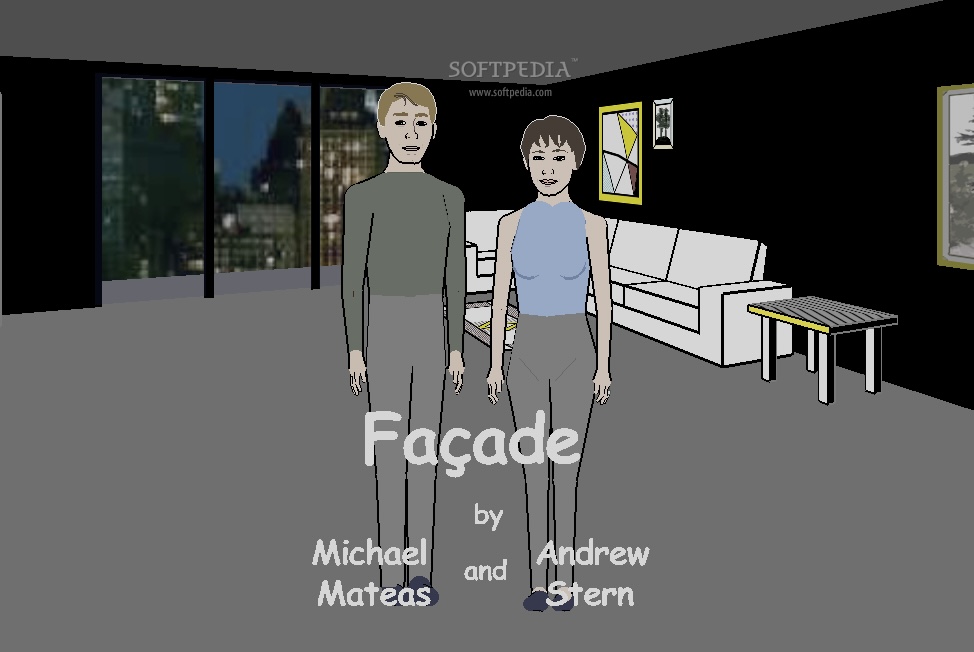
The 2005 social simulator game “Façade”1 begins deceptively ordinary. You arrive at the apartment of your old college friends, Trip and Grace, for what should be a quiet dinner party. Trip swings the door open with a bright, practiced smile, ushering you into a pristine apartment filled with expensive wine, polished furniture, and suffocating tension. Before Grace even greets you properly, muffled arguing spills from the kitchen walls.
From the moment the evening begins, the player is wedged between the couple’s unraveling marriage. Trip pushes drinks into your hand while Grace bristles at his every word, their arguments escalating from passive-aggressive comments about decorating choices to bitter accusations about failed romance and emotional neglect. Every conversation feels like stepping onto cracked ice, where even harmless observations can fracture into hostility.2
Social horror is a form of horror that creates fear through human interaction, social expectations, and interpersonal tension rather than supernatural monsters or physical violence. Instead of relying on jump scares or external threats3, it focuses on the anxiety that comes from communication breakdowns, social pressure, emotional manipulation, isolation, or the fear of rejection and humiliation.
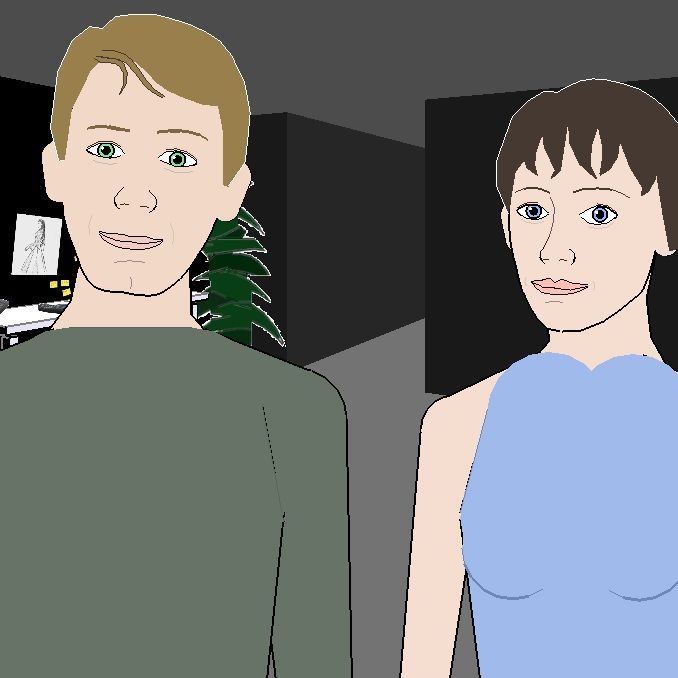
In “Façade” (2005), the fear comes from interacting with Trip and Grace’s collapsing marriage. There are no monsters or violent threats — only escalating arguments, passive aggression, emotional instability, and the constant feeling that any sentence could make the situation worse. The game weaponizes social discomfort, making the player feel trapped inside a deeply fragile relationship where intimacy itself becomes claustrophobic and threatening.
Grace’s Softness Disguises Her Emotional Apathy And Dissatisfaction
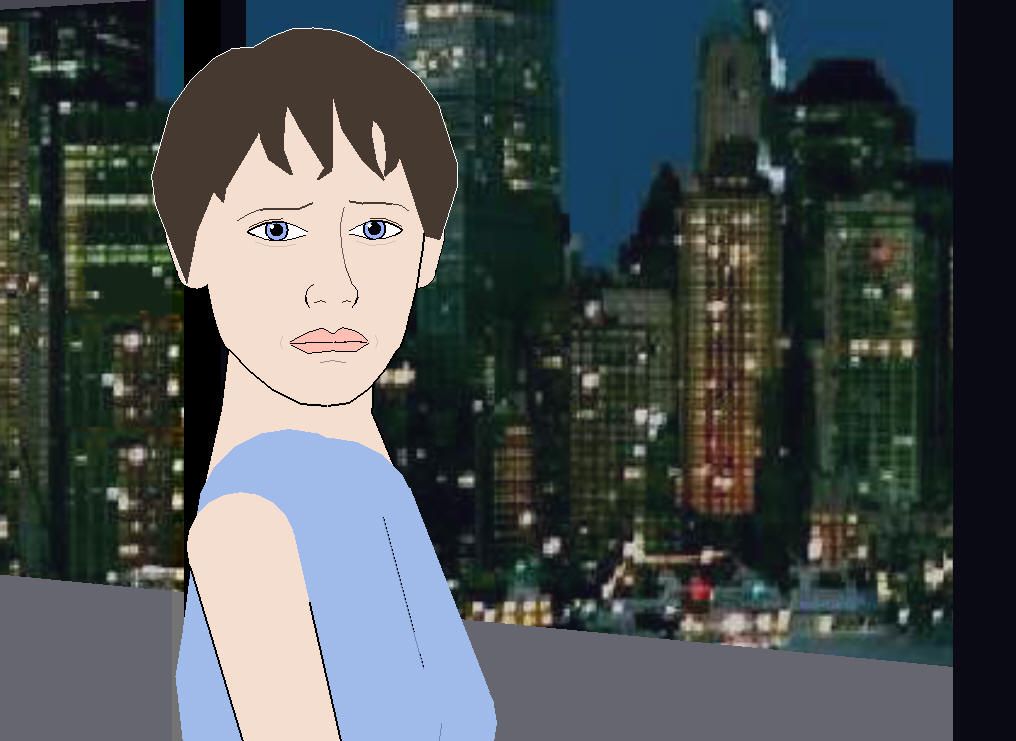
From the moment Grace enters the room in “Façade,” she feels emotionally disconnected from the apartment she inhabits. Her greeting is loud and performative, an attempt to instantly bury the argument the player overheard only seconds before. Every movement afterward carries visible strain: awkward pauses, clipped responses, exhausted sighs, and sudden shifts in tone that make even casual conversation feel unstable. Grace feels hollowed out, bored even. Far different from her boisterous husband.
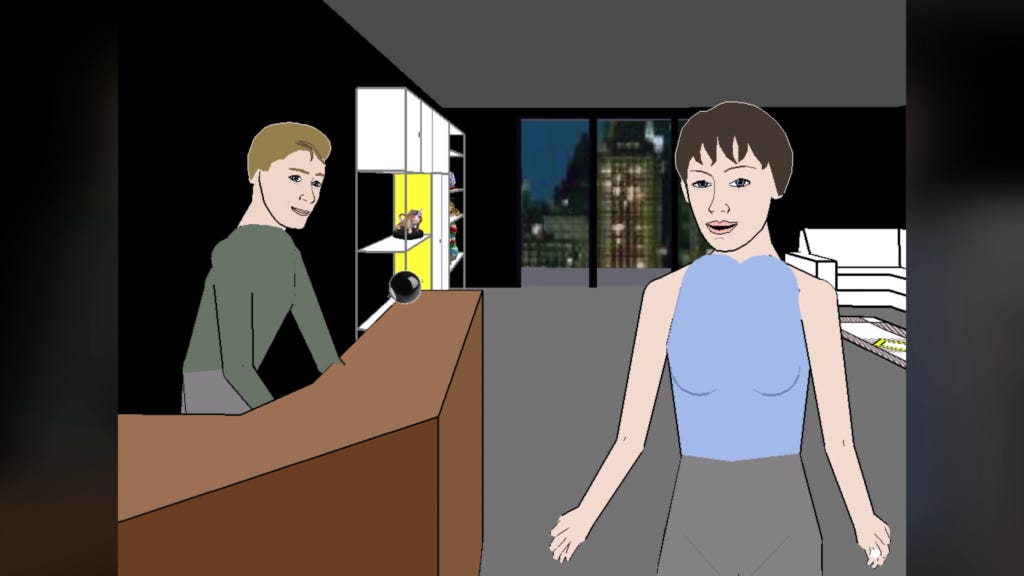
The apartment itself mirrors this emptiness. Its polished furniture, expensive glass figures, paintings, and carefully curated sophistication feel cold rather than welcoming. Grace moves through the space less like someone living comfortably within it and more like someone trapped inside a version of adulthood she no longer recognizes as her own.
As the night progresses, the tension steadily rises. Harmless observations can trigger defensiveness or resentment, creating the terrifying sense that the relationship is balanced on the edge of collapse at all times. The player begins to realize that Grace is not simply unhappy — she is emotionally exhausted.
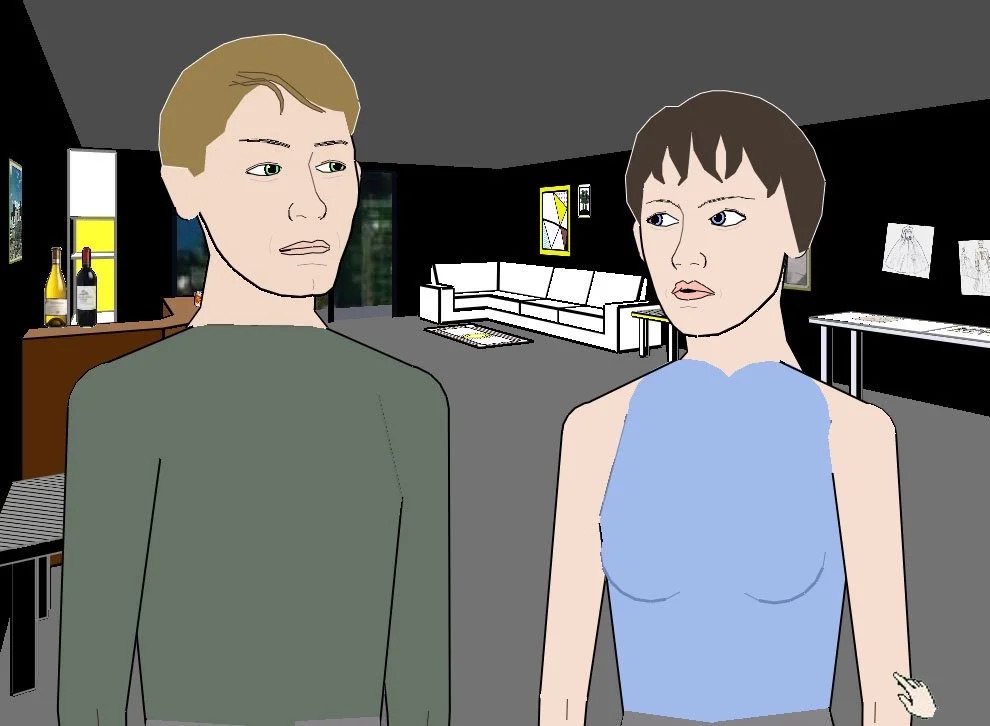
The game repeatedly implies that Grace abandoned parts of her identity to preserve the relationship, particularly her artistic ambitions and career goals. That sacrifice haunts nearly every interaction she has with Trip. When she discusses art or the apartment decor, her frustration feels less like irritation over aesthetics and more like grief for a version of herself that disappeared inside the marriage. The horror of “Façade” relies on this gradual realization that the apartment is not merely the setting of the conflict, but evidence of it: a pristine, carefully maintained environment built over years of emotional compromise and quiet dissatisfaction.
Psychologist James J. Gross argues that consistently repressing emotions damages intimacy and emotional connection because genuine communication becomes replaced by performance and restraint (Gross and John 2003).4 Grace embodies this perfectly. She suppresses frustration until it leaks out through passive aggression, withdrawal, or explosive reactions, making every conversation feel emotionally unsafe.
By the end of the evening, Grace no longer feels like someone trying to save a marriage. She feels like someone desperately trying to survive inside one. “Façade” transforms emotional apathy into horror by showing how terrifying it can be to remain trapped in a relationship where affection has become obligation, communication has become performance, and intimacy itself feels emotionally claustrophobic.
Trip’s Self-Romanticization And Masculine Insecurity
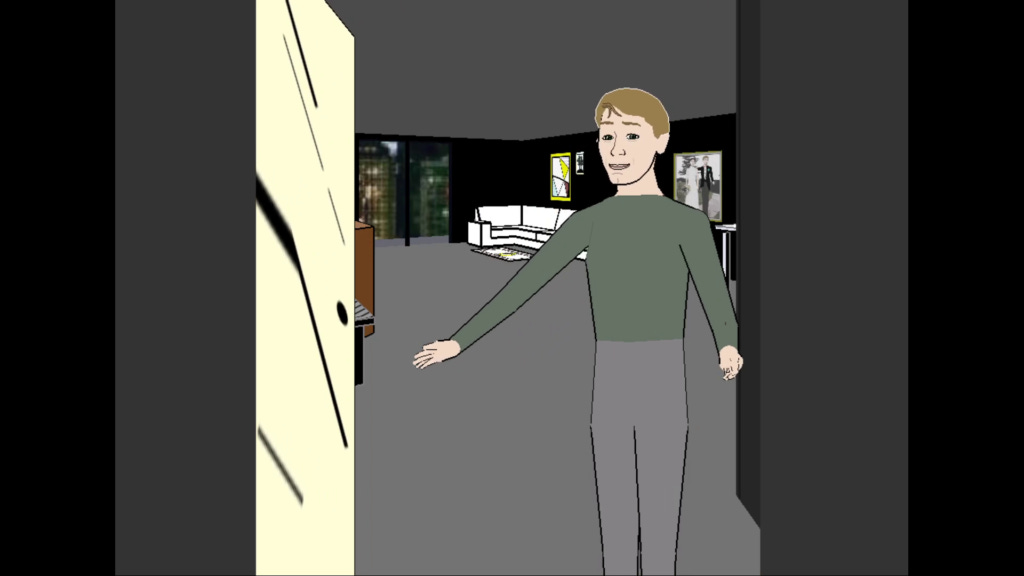
Trip greets the player with the kind of smile that feels just a little too sharp around the edges. Before the player can even settle in, Trip is already talking and offering drinks with a proud gesture towards a photo of the couple’s “second honeymoon” in Italy. Trip reminisces about Italy like he’s reciting lines from a romance novel. And when Grace points out that she never wanted to go to Italy, Trip is instantly defensive. Everything about him feels curated. Not fake, exactly, but rehearsed to the point where it becomes difficult to tell where the performance ends and the real person begins.
Trip’s expensive bottles of wine and elaborate trips scream a need for validation. Even his affection toward Grace sounds forced, spoken with the exaggerated confidence of someone trying to convince others that their marriage is unattainably loving. When he thinks back on their wedding day or forces a laugh after one of her colder remarks, there’s always a split-second pause where the atmosphere curdles. Trip often attempts to lead Grace into romantic demonstrations, including a tactless reenactment of how Trip proposed.
As the night drags on, that polished image starts to rot in real time. Grace criticizing the decor, dismissing Trip’s stories, or refusing to indulge his nostalgia immediately changes the energy in the room. His voice sharpens. His smile stiffens. Conversations begin to feel dangerous, not because Trip becomes physically violent, but because his emotional instability hangs over every interaction like a storm about to break. The apartment itself starts to feel claustrophobic, suffocated by all the things left unsaid between them.
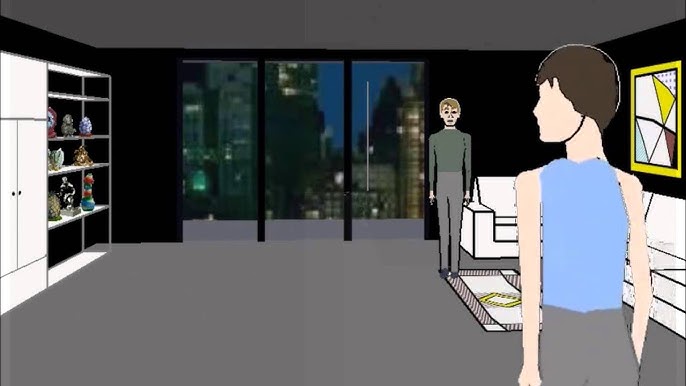
Trip’s insecurity is recognizable. He feels like someone who built his entire identity around being admired. He has to be a successful husband, a cultured man, and a charismatic host all at once. If he fails to perform, in Trip’s mind, he is no better than his “trailer trash” parents.
Psychologist Ronald Levant’s research on male emotional repression argues that many men are conditioned to redirect vulnerability into control, status, and emotional defensiveness rather than openly expressing fear or insecurity (Levant 1992).5 Instead of admitting that Trip feels disconnected, unloved, or emotionally lost, he doubles down on appearances. More charm. More control. Because, if he does not perform, is he even worthy of loving?
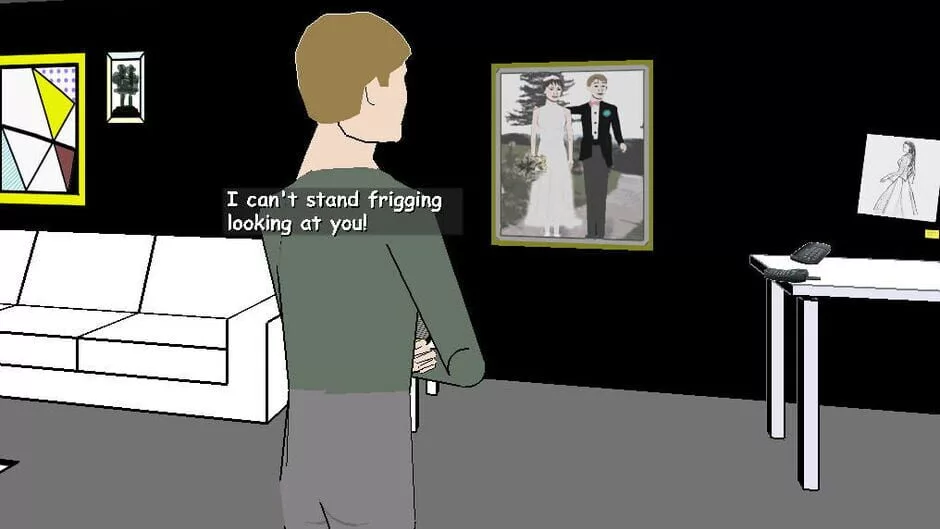
By the end of the game, the warmth of the apartment begins to feel almost sickly, like a photograph left too long in the sun. Trip’s confidence slowly decays into desperation as the fantasy he built around himself starts collapsing room by room, sentence by sentence. The player is left frustrated. Not with the arguments themselves, but the unbearable intimacy of watching someone realize that the ideal of perfection they spent year curating is crumbling down.
The Monster Is Marriage
The real monster in “Façade” is not Trip, Grace, or even the player intruding into their collapsing evening. It is the marriage itself — the suffocating structure both of them remain trapped inside long after love has curdled into resentment, routine, and emotional exhaustion. Every room in the apartment feels haunted by it. The polished countertops, the carefully framed artwork, the expensive wine sitting untouched between arguments: all of it feels like evidence of two people desperately trying to preserve the image of a successful adult life while quietly rotting underneath it.
The game taps into anxieties surrounding long-term commitment, identity loss, and emotional stagnation. Trip and Grace are not simply unhappy together; they seem unable to imagine themselves outside of the relationship they built. Even as they openly resent each other, there is still this horrifying dependency binding them together. Their arguments loop in circles, repeatedly opening old wounds neither of them knows how to heal, creating the sense that they have been trapped in this emotional cycle for years before the player ever arrived.
Grace’s abandoned artistic ambitions become one of the clearest symbols of this fear. Throughout the evening, there are hints of the person she used to be before the marriage slowly reshaped her life around compromise and performance. Her discussions about art carry a strange grief beneath them, as though creativity has transformed from passion into reminder. The apartment reflects this perfectly: aesthetically beautiful, emotionally lifeless. What should feel personal instead feels curated, like Grace traded parts of herself away in exchange for stability and adulthood. The horror lies in realizing she may not even recognize herself anymore beneath the role of “wife.”
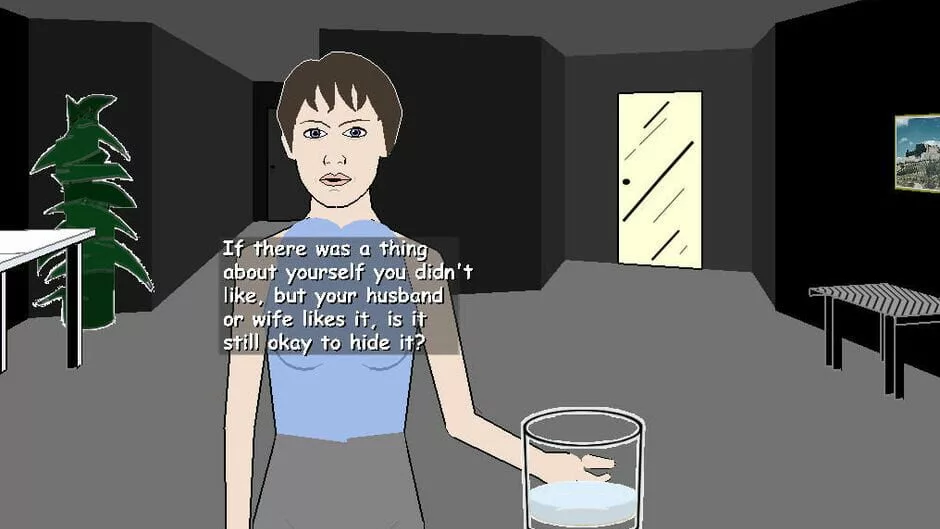
At the same time, both Grace and Trip are stated to have both committed infidelity depending on the ending, turning cheating into more than betrayal. It is emotional escapism. Trip has been having a long-term affair with a work client in Barcelona named Maria. And Grace had cheated on Trip the night before he proposed with a male artist.
Their affairs suggest two people searching for versions of themselves outside the suffocating identity their marriage created. That shared infidelity transforms the apartment into something almost ghostly: a space filled with two people performing intimacy while privately longing for emotional exit routes.
This is only furthered when the player learns that Grace knew Trip far before the player introduced them. She saw him working in a “shady bar” after she and her friends went “slumming it” off their college campus. Trip acted like he was wealthy and cultured, but Grace always knew who he was. But the Trip she fell in love with, a humble small-town bartender, is long gone.
Grace is living the nightmare of waking up one day beside someone you no longer truly know. By the end of the evening, Trip and Grace no longer feel like a couple trying to save a marriage. They feel like two exhausted people haunting the ruins of one.
The Social Horror Of Emotional Claustrophobia
What makes “Façade” so psychologically suffocating is how little escape it allows. The apartment is not physically large, but as the night progresses, it begins to feel smaller and smaller, every small room thick with tension that never fully dissipates. The player is constantly pulled back into Trip and Grace’s arguments no matter where they stand or what they say. If the player attempt to retreat into the kitchen, either Trip or Grace will call them back in. Or even force them out, resulting in a bad ending. There is no safe corner in the apartment, no moment where the emotional pressure fully lifts.

This creates a form of social horror rooted in emotional claustrophobia. The fear does not come from being chased or attacked, but from being trapped inside an atmosphere where every interaction feels unstable. Trip and Grace scrutinize tone, body language, and word choice with exhausting intensity, making ordinary conversation feel dangerous. A harmless observation can suddenly turn accusatory. A joke can become passive aggression. The player quickly learns that there is no truly “correct” response because the conflict between the couple already exists beneath every exchange.
The apartment itself starts to feel oppressive in the way haunted houses do. The warm lighting, polished furniture, and expensive decor create the illusion of comfort, yet the environment becomes increasingly hostile as the evening unfolds. Objects that initially feel sophisticated begin to resemble props in a performance neither Trip nor Grace can maintain anymore. The rooms trap the player inside their collapsing marriage, forcing them to witness arguments that feel far too intimate to observe yet impossible to escape.
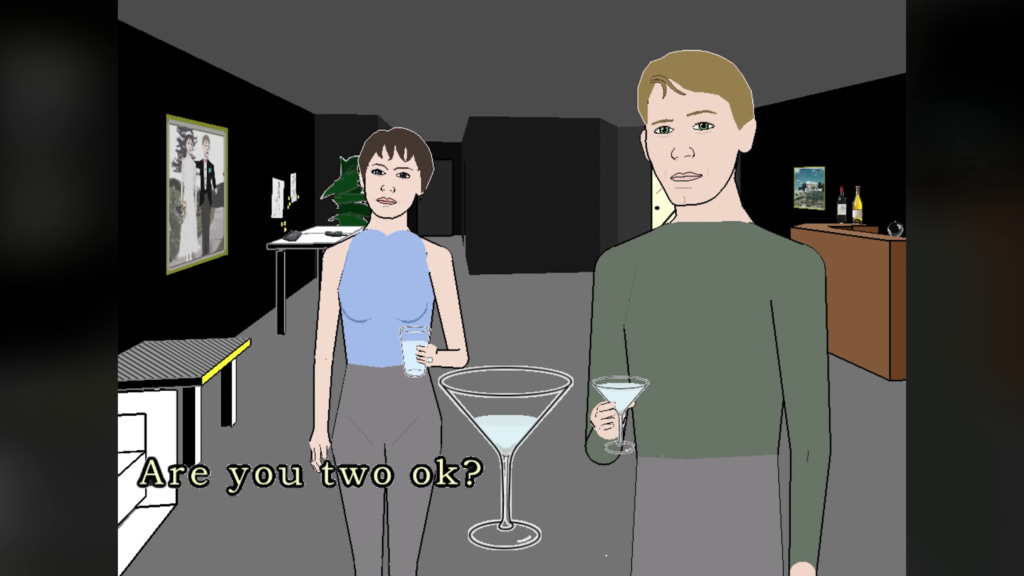
Part of what makes this so frightening is how recognizable the tension feels. “Façade” captures the specific anxiety of being trapped in a deeply uncomfortable social situation where you become hyperaware of every word you say, every silence you leave hanging, every shift in someone’s tone. The player is not afraid of physical harm — they are afraid of making things worse, of triggering another argument, of accidentally exposing emotions the couple is desperately trying to suppress. That fear builds slowly until the entire apartment feels emotionally airless.

By the end of the game, the player no longer feels like a guest at a dinner party. They feel trapped inside a relationship that has been decaying for years, forced to breathe in every ounce of resentment, disappointment, and emotional exhaustion lingering between Trip and Grace. The horror of “Façade” lies in this unbearable intimacy. It turns emotional tension into confinement, making human interaction itself feel impossible to escape.
When The Walls Break Down
What lingers after “Façade” is not any single argument or outcome, but the feeling of having been trapped inside someone else’s unraveling reality. The game refuses the distance most narratives give their audience; instead of observing a broken relationship from the outside, the player is placed uncomfortably inside it, where every interaction carries emotional weight they cannot fully control or escape.
By the end of the evening, Trip and Grace’s apartment stops functioning as a domestic space and starts feeling like a sealed environment where meaning is constantly misfiring. Words are spoken but rarely land as intended, gestures are interpreted through resentment, and even moments of attempted connection feel strained by years of unspoken dissatisfaction. The player is left navigating not a story that progresses, but a situation that intensifies and then simply… ends.
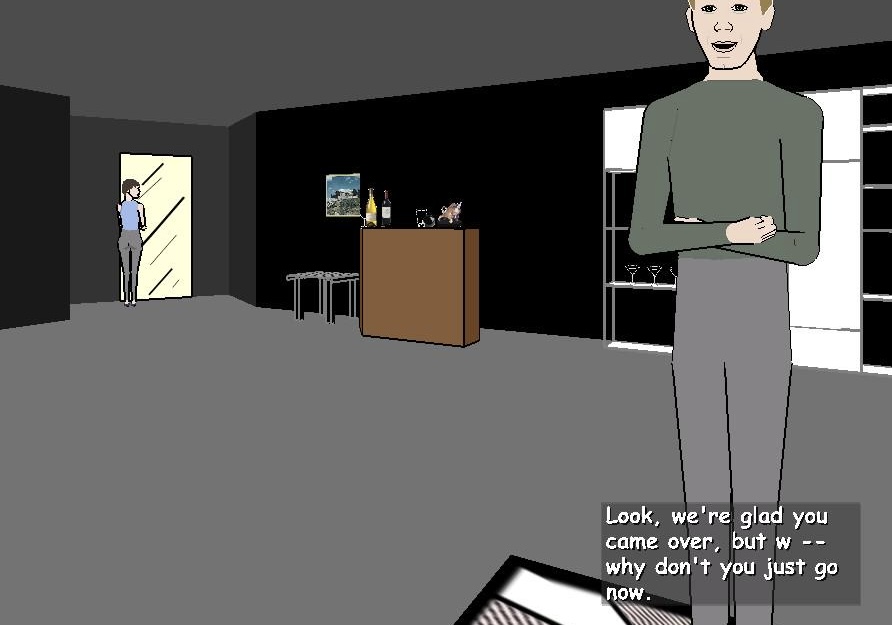
That is where the game’s lasting impact sits. “Façade” does not resolve its central tensions because it is not interested in resolution. It is interested in exposure — the quiet, uncomfortable realization of how quickly intimacy can become performance, and how easily performance can replace understanding. What remains is not closure, but the afterimage of a relationship that never quite stabilizes, even when the screen goes dark.
Footnotes
- Mateas, Micheal, and Stern Andrew. 2005. Facade. Facade. Procedural Arts, released July 5. Windows. ↩︎
- Wikipedia. 2026. “Façade (video game).” April 15. ↩︎
- “Has Mascot Horror Lost Its Edge?” The Rise & Decline Of A Viral Genre • The Daily Fandom. n.d. Accessed May 19, 2026. ↩︎
- Gross, James J., and Oliver P. John. 2003. “Individual Differences in Two Emotion Regulation Processes: Implications for Affect, Relationships, and Well-Being.” ↩︎
- “Gender Differences in Alexithymia : Psychology of Men & Masculinity.” n.d. ↩︎