
Table of Contents Show
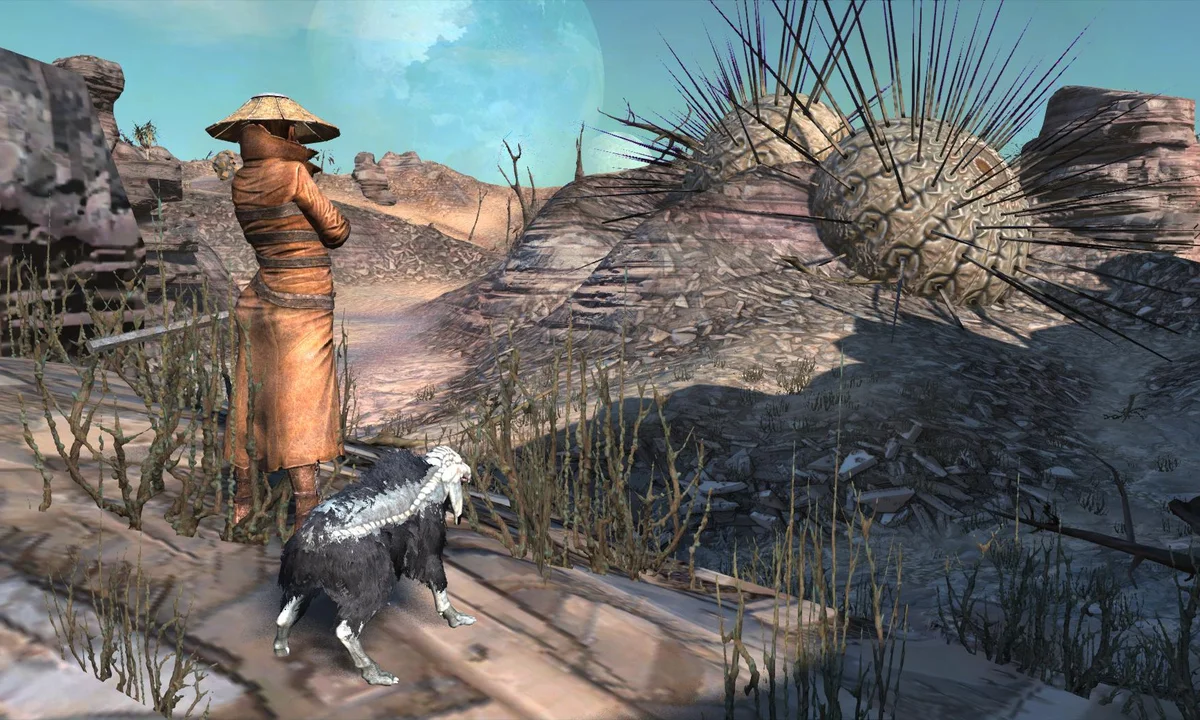
“Kenshi” (Lo-Fi Games, 2018) is a sandbox role-playing game that takes place in a dystopian “sword-punk” world, suffering the consequences of a history that has been forgotten by many of its inhabitants. It was released by Lo-Fi games in 2018, after around ten years of development.
The game allows the player to choose their own start, and from there, the game simply allows them to do as they please. They are free to choose their own path: thief, trader, mercenary, treasure hunter, crime lord, and more.1

Though there are several paths to take in the brutal world of Kenshi, many of them have something in common: the accumulation of power. A late-game player may attempt to use their accumulated power and resources to do what they think is best for the world.
But in doing so, they may find themselves echoing the actions of an old empire that had a hand in making the world of Kenshi as deadly as it is in-game. Through synergizing the history of the game with the player’s actions, the game effectively conveys that good intentions do not always lead to good outcomes and that doing the right thing is not always easy.
“From Rags To Riches” — Progression In “Kenshi”
“Kenshi” offers many starts to cater to different preferences, sometimes giving the player an extra boost with items, playable characters, and/or faction relationships. But they all have one thing in common: low stats. In most starts, they are all set to one, effectively making the player one of the weakest entities on the continent. Of course, the player does not remain weak forever.
As they work to achieve their goals, they will venture out across the world, possibly dying horribly multiple times and developing their skills with every deadly encounter survived.2
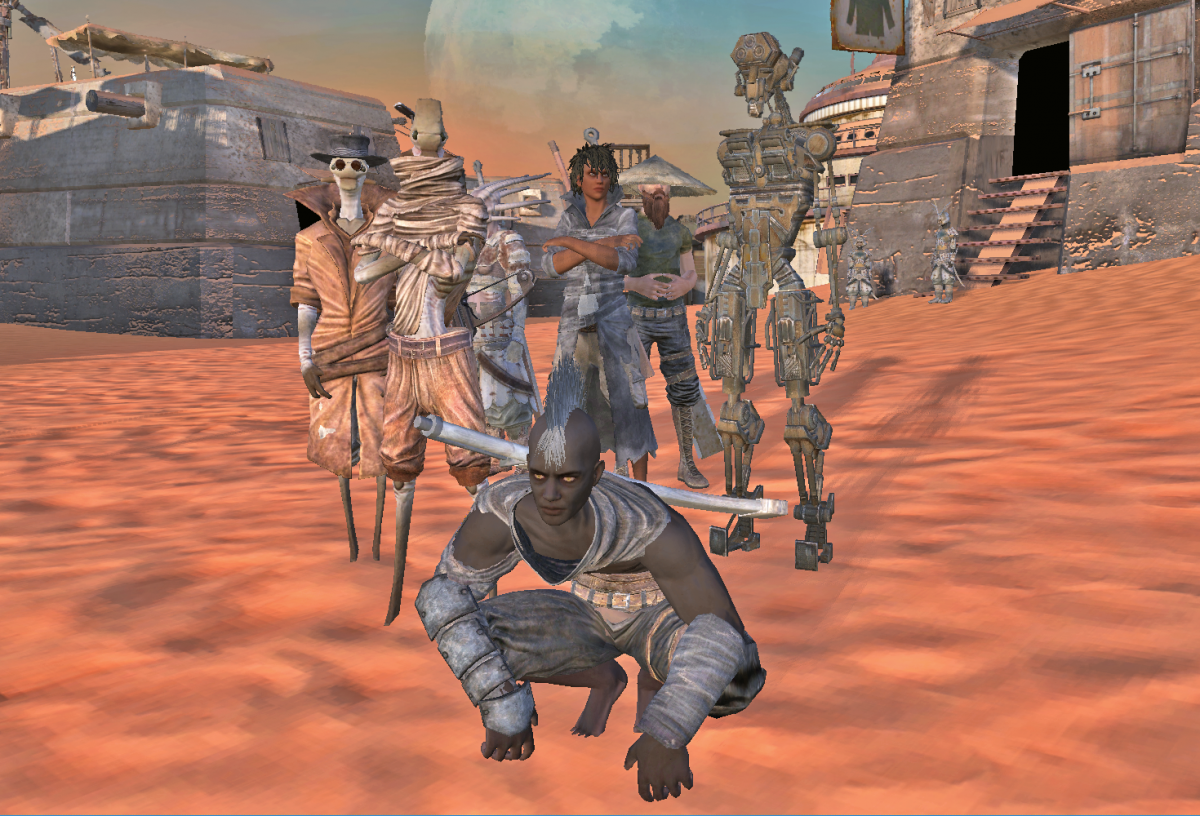
Whether the player begins their journey on their own or with a few others, their numbers are not set in stone. There are many recruits out there willing to join up with the player’s squad, with some of them being unique individuals that have special dialogue in reaction to the environment, certain enemies, and even other unique squadmates.3
Some are capable warriors, while others are better suited for labor or thievery. Of course, nothing stops them from improving on the skills they lack (though they may be slowed down by racial skill modifiers).
Thriving In A Wasteland
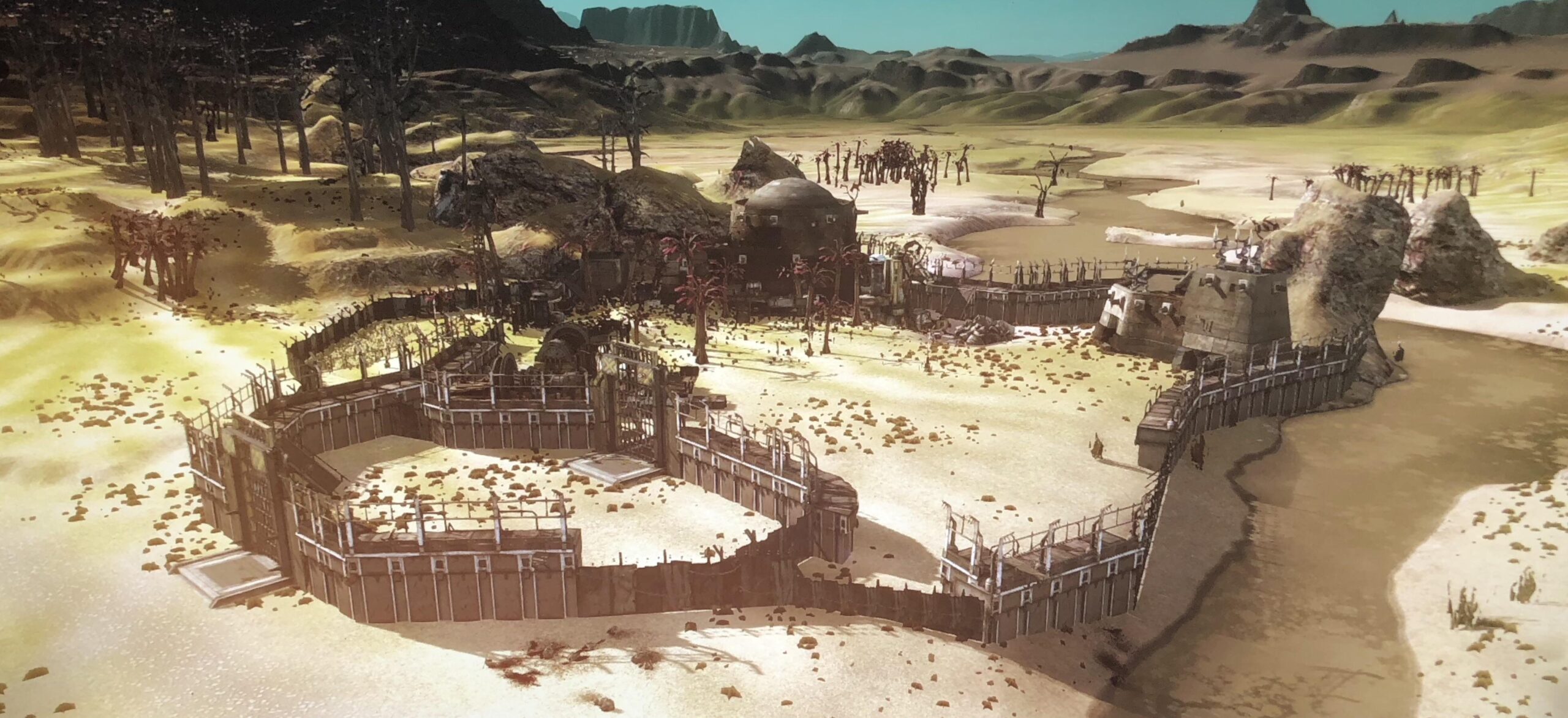
As the player grows both in strength and numbers, they may consider building a base, where they can farm and sell resources. Or perhaps they simply crave the challenge of building and defending their own little fortress. In most cases, this is considered a straight upgrade from simply purchasing a home in one of the many cities of the game. But it is a challenging endeavor indeed.
Depending on where the player settles, they may be subject to various difficulties. Local wildlife, bandits, and neighboring factions that consider the settled land a part of their territory. One faction, The Holy Nation, will require the player to profess and practice their faith and will attack them if they show women or non-human recruits during their visit.
Another, the United Cities, will demand a tax and occasionally search the base to ensure that the player is not producing illegal substances. With enough work, the base turns from a simple homestead to a fortress, and then eventually into a mini town of sorts.4
At this point, or further along the way, the player will become a small-time ruler with skilled warriors and an impressive base to back them up. From there, they may consider using their power to right the many wrongs in the world. And the world of Kenshi is very brutal and filled with a variety of evildoers and oppressors that seem like they could use a hero to take them down a notch.
With everything the player has built, it may be hard for them to resist that role. But unlike most video games, “Kenshi” is not about heroes saving the day and righting all wrongs with minimal consequences. The game’s hidden history shows a less idealistic take on fixing the world.
“Atrocities Of The Past” — The Second Empire
According to the lore of the game, there was a powerful empire that ruled over the world. This “First Empire” was very technologically advanced. Among their advancements were creatures known as “behemoths” who were, as far as anyone knows, essentially giant robots. There were also “skeletons,” which were like the behemoths, but human-sized.
Most in-game lore speculates that when the First Empire betrayed their creations, it sparked a rebellion among the skeletons that, in addition to a variety of other chaotic events at the time, would cause the fall of the First Empire and bring humanity to extinction.
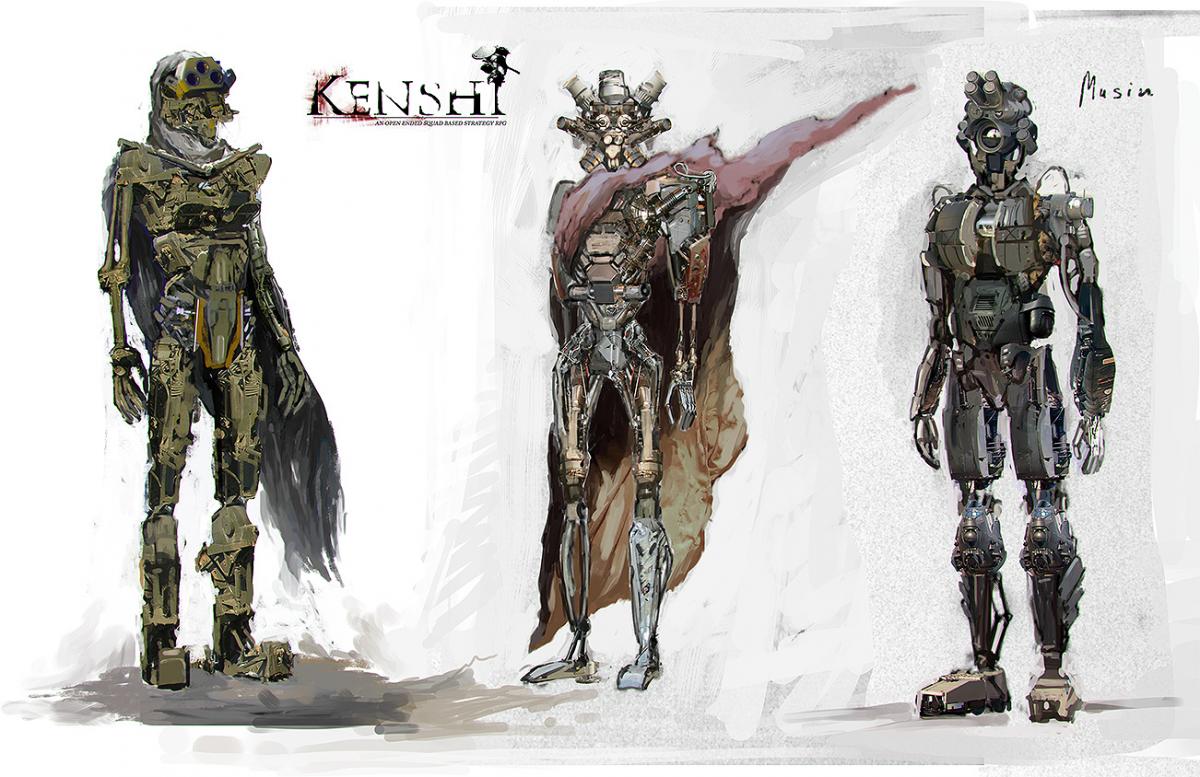
Around a thousand or a hundred years later, a skeleton named Cat-Lon formed the “Second Empire” with his followers. Though this empire was founded with good intentions, it would become increasingly more oppressive as time went on. Some skeleton soldiers would be “thralled” to ensure obedience, a process that removed their heads and their free will.
There has also been some record of the construction of “child prisons” under orders of the empire. Many other events were happening that would strain the empire, such as cannibal tribes in the northwest, a great famine and a rebellion against the empire itself. In the end, the Second Empire suffered a fate similar to the first: falling for reasons lost to history, a subject that the world’s scholars still try to understand.5
“Doomed To Repeat” — How History Shapes A Possible Future
To understand how this history fits in with the present world of Kenshi, one must take a look at the state it’s in. As mentioned before, the world is very brutal and filled with oppressive and immoral factions.
There is the Holy Nation, the safest place to live for anyone who isn’t a woman or a non-human race. They are a powerful civilization that operates on a strict religious doctrine that orders them to destroy everything and everyone that they consider evil. Sometimes, they enslave their enemies and force them to work and learn the prayers of their god, Okran. They hold a special animosity towards skeletons, believing them to be servants of darkness.6

Then there is the United Cities, where the Holy Nation is bound to the laws of their god. The United Cities hold no fervor for anything other than wealth and the nobles who rule the lands. The poor are criminalized, beaten, and forced to work as slaves in various slaver camps located within the United Cities’ territories, along with criminals and enemy prisoners. The nobles hold power, ruling each city and often spending their time talking down to everyone and hunting unfortunate desert vagrants for sport using expensive crossbows.7
Finally, there is a myriad of hostile factions, including the cannibals of the northwest,8 the southern hive,9 and the bandits on the southeastern side of the map, that vary wildly in aesthetic and philosophy.10 Some will take the player as a slave, some will simply attempt to kill on sight, and others, like the skin bandits, take the player away to do things to them that are best left unmentioned.11
The Road To Hell
As stated earlier, a powerful late-game player may decide to take on these factions either out of moral reasons or just for a challenge. In doing so, one might forget that “Kenshi” is not all sunshine and rainbows. Every action has consequences, even well-intentioned ones. “Kenshi” reflects these consequences through a game mechanic called “world states.”

This mechanic changes the state of the world in response to the player’s actions. This includes adding or removing wandering enemy types, changing a city’s structure, and changing the status of ownership.
In order to effectively “defeat” an enemy faction, the player must imprison or kill their leaders. Doing so causes the cities/bases they ruled over to change. Sometimes for better and sometimes for worse. If the player takes down an enemy civilization’s leadership, their territories are often taken over by the nearest faction that is still intact, although this is not always the case.
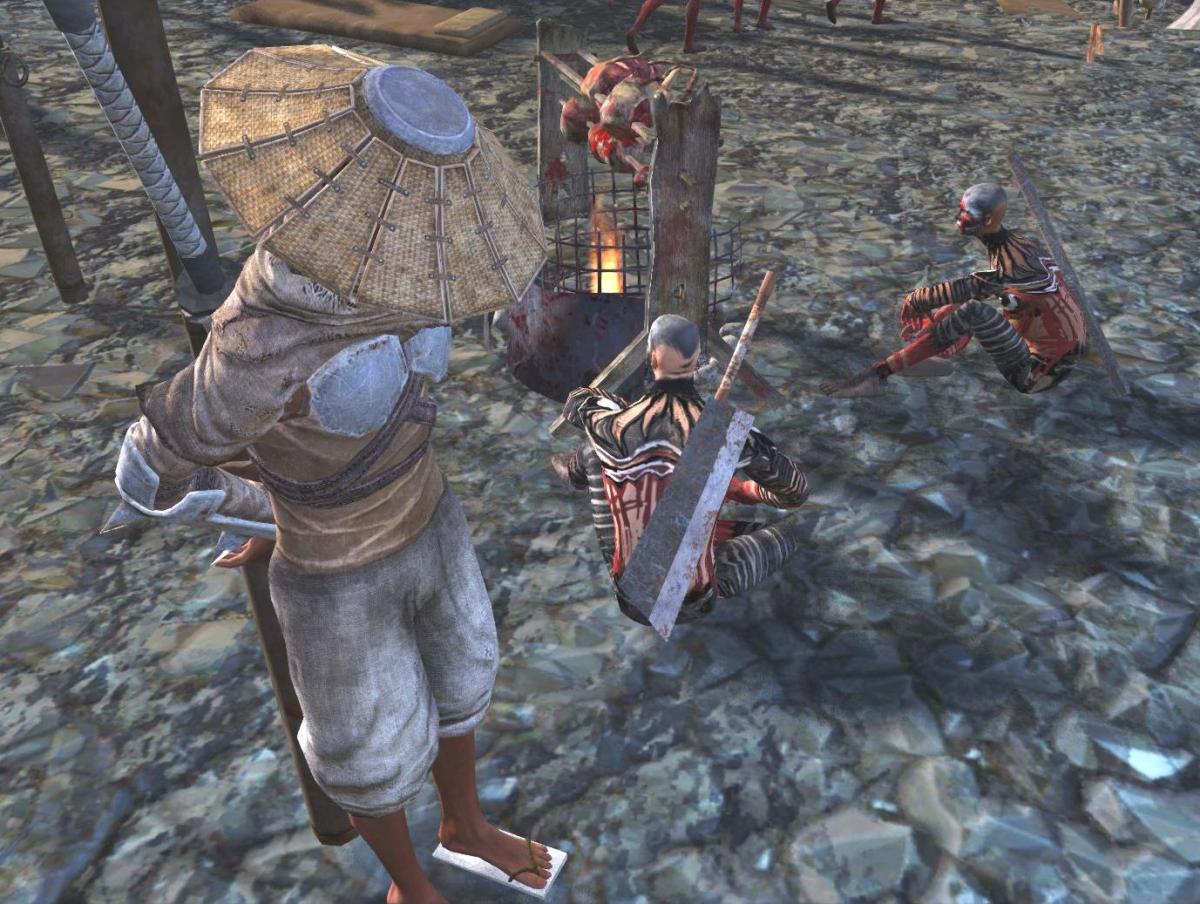
Holy Nation and United Cities territories may become overrun with cannibals or other flesh-eating ne’er-do-wells. The United Cities will be afflicted with famine if someone liberates their slaves, which is often the goal in a war against them based on moral reasons. As for bandit factions, eliminating them sometimes means that another will simply take advantage of the power vacuum, replacing a troublesome faction with a depraved one.12
Though a player may have good intentions, it seems as though some of the actions they take may make things worse for the world, not too unlike the Second Empire. In that way, they may end up repeating their history. A faction becoming as twisted as the world it sought to help.
A Warning From The Past
Most paths that a player may choose to take in Kenshi involve the accumulation of power, and some paths involve using that power to change the world for the better. But the history of the Second Empire shows us that the road to hell is often paved with good intentions. In their attempts to fix the world, they may end up breaking it further.
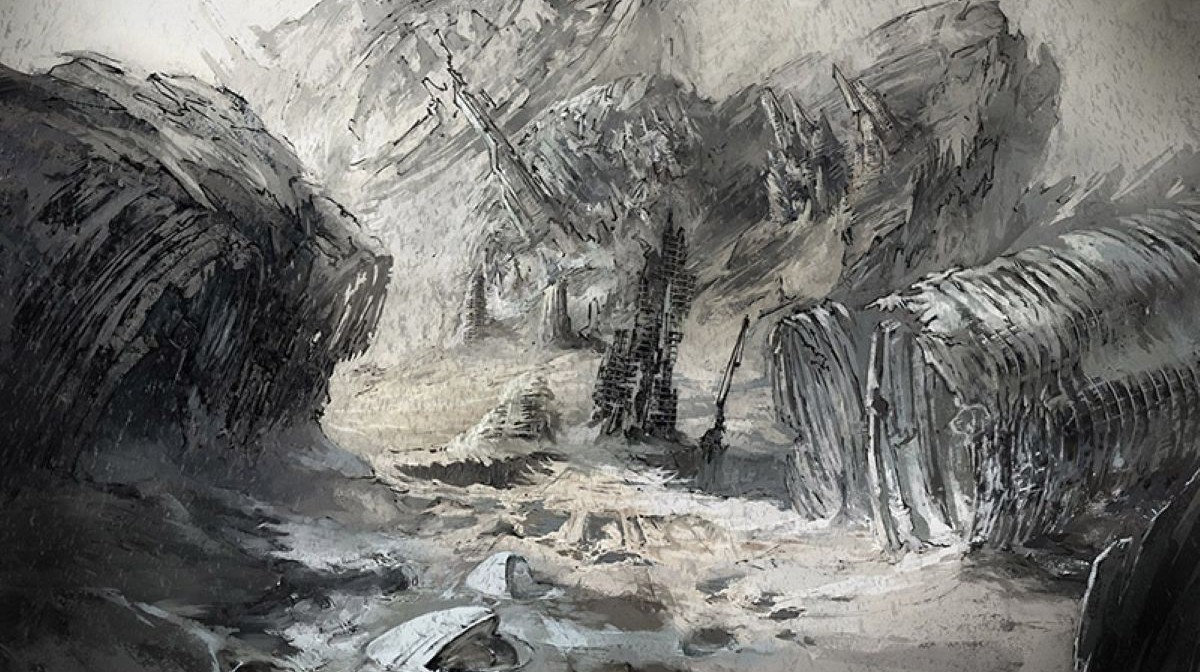
In that way, the story of the Second Empire acts as a sort of “foreshadowing” for the player’s own potential path forward. That doesn’t mean that a better world isn’t worth fighting for, and fighting for something like that in a world like the one we see in Kenshi is definitely worth it. The Second Empire’s history exists to remind the player that the good fight is not an easy one, and that all actions, good intentions or not, have consequences.
Footnotes
- “About Kenshi”, Lo-fi Games, Accessed September 26, 2025. ↩︎
- “Guide to Training Statistics”, Kenshi Wiki, Accessed October 13, 2025. ↩︎
- “Playable Characters”, Kenshi Wiki, Accessed October 13, 2025. ↩︎
- “Guide to Building an Outpost”, Kenshi Wiki, Accessed October 13, 2025. ↩︎
- “History of Kenshi”, Kenshi Wiki, Accessed October 13, 2025. ↩︎
- “The Holy Nation”, Kenshi Wiki, Accessed October 13, 2025. ↩︎
- “United Cities”, Kenshi Wiki, Accessed October 13, 2025. ↩︎
- “Cannibals”, Kenshi Wiki, Accessed October 13, 2025. ↩︎
- “Southern Hive”, Kenshi Wiki, Accessed October 13, 2025. ↩︎
- “Stobe’s Garden”, Kenshi Wiki, Accessed October 13, 2025. ↩︎
- “Skin Bandits”, Kenshi Wiki, Accessed October 13, 2025. ↩︎
- “World States”, Kenshi Wiki, Accessed October 13, 2025. ↩︎