

Table of Contents Show
The 1994 comic book miniseries Marvels, written by Kurt Busiek and illustrated by Alex Ross, with letters by Josh Gaushell and Richard Starkings, later collected in trade paperback format, takes a different approach to the Marvel Universe and the idea of a traditional superhero comics world.
Rather than telling a story where the extraordinary, larger-than-life superhero characters are the main focus of the narrative, Marvels instead shines a spotlight on the mundane and ordinary, grounding the heart of the story within the perspective of the ordinary person.

The world of the superhero comic is often focused on the fantastical, creating worlds beyond belief with characters who defy reality. What makes Marvels stand out, especially within the library of superhero comics, isn’t the absence of the extraordinary in favor of the ordinary, but the way it’s interested in both.
It highlights both the extraordinary qualities of a superhero world and how grandiose it can feel to exist in that space, as well as demystifying the superhero world by depicting an ordinary life carrying on, showing the ways these two different worlds can and often do intersect with one another.
“Chasing The Marvels” — How Phil Sheldon Shapes The Core Of Marvels
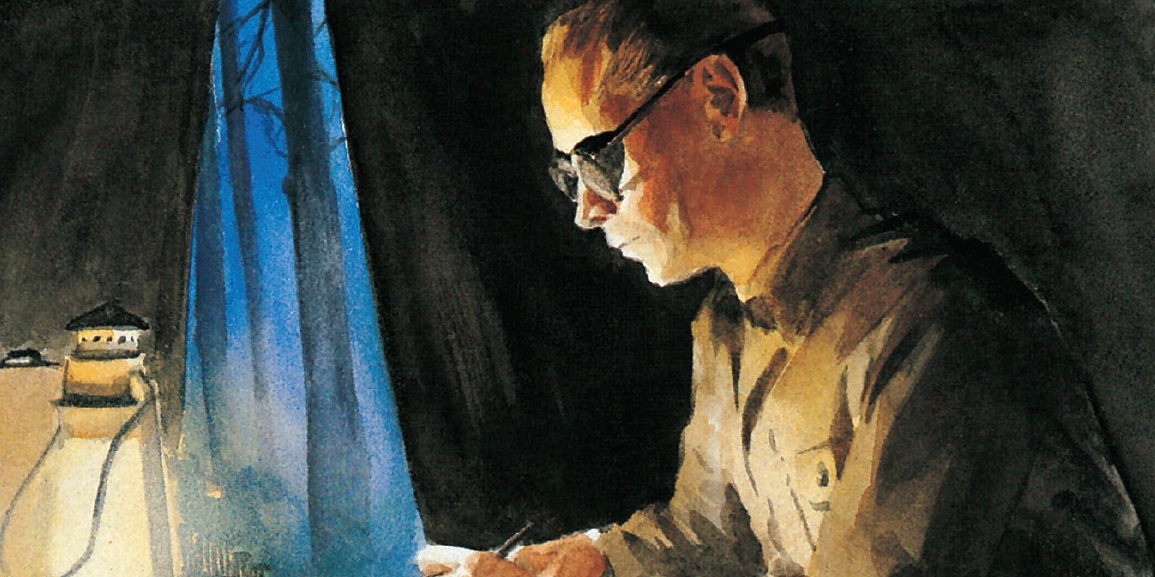
Though Marvels is firmly set in a growing Marvel Universe, one where heroes such as Spider-Man and the Fantastic Four are emerging for the very first time, the narrative of the comic is most focused on Phil Sheldon, a photojournalist chronicling the history of these superheroes. Amidst the backdrop of the ordinary world confronting the extraordinary, the story is just as concerned with Phil’s personal life.
An Age Of Marvels
The first issue, set in the late 1930s, depicts the world’s first exposure to superheroes in the form of Jim Hammond, the original Human Torch, and Namor The Sub-Mariner. The world, however, regards them with a sense of fear and dread, seeing them as transgressive entities. After the Human Torch and Namor battle, Phil breaks off his engagement to his fiancée, Doris, worrying that he can’t protect her in a world where people beyond human can exist.

Ultimately, after photographing a battle between the Human Torch and Namor, which causes Phil to lose sight in one of his eyes, Phil comes to realize the “Marvels,” as he has taken to calling them, aren’t a passing fad, but rather something that has become a permanent part of the world, and he can’t wait for the rest of his life for them to just pass by. The revelation prompts him to marry Doris. As Phil reports from the frontlines of Europe, he writes in a letter to her:1
“And the thing I didn’t see until I was up on that building and the wave was crashing around me — it isn’t going to be them that adapts to us. The world is different now. The rules have changed. Forever.”2
Man/Mutant
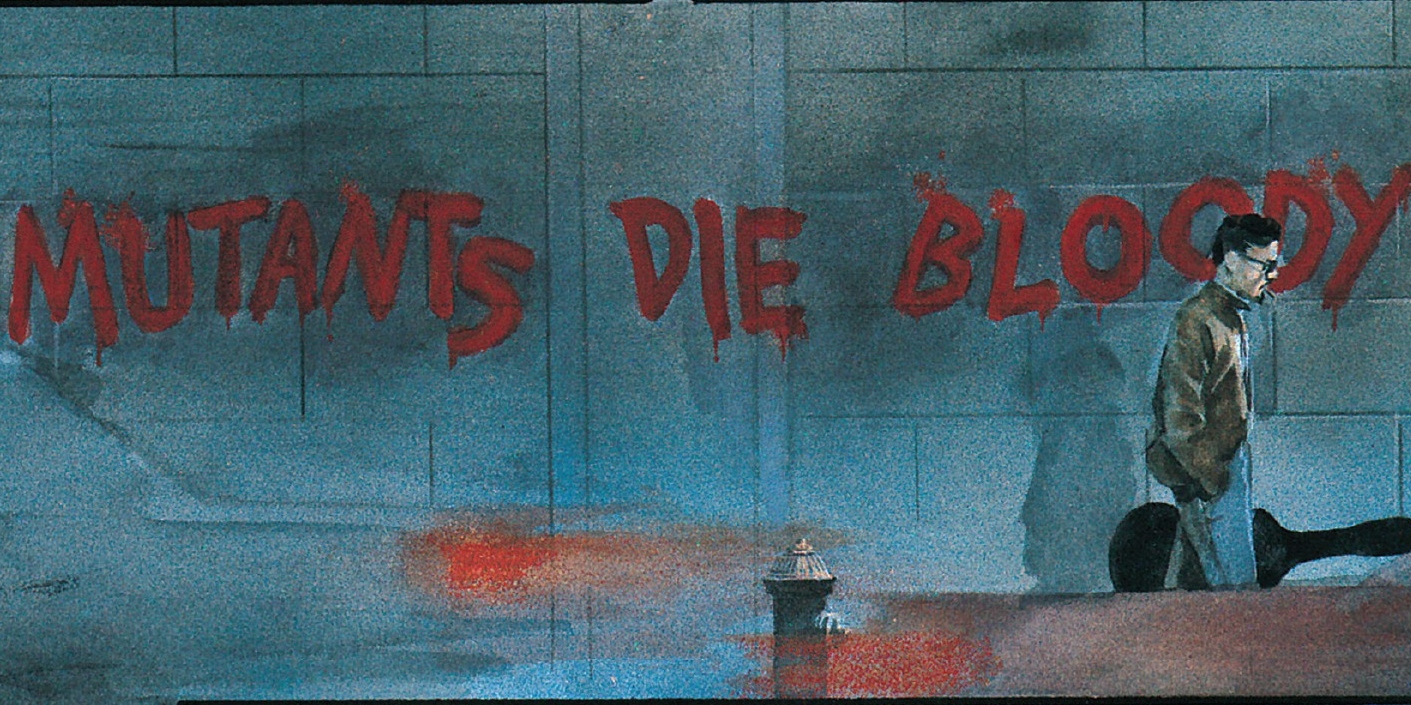
The second issue, set in the 1960s, showcases the ways the Marvel Universe and daily realities within it impact Phil’s daily life. The love and adoration heroes such as the Fantastic Four and the Avengers receive are juxtaposed with the anti-mutant hysteria directed at the X-Men, with Phil himself worried about the world his daughters are growing up in.
Though Phil initially finds himself swept up within the hysteria, seeing a young mutant his daughters have been harboring snaps him out of it, and an ensuing riot over footage of Sentinels, mutant-hunting robots, losing control is documented by Phil in order to show where people’s fear and anger will lead them.3

End Of Days
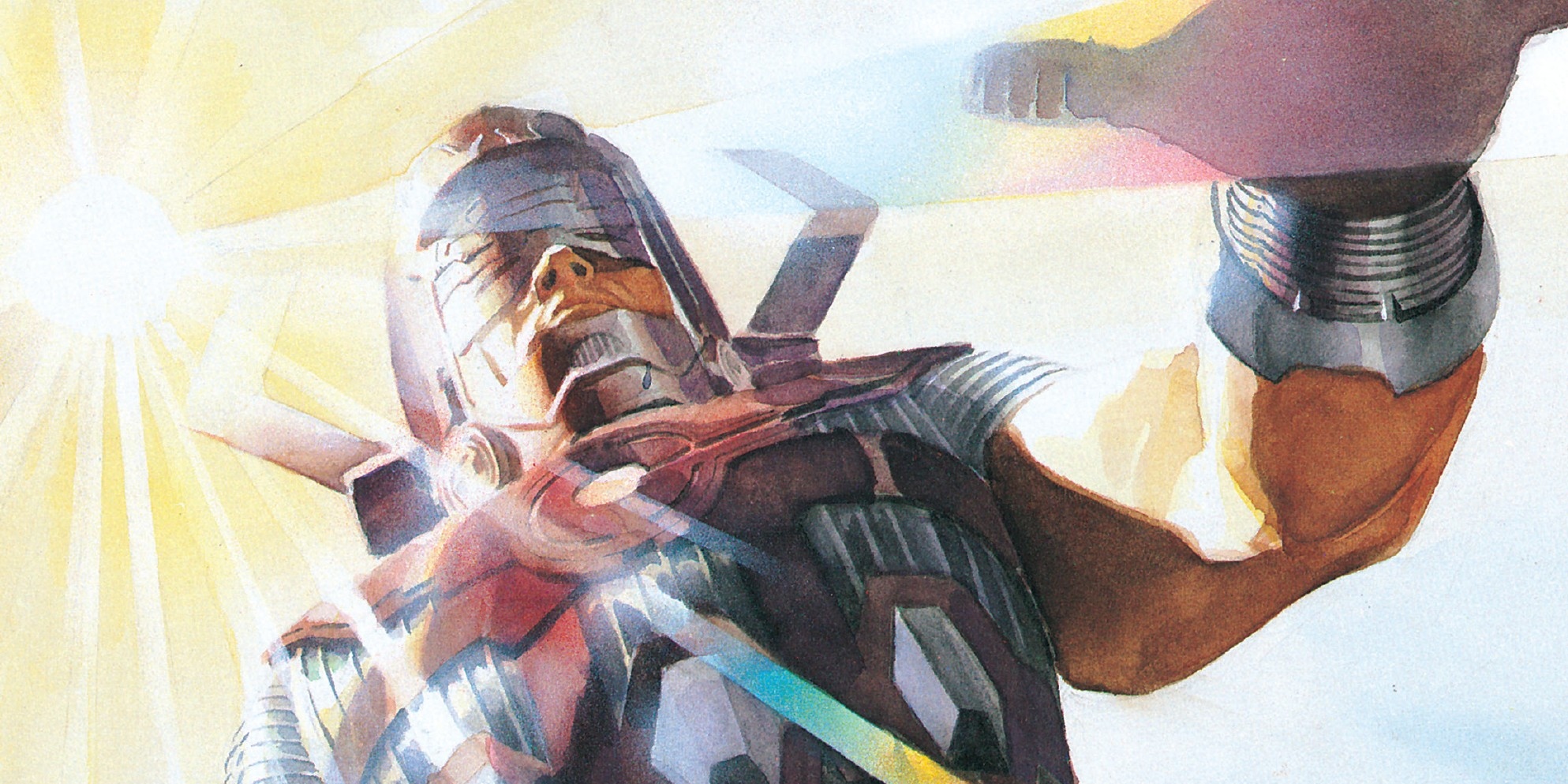
The third issue demonstrates how Phil has been overlooking his family to focus on his work, as well as his grappling with the changing sentiment towards the various superheroes of the Marvel Universe. When the Fantastic Four first encounter Galactus, their initial defeat seemingly spells the end of the world.

Phil finds himself struck with a wave of apathy. Instead of staying, Phil decides to walk away from the ensuing crisis; choosing to come home to his family if the world does end. Though the world is saved by the Fantastic Four, this confrontation with his mortality on such a massive scale forces Phil to reevaluate what really matters to him in life, and deepens his resentment towards the public for their inability to look up and be grateful.4

Innocence/Guilt
Phil’s arc comes to a close in the final issue of the series, set in the 1970s. Growing frustrated with the changing sentiment around superheroes, and how they had gone from being seen as heroes to being degraded by the press, Phil attempts to clear Spider-Man of the murder of Police Captain George Stacy.

Over the course of his investigation, Phil grows close to Gwen Stacy, George Stacy’s daughter, seeing her as representative of the innocence that the heroes protect. Gwen’s death in the midst of a battle between Spider-Man and the Green Goblin, and the general apathy around her death which follows, shatters Phil’s faith in the heroes. Phil reaches an epiphany and chooses to retire at the end of the series, telling his assistant, Marcia:5
“You’ve got to have the eye for it, and mine is gone. I lost it somewhere. I’ve seen too much, and I’m inside now. Where I can’t see anything straight.”6
Phil Sheldon’s arc within these four issues of Marvels, both with regard to his personal life as well as his feelings towards superheroes, highlights the emotional core of the miniseries. He finds he extraordinary parts of life within a superhero universe intersecting with his own mundane concerns. While he takes pictures of the Avengers or Daredevil, he’s just as worried about providing a future for his family or keeping them safe in the world. Phil Sheldon’s struggles and fears are rooted in a daily reality for most people; he just happens to live in a world where the extraordinary is a daily occurrence for him.

And over time, even the extraordinary becomes ordinary to him. When Phil and his family watch a news broadcast about mysterious objects coming to the Earth from the Sun, Phil’s response is that it’s nothing he needs to be on the scene for, and that he’s sure the Avengers or some other team will take care of it. His reaction to the death of Gwen Stacy, as well as his reaction to the world moving on from her death, cements the fact that he’s lost his eye for the extraordinary.
The world won’t stop for Gwen’s death, even if he’s still mourning the loss, and it won’t stop even if he waits forever. So Phil is forced to admit that it’s time for him to retire. Phil’s faith isn’t just shattered with the heroes, but the public as well.
“Feared & Hated” — Civilian Responses To The Extraordinary
Just as important to Marvels as Phil Sheldon is the way the public reacts to the emergence of superheroes, as their opinions ebb and flow throughout the course of the narrative. When the first superheroes emerge, they are terrified of them, often not sure what to think or how to regard the Marvels. While they are looked at with a sense of awe, that awe is paired with fear and horror towards them, as their powers make the rest of the world feel small.7
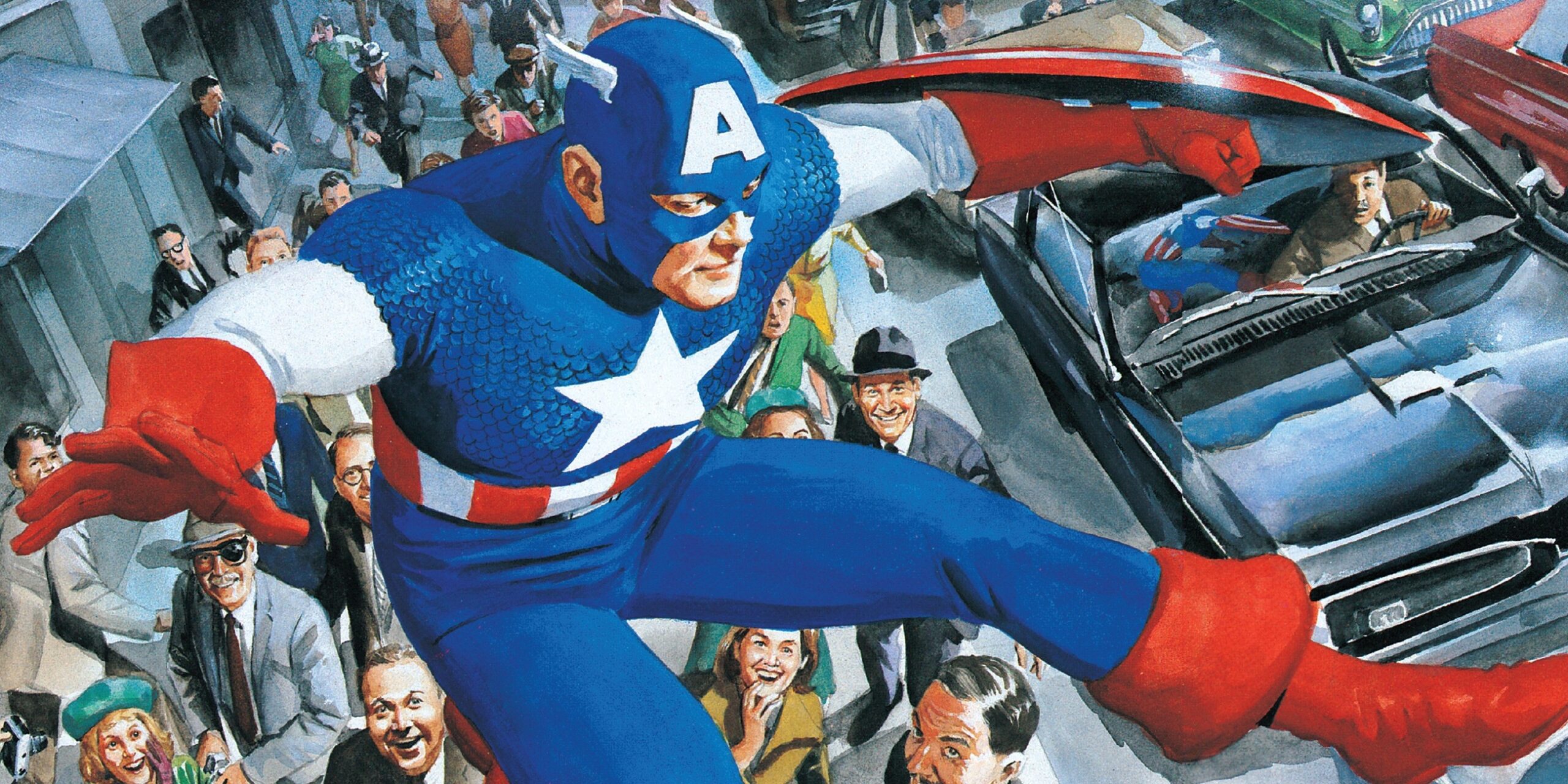
At multiple points within the series, readers are shown directly how the civilians view the extraordinary parts of the Marvel Universe. The first issue features people reacting to the debut of Captain America, and he is accepted practically overnight by the civilians of the Marvel Universe, to the point where association with him makes The Human Torch and Namor, both of whom were initially feared by the people of New York, beloved icons in the war against the Axis Powers.8
These eyewitness accounts continue throughout Marvels, filtered through Phil’s perspective but not independent of it, and form an integral aspect of the narrative. Characters such as Spider-Man and the X-Men see the most coverage through these eyewitness accounts. Just before Phil first encounters the X-Men in the second issue, he hears from a passerby how they were tormenting a construction worker, when the reality is that they were trying to save him after he fell.9
When Phil attempts to clear Spider-Man’s name within the final issue, he interviews people who witnessed the battle with Doctor Octopus, which resulted in George Stacy’s death. The witnesses to the battle all assume that Spider-Man had killed George Stacy, with the character’s negative coverage in the Daily Bugle playing a role in their conclusions.10

The way the public thinks of superheroes throughout Marvels, and the way their opinions often change, frames the narrative. The second issue of the series juxtaposes the love that those characters receive with the hatred the public reserves for the X-Men or Spider-Man.
As the series progresses, the public begins to turn on the other heroes, albeit not to the same extent as the X-Men. The Fantastic Four lose face over the public believing Galactus to be a hoax, while the Avengers find themselves mired in suspicion. Where they were once champions, Phil Sheldon muses to himself, “…All they wanted out of the Marvels now was blood.” 11
The changing opinions of the public, and how quickly they can bounce from one extreme to the other, demonstrates the role the press plays in Marvels, both for the reputations of the heroes and for Phil’s growing disconnect from the public. The Marvels are initially feared as an outside force, something disconnected and alien.
When the life of the ordinary civilian is confronted with the extraordinary, and when the extraordinary is something they don’t understand or something which poses an existential threat, they react with fear, hatred, and hysteria. This is exemplified best by the reaction to the X-Men and the perceived existential threat that mutants represent to an ordinary way of life.

Though Phil Sheldon initially shares in these beliefs, over time, he breaks away from the group. His fear of mutants is replaced with anger at how quickly people can be driven to hatred.12 When the Fantastic Four save the world from Galactus, Phil is disgusted by how quickly the public accuses them of faking the ordeal, just to deflect from how scared they felt.13
When Spider-Man is accused of murder, Phil has a difficult time believing it and seeks to clear his name.14 The more time he spends chasing the Marvels, the closer he is to their world. By the end of the series, when Phil retires, he admits that he’s too close to it all to see anything straight.15
The civilian responses to the extraordinary also help make the world of Marvels feel more real. The reader may know with certainty that Galactus is real, or that Spider-Man didn’t kill Captain Stacy, but the reader only knows this because they exist outside that world and have a perspective that the civilians of the Marvel Universe do not have. They do not have the same insight into the world that the reader does, so their opinions and perspectives are based on what they can observe, while the reader has an omniscient point of view.

While their perspectives are never quite defensible, entirely because of the readers’ insight into the personal lives of these characters and the lives they lead outside the public eye, they do become understandable with the understanding that they are only seeing half of the story.
“The World Outside Your Window” — Alex Ross’s Realism
The glue binding Marvels together is Alex Ross’s paintings, which serve as the artwork for the series. Ross’s artwork stands out within the realm of superhero comics due to the painted detail and emphasis on human, realistic figures. The costumes that characters such as Spider-Man and Captain America wear are painted and textured to look like real pieces of clothing, with attention being given to the ways the fabrics will fold and wrinkle. Additionally, Ross used models and props to bring a further element of authenticity to Marvels, creating a vision for the series that felt truly grounded in realism.16

This approach towards realism simultaneously demystifies these characters and maintains their grandeur. Ross’s artwork and depictions of these characters, as well as Busiek’s writing, never makes an attempt to give realistic explanations for the way these comic book characters look, nor do Ross’s translations of these classic designs alter core elements to make them feel more ‘grounded.’ In a video discussing the 25th anniversary of Marvels, Alex Ross states that he wanted to make these iconic characters feel real, and making the readers believe the characters in the same way they believe the effects in film was his main goal with the series.17
“If I could illustrate this famous comic book character, who originated from then; rebirth him in a way where you’re seeing it and believing it like you’re watching a movie. And you think, that looks like a man on fire.”18
The paintings in Marvels depict these characters as they appear in their own titles, only in a different style to make them feel like a part of the real world. In some ways, this demystifies the Marvel Universe, imbuing these mythic icons with a sense of reality that brings them into the world of the reader.
However, these characters still perform fantastic feats or use amazing abilities in the story. Their impressive, larger-than-life qualities are not diminished or erased by the approach Alex Ross takes, but they are elevated and made even more impressive when divorced from the stylistic sensibilities found in many other superhero comics. Marvels makes the impossible feel real, not by downplaying it, but by dragging the reader into its world and showing the wonders of the fantastical as if they could be happening just outside the reader’s window.
Marvels (1994) — Making The Fantastic Real
Though the world of Marvels is unapologetically the world of a traditional superhero universe, Kurt Busiek’s focus on ordinary people as narrative anchors and Alex Ross’s artwork make the Marvel Universe feel like a real, lived-in place, no different than the real world. It expertly blends these two ideas together and creates a vision of the Marvel Universe unlike anything else.
While Marvels is far from the first or only comic to explore the idea of ordinary people living their lives in a world with superheroes, it remains one of the finest implementations of this idea across the medium.

Phil Sheldon’s perspective as a photojournalist watching these events unfold injects reality into the fantastical elements of superhero comics. The changing tides of public opinion, as well as how Phil breaks away from the viewpoints of the masses, highlight the reality of civilian life in a world of superheroes and the new fears that come with it. Simultaneously, Alex Ross’s artwork blurs the line between the real world and the Marvel Universe, truly making it feel like it could be unfolding outside its pages.
The superhero genre, especially both Marvel’s and DC’s takes on it, finds a footing by focusing on the main heroes themselves and their spheres of influence. But increasingly, the focus of these stories exists within the extremes. Everything is about saving the city, or the planet, or the universe.
For as good as these stories can be, and often are, it makes the superhero feel further away from the reader. Stories like Marvels, which frame its heroes through the perspective of ordinary people, bring the superhero back and make the world they defend feel like a real, lived-in world.

When Phil retires at the end of Marvels, he tells his assistant, Marcia,
“You’ve got to be outside it, to see it for what it is.”19
No matter how invested the reader may be in the Marvel Universe, they exist outside of it because it is a realm of fiction, not reality. But by existing outside of it, the extraordinary never becomes ordinary to the reader. Every time they step into the Marvel Universe, they step into it as an outsider.
Marvels is keenly aware of this, and so it invites the reader to seek out the amazing within its pages, and behold their wonders.
Footnotes
- Busiek, Kurt, and Ross, Alex. “Marvels #1.” A Time Of Marvels. Marvel Comics. Jan. 1994. ↩︎
- Busiek, Kurt, and Ross, Alex. “Marvels #1.” A Time Of Marvels. Marvel Comics. Jan. 1994. ↩︎
- Busiek, Kurt, and Ross, Alex. “Marvels #2.” Monsters. Marvel Comics. Feb. 1994 ↩︎
- Busiek, Kurt, and Ross, Alex. “Marvels #3.” Judgement Day. Marvel Comics. Mar. 1994. ↩︎
- Busiek, Kurt, and Ross, Alex. “Marvels #4.” The Day She Died. Marvel Comics. Apr. 1994. ↩︎
- Busiek, Kurt, and Ross, Alex. “Marvels #4.” The Day She Died. Marvel Comics. Apr. 1994. ↩︎
- Busiek, Kurt, and Ross, Alex. “Marvels #1.” A Time Of Marvels. Marvel Comics. Jan. 1994. ↩︎
- Busiek, Kurt, and Ross, Alex. “Marvels #1.” A Time Of Marvels. Marvel Comics. Jan. 1994. ↩︎
- Busiek, Kurt, and Ross, Alex. “Marvels #2.” Monsters. Marvel Comics. Feb. 1994 ↩︎
- Busiek, Kurt, and Ross, Alex. “Marvels #4.” The Day She Died. Marvel Comics. Apr. 1994. ↩︎
- Busiek, Kurt, and Ross, Alex. “Marvels #3.” Judgement Day. Marvel Comics. Mar. 1994. ↩︎
- Busiek, Kurt, and Ross, Alex. “Marvels #2.” Monsters. Marvel Comics. Feb. 1994 ↩︎
- Busiek, Kurt, and Ross, Alex. “Marvels #3.” Judgement Day. Marvel Comics. Mar. 1994. ↩︎
- Busiek, Kurt, and Ross, Alex. “Marvels #4.” The Day She Died. Marvel Comics. Apr. 1994. ↩︎
- Busiek, Kurt, and Ross, Alex. “Marvels #4.” The Day She Died. Marvel Comics. Apr. 1994. ↩︎
- Busiek, Kurt, and Ross, Alex. Marvels: The Remastered Edition. Marvel Comics. Nov. 14 2018. ↩︎
- MARVELS 25th Anniversary. YouTube, uploaded by Alex Ross. 22 Jan. 2019. ↩︎
- MARVELS 25th Anniversary. YouTube, uploaded by Alex Ross. 22 Jan. 2019. ↩︎
- Busiek, Kurt, and Ross, Alex. “Marvels #4.” The Day She Died. Marvel Comics. Apr. 1994. ↩︎