
Table of Contents Show
Warning: This article contains spoilers for The Blair Witch Project (1999), Longlegs (2024), and Weapons (2025), as well as discussion/images of death and violence.
It seems a reversal of the classic Scooby-Doo unmasking moment; when a horror movie, after so much build-up, finally reveals the answer to its mystery and it turns out we’ve been dealing with supernatural forces all along. Of course, horror as a genre has long dealt with the supernatural, but when it comes to monsters in cinema, there’s a rule that what isn’t seen is far scarier than what is. Just take for instance 1999’s The Blair Witch Project (Daniel Myrick and Eduardo Sánchez), in which the titular witch is never explicitly shown on screen.
But as the horror genre veers more and more into realism, have fans developed a distaste for monsters entirely? With recent discourse on The Blair Witch Project itself, as well as modern releases like Longlegs (2024; Osgood Perkins) and Weapons (2025; Zach Cregger) — each marketed with a heavy focus on their mystery — there seems a growing number of moviegoers leaving disappointed in films which unveil supernatural antagonists.
At the heart of this discourse is a question: does horror need a monster, or is not knowing more effective? The answer, as always, lies in the execution. When the supernatural serves a purpose, it becomes a necessary component of the narrative — not merely explaining the mystery, but enhancing themes present in the films. The problem, then, with the supernatural twist, is not its inclusion within these films, but a disappointment when a movie’s reveal fails to live up to an imagined answer.
Does Blair Witch Need A Witch?
Framed as the uncovered footage of three missing film students — Heather, Mike, and Josh — The Blair Witch Project depicts the events leading up to their disappearance, after the three travelled to Burkittsville, Maryland shooting a documentary. That documentary was about the Blair Witch, a local legend connected to multiple murders and vanishings in the area.

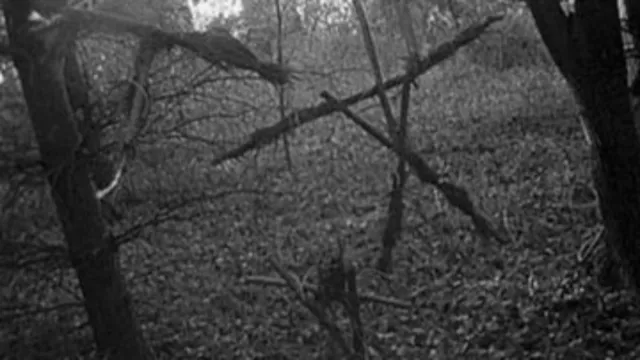
Their search for the witch takes them into the woods around Burkittsville, where they quickly find themselves in over their heads. The three are tormented in the night by strange noises, have their belongings messed with, and discover bizarre stick figures hung up across the forest. The three bicker amongst each other, finding themselves lost and disoriented — as though something is purposely leading them off-course.
After days of staying lost (and seemingly walking in circles), Josh ends up going missing. Hearing a distressed voice which sounds eerily like him, Heather and Mike trail the sound to a dilapidated house, where the two are attacked. And this is where The Blair Witch Project ends, with Heather dropping her camera, her attacker completely unseen.

As a result, the movie’s horror is largely left to the viewer’s imagination, never revealing the source of the noises, or what’s been tormenting Heather, Mike, and Josh. Since its release, The Blair Witch Project has been lauded for this “less is more” approach, building its dread through atmosphere alone. The film’s purposefully “amateur” presentation helps too, allowing the film to feel less like a movie and more like a genuine piece of found footage. The audience feels the same distress as the three characters, especially as it becomes evident they’re not leaving the woods alive.
But with this lack of a tangible threat comes ambiguity. It is in this ambiguity that many fans attempt to fill in the gaps, or come up with theories as to what truly happened in the film. In fact, some Blair Witch fans have questioned if there is indeed even a witch at all.

One fan theory proposes the idea that The Blair Witch Project is not a supernatural horror story, but one of a woman being gaslit and murdered by her friends. The film certainly depicts a hostile relationship between Heather and the two men, especially as they grow more and more fatigued. Cathal Gunning of ScreenRant writes: “Mike and Josh planned out the entire trip beforehand, including all the creepy nighttime visitation… and their eventual arrival at the house. At this point, the pair worked together to trick Heather into the basement, where they murdered her.”1
This theory was popularized by YouTuber MatPat of The Film Theorists, who released a video on the subject in September of 2016.2 Looking at the comments, many seem to like the idea, with several commenters expressing the opinion that this take on The Blair Witch project is “far scarier” than a supernatural witch.

And perhaps they have a point. After all, a senseless murder is indeed more terrifying — and more rooted in real-world horrors — than any witch possibly could be. What’s more interesting, however, is what the theory says about the way fans engage with media.
While The Blair Witch Project‘s ambiguity may allow for a more realistic take on the film’s events, it’s just as true that fans will cling tight to their own interpretation. This can lead to disappointment when the reality doesn’t match what fans have already built up in their heads.
When Anticipation Is Scarier Than Answers — The Devil At The Heart Of Longlegs
Arguably the most hyped-up horror film of 2024, Osgood Perkins’ Longlegs presents a seemingly unsolvable murder mystery. The film stars Maika Monroe as Special Agent Lee Harker, who gets pulled into the case of “Longlegs,” a serial killer responsible for the slaying of entire families. Longlegs leaves cryptic letters at the scene of the crime, while leaving no evidence he’s in the house at the time of the murders. In fact, it’s as though he’s able to convince the fathers to commit the act on his behalf.

But despite these bizarre circumstances — and the occult nature of the crimes — characters like Lee’s superior, Carter, stress that Longlegs is “just a man… not a witch doctor.”3 It’s unsurprising then that many viewers anticipated a grounded explanation behind the murders. And early comparisons of Longlegs to gritty, realistic crime thrillers like The Silence of the Lambs4 (1991; Jonathan Demme) and Seven (1995; David Fincher) didn’t help matters. All of this, coupled with the film’s cryptic marketing, invited fans to speculate answers even before the movie came out. By the time Longlegs released, audiences came in with their own theories about the mystery. But these theories couldn’t predict Longlegs’ bizarre reality.
Instead, the film opts for an answer more devastatingly personal to Lee: that her own mother has been working with Longlegs (played by Nicolas Cage), planting Satanically-possessed dolls in the homes of the families. The reveal makes Carter’s comment feel ironic. Longlegs practically is a witch doctor, embedding his dolls with black magic. The twist proved to be divisive,5 to take what seemed a semi-plausible story of human violence and reveal the Devil was behind it. More than that, it gives an explanation which struggled to compete with months of fan speculation.

Reflecting on the twist, Brandon Zachary writes for ScreenRant: “By revealing the devil is literally involved in the plot to kill innocent families, Longlegs stops being a grounded crime-thriller and becomes something more metaphysical.”6 On its own, the comment seems another plea for realism in horror, but like Blair Witch, it’s better looked at as a desire for ambiguity. Even before the reveal, there are subtle supernatural aspects in the film, like Lee intuitively knowing the location of a suspect, and the sheer implausibility of Longlegs’ crimes. But nothing is made explicit until the twist.
Zachary continues: “I’m not even opposed to there being supernatural elements to the mystery. It could have left audiences debating the actual demonic presence”7 His critique reveals the major conflict at the heart of the whole supernatural debate: what fans want — versus the reality.
Witches In The Suburbs: Weapons’ Most Divisive Reveal
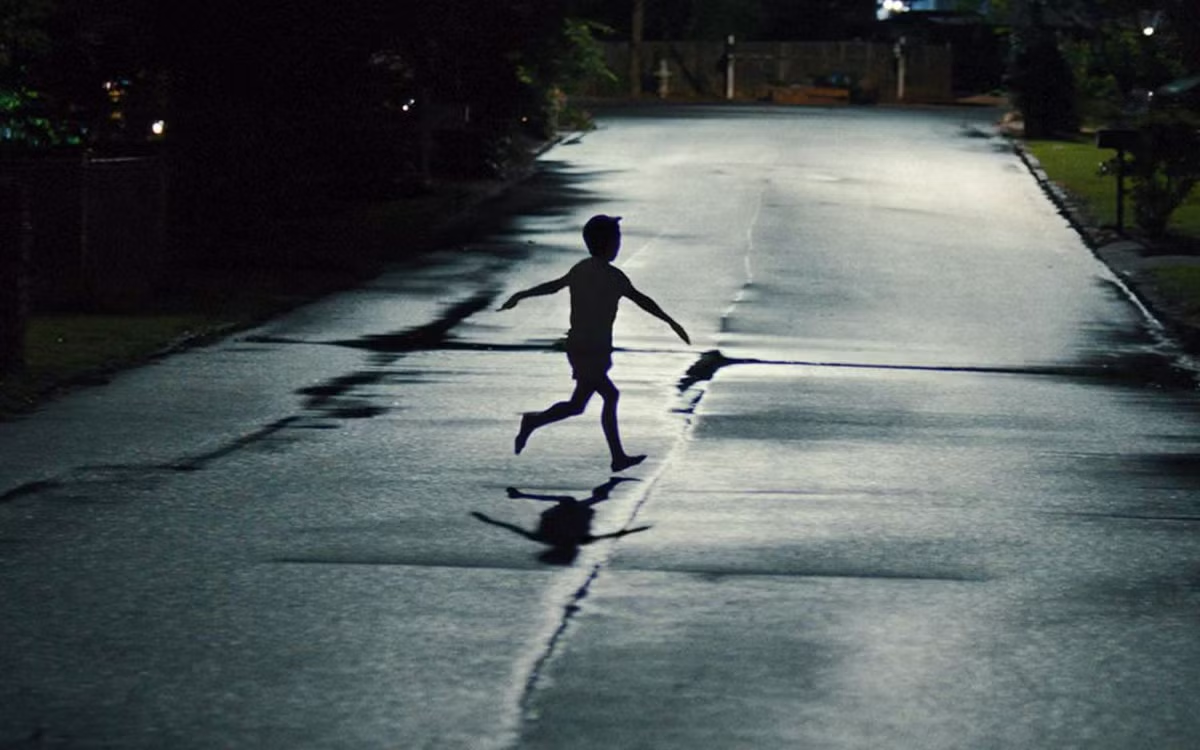
After his directorial debut in Barbarian (2022) — another film with a secret monstrous antagonist — Zach Creggers’ Weapons saw much anticipation from horror fans, especially for the mystery it advertised. That mystery begins with Maybrook Elementary School, where seventeen kids from one classroom ran out of their homes at 2:17 AM into the night — never to be seen again.
Weapons splits its story into the perspective of multiple characters, each affected in some way by the children’s disappearance. There’s Justine Gandy, their teacher, Archer, father to one of the kids, and Alex, the only student in Ms. Gandy’s class not to disappear. As a result, Weapons gives the viewer the answers to its mystery piece by piece, allowing them ample time to try and solve it. But for a mystery as seemingly inexplicable as Weapons’, this movie, like Longlegs, is given a supernatural answer.
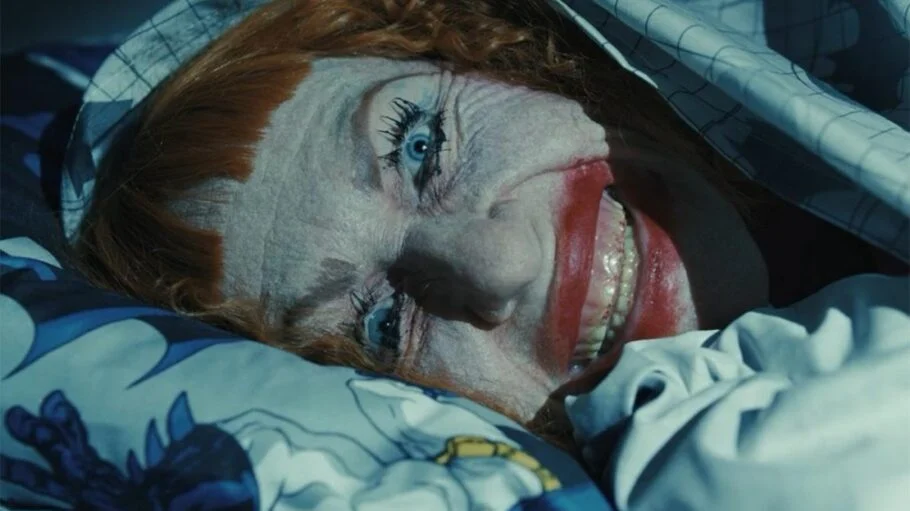
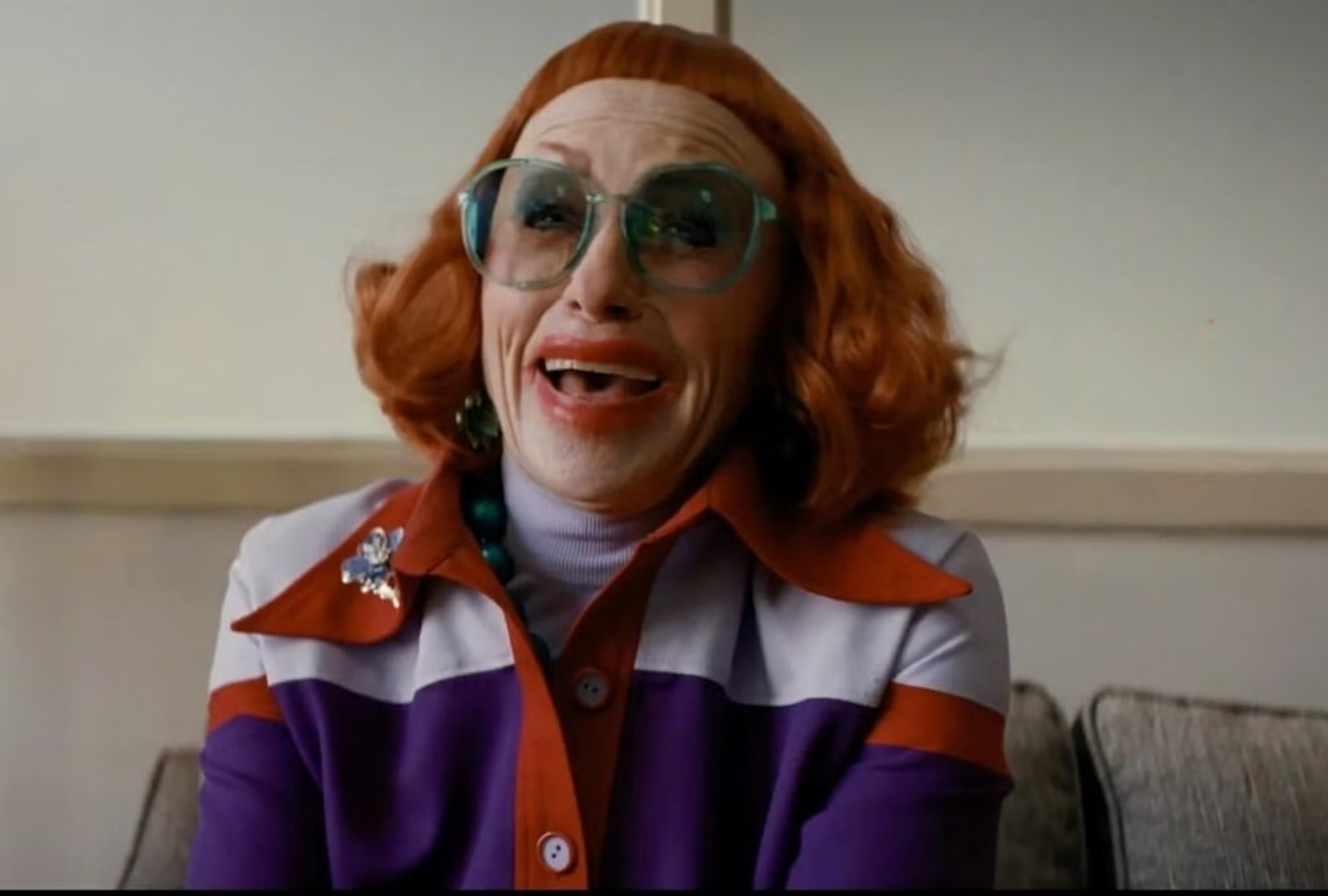
After over an hour of runtime, Weapons introduces the character of Gladys (played by Amy Madigan), Alex’s aunt, a frail old woman staying at his house due to her deteriorating health. In an attempt to rejuvenate herself, Gladys feeds off of Alex’s parents. When this fails to strengthen her, however, Gladys forces Alex to steal a belonging from each of his classmates, which allows Gladys to summon the children to her.

Gladys proved to be the breakout star of Weapons, with Amy Madigan winning the Oscar for Best Supporting Actress for her role.8 However, for some, Weapons’ witch-y twist was yet another disappointing resolution to a promising mystery. In a review for The Wrap, critic William Bibbiani writes: “Weapons evokes many terrifying, sadly familiar notions, including school shootings and child abuse, but in the end it boils down to a literal witch. We’re being tricked into thinking this is a film about important subjects, only to find out halfway through that it’s an unremarkable monster story.”9
Indeed, there’s a noticeable disparity between the film’s eerie premise and the campy portrayal of Gladys. But Bibbiani’s wording here also says a lot about fan expectation. His disappointment isn’t simply from the fact that Gladys is a witch, but that Weapons leads its viewers to expect a much different answer to its mystery.
Looking at the film’s marketing, Gladys was largely kept a secret to audiences. All viewers really had to go on was a mystery about missing children and a town in mourning. The plot point quickly drew comparisons to school shootings.10 This was enough to draw in an audience, and birth even more theories. Was it aliens? A government experiment? Once more, the film’s initial sense of ambiguity was interrupted in favor of a single answer.
But if Longlegs encouraged people to solve its mystery — and subsequently disappointed them when the answer couldn’t live up to their expectations, then the disappointment with Weapons stems from its perceived tonal shift. Many viewers came in expecting something far more serious in subject matter than a witch.
Consequently, while the sources of their disappointment may differ, the criticism aimed at both films reveals less of an issue with the supernatural itself and more of an indictment of horror marketing — and its role in fan reaction.
“The Scariest Movie Ever Made” — How Marketing Leads to Disappointment
There’s no question that marketing breeds anticipation. When it comes to horror, it seems every new release is advertised as “the scariest movie in decades.” This type of promotion is successful at filling seats, but it can also lead to high expectations.
The Blair Witch Project in particular is well-known for its viral marketing campaign. Utilizing the then-recent worldwide web, the official Blair Witch website spread missing posters, fake interviews, and additional “evidence.”11 It gave some audience members the impression that what took place in the movie really happened.
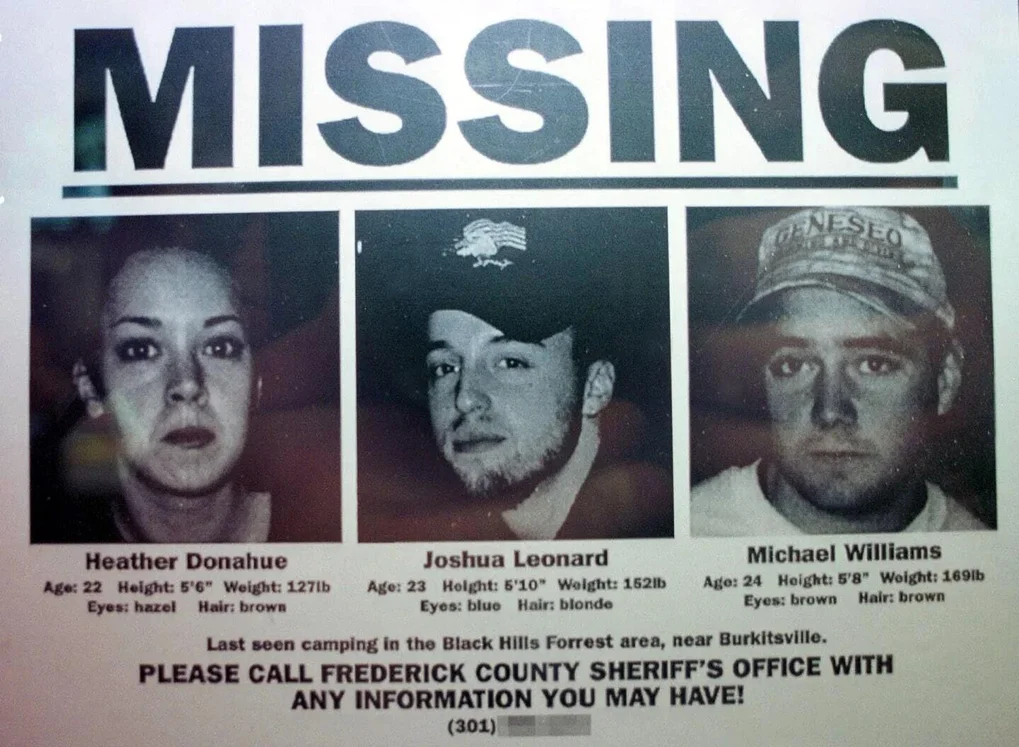
If The Blair Witch Project marketed itself as based in reality, perhaps it is not so surprising that many are drawn to a version of the film which more closely resembles that reality. Whatever the case, Blair Witch‘s marketing built a legacy for the film that has endured to this day. More than that, it generated hype. And for many films, it can be difficult to live up to that hype.
In the case of Longlegs, the film took a similar approach to marketing as The Blair Witch Project. Teasers for the film were notoriously cryptic. Ciphers from Longlegs were printed in newspapers, while billboards around Los Angeles contained only a phone number. If dialed, the caller would hear an eerie message from the killer.12
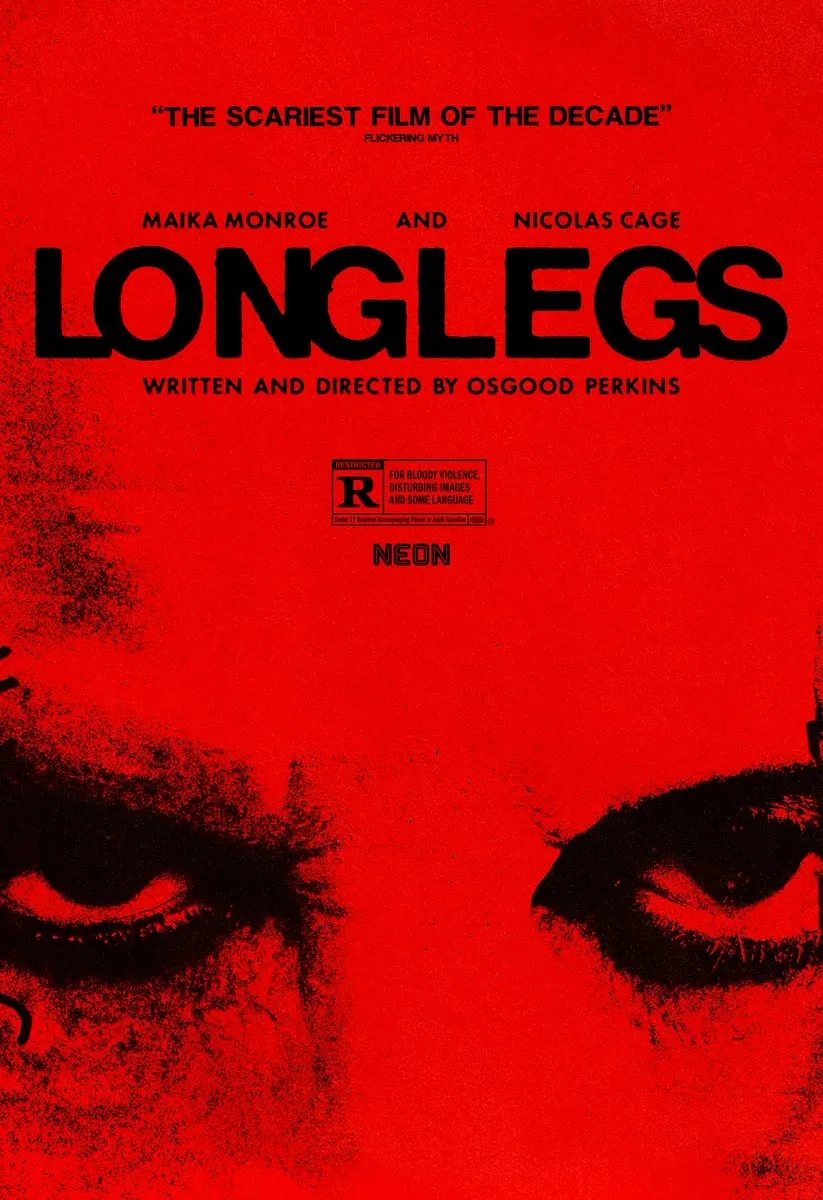
The campaign for Longlegs worked. It generated buzz. More importantly, it made people curious about its central mystery. Prior to its release, Weapons would adopt a similar strategy, launching a website known as maybrookmissing.com.13 The official social media for New Line Cinema would then take to Twitter, posting teasers of the children running into the night, framed as eerie surveillance footage.
These teasers unsettled many, and got them talking. People wanted to know just what happened to these kids. But marketing horror based on mystery can also be risky.

If there’s a mystery being advertised, as there is Longlegs and Weapons, and it’s given a supernatural answer, many are bound to be disappointed, because the answer rarely lives up to what’s being marketed. And for many, the supernatural fails to live up to the horrors of the real world — in which the answers can’t be chalked up to demons or witches.
But what this notion fails to take into account is that mysteries need resolution. The supernatural twist doesn’t take away from the fear of the unknown, it uses it as a mirror, reflecting something uncomfortably human in contrast.
When The Supernatural Interrogates Reality
At their core, The Blair Witch Project, Longlegs, and Weapons are all about humans being manipulated by the supernatural. In The Blair Witch Project, the witch turns the woods against Heather, Mike, and Josh. They become violent and bitter towards one another. While perhaps this could be a catalyst for a murder, as some fans suggest, this interpretation doesn’t acknowledge the way the supernatural actually benefits The Blair Witch Project.
For these characters, especially Heather, whose main goal is to document the Blair Witch, the supernatural makes for the perfect antagonist, as the Blair Witch refuses to be documented. The ending — where the witch finally attacks — if taken at face value loses none of its mystery because the Blair Witch remains unknowable.

In comparison, Longlegs and Weapons are far less ambiguous when it comes to showing the supernatural. In the case of Longlegs, while the film may have a Satanic answer, the murders contained within have a dark realism; the notion of a father killing his family torn from grim real-world headlines. It’s the same case with Weapons’ school shooting allegory.
In this way, by offering a supernatural answer for why these kinds of events happen — especially through characters as unnatural and over-the-top as Longlegs and Gladys — these films point out just how inexplicable and senseless human violence can be. Longlegs, for instance, picks his victims based on their daughters’ birthday, while Gladys selects Alex’s classmates. If it’s not random, it’s at least cruel and unfair, just as many tragedies tend to be. Having something to blame, even if supernatural, doesn’t make the events of these films any less terrifying.
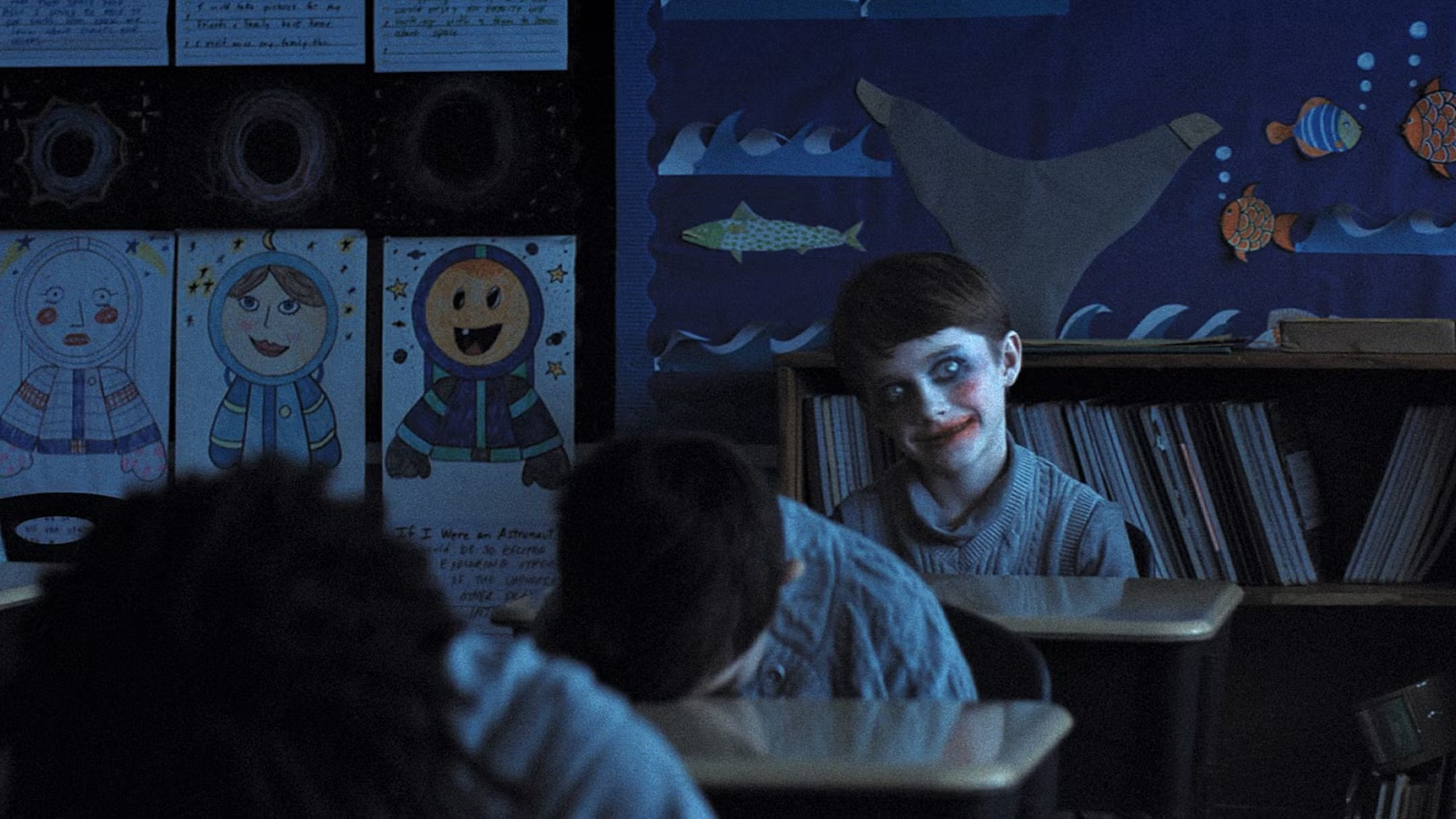
But this is about more than just what’s “scary;” it’s representative of how the supernatural functions as a narrative technique: it amplifies reality. These twists, then, aren’t just about being shocking, they’re a reminder of the unknown which exists within ourselves. In order for this to happen, horror must acknowledge what lurks in the shadows.
Should The Monster Always Stay Hidden?
Horror fandom is far from a hivemind. To say that horror fans hate monsters — or supernatural themes in general — would be untrue. In fact, these types of films continue to survive and thrive within the genre, and characters like Longlegs and Aunt Gladys have been embraced as new horror icons. But there’s a difference between films which explicitly market themselves as supernatural horror, and ones where it’s kept a secret.
Rather, the problem for many fans is in mysteries which feel unsatisfying, especially compared to what’s been built up in their heads. Ellie Etches writes for ScreenRant: “It is notoriously difficult to maintain the audience’s fear once a villain appears on screen because supernatural horror’s greatest tool is the terror of the unknown.”14 There is truth in this, just as it’s true that a good mystery can be a hard thing to write. And therein lies the biggest challenge faced by supernatural horror: providing answers without sacrificing the unknown.

The Blair Witch Project remains one of the strongest examples of a film that’s scarier for its lack of answers. Here, it is not just the ambiguity that makes it so unsettling, it’s the contrast between the unknown and characters actively seeking out the truth. That some are so willing to believe there’s no witch at all, however, suggests that ambiguity can lead fans to cling onto whichever interpretation of the film is scariest to them.
This is true even for films with a definitive answer — perhaps even more so. By the time Longlegs and Weapons hit theaters, fans had already spent months speculating and coming up with predictions as to what was really going on in each film. The result was disappointment when the films didn’t match a narrative they’d already written.

Mysteries invite this kind of audience participation, and fans will latch on to the interpretations they’ve created. Perhaps this is why some feel so strongly about ambiguity, because ambiguity, in a way, allows multiple answers to be correct.
Of course, the role marketing plays in this cycle can’t be ignored either. When films like Longlegs and Weapons rely on cryptic teasers, as well as rely on cryptic teasers and keep their respective antagonists under wraps, it can lead to false expectations. More significantly, by marketing mysteries, fans are encouraged to use their imagination — leading to the creation of monsters more terrifying than what’s on screen.
Footnotes
- Gunning, Cathal. “Blair Witch Project Killer Theory Totally Changes How You See The Movie.” ScreenRant. 21 May 2023. ↩︎
- The Film Theorists. “Film Theory: Blair Witch’s SECRET KILLERS!” 2016. ↩︎
- Perkins, Osgood, dir. Longlegs. Neon, 2024. ↩︎
- Depenbrock, Julie. “‘Longlegs’ Draws from ‘Silence of the Lambs,’ but Stands on Its Own Terrifying Feet.” NPR. 11 Jul. 2024. ↩︎
- Wiese, Jason. “Longlegs’ Twist Ending Disappointed Me, And That Final Shot Left Me With A Major Question.” Cinemablend. 20 Jul. 2024. ↩︎
- Zachary, Brandon. “Longlegs’ Supernatural Twist Isn’t What I Wanted Even If It Was Great.” ScreenRant. 19 Jul. 2024. ↩︎
- Ibid. ↩︎
- Gardner, Chris. “Amy Madigan Receives Standing Ovation for ‘Weapons’ Win, Thanks Ed Harris and ‘All the Dogs.’” The Hollywood Reporter. 16 Mar. 2026. ↩︎
- Bibbiani, William. “The Problem With ‘Weapons’ | Spoiler Review.” TheWrap 9 Aug. 2025. ↩︎
- Jack, Benjamin. “Weapons, and the Enduring Horror of Metaphor.” Indy Film Library. 8 Oct. 2025; ↩︎
- Haddad, Julia. “Breaking Down The Blair Witch Project’s Legendary Marketing Campaign.” Torro Media. 20 Oct. 2025. ↩︎
- Hart, Nick. “‘Longlegs’: A Masterclass in Horror Movie Marketing.” Counter Arts. 29 Jul. 2024. ↩︎
- Billington, Alex. “There’s a Missing Children Viral Website for Zach Cregger’s ‘Weapons’.” FirstShowing.Net. 15 Apr. 2025. ↩︎
- Etches, Ellie. “Longlegs’ Divisive Ending Repeated A Horror Movie Trope That Always Bothered Me.” 29 Aug. 2024. ↩︎