Table of Contents Show
Animation has long been marginalized within the broader media landscape. Often dismissed as a lesser art form, cartoons — particularly those aimed at children — are frequently excluded from conversations around “serious” television, while animated films are routinely relegated to the category of children’s entertainment. This cultural devaluation has historically contributed to inequitable wages and exploitative labor practices across the animation industry.

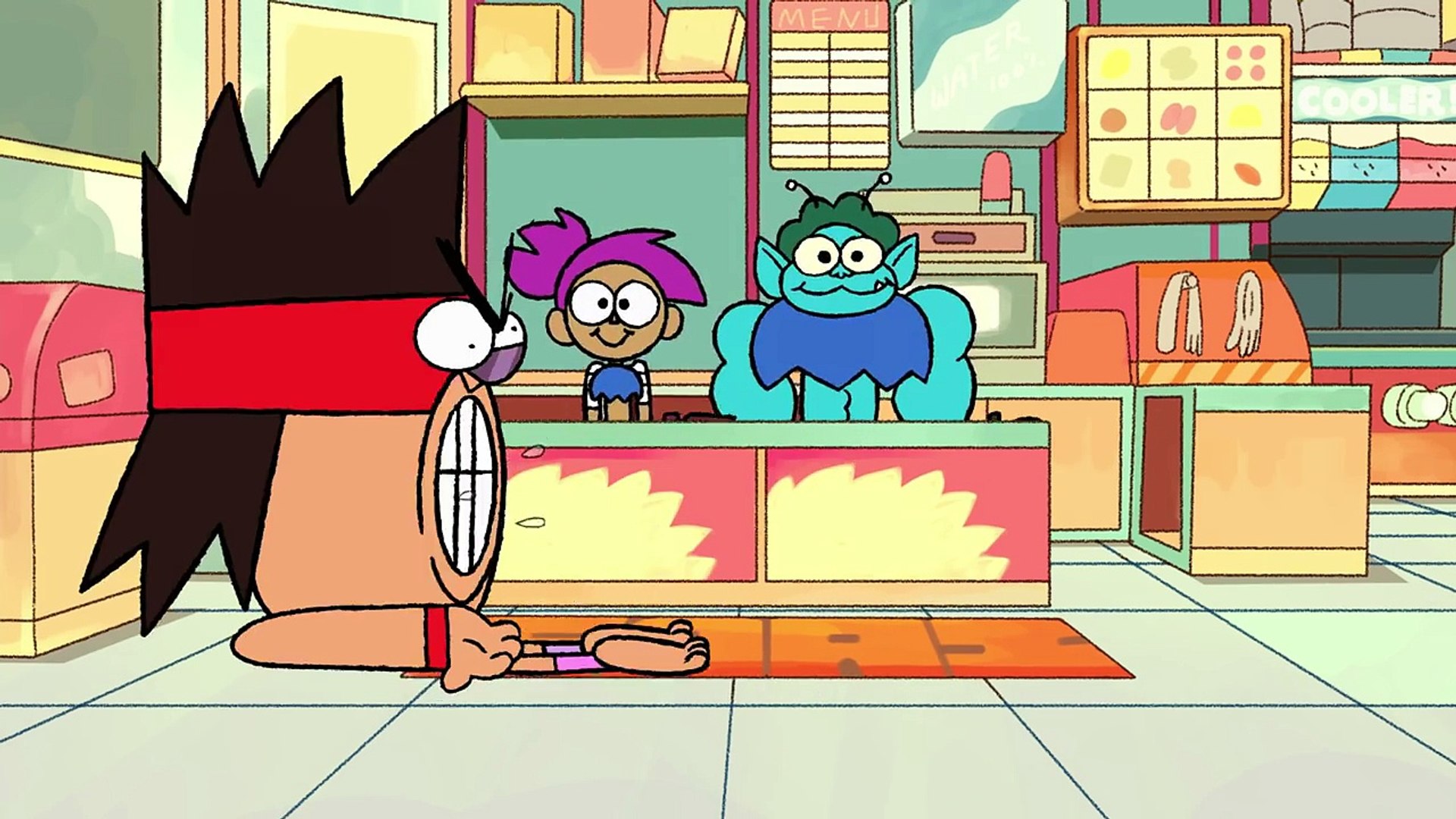
With minimal support from the very platforms on which the industry depends, animation creators face the growing threat of erasure. Cartoons are being systematically removed from streaming services, with some — such as OK K.O.! Let’s Be Heroes1 (created by Ian Jones-Quartey, 2017–2019) — never receiving a complete physical release. Even more titles continue to be struck from official viewing platforms. Animation today is not only undervalued; it is at risk of disappearing altogether.
‘A Century Of Disrespect’ — How Animators Have Been Undervalued From Snow White (1937) To The Streaming Era
When Snow White and the Seven Dwarfs was released, the only Academy Award nomination it received was for its soundtrack.2
However, in 1938, a ten-year-old Shirley Temple presented Walt Disney with a special honorary Oscar — recognizing his groundbreaking achievement in producing the first full-length animated feature film in the United States.

This moment set a precedent for how animation would be treated at the Academy Awards, with animated films rarely acknowledged outside of technical categories like “Best Original Score or Best Original Song.”
Even landmark moments — such as Beauty and the Beast (1991) earning a nomination for “Best Picture,” or the introduction of the “Best Animated Feature” category in 2001 — have done little to shift the prevailing perception that animation is a medium created exclusively for children.

In 2022, three actresses known as “Disney Princesses” presented the award for “Best Animated Feature,” with a condescending speech about how animated films are formative experiences for children (with the implication that parents just have to suffer through them).3
This prompted Phil Lord and Christopher Miller (Cloudy With a Chance of Meatballs (2009), The Lego Movie (2014), Into the Spiderverse (2018)) to pen a response in defense of the validity of animation as a medium:
Animated films routinely demonstrate excellence in photography, design, costumes and performance. They are some of the most carefully and cinematically directed films of the year. They have some of the most intricate scoring and sound design. […] Animation is for everyone. And the studios know it. That’s why we’re seeing unprecedented investment in animation production.
1
However, three years and one SAG-AFTRA strike later, animators are still fighting for recognition (and fair treatment).
‘From Disney To TAG ‘– The Long Fight For Fair Wages In Animation
The Animation Guild, IATSE Local 839 (“TAG”)4, is a union based in California that has been representing creators working in animation since 1952. Walt Disney, a pioneer in the medium of American animation, was sadly not a pioneer when it came to fair wages for his employees. In the early days of the studio, when they were just making shorts, Disney shared the profits from the animations in the form of bonuses to those who worked on the pieces.5 According to Tom Sito of TAG, Disney promised similar profit-sharing to those who worked on Snow White, but never followed through on it.6
This seemingly set a precedent for American animation, as to this day, animators and animation writers are frequently cut out of residual profits.7 Merchandising, in particular, is a multi-billion-dollar industry, yet those who worked to create these characters rarely get a cut.4
The Writers Guild managed to renegotiate a contract to protect writers’ jobs by limiting the use of AI and getting their fair share of residuals from streaming,8 but animation writers are under the jurisdiction of TAG, and thus, they are forced to negotiate separately. Animation writers are typically paid less than half as much as their live-action counterparts.4

With animation, by definition, viewers just see names on a screen, and it is only through intense research that one can typically discover who animated particular scenes, even iconic scenes. There is no singular face (or name, as it were) to animation today, hence why Lord and Miller were the ones forced to speak out about animation being infantilized at the Oscars — they are the biggest names, but only known to film junkies, unlike Disney, or even Studio Ghibli’s Hayao Miyazaki.
‘The Rise Of Marginalized Voices’ — BIPOC Creators Reshape American Animation
The 2010s saw a notable surge in interest and investment in animation, leading to a wave of new voices entering the field of American animation. This period marked a significant shift, with an increasing number of BIPOC creators gaining the opportunity to take creative control of their own series and bring underrepresented narratives to the forefront.

And thus we arrive at OK K.O.! Let’s Be Heroes (2017–2019). This show was the brainchild of Ian Jones-Quartey, an African-American (Black) man who got his start working in animation with The Venture Bros (2003-2018) but rose to prominence with his work on Steven Universe (2013-2019).
While OK K.O! was praised for its inclusion of LGBTQ+ characters, and Jones-Quartey prioritized diversity in his staff,9 it never matched Steven Universe’s level of success…but that was in large part the fault of the network.
‘Streaming Setbacks & Network Politics’ — How Studio Decisions Undermined Inclusion
From the outset, Cartoon Network positioned OK K.O.! Let’s Be Heroes as part of a broader strategic shift toward prioritizing streaming platforms over traditional television ratings. However, the intended streaming rollout was delayed due to the legal proceedings surrounding the Time Warner and Discovery merger, which disrupted the network’s digital distribution plans for the series.10
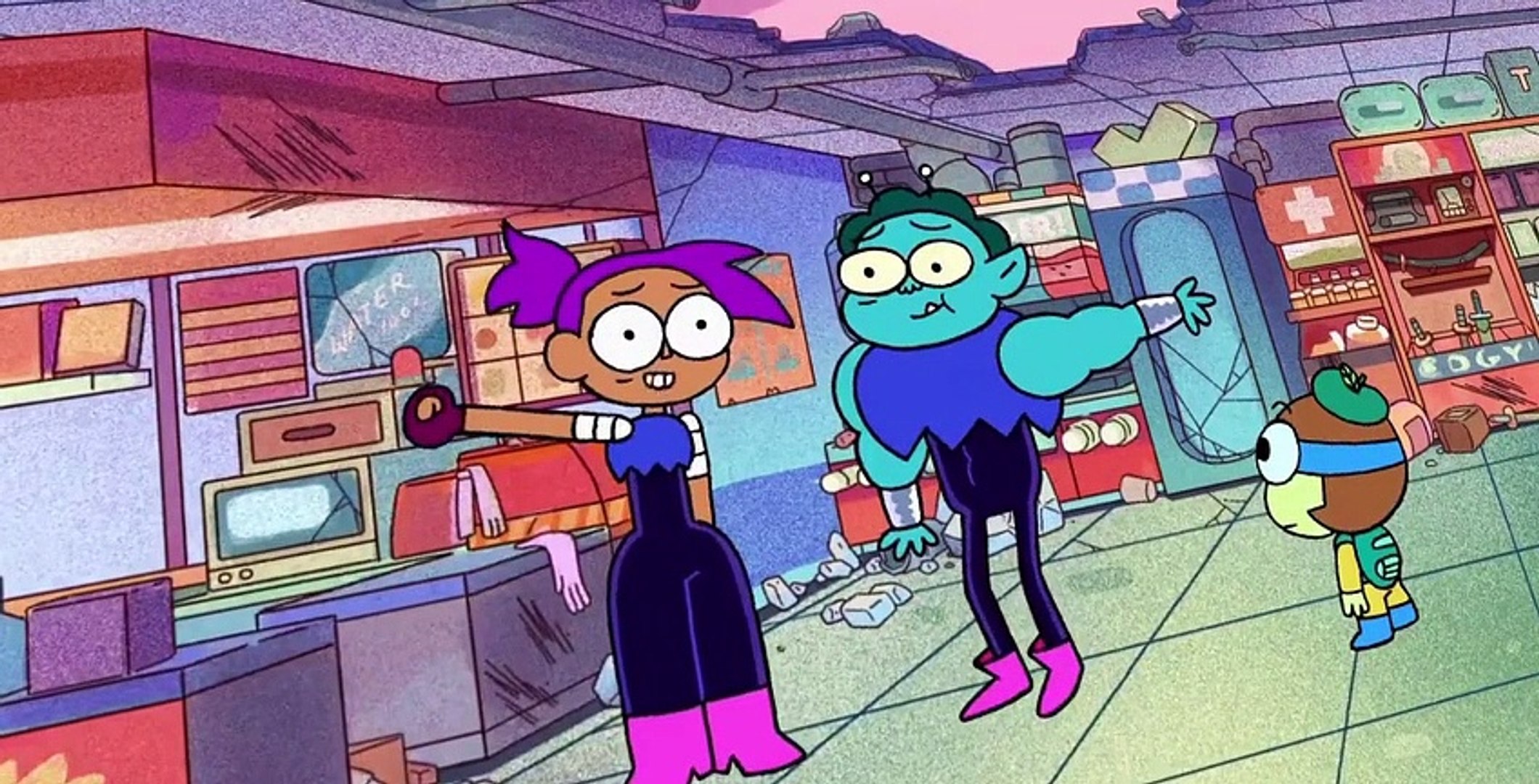
Furthermore, when OK K.O.! Let’s Be Heroes was eventually made available on HBO Max, it received minimal promotion on the platform. Max Original programming was given clear priority, and the series was effectively buried in the interface — discoverable primarily through direct search.
As a result of this lack of visibility and support, the show was ultimately cancelled after three seasons.
Craig Of The Creek (2017–2025)
Craig of the Creek (2017–2025), created by Matt Burnett, Ben Levin, and Shauna McGarry, emerged as one of Cartoon Network’s more successful series in recent years, offering meaningful representation through its commitment to racial and queer diversity both on-screen and behind the scenes.
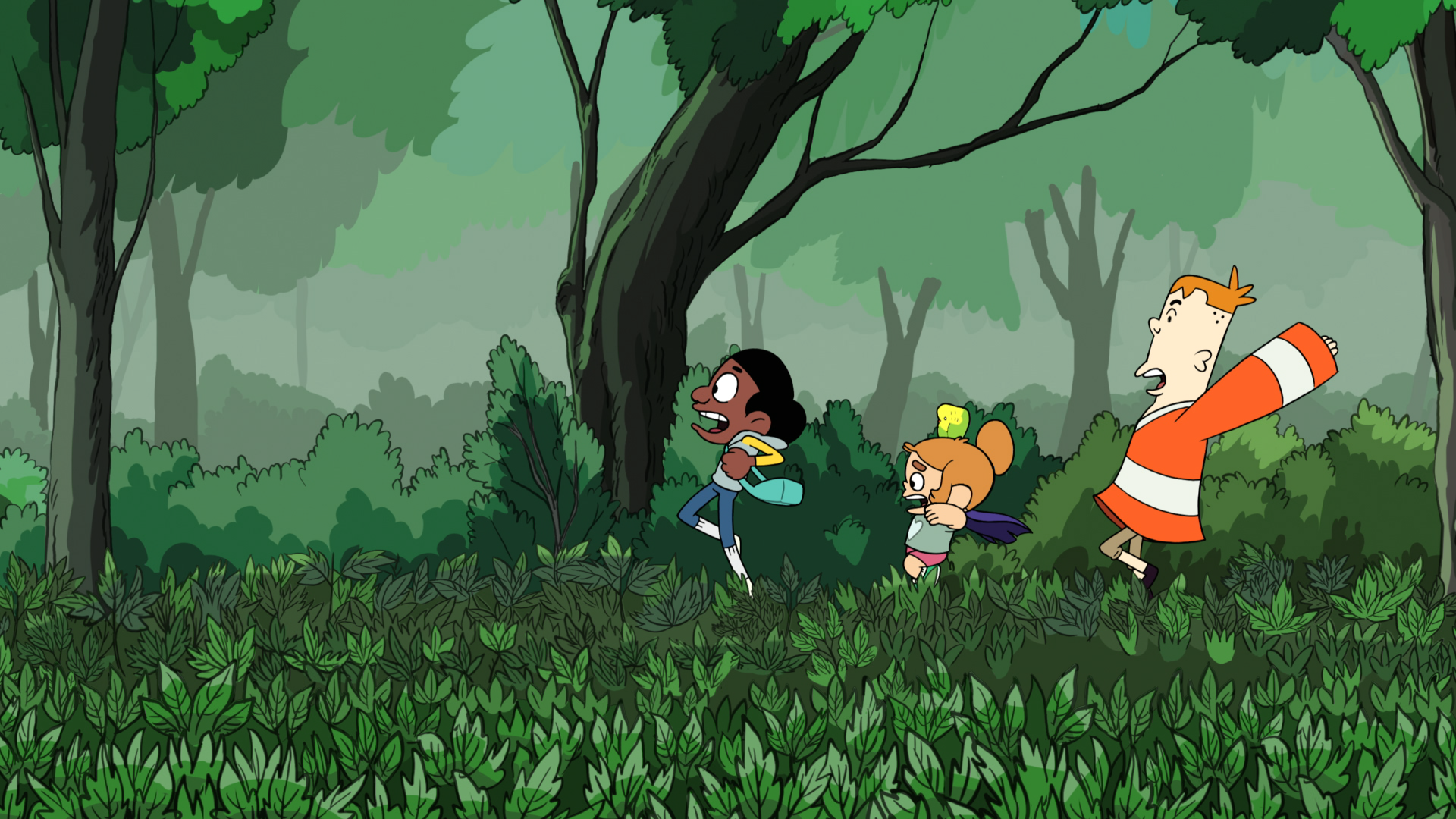
Burnett and Levin had previously gained recognition for their work on Steven Universe, a show celebrated for similar themes of inclusivity and emotional nuance. McGarry, by contrast, brought a distinct background in live-action television, having written for series such as Dexter (2010–2011) and 24 (2009–2010), before transitioning into adult animation with acclaimed contributions to BoJack Horseman (2019–2020) and Tuca & Bertie (2019–2022).

While Craig of the Creek ultimately fell victim to network-wide cuts following the Warner Bros. and Discovery merger, it ran for six seasons and a feature-length film. Notably, its final two seasons were abridged, a likely reflection of the shifting priorities and resource reallocations that accompanied the post-merger restructuring.11
Moon Girl And Devil Dinosaur (2023–2025)
Moon Girl and Devil Dinosaur (2023–2025)12 marked a historic milestone as the first Marvel animated series to feature an African American (Black) girl as its central protagonist. Set in Manhattan and situated within the vibrant Marvel universe, the show was celebrated for its dynamic visual style, cultural specificity, and richly diverse cast — both in front of and behind the scenes.
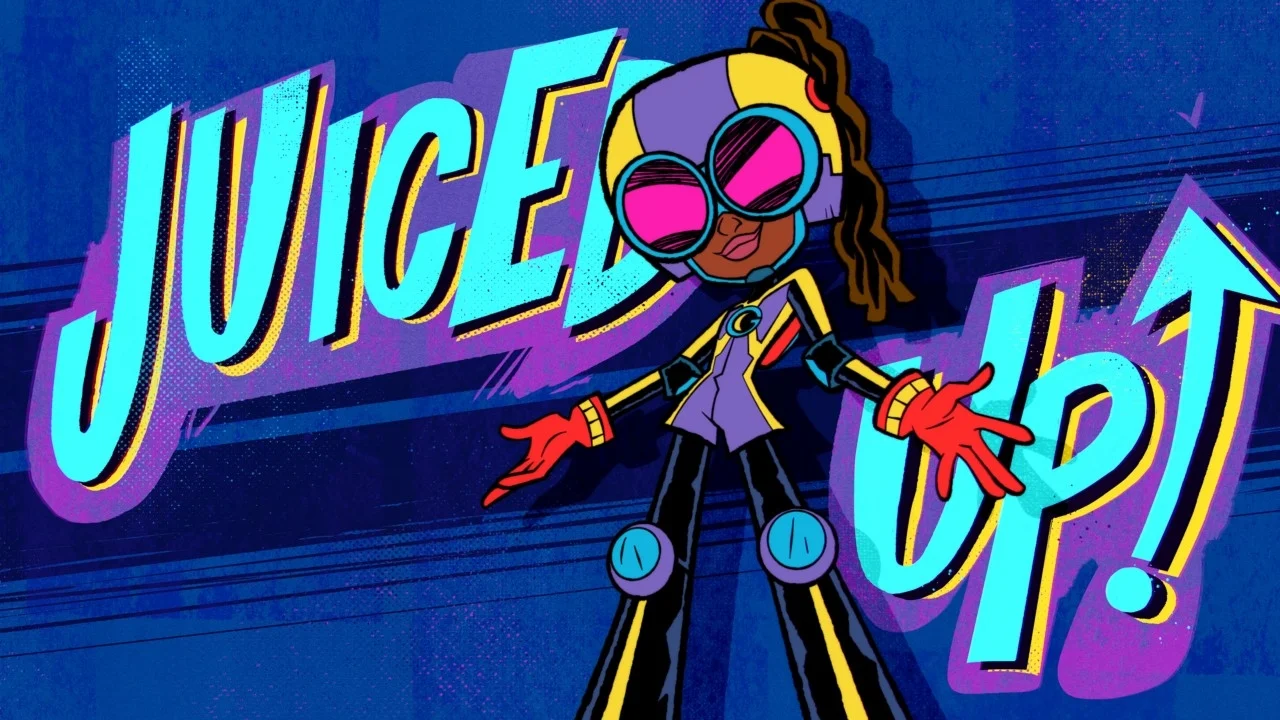
The project was championed by Laurence Fishburne, who, after reading the original comic, became instrumental in adapting the story for television. A longtime fan of its predecessors, Moon-Boy and Devil Dinosaur, Fishburne initiated the development of the series and enlisted Steven Loter — best known for his work on Kim Possible (2004–2007) — to help bring the vision to life.13
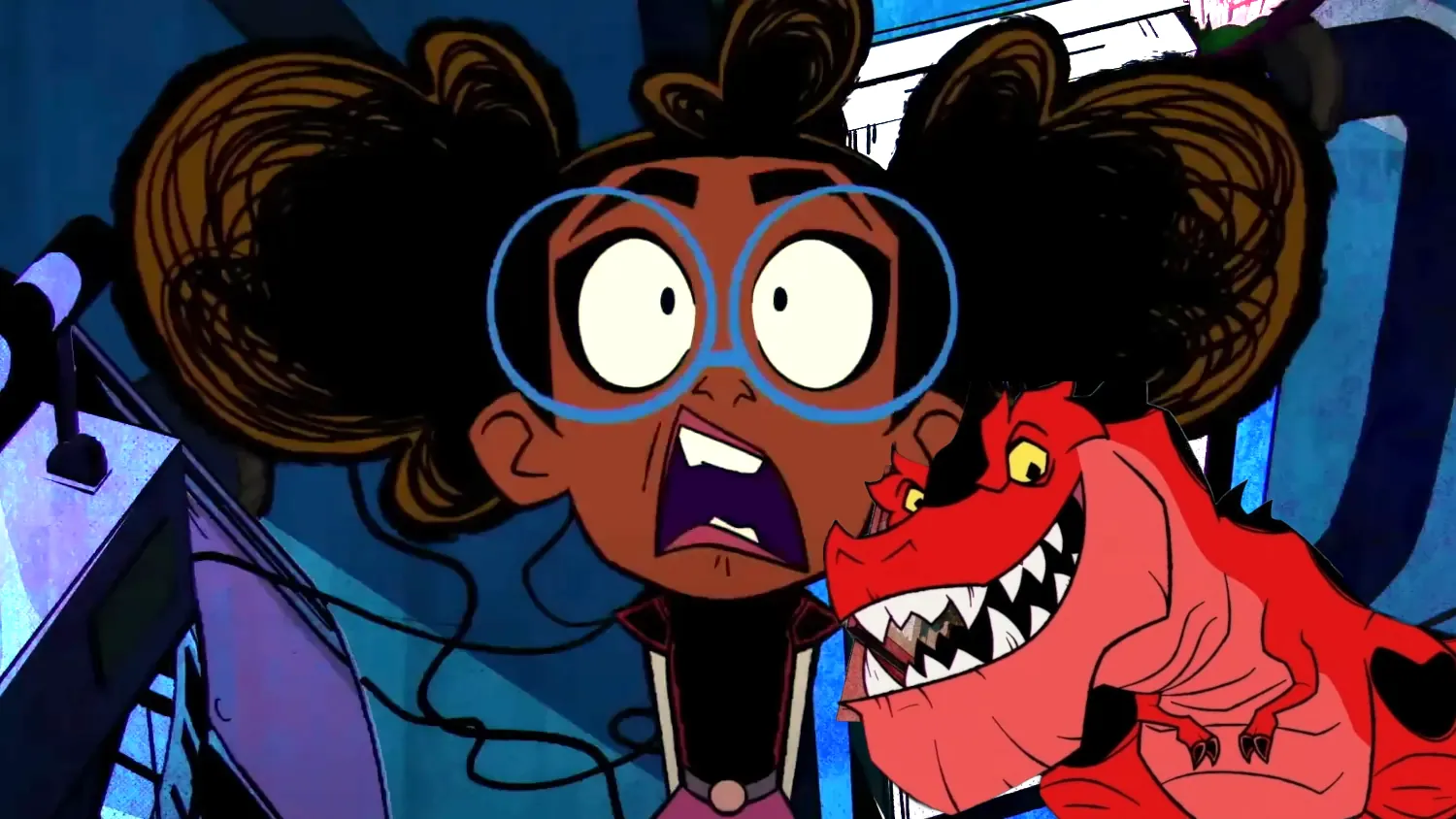
While it failed to garner as much attention as the previous shows (being cut short at just two seasons), it still managed to cause a stir with an as-yet-unaired episode, “The Gatekeeper.” The episode featured a story about a trans girl on a girls’ sports team being harassed by a bigoted parent, which Disney evidently deemed too controversial to air ahead of the 2024 election season, and has yet to change their tune about the episode, despite insisting that it has not been “banned.”14
Amphibia (2019-2022)
Prior to Amphibia (2019–2022), representation of dark-skinned Asian characters in animation — particularly in lead roles — was exceedingly rare. In this context, Amphibia was groundbreaking, offering a significant step forward in both racial and cultural representation through its Thai American protagonist and the show’s incorporation of Southeast Asian influences. Matt Braly, an Asian American of Thai descent, got his start working on Gravity Falls (2012-16), and Amphibia was greenlit alongside The Owl House (2020-23), under whose shadow it frequently fell.
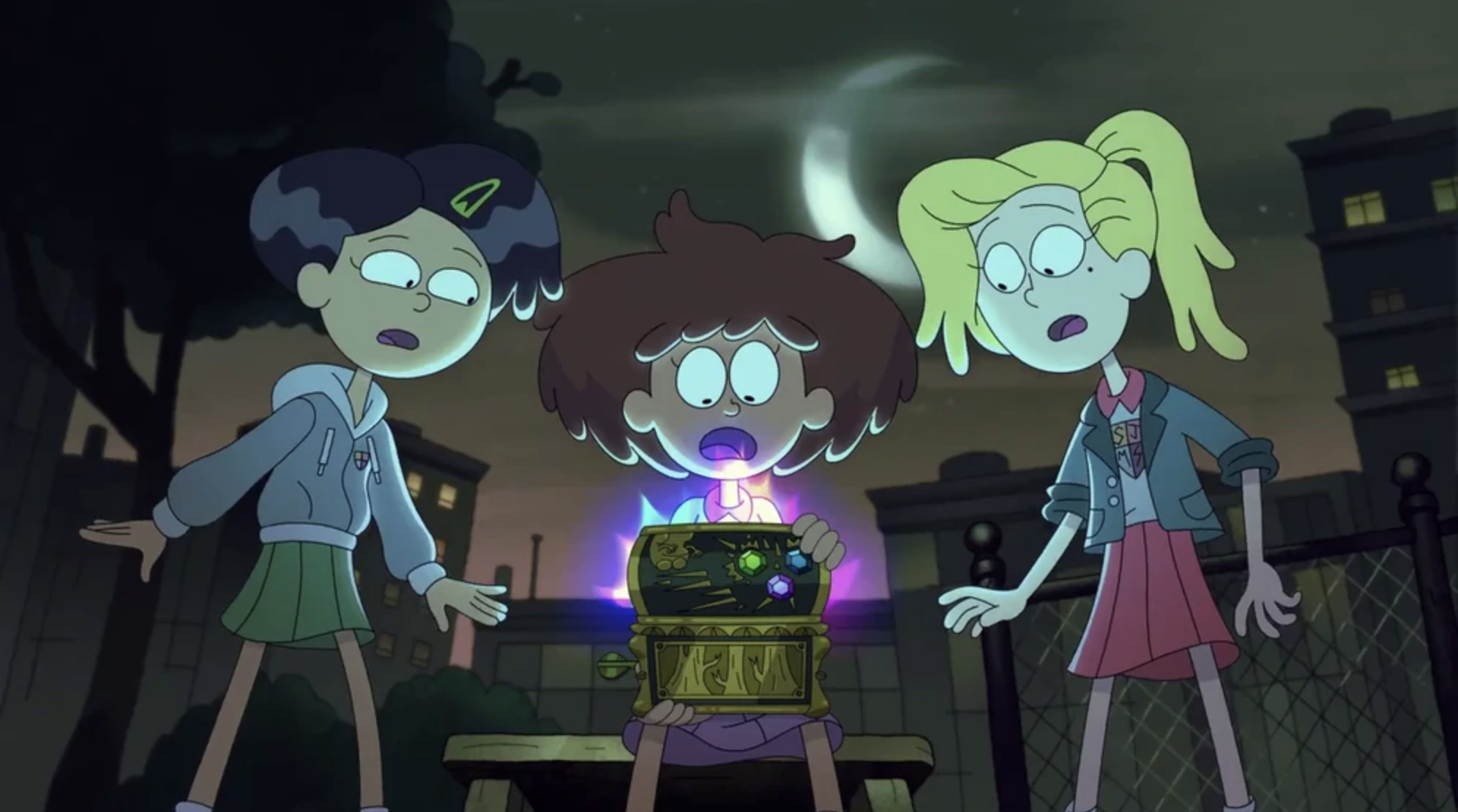
Amphibia seemingly played it safe by saving any overt queer representation until the final season (unlike The Owl House, which was infamously cut short for “not fitting the Disney brand”),15 resulting in the desired three seasons. Although the third season featured a reduced episode count, creator Matt Braly appeared to have the opportunity to conclude the series on his own terms — a creative privilege not afforded to many of the other shows discussed in this piece.
‘When Cartoons Disappear’ — Cancellations, Corporate Mergers, & The Vanishing Archive
A variety of factors have contributed to the cancellation of shows like these, with corporate mergers — most notably the Warner Bros./Discovery merger — playing a direct role in programming cuts at networks like Cartoon Network.

However, this was not the case for Moon Girl and Devil Dinosaur (2023–2025), nor for many animated series on streaming platforms like Netflix that were prematurely ended after only two seasons. Dead End: Paranormal Park (2022), created by Hamish Steele, and Centaurworld (2021), created by Megan Nicole Dong, are notable examples — both praised for their originality and inclusive storytelling, yet still unable to escape the increasingly unpredictable lifecycle of animated content on streaming services.

As media conglomerates continue to expand, there is an observable decline in their willingness to take risks on bold or experimental animated projects — particularly in the post-COVID era, when the industry’s temporary reliance on remote-friendly animation production has waned. With live-action production once again feasible, animation is no longer viewed as a necessary fallback, but rather as a niche investment — often the first to face cuts during budget reallocations.16
‘No Discs, No Streams’ — How Lack Of Physical Media Turns Cartoons Into Lost Media
In the aftermath of the Warner Bros. and Discovery merger, OK K.O.! Let’s Be Heroes — alongside Infinity Train (2019–2021) — was abruptly removed from HBO Max in 2022. By 2024, it had disappeared from most major streaming platforms entirely.
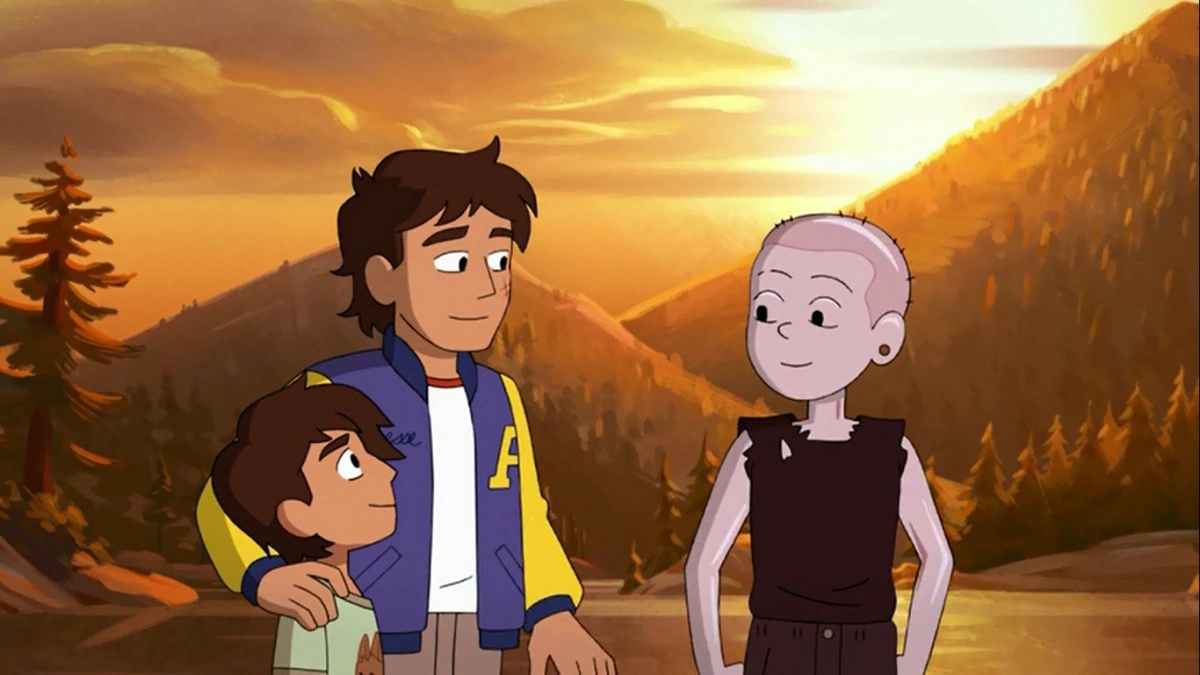
Currently, the only legal way to access OK K.O.! is through digital purchase on Amazon Prime Video or YouTube. Notably, this is the sole method for viewing Seasons 2 and 3, as only the first season has been released on physical home media.17
Even Looney Tunes (1930–1969) has been removed from Max, signaling a troubling trend in the erasure of animation history. Decades’ worth of iconic shorts — such as “Rabbit Seasoning” (1952) and “What’s Opera, Doc?” (1957) — are now unavailable on any legal streaming platform, leaving some of the most influential works in American animation inaccessible to the public.18
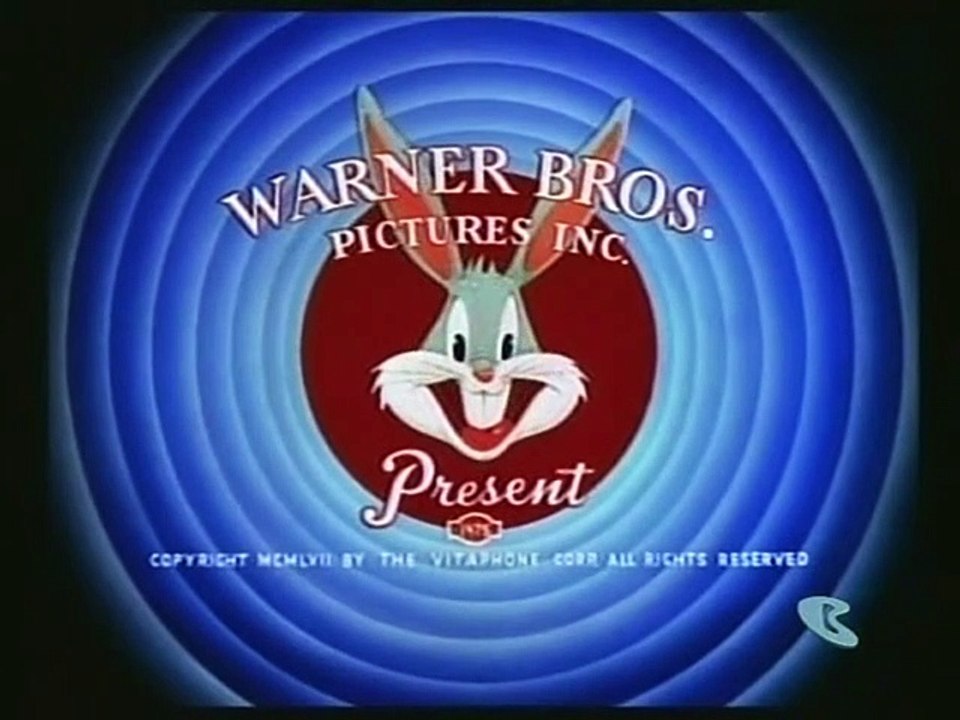
While the vast majority of the Looney Tunes cartoons have had prior physical releases, it is still troubling that even classic cartoons like these can be made unavailable so easily and without warning.
‘Beyond Cancellation’ — The Quiet Threat Of Cultural Erasure
Cancellation, however, is not the worst fate that can befall a cartoon. In the midst of an onslaught of book challenges and bans across the country, largely targeting books about non-white and/or queer experiences, it might only be a matter of time before they start targeting other media that tell those same stories. And it might already be starting.

While Craig of the Creek is still widely available streaming, its position is similarly precarious, as it, too, has only released its first season on home video in North America, while Moon Girl and Amphibia (along with more popular Disney shows, like The Owl House) have yet to receive any physical release.
To be clear, even after the pandemic, some popular shows (like Steven Universe) do get full-series physical releases, making the lack thereof for shows like OK K.O.! that are no longer available streaming all the more concerning.

It may not impact the creators’ livelihoods that much (seeing as animators most likely do not get residuals from DVD sales), but if we’re not careful, shows like this will turn into lost media.
When such shows become unavailable, it not only affects the viewers, but also what cartoons are greenlit going forward — after all, if shows like OK K.O.! are no longer streaming, the network has no idea how popular they might have been if they had been given a fair shot.
‘Saving Animation’ — Fighting Erasure, Censorship, & Industry Apathy
After what was arguably a golden age of American cartoons (and a year or so when animation was the only functional sector of the entertainment industry), animation workers are still underpaid, and more concerningly, many shows that came out of that era are just one corporate decision away from being wiped off the map. With censorship on the rise in America, cartoons are in danger precisely because they are considered so trivial, even when they tell authentic and diverse stories.
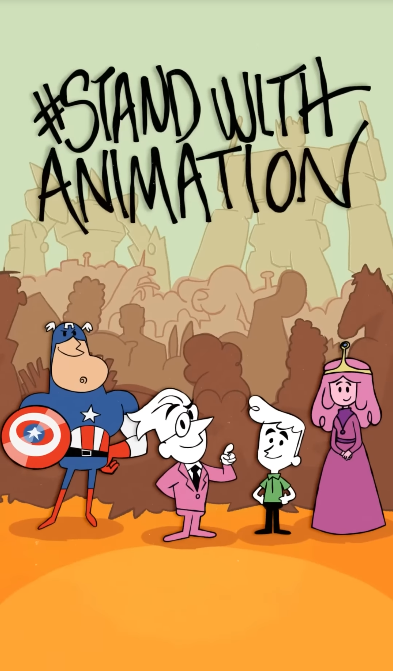
While censorship in America is only on track to get worse, there are still things to be done to mitigate its effects. For starters, complaining and rallying for companies to make more cartoons available on home video provides a way for viewers to be sure that they can access the shows. Physical copies can also be sent into circulation at libraries, providing free access to people who wouldn’t have the resources to watch otherwise.
Other than that, we can always amplify the voices of creators like Ian Jones-Quartey or Matt Braly by supporting their works, in addition to spreading the word about the inequity for animation workers by using hashtags like #PayAnimationWriters or signing and sharing petitions from TAG. Additionally, Alex Hirsch (Gravity Falls, 2012-16) teamed up with comedian Adam Conover to create a series19 covering similar topics about the animation industry, and they recently funded another season on Kickstarter, which will continue to raise awareness about the issue by being both entertaining and informative.20
Animators are still fighting, and so can we.
There is still time.
Footnotes
- K.O, OK. “OK K.O.! Let’s Be Heroes.” OK K.O.! Wiki, Fandom, Inc., 2025. ↩︎
- Contributors to Disney Wiki. “Snow White and the Seven Dwarfs (Soundtrack).” Fandom, Inc. ↩︎
- Lord, Phil & Miller, Christopher (2022, April 6). Phil Lord and Chris Miller: Hollywood Should Elevate, Not Diminish Animation (Guest Column). Variety. ↩︎
- “East Coast General Membership Meeting.” Representing Animation Artists, Writers, Technicians & Production Workers since 1952. ↩︎
- Barrier, Michael. Hollywood Cartoons (1999), Oxford University Press, UK ↩︎
- Sito, Tom. The Disney Strike, 1941. The Animation Guild. ↩︎
- The Animation Guild. The Animation Guild Stands Up for Animation Writers. ↩︎
- Wilkinson, Alissa & Stewart, Emily (2023, September 28). The Hollywood writers’ strike is over — and they won big. Vox Media ↩︎
- White, Abbey & Chik, Kalai (2021, August 31). LGBTQ characters of color are making animation history — but creatives of color can’t escape the industry’s discriminatory past. Business Insider. ↩︎
- Pulliam-Moore, Charles (2021, March 19). “OK K.O. Creator Ian Jones-Quartey Blames the Show’s Cancellation on Trump’s Beef With CNN“. Gizmodo ↩︎
- Keller, Courtney. “Why Was ‘Craig of the Creek’ Really Canceled?” MovieWeb, 25 Dec. 2024. ↩︎
- Contributors to Disney Wiki. “Moon Girl and Devil Dinosaur.” Fandom, Inc. ↩︎
- Reif, Alex (2021, August 19). Disney Increases Diversity in Children’s Animation with “The Ghost and Molly McGee,” Marvel’s “Moon Girl and Devil Dinosaur” and “Rise Up, Sing Out”. The Laughing Place. ↩︎
- Mullinax, Hope (2024, November 15). Marvel’s ‘Moon Girl and Devil Dinosaur’ Episode Allegedly Removed by Disney for Sensitive LGBT+ Plot Leaks Online [Update]. Collider. ↩︎
- Zogbi, Emily (2021, October 5). Owl House Was Canceled Due To Exec Deciding It Didn’t Fit the Disney Brand. CBR ↩︎
- The Animation Guild, IATSE Local 839 (2025). Give Animation Guild members a fair contract! Action Network. ↩︎
- Trumbore, Dave (2018, May 5). This Week in Animation: ‘OK K.O.! Let’s Be Heroes: T.K.O.’ Arrives on DVD This Summer. Collider. ↩︎
- Lloyd, Robert (2025, March 18). ‘Looney Tunes’ has been removed from Max. Why it feels like an attack. Los Angeles Times ↩︎
- Jellybox (2024, November 24). Animation Workers Ignited Shorts (Full Compilation). Youtube ↩︎
- Jellybox (2025, March 31). Umbert Actually! – The Animated Series. Kickstarter ↩︎