

Table of Contents Show
If you’re anything like most department stores in the US, you’re looking forward to the next season too far in advance. As Halloween decorations begin filling the shelves, more and more people dust off their favorite fall DVDs (or open a streaming platform, whatever works). Any director today can tell you ten of their favorite directors and artists who have inspired their work from the start — your favorite artist’s favorite artist, if you will. To truly know a film is to go back to its roots.

There are a handful of old Hollywood films that are perfect for getting into the autumn mood. These films are impressive with their special effects, lighting setups, and impact on modern filmmaking. However, this could be the year to check out the films that started it all. Crank the AC, grab a cozy sweater, light a candle, and enjoy some of the best films for the season.
House Of Wax (1953) — Hollywood’s First Colored Three-Dimensional Movie
The 1953 film House of Wax,1 directed by André De Toth, brings its audiences into the sinister studio of Professor Henry Jarrod, played by Vincent Price. His wax sculptures are lifelike, focusing on historical figures. When his business partner needs his investment returned, Jarrod refuses, causing him to lose everything so Burke can claim the insurance money.
Everyone believes that Jarrod died in the fire, but when he reappears 18 months later for the opening of a new exhibit, things begin to take a turn. Jarrod spent his disappearance recreating the work he lost, and his new assistant’s beautiful friend, Sue Allen (Phyllis Kirk), may be the key to expanding his collection.

House of Wax came to theaters at an exciting time. The colors and special effects wowed a lot of audiences, making them jump and become fully immersed in the film. The experience was intense and rewarding.
The Rise, Fall, & Revival Of 3D Filmmaking In Hollywood
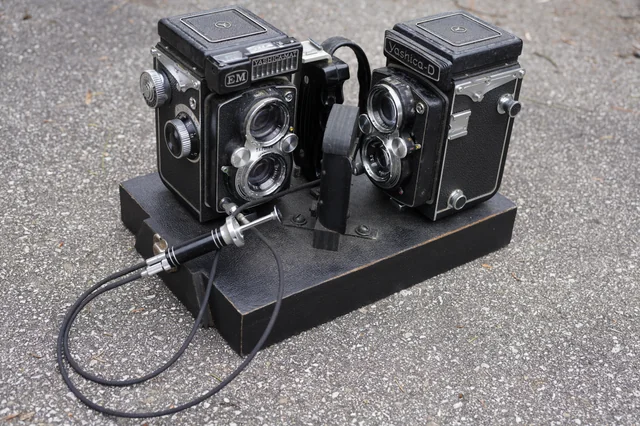
For a quick history lesson,2 three-dimensional filmmaking was done by filming a shot simultaneously on two cameras positioned just slightly apart. The footage would then be played on projectors that are the same distance apart. Finally, audience members would wear everyone’s favorite pair of glasses that would morph the film reels together, making the film three-dimensional.

While the first three-dimensional film came out in 1922 with the release of The Power of Love,3 directed by Nat G. Deverich and Harry K. Fiarall, it took a few more decades for the technique to catch on. Then it disappeared again, and then came back… it should be clear how the timeline continues.
The first wave lived from the 1920s to the 50s, as filmmakers were working on new ways to make the movies more exciting. The technique took a break until the 80s.
Once other technologies became more advanced, artists wanted to take another stab at the style and see what the original hype was about. This died out around the 2000s, just long enough for the world to be given the great gift that is Robert Rodriguez‘s Spy Kids 3-D: Game Over in 2003.
Since there’s a twenty-year gap between the first two waves, we may be due for some new fake glasses any day now. Three-dimensional films have fallen out of trend4 again and again; whether it makes people nauseous or if it’s just tacky is determined by the viewers themselves. However, if the pattern proves to be real, audiences should be getting a new pair of fake glasses pretty soon.
Maybe the technique has lost its magic since the early 2000s, but new technology has always amazed its viewers. Just imagine sitting in the theater when three-dimensional films first made their rounds.
House Of Wax (1953) — How 3D & Color Revolutionized Horror Films
When conceptualizing the story behind House of Wax, De Toth decided to take the thrills and scares a step further than what audiences had experienced before. Instead of a regular horror movie, why not make it three-dimensional and in color? Audience reactions to Vincent Price’s character certainly made the effort worth it. Even now, the makeup is thought of as fairly disturbing.

The film came out on April 10, 1953, and immediately claimed a title that had never been achieved before: it was the first movie from a major motion-picture studio to be shot with the three-dimensional (stereoscopic) film process. Not only that, but this is one of the first horror movies in color.5
Access to colored film meant that filmmakers had more techniques available to express emotions in the film. This becomes even more powerful when three-dimensional is done correctly. In scenes like the burning of the wax studio, the flames pop out to the audience, adding to the intensity of the moment. Or punches in fight scenes seem to go through the screen, causing audience members to flinch.

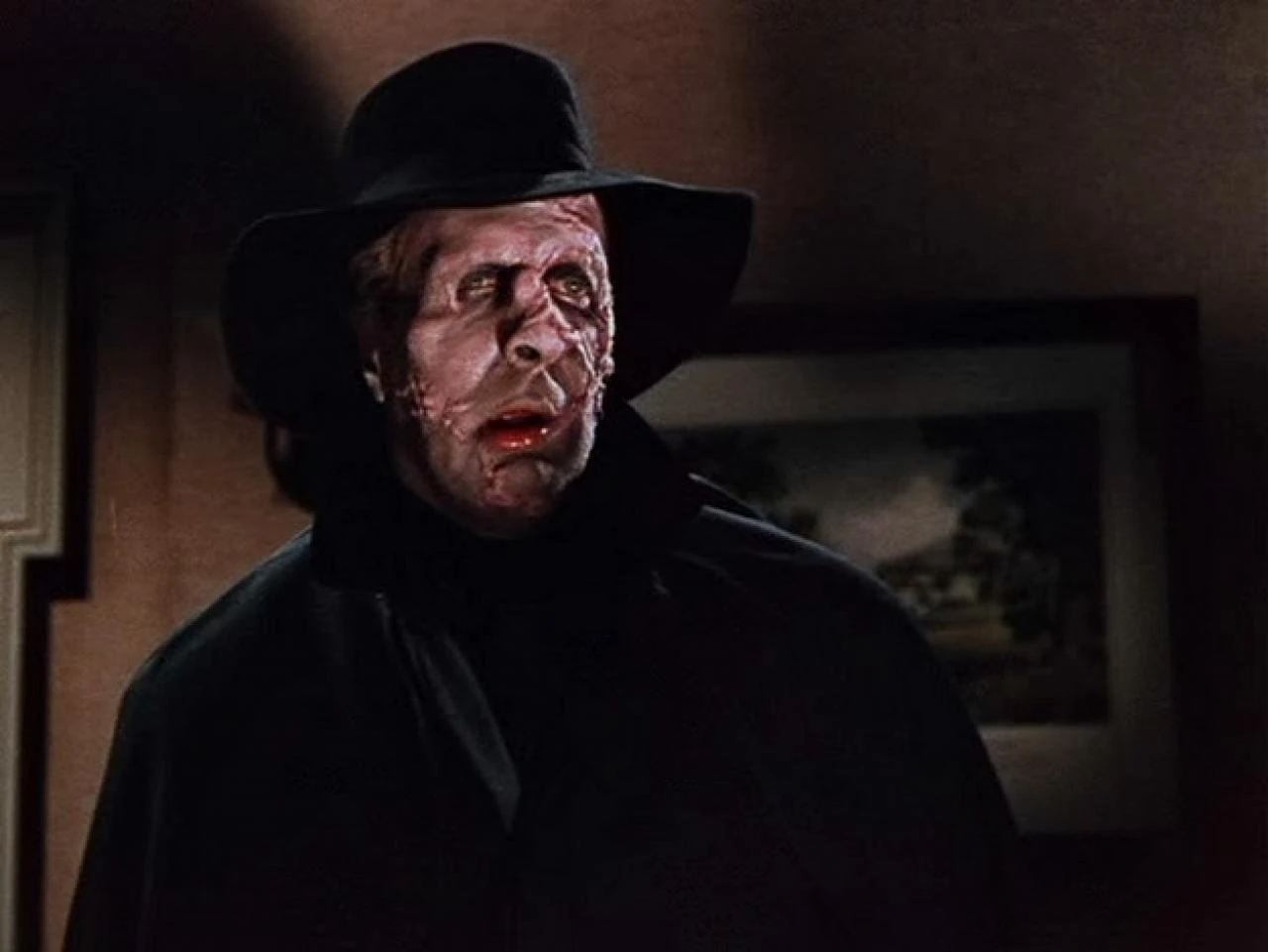
Its use of three-dimensional techniques keeps the tension and the horror fresh, over 70 years after its debut. Now, House of Wax is streaming on platforms YouTube, Prime Video, and Apple TV.
Invasion Of The Body Snatchers (1956) — How Horror Feeds On Paranoia
In the original version of Invasion of the Body Snatchers6 from 1956, director Don Siegel tells the story of Dr. Miles Bennell (Kevin McCarthy) and his attempt to save his town from an alien invasion. Several of his patients appear to be suffering from a paranoid delusion.

They are all claiming their family and friends are not who they say they are. Originally skeptical, he eventually realizes there is more truth behind their words than most want to believe.
Bennell has to find the cause of the invasion and convince people he isn’t making it all up. Alien invasion films have been done time and time again, but this one remains a fan favorite. This film was one of the first to offer thrills based on everyday fears. Ironically, audiences love that.
“The Psychology Of Fear” — How Invasion Of The Body Snatchers (1956) Shaped Sci-Fi Horror
This film has been called one of the most genius works in the science-fiction genre, which should be more than enough information to pique your interest. The film runs on the fear of conformity, which would make sense for the era it was released — The Cold War did a great deal for the art world. A lot of projects served as propaganda, and this film is no exception.
The premise, fighting an alien attack that turns your body into a blank nobody, is an obvious attack on the idea of communism. The characters are forced to work against time; the longer it takes them to find the cause, the more they lose humanity. If their body were to get snatched, the issue would no longer matter, and slowly, everyone would stop caring.

The film did a great number on audiences, as they were living in an alternate version of the reality they had just experienced. The production company wanted what they got: a film to shake people into supporting the US in the Cold War. Playing into the idea of the “Red Scare” allowed for the film to pass through the rules of McCarthyism7 with flying colors.
To this day, the idea of losing individuality haunts everyday people. Filmmakers know this, and they know that people love a good scare. This genre allows artists to explore the human psyche, using common occurrences to drive ticket sales.
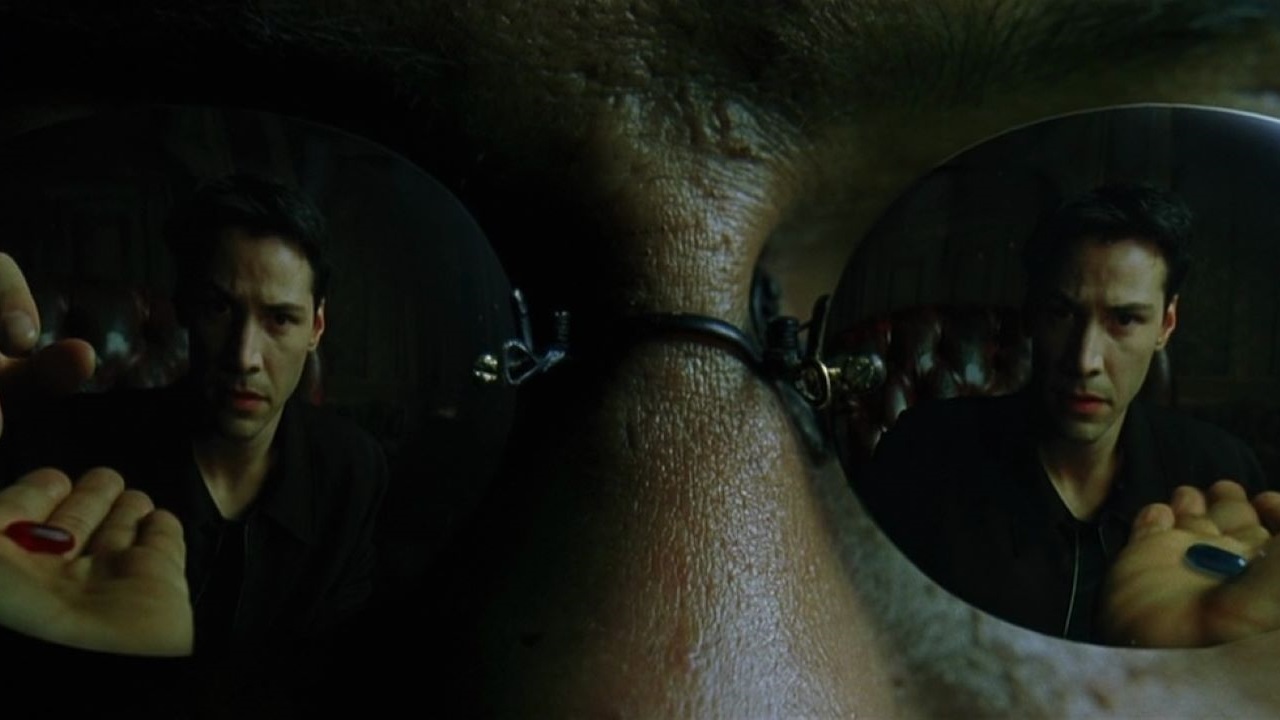
No one wanted the fate that awaited the characters in Invasion of the Body Snatchers, becoming a botanical carbon copy.
Now, paranoia has become one of the most popular subgenres in horror, thriller, and sci-fi. The 1999 classic The Matrix, directed by Lilly and Lana Wachowski, draws significant inspiration from Invasion of the Body Snatchers in its ideas of individuality and retaining humanity, just another example of how influential Invasion of the Body Snatchers still is in genres like horror, thriller, and sci-fi.
Invasion of the Body Snatchers is available on YouTube, Prime Video, and Apple TV.
Double Indemnity (1944) — Quintessential Noir
Billy Wilder‘s cult classic Double Indemnity,8 released in 1944, has gained quite a reputation over the decades. The film that helped popularize the noir style would naturally be an amazing addition to this list.

The story follows Walter Neff, played by Fred MacMurray, an experienced insurance salesman, and his affair with one of his clients’ wives, Phyllis Dietrichson, Barbara Stanwyck. The two decided to kill Phyllis’ husband to receive the proceeds of an accident insurance policy. With Walter’s knowledge on insurance claims, they aim for higher; a double indemnity clause would give them twice the amount.
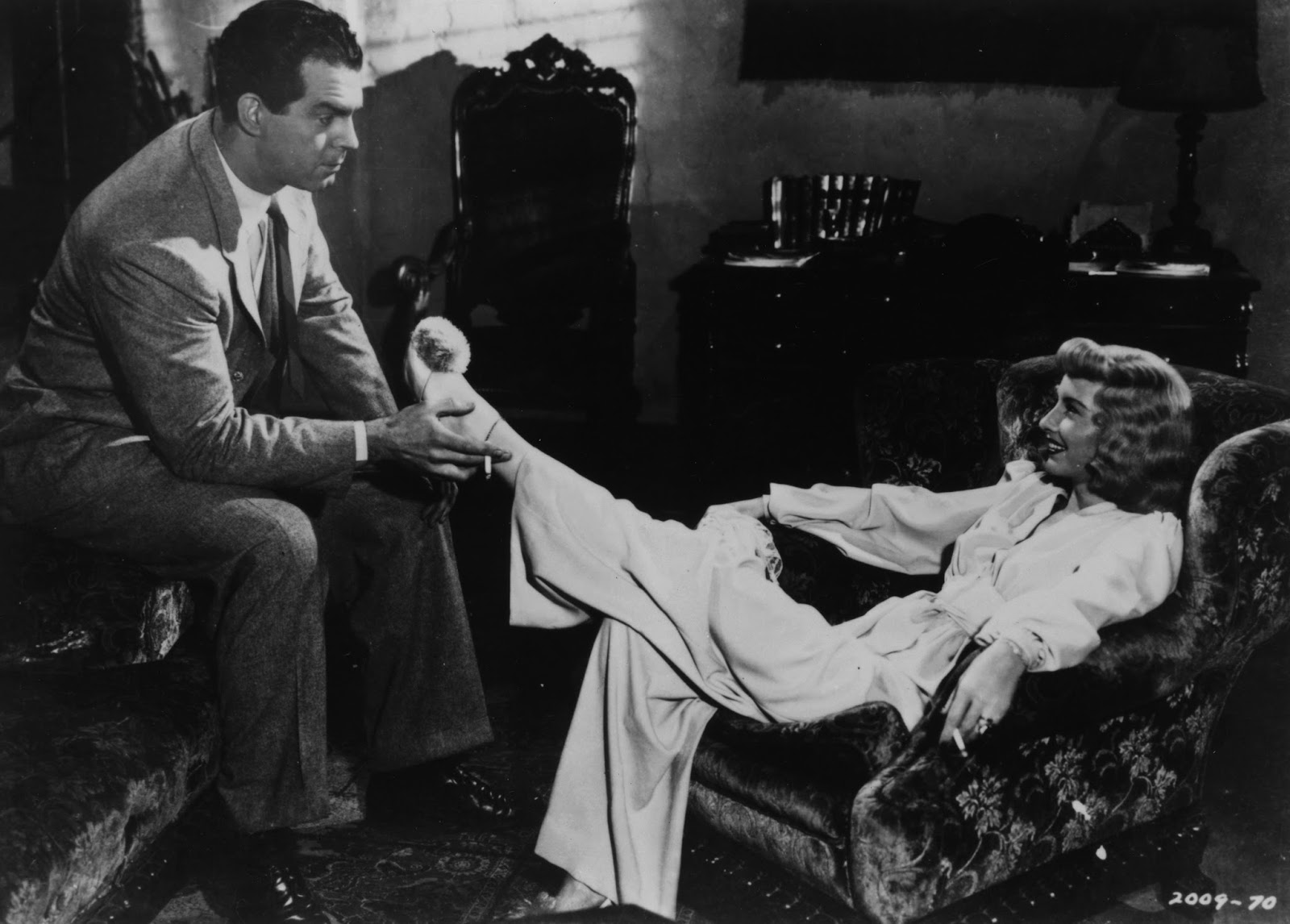
Mr. Dietrichson’s death is ruled an accidental death by police, but Walter’s best friend and insurance analyst, Barton Keyes (Edward G. Robinson), doesn’t believe it’s as simple as that. He’s onto Phyllis, but the identity of the other man is a secret.
Wilder’s Double Indemnity (1944) & The Rise Of Film Noir — How Style Shaped Hollywood Crime
This would hardly be an old Hollywood recommendation article if there were no mention of the noir craze. Double Indemnity is widely regarded as one of the original classic noir films — a femme fatale, stark lighting, and anti-heroes.
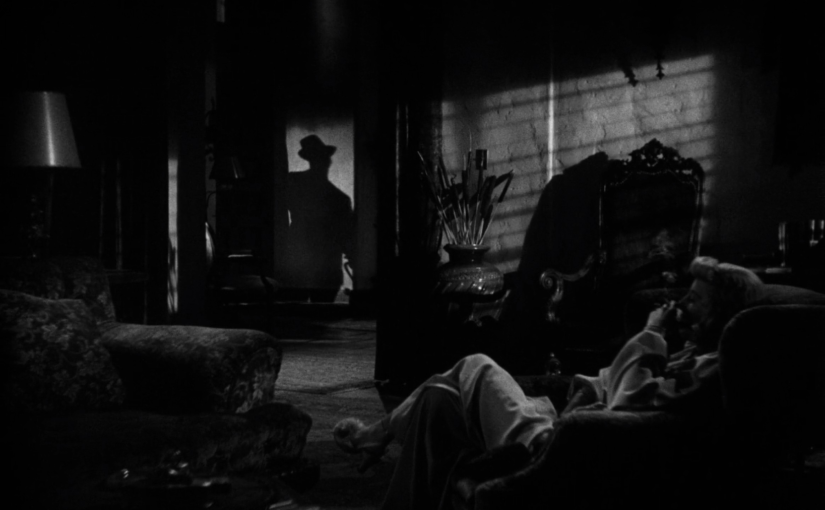
Noir isn’t a genre of film, though people talk about it as if it is one. Noir is rather a style of filmmaking,9 a vibe if you will. The noir style can be used within specific genres, as long as the correct devices are used; Double Indemnity is a crime noir and helped establish the style.
The shots may be dark, but it’s obvious to see that Phyllis and Walter are in dirty water. The dramatization of the lighting pushes the eerie mess the protagonists are in. A bad marriage leads to affairs and murder.
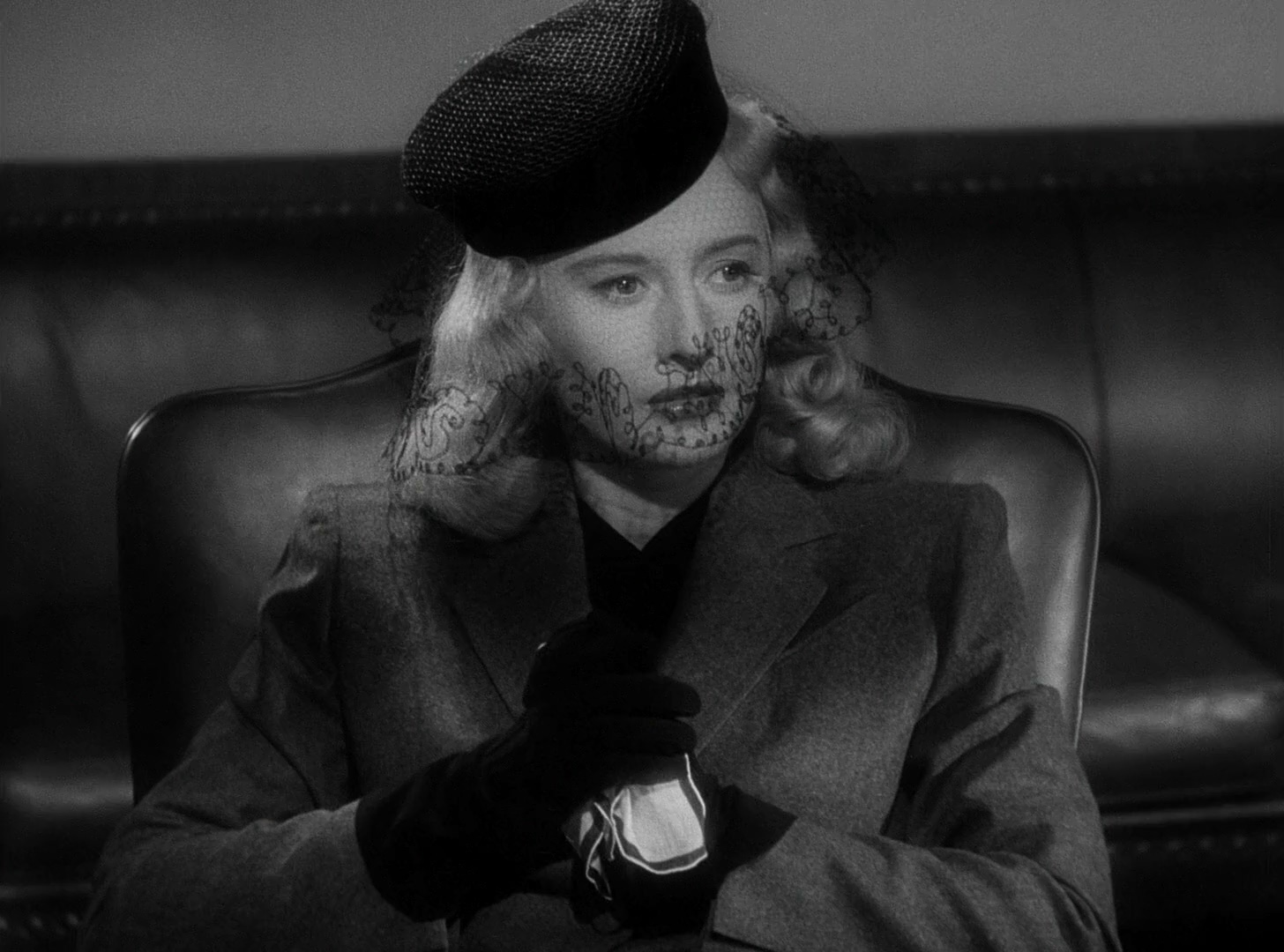
Stark lighting has since been tied to crime films. The lighting offers a limited form of expression in comparison to colored film. To stand out, noir films took a very dramatic approach. The lines are sharp, and shadows stand out as if they were a separate character. Every shot is darker than what you would see in other films from the era. A film theorist would say that’s tied to symbolism; crime films focus heavily on murder, lust, greed, and other darker aspects of the human psyche.

Film noir has ties back to German expressionism,10 which is basically film noir’s emo older sister. Even Wilder was drawing heavy inspiration from those before him. Even today, filmmakers pull ideas from movies that are a century old. One example is the award-winning 2023 film by Yorgos Lanthimos, Poor Things.
Movies that were inspired by Wilder’s work are the 1981 thriller Body Heat, directed by Lawrence Kasdan, and Blood Simple, released in 1985 and directed by Ethan and Joel Coen. These films follow similar plots and experimental filming techniques. You know what they say, “all is fair in love and war.” With the reputation this film has, it is considered a must-watch for cinephiles.
Available on YouTube, Prime, and Apple TV, Double Indemnity will leave you clearing your calendar to watch all of Stanwyck’s films.
Kiss Me Deadly (1955) — The Birth Of A Movement
Kiss Me Deadly,11 directed by Robert Aldrich and released in 1955, follows a twisting investigation that leads Private Investigator Mike Hammer (Ralph Meeker) down a path of destruction. It all starts with a frightened woman, Christina Bailey (Cloris Leachman), barefoot on the highway, hoping anyone would stop to help her.

Christina becomes more frantic with each car that passes her. Finally, she decided to take a leap of faith. Running into the road, she left Hammer with no choice but to help her. He quickly realizes that the mysterious lady is holding secrets that have put them both in danger.
Whoever she’s running from catches up. Christina dies before Hammer can finish questioning her, and the killers make sure to clean up their trail. Faking an accident, Hammer gets pushed off the road, but wakes up in a hospital three days later.
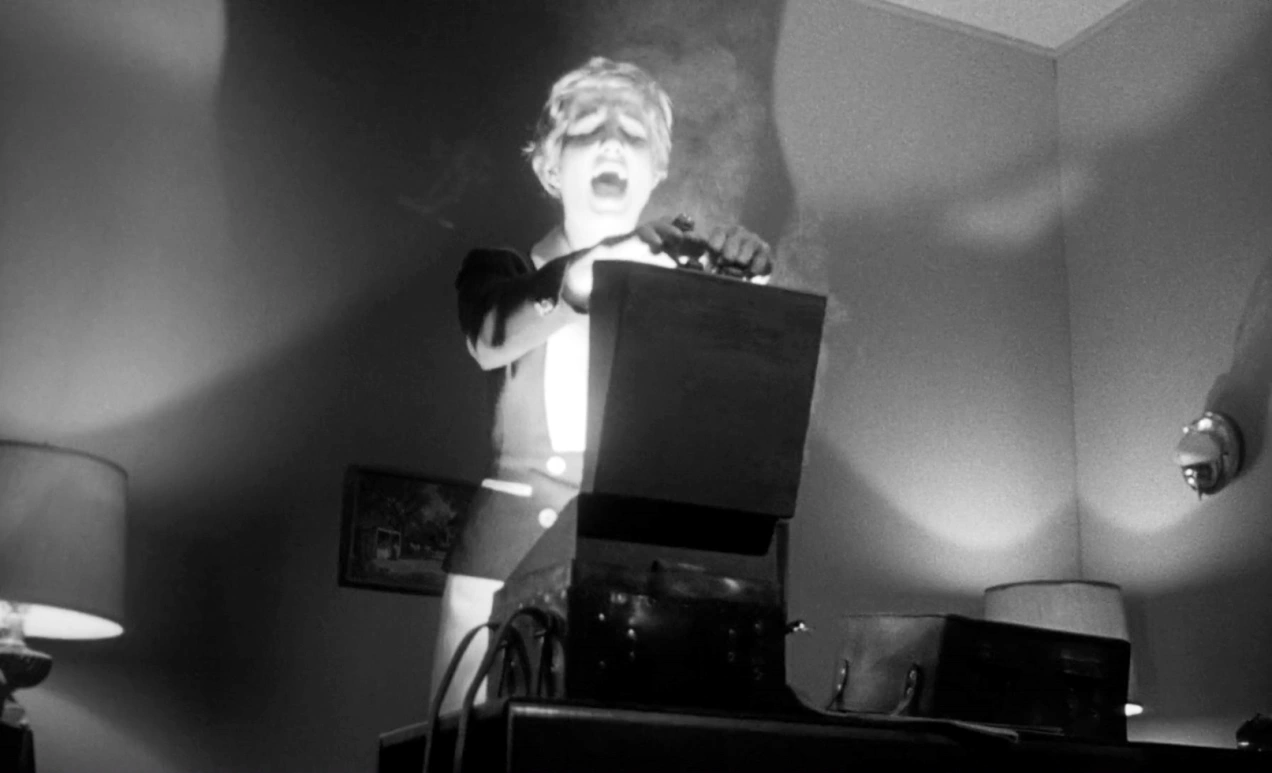
Though he has been told to stay out of the investigation, he can’t help but begin digging into Christina’s death and what she was hiding. However, Christina’s secret contains more than the investigator had ever imagined.
Kiss Me Deadly (1955) & The Birth Of French New Wave Influence In Cinema
Similar to Invasion of the Body Snatchers, Kiss Me Deadly12 is a film that was heavily influenced by the Cold War. While Siegel paranoid his audience, Aldrich inspired. This film helped originate the passion the French have for experimental filmmaking. Everyone, please say “thank you, Aldrich!”
What audiences first brushed off as Aldrich trash became a source of inspiration13 for low-budget filmmaking. Artists like the famous Jean-Luc Godard used similar techniques (location shooting, gritty camera work, and jump cuts) to make a name for themselves, giving audiences films like his award-winning 1960s film Breathless.
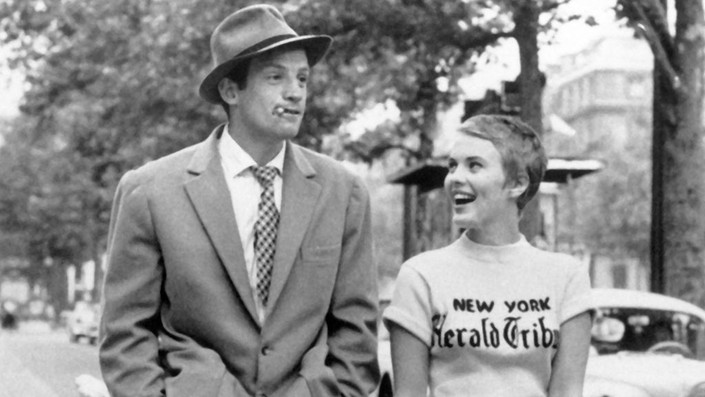
French New Wave14 has generated a strong fan base since its genesis in the late 50s. Other artists have taken inspiration from the movement, like Sofia Coppola‘s Lost in Translation, released in 2003, creating films that today’s filmmakers go to for their own films.
Because of Aldrich, the French found a style that lives in the history books of young American independent filmmakers. The low-budget style of French New Wave allowed them to find new ways to explore the world of cinema without taking out more loans on top of their student loans. Thus, the cycle continues!
To learn the great secret of Kiss Me Deadly, watch the film on Sling TV.
Night Of The Living Dead (1968) — Romero’s Horror Revolution
The 1968 Night of the Living Dead,15 directed by George A. Romero, revolutionized horror. The story follows a group of frightened hideaways fighting to survive the night. Barbra (Judith O’Dea) goes to visit her father’s grave but ends up facing much worse. She manages to flee from a sudden zombie attack and finds safety in a seemingly abandoned farmhouse.
She isn’t alone for long, as a passerby, Ben (Duane Jones), stops at the home for gas. The two are left with no choice but to seek safety in the house, boarding up the windows and doors. While the news reports come through with updates, they find out they aren’t alone.

A group of people has been hiding in the basement: Harry, Helen, and Karen Cooper, along with a young couple, Tom and Judy. The group needs to figure out their dynamic while also staying alive. As time goes on, they realize survival is slipping further away.
Night Of The Living Dead — Pioneering Roles For Black Actors In Horror
While this series is incredibly popular for Halloween, not many viewers recognize that it’s more than just a good scare. Night of the Living Dead was the first horror film to have a Black actor star as the hero of the story. It isn’t clear that Duane Jones’ character, Ben, is the hero until a bit into the film, but once the audience learns he is the leader of the group, the history of horror is changed.

Before this film, Black actors weren’t given the recognition to be anything but side characters. In the early days of film, they were only cast to play the help or victims of ridicule and violence. Looking back at movies like the original King Kong from 1933, they were depicted as ape-like characters living in the jungle.
By the 1970s, Black actors were finally getting their taste of stardom with action and crime films (though these films also came with new stereotypes). Now, there is an entire sub-genre, called Black horror,16 dedicated to focusing on previously unexplored narratives.
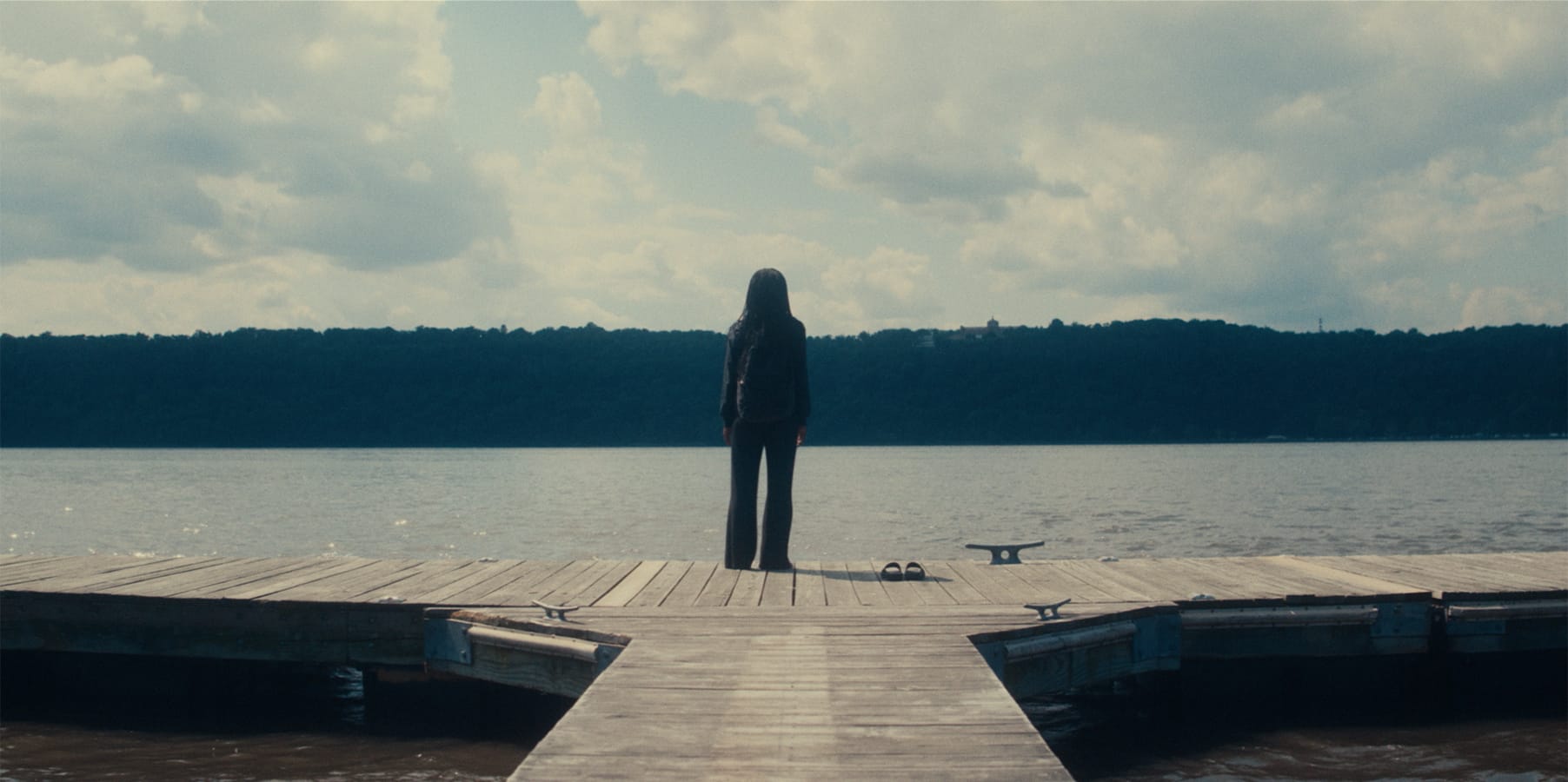
Duane’s role helped pave the way for Black actors to get roles that weren’t stereotypes. The list of groundbreaking films in the genre continues to grow. From big-budget films by directors like Jordan Peele to smaller indie films like Nanny, directed by Nikyatu Jusu, there is a whole world of stories to be told.
Night of the Living Dead, along with the rest of the franchise, is available on Amazon Prime, YouTube TV, HBO Max — and many more.
From Classics To Today — The Enduring Influence Of Old Hollywood
If it wasn’t already clear, art draws from the art that drew from the art before it. Films are all fragments of other works, so there is always something to watch and to learn. Beloved 90s films like Hocus Pocus (Ortega, Kenny; 1993) or modern hits like Ryan Coogler’s 2025 Sinner’s all draw from a long-standing, deep well of inspiration.
Film might be “only” 130 years old, an incredibly young art form compared to books, plays, songs, etc, but hundreds come out every year. If you can’t think of something to watch or think you’ve run out, you’re in luck. So, clear your calendar, and strap in, because it’s time to catch up on the classics!
Footnotes
- De Toth, André. House of Wax. Bryan Foy Productions. 1953. ↩︎
- Anonymous. The History of 3D Technology. American Paper Optics. July 30, 2025. ↩︎
- Deverich, Nat G.. Fairall, Harry K.. The Power of Love. Haworth Productions Corporation. 1922. ↩︎
- Smith, Ian Haydn. An Extra Dimension: The Evolution of 3D Cinema. Curzon. November 27. 2022. ↩︎
- Kocken, Dakota. Honoring Technicolor– The Innovation That Transformed Cinema Forever. The Daily Fandom. May 8, 2025. ↩︎
- Siegel, Don. Invasion of the Body Snatchers. Allied Artists Pictures. 1956. ↩︎
- Feuerherd, Peter. How Hollywood Thrived Through the Red Scare. Daily Jstor. December 2, 2017. ↩︎
- Wilder, Billy. Double Indemnity. Paramount Pictures. 1944. ↩︎
- Anonymous. DIY film fest: Why film noir is a style, not a genre. LAist. June 14, 2016. ↩︎
- Anonymous. What is German Expressionism in Film? Defining the Style. Studiobinder. December 2, 2024. ↩︎
- Aldrich, Robert. Kiss Me Deadly. Parklane Pictures. 1955. ↩︎
- Humphreys, Keith. Kiss Me Deadly. All Good Movies. August 25, 2025. ↩︎
- Hoberman, J.. Kiss Me Deadly: The Thriller of Tomorrow. Criterion Collection. June 20, 2011. ↩︎
- Maio, Alyssa. What is French New Wave? Background and Revolutionary Techniques. StudioBinder. January 7, 2025. ↩︎
- A. Romero, George. Night of the Living Dead. Image Ten. 1968. ↩︎
- Sottosanti, Karen. Black horror. Britannica. July 31, 2025. ↩︎