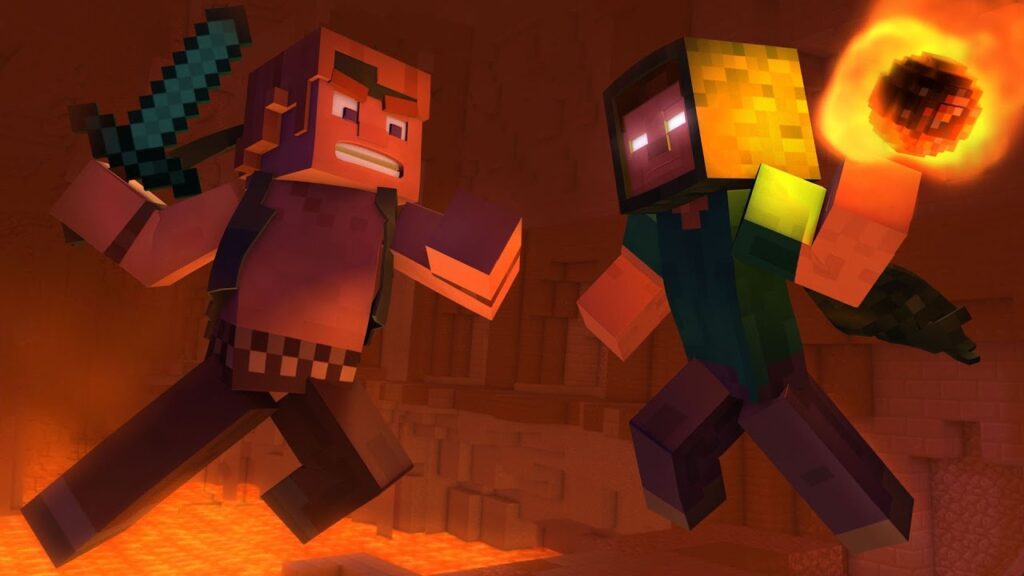
During the 2010s, YouTubers cemented “Minecraft’s” early footprint on YouTube and across the internet through Let’s Plays that drew their appeal from the personality-driven style of commentary. Mod showcases highlighted cool new features to the game, and creators made “Minecraft”parody music videos animated that reworked versions of songs from popular artists like Usher.
“Revenge” – A Minecraft Parody of Usher’s DJ Got Us Fallin’ In Love (Music Video). YouTube, uploaded by CaptainSparklez. 19 Aug. 2011.
Despite the impact these videos have had on an entire generation of viewers, searching “Minecraft” on YouTube now reveals a completely different set of videos and creators. As both “Minecraft”and content creation as a job matured, the internet began to favor creators who professionalized their strategies by utilizing short form video and crafting their content for viewer retention, replacing the game that netizens once watched back in the 2010s.
How YouTube Fueled “Minecraft’s” Internet Takeover
In 2009, Swedish game developer Markus “Notch” Peterson began development on a personal project that would combine “creativity, survival, and exploration in a pixelated, blocky world.”1 Notch had previously been developing a strategy sandbox game called “RubyDung,” but realized the game’s graphics were becoming too distorted.2 However, after discovering “Infiminer,” a block-based game, and wanting to build upon it, Notch combined elements from both RubyDungand “Infiminer” into a title that eventually became “Minecraft.”
“Minecraft.” Mojang. 2009
Initially released in multiple development stages, the game would see a full 1.0 release in November 2011. The game immediately connected with players young and old, likely attributable to the simple yet addictive block-based design of its graphics and gameplay. “‘It’s like the earth, the world, and you’re the creator of it,” said one boy in an article for the New York Times.3
Though “Minecraft’s”core gameplay was fun, its massive success is primarily due to early YouTubers, who uploaded videos about the game and spread its existence across the world.4 Friend groups soon began uploading videos of themselves on Survival Multiplayer servers (SMPs), while others commentated their singleplayer worlds in “Let’s Plays.”
Others highlighted the work of savvy modders who added new features to the game like furniture or pistons (which was later added into the base game) or directed bite-sized, humorous short videos.
Siege on Castle Steve – Minecraft video by J!NX. YouTube, uploaded by J!NX. 15 Nov. 2011.
The presence of these videos throughout the community bolstered the game’s presence in mainstream pop culture. But despite their popularity and their role in “Minecraft’s” history, there remains another early genre of “Minecraft”video that is met with even wider nostalgia and acclaim.5
Celebrating “Minecraft” Through Music — The First “Minecraft”Parodies
Viral videos in the late 2000s and early 2010s were most often random moments, music videos, or both. For instance, the second most viewed video of 2010 was a parody of Kesha’s 2010 single, “Tik Tok.” With the growing popularity of both “Minecraft” and music videos, it seemed fitting to combine the two.6
In early 2011, 18-year old Jordan Maron, known on YouTube as CaptainSparklez, uploaded a cover of electronic music producer deadmau5’s 2008 single “Ghosts ‘n’ Stuff” featuring Australian producer Rob Swire. Composed entirely of Note Blocks and other in-game sounds, the video quickly racked up over 250,000 views (a significant figure at the time). On Feburary 26, 2011, CaptainSparklez would follow this up with what many regard as the first true “Minecraft”parody: “’TNT’ – A Minecraft Parody of Taio Cruz’s Dynamite (Music Video).”
The music video begins with an animation of Steve walking towards a block of TNT and detonating it with a pickaxe, which then transitions into the actual song. Combining gameplay from “Minecraft”Beta 1.3 with 3D animation, the lyrics are performed by fellow YouTuber TryHardNinja and focus around the titular block, detailing how the player will kill creepers (explosive creatures with no arms) and craft TNT to blow up everything in sight:
"I shoot my arrows in the air sometimes
Singing ooooh
Creeper's KO'd"
The song’s appeal with YouTube’s algorithm at the time made it a (literally) groundbreaking success, with over one million views. Parodies and original songs soon became a regular aspect of his content, exploring different parts of the game.
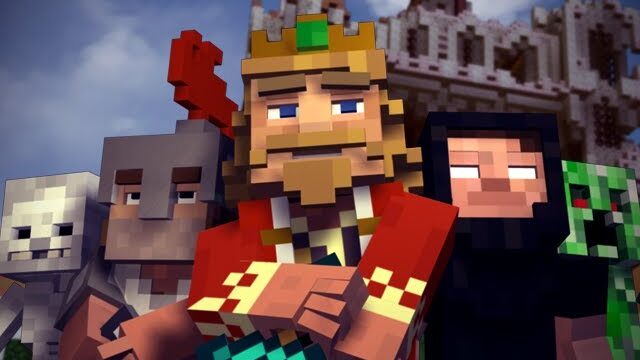
“Fallen Kingdom” – A Minecraft Parody of Coldplay’s Viva la Vida (Music Video). YouTube, uploaded by CaptainSparklez. 1 Apr. 2011.
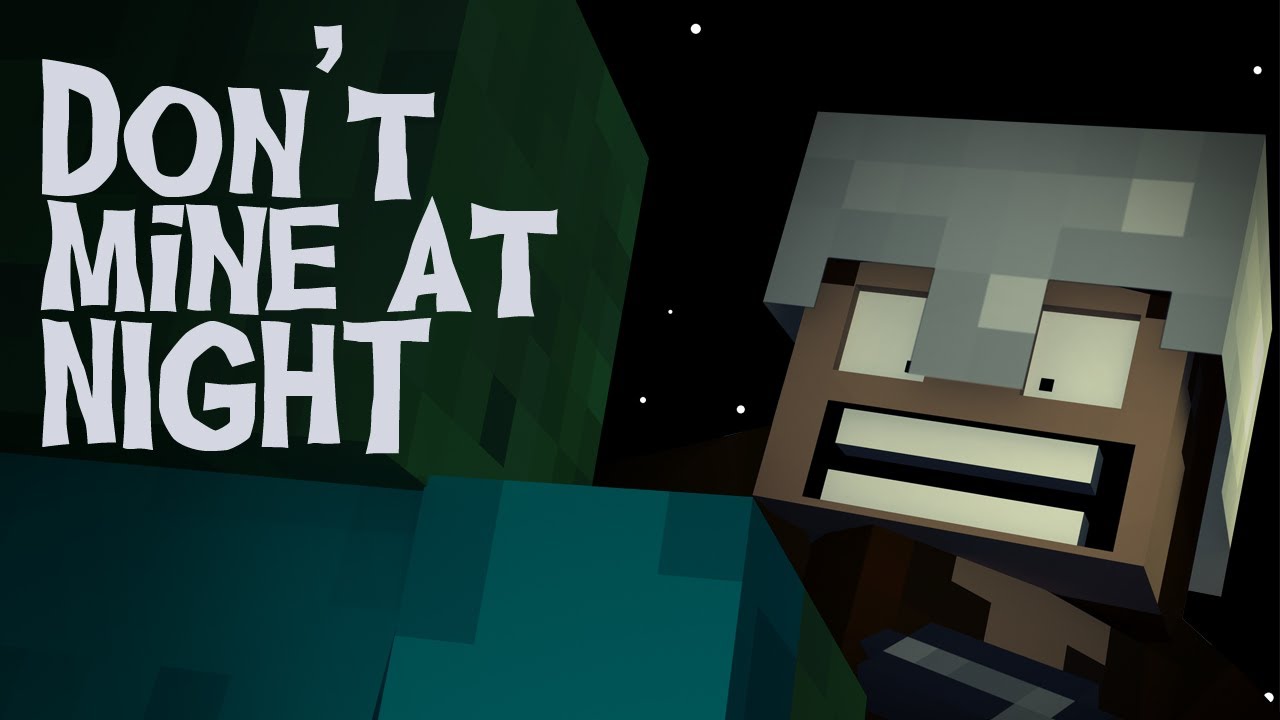
“Don’t Mine At Night” – A Minecraft Parody of Katy Perry’s Last Friday Night (Music Video). YouTube, uploaded by BebopVox. 1 Apr. 2011.
However, it is safe to say that CaptainSparklez still remains the king of them all. Anyone who is even remotely familiar with the concept knows there is one parody of Jordan’s in particular that is instantly recognizable from its opening lyric: “Creeper. Aw Man.”
@OverdriveTech. (2011). “Revenge” – A Minecraft Parody of Usher’s DJ Got Us Fallin’ In Love (Music Video) [Video]. YouTube. 2025.
'Cause, baby, tonight
The creeper's trying to steal all our stuff again
'Cause, baby, tonight
Grab your pick, shovel, and bolt again (Bolt again-gain)
“’Revenge’ – A Minecraft Parody of Usher’s DJ Got Us Fallin’ In Love (Music Video)” was released on August 19, 2011, and is widely regarded as CaptainSparklez’s magnum opus. The song features Jordan’s rapping for the first time and its music video, which revolves around surviving and taking revenge on a creeper, held a Guinness World Record as the most viewed “Minecraft”animation and video at the time with over 300 million views. It stands as a testament to the sheer love and dedication players had for the game.
‘Microsoft Takes Over’ — How The Game Lost Popularity
As fun as they were, the sheer number of parodies YouTubers were uploading began to oversaturate the genre. After the genre peaked in 2014, YouTubers began to post fewer and fewer of them because they became repetitive and boring to watch. As one YouTuber Vailskibum put it:
“They weren’t getting nearly as many views, because everything that could’ve been done, was already done.9“
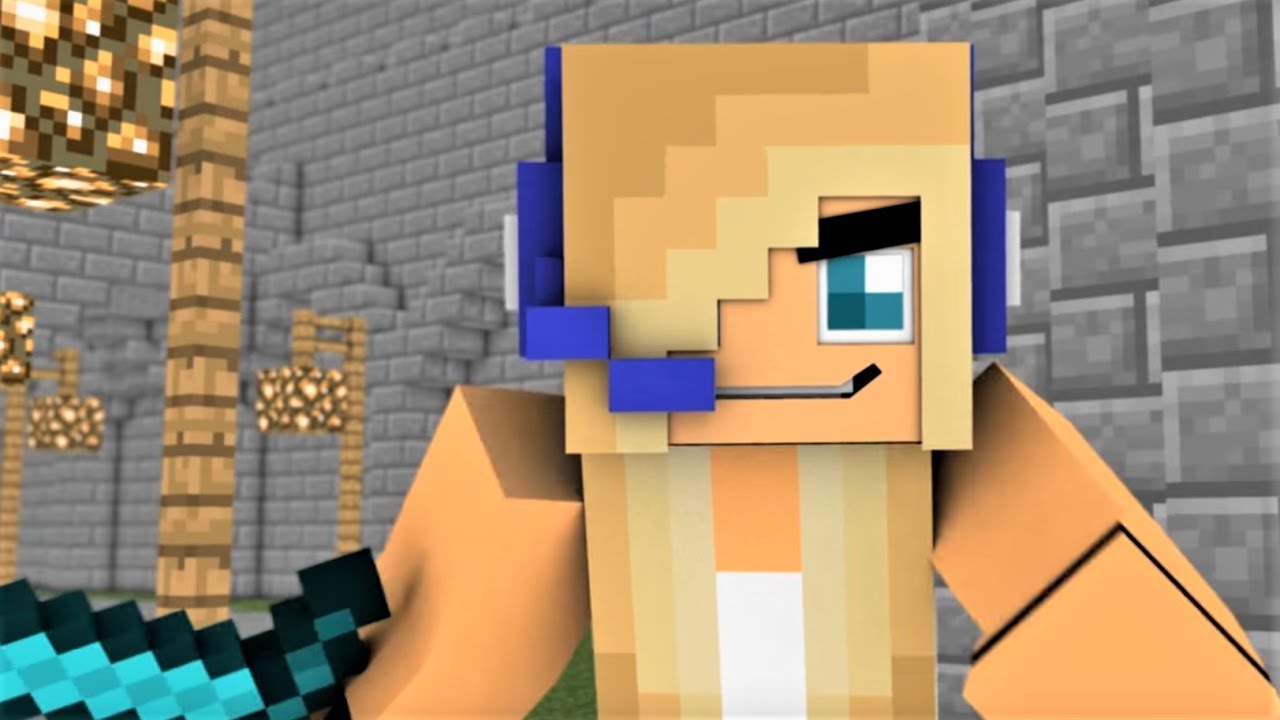
Minecraft Song and Minecraft Animation “Girls Know How To Fight” Psycho Girl 1 Minecraft Song. YouTube, uploaded by MC Jams. 27 Dec. 2014.
This wasn’t exclusive to “Minecraft”parodies either. “Minecraft”content in general became so widespread by 2018 that its presence on every feed began turning off would-be players.
This problem was compounded when some overzealous “Minecraft”YouTubers began creating low-quality or downright harmful content with overstimulating thumbnails to appeal to young kids.10
In addition, as the first generation of “Minecraft”players and channels began to grow up, some felt they needed to distance themselves from the game out of fear of being labeled childish.
“Minecraft”itself also began to stagnate. In mid-2014, Notch himself asked on Twitter if anyone would like to “buy [his] share of Mojang so [he] could move on with his life.11” Within a few months, Microsoft would buy “Minecraft”and Mojang for $2.5 billion, and major figures including Notch left the company.
As Jens Peder “Jeb” Bergensten took responsibility as the new chief creative officer, employees at the company felt both concerned about Microsoft’s plans for the company, as well as somewhat “disappointed” and “empty” about the deal.12
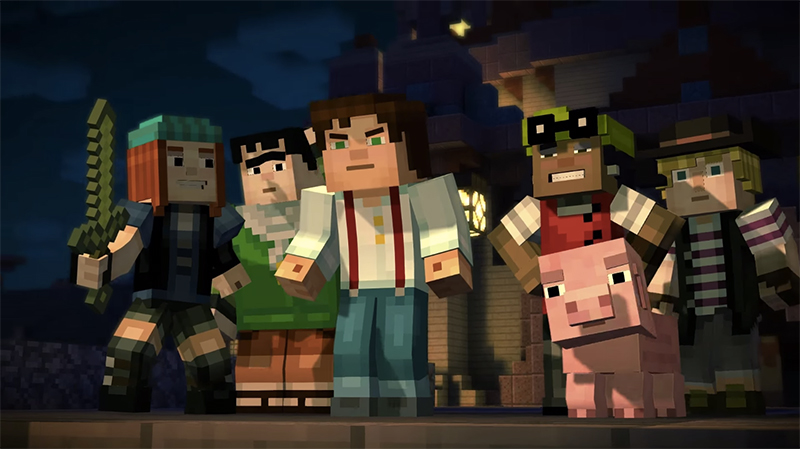
“Minecraft: Story Mode.” Telltale Games. 2015.
Microsoft and Mojang expanded Minecraftas a brand and franchise, including merchandising, creating “Minecraft: Story Mode” (2015) with former studio Telltale Games, and introducing the game in educational institutions, but the core gameplay remained almost the same.
In 2012 alone Mojang pumped out four separate updates that added spawn eggs, trading, temples, and command blocks, changing the way players explored the game. By contrast, in 2016 Microsoft would release “Minecraft”1.10: “The Frostburn Update,” at most added polar bears and magma blocks.13
How 2019’s Resurgence Revived The Fandom
While “Minecraft” remained wildly successful in sales, the game was losing momentum. But starting in early 2019, the game quickly rose in popularity to become the biggest game on YouTube again. There are many interpretations of why this happened, but many point to a few factors.14
Minecraft. Mojang. 2018.
Firstly, in 2018 and 2019 Mojang would release two of the game’s biggest updates: 1.13: Update Aquatic and 1.14: Village and Pillage Update. While previous releases added few features, 1.13 introduced swimming, an revamp of rivers, lakes, and oceans, and a massive change to water mechanics.
Meanwhile, 1.14 introduced new flora and fauna, cool blocks, and an overhaul to villages with raids and more comprehensive trading. With the growing age of the fan base, players were returning to the game out of nostalgia to find the game’s new features exciting.
Pewdiepie. 2019.
New creators would also give “Minecraft”a boost, bringing the game to the spotlight again. CallMeCarson’s live survival “Minecraft” series SMPLive is often regarded as a catalyst for reviving the game as viewers began to value the game beyond a meme. “Minecraft”would also be helped by an unlikely ally: Swedish YouTuber Pewdiepie, who was at the time the second most subscribed YouTube channel.
Known for his edgier content and reluctance to play more mainstream games, Pewdiepie played the game for the first time in June of 2019, bringing renewed attention to the game.
A New Generation Of “Minecraft”Content
“Minecraft’s” surge back to popularity should have brought with it the same kind of videos that the first generation of “Minecraft”YouTubers and players were familiar with, including “Minecraft” Parodies, but this has not been the case. Since 2019, the types of videos YouTubers uploaded early on changed form or disappeared.
100 Days – [Hardcore Minecraft]. YouTube, uploaded by Luke theNotable. 15 Sept. 2019.
Singleplayer Let’s Plays’ were relegated to livestreams or were replaced with “100 Days” challenges. SMPs became blank canvases for narrative arcs. Singular mod showcases were condensed down into shorts or completely axed for mod pack videos, and “Minecraft” parodies were completely killed off. It became clear as “Minecraft”entered the next decade of its life that the Internet’s perspective on video had changed.
Keeping Views
Many “Minecraft”formats are still very alive, though the way they are presented is different. Whereas in the past YouTube was all about grabbing the user’s attention, TikTok and Shorts have essentially monopolized that niche, meaning videos that aren’t posted on those platforms have had to pivot to keeping the viewers’ attention for longer. In terms of the SMP and Let’s Play, gamers have successfully adapted these formats by streaming them and incorporating interactivity with viewers.
TheDream SMP. 2023.
The most famous example of these was the Dream SMP, created by then-anonymous “Minecraft”YouTuber Dream. Originally a collaborative “Minecraft”server based around building and exploration, the introduction of British streamer/YouTuber TommyInnit and a scripted heist of one of his items soon transformed the server into an immersive narrative. Through a complex storyline, players worked together to engage in roleplay, swear allegiance to factions and movements, and even hold elections.15
With the introduction of lore, fans flocked to websites like Tumblr and AO3 to create fanart, fanfiction, and compilations, among many other works of expression. The result of all of these efforts culminated in TommyInnit’s stream of the SMP’s finale becoming the sixth most viewed stream ever on Twitch with over 650,000 viewers, an especially grand feat considering other members including Dream himself were also streaming.
By incorporating not just lore, but especially community interaction into an SMP, the Dream SMP set a precedent and revived the format for the next era of “Minecraft”content creators. Its members created a vibrant fandom that forged fans’ deeper connections with their favorite gamers. Afterwards, other SMPs with similar immersive plotlines and communities like the Hermitcraft SMP would follow, each with its own fandom and set of works.
“Creeper? Aw Man!” — The Enduring Legacy Of “Minecraft” Parodies
Though “Minecraft” parodies are unlikely to return to mainstream “Minecraft” culture, their impact on the community has never been forgotten. From singing the wrong lyrics to songs on long road trips to memes and tier lists, its clear the the once-common “Minecraft” music video remains a beloved part of the community, both ironically and unironically.
“The lyrics stick with you forever; it’s been years and I still get certain songs stuck in my head. As I listened to some of the songs I used to enjoy, I still knew most of the words to all of them. The impact they had on my preteen years was indescribable,” said Belle from Loco Mag.
In 2019, with the resurgence of “Minecraft,” CaptainSparklez’s Revenge parody would see renewed interest, this time as a meme and Internet challenge. In the so-called “Creeper Challenge,” also known as “Creeper? Aw Mann,” Discord servers and friend groups would attempt to type the lyrics of the song in the correct order. No typos or repeats, or else the chat would have to start over. People began to upload videos of themselves attempting the challenge, which quickly gained notoriety, establishing an unwritten rule that anytime someone said creeper, someone must reply “aw man.”
Bringing Parodies To Other Video Games
In addition, despite “Minecraft”being the most popular game to write parodies for, many other communities drew from the format. Gamers would be inspired by “Minecraft”parodies and reworked lyrics of their own for other popular games including “Roblox,” “Fortnite,” and “Overwatch.” In fact, some of these non-“Minecraft”parodies gained similar status in their respective communities either as memes or nostalgic memories, though not to the level of their “Minecraft”counterparts.
The rise and fall of the “Minecraft”parody is an interesting case study into the game’s presence on the Internet as a whole. The proliferation and decline of “Minecraft”parodies along with other videos of its kind seemed to have initially correlated with the game’s overall level of popularity online. But whereas other formats were revived when the game returned to mainstream popularity, the Internet’s and gaming channels’ changing priorities left parodies behind.
“Take Back the Night” – A Minecraft Original Music Video. YouTube, uploaded by CaptainSparklez. 31 Aug. 2013.
Out of all the videos that defined “Minecraft”YouTube in the early 2010s, music videos perhaps had the greatest impact on players, both new and old. We might never see another new “Minecraft”parody with the same polish and acclaim. But at the very least, we can celebrate them for what they were, and remember a time when they “used to rule the world.”

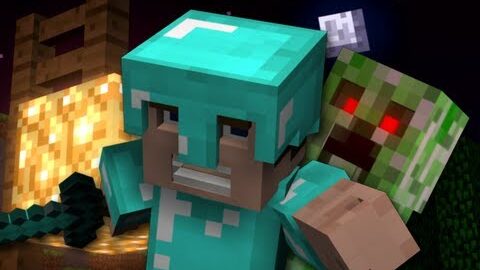
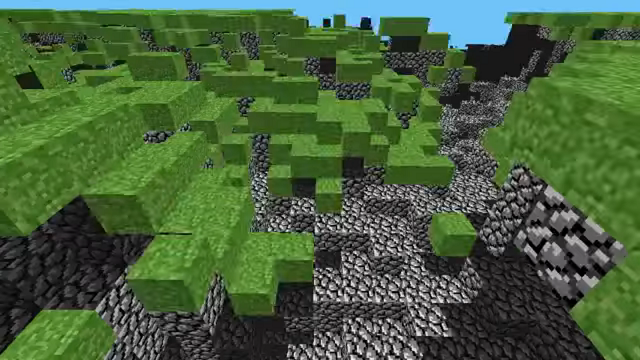


![The thumbnail for Luke TheNotable’s breakout video, 100 Days in Hardcore Minecraft.
100 Days - [Hardcore Minecraft]. YouTube, uploaded by Luke theNotable. 15 Sept. 2019.](https://storage.googleapis.com/stateless-thedailyfandom-org/2025/07/1d230ddc-100daysltn-1024x576.webp)