
Table of Contents Show
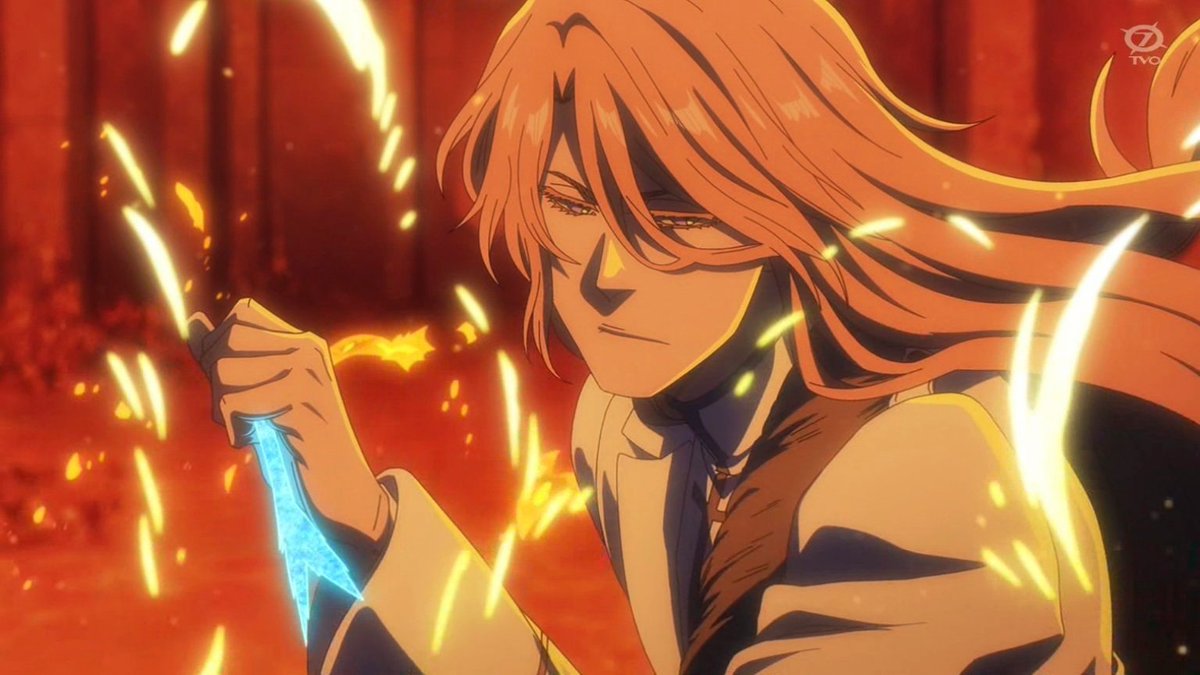
Bleach’s FRIEND saga is rich with layered symbolism and emotional nuance — subtleties that are easily overlooked. Ironically, this mirrors the characters themselves — Jugram and Bazz B are also victims of misinterpretation, both by each other and by the fandom. The FRIEND saga underscores how deeply Jugram and Bazz B care for one another, yet their unresolved traumas and personal flaws ultimately tear them apart at a pivotal moment in their lives.

Although there have been many character analyses of Jugram Haschwalth, this isn’t the case for Bazz B. This analysis turns the spotlight on Bazz B — a character whose loyalty, pain, and emotional complexity demand a closer look beyond the flames and bravado.
Exploring Bazz B’s Rage & Loyalty
A common misconception is that Bazz B is a narcissist1 — an assumption that crumbles under closer inspection. While Bazz B presents an arrogant facade, beneath it lies a boy shaped by loss, shame, and a desperate need to matter. To explain why, we need to know about Quincy values, which means looking beyond FRIEND. One recurring value permeates the entire Thousand-Year Blood War arc: strength as the ultimate measure of worth.
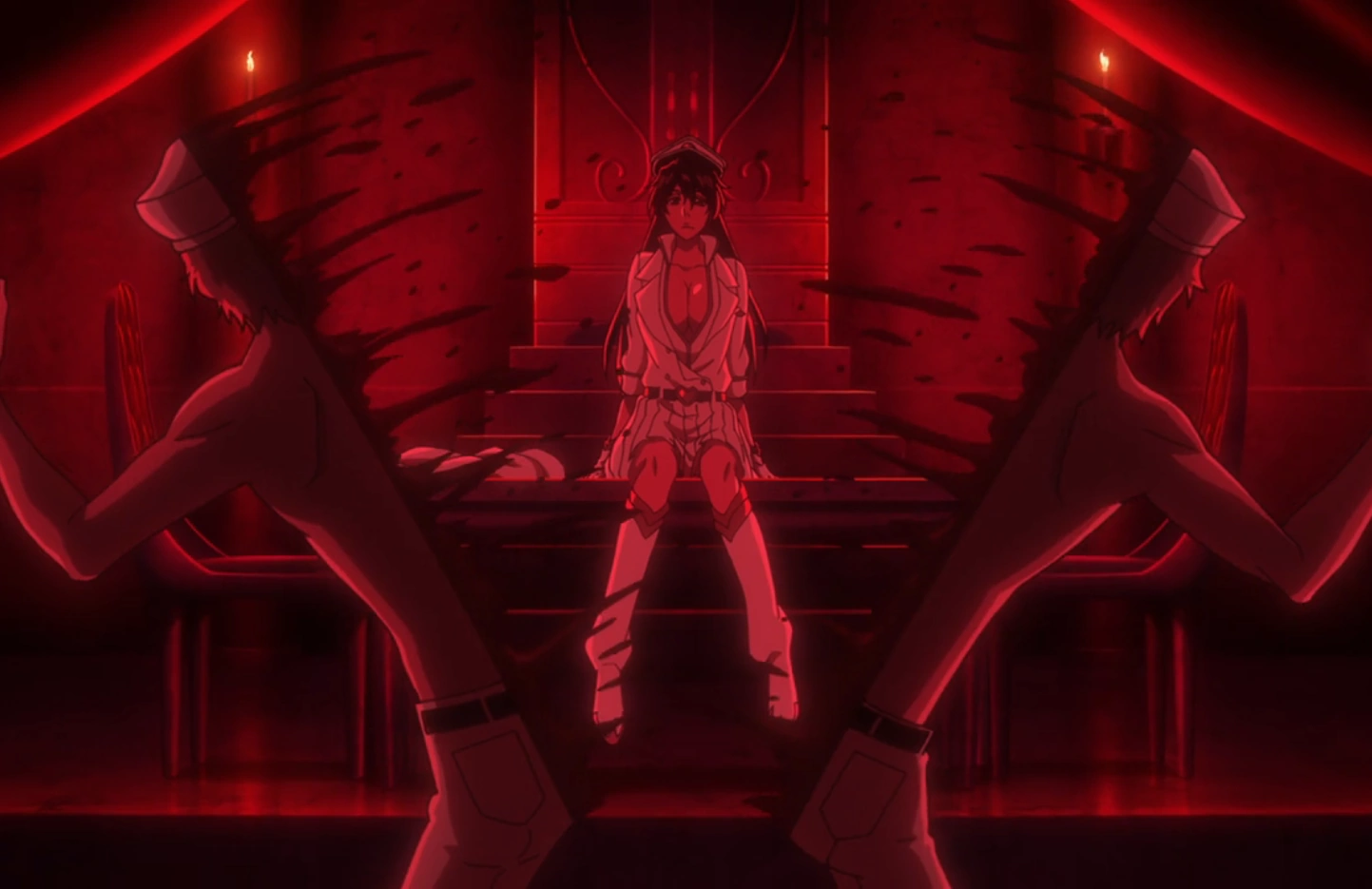
Quincies highly value strength. There are plenty of examples of this: Masaki being scolded by her adoptive mother for her slow progress on her training, the auswahlen targeting weak or impure Quincies, Bambietta getting away with killing numerous soldat, the desire to be chosen by Yhwach, Yhwach’s worst fear being powerlessness, and the fact that Quincies like Jugram were killed because they were deemed to be failures, as shown in FRIEND.
Identity & Worth In Quincy Culture
Why’s this such a big deal for Bazz B?
Simple — it gives us a clear window into his whole mindset! When we see Bazz B as a child in FRIEND, he introduces himself as a genius, and, interestingly enough, by his nickname. Bazz B’s real name is essential to understanding his character.
When Jugram says his real name during their fight, it is framed as a massive deal; it is the first time we have seen Jugram so distraught. In the Thousand Year Blood War arc, we are also introduced to a character who emphasizes the importance of names in Bleach: Hyosube Ichibei, who states that names have power.

Names are important to Bazz B; he insists on being called Bazz by Jugram. Bazz always refers to Jugram as “Jugo,” and the one time he calls him Haschwalth, it’s in contempt — and the day they separated, he exclusively refers to himself as Bazz B, and so does everyone else. Bazz B never calls himself Bazzard Black.
The reason is left up to interpretation, but it can be theorized that Bazz B never felt like he was good enough for it. For an explanation, Bazz B is from a noble family — and seeing how badly the Ishidas treated Masaki, imagine what it was like for Bazz B. Bazz B likely had to worry about becoming the heir.

His nickname is clearly meant to be affectionate, and his insistence on using it is intended to distance himself from the pressure of living up to his name. He proudly hauls his kills back to the castle, eager to prove that he truly is the genius he claims to be.
Also, after noticing Jugram’s bruises, he tells Jugram not to worry about what the adults say, as if he were genuinely speaking from experience. We can assume that Quincy values were instilled into him from birth. This makes his decision to befriend Jugram — a “powerless” Quincy in a culture that equates weakness with worthlessness — all the more profound.
So when Bazz B’s family is effortlessly slaughtered by Yhwach and his royal guard, Bazz B becomes even more obsessed with strength. And since he’s meant to parallel Ichigo (their birthdays are a day apart), it’s possible he developed survivor’s guilt.
How Childhood Trauma Sparks Obsession
Since Bazz B was the lord’s son, chances are everyone else died trying to keep him safe. Bazz B had to sit back and watch as his clan was slaughtered, his mother was killed in front of him with her corpse cushioning his fall, and their home was destroyed. The boy who was so convinced of his own genius couldn’t protect a single person he loved. He’s powerless. He’s worthless. He lives only because Yhwach chose to spare him. Their sacrifice gave him nothing but crushing guilt, a hollow survival, and a future he never wanted.

Bazz B weeps for his lost home, but the tears stop the moment Jugram appears behind him. He can’t afford to show weakness — not when someone else is watching. Even after witnessing overwhelming power, Bazz B charges headlong into what’s basically a suicide mission. And honestly? It’s not shocking. Ichigo did the exact same thing: rushing off to save Rukia without a shred of training or a real plan. Remember how Urahara called him out for it? Bazz B’s no different — desperate, determined, and diving straight into the impossible.
Revenge is how Bazz B, in his mind, can redeem himself from this failure. He’s so obsessed with achieving his goal, yet despite this, he chooses not to abandon Jugram, even when his friend is a potential burden who could jeopardize his revenge. When Yhwach calls him weak and says that Jugram was actually the strong one the entire time, Bazz B’s world shatters. The idea that all of his improvement is because of his friend, that Jugram is the talented one, is something he can’t accept, so he becomes jealous.

Remember that Bazz B’s own strength is so important to him. He’s been raised with the belief that he’s worthless if he’s weak. If he were strong, he could’ve saved his family, if he were strong, he could’ve been the hero and redeemed himself, if he were strong, he wouldn’t be such a failure. He is an insecure child who needs validation, even if it’s from his worst enemy.
Here is the real gut punch for Bazz B: Jugram turns his back on him in an instant, choosing the stronger man without hesitation — the very man they’d once sworn to kill together for murdering their families. It’s shattering for Bazz B. The boy he promised he’d never abandon, no matter how weak or worthless he became, doesn’t return that loyalty. This betrayal carves the belief even deeper into Bazz B’s heart that his only worth lies in strength — a conviction the Wandenreich keeps confirming again and again.
Jugram telling Uryu that there’s no point in having friends if they’re not “beneficial” is just further proof of this. So Bazz B is constantly challenging Jugram in his attempt to prove himself, to show his friend that he has value as a person. He knows he’s not going to win. When Uryu is chosen as the successor over his friend, Bazz B is angry for his friend’s sake because he respects his strength. During their fight, Bazz B explicitly says he hasn’t lost yet.

Here’s another interesting detail: Bazz B is paired up with Cang Du. We already know so little about the sternritters and their relationships with each other, even less. So Bazz B’s relationship with Cang Du stands out. One of Cang Du’s few and most defining character traits is that he strongly believes that things that existed together in life should exist together in death. Bazz B is the sole survivor of his clan. The implications of this are unsettling.
At his lowest point, Bazz B openly welcomes the idea of death — fully aware that infighting among the Sternritter is basically a death sentence. But he keeps pushing, keeps challenging Jugram, growing more furious each time his friend refuses to even acknowledge him. If Jugram finally fights him and Bazz B manages to prove himself? Perfect. And if he dies in the process? Honestly, that wouldn’t be so bad either.
From Bazz B’s perspective, Jugram — his friend, the last person he has in this world — doesn’t care about him anymore. He stands by, doing nothing to stop the Auswählen, and leaves Bazz B to die alone. And who’s to say what could’ve happened if the Shinigami had decided to wipe out the surviving Quincies instead of charging the royal palace? The cruel twist of fate is almost unbearable: Bazz B’s survival and Jugram’s betrayal were both left hanging by a thread.
Bazz B’s Ultimate Tragedy
For a millennium, Bazz B serves the man who destroyed his world — haunted by the grim knowledge that revenge is out of reach and his best friend is now an obstacle to it. At the same time, serving Yhwach gave Bazz B the value he always wanted, the power he always wanted, so he has to live with the fact that he’s happy serving the man who killed his family.
In the Cour 3 opening, “Without any words” by SIX LOUNGE, Bazz B shatters a mirror. Shattering your reflection has multiple symbolic meanings, but the most common is a lack of understanding of yourself. Another is a disruption of your sense of identity.
This man has an identity crisis. Is he Bazzard Black, the last survivor of the Black family who will avenge them, finally make them proud, and live up to his name? Is he Bazz, the beloved son of the Black family, Jugo’s friend, who would never hurt him? Is he Bazz B, the loyal soldier of Yhwach who finally feels valuable? When Bazz B finally dies, he’s happy. He finally has a genuine smile that isn’t smug. Why wouldn’t he? He lost the only thing he believed made him worth loving — his power.
He couldn’t get revenge, he couldn’t prove himself to Jugram, he couldn’t get his best friend back. His best friend, the one he was still willing to believe wholeheartedly still cared about him, cuts him down like he’s nothing, like he’s worthless to him. He never called him Bazz again. There’s no one left in the world who loves him for who he is. His family died to protect someone as worthless as him. Nothing ever goes his way.

Bazz B’s voice actor said that when Bazz died, he had to make it sound soulless and like a burden was lifted from him.2 That burden could be so many things. His final words, being that he thought it would hurt more to lose to his friend, could mean so many things. He knew this was going to happen.

Was he happy, in some dark, bitter way, to learn that his friend no longer needed him — because Jugram had finally achieved their shared dream of becoming the strongest Quincy? Was he relieved, even, to finally know how Jugram truly felt about him, confirming his worst fear that he was always worthless in Jugram’s eyes? Bazz B is such an enigma; his story is a labyrinth of pride, pain, and desperate longing. There are countless ways to interpret him, and that’s what makes his character so hauntingly compelling.
The Truth Behind Cour 3’s Most Emotional Episode
Before diving into the FRIEND episode itself, let’s pause to examine the Cour 3 opening. In this sequence, we glimpse Jugram’s perspective of Bazz B: he’s bathed in light, smiling — but notably, his eyes remain hidden.
That subtle choice says a lot, hinting at layers of emotion and mystery beneath the surface.
Reading Between The Lines In Bleach
In Bleach, eyes aren’t just symbolic — they’re the series’ primary language of truth, vulnerability, and betrayal. Throughout Bazz B and Jugram’s battles, many panels zero in on their eyes, highlighting the emotional stakes. Right before this sequence, Jugram is shown reflecting on Bazz B in dim lighting, underscoring the mood. Light plays a crucial role in understanding the layers of Jugram and Bazz B’s relationship — it’s more than just aesthetics; it’s a narrative device revealing what’s seen, what’s hidden, and what’s left unspoken.

Moving into the episode, Jugram and Bazz B get caught up in a minor skirmish. Right away, Jugram’s first move is telling — he tries to knock Bazz B out rather than kill him. That’s the first real sign he doesn’t want to end his friendship. When Bazz B confronts Jugram, asking if he knew about the Auswählen, Jugram shoots back with skepticism, questioning why Bazz B would even ask — he’s convinced Bazz B won’t believe him.
But Bazz B pushes back, insisting he will believe Jugram, because after everything they’ve been through, they’re friends. When Jugram and Bazz B first meet, they are showered in light, much like in the opening. Bazz B calls Jugram pathetic, but when Jugram managed to “trick” him into introducing himself first, Bazz B calls him cunning and says that he has potential.
Bazz B follows Jugram, declaring that he’s looking out for him. When Jugram degrades himself, Bazz B quickly reassures him. This is something Bazz B does consistently, not just in their childhood, but also 1000 years later. He is always following and praising Jugram. Jugram asks Bazz B to stop calling him Jugo, and Bazz B asks what his family calls him then.

Bazz B was completely willing to call Jugram something else; he respected Jugram’s desires. He does not know that that’s the nickname Jugram’s abusive uncle calls him because Jugram never told him. Bazz B gives him his badge and announces that Jugram is now his minion, which is his way of saying friend. Bazz B calls him “Jugo” twice in this scene. An important note here is that pronouns are avoided in Japanese. So Bazz B calling Jugram “Jugo” repeatedly is him claiming the name from his uncle, and it works.
Jugram’s eyes, which were so dull earlier, have now gained light. This is in complete contrast to when his uncle arrives. Jugram’s uncle tells him that he’s in big trouble and that he can’t do anything without him. His tone becomes saccharine and calls him “my precious Jugo.”
This scene reveals Jugram’s underlying issue. He has always been someone’s tool and only knows how to live as one. He can’t do anything on his own. In the next scene, we switch back to the present, and there is a burning hole in the wall, implying that Jugram was sexually abused.
Interestingly, Bazz B says that Jugram always used to say, “I don’t have to tell you that.” This implies that Bazz B has tried learning more about Jugram, but Jugram always shuts him down. Jugram is always hiding his true feelings. Instead of telling Bazz B the real reason why he doesn’t want to fight him, he hides behind Yhwach’s supposed displeasure.

After Bazz B’s castle and clan burn down, Bazz B tells Jugram to kill Yhwach together with him. What’s important to notice here is that Bazz B does not force Jugram to come with him, despite believing that Jugram is also angry at Yhwach. He gives Jugram the option to stay behind. Jugram is not visibly upset about what has occurred, unlike Bazz B. This is because Yhwach killed his abuser.
Jugram also lacks empathy for Bazz B’s situation. He doesn’t comfort him, but this is due to his upbringing. Jugram does show that he cares about Bazz B by picking up a sword much too big for him and deciding to help him. Jugram does not want revenge, but simply to be by Bazz B’s side. Bazz B does not know this.
During the campfire scene, Jugram once again degrades himself. Bazz B reassures him that he’ll definitely get stronger because Bazz B will be there for him. We are then shown Jugram purely smiling for the first time, the first sign of him healing. It should be noted that Jugram and Bazz B are never shown in complete darkness so far. Even in the present, there are rays of light.

When they grow up, Bazz B comments on how strong he has gotten, but that Jugram has not grown despite his effort being greater than his own. This shows Jugram’s devotion to his friend, as he’s only working so hard for his sake. Bazz B also theorizes that Jugram is likely one of those fabled powerless Quincies who were killed for that reason. Despite this, Bazz B refuses to abandon Jugram, demonstrating his care for him. Bazz B does not tell Jugram this.
When Bonds Break Under Pressure
Then that fateful day finally arrives. It should be noted that Jugram’s personality changed drastically. At first, he was expressionless and distant; now he’s the opposite. Bazz B was an incredibly positive influence on him. Bazz B’s desire for revenge overtakes him and he gives in to his worst instincts, jealously glaring at Jugram, who has taken the role he needed.
Meanwhile, Jugram is still under the impression that it would be enough for one of them to get in. He’s incredibly pleased because their plan is working, and he has been deemed someone important. Jugram is blindsided by Bazz B’s reaction, assuming their bond was as mutual as his devotion had always been. However, Bazz B’s revenge is currently more important to him. And so he betrays Jugram, destroying Jugram’s trust in him.

Yhwach displays how manipulative he is by driving the two apart. He calls Bazz B weak, the one thing he doesn’t want to be, and that Bazz B was actually using Jugram the entire time. Jugram, once again, shows his care for Bazz B, but also his insecurity by telling Yhwach that Bazz B is actually the talented one. Jugram’s trauma is triggered by Bazz B’s glare, and so believes Yhwach.
Going back to the light symbolism, this scene marks the first time Bazz B and Jugram find themselves in complete darkness — even though it was bright and sunny when they met Yhwach. That stark contrast visually underscores how much has changed between them. The light represented a time of purpose and unity, while the darkness signals confusion, betrayal, and the emotional distance now between them.
Something that should be noted in this scene is Yhwach’s actions. He pets Jugram’s head, a fatherly gesture, but Yhwach only sees Jugram as a tool. Therefore, this action is more like what one would do to a pet. Jugram is happy in this scene, and it’s meant to reflect when he received Bazz B’s button. But the contrast between light and dark is clearly meant to frame this as something bad, as it represents Jugram’s doomed future.
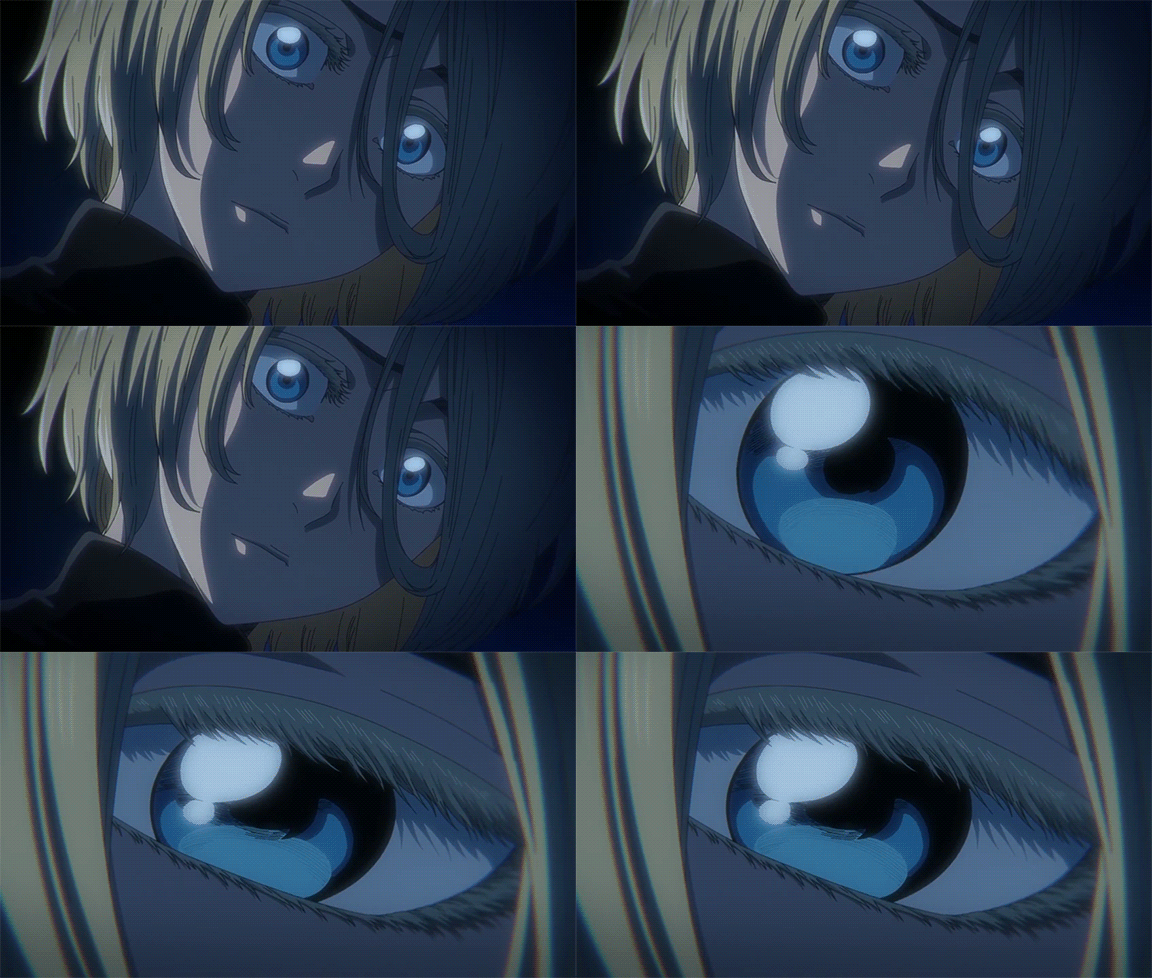
Jugram catching Bazz B’s arrow that he had aimed at Yhwach represents his betrayal of Bazz B, but also his care for him, as Bazz B would’ve gotten killed if he didn’t. We move back to the present, and Jugram once again catches Bazz B’s arrow with the same blank expression that he would wear for the next 1000 years. This scene essentially triggers Bazz B’s second trauma, Jugram’s betrayal. Both boys’ expressions, Bazz B’s glare, and Jugram’s stoicism are capable of doing this.
To repeat, eyes are very important when it comes to communication and understanding in Bleach. Both of them communicate primarily through this, but it’s not enough. They’re not like Ichigo and Uryu, their parallels, who don’t need words to understand each other. Jugram once again tries to stop the fight, with the same excuse that it wouldn’t benefit Yhwach. That is when he reveals Bazz B’s full name, breaking his blank expression. The fact that Jugram knows Bazz B’s full name is proof that they were friends.

Jugram has always shown that he cares about Bazz B, but not directly. He refuses to fight Bazz B, leaving Bazz with a dejected expression, not anger. He protects Bazz B from Hubert, telling him that he is always watching. Fighting amongst sternritters is punishable by death, but Yhwach was asleep for centuries. They could’ve fought at that time with no consequences, but Jugram refuses to confront Bazz B, to truly communicate with him.
It should be noted that Bazz B does not try to seriously kill Jugram. He never tries to assassinate him or use another underhanded method. He always challenges him head-on, despite that being counterproductive to his revenge plan. After his arm gets cut off, Bazz B uses his final move, burning full fingers, which is abbreviated as BFF. Once again, names are important to Bazz B.
After landing the fatal blow on him, Jugram allows Bazz B to approach him, turning around so Bazz B can hold on to him. The heat from Bazz B’s hand dissipates. This could represent his resentment towards Jugram’s disappearance. Jugram’s eyes are not shown, and Bazz B is looking down.

Even in their final moments, they remain unable to truly see or speak to one another — trapped in silence. But the wound Bazz B gave him, shaped like a bloody tear, reveals Jugram’s despair. Bazz B’s final words reveal that he’s always secretly cared more about his friend, Jugram, than his need for revenge. Jugram walks up the stairs unsteadily, and his balance is shaken. Thus, his ability to contain all of his pain, all of his regrets, from leaking out is damaged.
Bazz B or both of them think back to their first meeting. An important note here is that Bazz B tells Jugram not to worry about what the adults say, and Jugram always listens to Yhwach. Bazz B’s last thought is “Jugo,” which is synced with his child self’s voice. In a way, he became “Bazz” again in the end.
The episode’s title “friend” appears with “end” written in blood. Jugram’s poem at the end reveals his eye, which clearly shows a deep pain and regret. But his poem is all about ignoring this pain. As long as he keeps his eye on the balance scale, he can keep telling himself that he made the right choice because he weighed the pros and cons and thus chose the most beneficial path.
FRIEND & The Emotional Foundation Of Bleach’s Final Arc
Bleach’s final cour is set to feature about 50% new content, and fans are buzzing with anticipation for what’s to come. One especially exciting prospect would be another flashback episode — much like “Friend” — but this time from Jugram’s perspective.
This shift would be a brilliant move, offering fresh insights and deeper characterization not just for Jugram but also for Bazz B. By exploring their relationship through Jugram’s eyes, we could gain a richer understanding of their motivations, conflicts, and the emotional stakes that drive them both.
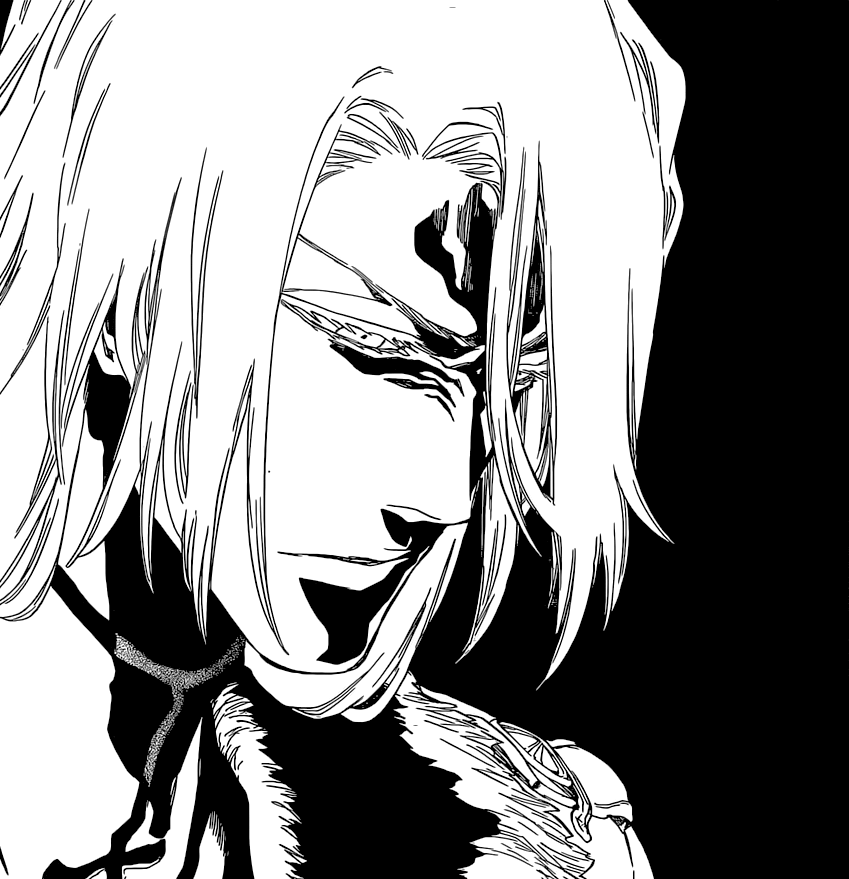
One powerful scene could show Bazz B haunted by nightmares of his family’s death, tormented by the belief that his own weakness is to blame. Another could reveal Jugram’s quiet anguish over his perceived lack of progress, feeling like he’s nothing but a burden to Bazz B.
Interspersing these moments with tender flashbacks of the two as children — laughing, supporting each other, and sharing dreams — would deepen their bond for the audience and make Jugram’s eventual death hit even harder. These glimpses into their shared past would not only flesh out their characters but also make their tragic fate feel all the more heartbreaking.
Ideally, this flashback would take place during Jugram’s battle with Uryu — his thematic and narrative counterpart — making their brief, mostly off-screen fight more memorable and impactful. Another valuable addition would be a scene clarifying whether Jugram truly betrayed Yhwach. His motivations remain ambiguous, sparking a wide range of interpretations among fans.
To discard a character as complex as Jugram would be a missed opportunity — narratively and emotionally. Only a few Quincies survive the war, and they are not as interesting as Jugram. It’s also rather distasteful that the Quincies, an oppressed race in Bleach, do not get a happy ending where they can truly prosper instead of hiding.

The Quincies essentially go through another genocide. Jugram surviving in the end and having to deal with the fallout of his and Yhwach’s actions would be incredible to watch. Tite Kubo also recently revealed that Quincies go to a different “place3” when they die, although the place in question is left ambiguous. What he likely meant is that they return to Yhwach, but the vagueness could potentially mean something completely different.
Many Quincies with great potential, like Bazz B and Askin, could be brought back. This would pave the way for an emotionally charged reunion between Jugram and Bazz B, but we’ll have to wait until the final arc — and any future ones — to find out if we get that closure.