
Table of Contents Show
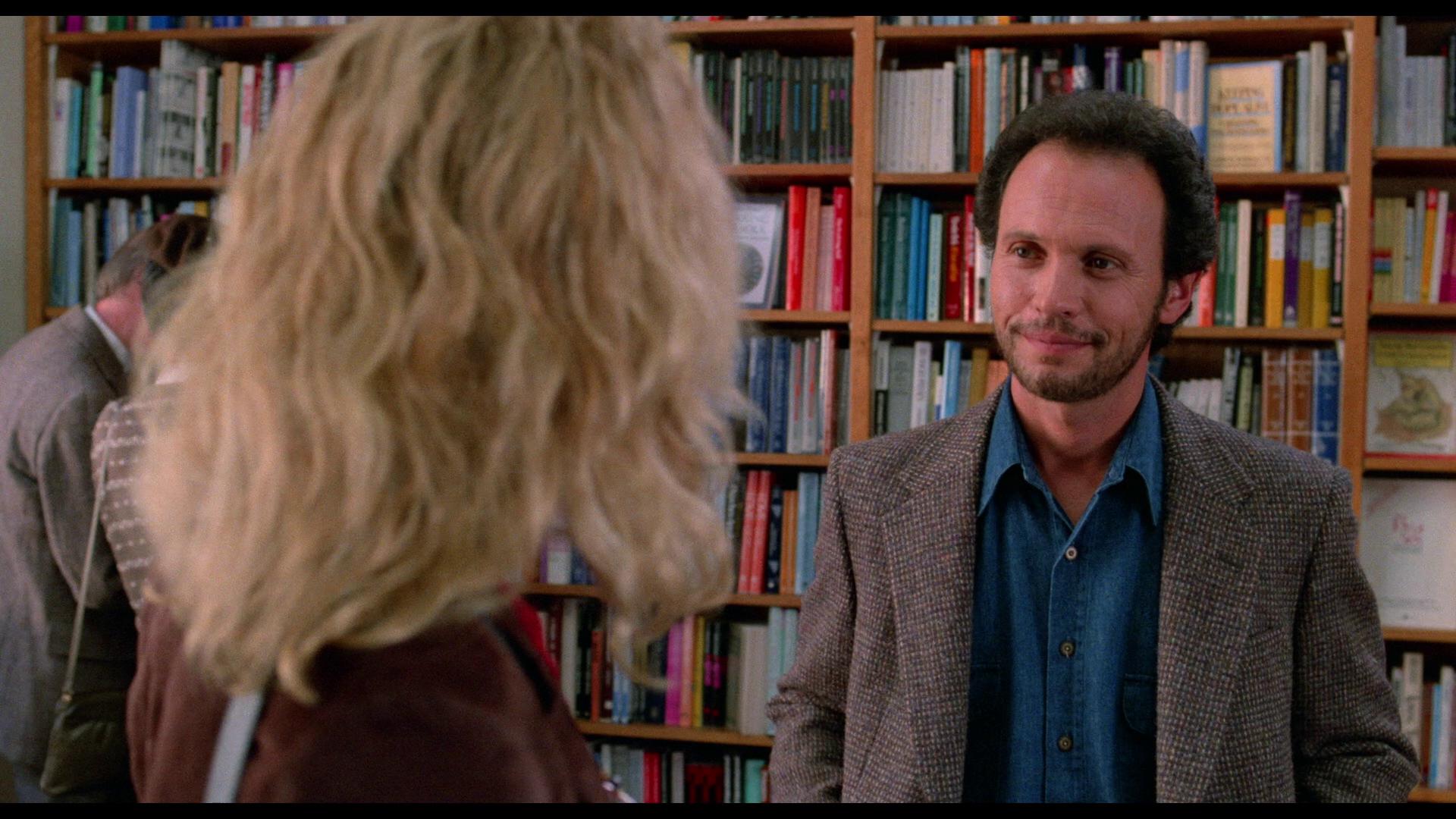
There’s nothing quite like watching a classic rom-com or reading a book from a favorite author on a cozy night in. People enjoy the comfort that comes with knowing a story has a happy ending. Films like Pretty Woman (1990),1 When Harry Met Sally… (1989),2 or even a more recent film like Crazy, Stupid, Love (2011),3 have been widely recognized as popular modern rom-coms. However, in recent years, audiences have been turning to books to get that gushy feeling.

What once was ruled by the film industry is now becoming highly associated with books from authors like Emily Henry4 or Ali Hazelwood.5 Publishing has been dominating the rom-com space in recent years, but it’s highly likely that the two industries will work together to produce wider profit margins for both subsects of the entertainment industry.
Many authors, like the aforementioned Emily Henry and Ali Hazelwood, are getting film and TV deals for their works in print. Is it bold to think that these adaptations will revive the rom-com genre?6
Are Rom-coms Making A Comeback — Or Just Getting A Makeover?
While there have been plenty of successful rom-coms released in the last decade, like Crazy Rich Asians (2018),7 it seems a good, juicy romance is something of the past. Historically, directors have tried time and time again to make the comeback movie. While there are new romance movies coming out every year, none of them have the same appeal as the nostalgic early 2000s rom-com.

Recent plotlines rely heavily on following the same formula(s), and viewers are being left feeling unsatisfied8 in theatres.
Viewers will often retreat to the comfort they feel with movies from the “golden-age of rom-coms.”9 The “golden-age” points to the films that were released during the late 80s to the early and mid-2010s. Four decades of perfectly cheesy romance comedies, especially ones that keep the audience’s longing for the ‘good old days’,10 is no easy feat when putting out new films.
Moreover, since the commonality of streaming platforms drives audiences to rewatch old favorites, there’s even more competition. There’s no guessing how many times we’ve watched (and re-watched) Ferris Bueller’s Day Off (1986).11
Can Hollywood Successfully Bring Back Rom-Coms For A Modern Audience?
Hollywood has been trying to bring back that familiar, campy feeling in the newer films, but has yet to draw in audiences with lackluster remakes. Now, many people in the younger generation hold the belief that rom-coms are “cringy.”12
But, to be fair, finding romance isn’t the same as it was back in the 90s or early 2000s. It is harder for a modern audience to hold out hope that the love of their lives will happen to be on the same elevator as them, or coincidentally go to grab a book at the same time. The fantasy of the rom-com allows the viewer to essentially become the protagonist in an accessible and imaginative way (via a simple plot line and attractive actors).
Now, we swipe left and right and hope for the best, but expect the worst.13 More and more production companies are scrambling to create realistic stories for our current times, but who wants to relive the embarrassment of their Tinder dates? What girls actually want is a real-life friends-to-lovers plot.
Either way, audiences are left wondering, ‘What happened to the stories we love?’ Perhaps it’s the realism that newer movies present that keeps us clutching onto the classics.

Viewers critique rom-coms harshly, believing the “com,” or comedy, part of rom-com to be lacking, while others miss the heavy romantics. A rom-com lacking romance and comedy leads to major pitfalls in the script, leading to a boring viewing experience.14
Hollywood executives, instead of re-imagining romantic comedies for modern times, recycle tropes and A-plots from more successful movies in an effort to improve profit margins and feed off audience nostalgia. There are plenty of Shakespeare15 or Jane Austen16 spin-offs to go around, but some ideas are better left unsaid.
In 2023, the world was wrapped up in Netflix’s newest hit. The gossip surrounding Anyone But You (2023)17 drew attention from every media outlet, all wanting to know if the on-screen romance truly inspired a real one between the co-stars.
However, once the movie actually came out, the chemistry between Sweeney and Powell wasn’t enough to save a bad script. This left some viewers not just clutching onto the classics — but white-knuckling them.
Golden Era Rom-Coms — Nora Ephron To Meg Ryan & The ’90s Blueprint
The ‘classics’ era spanned from the 80s to 2010, meaning there are dozens of amazing rom-coms for audiences to get lost in. After taking a quick glance at the films from the ’80s and ’90s, anyone can see that there were two women who dominated on (and off) screen together: Nora Ephron18 and Meg Ryan.19

Nora Ephron is the pinnacle of romance, banter, and strong female characters. There is no questioning why her work became incredibly popular. During the 80s and 90s, her films were some of the first to show women they were capable of having a career and love.20
Ephron’s writing showed countless women that they too can pursue love, a job, motherhood, and frankly…whatever they wanted. The author and filmmaker drew female audiences in by showing them that there are endless possibilities even under the precedent of the patriarchy.
Additionally, an actress who helped promote said image was 90s American sweetheart, Meg Ryan. Having starred in three of Ephron’s films, they built one of the first female artist-muse relationships in Hollywood. The two were so in synch on set, it was said Ryan believed that she was able to perfectly read Ephron’s mind.21
The dynamic duo changed the way we view rom-coms. The pair worked together to make sure the female leads had a voice that spoke to those watching. Their movies weren’t just about falling in love, but about knowing yourself and not being afraid to be vulnerable with others.
An Ode To The Unwritten
Though audiences love to watch Meg Ryan portray journalists, there is a strong desire for multiplicity in the rom-com space, not made up exclusively of white actors. There are very few romantic comedies that showcase people of color or non-heterosexual couples as leads. While there is progress being made diversity-wise, particularly when it comes to queer couples,22 the divide is clear when looking back at Hollywood’s history.
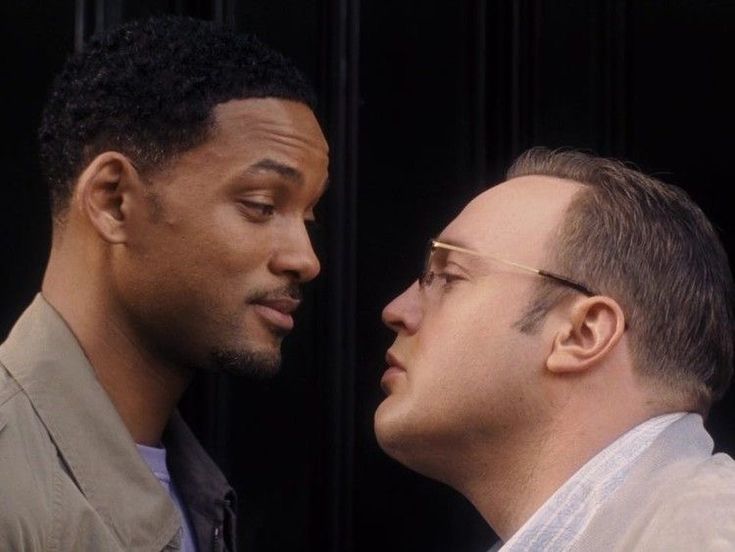
One of the most popular rom-coms that fulfills that niche is Andy Tennant‘s23 2005 film Hitch,24 starring Will Smith25 and Eva Mendes.26 The film follows a “love doctor” who coaches men on earning love without having to put their vulnerability on display. Will’s wall inevitably comes down when he is wooed by, you guessed it, a gossip columnist.
In Hitch, the only Black person of color helps a bunch of white guys find love, but refuses it for himself. Tennant certainly chose an entertaining way to reflect what was being sold in the world of rom-coms. Other films, like Poetic Justice (1993),27 showcase specifically Black love, but it does not fit within the rom-com category.
While there are certainly more rom-coms that star multicultural couples, like Our Family Wedding (2010),28 they are unfortunately overlooked for more popular films about heteronormative (and primarily white) couples. It took a long time for the film industry to start expanding rom-coms29 to show non-white couples. Many marginalized communities still feel overlooked because they are so infrequently shown in a romantic context within said movies; they are often the side character that helps the white protagonist.

Hollywood has a longstanding and problematic history of leaving out entire communities30 of people. If mentioned, it’s likely reminiscent of Long Duk Dong in Sixteen Candles (1984).31 For years, executives refused to share stories that follow BIPOC couples or person(s).
Romantic comedies are one of the many places Hollywood’s deeply rooted racism lives. In the rom-com universe, couples that weren’t white often had to face more hardships than those that were.32 It’s not just Black couples that were forced into a bubble, but any couple that didn’t “fit the mold” or adhere to Eurocentric beauty standards.
That is why films like Crazy Rich Asians are so influential.33 During a time in 2018 when the rom-com space was less saturated, Chu‘s34 movie was able to gain popularity easily, and it gained a cult following over time.
TikTok & Modern Publishing: How The Romance Genre Rebuilt Its Empire In Print
It is impossible to talk about modern-day rom-coms without a nod to the industry really running the show: publishing. There is no denying that what is lacking in the film industry is being made up through books.35
Though it’s been years since rom-coms dominated the box office, the publishing industry has yet to see any slowing down. If you have TikTok, it’s likely you’ve encountered BookTok36 at least once. Since 2019, BookTok has been on top of new releases. Every day, thousands of users get recommended the hottest new romance novels from break-out authors across the internet.
Many subgenres fall under the romance umbrella. From contemporary to dark fiction, there are plenty of books in the genre to keep one’s attention. There are even trends just within the romance genre.37 With so many new books cycling through the shelves, everyone can find a book that they enjoy.
Romance novels have always been popular, but they have never received hype like in the 21st Century. We have to consider that there has been a significant increase in quirky, easy-to-digest romance books within the last 10 years. Why is that?

The answer is simple if you take a quick stroll through any romance aisle. Cartoon covers have taken over publishing.38
In 2018, Helen Hoang39 released her debut novel titled The Kiss Quotient,40 which unexpectedly changed the publishing industry. The reason? Hoang specifically requested to have her cover feature cartoon characters rather than real people.
“I wanted to slip past unconscious bias. With a fun illustrated cover, I could be on equal footing with other authors and tell a love story with an Asian person in it without race being the biggest part of it.”
Yes, We Do Judge Books By Their Covers
Because of The Kiss Quotient, and stories like it, romance novels have found a new way to be marketed and audiences are reading more stories that promote diversity. Along with race, there has been a noticeable increase in disability representation41 appearing in romance novels, which is certainly something to be celebrated.
From a promotional standpoint, cartoon covers are quite appealing when in comparison to the photoshopped abs that previously adorned every cover. Moreover, it is less obvious in public what subject matter you’re reading about. Meaning: you can read your freaky tropes without worrying about the cover giving you away.

These new covers are also incredibly “Instagram-able,” which may sound nonsensical, but actually plays a big role in book sales, especially when most of a book promotion is done on TikTok and Instagram these days. No one is going to want to put an ugly book on their grid.
Publishing houses are looking to Book Influencers to promote their new releases. Whether it’s sending PR packages with advanced reader copies (arcs), or getting lucky enough to have a content creator want to recommend your client’s novel, publishing agents have been doing footwork on their socials.
To help their book become the next must-read, more and more authors are putting out books with eye-catching and vibrant cartoon covers. Ultimately, authors want you to judge their books by their covers.
In a sea of illustrated hotties, authors are finding it harder and harder to stick out. The overpopulation of hyper-cartoon covers drowns out less vibrant designs; yet, there can only be so much of a good thing. Now, concern is being raised about younger readers picking up books with explicit content because of an innocent cartoonish cover.
‘From Nora To Nora’ — Ephron Continues To Inspire
An author that has been making waves recently is Emily Henry. Originally starting in the Science Fiction/Magical Realism genre, Henry switched over to rom-coms after the release of Beach Read42 in 2020, which quickly became a New York Times Bestseller. She has continuously released fan favorites since.
Exploring tropes that are quite common in the world of Nora Ephron, Henry has nodded to the icon in her third novel, Book Lovers,43 by naming her big-city-workaholic female lead Nora.

Due to Emily Henry’s increasing popularity, people are considering her to be Gen Z’s Ephron. Henry’s novels touch on similar topics. Her characters are incredibly intricate and face realistic problems. The banter is organic and every setting feels natural. In Henry’s work, the women are smart and fearless; the men are caring and honest. It seems the only things audiences are missing now are the movies to match…
‘Rom-Com Renaissance’ — How Emily Henry & BookTok Are Changing The Game
Finally, Emily Henry’s books are being brought to the screen.44 Her sophomore romance novel, People We Meet on Vacation,45 is being turned into a film starring Tom Blyth46 and Emily Bader.47 Having sold over two million units in the United States, there is certainly going to be a long queue of fans waiting to watch the book come to life on screen.

If People We Meet on Vacation isn’t your favorite Henry novel, you’re in luck. Her other romance novels are also being adapted for the screen48 — excluding her newest novel, Great Big Beautiful Life,49 as it came out in late April of this year.
However, Henry isn’t the only one getting her books adapted. The list50 also includes The Love Hypothesis,51 by Ali Hazelwood, It Happened One Summer,52 by Tessa Bailey,53 The Unhoneymooners,54 by Christina Lauren,55 and many more.
While these books would have been popular without BookTok, the platform has been able to help drive sales. When a book is deemed good enough (or bad enough), authors and publishing houses gain free publicity because creators want to share their thoughts on it. The more popular a book is on BookTok, the more likely it is to be picked up by a production company.
BookTok is the reason many authors have the success they do. Colleen Hoover‘s56 books became incredibly popular overnight, while some like Lauren Roberts57 shared her entire writing experience when drafting her first novel: from idea to publication.
Can BookTok’s Effect On Publishing Translate Over To The Film Industry?
After years of reading being associated with being ‘uncool,’ bookstores have seen an increase in sales that has imperatively changed the rhetoric around reading. The BookTok community has been credited for making reading ‘cool again,’ at least stereotypically with a female audience.
The ultimate social paradox of today can be found in celebrities walking around, posing with their deep memoirs and impressive poetry collections, and booksellers filling their shelves with what the kids are claiming to be the next big read (and, usually, it’s smutty). People read for many reasons: whether they’re looking for easy entertainment, a form of escapism, or to learn a little bit about the world or themselves, more and more are turning to the comfort of books.
In recent years, readers have increasingly stopped caring about what they consume.58 Those who were once deeply concerned about being caught reading a ‘spicy book’ now read shamelessly at the public pool. Whether that change is because of a new wave of feminism, the less obvious covers, or because people simply just stopped caring about what they’re reading, romance novels have seen an undeniable growth in sales.

A constant that remains is the desire for romance and comedy. Rom-coms have been around for centuries, stemming from Greek romantic (and tragic) plays, and while they may flow in and out of popularity, they always find a way to come back around.
As to whether or not this is the beginning of a ‘modern comedic romance’ era is up in the air, but either way, it’s looking profitable for both publishing companies and Hollywood execs. Perhaps this time around both industries to work together and create new fan favorites.
Footnotes
- Marshall, Garry. Pretty Woman. Tombstone Pictures. 1990. ↩︎
- Reiner, Rob. When Harry Met Sally…. Castle Rock Entertainment. 1989. ↩︎
- Ficarra, Glen. Crazy, Stupid, Love.. Carousel Productions. 2011. ↩︎
- Emily Henry Books. (2025). Emily Henry. ↩︎
- Ali Hazelwood. (2025). Ali Hazelwood. ↩︎
- Greenwood, Marken. Where Have Rom-Coms Gone?. The Good Trade. October 4, 2024. ↩︎
- Chu, Jon M. Crazy Rich Asians. Warner Bros. 2018. ↩︎
- Udeshi, Saniya. The Decline of Romcoms: Why the new ones Just Aren’t It. UCL Pi Media. October 11, 2024. ↩︎
- Adekaiyero, Ayomikun. The 17 Best Movies From the Golden Age of Rom Coms to Stream Right Now. Business Insider. February 14, 2023. ↩︎
- de Feo, Maria. Why Are Older Rom-Coms So Much Better?. The Saint. April 3, 2025. ↩︎
- Hughes, John. Ferris Bueller’s Day Off. Paramount Pictures. 1986. ↩︎
- Hughes, Bailey. Rom-Coms Are Flopping: What Is The Missing Ingredient?. Cardinal & Cream. March 8, 2024. ↩︎
- Maracina, Charlotte. Blending tradition and technology: Gen Z’s new approach to old-fashioned dating. Medium. December, 4, 2024. ↩︎
- Ferrare, Erin. Rom-coms suck now — what happened?. Technician. February 7, 2023. ↩︎
- Siwak, Miranda. Romantic Comedies Inspired By Shakespearean Works. Us Weekly. March 27, 2024. ↩︎
- Bogel, Anne. Cult Classic: 5 Favorite Jane Austen-inspired Romantic Comedies. Modern Mrs Darcy. October 10, 2024. ↩︎
- Gluck, Will. Anyone But You. Netflix. 2023. ↩︎
- IMDb. (2025). Nora Ephron. ↩︎
- IMDb. (2025). Meg Ryan. ↩︎
- Freeman, Hadley. Nora Ephron: how I’ll miss her. The Guardian. June 27, 2012. ↩︎
- Hassan, Nuha. When Nora Met Meg: A Trilogy of Romantic Comedies and the Perfect Pair of the Woman Auteur and Muse. Medium. March 19, 2023. ↩︎
- Barth, Samantha. ‘Play It Gay:’ Queer Representation. The Daily Fandom. March 14, 2022. ↩︎
- IMDb. (2025). Andy Tennent. ↩︎
- Tennant, Andy. Hitch. Columbia Pictures. 2005. ↩︎
- IMDb. (2025). Will Smith. ↩︎
- IMDb. (2025). Eva Mendes. ↩︎
- Singleton, John. Poetic Justice. Columbia Pictures. 1993. ↩︎
- Famuyiwa, Rick. Our Family Wedding. Fox Searchlight Pictures. 2010. ↩︎
- Holt, Brianna. How the Black Rom-Com Has Changed Ove the Years. Business Insider. February 27, 2023. ↩︎
- Bhat, Rema. Why Do Rom–Coms Think Only White People Fall in Love? 34th Street. February 9, 2021. ↩︎
- Hughes, John. Sixteen Candles. Universal Pictures. 1984. ↩︎
- Sigmon, Sharena. In Remembrance of the Black Romantic Comedy. Bright Wall Dark Room. 2025. ↩︎
- Jitchotvisut, Janaki. ‘Crazy Rich Asians’ is taking the world by storm — here’s why it had me ugly crying at the theater. Business Insider. August 20, 2018. ↩︎
- IMDb. (2025). Jon M. Chu. ↩︎
- Redpath, Aziza. The Best-Selling Book Genres and Why They Succeed. Spines. August 2, 2024. ↩︎
- What is BookTok?. SocialPilot. 2025. ↩︎
- Doherty, Alison. The Biggest 2024 Romance Novel Trends. Book Riot. February 14, 2024. ↩︎
- Donaldson, Kayleigh. Why Does Every Romance Novel Have The Same Cartoon Cover Right Now. Paste Magazine. February 1, 2024. ↩︎
- Helen Hoang. (2025). Helen Hoang. ↩︎
- Helen Hoang. (2025). The Kiss Quotient. ↩︎
- Shaholli, Elisa. Why Does Disability Representation in Romance Matter?. Disability & Access Collective. February 21, 2025. ↩︎
- Emily Henry Books. (2025). Beach Read. ↩︎
- Emily Henry Books. (2025). Book Lovers. ↩︎
- Cohen, Anne. People We Meet on Vacation: Meet the Cast Joining Emily Bader and Tom Blyth. Todum. September 25, 2024. ↩︎
- Emily Henry Books. (2025). People We Meet on Vacation. ↩︎
- IMDb. (2025). Tom Blyth. ↩︎
- IMDb. (2025). Emily Bader. ↩︎
- Gomez, Dessi. Which Emily Henry Books Are Becoming Movies?. Deadline. September 25, 2024, ↩︎
- Penguin Random House. (2025). Great Big Beautiful Life. ↩︎
- Thompson, Avery. 25 Romance Books Becoming Movies & TV Series: ‘Every Summer After,’ ‘Funny Story’ & More. TV Insider. July 31, 2024. ↩︎
- Ali Hazelwood. (2025). The Love Hypothesis ↩︎
- Tessa Bailey. (2025). Bellinger Sisters Series. ↩︎
- Tessa Bailey. (2025). Tessa Bailey. ↩︎
- Christina Lauren. (2025). The Unhoneymooners. ↩︎
- Christina Lauren. (2025). Christina Lauren. ↩︎
- Colleen Hoover. (2025). Colleen Hoover. ↩︎
- Lauren Roberts Library. (2025). Lauren Roberts. ↩︎
- Polk, Shelbi. Why We’re All Swooning for Romance Books. Shondaland. April 22, 2024. ↩︎