
Table of Contents Show
Spoilers for The Sheep Detectives (2026).
A flock of sheep might seem like an odd choice of detectives for a whodunnit film, but Kyle Balda’s The Sheep Detectives (2026) proves that depth and reflection can come from even the unlikeliest of perspectives.1 Advertised as a whimsical, family-friendly mystery, the film shocks audiences with its moving, bittersweet lessons about death.
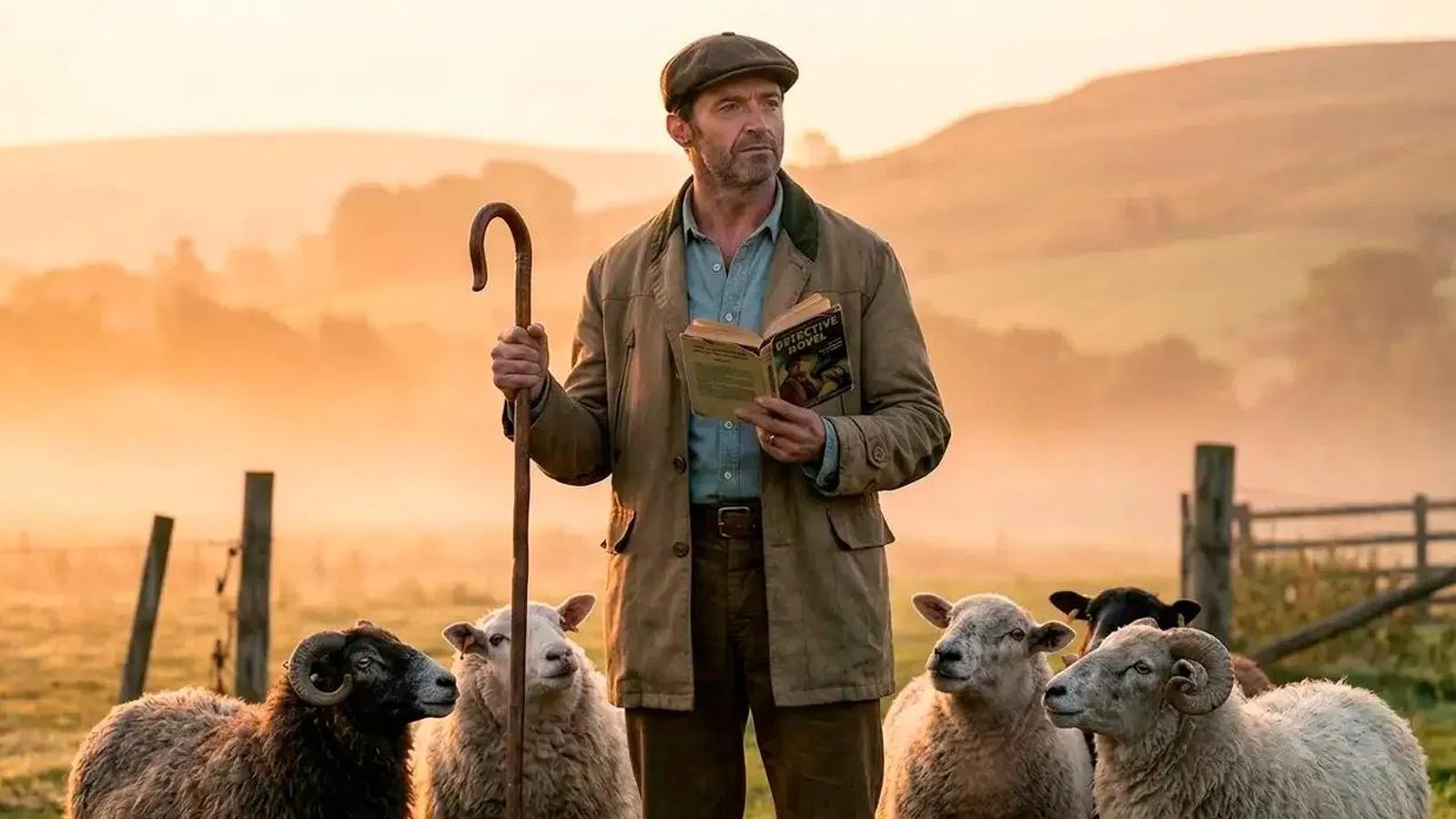
Based on the novel Three Bags Full (2005) by Leonie Swann, The Sheep Detectives is a film adaptation of the novel’s leading mystery.2 What begins as a story about sheep solving the murder of their shepherd, George Hardy (Hugh Jackman), slowly evolves into a story about a flock facing their trauma. At its core, grief is “the thing with no end” — the herd must eventually learn to accept it rather than ignore it.
To love is to remember, and The Sheep Detectives reminds viewers of this. The film handles its heavier themes with delicate, bittersweet notes in order to teach its audience about trauma, memory, and the never-ending cycle of grief.
Mystery As A Framework For Grief
The catalyst for The Sheep Detectives is George’s murder. It acts as both the driving mystery for the film and the foundation with which the flock, led mainly by Shetland sheep Lily (Julia Louis-Dreyfus) and Merino sheep Mopple (Chris O’Dowd), must learn about death.

Prior to his murder, the flock’s relationship with death comes solely through the mystery novels that George reads to them each evening. In the eyes of the sheep, death is a thing of fiction. The detective novels are removed enough from their reality that the fictional portrayal of death feels safe for them to digest and remember, unlike the deaths of their own families that they deliberately forgot. Due to this habit of forgetting, the members of the flock — outside of Mopple, who acts as the group’s memory keeper — have no true concept of mortality.
“Forgetting was a tried and true way for sheep to get over their sorrows. The stranger and more disturbing an incident was, the faster you needed to forget it again.”
Leonie Swann, Three Bags Full
Upon discovering his death, the flock’s initial reaction is to forget George entirely — both the good and bad memories. The suspicious nature of his death, the flock’s familiarity with crime novels, and the subsequent incompetence of the townspeople’s police — who originally dismiss the death as a heart attack, despite evidence of a struggle — drive the flock’s desire to uncover the truth. Their desire to solve the case gives them a reason not to erase George from their memories.
As is a popular framework in the mystery genre, the flock is provided with a familiar path forward through problem-solving — namely, George’s novels. His detective novels approach death as a logical question that can be answered through clues, suspects, and revelations — a tool to make sense of his death and, consequently, their own loss.3

Becoming the detectives themselves forces the flock to face their grief and wade deeper into it in order to uncover the truth. The journey toward this truth provides the flock with the same emotional dilemma grief itself poses: someone important is missing, and it is their job to make sense of that absence.

Grief, like mystery, instills within its bearer an urge to solve it — to answer, finish, and eventually dismiss it. The Sheep Detectives challenges this urge, showing its viewers what it means to remember and carry grief onward instead.
Memory, Trauma, & What We Carry Forward
A major theme in The Sheep Detectives is the question of whether it’s better to remember the pain or to tune it out. The film argues for the importance of the former when the familiar ignorance that the flock lives in is challenged by the emotional trauma of losing George. The journey Lily takes from an advocate for forgetting to one who preserves the loss of George allows her to carry him forward in her memory.
Remembering Vs Forgetting
Throughout the film, the sheep display a pattern of intentionally forgetting uncomfortable memories. They do not hold any memories of fellow sheep dying, their own mortality, or the hostile encounters they witness between George and neighboring shepherd Caleb (Tosin Cole). Mopple, who does not possess the power to forget things, acts as a juxtaposition against the flock’s avoidant trauma response. It is through him that the audience feels the unease of the flock’s dismissal.

The Sheep Detectives places grief right alongside memory, showcasing how one coincides with the other. Forgetting, though easier, does not equal healing. It is still a loss to forget someone, and the film reminds its audience of this by showing them that remembering is how one holds onto the people that they love.
While investigating, the memory of George allows Lily to learn more about her shepherd and the love that he himself preserved when he was alive. Lily discovers that she was named after George’s deceased love and, because of this, she represents one of the film’s core concepts: those who are lost live on through those who loved them.

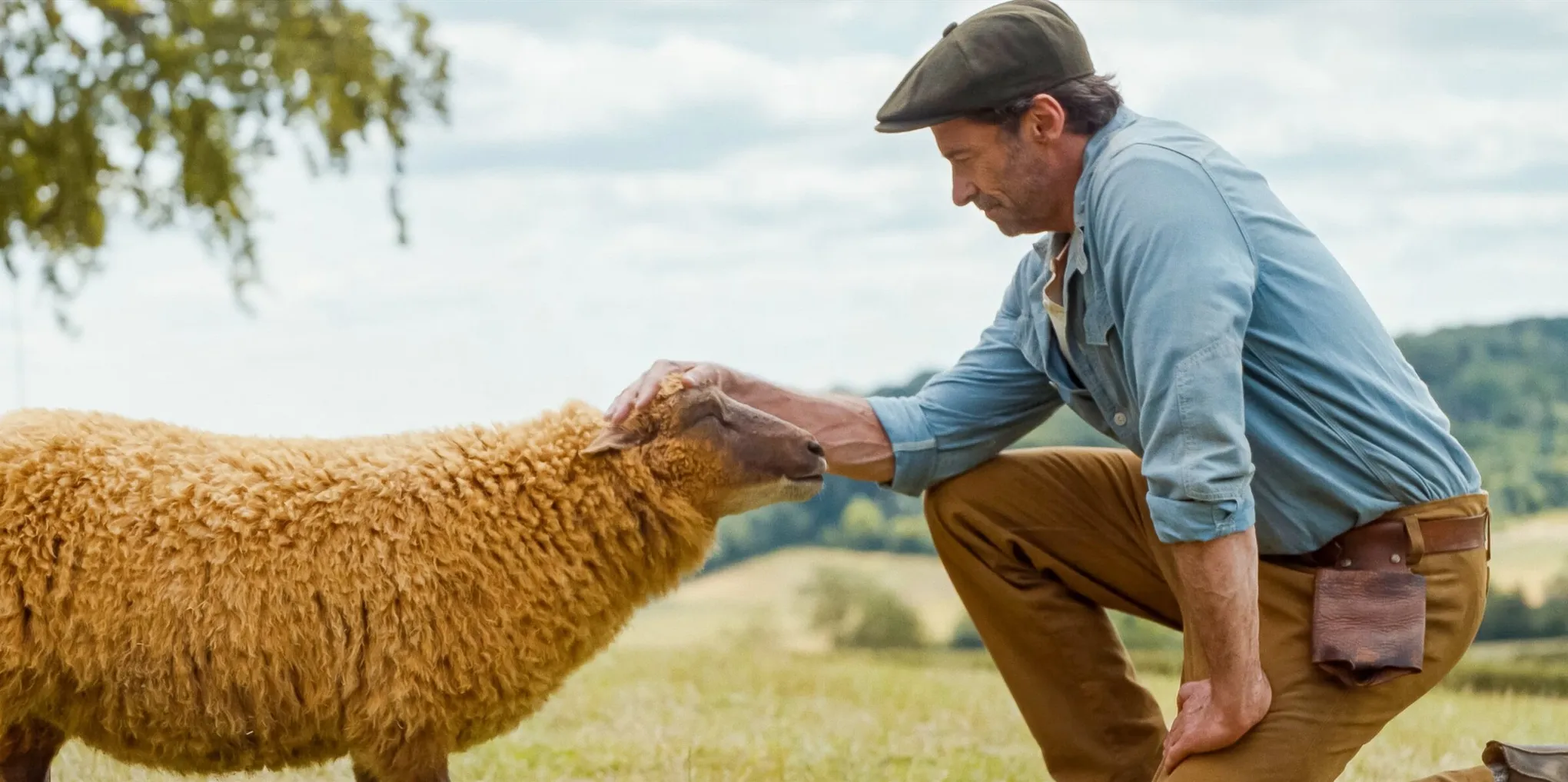
The film’s end captures this cycle through Lily herself when she names the newly accepted winter lamb George as a way of honoring the shepherd who raised them. The memory of the man George Hardy is kept alive through the sheep who loved him and the lessons they learned.
Growing Through Trauma
The Sheep Detectives‘ commentary on memory and loss also extends to the trauma itself. It argues against the harmful nature of denial in terms of traumatic events, urging its audience to face their pain and attempt to grow from it rather than avoid it altogether.
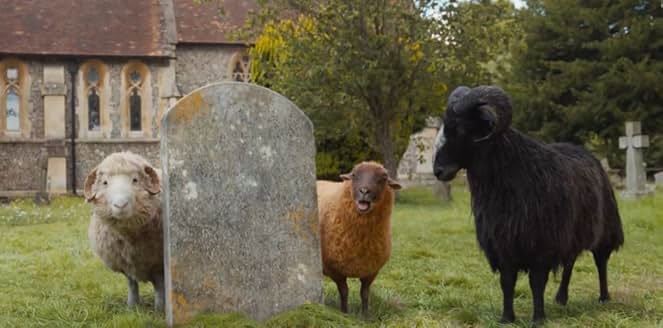
The film explores this argument through one of the flock’s outcasts — a black sheep named Sebastian (Bryan Cranston) who did not grow up among George’s flock and does not choose to forget his painful memories. It is revealed that Sebastian was a winter lamb — often denied entry into a flock — and was rescued by George from a carnival where he was forced to fight dogs.
Sebastian represents a more knowledgeable understanding of concepts like trauma, death, and mortality compared to the innocent flock. His presence in Lily’s journey acts as a mature and guiding hand, teaching and supporting her through her exposure to the more painful concepts.
This contrast between the characters and the reveal of Sebastian’s traumatic past both serve as a lesson on the limitations of ignoring trauma, showing instead how a sheep like Sebastian accepts those parts of himself and grows from them.
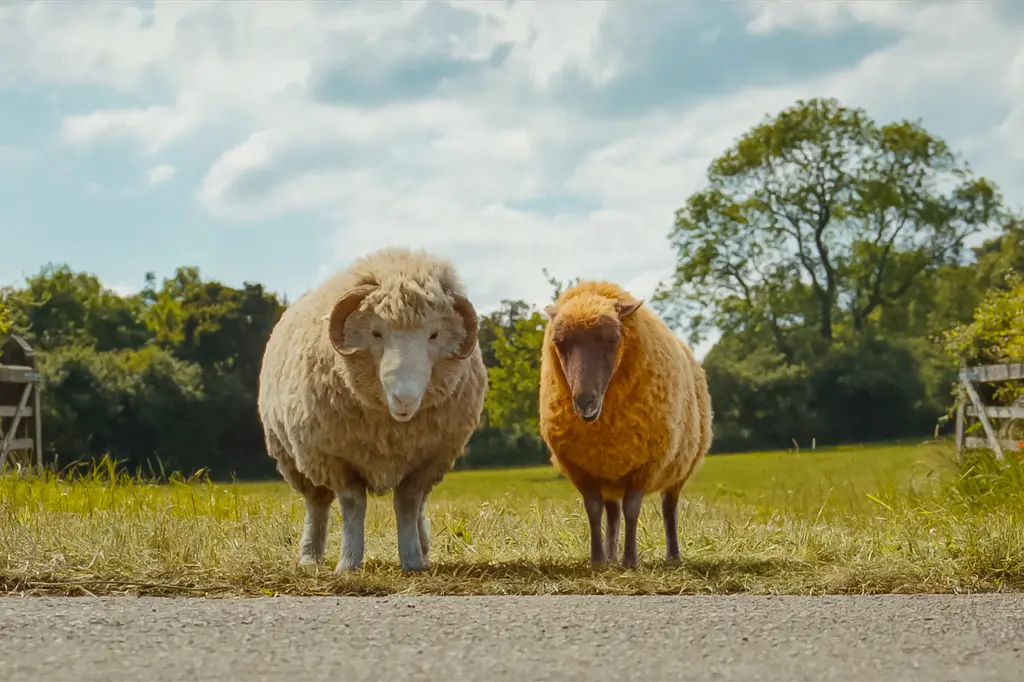
As the film progresses, Lily and Mopple experience this firsthand. To get answers about George, they are forced outside of their comfort zone. They travel outside of George’s property, they visit the town and its townspeople, and they even trek across neighboring shepherd Caleb’s territory to see how his sheep live.
Their search for the truth forces them to face the harsh realities of the outside world — such as Caleb’s deal with the local butcher (Conleth Hill) to slaughter his flock — and through this, Lily comes to learn the importance of accepting the world’s painful truths rather than avoiding them. She grows beyond the childlike ignorance her character first represented and recognizes the nuance of the world, of the good and the evil within it, and no longer wishes to remain blind to it.
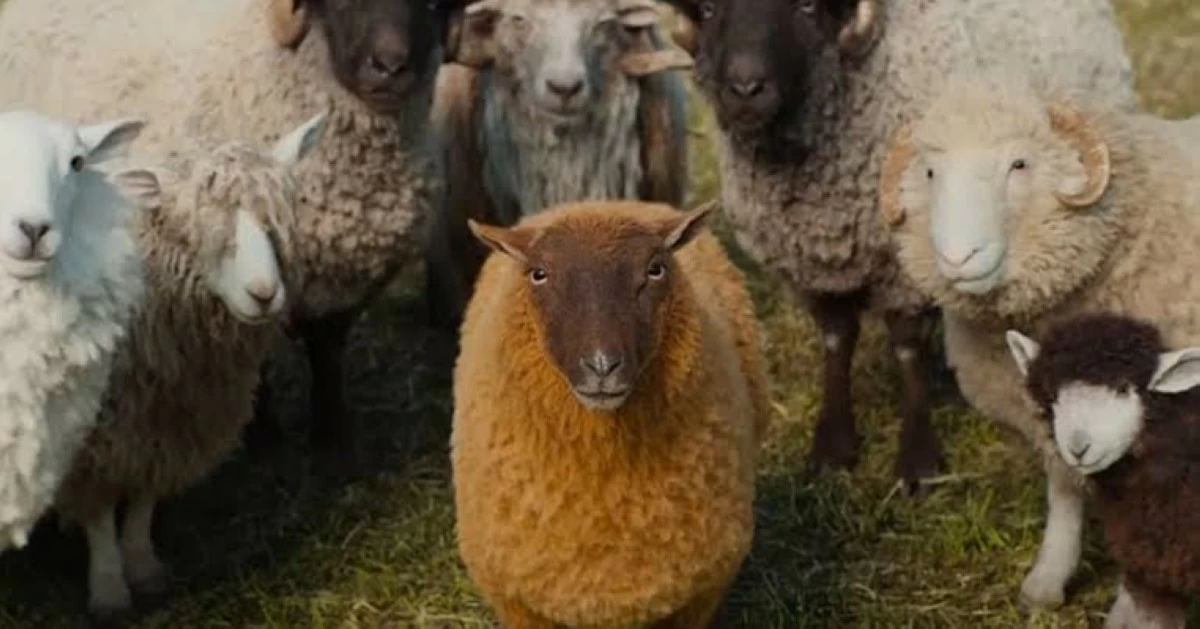
The film’s resolution captures the benefit of this through the reveal of George’s murder and the rescue of Caleb’s flock. By embracing painful memories, stepping out of the comfort of their false reality, and growing beyond their past limitations, Mopple and Lily are able to evoke positive change within themselves, their community, and their healing process.
The Death Of A Friend
Sebastian’s passing is the film’s final pivotal lesson for Lily about death. As a way of protecting Mopple and Lily, Sebastian stands up against shepherd Caleb’s guard dogs. The fight results in his death and, ultimately, Lily’s realization that even sheep can die.

Mopple, who has known all along what it means to grieve, clues Lily in on the truth that sheep do not merely turn into clouds when they pass. Sebastian is just as gone as George, and the parents she does not remember. Mopple talks of his own mother, of being able to remember her face, and of the privilege that this truly is.
“And… we’ll all die. I’m sorry, Lily, I am. But it’s our memory that keeps the ones we love alive.”
Mopple, The Sheep Detectives
Eventually, mortality is a concept that everyone must reckon with, and The Sheep Detectives uses Lily as a representation of those who have not been exposed to concepts like death and grief in order to teach those like her in a gentle, manageable way. Despite the heavier nature of Sebastian’s death, the film maintains its soothing tone, with his death acting as a gateway to the bittersweet lesson of love lasting long after someone is gone.
The film uses its climax to solidify its messaging: death does not have to be the end of someone’s memory. A loved one is only truly gone when one forgets them altogether. By remembering them, George and Sebastian can live on through Lily’s memory just as Mopple’s mother does through his.
“The Thing With No End” — Learning To Live With Loss
The concept of grief takes up a lot of space in The Sheep Detectives. It is threaded through the flock’s daily lives: in the clouds they believe were once their families, in the facts of George’s past that Lily learns while she uncovers what happened to him, and in the two major deaths that Lily chooses to remember.
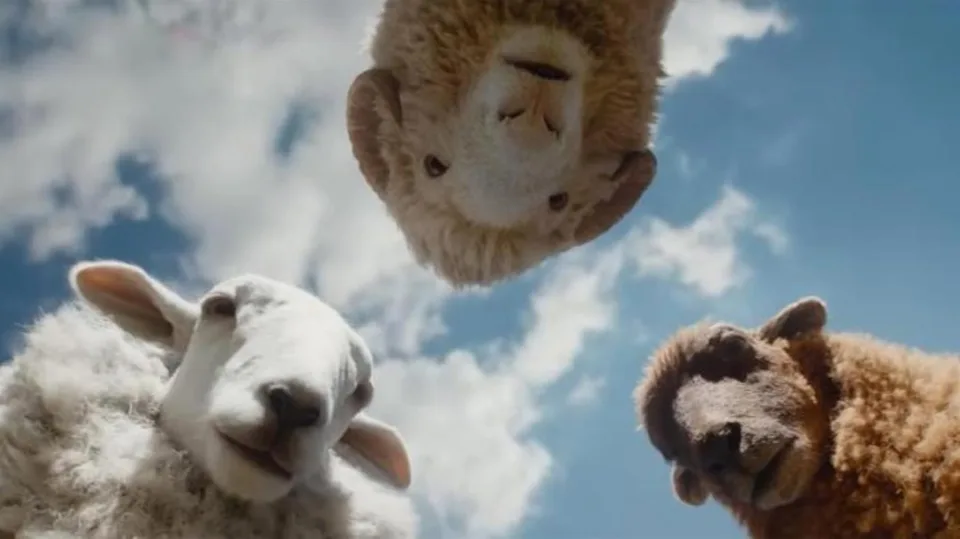
The film lays out grief as it happens — there is a clear beginning to it upon discovering George was murdered, but there is no clear end. Instead, it is a cycle with no true finish; even when the mourning process ebbs away, grief exists as long as the love remains.
As represented through Lily, even after the mystery plot earns its satisfying conclusion, the grief lingers within her. She holds onto both George and Sebastian’s absences. She sees Sebastian in the clouds that used to represent all lost sheep, and she sees George in his daughter, who inherited her father’s land, and in the winter lamb that he loved.
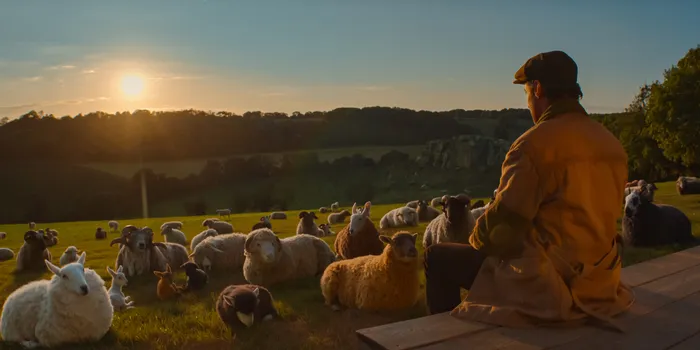
There is pain within their memories, but there is also love, and the cycle of grief exists as a balance between the two. Learning to live with the loss means learning how to exist with both parts, knowing that one can no longer exist without the other. The Sheep Detectives invites audience members of all ages to engage with this commentary on grief, using a gentle yet moving hand to prove that there are lessons to be learned everywhere, even in a film about sheep.