
Table of Contents Show
Better Luck Tomorrow is a film directed by Justin Lin — better known for The Fast and Furious franchise — and released in theaters in 2003.
Noted for its focus on an Asian American ensemble cast during a time when white faces on the silver screen were perhaps even more ubiquitous than they are now, the film explores the performance and meaning of masculinity, particularly within the confines of American suburbia.
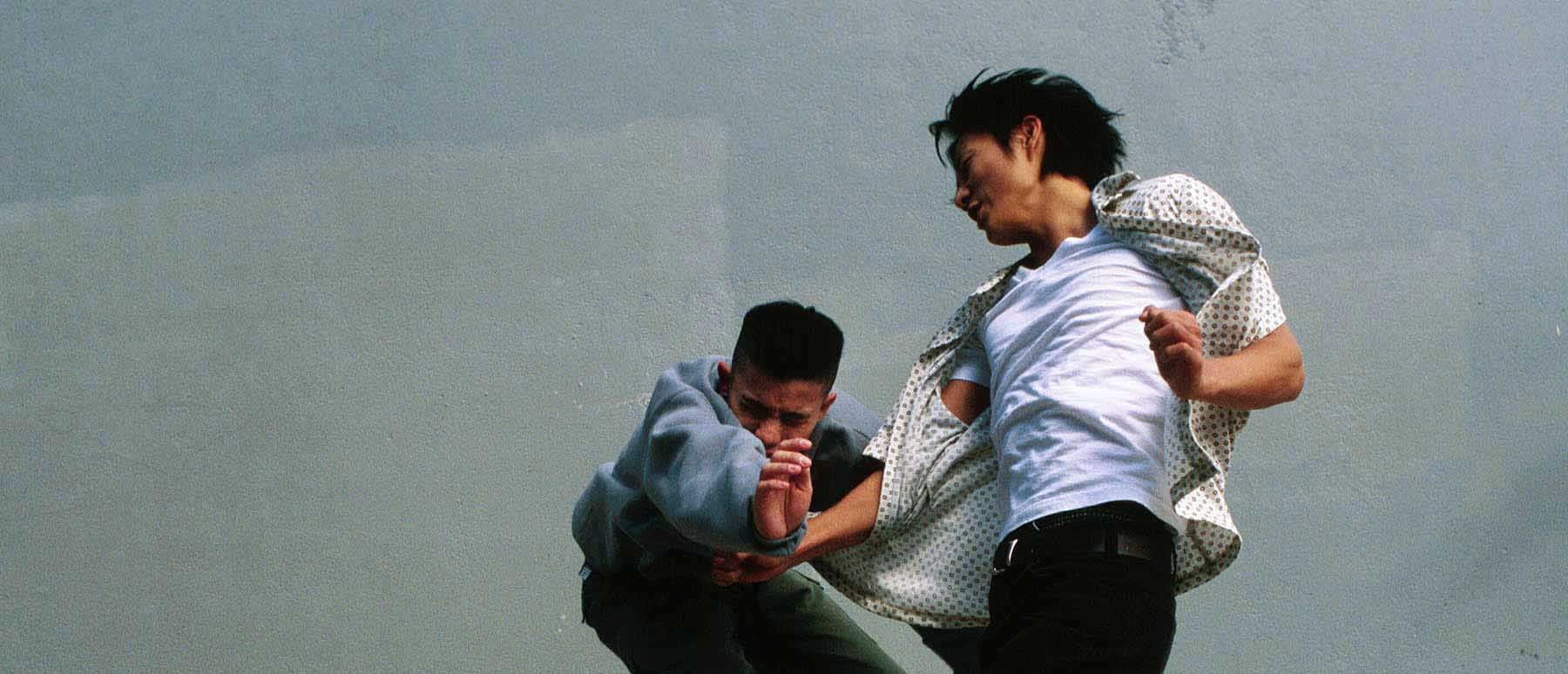
Through its setting and portrayal of Asian Americans, Better Luck Tomorrow subtly depicts the impacts of racialized emasculation and the lengths taken to escape it.
Suburbia — Isolation Behind The Gates
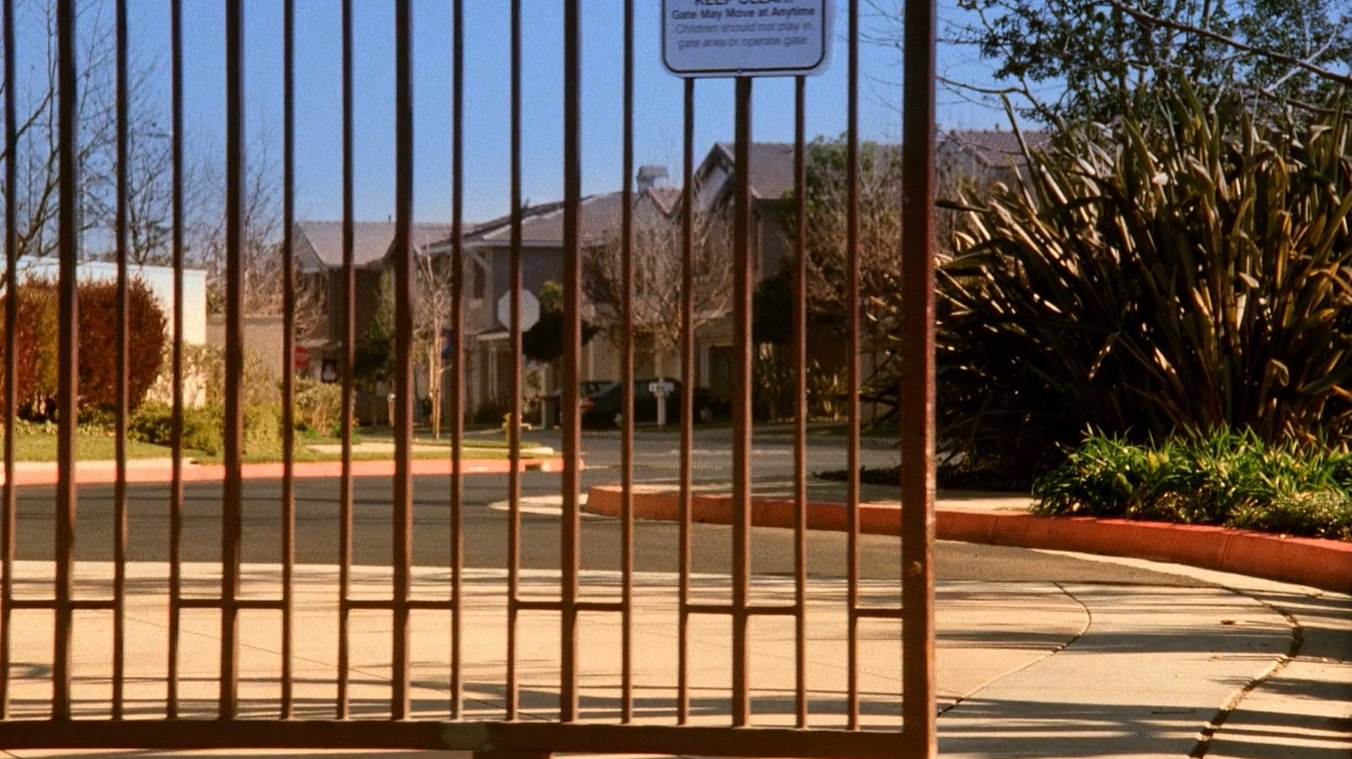
The film takes place in the early 2000s, within a nondescript, literally gated community in Orange County, California, where household incomes appear to range from the fairly affluent to the filthy rich. Its opening coincides with the sliding gate, drawing the viewer just beyond it and into suburbia.
Our protagonist is Ben Manibag (Parry Shen), listed as the “overachiever” in the movie’s promotional poster — a teenage jack-of-all-trades whose skills include an eighty percent free-throw success rate, stellar grades, conversational Spanish, and a spot on the school’s decathlon team.
With all but confirmed acceptance to any Ivy League school of his choice, some of Ben’s other extracurricular activities are slightly less glossy — at a local computer store, he and a couple of friends occasionally purchase electronics on clearance, only to return them at full price for extra cash.
Petty fraud aside, the plot truly takes off once the head of the school’s decathlon team, Daric Loo (Roger Fan) — “the mastermind” — convinces Ben to help fill out test cheat sheets and sell them to students for extra cash, a scheme that later escalates into more serious and elaborate criminal activity over the course of the film.
At the time of its release, reception to Better Luck Tomorrow was generally positive, particularly among members of the Asian American community, due to its portrayal of Asian American men and its subversion of the model minority stereotype.1
Academic Excellence As Camouflage
Despite every character in the main cast having high grades and performing well academically, their academic prowess functions only as a cover for their more illicit extracurriculars — at one point, explaining how everyone involved keeps getting away with their fraudulent behavior, Ben says,
“As long as we got good grades, we could do anything.”2
Rather than existing as a given, the academic excellence of Ben and his peers is hard-earned and carefully cultivated throughout the film, a conscious decision made to widen their options for the future and satisfy the people around them. With their scholarly responsibilities fulfilled, they’re free to go under the radar and do whatever else they want.
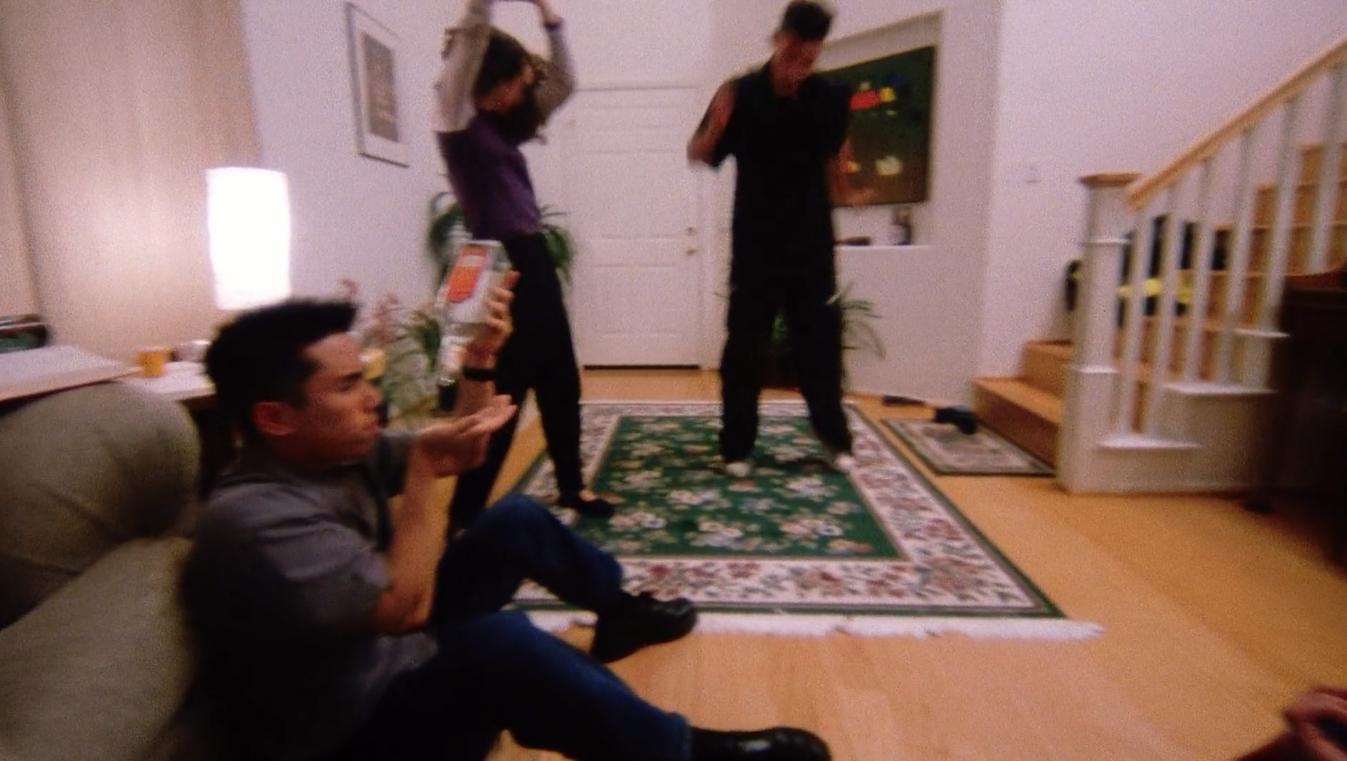
The ‘anything’ Ben mentions does include anything, from underage drinking and parties under the guise of decathlon studying to stealing school technology and shooting up cocaine — all a far cry from how the nerdy Asian American wimps of the late twentieth century were typically portrayed spending their free time.
Rather, the whiz kid stereotype gives way to a path for the almost generic crime heist plot that begins to take shape throughout the course of the film. The question, then, is why — not why Lin would choose to portray Asian Americans in this way, as that question has already been both asked3 and answered4 — but why these comfortable, academically successful students would choose to involve themselves in so much illegal and amoral activity. The film’s answer to this question is succinctly given via voiceover. Regarding their initial electronics store scam, Ben explains,
“It was suburbia. We had nothing better to do.”
Very little in the film attaches itself to a larger world; aside from the prospect of university or the group’s excursion to Las Vegas, nearly everything occurs in the suburbs, as if the characters themselves are contained within a spatial bubble, walled off and separate from the outside.5
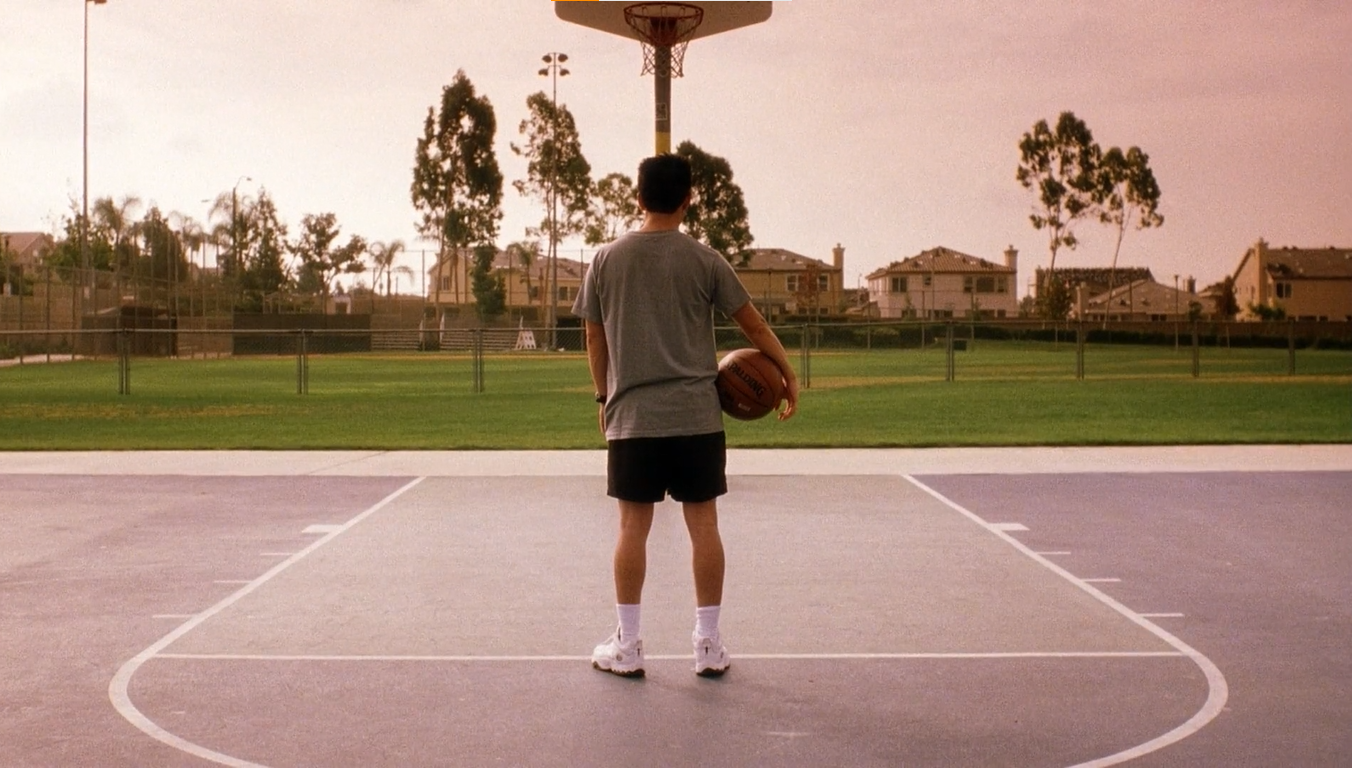
Rather than a place of safety — far from it, given that the film’s greatest violence occurs within these gated parameters — the suburbs instead represent isolation and ennui.6 Suburbia in Better Luck Tomorrow does not shelter so much as it sequesters. In its perceived elevation and removal from danger, crowds, and noise, it also separates the people within it from outside experiences and lifestyles, limiting their options to a continued perpetuation of suburbia and its values.
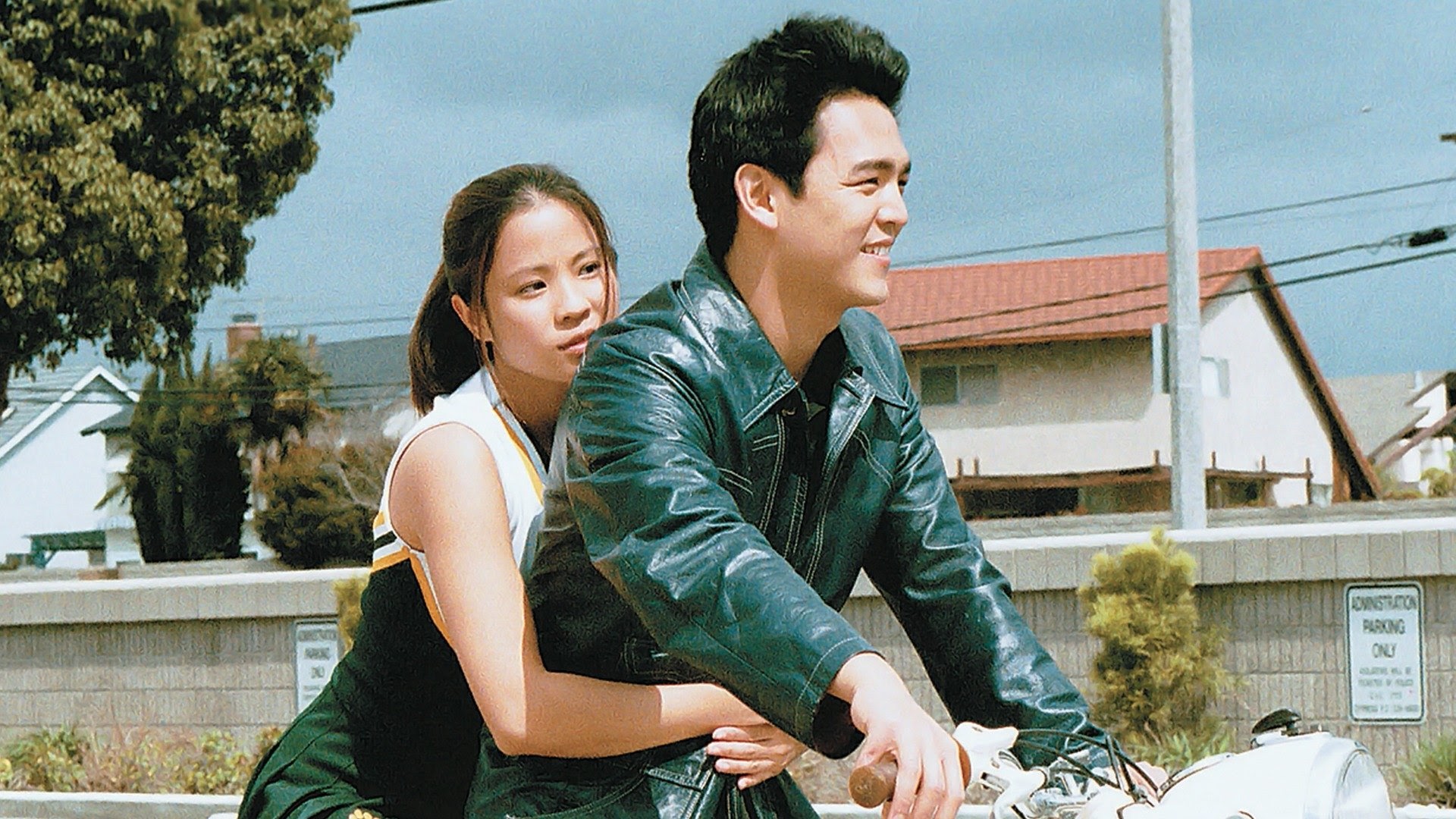
Steve (John Cho), “the boyfriend” seems to be, at least in part, aware of this. Among the main cast, Steve is the richest, with a house so large its planned burglary requires a floor plan and multiple rehearsals, but the lack of meaning in his life is also the most explicit, as he questions what he can do with his life, given that he already has everything he could possibly want. In the latter part of the film, he hires the group to break into his parents’ mansion, reasoning that they need a “wake-up call” in order to break the cycle.

Better Luck Tomorrow implies that all the prosperity and wealth serve only to “other” individuals from the broader society. There are very few shots with grand scale in the film, lending to a sense of feeling trapped. With its position outside the gates of suburbia, university represents some level of freedom, but getting there requires reaching adulthood through graduation from high school, and despite all their capabilities, our protagonists are still minors.
They cannot legally drink. They still live under the roofs of their unseen parents. Their lives revolve around getting ahead, and though their continued academic excellence shields them from the consequences of their actions, that excellence is difficult to maintain. They are confined by suburbia and by the expectations placed on them in the hopes of leaving it.
Performing Masculinity Through Violence In Better Luck Tomorrow (2003)
By becoming delinquents, then, they hope to escape their good-boy fates and reach the far limits of what suburbia can offer, turning instead to wanton hedonism. The money and parties are thrilling, but they’re ultimately still meaningless within white male society without the reinforcement that physical authority provides.
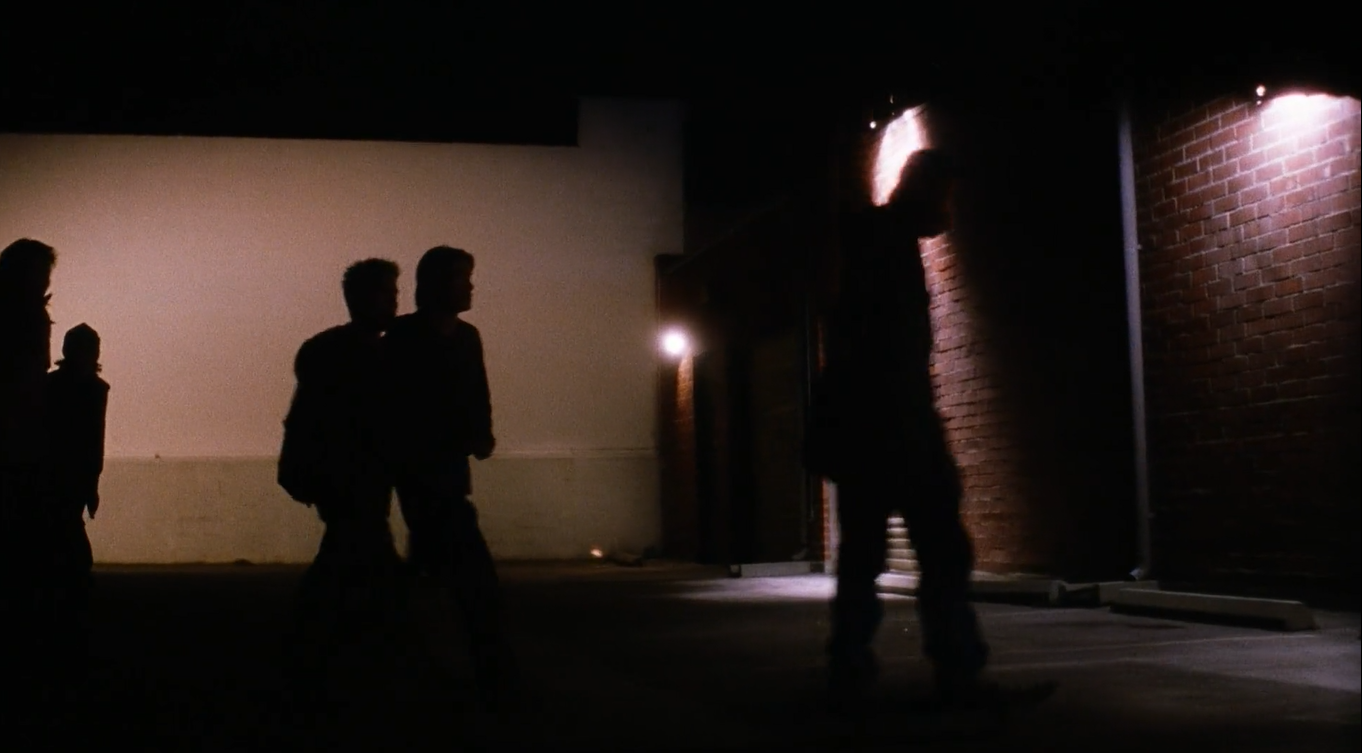
Upon the group’s visit to a house party, a white boy wearing a letterman jacket mocks them, jabbing at their race’s model minority stereotype and lack of achievement in “hard” sports, a confrontation that escalates until Daric angrily pulls a gun on him. Until this point in the film, nothing yet has been about physical threat; this is the first scene with a firearm and the danger of violence, a direct response to the letterman’s insults to Daric’s masculinity.
The boys jump their white aggressor, wresting him to the ground to kick him while he’s down, the gun still held tight in Daric’s hand, and eventually leave with the realization that — despite the partying, the substances, the money, and the subtly-phallic gun tucked into a letterman jacket — they do not belong.
Even with everything they’ve accomplished thus far as men, they will never be able to escape the simple fact of their race, which marks them as something not-male, an abject7 other. The next scene, the car ride back home, contains lingering shots of the boys shell-shocked and sullen.
In comparison with most of the ensemble moments throughout the film, which are usually filled with raucous dialogue and snappy exchanges typical of teenagers, it’s a fairly quiet scene.
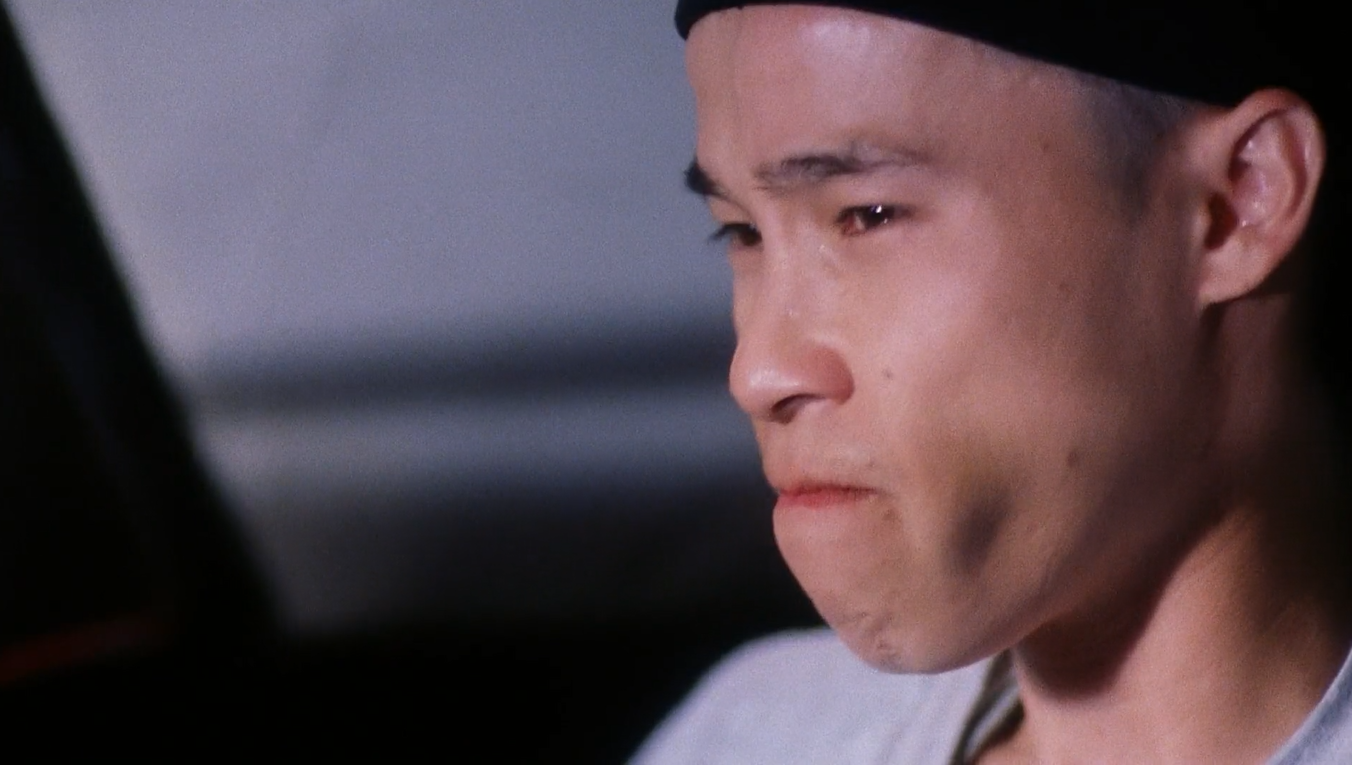
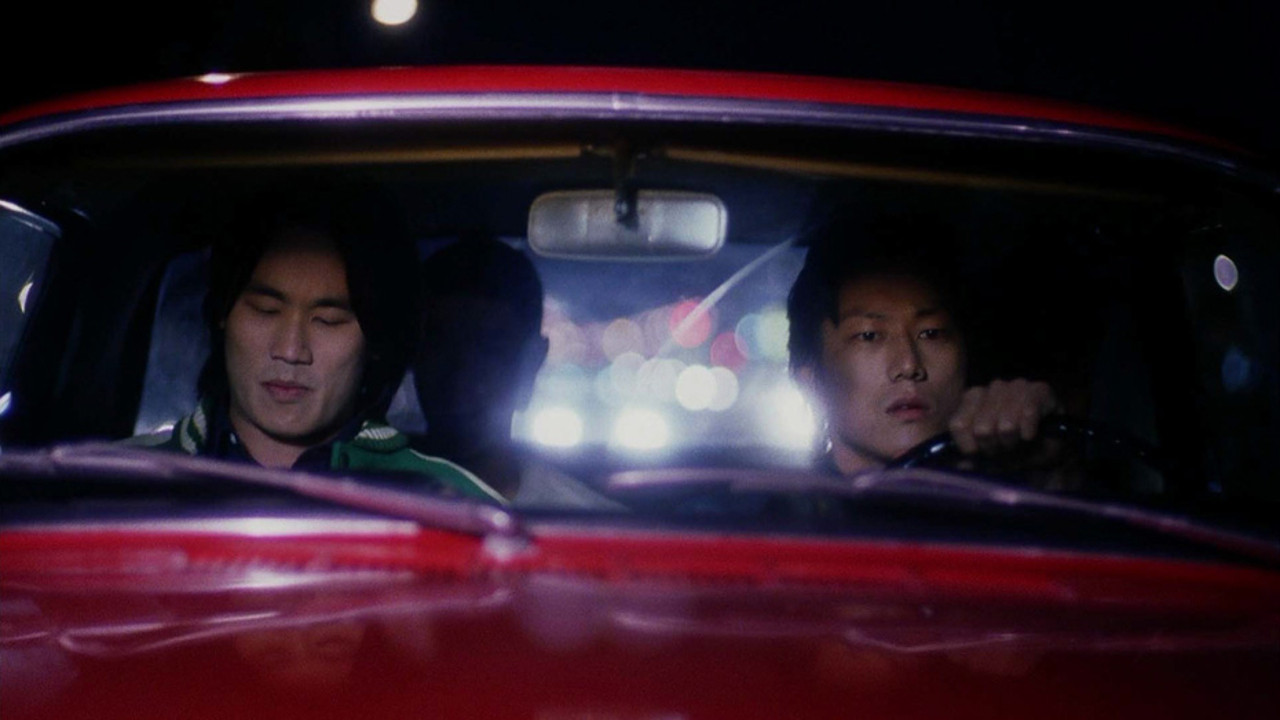
The drawn-out silence is broken only by bass-heavy music in the adjacent car on the road, and Virgil (Jason Tobin) babbling about the coolness of the altercation, how it was “better than sex” (something he has not experienced at this point in the film), excitedly recounting the violence they just participated in, though at some moments he looks equally as close to tears as he does to laughter. The shots alternate between each of the other boys’ horrified expressions, and shots of the other car with its hostile passengers, one of whom brandishes a large firearm.
After a moment, Virgil’s bravado crumbles and he begins to cry, sobbing that his dad will kill him. Though he is the most enthusiastic about masculine performance, particularly when it comes to topics of sex and violence, in the face of reality, Virgil’s bluster is nothing more than that. The mention of his father, who remains physically absent throughout the film, reflects unseen authority that does exist, but that does not belong to any of them.

Notably, their crimes grow more elaborate from here, and the schemes become more grandiose. Their money and reputation is not enough to satisfy the standard of manhood, but with their inability to occupy whiteness, the next best step in the hierarchy is violence and destruction.
It’s not hard to draw the line: the growing desire to rebel ties in with the growing sense of disenfranchisement, and the knowledge that their masculine standing as Asian Americans is still shaky at best — if it exists at all. This desperation is what fuels the escalated crime, and once they get a taste of the power it seems to grant them, what spurs them into riskier scams and heists.
When they want to get under one another’s skin, manhood is called into question (Daric accuses Ben of being “dickless” for respecting Stephanie and Steve’s existing relationship; Virgil demands if they’ve all lost their balls when Ben finally admits to being tired of the hustle life), and in all the terrible things they do, at the heart of it is the implied desire to become “real men,” as delineated in American culture — with all the caveats that comes with it.
Women, Power, & Stephanie Vandergosh
This version of masculinity necessitates chauvinism and misogyny, reinforcing the separation between the haves and the have-nots. This once again echoes the theme of gating and disenfranchisement within Better Luck Tomorrow — suburban culture systematically divides its community from those outside its gates, white masculinity ostracizes and punishes even other men if they fall outside its white limits, and men in patriarchal society subjugate and objectify women to elevate themselves.
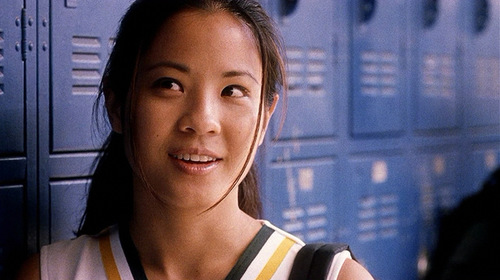
We can see this through the treatment of Stephanie Vandergosh (Karin Anna Cheung), the poster “beauty,” girlfriend to Steve and love interest to Ben, as little more than object. Within the narrative, she most often serves as a motivating factor, like a prize.
The last interaction Steve and Ben have is in a conversation about Stephanie, where Steve says he’ll treat her better. This isn’t enough for Ben, who comes to realize that his real desire is to have Stephanie for himself. The climax of the film, and the explanation for the introductory scene of Ben and Virgil uncovering a dead body in a yard, is the moment where Ben brutally beats Steve to death with a bat.
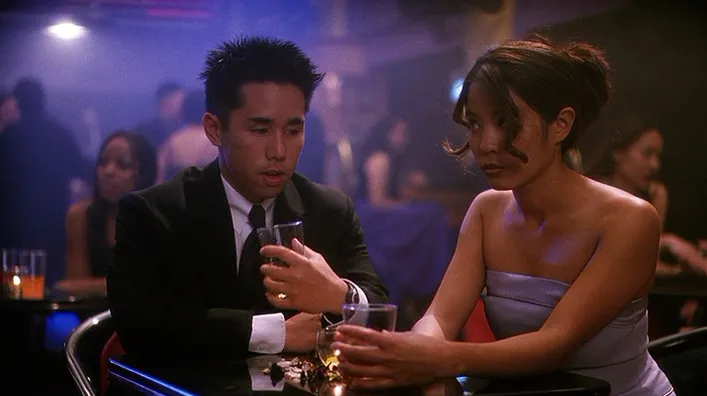
As reward for Ben’s troubles, at the end of Better Luck Tomorrow, he and Stephanie kiss — clearly, Ben has “won,” in some sense of the word. Stephanie’s treatment as a prize directly reflects the perspective of our protagonists through the worldview they have chosen to adopt — Stephanie’s overall lack of personhood is because Ben and the others do not view her as a full individual.
It isn’t that Stephanie is truly shallow, or lacking in moments that develop her as a character. Even through Ben’s biased viewpoint, there is the question of her origins and how she feels about being adopted by a white family, her angered reaction to Ben single-handedly doing all portions of the project they were supposed to do as partners, her frustration toward Steve for treating her like nothing more than an accessory, even the moment where she shoplifts a CD from a music store she and Ben visit.

But these facts exist on the outskirts of Ben’s point of view in the film’s narrative. By the end of the movie she is still only a few steps away from being the trophy she fears she is.
Womanhood As The Threat Of Disenfranchisement
The truth surrounding Stephanie is that she serves as a constant reminder of what it means to be a not-man. She is often viewed as a sex object, with Virgil insisting in her very introduction that he’d seen her in a pornographic film, and Daric commenting on her rear during basketball practice.
She is infantilized, with Ben doing all the answers of their project for her, something that offends her, as if she isn’t capable of the work despite having a 3.8 GPA. Finally, throughout the film runs the underlying implication that she is one of the many things Steve possesses, as she is passed around and treated like a trophy, with her company at the winter formal being a favor from Steve to Ben, or vice versa.

The boys know this. They all, as mentioned in the examples above, participate in it. To them, a large portion of their masculinity is defined by their relationship with women, and having a woman is a one-way ticket to manhood; conversely, not having one is tantamount to being one. Disenfranchisement isn’t simply a theoretical outcome to the Asian American male: it is a very real threat, and they can see exactly what it looks like when they look at Stephanie.
And so they continue to act out, choosing to buy into the idealized masculinity that relies upon the subjugation of women in order to exist. The most salient example is the Las Vegas encounter, the moment they become “real men,” with a white sex worker, whom they paid to have sex with them, one after the other.
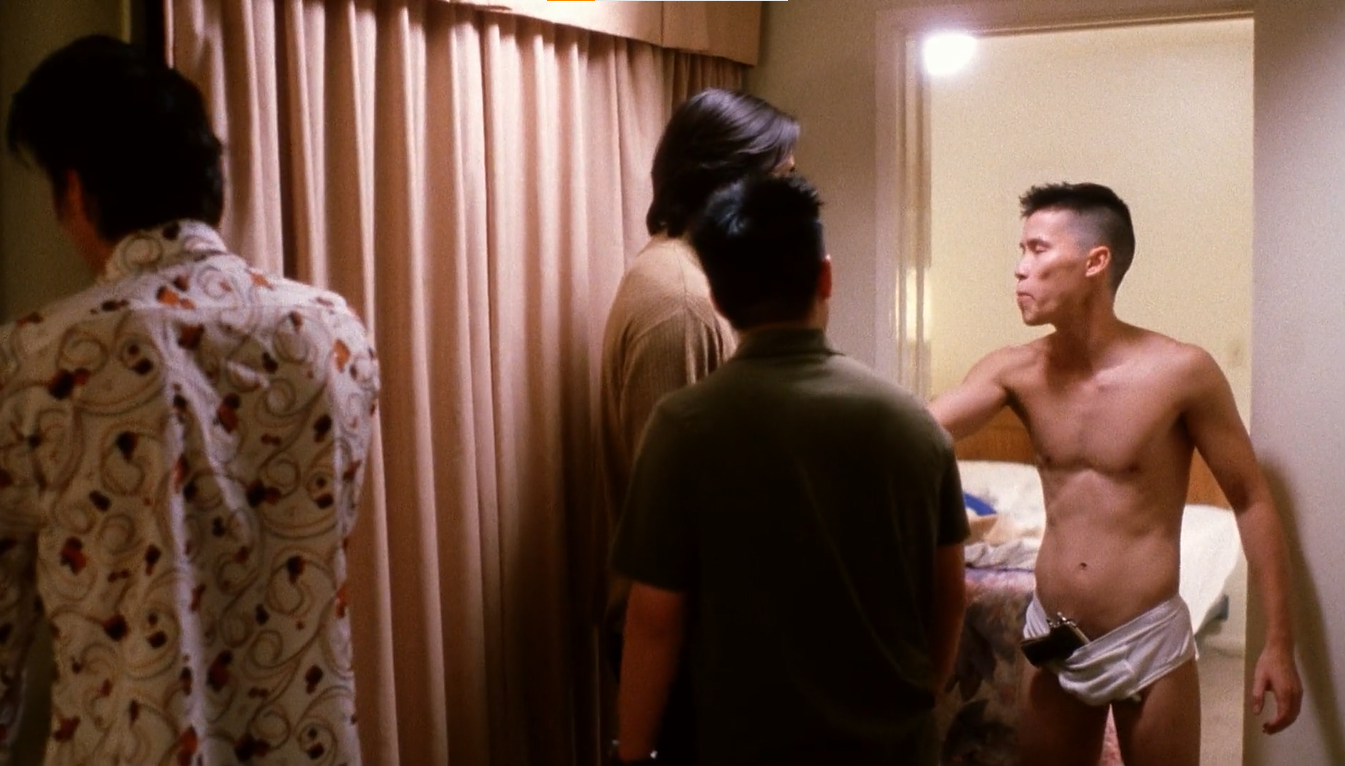
This interaction ends with her angrily walking out the moment Virgil, the final prospect of the group, pulls a gun on her, as if it’s the only way he can view sexual intercourse: as something violent, the same way masculinity is repeatedly performed in the film. As it was with the letterman, manhood and the threat of the firearm are tied together, reinforcing the existing hierarchy of gender that the boys feel so keenly.
The Limits Of American Masculinity In Better Luck Tomorrow (2023)
The ending of the film is bleak and abrupt. In the wake of Steve’s death, Ben and Stephanie become a couple. With the same gun he’s brandished against others throughout the film, Virgil attempts suicide and ends up comatose in the hospital. Han (Sung Kang) grows reticent and depressed, while Daric continues looking out for his own selfish gains.
Thus, the gang disbands, with all their futures uncertain. Better Luck Tomorrow‘s conclusion follows a classic coming-of-age plot, with the protagonist having changed irrevocably, and what happens next being unknown, as it follows in the real world. But the ending, more than anything, leads one to the question: what went wrong? At what point of the hustle, the parties, the substances, was the point of no return, the decision that ended in such a horrible death?

Better Luck Tomorrow depicts a cyclical and exclusive culture of American suburbia and masculinity, showing how it restricts and restrains even as it promises freedom and privilege, and the emasculated race of its protagonists is central to the understanding of how this culture is articulated and perpetuated even among groups it wasn’t designed for.
The culture of American suburbia and of masculinity, of always trying to get ahead even at the expense of others, of wanting to be the man and doing anything to become him, judges with impunity those outside its gates, but that doesn’t mean its inhabitants are exempt. After all, one wrong move, and one may end up bleeding out in a garden shed, brutally beaten with a bat.
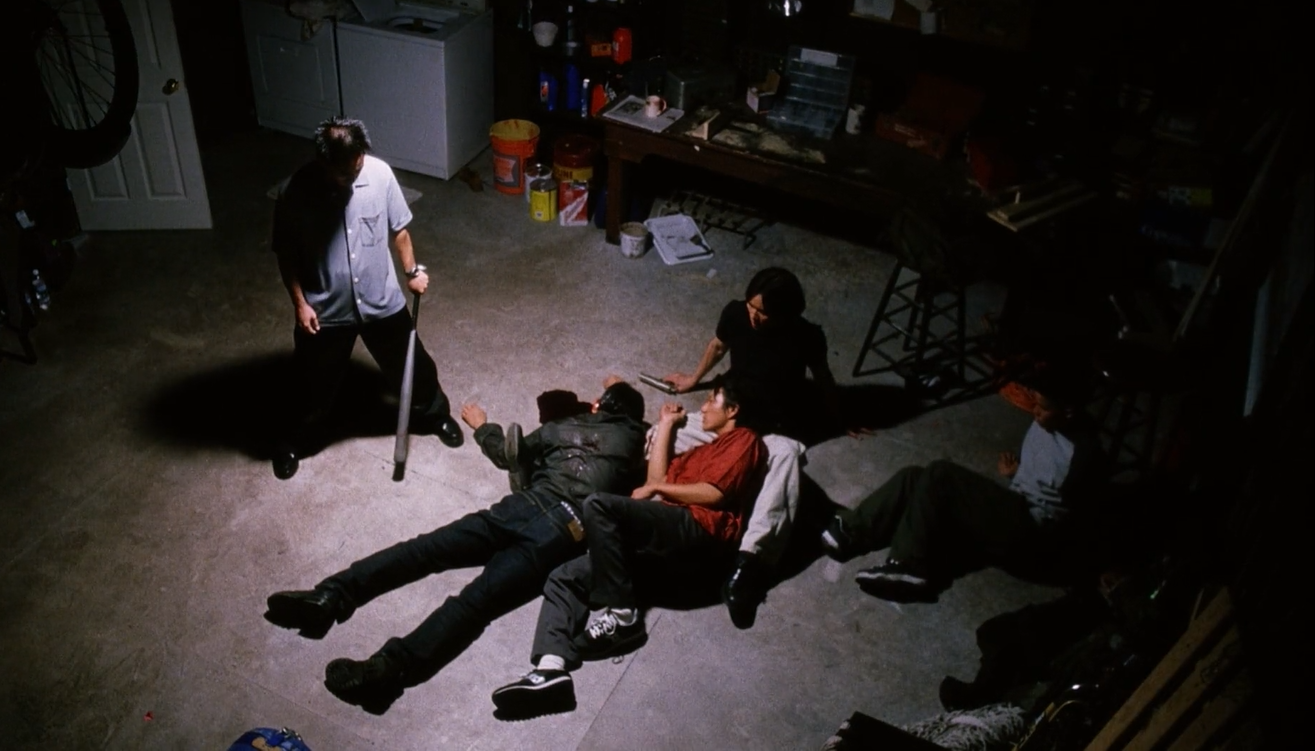
The Asian American men in Better Luck Tomorrow buy into this culture and its mythos of masculinity, as if the problem is the fact that they’re the ones facing inequality and not the fact that inequality exists at all.
Understanding the world through this culture’s narrow lens, they are well aware of how it strips power from and disenfranchises those who can’t meet its standard of American manhood, and this is why they struggle so much to encompass “real manhood” and the destruction it requires. But rather than continuing the cycle, which ends in death and uncertainty for the future, the answer, the film ultimately suggests, is to stop participating.
Footnotes
- Brand, David. “The New Whiz Kids.” Time Magazine, vol. 130, no. 9, 1987 ↩︎
- Lin, Justin, director. Better Luck Tomorrow. MTV Films, 2003 ↩︎
- Roger Ebert yelling at Sundance. YouTube. ianmalcm. May 20, 2010. Retrieved November 12, 2023. ↩︎
- Wong, Alex. “How Dare You Represent Your People That Way: The Oral History of Better Luck Tomorrow.” GQ, 2018. ↩︎
- Kato, Yuki. “Coming of age in the bubble: Suburban adolescents’ use of a spatial metaphor as a symbolic boundary.” Symbolic Interaction, vol. 34, no. 2, 2011, pp. 44-264. ↩︎
- Lang, Robert E., and Karen A. Danielsen. “Gated communities in America: Walling out the world?.” Housing Policy Debate, vol. 8, no. 4, 1997, pp. 867-899. ↩︎
- Thomas, Calvin. Masculinity, Psychoanalysis, Straight Queer Theory: Essays on Abjection in Literature, Mass Culture, and Film. Springer, 2008. ↩︎