
Table of Contents Show
Spoiler Warning: This article contains major spoilers for Arcane seasons 1-2 and The Owl House seasons 1-3.
While animation is generally regarded as a lesser medium, American animation has been tackling increasingly complex topics, such as neurodiversity. Here, we shall compare the representation of mental illness and neurodivergence in two recent animated series, Arcane (2021-24) and The Owl House (2020-23), focusing on the depictions of Jinx, Eda, and Luz.

This sort of representation is important to discuss, especially for depictions of women and girls because, while canonical neurodivergent representation exists,1 there are rarely canonical examples of AFAB individuals dealing with neurodivergence or mental illness explicitly. There are plenty of pitfalls in writing such characters, and yet, flawed (but seemingly earnest) representation is better than none at all.
Jinx — The Tragic “Mad Woman”
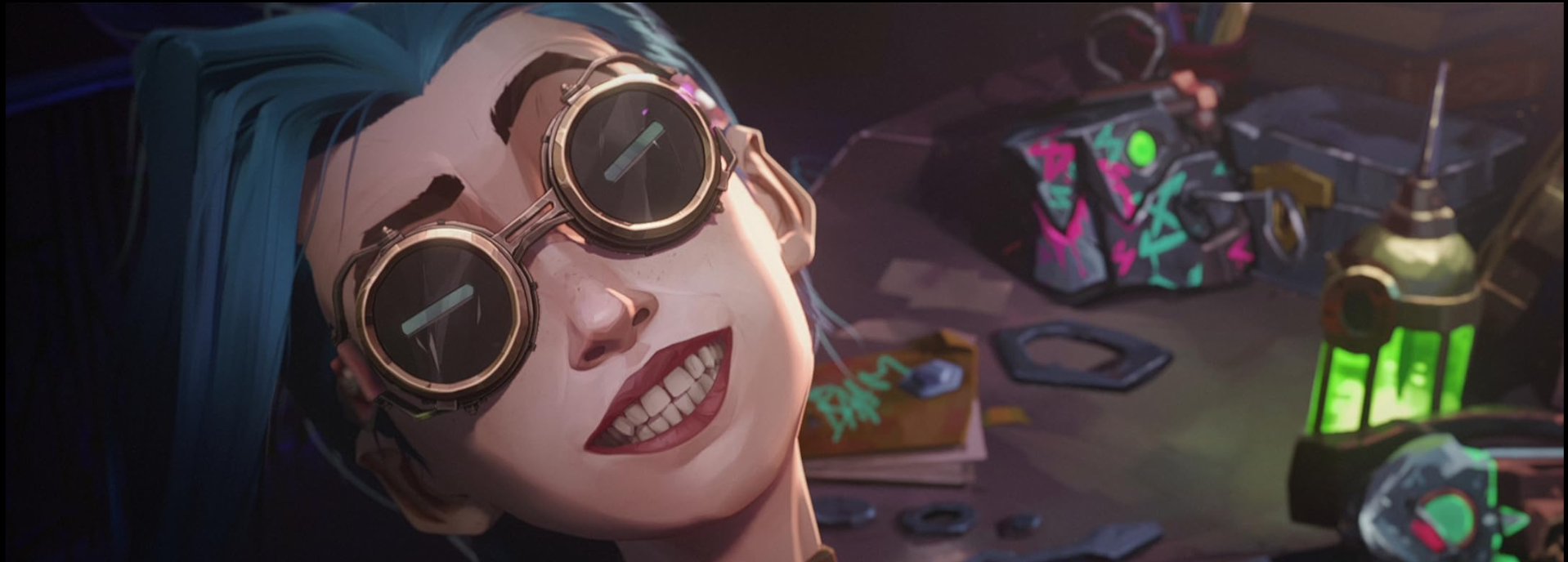
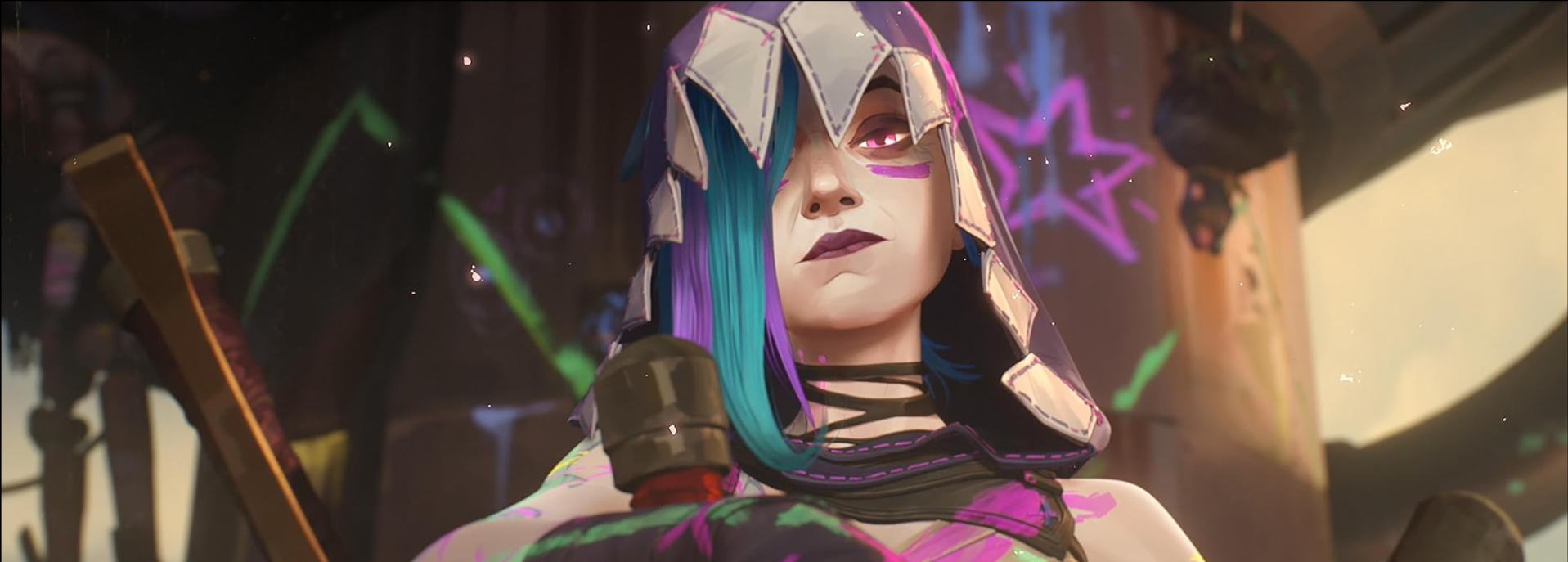
Jinx is, arguably, the face of Arcane, being a central character to the narrative in the first season, and remaining a key player in the second.
Her central conflict, however, revolves around her mental illness.
The Innerworkings Of Jinx
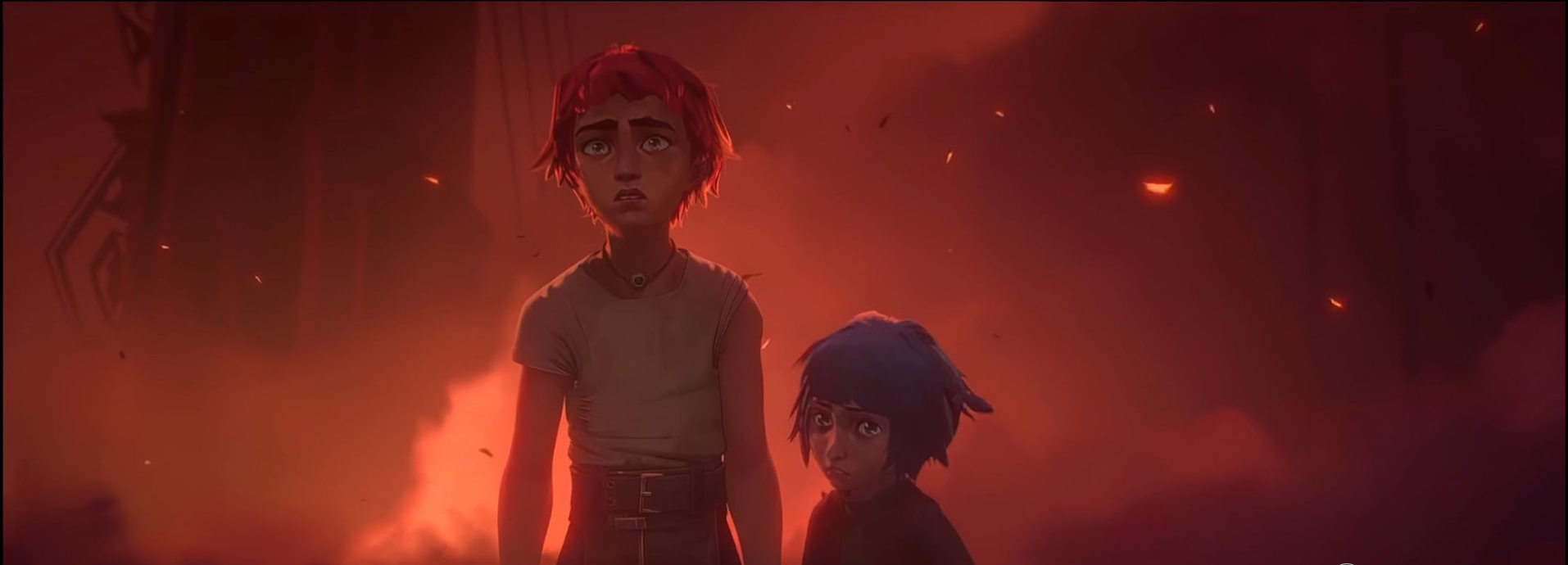
Jinx begins the show as “Powder”, orphaned with her older sister Vi and taken in by Vander in the opening scene. She seems like a “normal,” neurotypical child, not displaying any problematic behaviors or needing additional care.
What “breaks” her is when she accidentally gets all her friends, along with Vander, killed, as she thinks her sister Vi abandoned her. She assumes the name Jinx (which was originally a mean nickname), begins working for Silco (the man who took her in after that traumatic event), and grows up into a “mad woman”.
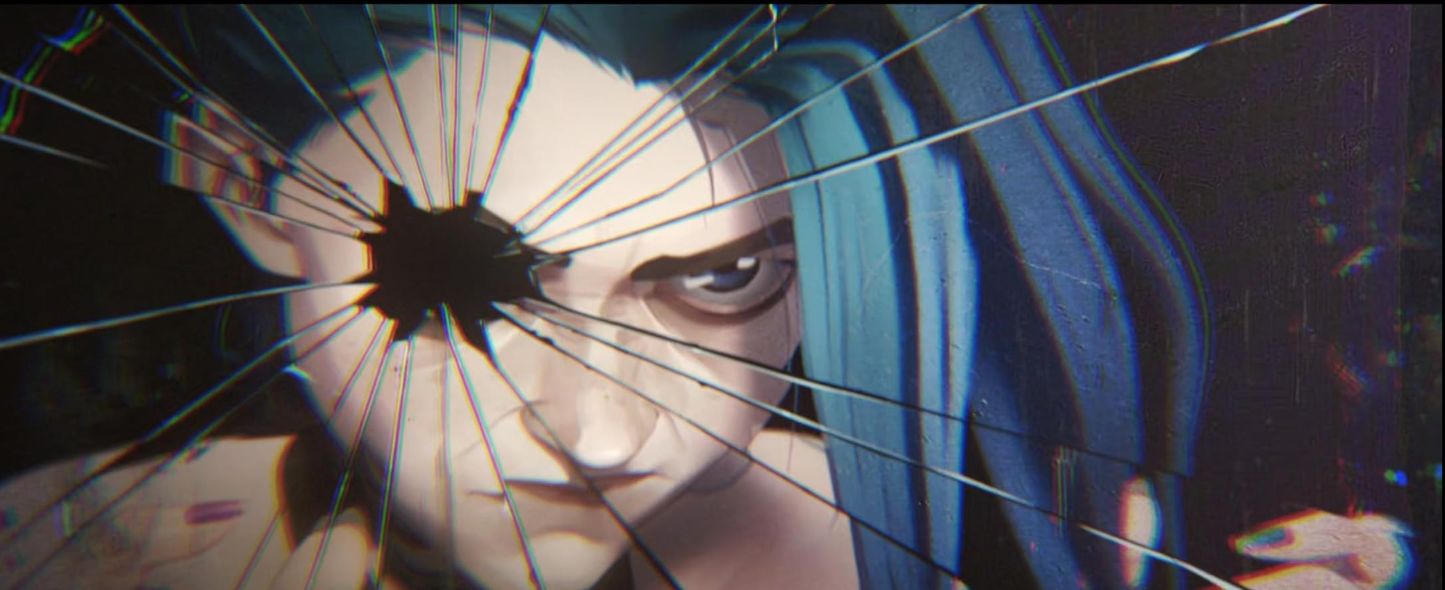
Once Vi is apprised of the situation, she wants to save her sister “Powder”, but by that point, Jinx had already become a top agent in Silco’s drug trafficking operation, and experienced a psychotic break, losing touch with reality and succumbing to delusions and hallucinations.2
Silco may have contributed (whether intentionally or not) to her deteriorating mental state by supplying her with drugs, which would exacerbate her symptoms, but Jinx considers him family by that point, since he was the one who took care of her all the years Vi was in prison.
Vi still wants to save her, but she attempts to do so by reminding her of who she used to be (Powder), not realizing what traumatic memories are bound up with that, and triggering a trauma response. As a result, Jinx ends up (accidentally) killing Silco in defense of Vi because she’s unaware of her surroundings. Jinx then makes it clear that Powder is gone, and launches a rocket at the seat of the city’s government, killing and injuring many politicians.
The Classification Of Monsters
When Jinx is forced into hiding after her attack, she encounters a mute orphan named Isha, whom she gradually adopts, treating her like a little sister.
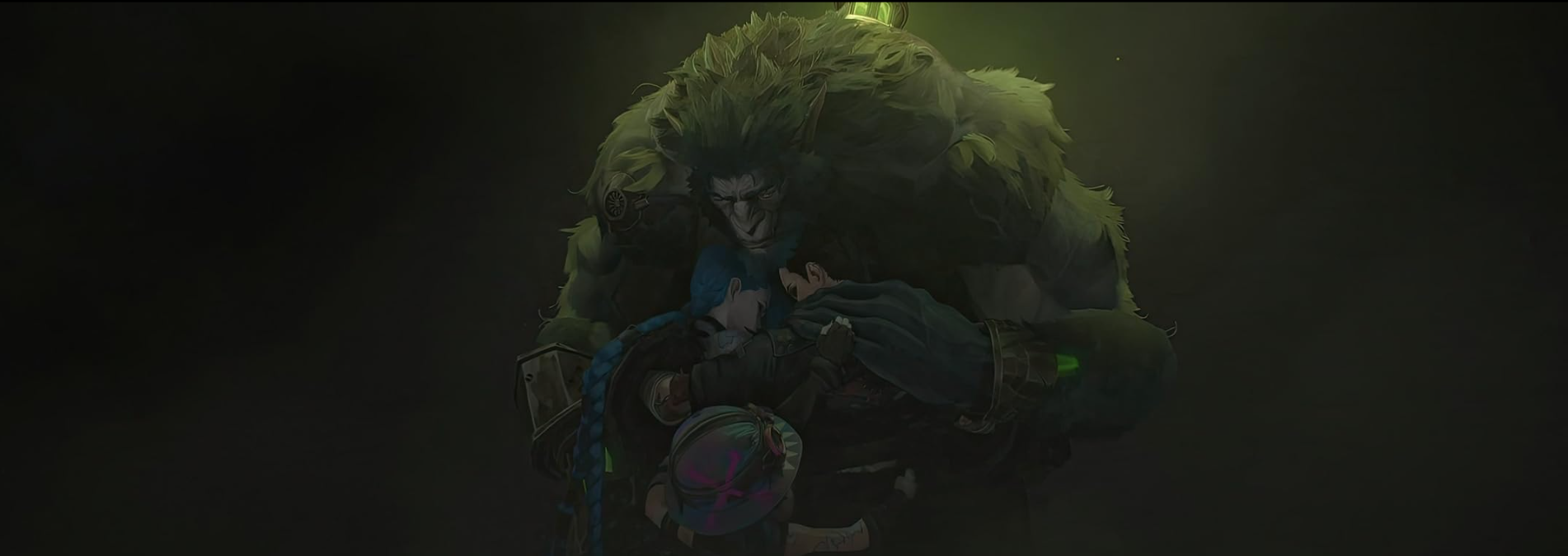
Then, she discovers that Vander isn’t quite dead, having been revived and transformed into a monster, but he still recognizes Jinx, so she seeks out Vi in an attempt to save him. They get Vander help, and for a moment, it looks like they might actually get to be a family again. They’re all “monsters.” Vi once referred to Enforcers (cops) as “monsters,”3 and while she never officially became one of them, she’s clearly aligned with them at this point (especially with her on-again, off-again relationship with Caitlin).
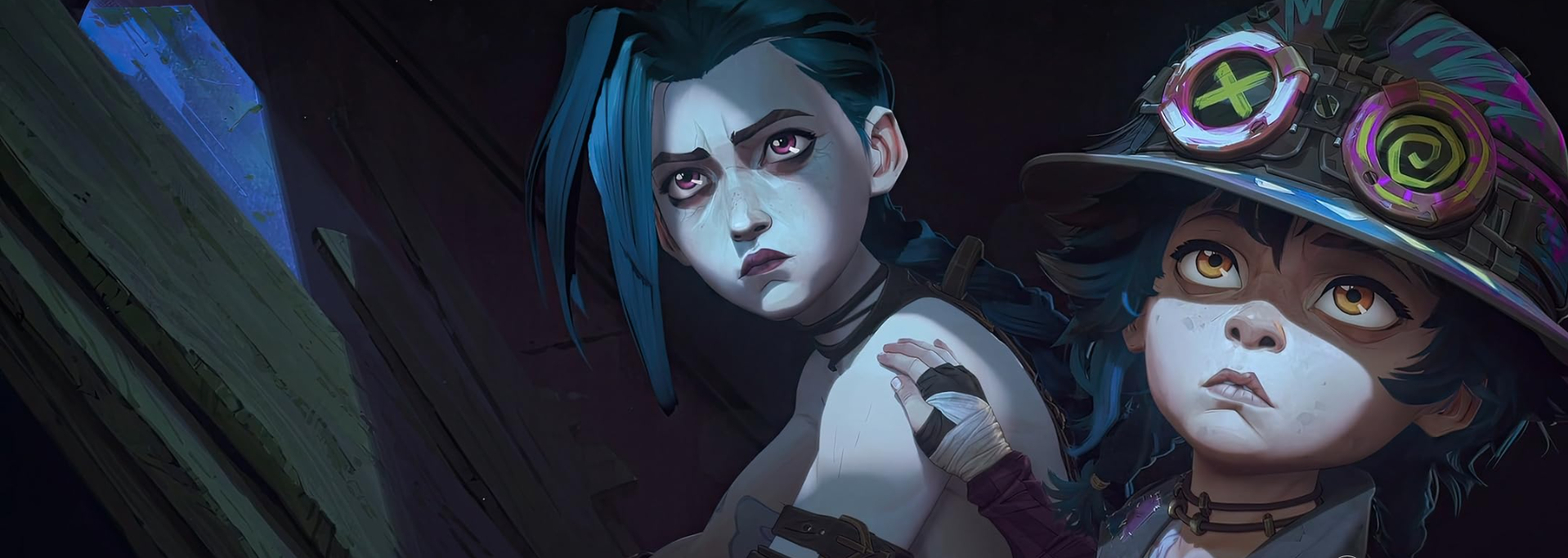
Yet, the audience is clearly meant to view Jinx as a monster as well, if only for her destructive actions in the last season. Isha is the only one who’s not a “monster” in this family, because she’s seen as innocent, a representation of the old Powder. But things go wrong, Vander turns violent again, and Isha dies in the midst of taking him down, in a manner reminiscent of Powder’s rash actions which led to the the deaths of her friends.
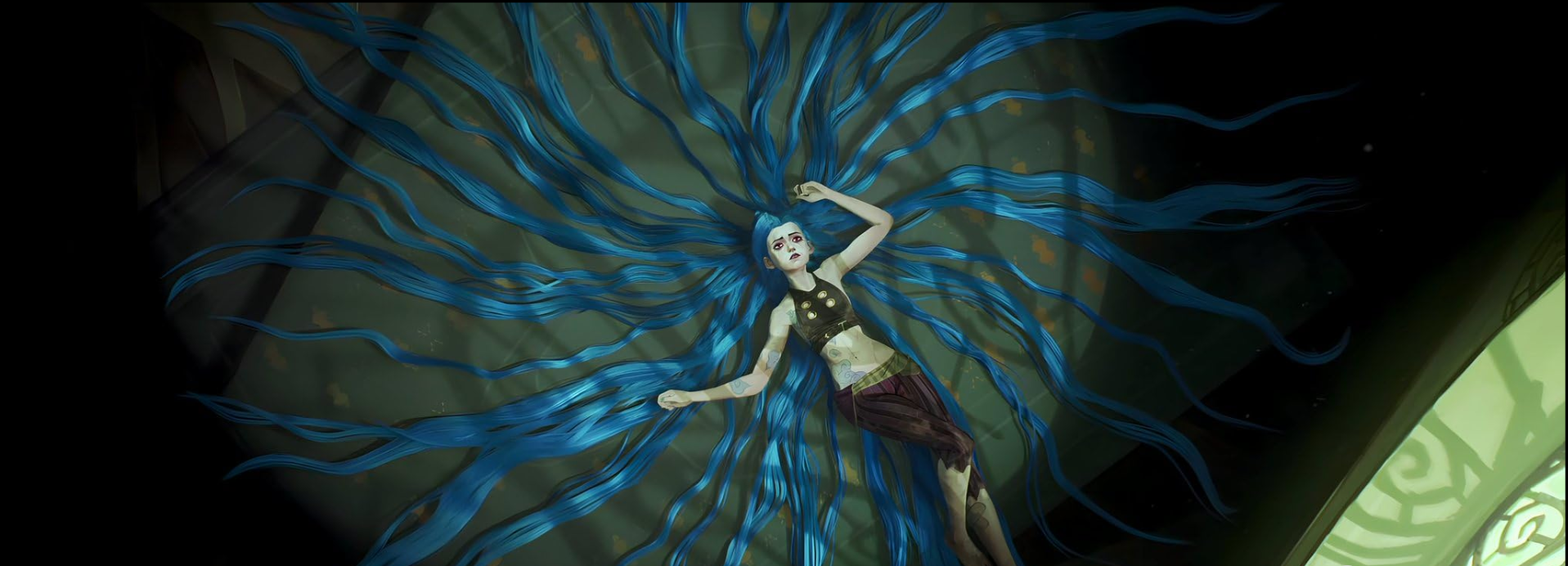
After Isha’s death, Jinx seems to just give up. Isha was the one who convinced Jinx to engage with her community, and even to take care of herself (it’s hard to care for a child otherwise). After she’s gone, Jinx gives up on everything, including herself, seemingly because she saw a future in Isha.
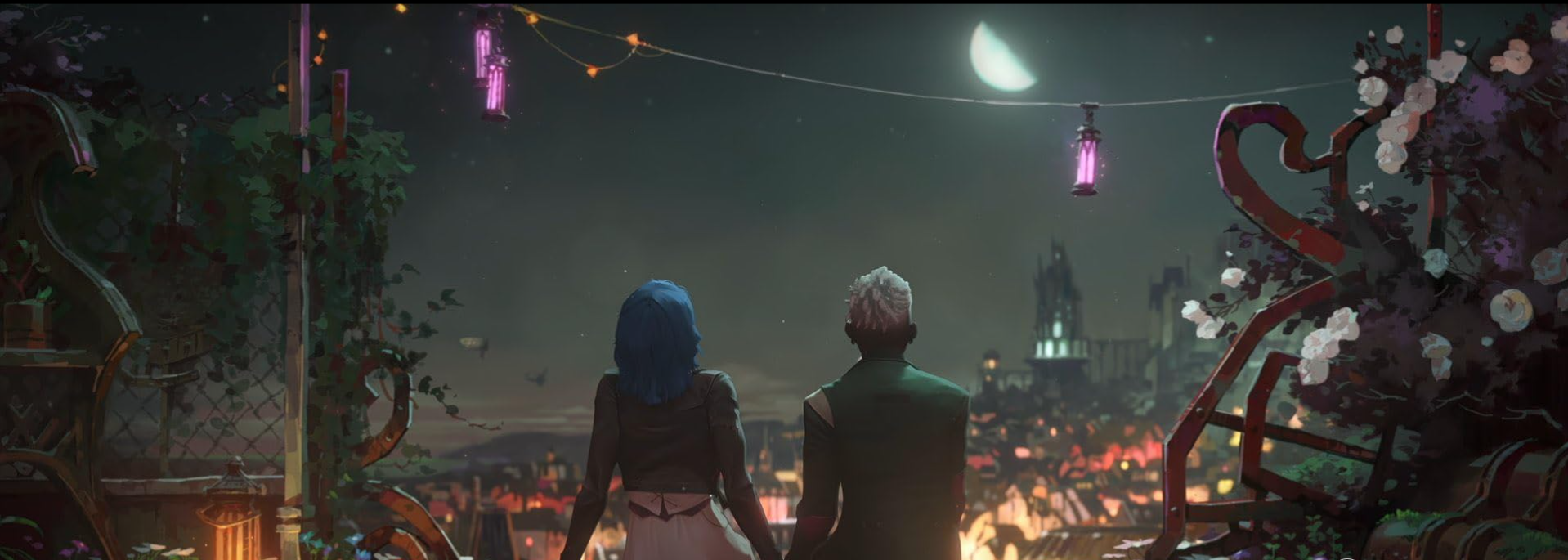
Meanwhile, there’s Ekko, a childhood friend who worked against Silco to create a better community in the Undercity, incidentally turning against Jinx, too. He finds himself in a parallel universe where only Vi died, and Powder grew up without significant trauma.
It’s only after meeting this alternate (“unbroken”) version of Jinx that Ekko thinks to reach out to her. And even then, he’s not unprepared, as he’s protected by a time-travel device that essentially lets him do-over the meeting as much as he needs to. Jinx blows herself (and sometimes Ekko) up more than once, but he eventually convinces her to rally her supporters to join the final battle. In the end, Jinx seemingly dies taking out Vander again. We never see the body, but that’s still her ending for the show, symbolic of Isha’s sacrifice.
The Mad Woman Archetype
The portrayal of a mentally ill woman as an antagonist has been around for centuries, typically featuring the woman being a danger to both herself and others.4 Among the most notable is Bertha Mason, the trope codifier for the “madwoman in the attic”5 from Jane Eyre (1847), who savagely attacked her brother and her husband before dying by suicide.
While Arcane does succeed in making the viewer sympathize with Jinx, she still ends up much the same as her literary predecessors. And this show is far from the first to humanize a mad woman – over a hundred years ago, Charlotte Perkins Gilman similarly put her readers in the perspective of a mad woman in The Yellow Wallpaper (1892), with that story ending in the woman succumbing to madness rather than dying.
Arcane is a critically acclaimed show, sweeping the Annies, winning Best Animated Program for both seasons at the Emmys, and earning 100% on Rotten Tomatoes. The vivid portrayal of Jinx’s psychosis was a prominent feature of the show, drawing the viewer into her headspace through both the animation and sound design. But it’s still easier to depict mental illness than to depict realistically treating it.
Arcane paints a vivid picture of psychosis, but it still depicts Jinx as a dangerous person who, implicitly, cannot functionally exist in society. Unlike the Enforcers, who are somehow required for Piltover to function, Jinx is a monster that must be put down so that everyone she loves can get back to normal, just like Vander. It promotes the insidious idea that people are better off dead than disabled.6
This is a much broader issue because, according to the American Medical Association, one in five adults live with a mental health condition,7 and the statistics for mental health in children are nearly identical.8 Yet mainstream television and film consistently struggle to accurately reflect this reality, especially when it comes to women and girls, who have historically been misdiagnosed9 and mistreated.
Eda & Managing Mental Illness
The Owl House, created by Dana Terrace may not have as many accolades, but it does feature two main characters struggling with neurodivergence (even if neither are ever explicitly referred to as such): Eda and Luz.
Eda — The “Curse” Of Mental Illness
It’s probably a good thing that Eda’s condition is never explicitly tied to any real-world mental condition, considering that it’s presented as a “curse” within the context of the story, and mental illness is demonized enough (societally) already.10
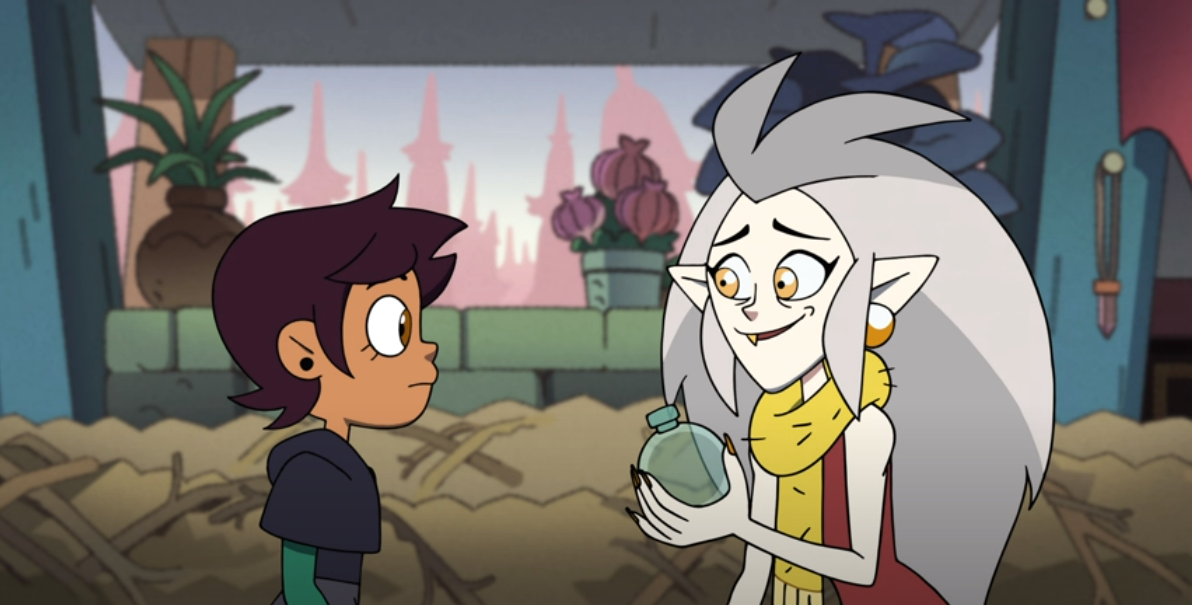
She is cursed when she’s a teenager which, significantly, aligns with real-world research, indicating that many mental illnesses manifests in teenagehood7 with the most problematic symptom being her transformation into the “Owlbeast”.

Her sister Lilith is the one who cursed her, only intending to make her lose her magic for a day (in an attempt to further her own career), but over time, she comes to resent Eda for taking up so much of their parents’ attention, in addition to the guilt she feels over placing the curse on her in the first place.
Her transformation is typically triggered by some combination of fatigue and emotional overwhelm. The other main symptom is rapid aging (she’s supposed to be in her 30’s at the beginning of the show).
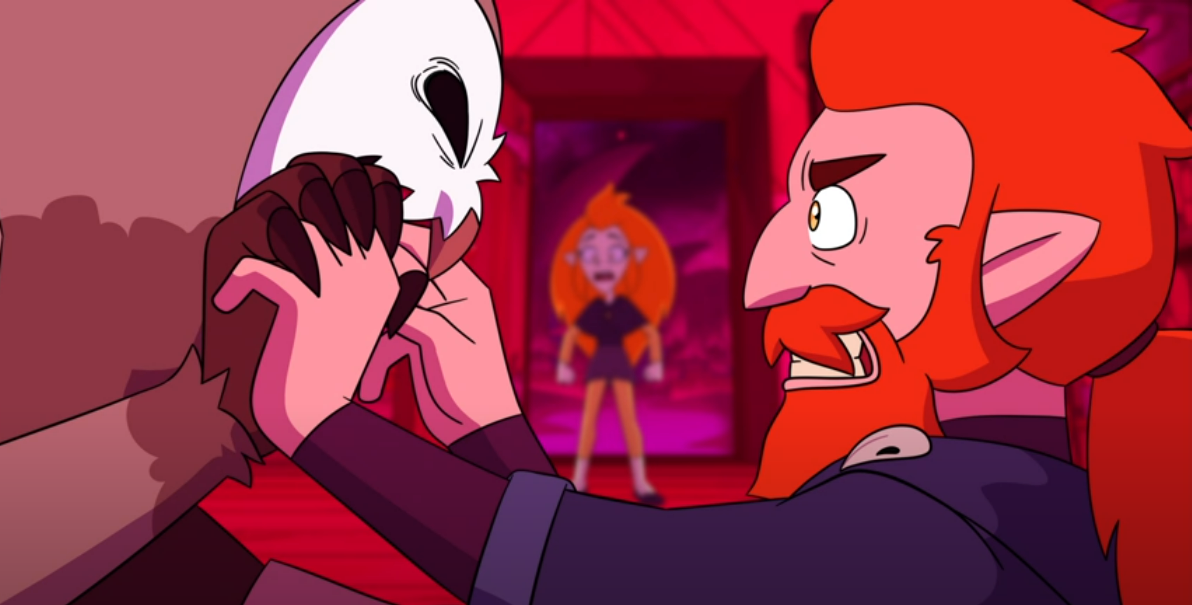
Eda struggles with the condition as a teenager, resulting in strained relationships with her family, both as a result of these violent episodes and because her mother is at a loss for how to handle it.
“My daughter is suffering, and I want that thing out! Cut it out if you have to.”11
Growing Up Neurodivergent
This sentiment hits home for many children who grew up with mental illness or neurodivergence, because parents, while usually well-meaning, sometimes take measures that harm their child in an effort to “get back” to “who they were” before symptoms became problematic.
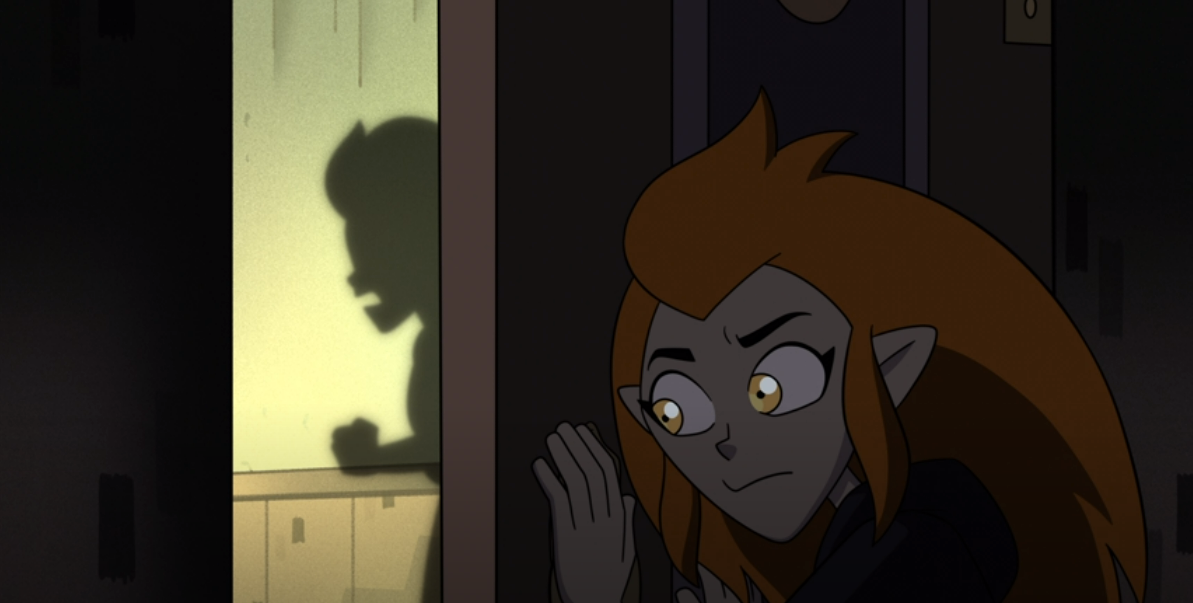
However, these symptoms cannot simply be removed from neurodivergent children – sometimes, a child (typically girls) will suppress these symptoms in order to appear “normal”, a process known as “masking”, but doing so is extremely taxing, and typically leads to burnout down the line.12
For instance, Applied Behavior Analysis (ABA) was once considered the only method for “treating” autism, but autistic adults who went through ABA allege that it does more harm than good. ABA only serves to help mask “problematic” symptoms, not cure them, often by inflicting trauma on an autistic child.13

Notably, at the start of the series, both Lilith and their mother are intent on “curing” the curse, while Eda just wants to manage the symptoms, which once again echoes conversations around neurodivergence. Lilith (and presumably their mother as well) considers Eda a danger to those around her.
Despite the fact that Eda was cursed by an outside force, that curse became a part of her, so she eventually figures out how to manage it on her own. At the beginning of the show, she takes potions regularly in order to manage her symptoms (a metaphor for medication), and she doesn’t seem to have another episode for years, considering that King (Eda’s sidekick and a young Titan) had been living with her since his youth, and he never noticed anything amiss with her until Luz comes to live with them.
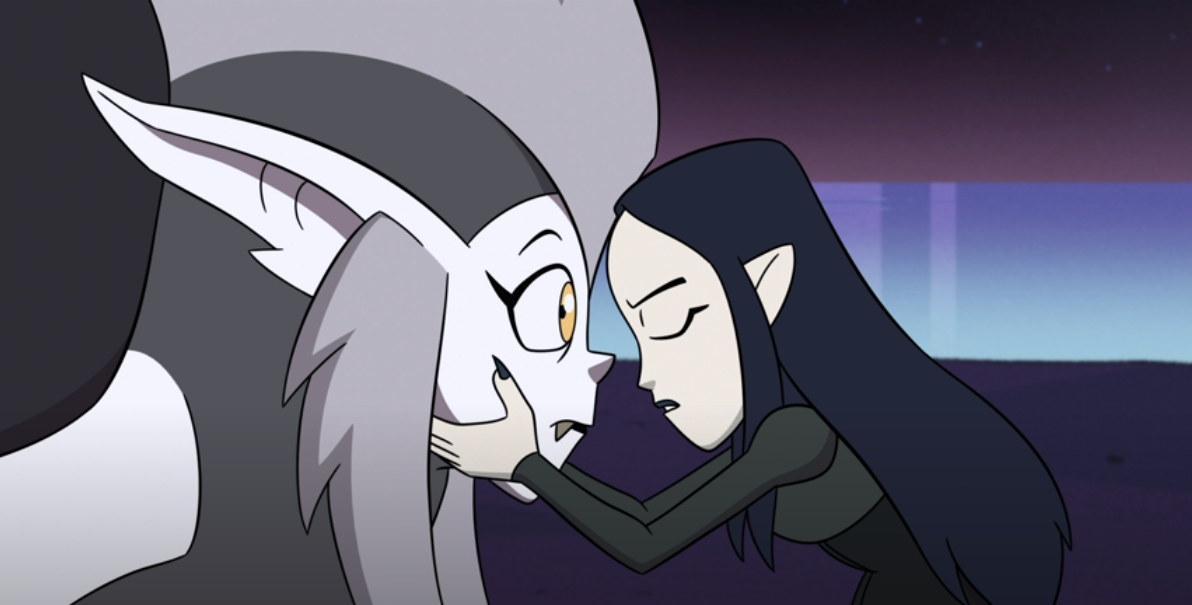
By the end of the first season, the curse progresses to the point that potions become ineffectual, so Lilith splits the curse with Eda, allowing her to to return to her humanoid shape, even if they are no longer able to perform magic like they used to (and both now have beast forms to contend with).
Embracing Diversity & Overcoming Adversity
The lack of inherent magic is functionally a disability in the world of The Owl House, but since Luz discovers a form of spellcasting that doesn’t require the organ which is normally a prerequisite for performing magic, they are able to relearn these skills, but it takes time. At first, they can only perform elemental magic, and they only learn more spells through extensive trial and error.
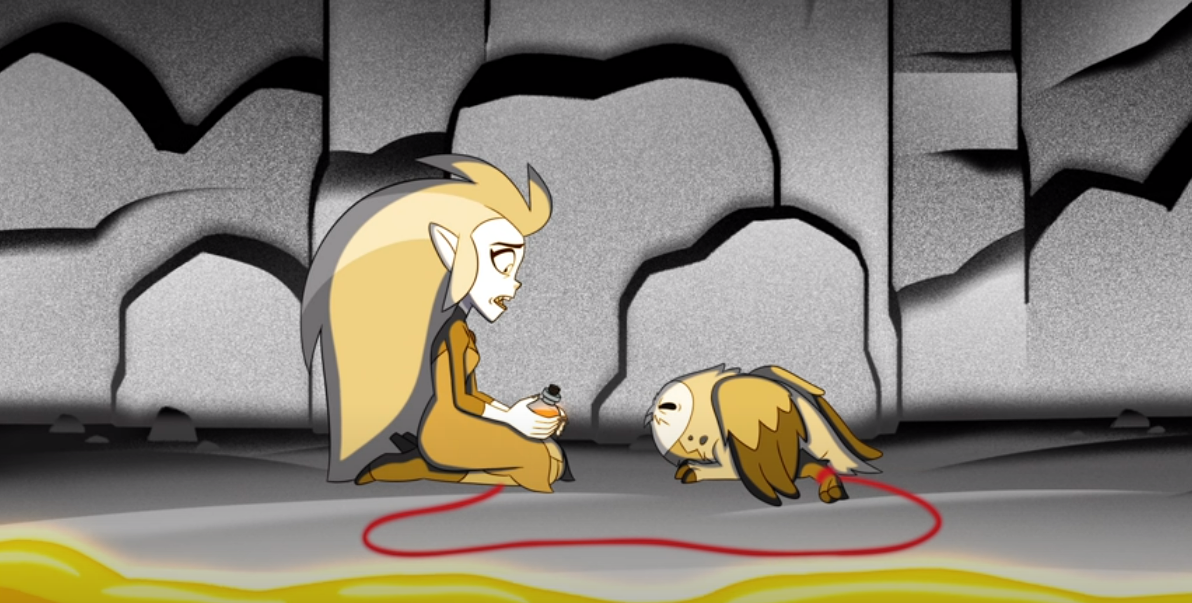
Gradually, Eda recognizes that the Owlbeast is (or at least became) a part of her, and that acting like it’s a monster that ruined her life is counterproductive. But after she accepts the Owlbeast (with all its hardships and disadvantages), Eda unlocks her harpy form!

This, too, can be read as an allusion to neurodiversity, as conditions like autism, while still a disability with various handicaps, sometimes come with “superpowers” such as savant syndrome,14 when a neurodivergent person shows high proficiency in a specific subject (such as in a STEM field).
Luz & Neurodiverse Joy
Finally, there’s Luz, a teen who, while never explicitly diagnosed with a mental health or behavioral disorder, displays enough symptoms where similarly undiagnosed children can relate to (and take encouragement from) her example.15 Terrace based Luz (to some extent) on her own experience in school,16 but has never publicly identified as neurodivergent herself, and never confirmed Luz’s neurodivergence in canon.
The Search For Belonging
At the beginning of the series, Luz is struggling both academically and socially in the wake of her father’s death. She displays some symptoms of ADHD, such as her impulsivity/hyperactivity (which is arguably what kicks the show off)17, and also an intense interest in a book series (complete with learning the fictional languages constructed for said story)18.
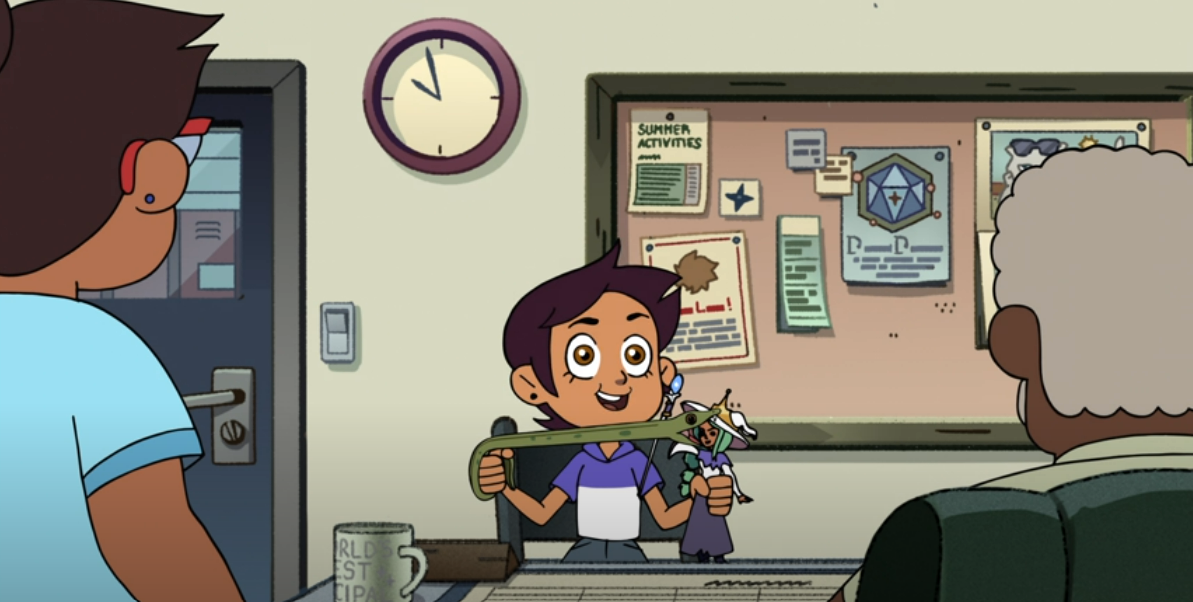
She is, however, never treated for any disorder. Luz is often praised for her imagination, but lacks focus, and she has no real friends. Her mother is concerned for her, but doesn’t know how to help, so she sends Luz to a camp that’s intended to make her more typically “normal”.
Once she discovers the world of the Boiling Isles and the Owl House, Luz takes the opportunity to start a new life, intending to become a witch like in her favorite book series, aptly called the The Good Witch Azura.
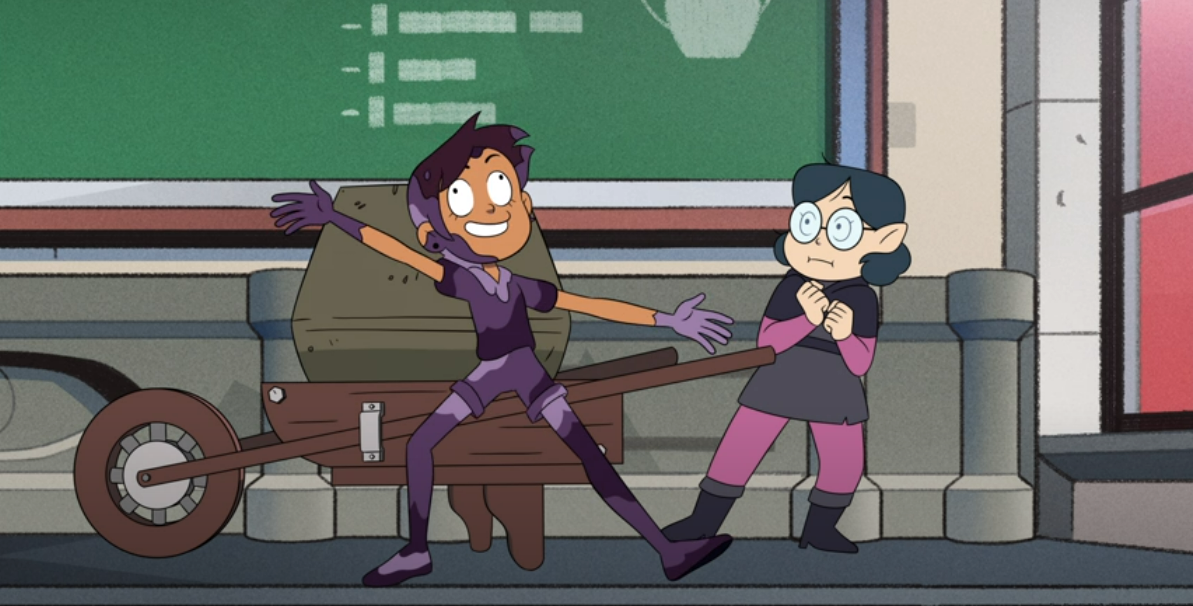
Luz quickly embraces the monikers of “freak” and “weirdo” in this new setting, and soon finds friends that love her for who she truly is. However, learning magic doesn’t come as easily to her as she would like, since humans don’t possess the aforementioned organ the natives use to perform magic.
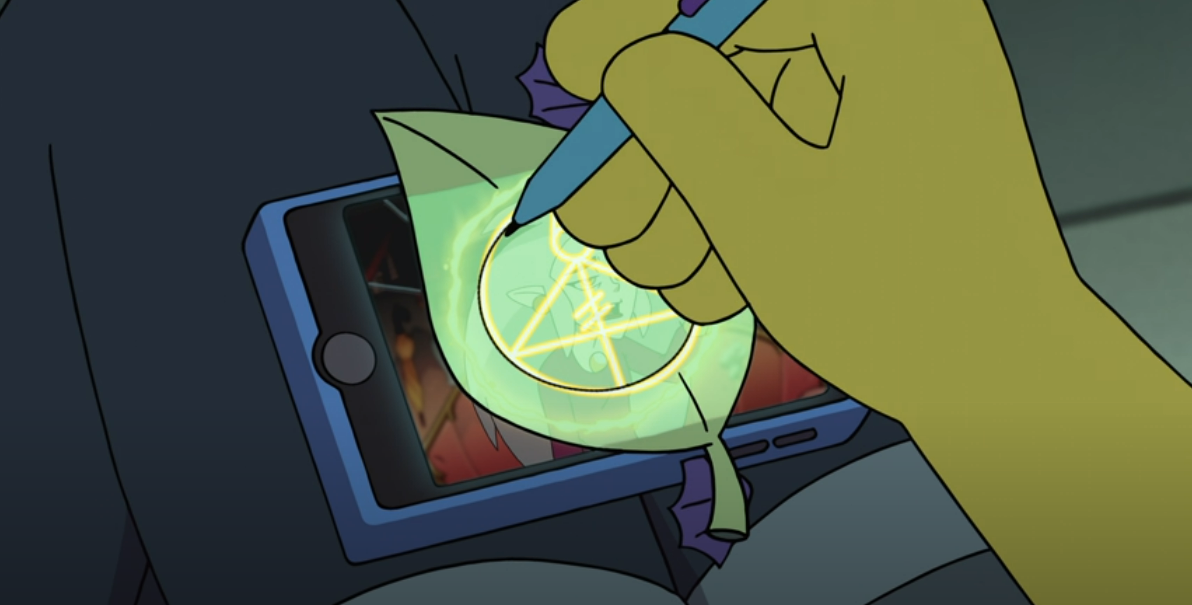
She figures out another way to perform spells, but Luz generally has to work much harder than other students. It seems analogous to a learning disability.
True Acceptance & Understanding
Luz finds a network of support that she never experienced before (since at home, she just had her mom), with Eda accepting her wholeheartedly (only putting a stop to her antics occasionally when she’s on course to hurt herself or others).

And when she experiences unconditional support, Luz is able to extend compassion towards people who are “harder” to love (such as Amity, Lilith, Hunter and, eventually, the Collector).
“The only thing I ever really wanted was to be understood.”19
This is what Luz realizes she’s always wanted, and what many neurodivergent children want as well! Even if their brains aren’t deemed societally “typical”, knowing that there are people who truly love them and want to understand them is comforting and reassuring.
Why Representation Matters — Lessons From The Owl House & Arcane
While it is important to depict conditions like psychosis, falling back on regressive tropes and harmful stereotypes (the dangerous “mad woman”) like in Arcane, does a disservice to people actually living with these conditions, implying that there is no place for them in society.
The Owl House depicts a mentally ill woman managing her disability, and creating a space for the next generation of neurodivergent kids to thrive. And while this positive representation is very helpful, it’s still a problem that Luz lacks a canonical condition.

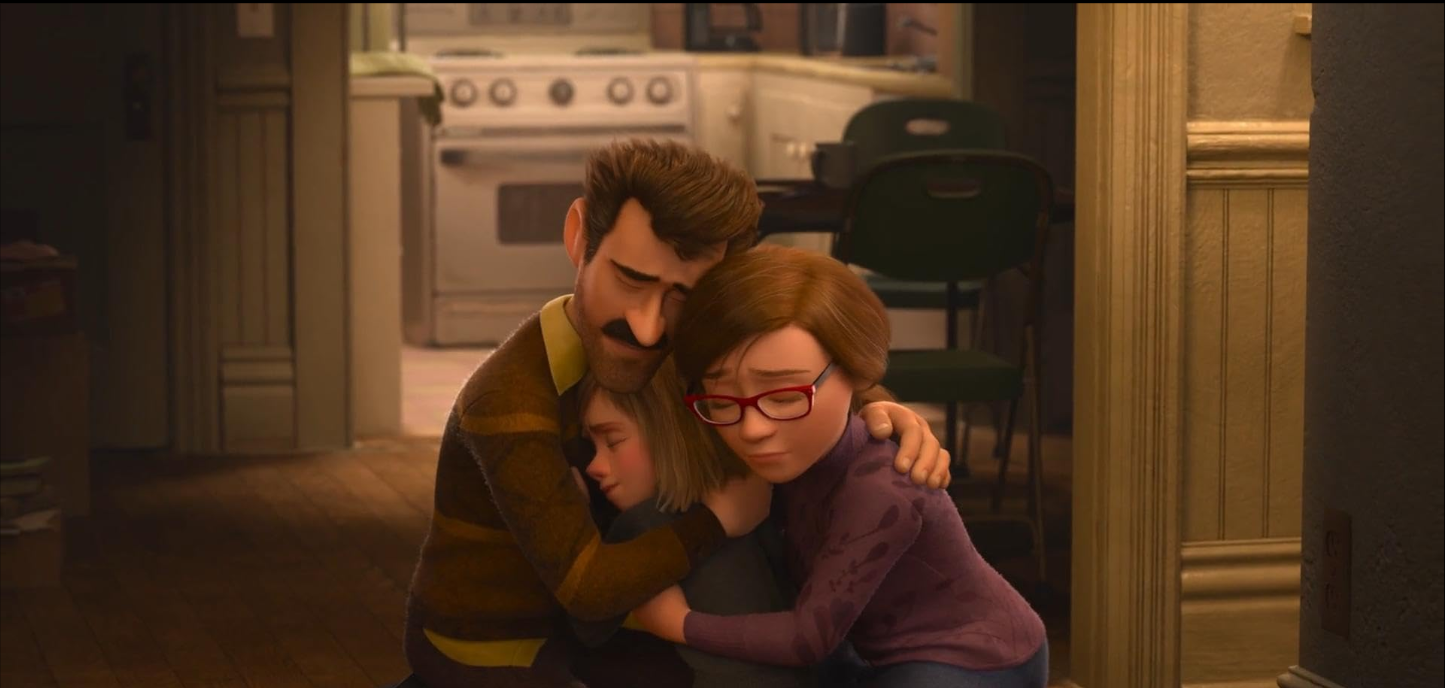
This might have more to do with Disney than anything else – basically the only serialized case where canonical mental health issues are discussed is Inside Out (2015), where the story canonically deals with depression, and its sequel (2024), which depicts a panic attack. Marcy from Amphibia (2019-22) is a similar case, as she’s clearly written with autistic traits,20 but the creators have never publicly confirmed the diagnosis.
Netflix Animation does at least seem to be better about canonicity, as in addition to Jinx, there’s also Norma (from Dead End: Paranormal Park (2022)) and Entrapta from She-ra (2018-20), both autistic; they don’t always openly discuss these conditions, but their symptoms are apparent, especially to a fellow neurodivergent populace.
Steven Universe Future (2019-20) is the rare case where mental illness is both canon and treated. Steven faces the effects of childhood trauma (both mental and physical), it’s clearly explained to the audience, and he’s shown doing the work to manage his symptoms.
In light of the Trump administration platforming ideas about “ending” autism21 (as opposed to supporting autistic individuals), and making it seem like neurodivergent people can’t speak for themselves by platforming “autism moms” but not actual autistic individuals,22 it’s more important than ever to destigmatize neurodivergence.
Autism awareness has helped many receive diagnoses later in life (some even at 50 years and older),23 but with this resurgence of ableist rhetoric, many neurodivergent people are more wary about the stigma of diagnosis, and some will forgo pursuing an official diagnosis altogether (which is significantly more difficult for an adult to get in the first place, at least in America).

Mental health representation makes both mentally ill and neurodivergent folks feel less alone, and it’s particularly relevant for women, seeing how they’ve so often been vilified for conditions that are inherently a part of them. Even if someone never experiences mental illness or neurodivergence, chances are, someone close to them has.
Representation matters not just for those with mental health issues, as it establishes a foundation for better understanding of these individuals and pushes global equity forward through media.
Footnotes
- Babar, I. (2025, June 28). “How authentic is neurodivergent media representation?” Neurodiverse Connection. ↩︎
- “Overview – Psychosis.” NHS UK, 5 September 2023. ↩︎
- “Oil and Water”, Arcane season 1, episode 8, Netflix, November 20 2021. ↩︎
- Tiles, C. (2025, March 21). “The madwoman archetype in literature“. Berkely High Jacket. ↩︎
- “The Madwoman in the Attic“. Wikipedia, 31 July 2024. ↩︎
- “Vaccines and Autism: A Measured Response“. Youtube, uploaded by hbomberguy. May 26 2021. ↩︎
- “National Policy to Support Better Mental Health in the US.” Conversations from Jama Health Forum, 12 September 2025. ↩︎
- “Mental Health Initiatives.” American Academy of Pediatrics, 14 April 2025. ↩︎
- “Female hysteria.” Wikipedia, 10 August 2025, ↩︎
- American Psychiatric Association (2024, March). “Stigma, Prejudice and Discrimination Against People with Mental Illness.” ↩︎
- “Keeping Up A-Fear-ances”, The Owl House season 2, episode 4, Disney Channel, July 3 2021. Disney+. ↩︎
- Silvertant, E. (2020, November 29). “Autism & camouflaging.” Embrace Autism.
↩︎ - Cernius, A. (2022, May 13). “The autistic community is having a reckoning with ABA therapy. We should listen.” Fortune. ↩︎
- Treffert, D. (2019). “The Autistic Savant.” Wisconsin Medical Society. ↩︎
- Prince, K. (2024). “A Glimpse into Neuroqueer Youth #Hashtags and Posts: A Rights-Based Critical Discourse – Analysis of Power, Discourse, Value, and Identity from Neuroqueer Youths’ Online Assertions.” Brock University. ↩︎
- Dana Terrace @danaterrace. “After my dad died I’d…” Bluesky, 3 October 2025, ↩︎
- “Understanding ADHD in Women in Australia: A Comprehensive Guide“. ADHD Quiz Australia, 4 February 2025. ↩︎
- “Do You Have ADHD or Autism? | Therapist Explains The Difference.” Youtube, uploaded by Mickey Atkins. April 5 2025. ↩︎
- “For The Future” The Owl House season 3, episode 2, Disney Channel, January 21 2023. Disney+ ↩︎
- Avery @FrogFroggs. “For those asking no this isn’t…” X, 15 June 2022. ↩︎
- “ASAN Condemns Administration’s Rampant Misinformation about Autism, Acetaminophen, and Vaccines; Calls for Respectful, Fact-Based Approach.” ASAN, 23 September 2025. ↩︎
- “I Watched the ENTIRE Autism Tylenol Announcement so You Don’t Have to.” Youtube, uploaded by I’m Autistic, Now What? September 25 2025. ↩︎
- “Is This The End of The Autism Acceptance Movement?” Youtube, uploaded by I’m Autistic, Now What? May 5 2025.
↩︎