

Table of Contents Show
The Dragon Ball franchise (1986-) is one of the best-selling manga franchises of all time. With its flashy fights, art style, and expansive world, Akira Toriyama set the basis for what shonen, a genre often characterized by young protagonists engaging in super-powered fights, could be.

Despite being the starting point of the entire franchise, original Dragon Ball (1986-1989) is often seen as an afterthought by fans who perceive the sequel, Dragon Ball Z (1989-1996), to be superior in every way, though it might not entirely be their fault.
With continued speculation surrounding the future of Dragon Ball Super1 (2015-2018), here is a quick look back at the under-appreciated beginning of the entire Dragon Ball franchise and what made it so memorable.
How Dragon Ball Became The Franchise’s Most Ignored Entry
A lot of the love for the Dragon Ball franchise stems from Dragon Ball Z’s and Dragon Ball Super’s usage of flashy and destructive fights that often leaves one or many individuals badly bruised, bloodied or even flat-out dead on the battlefield.
Because of the disparity in power levels between the original Dragon Ball series and everything that came after, fans of the future installments who skipped it often believe there are no high stakes fights with the fate of the world on the line when, in reality, that is not the case.
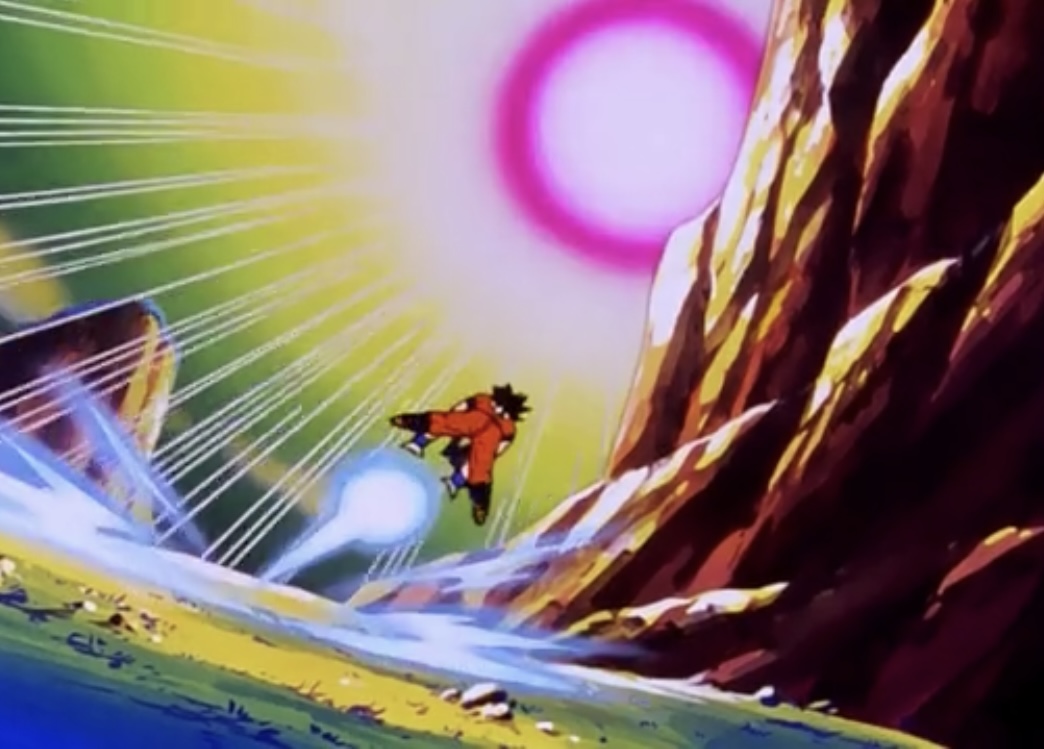
But even though multiple fights of that nature take place about halfway through Dragon Ball, a lot of the original appeal for the anime could be attributed to the style of comedy it utilized that has since become outdated or even deemed offensive over the years.
Though marketed as a shōnen anime, which is stereotypically associated with aforementioned elements like powerful human or human-like entities fighting against the forces of evil, much of Dragon Ball is riddled with aspects of the slice of life genre that could be off-putting to longtime fans of Dragon Ball Z.
It doesn’t help that a lot of Dragon Ball has raunchy humor, which is mostly reliant on Master Roshi and his inappropriate ways that often backfire. But even when that’s not the case, much of it relies heavily on puns that relate to Asian culture and mythology like Journey to the West2, one of the biggest influences of the anime, meaning that they are much less likely to land for viewers from anywhere else in the world.

Inadequate promotion of Dragon Ball in general could also be a reason for it continuously being skipped. The best-selling Dragon Ball games, which are commonly perceived to have peaked during the PS2 era, had a habit of jumping straight to the events of Dragon Ball Z, sometimes even excluding any evidence that Dragon Ball was ever a thing in the first place.
The Budokai trilogy of these video games, for example, would not include Kid Goku from the original Dragon Ball series as a playable character until the third installment, and even then, players had to unlock him through the Dragon Universe mode. Gamers who were not adept at exploring beyond the main objectives could easily miss the opportunity to seize the character.
Adventure Before Apocalypse — Dragon Ball‘s Original Story Engine
Son Goku, the titular protagonist throughout the entire franchise, wasn’t raised by his biological parents. After being found by a man named Gohan, he gets taken in and raised by him. Originally a troublesome baby, an accidental fall completely rewires his brain and transforms the once vicious child into a pure soul.
A few years after Gohan’s death, Goku’s world gets shaken unexpectedly when Bulma stumbles upon him after tracking down a dragon ball he holds. After managing to convince him to tag along on her journey to collect all seven of the balls, which grants one wish to whoever summons their guardian, Shenron, Goku begins his unforgettable journey.
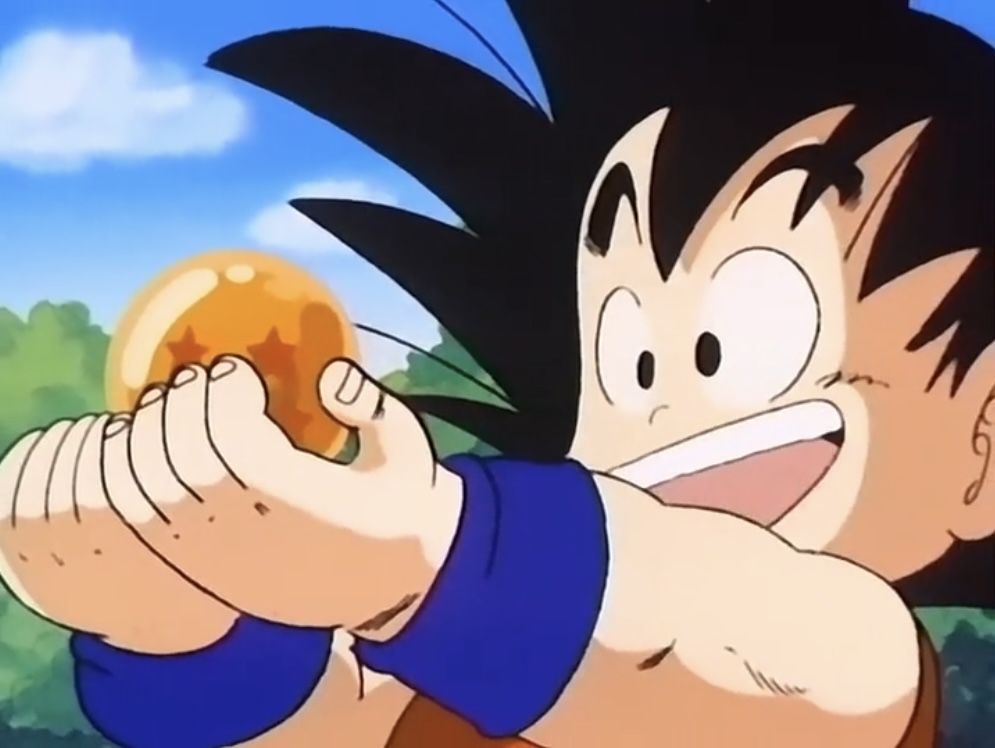
Throughout his travels, Goku takes many detours and meets interesting people along the way, some of which originally pose a dangerous threat to him. In a world where the greed of obtaining the dragon balls for malevolent wishes is common, true friendship is hard to come by, but not impossible.
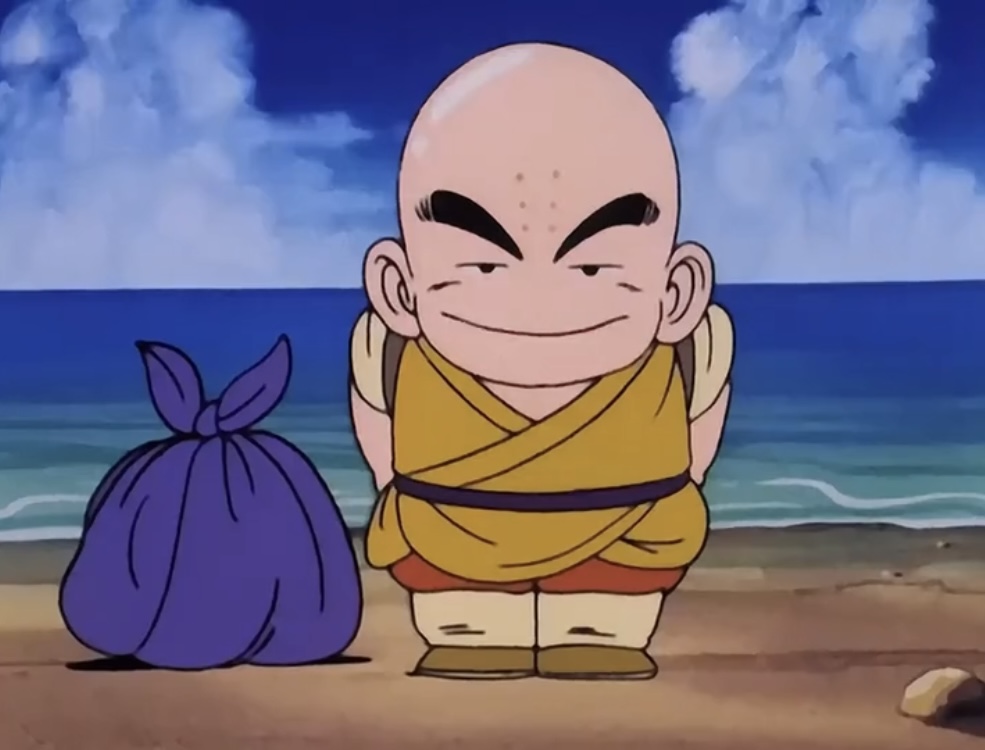
Goku establishes a rivalry with a fellow student, Krillin, of their mentor, Master Roshi, and the pair challenge each other to become the best martial artists that they possibly can, ultimately forming a bond and everlasting friendship.
Many of the most beloved characters in Toriyama’s magnum opus first made their debut appearance in Dragon Ball. Despite being disregarded later on for the sake of more powerful characters like Vegeta and Goku’s son, Gohan, the characters still left their mark by helping Goku grow into the person he would later become.
While the journey in Dragon Ball isn’t as dark as the franchise would later become, the original series would help to lay out the foundation for many future conflicts, including the introduction of the Red Ribbon Army,
A major benefit for viewers starting with the original Dragon Ball is how later lore revelations land more effectively, like Goku finding out he belongs to an alien race of powerful warriors and that he was originally sent to Earth to destroy it. Moments like these click much better for them as they finally explain mysteries like that of Goku’s tail.
Low-Stakes Villains & Moral Playfulness In Early Dragon Ball
Evil always came in different shapes and sizes when it came to Dragon Ball, but it had many faces as well. On their journey, Goku and his friends come across many interesting and wacky foes with strange intentions and means of reaching those goals.
Compared to the major villains of Dragon Ball Z, who would take lives at will in gruesome and terrifying ways without a second thought, the villains of Dragon Ball were oftentimes quirky and incompetent, which helped to place an emphasis on Goku’s innocence and naivety.
One of the earlier villains of this archetype named Monster Carrot, a bunny with the ability to change people into carrots at the blink of an eye, poses one of the first major threats to Goku and his friends despite the childish nature of his villainy.

His motive of trying to take over a town in order to consume their inhabitants after turning them into carrots, though playful, still put Goku in a tough position when his comrade Bulma fell victim to the foe’s ability and required calculated counters from her friend to save her. After an eventful turnaround, Monster Carrot is ultimately bested and punished by being sent to the moon with his goons.
Even Oolong, an anthropomorphic pig who later befriends Goku, got his start as a minor villain of the series. Though he was originally another example in a pile of villains that weren’t evil to the extreme that sequel villains of the franchise were, that didn’t mean Akira Toriyama was afraid to take things in a much darker direction.
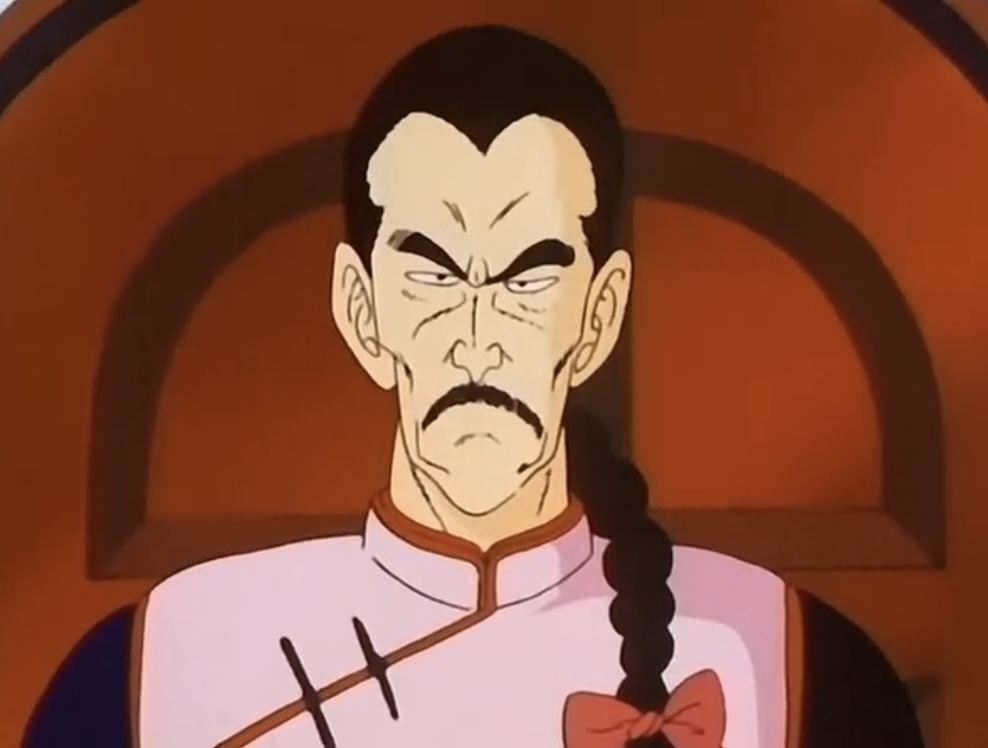
The sinister Mercenary Tao set the foundation for future villains of the franchise, though he still carried a bit of the quirkiness himself. Throughout the anime, he displays his power in unorthodox ways like blocking a bullet with one of his shoes and even killing another major villain of the series by poking him in the back of his head with his tongue.
As if his combat style wasn’t unconventional enough, his means of transportation were even more strange. He occasionally uses a pillar to get around. By throwing it into the air with his incredible strength, Tao would somehow manage to jump on top of it and let it fly wherever he needed to be.
A World Built On Curiosity, Not Escalation
With the dragon balls spread out across the globe, Goku finds himself in many interesting locations that all have a unique feel to them, and some would end up becoming mainstays remaining almost completely unchanged decades later.
The iconic Kame House, Master Roshi’s longtime residence, is one such case. These days it serves as a meeting ground for the heroes of the show, but in its first appearance in Dragon Ball, the house was more synonymous with Roshi’s secluded lifestyle and the start of a legendary rivalry between Goku and Krillin.

The rivalry itself took the pair through many scenic places with great significance to the story of the franchise as a whole. Led by Master Roshi, Goku and Krillin take their intense training everywhere from the peaceful countryside to the high peaks of mountains for months to arrive at the world martial arts tournament in top form.
Even the host city of the tournament on Papaya Island, complete with its tropical buildings and palm trees, managed to capture a feeling synonymous with the world of Dragon Ball. Through its peaceful nature, the viewers were offered one last breath of fresh air before the nerve-wracking tournament at the Tenkaichi Budokai Arena begins.

Other locations in the anime were unfortunate enough to have only been explored once or a few times and never again after. Despite serving almost exclusively as a backdrop for a portion of the series to get from point A to point B, the views, vibes and moments they offered were worth the time.
One such place in the series that is almost inseparable from it is Muscle Tower, a stronghold for the Red Ribbon Army, which was located in a snowy landscape. All by himself, Goku battles with the Red Ribbon Army in a fight that would lead to many future consequences. While the ordeal itself was epic, the landscape was so iconic that it would make it as a map in many of the franchise’s games
Mythic Objects & Technology
One element from Dragon Ball that was left behind in the sequel was the frequent use of interesting technology and mythological objects, which served Goku well at a time when he had not yet gained the abilities he would obtain later on in the franchise.
The power pole, which could extend however long Goku desired, served not only as Goku’s iconic weapon of choice, but also helped him advance through many obstacles. His flying nimbus, on the other hand, made getting around as easy as pie. Given to him by the crude Master Roshi, the nimbus could only carry those who are pure of heart.

Few other elements of the franchise could stir the imagination like Bulma’s capsules, which could summon vehicles and even full-sized homes at the push of a button.
While the designs could make people think otherwise, not all technology was used for good. In the original series, most of the villains were either powerful martial artists or individuals who relied on machinery to match the incredible strength of young Goku.
With his team of incompetent antagonists, Pilaf, who also sought the dragon balls albeit for sinister reasons, was one such villain who utilized giant mechs to keep up with Goku and his powerful abilities.
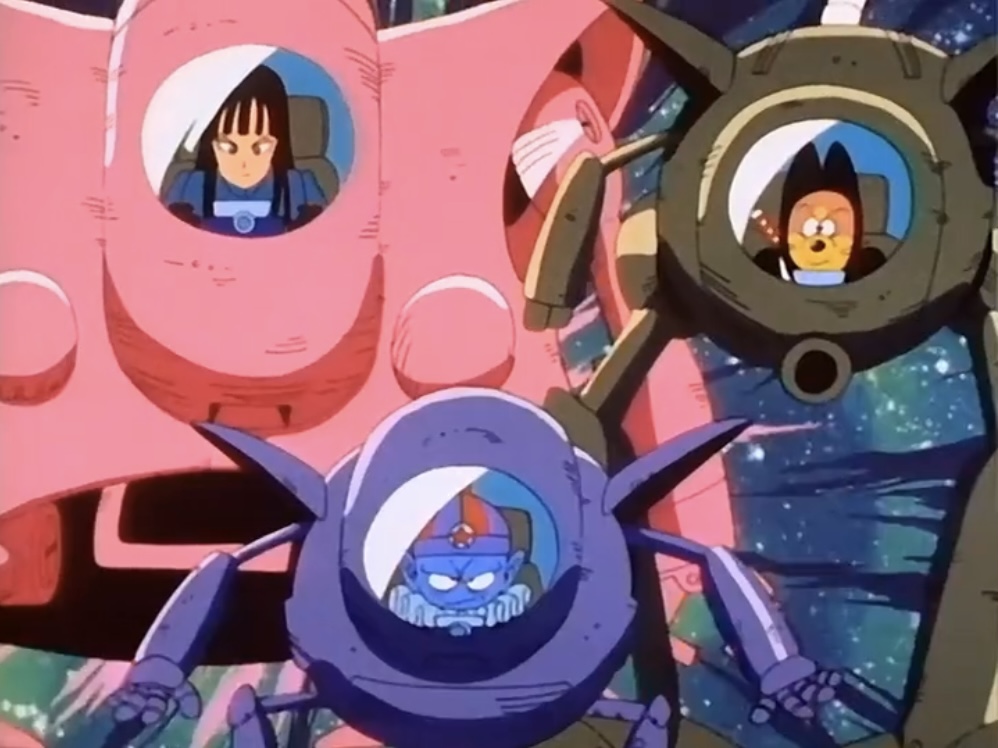
His machinery, though impressive in appearance and ingenuity, would constantly fail to make an impact, but the show they would put on coupled with the creativity of his craft would impress while also providing many chances at laughs for the inadequacies of their skill sets.
What’s Next For Dragon Ball
While the future of the Dragon Ball Super anime remains uncertain, fans across the globe eagerly await the anime adaptation of the Galactic Patrol arc, which picks up immediately where the final episode of the first season left off.
Though the days of the original Dragon Ball series are long gone, fans who wish to revisit can still do so through streaming services such as Crunchyroll and Hulu. The recent spin-off series, Dragon Ball Daima (2024), which borrowed many elements from the prequel series, can also be streamed online.