
Table of Contents Show
2019 was a major year for television, bringing audiences series like Euphoria, Evil, The Witcher, and What We Do in the Shadows 1 While these shows differed significantly in genre and style, What We Do in the Shadows stood out as one of television’s most distinctive comedies.
Using a mockumentary format to tell the story of centuries-old vampires struggling with everyday life, What We Do in the Shadows (2019–2024), created by Jemaine Clement, stood apart from many of its television contemporaries. The series follows a group of vampire roommates, their familiar, and the increasingly absurd challenges they face while navigating modern life.

Mockumentaries such as The Office (2005-2013) had already demonstrated the popularity of the format, but its use within vampire comedy and horror gave What We Do in the Shadows a more unusual premise. Mockumentaries borrow documentary techniques — including interviews, voiceovers, and handheld camerawork — and apply them to fictional stories. Many mockumentaries use awkward humor, satire, and direct-to-camera interviews to create the illusion that fictional events are unfolding like real life.
The term ‘mockumentary’2 has a longer history than the format’s recent popularity might suggest. Mockumentaries have existed since the early twentieth century, but the format gained greater cultural recognition in later decades, particularly following films such as This Is Spinal Tap. Later films such as Borat (2006) further demonstrated how the mockumentary format could combine fictional storytelling with social satire.
Where What We Do In The Shadows (2019-2024) Began — From Short Film To Feature
Many fans of the television series may not realize that What We Do in the Shadows began as a short film before becoming a feature-length movie and, eventually, a television franchise. What We Do in the Shadows began in 2005 as a short film, What We Do in the Shadows: Interviews with Some Vampires, directed by Jemaine Clement and Taika Waititi, who both appeared in the project.3
Their desire to create a different kind of vampire story stemmed from a longtime appreciation of vampire films. Clement has cited Scars of Dracula as an early vampire-film memory, while Waititi has discussed the influence of The Lost Boys and its distinctive vampire aesthetic4.
The 28-minute short differs from the later feature film in several ways: it features fewer central characters, focuses more heavily on the interview format, and follows a slower pace. However, the short establishes the same basic premise: vampire roommates are interviewed about their centuries-long lives and their attempts to navigate the modern world.
Following the short film’s success, Clement and Waititi developed the concept into the 2014 feature film What We Do in the Shadows, which premiered at the Sundance Film Festival. The filmmakers reportedly shot approximately 125 hours of footage, which was ultimately edited into an 85-minute feature.5 Following its festival reception, the film was released in New Zealand in 2014. Made on a reported budget of approximately $1.6 million, it went on to gross more than $8 million worldwide.6
The 2014 film, directed by Jemaine Clement and Taika Waititi, follows four vampire roommates — Viago, Petyr, Deacon, and Vladislav — and their increasingly chaotic attempts to balance immortality with everyday life. On their nightly adventures, they search for people to kill and feed from, specifically looking for virgins. The film follows the four vampires as they form and lose relationships along the way. Throughout the film, friendships grow and change, feuds reignite and dissipate, and love is rekindled.

Comedy is shaped by both individual taste and cultural context. New Zealand comedy is often associated with dry delivery, absurdity, and darker humor, although these characteristics can vary widely among individual comedians and productions.7 For audiences who connect with the franchise’s particular sense of humor, that darker and more absurd style is part of its appeal.
How What We Do In The Shadows Reinvented The Vampire Genre
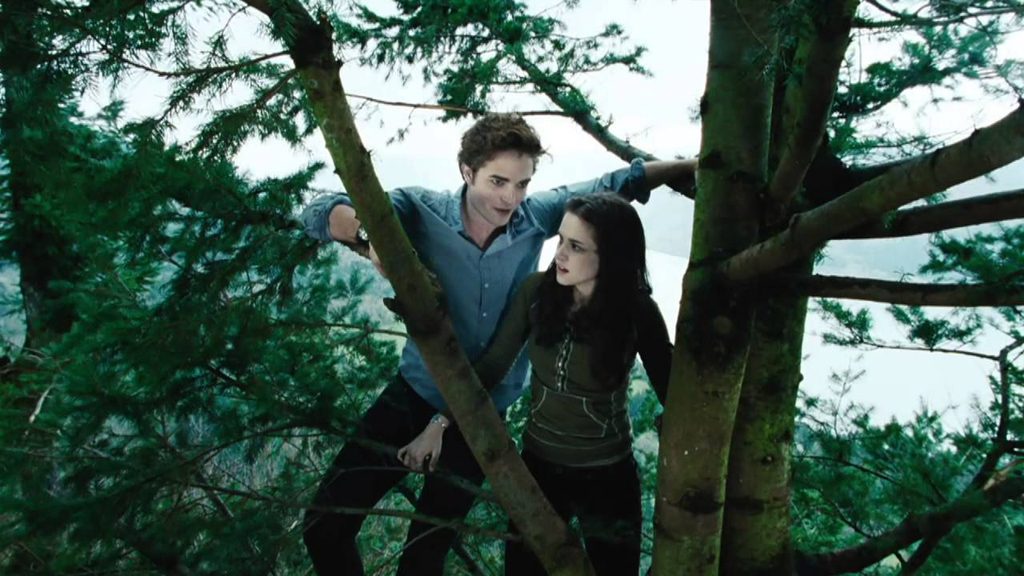
Popular vampire stories often fall somewhere between two familiar extremes: the seductive romantic vampire and the monstrous, predatory creature. From the romanticized vampires in Twilight (2008-2012) to the monstrous tradition associated with Dracula, mainstream portrayals have often emphasized either desire or horror. In the years leading up to What We Do in the Shadows, vampire stories frequently emphasized romance, action, or traditional horror, leaving relatively little space for a mockumentary approach.8
From 2008 to 2012, five Twilight movies were released, and during the same year as the What We Do in the Shadows release date, Dracula Untold (a dramatic, action-packed bloody film) and Vampire Academy (dramatic teen fantasy with light, comedic undertones) were released.
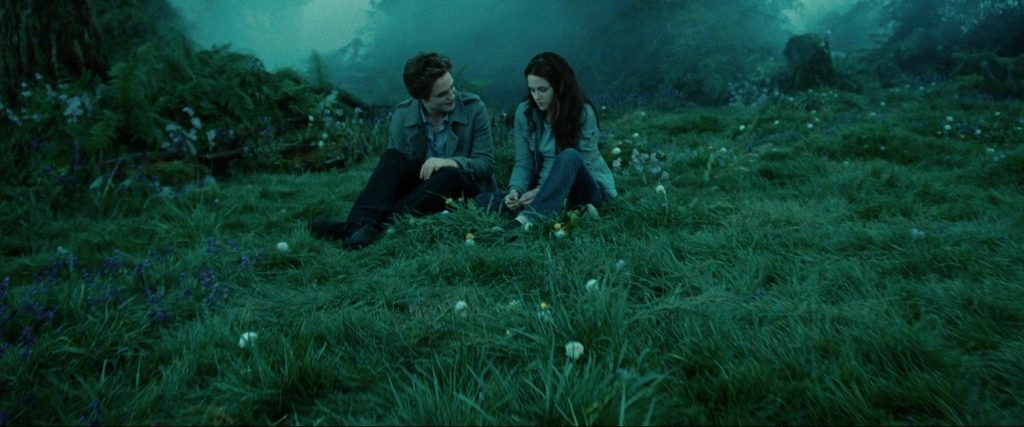
What We Do in the Shadows succeeded in part because it approached familiar vampire conventions from an unexpected comedic perspective. Rather than following the conventions of more traditional vampire stories, it used absurdity and crude humor to create something distinct.
The mockumentary format also creates an unusual sense of intimacy and believability between the audience and the characters. The film also relied on improvisation, allowing actors to respond naturally within scenes.9 When actors respond naturally to one another, those reactions create a stronger sense of authenticity.
Although the story is fictional, the interviews and documentary-style camerawork create the impression that these supernatural characters exist within an ordinary world. Traditional vampire stories often embrace heightened melodrama, but What We Do in the Shadows turns that melodrama into a source of comedy. By filtering that heightened melodrama through a documentary-style format, the series makes its supernatural characters feel unexpectedly relatable — and, ironically, more human.
From Cult Film To Television Franchise
Following its successful theatrical run, What We Do in the Shadows eventually expanded into television. The film’s success demonstrated that its distinctive combination of vampire horror, mockumentary filmmaking, and absurd comedy could support a larger franchise. This momentum eventually led to the development of additional projects, including Wellington Paranormal and the FX television series.
Before What We Do in the Shadows expanded into an American television series, the franchise first produced a television spinoff, Wellington Paranormal, centered on two police officers from the original film.10 This series ultimately ran for four seasons, further demonstrating that the world established in the original film could support additional stories.

The film’s success and established premise provided an opportunity to expand the franchise into television. What We Do in the Shadows premiered on FX in 2019, reimagining the original film’s premise for a new setting and cast of characters.
The television adaptation made several major changes, most notably relocating the story from Wellington, New Zealand, to Staten Island, New York. Relocating the story to the United States allowed the series to build a new cast, expand its mythology, and explore a different cultural environment. Rather than simply repeating the film’s story, the series uses its new setting to develop longer character arcs and introduce new supernatural conflicts.

Beyond the new setting, the television adaptation also introduced new characters, including an entirely different type of vampire. Colin Robinson is analytical, boring, downright annoying — and, unlike the other vampires, he is an energy vampire who feeds on the emotional exhaustion of those around him. He is a vastly different character from the rest, and this makes him all the more intriguing (and annoying). The central characters are Laszlo, Nadja, Nandor, Colin Robinson, and Guillermo, Nandor’s long-suffering familiar.
One of the television series’ most significant expansions is its deeper exploration of the relationship between vampires and their familiars. The familiar who receives the greatest focus in the television series is Guillermo. Like the familiar in the original film, Guillermo is repeatedly promised that he will eventually be turned into a vampire, but his master has little intention of keeping that promise. The series ultimately ran for six seasons, with its finale airing in December 2024.
Why What We Do In The Shadows (2019-2024) Endures
What We Do in the Shadows demonstrated that familiar genre conventions could be successfully reimagined through a combination of satire, absurdity, and character-driven comedy. While it was not the first work to combine horror and mockumentary techniques, the franchise helped demonstrate the continued potential of blending supernatural storytelling with documentary-style comedy.
Several of the series’ later seasons aired during the COVID-19 pandemic, when television became an especially important source of entertainment and escape for many audiences. 11 During this period, television streaming and binge-watching became increasingly common, creating new opportunities for audiences to discover and revisit series.
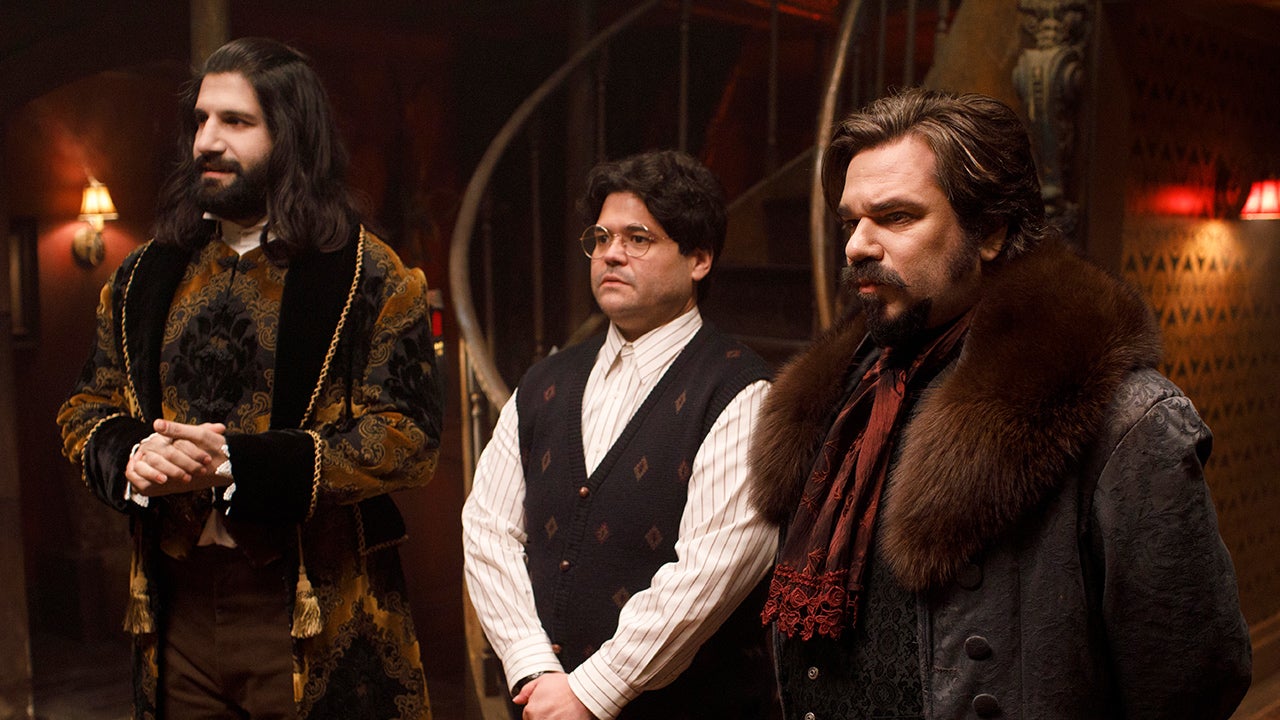
The franchise also reflects the influence of New Zealand’s film industry and the creative partnership between Clement and Waititi. Over nearly two decades, the concept evolved from a short film created by two friends into an internationally recognized television franchise, showing how a small idea can grow into something much larger while maintaining the same creative spirit.
By transforming familiar vampire conventions into a vehicle for satire and character-driven comedy, What We Do in the Shadows demonstrates how an unconventional idea can evolve across formats while maintaining a distinctive creative identity.
Footnotes
- ‘What We Do in the Shadows’, created by Jemaine Clement, aired 27 March 2019, on FX ↩︎
- A facetious or satirical work (such as a film) presented in the form of a documentary. 2026, Merriam-Webster Incorporated. ↩︎
- Waititi, Clement, Dir. “What We Do in the Shadows: Interviews With Some Vampires.” YouTube. 6 Oct. 2024. ↩︎
- Star Sessions. “Taika Waititi & Jemaine Clement Hilarious Full Q&A—What We Do in the Shadows Interview. 9 Dec. 2025. ↩︎
- Star Sessions. “Taika Waititi & Jemaine Clement: Hilarious Uncut Interview on What We Do in the Shadows.” 19 Feb. 2015. ↩︎
- “What We Do in the Shadows.” What We Do in the Shadows (2014) – IMDb ↩︎
- John. “Worldwide Humour: A Tour of Laughter From Around The Globe.” 29 Oct. 2024. Worldwide Humour: A Tour of Laughter from Around the Globe. ↩︎
- The Shot. “Tracking The Evolution Of Vampires Through A Century Of Movies.”12 May 2026. Tracking The Evolution Of Vampires Through A Century Of Movies ↩︎
- Star Sessions. “Taika Waititi & Jemaine Clement: Hilarious Uncut Interview on What We Do in the Shadows.” 19 Feb. 2015. ↩︎
- IMDb. “Wellington Paranormal.” Wellington Paranormal (TV Series 2018–2022) – IMDb ↩︎
- “The Great Media Reset: How COVID-19 Changed the Industry Forever.” COVID-19 and the Media Industry Reset – AgileTV ↩︎