
Table of Contents Show
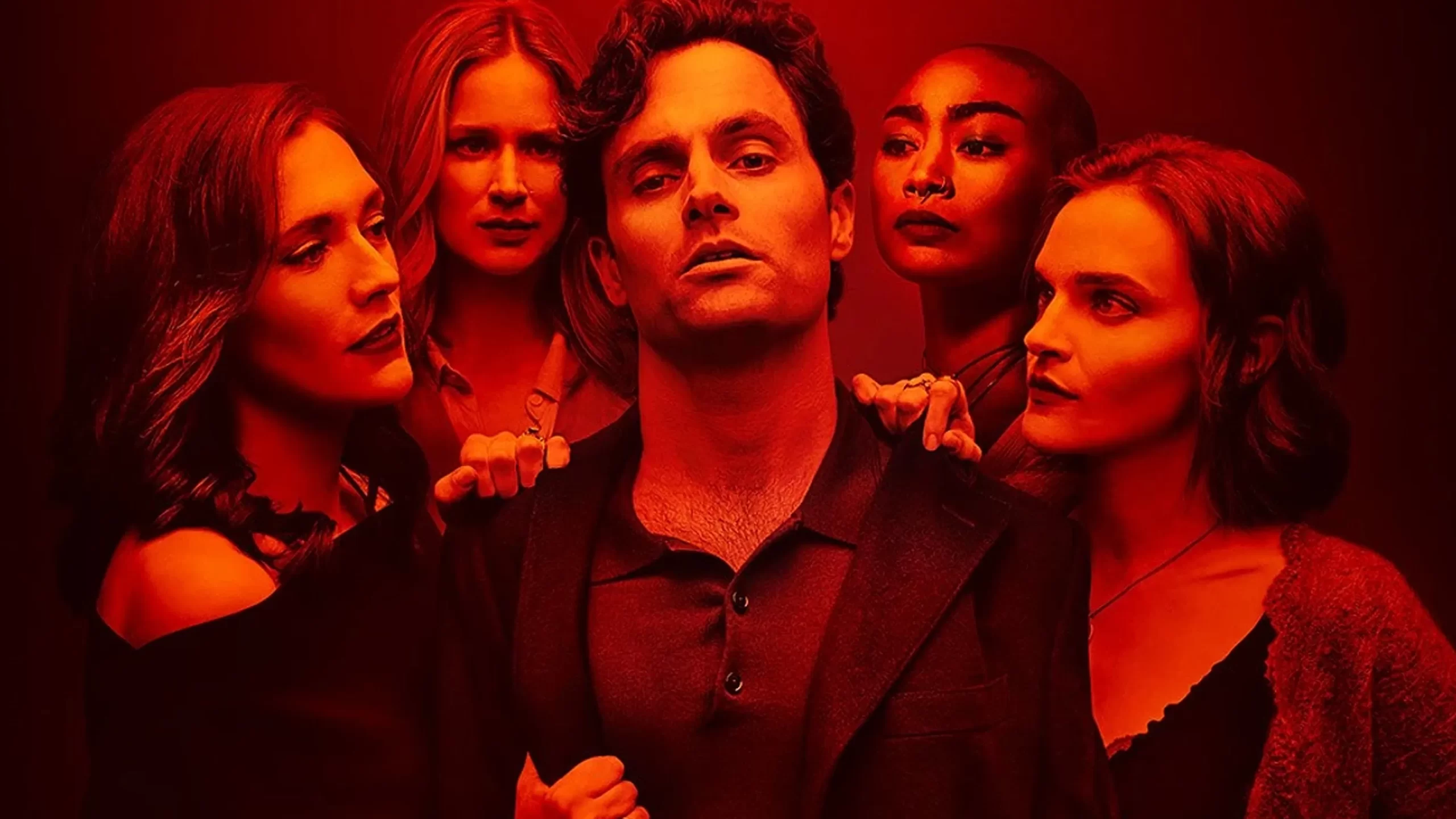
Netflix’s You1 (2018-2025) follows erotomania (Penn Badgley), a seemingly romantic book nerd whose charm masks a deeply narcissistic, obsessive, and increasingly violent psyche (also known as erotomania). Over the course of five seasons, viewers watched Joe stalk, gaslight, and murder his way through relationships under the delusion of love, all while narrating his actions with chilling sincerity. The show cleverly masked horror with humor and heartthrob aesthetics, turning its killer protagonist into an unexpected icon of the streaming era.
You doesn’t just tie up Joe’s loose ends in its final season. It also exposes the knot that connects him to the show’s audience. After years of seducing viewers with Joe’s moral gymnastics and magnetic self-justification, the series closes with a disturbing and brilliant twist: Joe isn’t its only villain. The eager fans that rooted for him, excused him, and romanticized his crimes are also villains.

The finale of You pulls no punches and makes the show a meta-thriller about the very culture that made it a hit. Joe’s final monologue is not a confession or redemption arc. Instead, it’s a searing indictment of television viewers’ obsession with charismatic killers, true crime content, and the glamorization of psychopathy. The finale isn’t just the end of Joe Goldberg’s story. It’s the show holding up a mirror and asking its audience: Why did you keep watching?
‘From Books To Bodies’ — The Evolution Of Joe Goldberg
You began as a quirky thriller about a hopelessly romantic bookworm, but quickly escalated into a dark, satirical descent into violence, identity shifts, and transatlantic murder sprees. Joe Goldberg moved from New York to Los Angeles, then to the fictional suburb of Madre Linda, and finally to London, accumulating new names and bodies along the way. In the show’s final season, he ended up right back where he started and chasing after a new love interest (or victim, which is what his “love interests” really are).
The series always remained grounded in Joe’s internal monologue, a literary device turned cinematic gimmick that allowed intimate access to his rationalizations. That window into Joe’s mind is what made You so unsettling. Audiences weren’t just witnessing his crimes. They were understanding them, participating in them, and worst of all, justifying them.
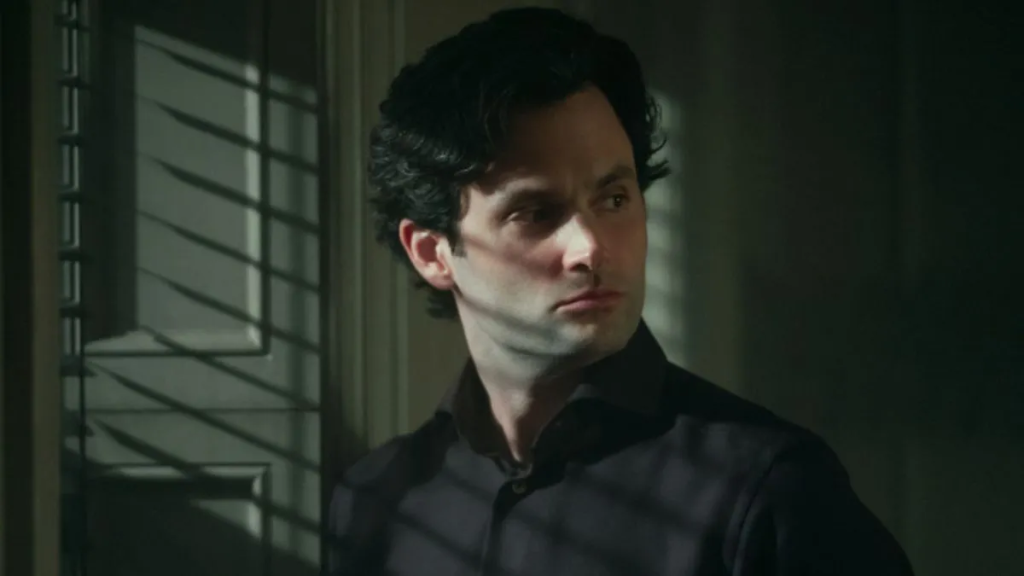
In season five, Joe’s mask begins to slip entirely as he attempts to settle into a new life of fame, philanthropy, and prestige. There are no more justifications. There is no more denial. Joe is a monster, and the show is finally ready to say so. His cycle of murder, illusions of love, and obsession repeats itself in its final season, but this time, it has a different ending.
Joe’s latest infatuation, Bronte (Madeline Brewer), realizes exactly what he is, even after falling for his spell by justifying his actions under the illusion of love. She finally faces him, and it seems as if his white knight charade is over when he is arrested, but is it really? Or does his arrest begin a new charade in which the media portrays Joe as a pariah who killed for love?
‘A Culture Obsessed’ — The Meta Critique In Joe’s Final Monologue
The final scene of You is deceptively simple. In it, Joe, who is seemingly defeated, lies in a jail cell and recounts his past with practiced charm. His last words flip the series on its head: Joe warns that the real danger isn’t people like him. It’s the people who watch, idolize, and enable them. In other words: fans.

This moment transforms You into more than a serial killer drama. It becomes a critique of the very culture that romanticizes crime with Ted Bundy TikTok edits and the mainstream success of Netflix’s own Dahmer2 (Ryan Murphy and Ian Brennan, 2022), which stars Evan Peters as cannibal killer Jeffrey Dahmer and Extremely Wicked, Shockingly Evil and Vile3 (Joe Berlinger, 2019), which stars Zac Efron as Bundy, another one of history’s most famous serial murderers. The show recognizes this phenomenon, weaponizes it, and acknowledges its damaging impact on modern society as well as the media’s dangerously growing obsession with criminals and their crimes.
By placing blame on both Joe and the world that turned him into a folk antihero when he’s really a serial killer, You makes a powerful statement: the line between consumer and enabler is thinner than one may think. In doing so, the show challenges audiences to consider the ethics of their fascination with charismatic predators and the consequences it might have on sociocultural behavior.

You forces its viewers to ask a long overdue question about themselves, their perception, and the societal fixation on crime, murder, and people who commit heinous crimes: Why? More importantly, how can people avoid falling for characters like Goldberg, who make murder seem justified and forgivable?
‘Charisma As Camouflage’ — Why Viewers Fell For Joe
Why did fans fall for Joe Goldberg? The answer lies in a cocktail of clever writing, seductive direction, and Penn Badgley’s brilliant performance. Joe is intelligent, articulate, and conventionally attractive. He’s also funny, self-deprecating, and even oddly empathetic at times. He knows his crimes are wrong, but he always finds a reason to commit them. Joe convinces himself and his fans that his intentions are good.

In an age where true crime has become content, You exploits people’s inability to resist the magnetic pull of a well-spoken sociopath. Much like how Ted Bundy was described as “charming” or how Richard Ramirez had disturbing amounts of crazed fan mail in prison, Joe’s persona is designed to seduce people and convince them that there are worse things than murder, such as the things that his victims do to him and his love interests.
For five seasons, Joe’s magnetic pull worked. It’s the sleight of hand that makes You so effective. It doesn’t just show a killer; it shows why viewers would let him in, even though they know that he is a killer. Its final season rips their comfort away, forcing them to confront the media machine that sells trauma, violence, and murder with the same ease as reality TV as well as the people that knowingly consume it, most of whom are unaware of the real damage that stems from liking, sharing, and justifying crime.
‘The Ethics Of Meta Criticism’ — Did You Get Away with It?
Joe’s final monologue is more than a plot device — it’s a mirror. In blaming its audience, the show implicates the viewers who willingly forgave him for five seasons. They excused his violence because he was in love and called him misunderstood, a white knight, and a hopeless romantic, even after he buried countless bodies. This kind of self-aware ending is rare.
You dares to criticize its own popularity and cultural footprint. It refuses to let the audience off the hook because a show, an icon, or even a criminal is nothing without followers.

In an age where streamable crime is packaged for binge-watching, You ends not with a final kill, but with a call-out. It asks audiences to reckon with their complicity. If Joe Goldberg is a monster — and he is — what does that say about the viewers that cheered him on?
After all, the people who watch perpetrators and stand by helpless are as guilty as the perpetrators themselves, aren’t they? If so, who should really be held accountable?
Why You’s Ending Matters
You didn’t just end on a high note. It ended on a challenge. By turning its camera on its viewers, You transformed from a darkly romantic psychological thriller to a media critique. Joe Goldberg’s legacy isn’t just the blood on his hands. It’s also how easily fans forgave him, how eagerly they consumed him, and how some of them still continue to defend him despite the brutality of his actions and the disturbing honesty of his confessions.

The show’s final season doesn’t just close a chapter. It rewrites the book and dares to say what few shows ever do: maybe the real danger in crime shows isn’t onscreen. Maybe it’s in what people watch and how they watch it. You doesn’t redeem its killer with his final monologue.
Instead, it redeems its own message and leaves fans with the one question that’s scarier than anything Joe ever did: What does it say about them that they wanted more? What does it mean that they wanted him to get away with it? Why, despite everything Joe did and how little remorse he showed for his actions, did they still find themselves debating whether he was actually evil or just a desperate fool in love?
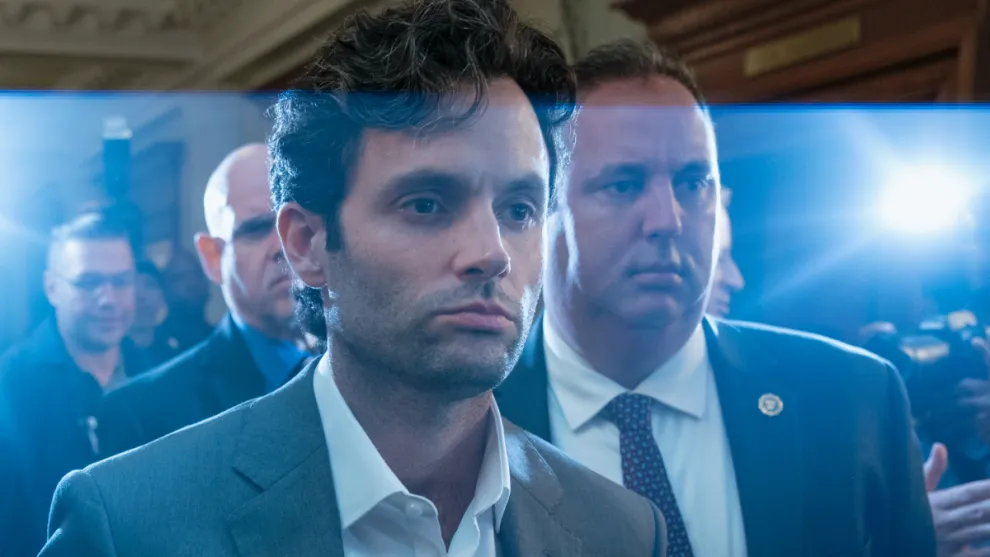
The ending of You doesn’t just conclude Joe Goldberg’s twisted saga — it weaponizes it. By holding a mirror up to its viewers, the series delivers a final blow that’s far more chilling than any murder Joe committed: the realization that they’ve not only watched him, but cheered, obsessed about, and memed him.
The show’s closing statement doesn’t offer closure or comfort. It dares fans to examine their complicity with, consumption of, and craving for charismatic predators packaged as prestige TV.
If a viewer finds themself uncomfortable with what they see in the mirror, then maybe that’s the show’s point. You was never really about Joe Goldberg — it was about you all along.