
Table of Contents Show
Improv comedy has found a natural home online. YouTube channels and streaming shows can build entire formats around performers making decisions in the moment, turning audience prompts, random challenges, and unexpected mistakes into the material itself.
In theater, performers use improv to create scenes, characters, and even full-length stories on the spot. Improv also appears in dance, where movement is created in real time; music, through spontaneous composition and jam sessions; and even storytelling, where performers build narratives without knowing exactly where they will end up.
Improv also comes in many forms. Short-form improv focuses on quick games, prompts, and punchy scenes. Long-form improv gives performers more room to develop characters, relationships, and stories over an extended performance. Some improv is carefully structured, with rules and challenges guiding the performers, while other forms are almost completely open-ended.

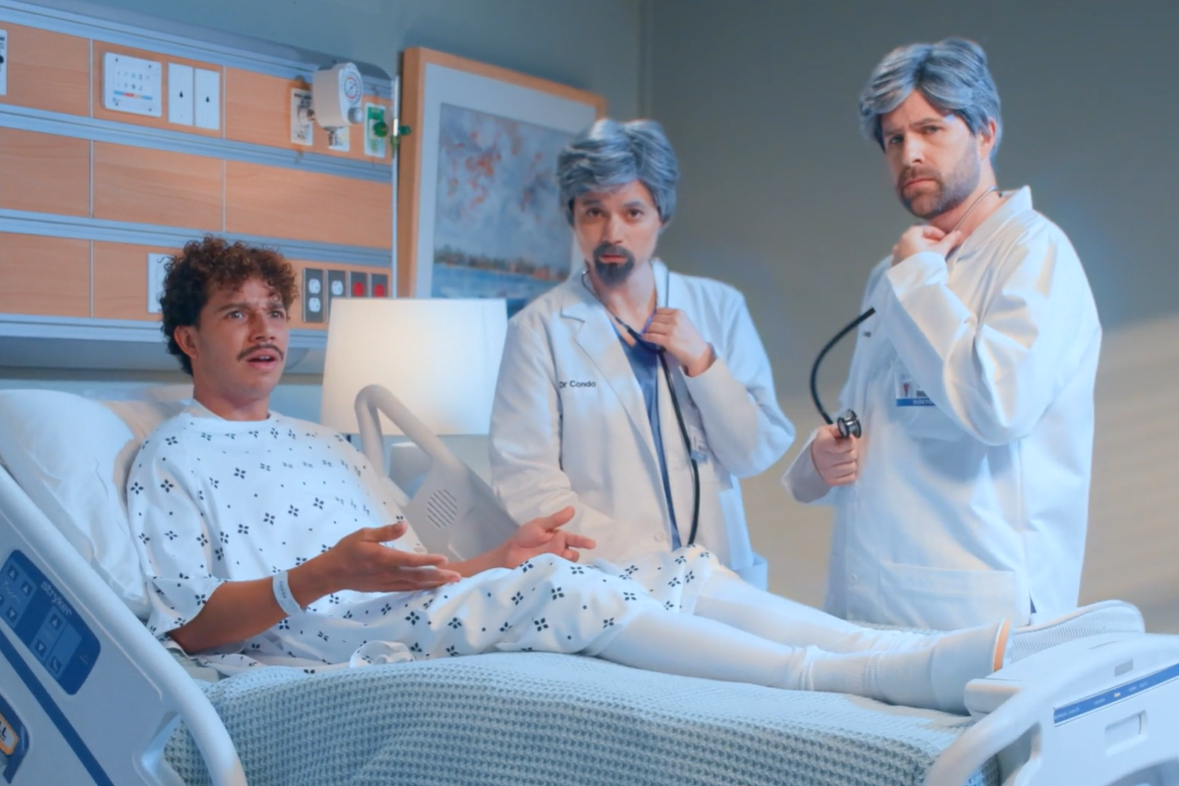
Smosh1, Dropout’s2 Game Changer3and Make Some Noise,4 and improv troupe Shoot From The Hip5 all approach improv differently. Smosh builds on the chemistry and personalities of a familiar cast, while Dropout uses games, prompts, and challenges to push performers into unexpected situations. Shoot From The Hip, however, takes a more stripped-down approach, relying on its performers to create characters, relationships, and entire stories with little more than an audience suggestion.
How Smosh Turns Cast Chemistry Into Improv Comedy
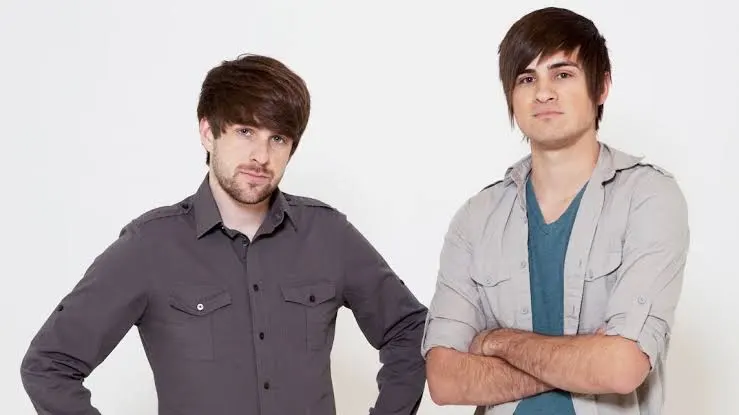
Smosh Pit Theater6, which launched in 2019, turned the Smosh cast into an improv ensemble. According to co-founder Ian Hecox, the series brings the “Smosh Family” together to recreate fan fiction, childhood diaries, and scenes inspired by comments and DMs.7
The format works because viewers already know the performers. Shayne’s exaggerated confidence, Courtney’s dry delivery, Chanse’s theatrical energy, and Damien’s tendency to fully commit to a ridiculous idea all become tools the cast can play with. A simple prompt can become a running joke because everyone knows how the others are likely to react.

That familiarity also allows the cast to build jokes instead of stopping at the first punchline. Someone introduces an absurd idea, another performer treats it as completely serious, and a third person adds a detail that makes the situation even more ridiculous. The scene keeps moving because the performers are reacting to each other rather than waiting for a predetermined punchline.
Recurring characters make that chemistry even more apparent. The Chosen, for example, began as a parody of overly serious action heroes before becoming one of Smosh’s recurring characters. The Spud Hut started as a joke about a rundown potato restaurant and eventually became a recurring part of the channel, even inspiring its own fictional skit show. These bits work because audiences remember them. What starts as a throwaway improv decision can become part of Smosh’s larger comedic vocabulary.
That history gives the cast more material to work with. When a familiar character or reference appears in a completely different situation, viewers already understand the joke before the scene has fully developed. The performers can also deliberately push those established bits further because they know the audience will recognize them.
More importantly, Smosh does not always need to land a polished punchline. Sometimes the funniest part is watching a performer realize that a scene has taken a bizarre turn and decide to commit to it anyway. A character might make an absurd accusation, another performer might respond with complete seriousness, and suddenly everyone is forced to build a story around a premise that did not exist thirty seconds earlier.
The reactions matter just as much as the lines. When one performer catches another off guard, their genuine confusion or attempt not to laugh becomes part of the scene. A performer breaking character, stumbling over a line, or visibly trying to understand where a scene is going can be funnier than the original joke.

That is the advantage of putting improv in front of an audience that already knows the performers. Viewers are not just watching characters interact. They are watching Shayne react to Damien, Courtney try to keep a scene together, or Chanse take a ridiculous premise far beyond what anyone expected. The relationships between the performers become part of the material.

Smosh’s improv works, then, not because every scene produces a perfect joke, but because the cast trusts each other enough to keep going when a scene gets weird. The audience gets to see that process in real time, including the mistakes, unexpected reactions, and occasional moments when a throwaway joke becomes a recurring part of the channel.
Smosh ultimately makes improv feel less like a test of who can come up with the cleverest joke and more like a test of how well a group can play together. The cast’s personalities provide the foundation, but their willingness to listen, commit, and make each other’s ideas even stranger is what keeps the comedy moving.
How Dropout Builds Improv Into Its Comedy Formats
Smosh makes improv feel like hanging out with a group of friends. Dropout makes it feel like watching a game show slowly lose control. That distinction matters. The comedy in Game Changer and Make Some Noise does not come from dropping performers into an empty room and telling them to be funny. Dropout builds elaborate games and challenges around its comedians, then leaves enough room for those structures to break down.
Game Changer is the clearest example. The premise is simple: contestants play a game, but the rules change from episode to episode, and sometimes from minute to minute. The catch is that the players often do not know what those rules are until they are already playing. A challenge can start as a normal competition before introducing a new restriction, a physical obstacle, or a twist that completely changes what the contestants are supposed to do.
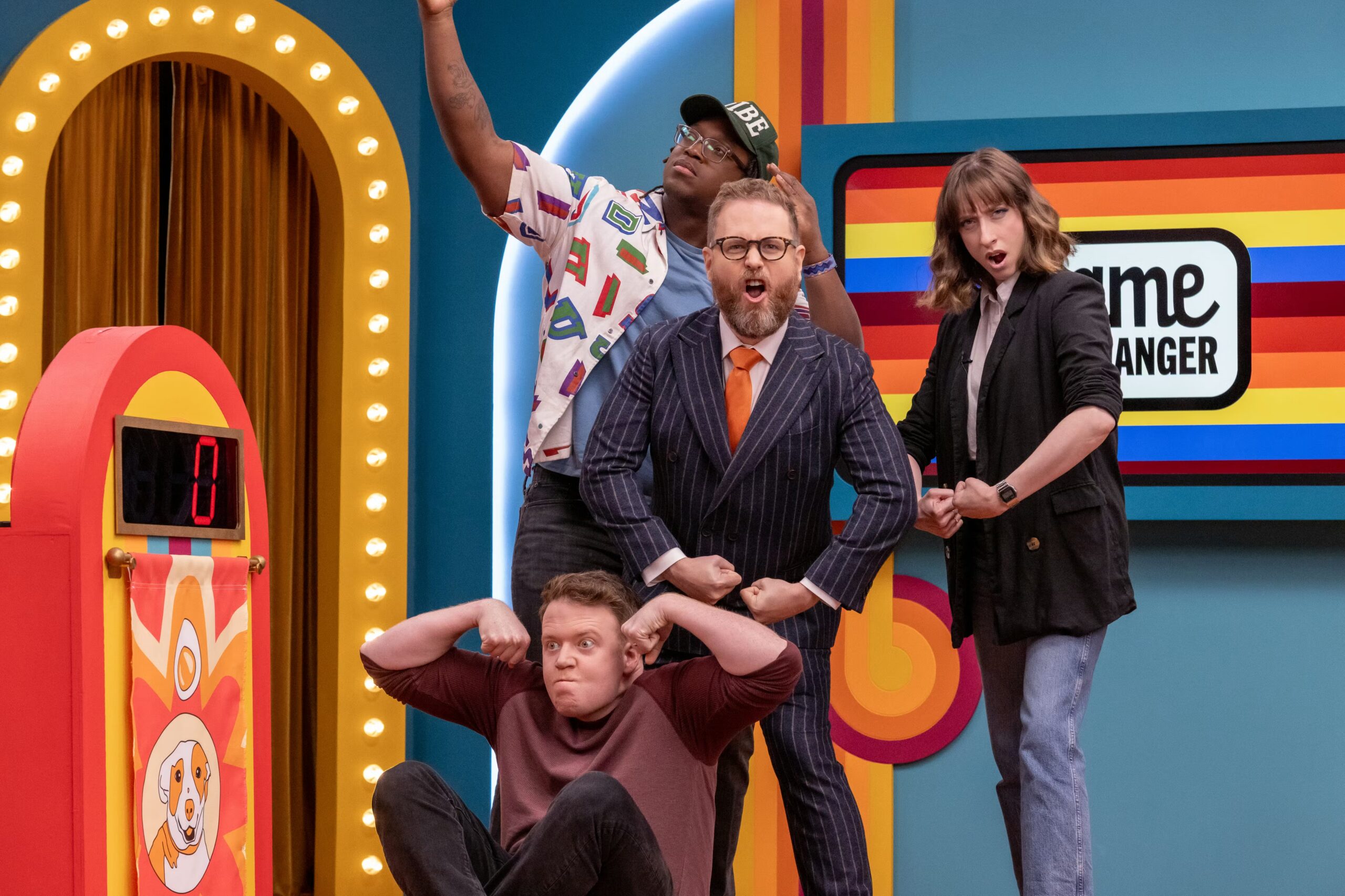
The contestants therefore have two problems to solve at once. They have to play the game, but they also have to figure out what game they are actually playing.
That is where much of the comedy comes from. A contestant realizes they misunderstood the instructions. Someone notices a detail everyone else missed. Another player confidently commits to the wrong strategy. Often, the funniest moment is simply watching someone’s expression change as they realize what is happening.
Sam Reich has described Game Changer as “masterfully controlled chaos,”8 which gets at what makes the format work. The show is heavily produced, but it rarely feels completely predetermined. The sets, props, cameras, rules, and challenges are carefully planned; the contestants’ reactions are not. Reich has also compared the show’s occasional awkwardness and unpredictability to live television. The production can create the situation, but it cannot completely control what the performers do with it.
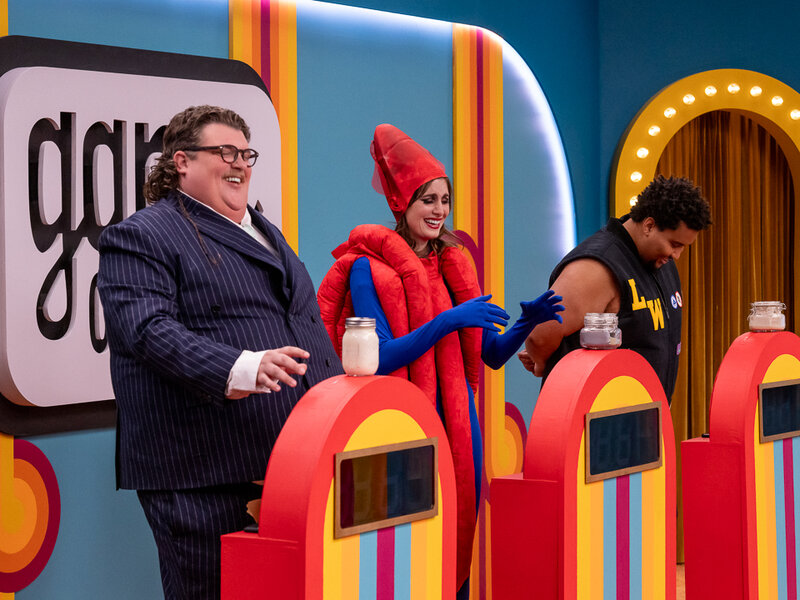
That distinction lets the contestants become the joke without making them the butt of it. A competitive comedian might take a ridiculous game far too seriously. Someone who normally plays the straight man might become increasingly unhinged when the rules change. A confident contestant can suddenly find themselves completely lost. The show gets comedy out of watching familiar performers respond to circumstances they could not have prepared for.
Make Some Noise removes even more of that preparation. Instead of putting comedians through elaborate games, the show gives them prompts and asks them to perform immediately. They might have to play an absurd character, recreate a specific sound, act out a bizarre scenario, or build a scene with another performer. The audience understands the prompt almost instantly. The performer has to catch up just as quickly.
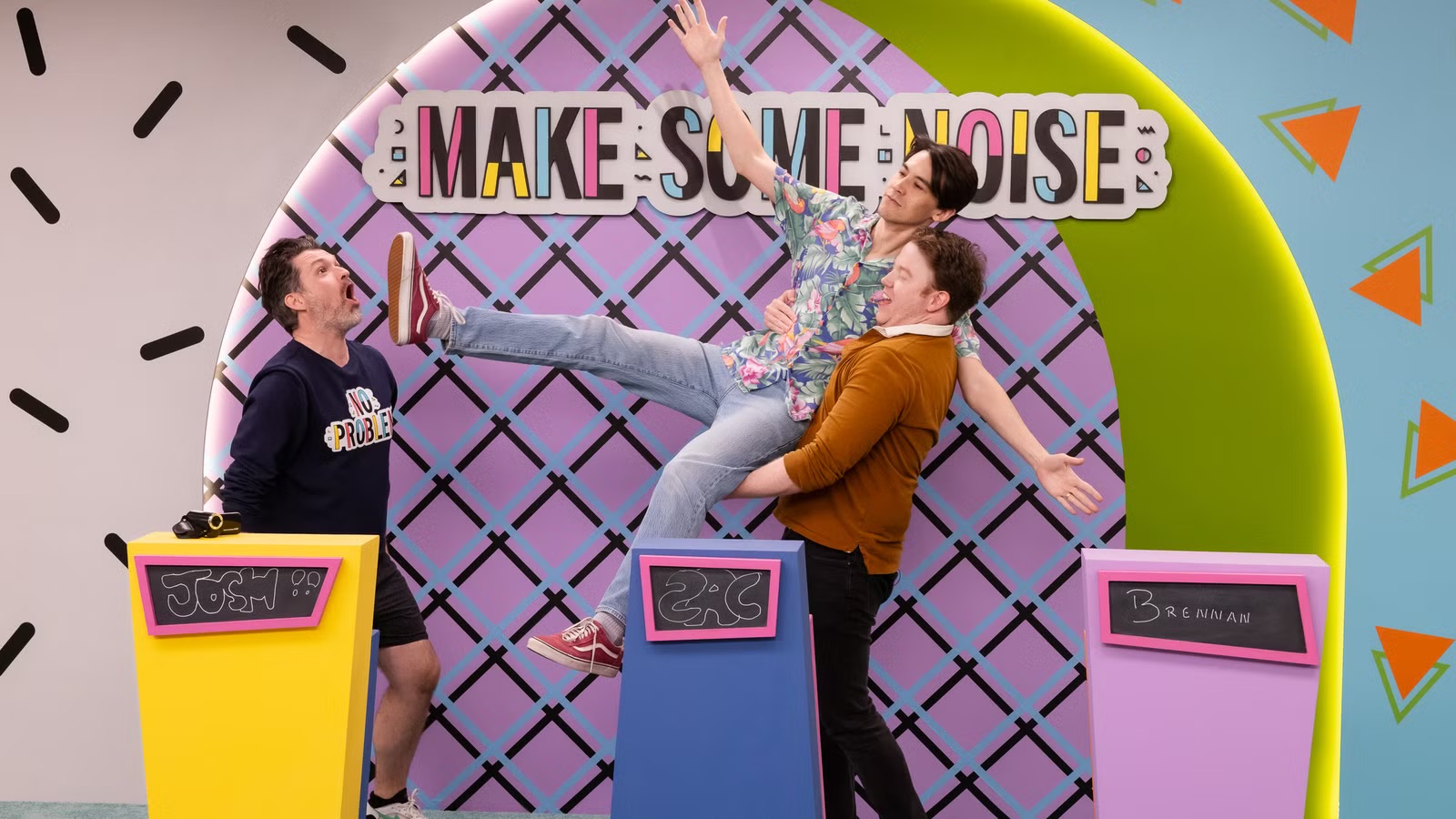
That creates a different kind of comedy. There is often a visible moment between hearing the prompt and committing to an answer. A comedian thinks for half a second, chooses an idea, and goes for it. Sometimes the result is exactly what they intended. Other times, the performer realizes halfway through the bit that they have backed themselves into a corner and have to improvise their way out.
Those moments are part of the entertainment rather than something to edit around. A stumble can become the setup for a better joke. A strange choice can force the scene partner to make an even stranger choice. A performer can start with one idea and end somewhere completely different.
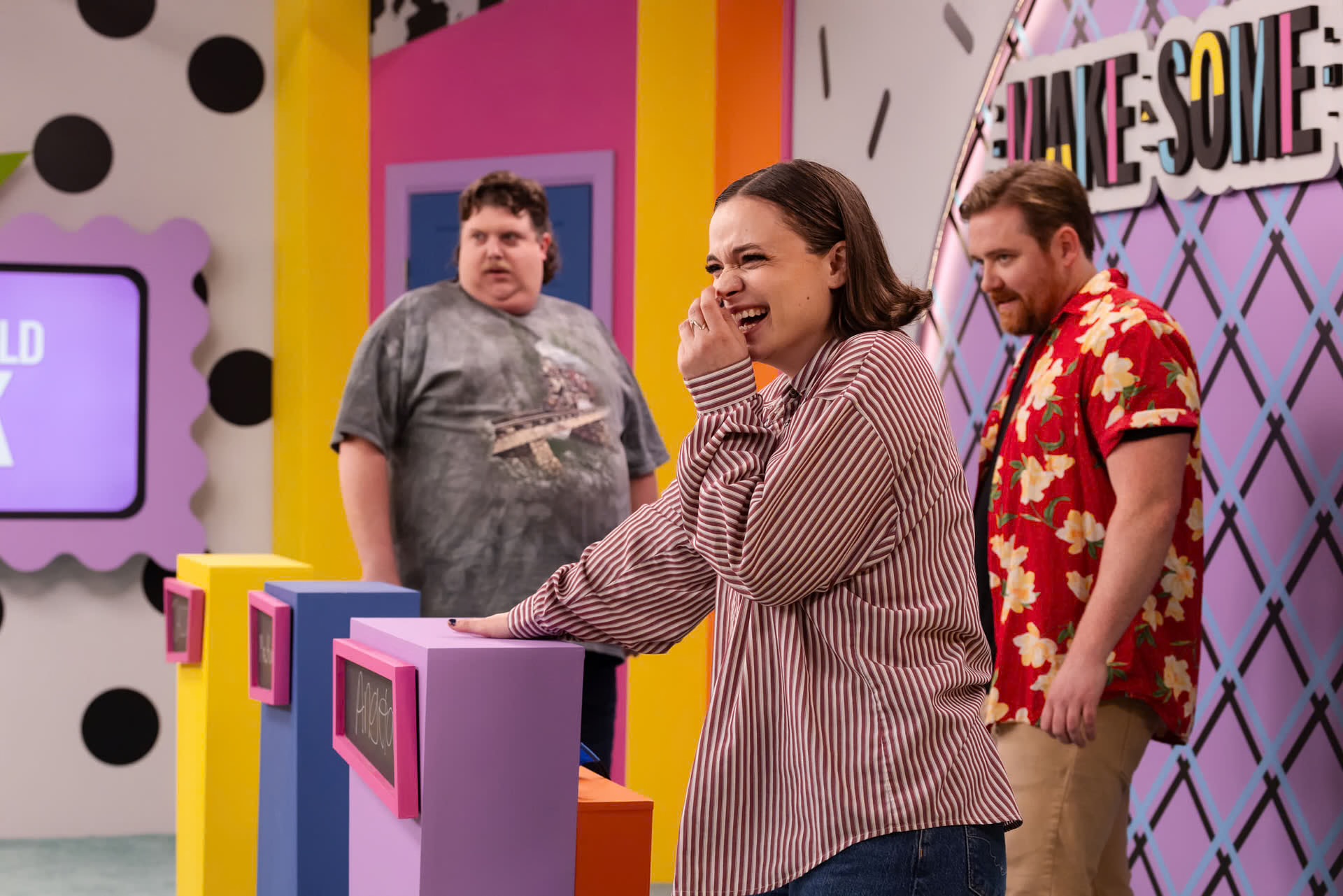
The pairings matter, too. Make Some Noise can give the same type of prompt to different comedians and get completely different results. One performer might approach a scenario with total sincerity while their partner treats it as absurd. Two performers might immediately invent a relationship between their characters and build an entire story around it. The audience is not just waiting for the punchline; it is watching the comedians negotiate the scene with each other.
That is what makes Dropout’s approach different from simply filming a traditional improv show. The platform treats spontaneity as part of the production itself. The timer, set, costumes, prompts, props, and rules all give performers something specific to react to. The structure does not replace improv. It gives the improv somewhere to go.
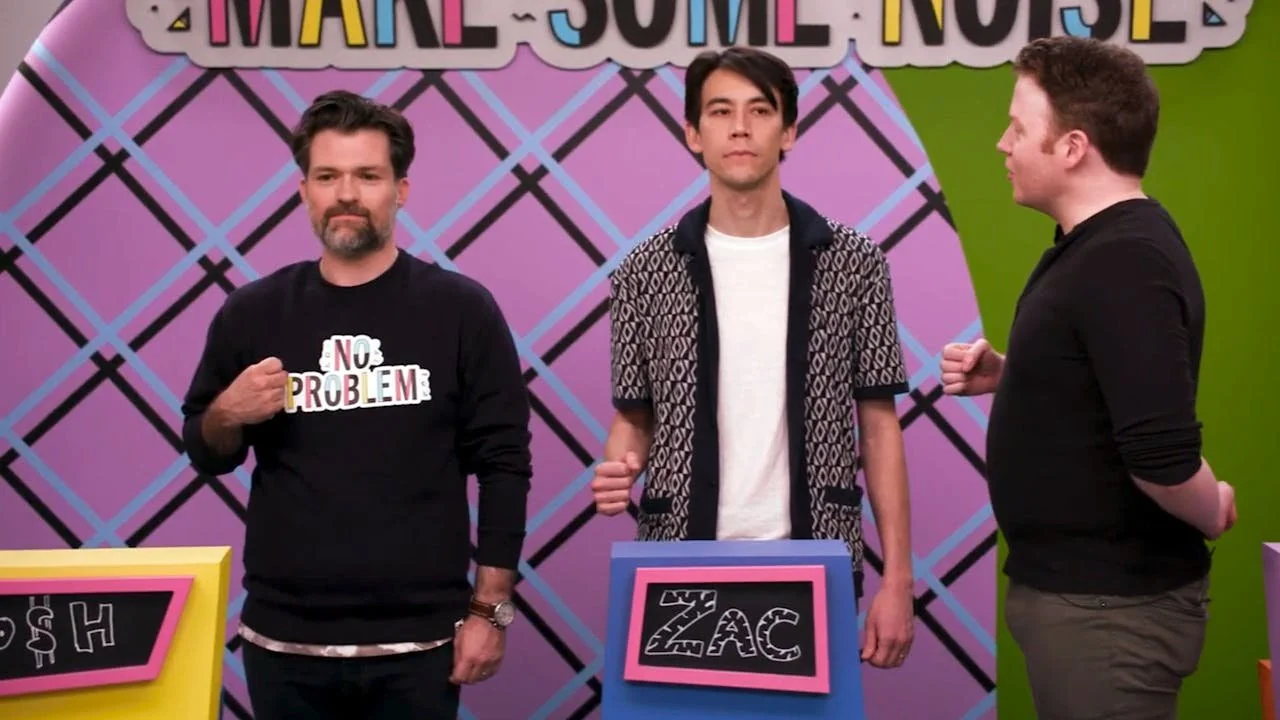
Game Changer puts comedians in situations they have to decode. Make Some Noise gives them seconds to create something from almost nothing. Both are carefully designed, but neither can fully predict what the performers will do. That gap between the plan and the result is where Dropout’s comedy comes alive.
How Shoot From The Hip Turns Improv Into Longform Storytelling
Give Shoot From The Hip9 (SFTH)10 a title, a suggestion, or almost nothing at all, and the troupe has to build a story from it. There is no script, elaborate set, or predetermined ending. The performers have to create the characters, relationships, conflicts, and plot while the show is already happening.
One of the most interesting things about SFTH is that their longform work grew out of years of performing for people who did not necessarily come to see improv. The group describes those early comedy-club years as a kind of “trial by fire,” where they had to win over audiences who were not already invested in improv.
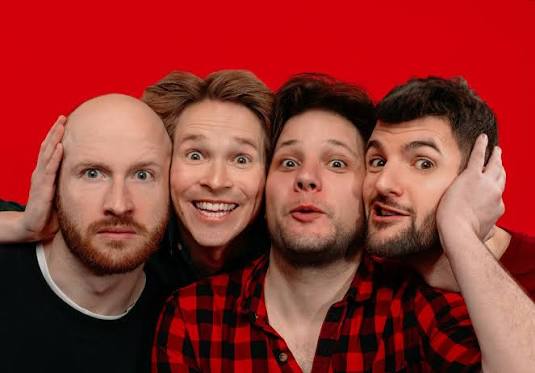
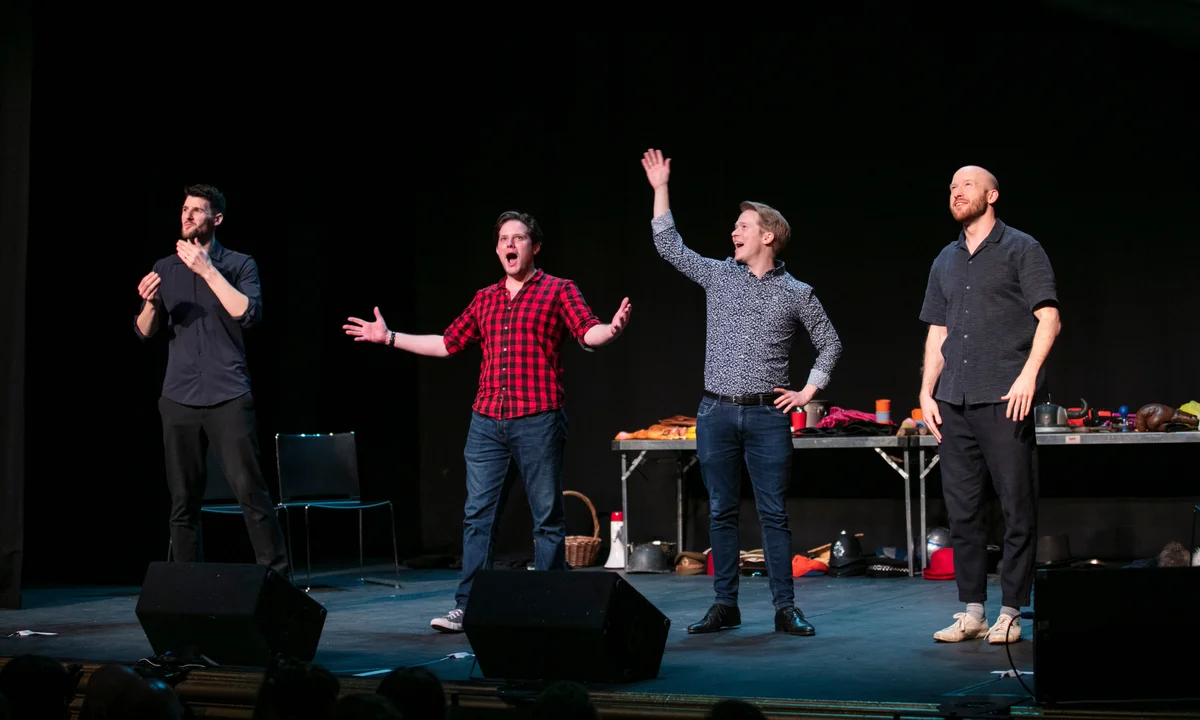
That background also helps explain why SFTH works so well online. Their live show already has a built-in rhythm: shorter, high-energy games introduce audiences to the performers before the second half opens into a 25-to-50-minute improvised play. The group says those longer performances are where audiences become attached to the characters and storylines, turning a quick laugh into something closer to fandom.
SFTH’s longform Were-Cowboys?11 is a perfect example — and that is not just because it is my own personal favorite. The premise is exactly what the title suggests: cowboys who are also werewolves. It could easily become a string of jokes about werewolves, cowboy clichés, and the absurdity of putting the two together. Instead, the performers commit to the premise as a real world and build an actual story inside it.
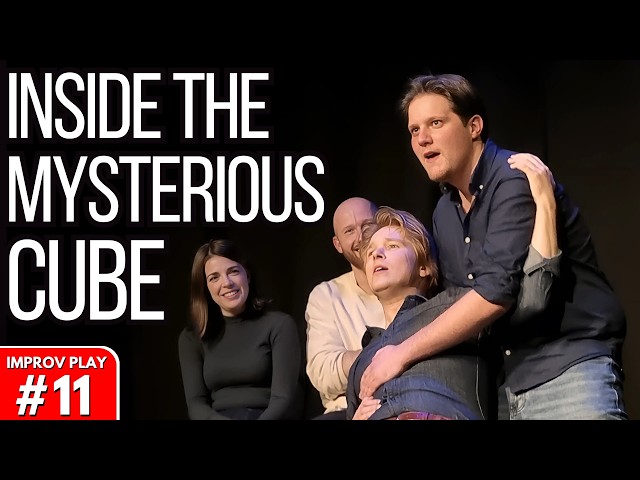
That commitment is especially important once the romantic storyline develops. Luke Manning12 helps give the story an emotional center by treating his character’s feelings seriously rather than constantly playing the absurdity for laughs. The setting is ridiculous, but the characters do not have to be. When the performers allow a romantic scene to play sincerely, the contrast makes the comedy stronger rather than weaker. Manning’s acting alongside fellow member Alexander Jeremy13, gives the romantic elements room to breathe instead of treating every emotional moment as another punchline. That sincerity makes the absurdity around them even funnier and far more engaging.
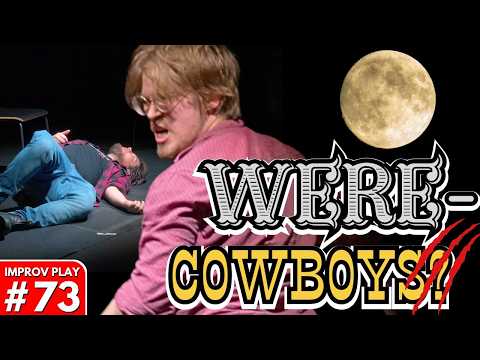
Shoot From The Hip. YouTube, uploaded by Shoot From The Hip. 2014–present.
That is the strange magic of SFTH’s improv. The audience starts out laughing at the premise and can end up genuinely invested in the people inside it. The performers have no idea where the story is going, but they trust each other enough to follow it anyway. As the group puts it, one of the keys to making a career out of improv is simply “trust in each other and in ourselves.”
It also shows why longform improv requires performers to resist the urge to chase every laugh. If someone introduces a character, another performer has to give that character something to respond to. If a relationship starts developing, the cast has to remember it. If a joke establishes a new piece of the world, someone can bring it back later instead of immediately moving on to something else.
Those choices create consequences. A character’s decision in one scene can become the problem in the next. A minor character can return with information that changes the story. Two storylines that seemed unrelated can eventually collide. The audience gets the satisfaction of seeing earlier choices pay off, even though none of those choices were planned.
That is what separates SFTH’s14 longform from the shorter improv formats used by Smosh or Dropout. Smosh can build a scene around a cast member’s personality. Make Some Noise can give a comedian a bizarre prompt and let them run with it. SFTH has to keep its characters and world coherent long enough to sustain an entire story.
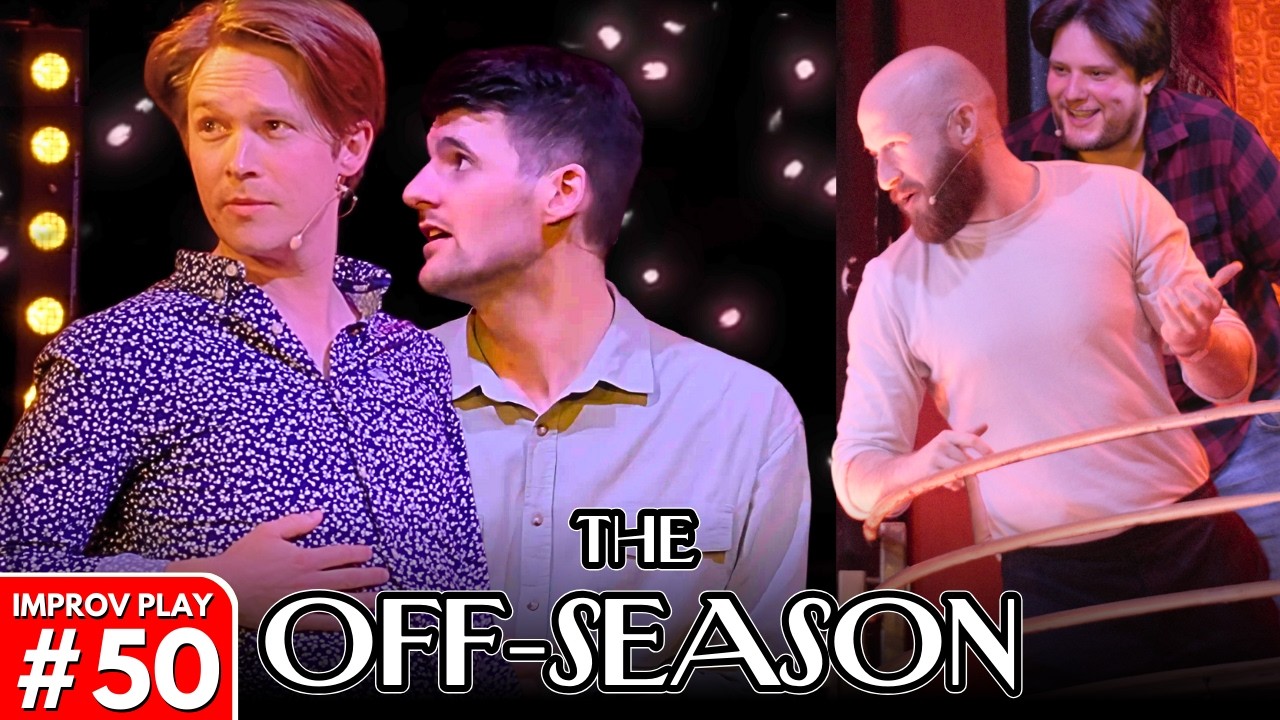
The performers therefore have to listen constantly. If someone introduces a new relationship, the others have to accept it. If a character suddenly reveals a secret, everyone has to treat that information as real. If the scene takes an unexpected turn, the cast cannot simply reset and try again. They have to find a way forward using whatever has already happened.
That is also where the risk of longform becomes part of the appeal. When a scene stalls, there is no edit to hide it. When a performer makes an unexpected choice, the rest of the cast has to adapt. A scene can become stranger than anyone intended, but the performers still have to make the next decision work.
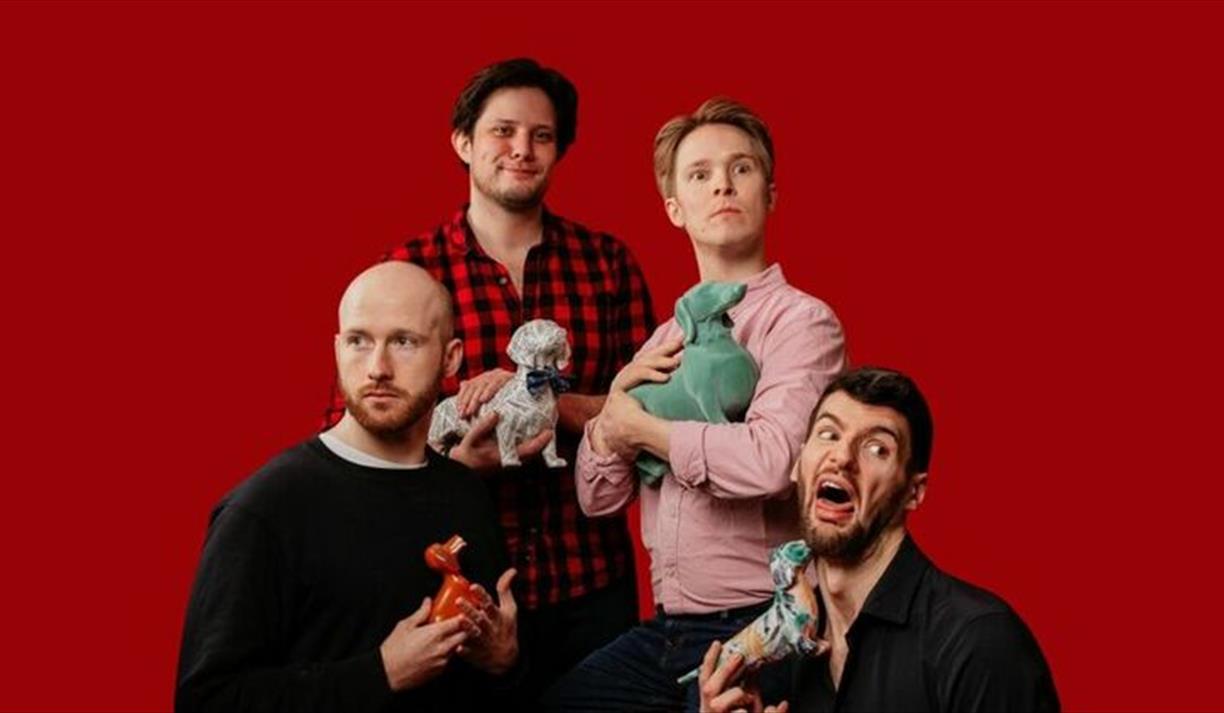
SFTH’s appeal is ultimately less about wondering what joke comes next and more about wondering what happens next. The performers are not simply improvising lines. They are making choices that change the story, then living with those choices. By the end, something exists that did not exist when the performers walked onstage: an entire story built one decision at a time.
Why Improv Comedy Thrives Online
Improv15 works online because it gives audiences something polished content often removes: the creative process itself.
Smosh builds comedy around the chemistry of a familiar cast. Dropout creates elaborate games and challenges that force performers to adapt. Shoot From The Hip uses almost nothing beyond its performers and an idea, then builds an entire story from there. Their formats are different, but each depends on leaving room for performers to make choices they could not have made in advance.

Those choices are often where the best moments come from. A Smosh cast member turns a throwaway character into a recurring bit. A Game Changer contestant realizes they have completely misunderstood the rules. An SFTH performer introduces a small detail that becomes important much later. The audience gets to see those decisions happen instead of only seeing the polished result.
That makes mistakes valuable, too. A performer can stumble, misread a prompt, commit to a bad idea, or accidentally create something much better than expected. Instead of cutting around those moments, improv makes them part of the entertainment. The audience watches performers react, adjust, and build on whatever has already happened.
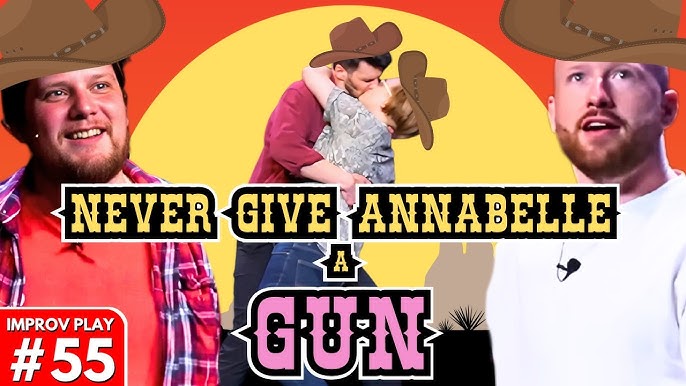
It also explains why these shows can feel more personal than conventional scripted comedy. Viewers already know the personalities on Smosh and Dropout, while SFTH audiences become familiar with the performers through their recurring characters and performance styles. Watching those people react to situations they could not fully anticipate creates a different kind of connection. The audience is not just watching characters deliver jokes. They are watching performers make decisions in real time.
That immediacy is especially effective online. YouTube and streaming platforms make it possible for performers to build formats around their personalities rather than separating the performer from the finished product. The audience can follow recurring cast members, recognize running jokes, and watch those relationships develop across episodes and performances.
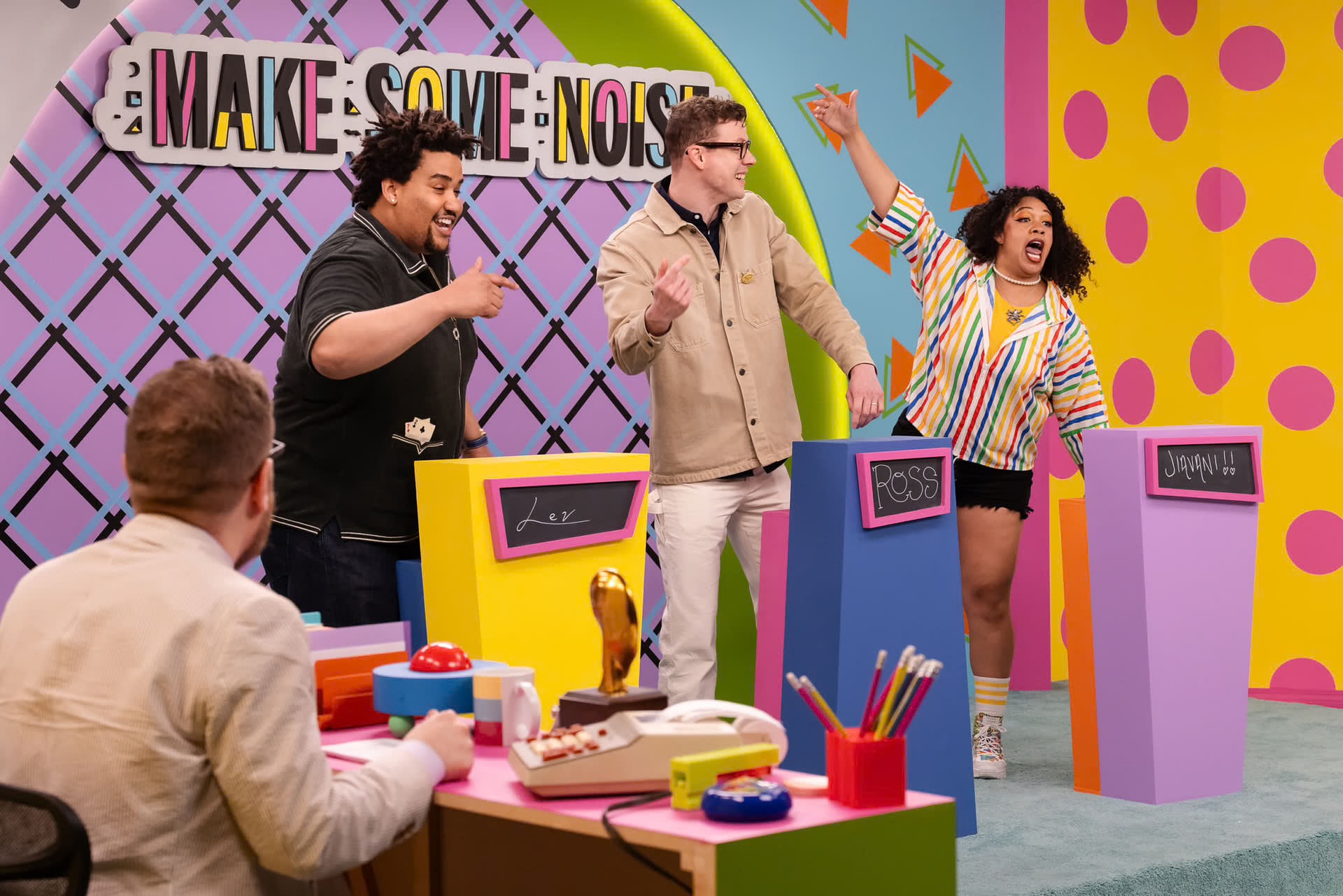
Smosh, Dropout, and SFTH each take advantage of that in their own way. Smosh relies on chemistry. Dropout builds controlled situations that encourage chaos. SFTH trusts its performers to create a story without knowing where it will end.
Furthermore, each group has several accessibility features on their content. For example, every SFTH video on YouTube comes equipped with color-coded subtitles as well as emotional indicators for hard-of-hearing fans. This dedication to viewer experience only furthers the addicting nature of their videos.
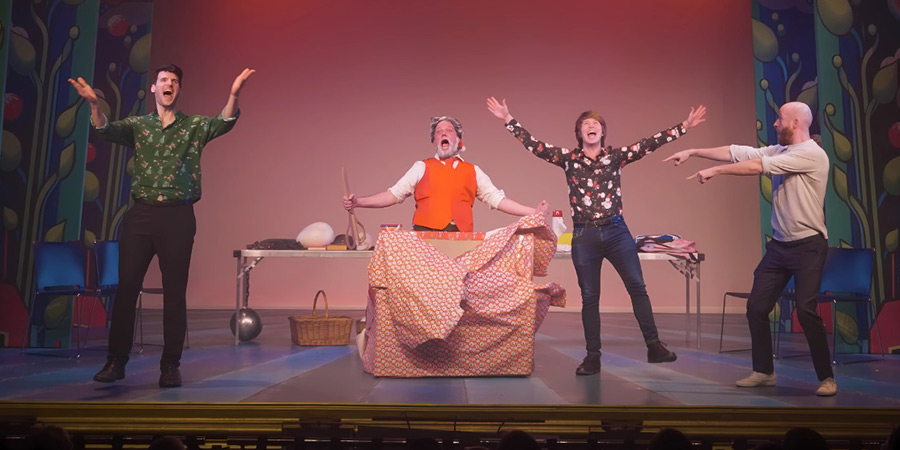
The result is comedy that feels less like a finished object and more like something being made in front of you. The audience sees the setup, the mistake, the recovery, and sometimes the moment when an ordinary idea becomes the best joke of the performance.
That is the real appeal of online improv. It does not need to be perfectly unpredictable or completely unplanned. It just needs to leave enough room for something neither the performers nor the audience expected.
Footnotes
- Smosh. n.d. “Smosh.” ↩︎
- Dropout. n.d. “Dropout.” ↩︎
- Wikipedia. 2026. “Make Some Noise (TV series).” ↩︎
- Wikipedia. 2026. “Make Some Noise (TV series).” ↩︎
- Hip, Shoot From The. n.d. “Shoot From The Hip.” ↩︎
- “Smosh Pit Theater.” n.d. ↩︎
- “These L.A. Comedy Stars Sprang From One of the First Ever YouTube Channels ~ L.A. TACO. ↩︎
- Zwiezen, Zack. 2025. How All Those Wild & Devious Game Changer Episodes Are Made. ↩︎
- Shoot From The Hip: Why This Improv Group Is Selling Out Theatres Around the World. ↩︎
- Guide, British Comedy. 2025. “An Induction into Improv: Q&A with Shoot From The Hip.” ↩︎
- IMPROVISED PLAY #73 | “Were-Cowboys?” | Shoot From The Hip (Feat Will Dixon). n.d. ↩︎
- “Luke Manning | Actor, Director, Writer.” n.d. ↩︎
- “Alexander Jeremy | Writer, Director, Actor.” n.d. ↩︎
- Meet The Short Form Heroes – INTERVIEW – Shoot From The Hip. 2020. ↩︎
- Sheridan, Kerry. 2025. “Improv Comedy: Why This Spontaneous Art Form Is Gaining New Audiences.” ↩︎