Table of Contents Show
Emerging from online music communities in the late 2010s, hyperpop blended bubblegum bass, EDM, nightcore, emo rap, and internet remix culture into a sound defined by distortion, exaggerated melodies, and digital excess.
The genre thrived in spaces where experimentation was encouraged and traditional ideas of authenticity held little value. Artists embraced artificiality, fluid identities, and a deliberately chaotic aesthetic that reflected the internet-native environments in which the genre developed.
As hyperpop’s popularity grew, however, its outsider status became increasingly difficult to maintain. Streaming platforms rewarded songs engineered for immediate engagement, viral trends began shaping artistic choices, and record labels quickly recognized the commercial potential of a once-niche movement. In the process, a genre rooted in experimentation and community-driven creativity became another marketable product, illustrating how rapidly digital subcultures can be absorbed into the systems they initially resisted.
From Internet Subculture To Marketable Sound
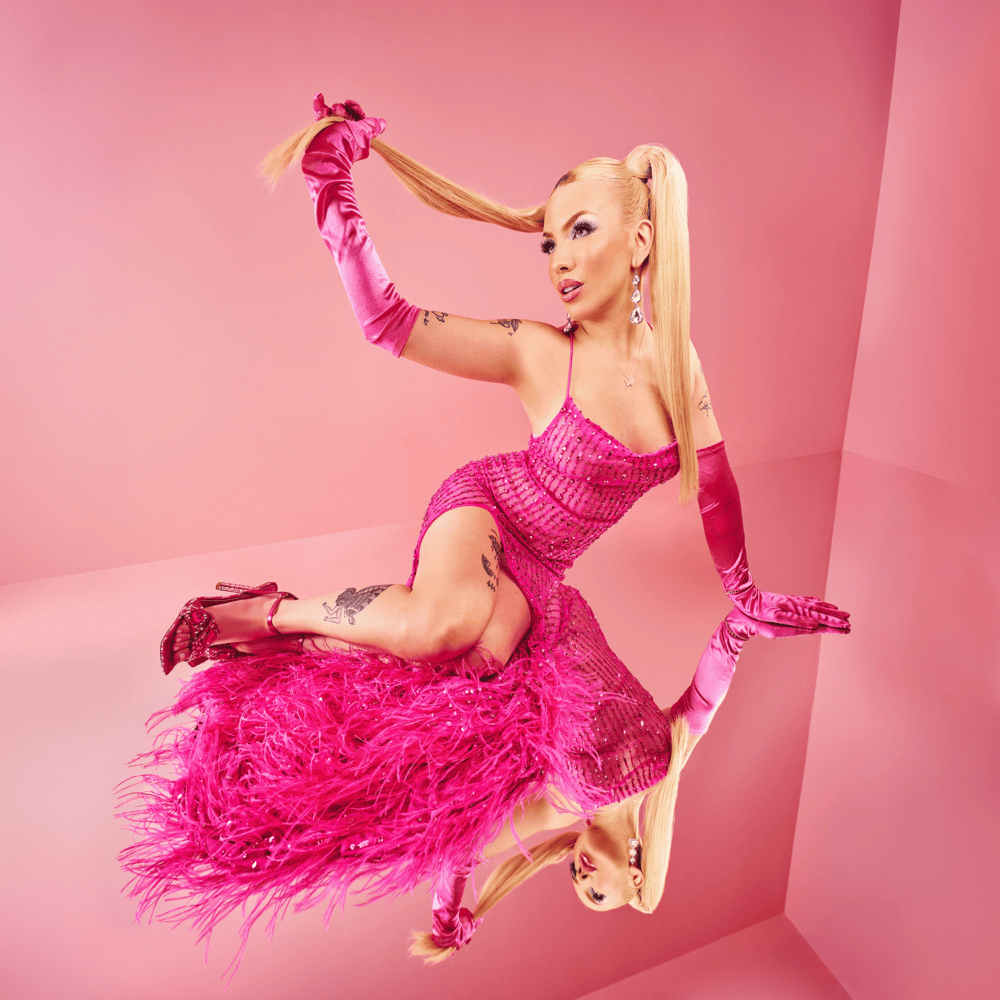
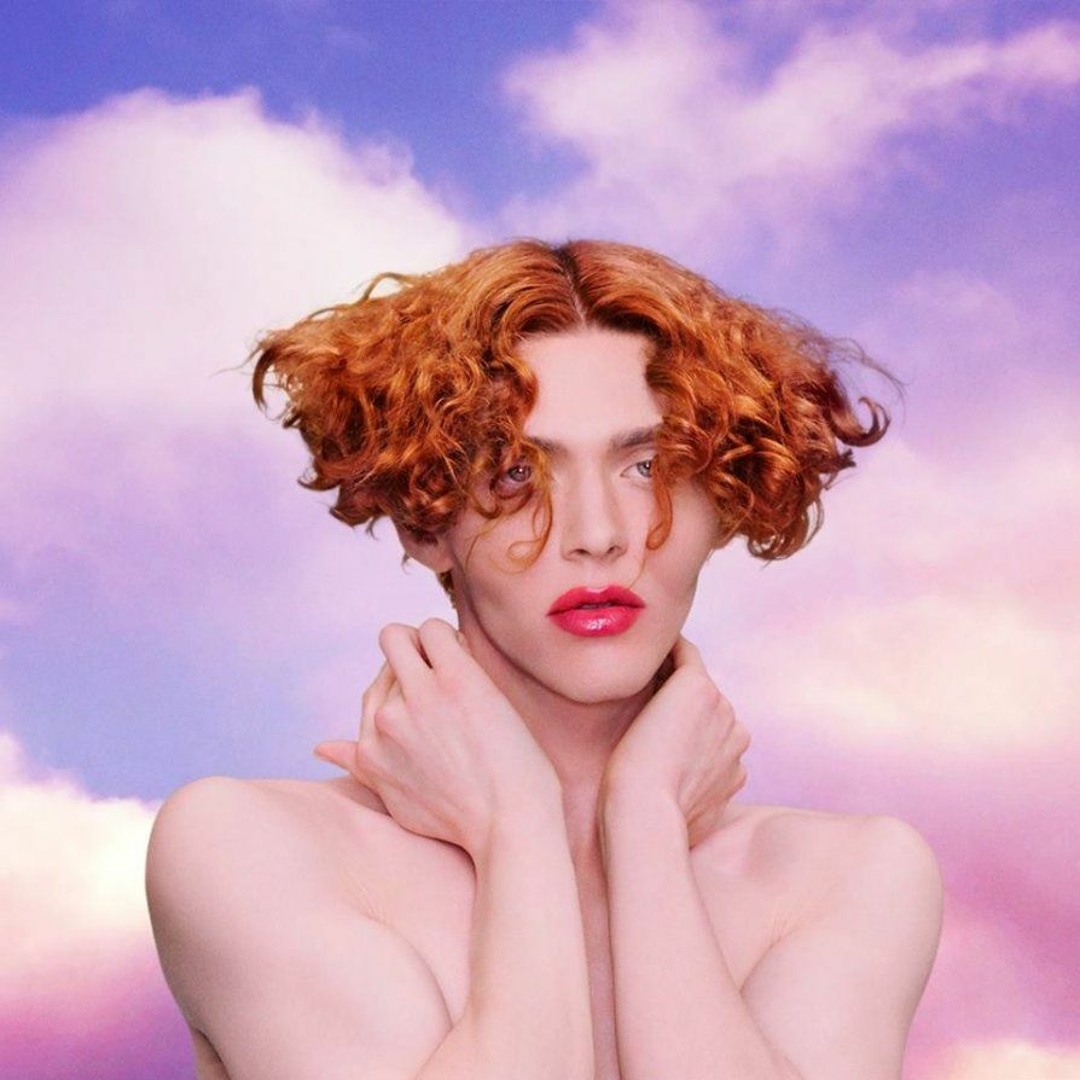
Hyperpop was largely built by independent artists working outside traditional industry structures. Many of its most influential figures — including SOPHIE1, A. G. Cook2, Laura Les3, Chrissy Chalpeka4, and Dorian Electra5 — used the genre to challenge expectations surrounding gender, identity, and pop music itself. Rather than pursuing mainstream accessibility, their work embraced extremes: distorted vocals, abrasive production, and an unapologetic sense of artificiality.
The genre flourished through platforms such as SoundCloud6, Bandcamp7, Discord8 servers, and niche online forums, where artists collaborated freely without the gatekeeping mechanisms of major labels. Music could be released quickly, remixed endlessly, and shared directly with audiences. This accessibility allowed hyperpop to develop as a community-driven movement rather than a commercially engineered trend.
Its exaggerated sound often functioned as both celebration and parody. Hyperpop amplified the manufactured qualities of pop music to absurd levels, exposing the artificiality that mainstream pop typically disguises. Because it resisted easy categorization, it initially proved difficult for the music industry to package and sell.
Ironically, the same digital infrastructure that allowed hyperpop to exist outside the mainstream eventually propelled it into it. Recommendation algorithms on TikTok9, Spotify10, and YouTube11 favored the genre’s fast-paced production and attention-grabbing hooks, making it highly adaptable to short-form content. Songs that were once shared within niche online communities could suddenly reach millions of listeners through viral trends and algorithmic recommendations.
As platforms increasingly rewarded engagement and replayability, many of hyperpop’s defining characteristics, including distorted vocals, abrupt beat switches, and catchy melodic fragments, became valuable not only as artistic choices but also as features that increased visibility and audience reach.

While SOPHIE and A. G. Cook helped establish the genre’s foundations, many fans point to 100 gecs’ “money machine”12 (2020) as hyperpop’s first major viral breakthrough. Further into the COVID-19 pandemic, audiences spent more time online than ever before, creating ideal conditions for internet-native music to spread. The genre reached an even larger audience with ElyOtto’s “SugarCrash!,”13 after it became a viral audio on TikTok. Since then, the song has amassed over 400 million streams on Spotify alone.
As hyperpop’s audience expanded, its defining characteristics — pitched vocals, maximalist production, glitch-heavy sound design, and internet-inspired visuals — began circulating independently of the communities that created them. What had once been a subculture gradually became a recognizable aesthetic, and major entertainment companies took notice. Labels such as HYBE14 increasingly incorporated hyperpop-inspired sounds into carefully managed commercial projects aimed at mainstream audiences.
The Debate Over Authenticity
Hyperpop’s commercial success has sparked ongoing debates about authenticity. As its influence spread beyond the online communities that nurtured it, many artists and fans began questioning what remained of the genre once its cultural context was removed.
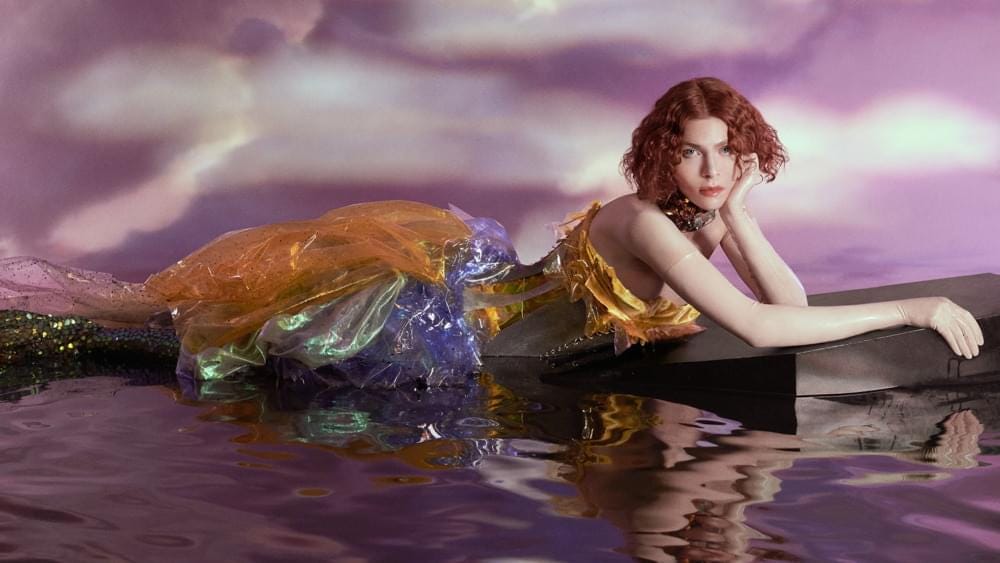
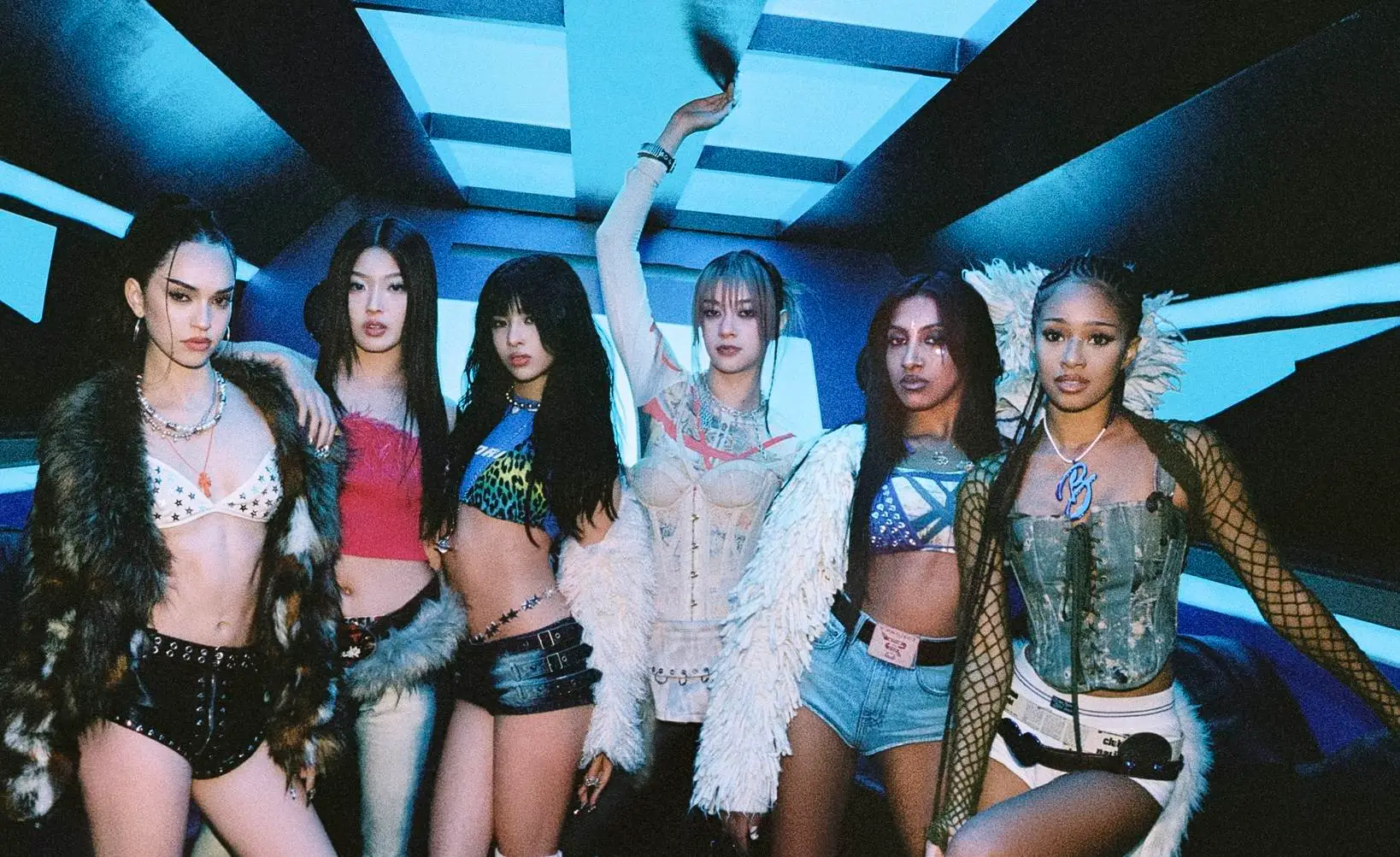
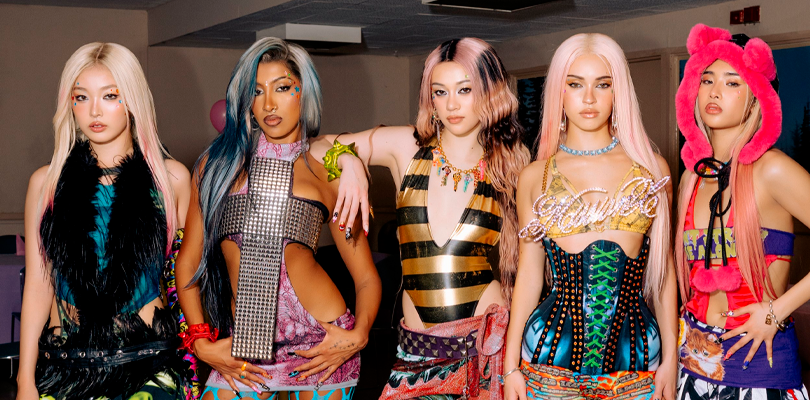
Groups such as KATSEYE15 exemplify this tension. While not strictly a hyperpop act, the group incorporates many of the genre’s recognizable traits — maximalist production, internet-centric imagery, and intentionally absurd lyrics — within a highly curated pop framework. Their music demonstrates how hyperpop’s aesthetic has become valuable even to artists operating far outside the scene that originally produced it.
For critics, the concern is not that mainstream artists borrow from hyperpop, but that they often borrow only its surface-level characteristics. Early artists such as SOPHIE and Dorian Electra used exaggeration, irony, and digital absurdity to explore queerness, alienation, and online identity. Those artistic choices carried specific cultural meanings tied to the communities from which they emerged.
When these elements are removed from their original context and repackaged for mass audiences, the result can feel disconnected from the ideas and experiences that gave them significance. What remains is often the aesthetic of hyperpop rather than the cultural and artistic motivations that helped define the genre in the first place.
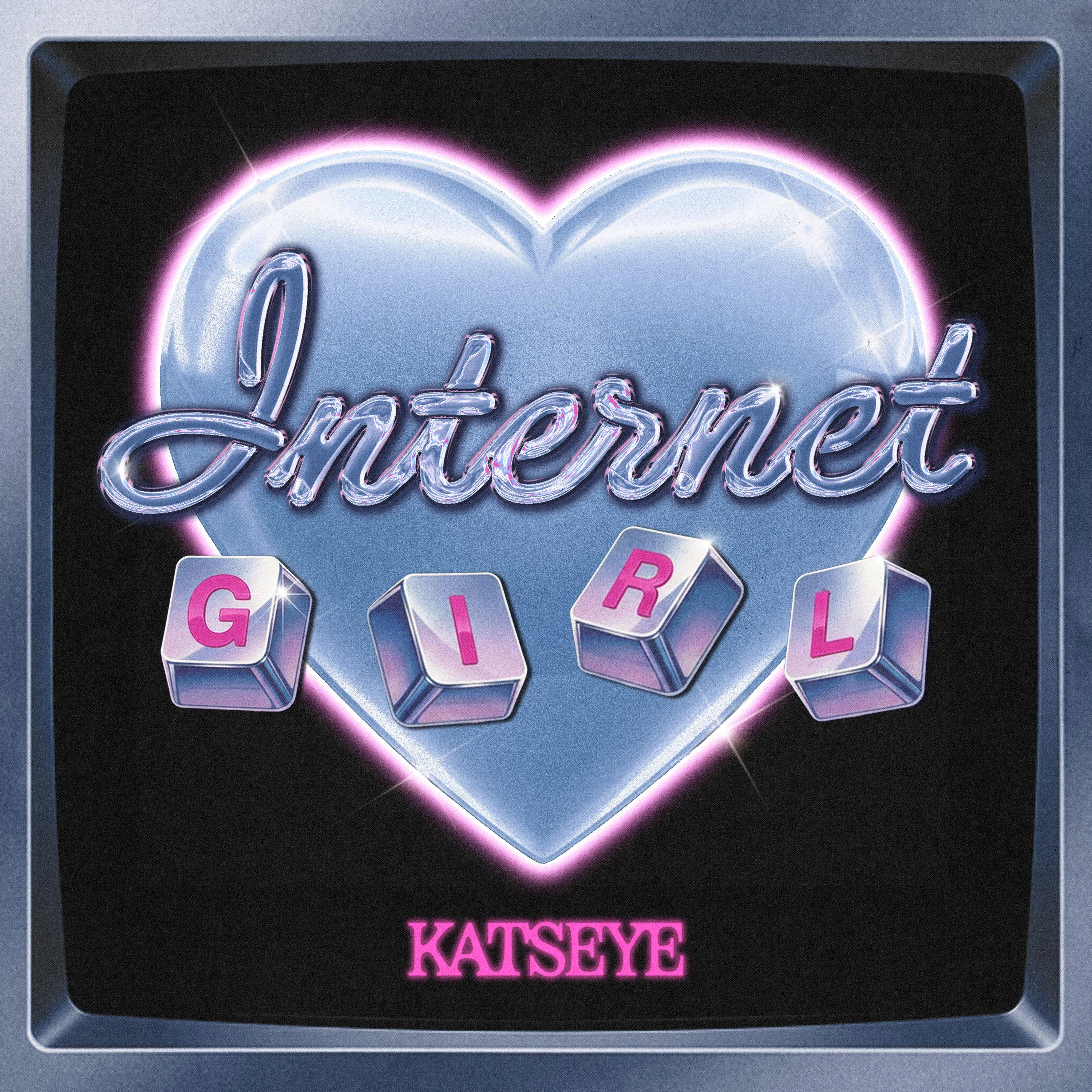
By comparison, songs such as KATSEYE’s “Pinky Up”16 and “Internet Girl”17 frequently reduce internet culture to viral references, meme humor, and shock value. Lyrics such as “eat zucchini” and “Us against the world, shaking ass in the parking lot” recreate hyperpop’s chaotic energy without engaging with many of the ideas that once fueled it. The result is a polished version of the genre’s eccentricity: recognizable, commercially viable, and largely detached from its original purpose.
The issue is not that the sound has reached a larger audience, but that the elements most easily marketable are often the ones that survive the transition. Distorted vocals, exaggerated production, and intentionally chaotic songwriting can be easily reproduced but without the perspectives and experiences that originally gave those artistic choices meaning.
As a result, hyperpop risks becoming a set of aesthetic conventions rather than a creative space for experimentation and self-expression. What was once a genre defined by its challenge to mainstream expectations can begin to resemble the very pop formulas it initially sought to disrupt.
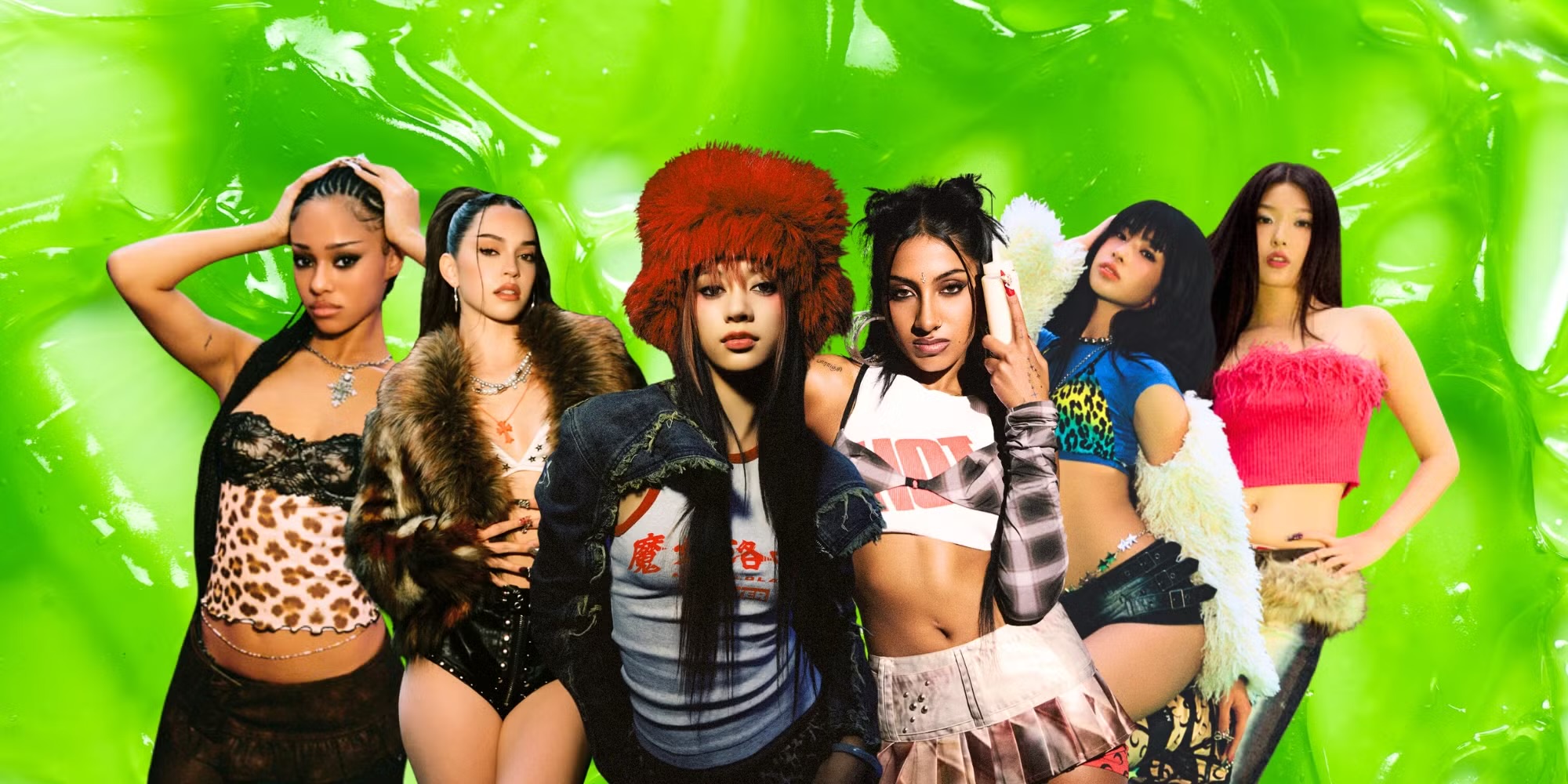
This pattern extends far beyond hyperpop. Punk, grunge, and hip-hop all underwent similar transformations as corporations recognized their cultural influence and repackaged their aesthetics for mass consumption. Once a subculture becomes profitable, its most visible elements tend to survive while its political, social, or ideological foundations become less prominent.
For hyperpop, this raises a larger question. If audiences primarily encounter the genre through commercial reinterpretations, will they still recognize the artists and communities that shaped it? The debate over authenticity is ultimately less about ownership than about cultural memory — whether the genre’s history remains visible as its sound becomes increasingly mainstream.
Can Hyperpop Survive Commercialization?
Commercial success does not automatically erase a genre’s identity. The more important question is how artists engage with the culture behind the sound.
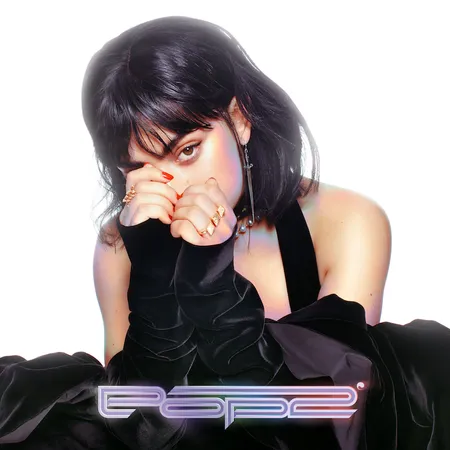
Charli xcx offers one example of how hyperpop can reach mainstream audiences without entirely severing its roots. Across projects such as “Pop 2,”18 “how i’m feeling now,”19 and “BRAT,”20 she collaborated extensively with foundational figures including A. G. Cook and consistently brought attention to the producers and artists who helped shape the genre. Rather than simply adopting hyperpop’s sonic aesthetics, Charli participated directly in its creative ecosystem.
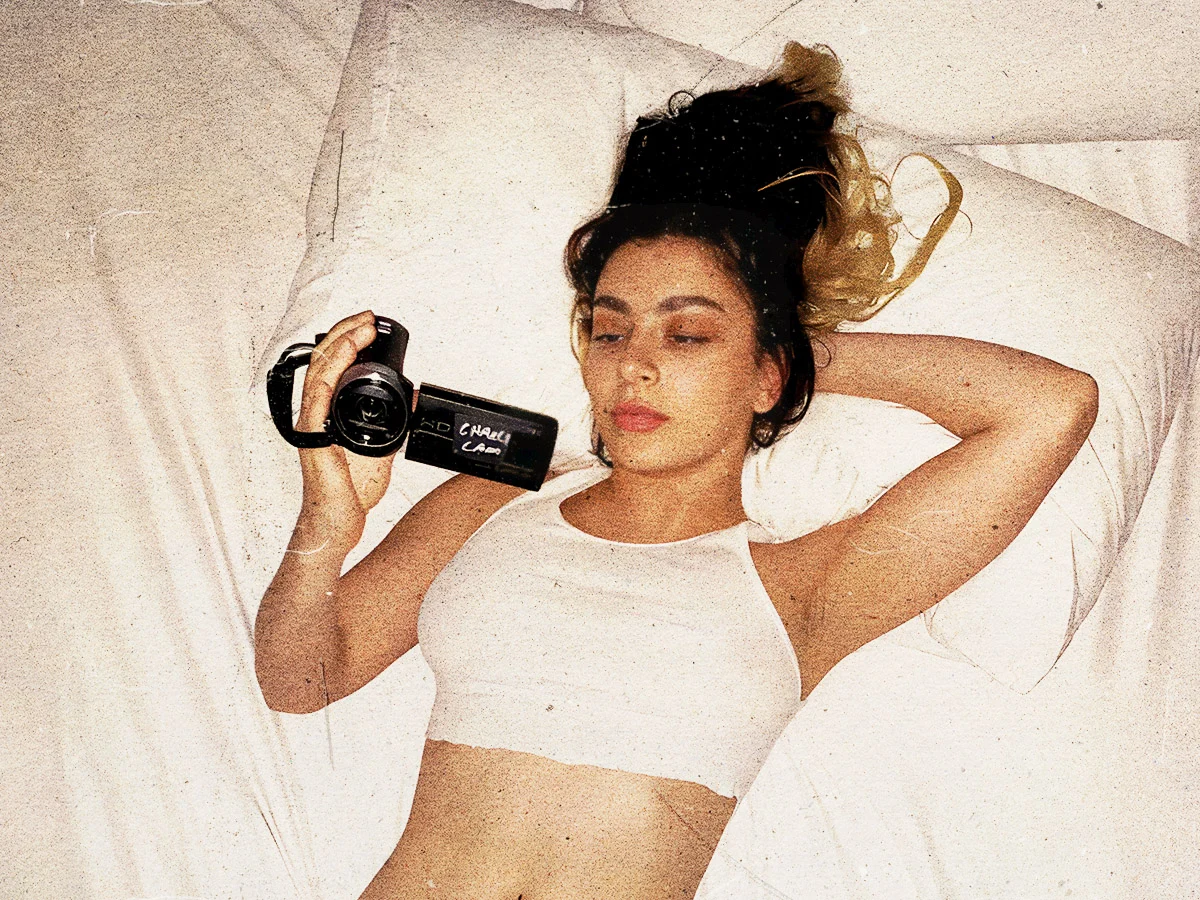
That connection is reflected in her songwriting as well. Where KATSEYE often approaches internet culture through detached humor and viral imagery, Charli frequently uses hyperpop’s exaggerated production to explore emotional vulnerability. Songs such as “party 4 u”21 examine loneliness and unreciprocated desire beneath layers of digital distortion, while “claws”22 and “forever”23 transform hyperpop’s chaotic textures into expressions of intimacy, obsession, and longing.
Even as her profile grew, Charli’s work remained tied to many of the themes that defined hyperpop’s earliest innovators: identity, connection, emotional excess, and life online. Her career suggests that commercialization itself is not inherently destructive. What matters is whether artists treat hyperpop as a living culture with a history and community or simply as a collection of profitable trends.
What Happens When A Subculture Becomes A Product?
Hyperpop’s rise from niche internet experiment to mainstream commodity follows a familiar trajectory. A movement that began as a queer, collaborative challenge to conventional pop music has increasingly been transformed into a recognizable aesthetic package — one defined by distorted vocals, chaotic production, and internet-savvy branding.
The rise of acts such as KATSEYE demonstrates how easily hyperpop’s aesthetics can be separated from the culture that produced them. Sounds and visual styles that once emerged from niche online communities are now increasingly used as marketable trends, often without the same emphasis on experimentation or the values that originally defined the genre.
However, mainstream success does not automatically erase a genre’s identity. Ultimately, the conversation surrounding hyperpop is less about gatekeeping and more about preservation. The elements most easily packaged for mass consumption often outlast the communities and ideas that gave them meaning.

Whether hyperpop continues as a meaningful artistic movement or settles into a marketable aesthetic depends on how its history is remembered and represented. As labels and corporations increasingly adopt the genre’s stylistic markers, audiences have a role in deciding which artists receive recognition and support. Looking beyond viral trends and algorithm-driven playlists to engage with the musicians who helped build the scene can help preserve the genre’s creative legacy.
Commercialization may be unavoidable, but it does not have to result in cultural erasure. Hyperpop’s future will depend not on whether it becomes popular, but on whether its success continues to acknowledge the artists, communities, and experimental spirit that made the genre possible in the first place.
Footnotes
- “SOPHIE.” n.d. Accessed June 13, 2026. Spotify. ↩︎
- “A. G. Cook.” n.d. Accessed June 13, 2026. Spotify. ↩︎
- “Laura Les.” n.d. Accessed June 13, 2026. Spotify. ↩︎
- “Chrissy Chlapecka.” 2026. June 13. Spotify.
↩︎ - “Dorian Electra.” 2026. June 13. Spotify. ↩︎
- “Stream and Listen to Music Online for Free with SoundCloud.” n.d. Accessed June 13, 2026. ↩︎
- “Bandcamp.” n.d. Accessed June 13, 2026. ↩︎
- “Discord – Group Chat That’s All Fun & Games.” n.d. Accessed June 13, 2026. ↩︎
- “TikTok – Make Your Day.” n.d. Accessed June 13, 2026. ↩︎
- “Spotify – Web Player: Music for Everyone.” n.d. Accessed June 13, 2026. ↩︎
- “YouTube.” n.d. Accessed June 13, 2026. ↩︎
- Money Machine – Single by 100 Gecs | Spotify. 2020. August 22. ↩︎
- SugarCrash! – Single by ElyOtto | Spotify. 2020. August 25. ↩︎
- “HYBE.” n.d. Accessed June 13, 2026.
↩︎ - “The Official Home of KATSEYE, Featuring Music, Videos, and More!” n.d. Accessed June 13, 2026. ↩︎
- PINKY UP – Single by KATSEYE | Spotify. 2026. April 9. ↩︎
- Internet Girl – Single by KATSEYE | Spotify. 2026. January 2. ↩︎
- Pop 2 – Album by Charli Xcx | Spotify. 2017. December 15. ↩︎
- How i’m Feeling Now – Album by Charli Xcx | Spotify. 2020. May 15. ↩︎
- BRAT – Album by Charli Xcx | Spotify. 2024. June 7. ↩︎
- Party 4 u. 2020. May 15. ↩︎
- Claws – Single by Charli Xcx | Spotify. 2020. April 23. ↩︎
- Forever – Single by Charli Xcx | Spotify. 2020. April 9.
↩︎