
Table of Contents Show
Both Coraline (2009) and Pan’s Labyrinth (2006) are dark fantasy films that explore the nuances of escapism, effectively enhancing the horror themes. They do so by exploring how people are taken advantage of while in a state of escapism and the dangers that come with it by leaving no other viable options for the main characters.

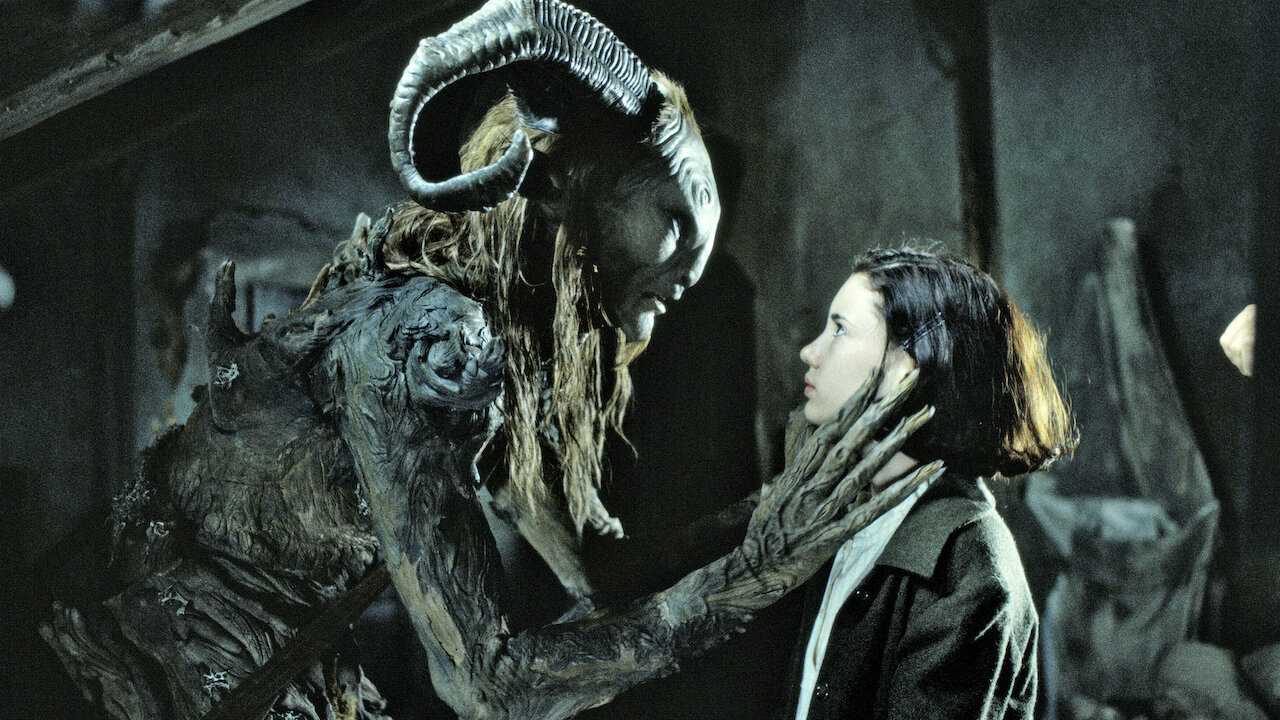
These two films use dark, dangerous characters who hide their intentions by being kind to hone in on this issue. In Coraline, the Other Mother (Teri Hatcher) is a seemingly perfect version of Coraline‘s (Dakota Fanning) real mother (Teri Hatcher) who creates a world for her to escape into. Similarly, in Pan’s Labyrinth, the Faun (Doug Jones) gives Ofelia (Ivana Baquero) the magical means of taking control of her life. Both, however, use these acts as a means of coercion.
Coraline (2009) — How The Other Mother Weaponizes Fantasy
Throughout the film, the Other Mother spies on Coraline, finding issues with her life and constructing the perfect world for her to live in. In the real world, things are imperfect.
The neighbors are strange, her parents are neglectful, and the house is beginning to break down. The Other Mother notices these issues and adapts her world accordingly. In the Other World, the dinners are finer, the neighbors are more put together, and the house is more beautiful than what Coraline’s reality is.1

This escapism helps Coraline to adapt to her surroundings more easily. In real life, she feels as though no one listens to her. Everyone outside of her immediate family refers to her as “Caroline,” refusing to listen whenever she attempts to correct them. When she tries to talk about her wants or experiences, she is brushed off or treated as a fanciful child. Even Wybie (Robert Bailey Jr.), who is the same age as her, believes she is crazy when she talks about her experience in the Other World.
In the Other World, she feels loved and finds a sense of belonging. She is able to speak to her old friends, and she explores her sense of self through experimenting with her personal style and living in a place that fits her personality. Furthermore, her family and neighbors fit the mold of her expectations.
Their issues are filed down and replaced by fanciful personalities that are not their own. Her parents’ jobs are even replaced by hobbies that appear more interesting to a child and allow her to participate.

However, the perfection within this world is just a facade. The Other Mother uses all of this to groom Coraline, so she will not question the Other Mother when she asks her to sew buttons onto her eyes. Such a horrifying thing seems completely out of the question. However, it has clearly worked three other times, as the ghost children in the movie gave up their eyes — and their freedom — to the Other Mother.
Pan’s Labyrinth (2006) — Ofelia’s Dangerous Bargain With The Faun
In the film Pan’s Labyrinth, Ofelia and her mother, Carmen (Ariadna Gil), find themselves in an abusive family dynamic with Ofelia’s stepfather, Vidal (Sergi Lopez). Vidal is a general in the Spanish army who is in the process of squashing a rebellion. He is violent and cruel, taking joy in his ruthless behavior.
He is also sexist and disregards Ophelia at every turn. Carmen is only treated fairly by him because she is only seen as a vessel to create an heir.2
The Faun’s Promise — Fantasy As An Escape From Abuse
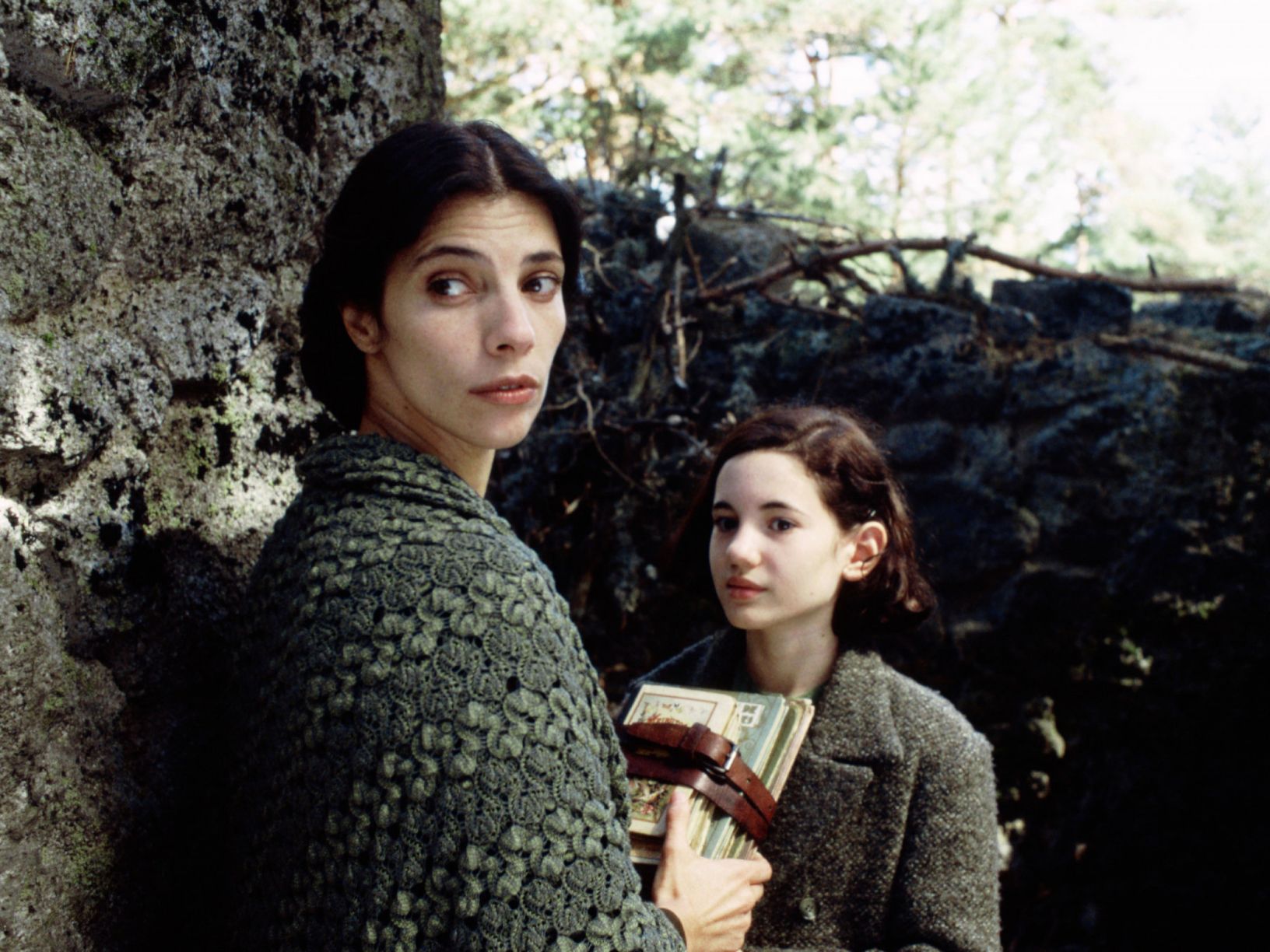
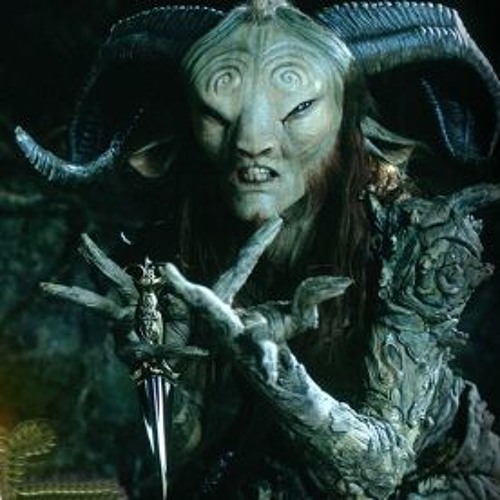
When Ofelia enters the Labyrinth, she meets the Faun and is told by him that she is a princess. He tasks her with three things that must be completed before the full moon so she may return to the king and queen. These tasks are dangerous, and the Faun appears angry if they are not completed exactly when or how he wants them to be.
Additionally, these tasks get her into trouble in the real world. Her dress becomes muddy, and she finds herself in the wrong places at the wrong times, causing her to see too much.
At the end, she escapes into the maze with her baby brother, whom the Faun wants her to kill as the final task: open the portal with innocent blood. When she refuses, the Faun says that she has made her choice, and her stepfather kills her, leading to the final task’s completion.
At no point did the Faun make it clear to her that the path to her kingdom would result in someone’s life being taken. He instead lured her with fantasy until she paid the ultimate price.
Although the Faun is the main thing apart from her stepfather that puts Ofelia in danger, that does not make him an inherently evil creature. He gives Ofelia the means to escape from her terrible situation, and gives her hope where she previously had none. In the movie, her mother has a complication with her pregnancy. She is pictured bleeding profusely and in need of much rest after being found with blood on her dress.
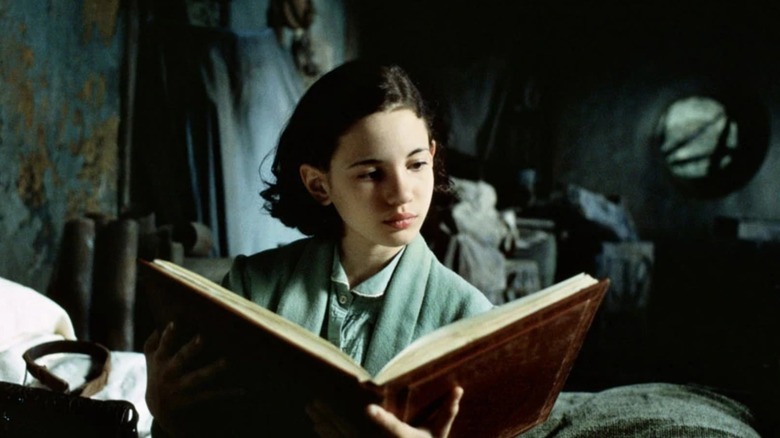
The Faun gives Ofelia a mandrake root and tells her to place it underneath her mother’s bed in a bowl of fresh milk, giving it blood each day. Miraculously, her mother begins healing from what was originally considered a condition that she could not come back from.
Additionally, she dies when the mandrake is found and destroyed. The magic the Faun is a part of is neutral and unforgiving. Her mother doesn’t get a second chance when she destroys the thing keeping her alive. She simply dies.
In this way, it reflects the real world and its consequences. Without proper care, one can make mistakes that are irreversible, leading to harm. Improper care with a knife can turn a dinner into a hospital trip. Improper care with medication can lead to death. When in an abusive situation like Ofelia’s, it is difficult to judge what may have worse consequences.
In the story, Ofelia sees too much and discovers that one of the maids is a mole. After her mother dies, her stepfather finds out that she knew who the mole was within the house. He locks her in her room, telling someone to guard the door, much like when he left a victim of his torture in the doctor’s care.
This implies that he is going to harm or kill her when he returns. The mole, Mercedes (Maribel Verdu), is one of the only people in the house who treats Ofelia kindly. She acts as a mother to her when her own mother cannot. To out her as the mole would be to knowingly cause her death.
Whether in fantasy or reality, Ofelia cannot escape the consequences of her actions. This presents escapism as not a solution, but something equally complicated to life.
When Fantasy Becomes Another Form Of Control
Escapism is a powerful tool and not to be taken lightly. Though in moderation it is wonderful, too much of it can be the result of an addiction to escapism, leading to depression, anxiety, or irritability.3 Oftentimes, individuals do not realize that such an extreme is possible for them, but it is many people’s reality.
Media like this creates a nuanced conversation around escapism, and presents the argument that too much escapism may leave one vulnerable to manipulation, especially when someone is controlling the means of escape.

In the real world, forms of escapism often include forms of media, such as films, books, or shows. As a result, actors and fictional characters are put on pedestals, leading to negative outcomes.
Additionally, companies and resellers can price their merchandise at ridiculously high prices, as the escapist will be less likely to consider the monetary harm they are doing to their finances due to the merchandise being a part of their escapism.
What Coraline (2009) and Pan’s Labyrinth (2006) Reveal About The Dangers Of Escapism
Both of these movies explore escapism in unique ways, determining the moral compass of escapism to be amoral, but easily twisted into something negative. Pan’s Labyrinth teaches us to use escapism as a tool for good, but to be aware of the consequences that may come from using your imagination as a tool. Your actions, or lack thereof, do not exist in a void.
Shirking responsibilities to put one’s escapism first absolutely has severe consequences mentally and socially. In real life, if a person pushes off their work in order to escape from their situation, it could lead to important tasks never getting done and being fired. If they replace socialization with scrolling, they may begin to struggle mentally.
Coraline teaches us to be wary of how escapism can be used against you. As mentioned in the previous section, escapism can be used to market to you or present beliefs you may otherwise not agree with. No one is immune to propaganda, and an easy way to spread propaganda is through famous actors or popular media. Hate groups often adopt popular media in order to promote their rhetoric. Be sure to be wary of the message something is spreading, even if it involves something you enjoy greatly.
Together, they cover a wide berth of the issues that escapism presents without fully demonizing it. They refuse to present the idea that it is a negative thing by showing the audience ways in which escapism helps the characters. Both good and bad are represented, keeping the conversation nuanced and ensuring the audience’s takeaway is not that escapism is fully negative.