

Table of Contents Show
In today’s music landscape, first impressions of an album or tour are often formed before the work itself is fully experienced. A short clip of touring artists, like Harry Styles, can circulate online within minutes — a comment section can frame a performance before it is seen in context, and early reactions can quickly harden into a larger narrative that feels defining, even while an era is still unfolding in real time.
This is especially visible in the way live music now travels through short-form platforms like TikTok1, where isolated moments from concerts are often detached from their full performance context. A single audience recording, a brief reaction clip, or even a captioned post can become the primary way many people first encounter a tour.
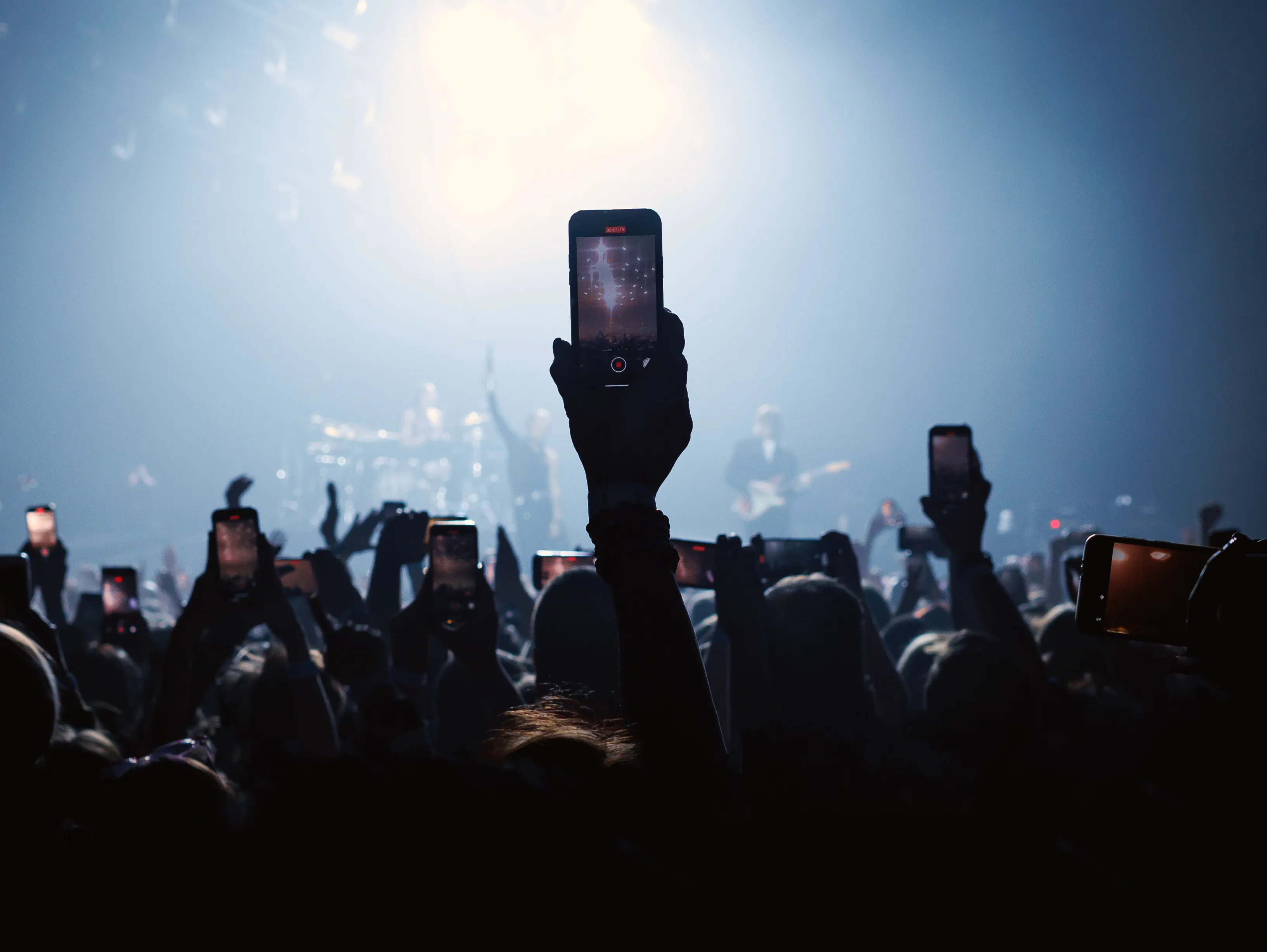
Harry Styles’2 current album cycle for Kiss All the Time, Disco Occasionally3 and the accompanying tour offers a stark reminder of this cycle. Across TikTok and other platforms, early reactions have begun shaping a dominant conversation around the era, with fragments of performances and audience responses circulating far faster than the work can be experienced as a complete live or recorded experience.
What has emerged is not simply discussion of the music itself, but a rapidly constructed narrative around it — one shaped by visibility (likes and shares), interpretation, and comparison. In this type of ecosystem, an era is being valued, expectations placed, and cultural relevance is increasingly interpreted in real time, long before a full audience experience has even taken place.
How TikTok Shapes Public Opinion
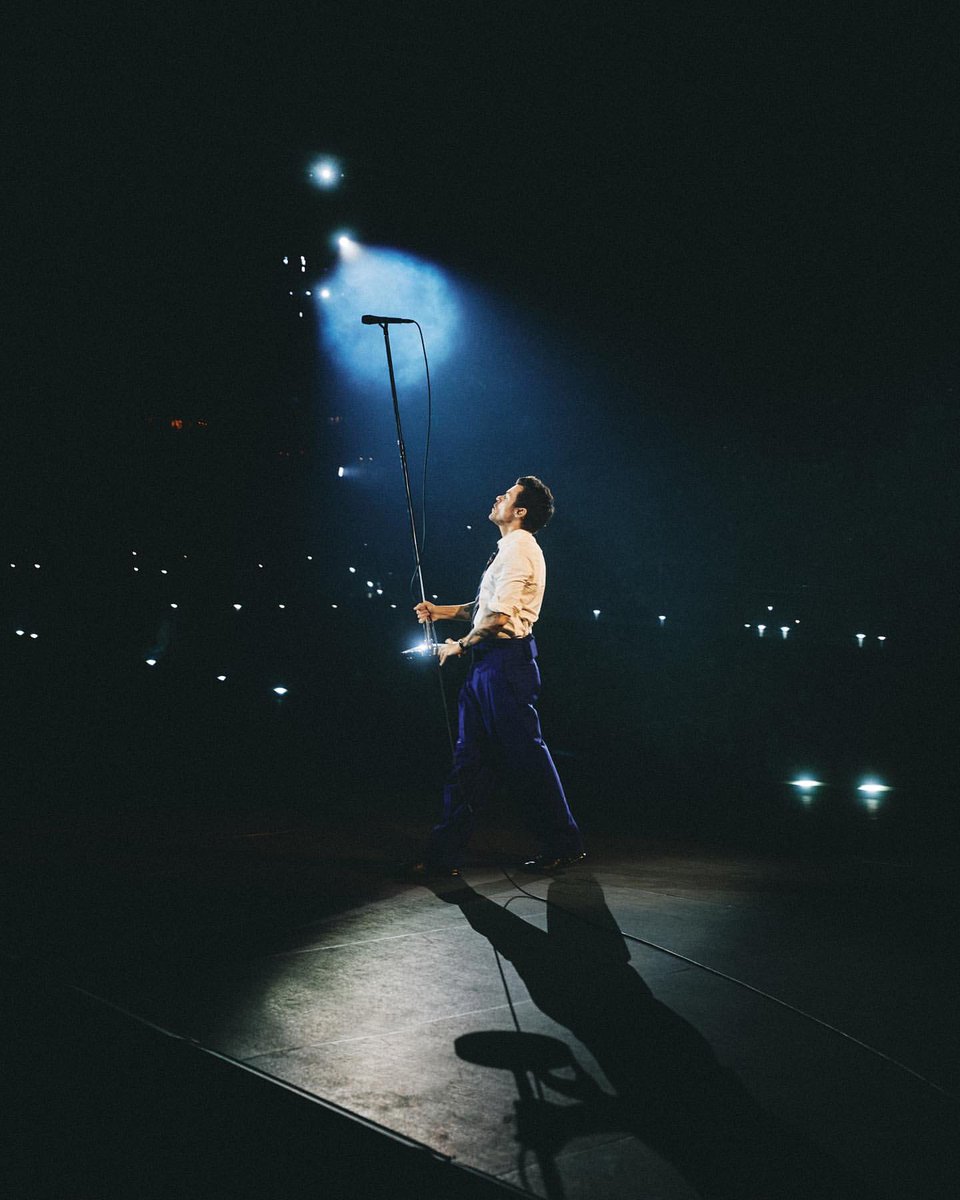
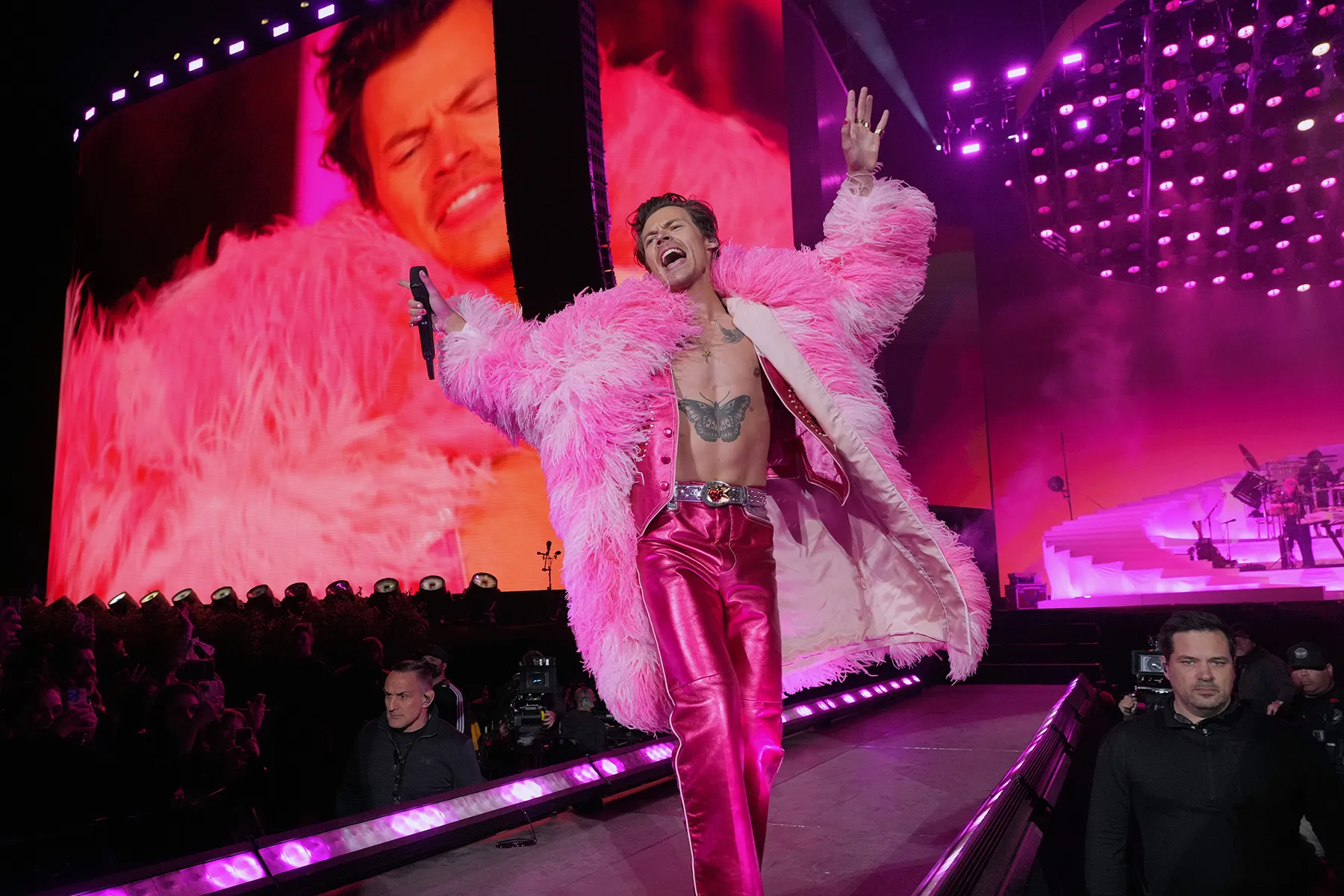
One recurring type of TikTok frames isolated performance moments as evidence of artistic disengagement, even when those moments are part of standard live-show dynamics. In one widely circulated clip, Harry Styles performs “American Girls4” and briefly lifts the microphone stand into the air,5 encouraging the audience to sing along. While crowd-participation gestures like this are common in live music,6 the clip quickly spread beyond its original context and was reframed in comment sections as proof of minimal performance effort.
Because it came from one of the first tour performances, some fans were already expressing disappointment over Styles’s perceived refusal to attempt certain higher-octave notes,7 and many interpreted the microphone stand moment as further confirmation of that narrative.
This interpretation was reinforced by longer commentary videos, including breakdown-style content from creators such as SLOAN8, which aggregated short clips and presented them as evidence of a “lackluster” stage production. These videos often focused on perceived absences (limited choreography, minimal staging complexity, and fewer dancers), constructing an argument around what the show was not, rather than what it did include.
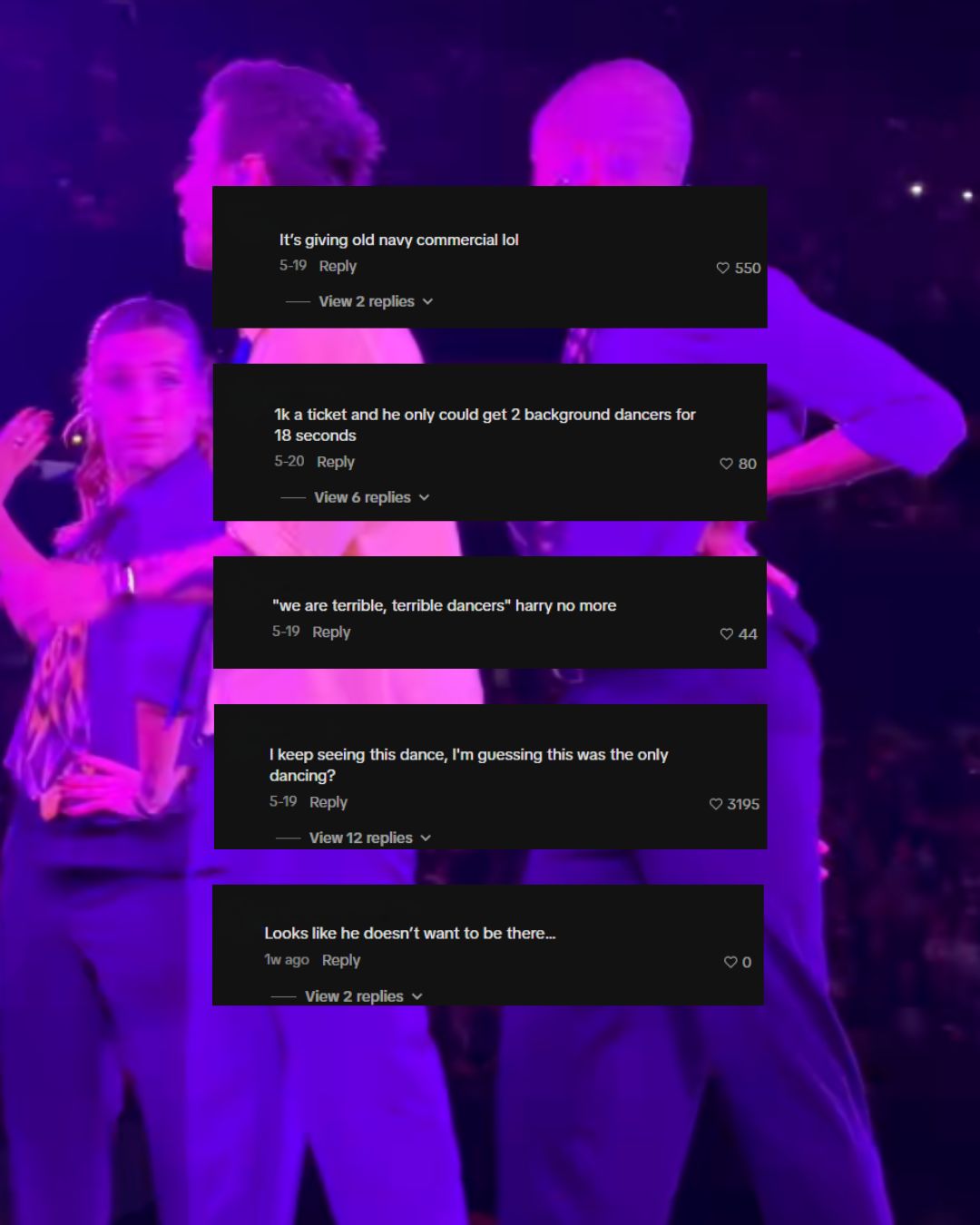
That framing then filtered into comment sections, where users began repeating and escalating the narrative through shorthand reactions and recurring talking points. Rather than remaining confined to a handful of viral posts, the criticism appeared across a wide range of tour-related content. Regardless of the specific clip9 being discussed, tour-related TikTok videos consistently feature comments questioning the show’s quality, production value, and overall appeal to fans.
Comments ranged from comparisons to unrelated commercial aesthetics to broader judgments about ticket prices, with viewers questioning whether the production matched the expectations set by its cost and by Harry Styles’ previous tours. Taken together, these layered responses transformed isolated performance moments into broader claims about artistic effort and tour quality, creating a narrative that often preceded audiences’ engagement with the full concert experience itself.
Expectations From Previous Harry Styles Eras
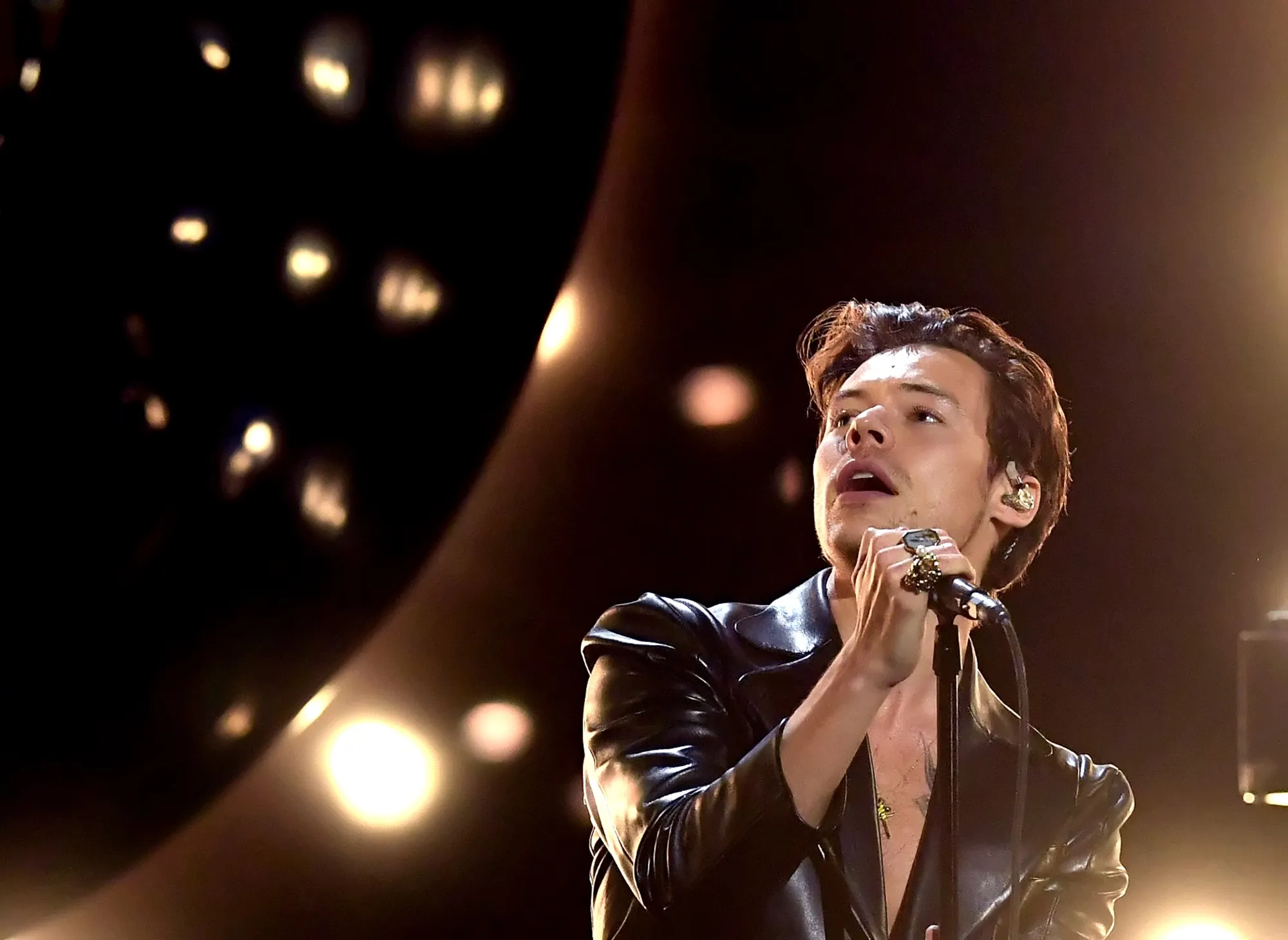
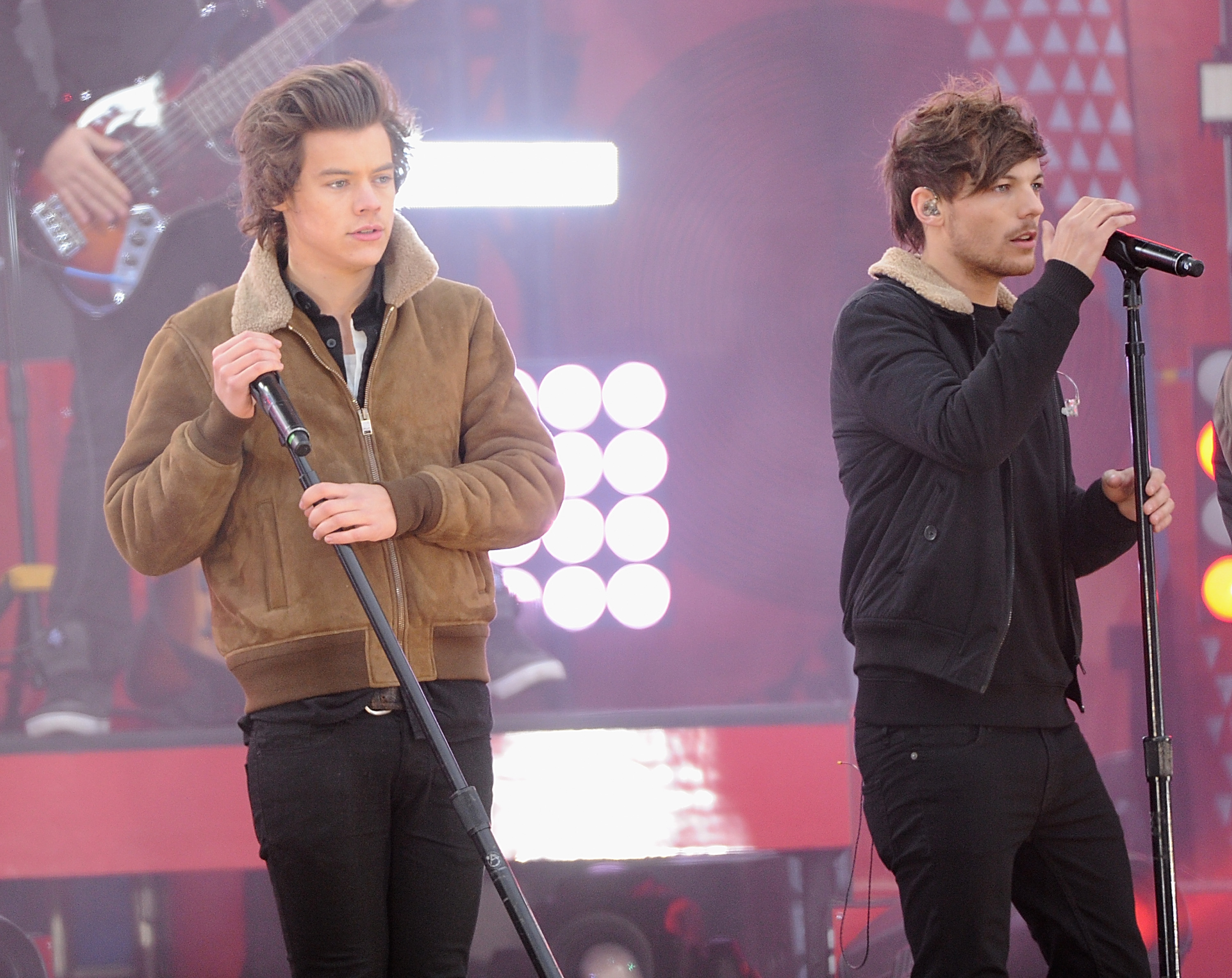
Audience expectations around Harry Styles’ current tour and album cycle are heavily shaped by the cultural weight of his earlier work, particularly Fine Line 10and Harry’s House11, which established a specific sonic and aesthetic identity that many listeners continue to associate with him. When artists build a strong creative “era,” it often becomes a reference point that audiences use to interpret everything that follows.12 Rather than approaching each new project independently, fans often evaluate new material against the emotional memories and cultural significance attached to earlier releases.13
This dynamic is visible in the way fans discuss the current tour online. Under one widely circulated TikTok video, a comment reads: “great now bring back the shoes, his song kiwi, one direction songs, and justice for his first album.” 14While informal, the comment captures a larger pattern — a stacking of expectations drawn from multiple phases of his career, from early One Direction material to specific stylistic elements associated with his debut and later albums. What is notable is that these references span years of artistic development and distinct creative identities, yet they are often discussed as if they belong to a single, idealized version of Harry Styles.
Social media platforms can further reinforce this process by rewarding comparison-based content.15 Videos that juxtapose old performances with new ones, highlight perceived changes in stage presence, or reference fan-favorite moments from previous eras often generate strong engagement because they tap into shared nostalgia. As these comparisons circulate, they can create the impression that an artist is being measured not only against current expectations, but against multiple past versions of themselves simultaneously.16
Rather than engaging with the current era on its own terms, this type of response reflects a tendency to evaluate new work through the lens of accumulated nostalgia. Distinct periods of an artist’s career become compressed into a single idealized version of “what he used to be,” which then functions as a benchmark for comparison. In this context, any stylistic shift or deviation can be read not as evolution, but as a departure from an imagined standard.
The result is a framework in which satisfying audiences becomes increasingly difficult, not because the work itself has necessarily changed for the worse, but because the point of comparison is no longer a single album, tour, or performance — it is a curated memory assembled from years of fan experiences and favorite moments.17
Ticket Prices & The Value Debate
Alongside discussions of performance and staging, ticket pricing has become one of the most influential factors shaping early perceptions of Harry Styles’ current tour cycle. Reports of presale tickets reaching several hundred dollars (and in some cases approaching four figures)18 quickly circulated online, with audiences reacting not just to cost, but to what those prices suggested about the overall concert experience.
In online comment sections, users frequently framed these concerns by contrasting their expectations with their experience of the show. One widely repeated sentiment described the pricing as disproportionately high relative to the perceived scale of the production, with users questioning whether the staging and performance style matched what they felt they were paying for.19 Comments comparing the show to a commercial or describing the experience as a “social experiment”20 illustrate how discussions of price can become intertwined with judgments about artistic effort and production value.

These conversations also exist within a broader conversation of frustration surrounding modern concert ticketing. Dynamic pricing21, resale markups22, and increasingly expensive live events have made audiences more sensitive to questions of value than in previous tour cycles. As a result, reactions to the tour are often shaped before attendees even enter the venue. For many online viewers, ticket prices become part of the lens through which performances are interpreted, influencing how clips, reviews, and audience reactions are received and discussed.23
Love On Tour & The Eras Tour Comparison Problem
One recurring theme in discussions surrounding Harry Styles’ current tour cycle is comparison culture. Rather than evaluating the tour solely on its own terms, many online conversations frame it through comparisons to previous live-performance benchmarks.24 While Taylor Swift25’s Eras Tour26 is frequently used as a shorthand for large-scale production and spectacle, Harry Styles’ own Love on Tour27 era is also regularly invoked as a point of reference.
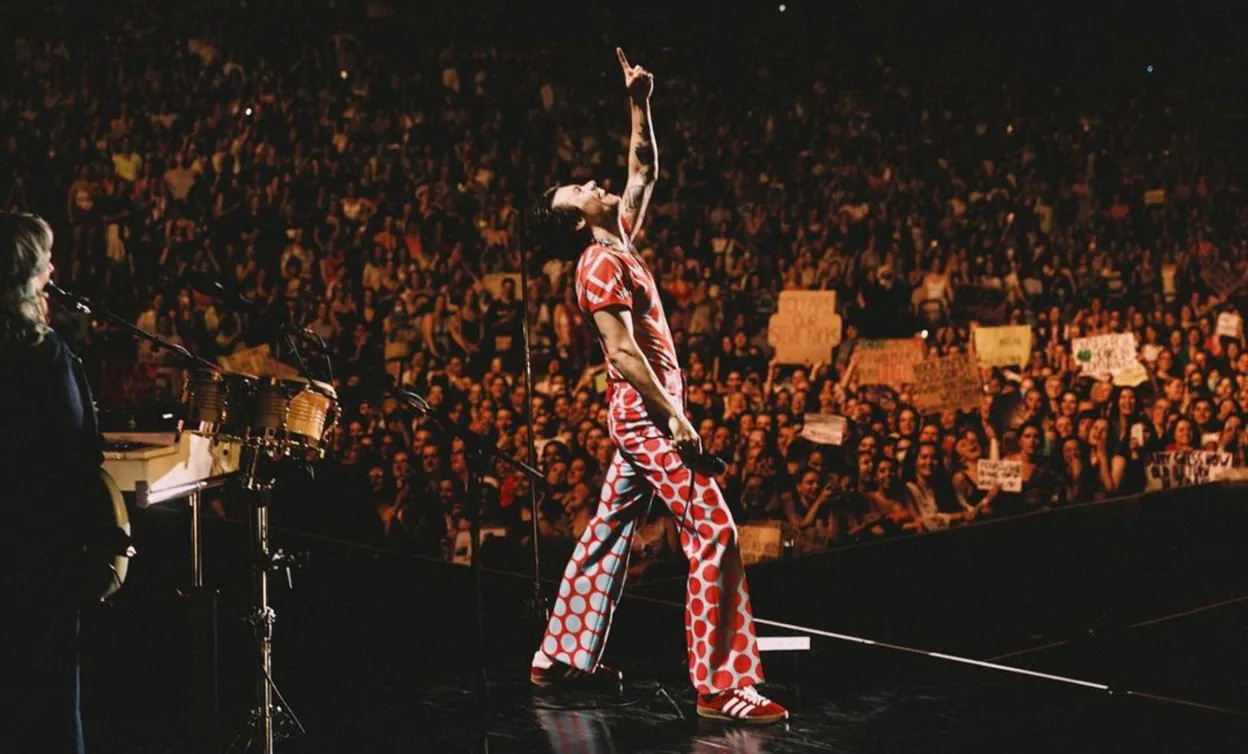
In online fan spaces, Love on Tour, which followed the releases of Fine Line and Harry’s House, is frequently remembered for its high energy, strong crowd interaction, and feeling of intimacy despite its arena-scale setting. Across TikTok videos, fan edits, and comment sections, the tour is often revisited through clips and recollections that emphasize its electricity and emotional connection with audiences.28 In discussions surrounding the current tour cycle, these memories frequently become comparison points, with users referencing elements they felt made the earlier era more engaging, cohesive, or visually dynamic.29

At the same time, the Eras Tour functions as a larger reference point for contemporary pop performance. Its visibility has helped shape conversations around what audiences expect from major stadium tours, particularly in relation to production scale, visual storytelling, and the overall concert experience.30 As a result, discussions about Harry Styles’ current tour often extend beyond comparisons to his own past work and become intertwined with wider expectations about what a modern pop spectacle should look like.31
Together, these recurring comparisons suggest a layered system of evaluation. For many viewers encountering tour clips online, comparisons begin before they have seen a full performance themselves. Rather than engaging with the current tour as a standalone experience, audiences often encounter it through a stream of side-by-side comparisons to Love on Tour, the Eras Tour, and other widely shared moments from recent pop culture.
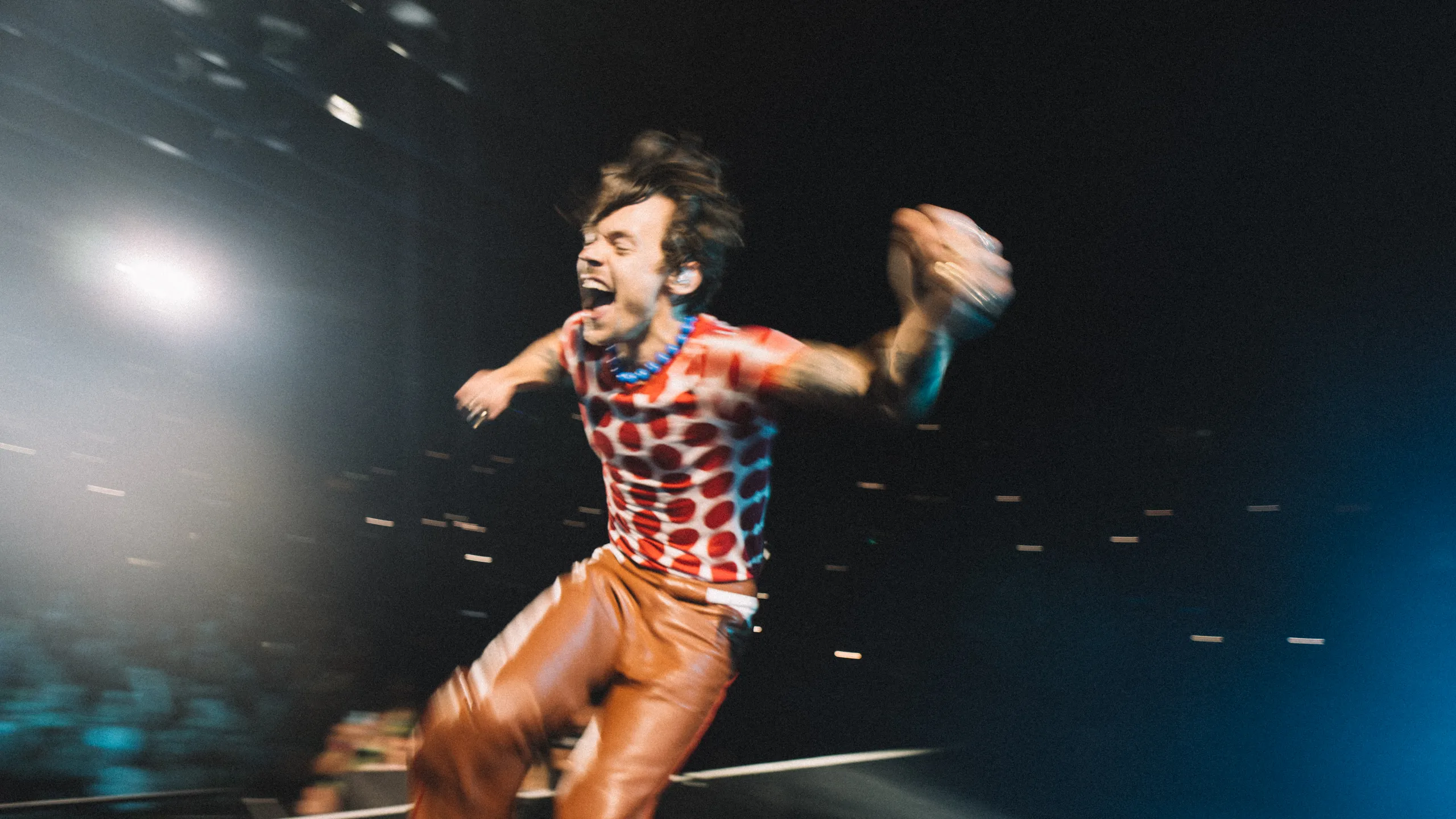
Within this environment, artistic shifts are rarely evaluated entirely in isolation. Instead, discussions of new performances are often filtered through overlapping memories of past tours, each carrying its own emotional weight and set of expectations. As a result, current performances can become framed less as standalone creative decisions and more as points of comparison against multiple versions of what audiences remember as a successful pop tour. The challenge is not simply meeting expectations from one previous era, but navigating several different benchmarks simultaneously, each shaped by nostalgia, fan memory, and bigger conversations about contemporary live performance.
The Speed Of Modern Pop Discourse
Across TikTok clips, comment sections, pricing debates, and comparisons to Love on Tour, a pattern emerges: narratives about a live performance can develop long before many audiences have experienced the show in full. What begins as fragmented moments — a short performance clip, a captioned reaction, a nostalgic reference to a past tour — can all quickly consolidate into a larger narrative about an entire ‘era’.

In the case of Harry Styles’ current album and tour cycle, this process is particularly visible. Early impressions have not been shaped by a single unified experience, but by a layered stream of interpretations drawn from past eras, short-form content, pricing discussions, and external benchmarks such as major global tours. Each of these inputs contributes to a version of the story that is assembled collectively, often before audiences encounter the full performance context.
Rather than revealing a definitive judgment about the music or tour itself, these discussions show how meaning is increasingly negotiated online. Performances, albums, and tours are now experienced alongside a constant flow of reactions, commentary, and comparisons that shape how audiences interpret them.
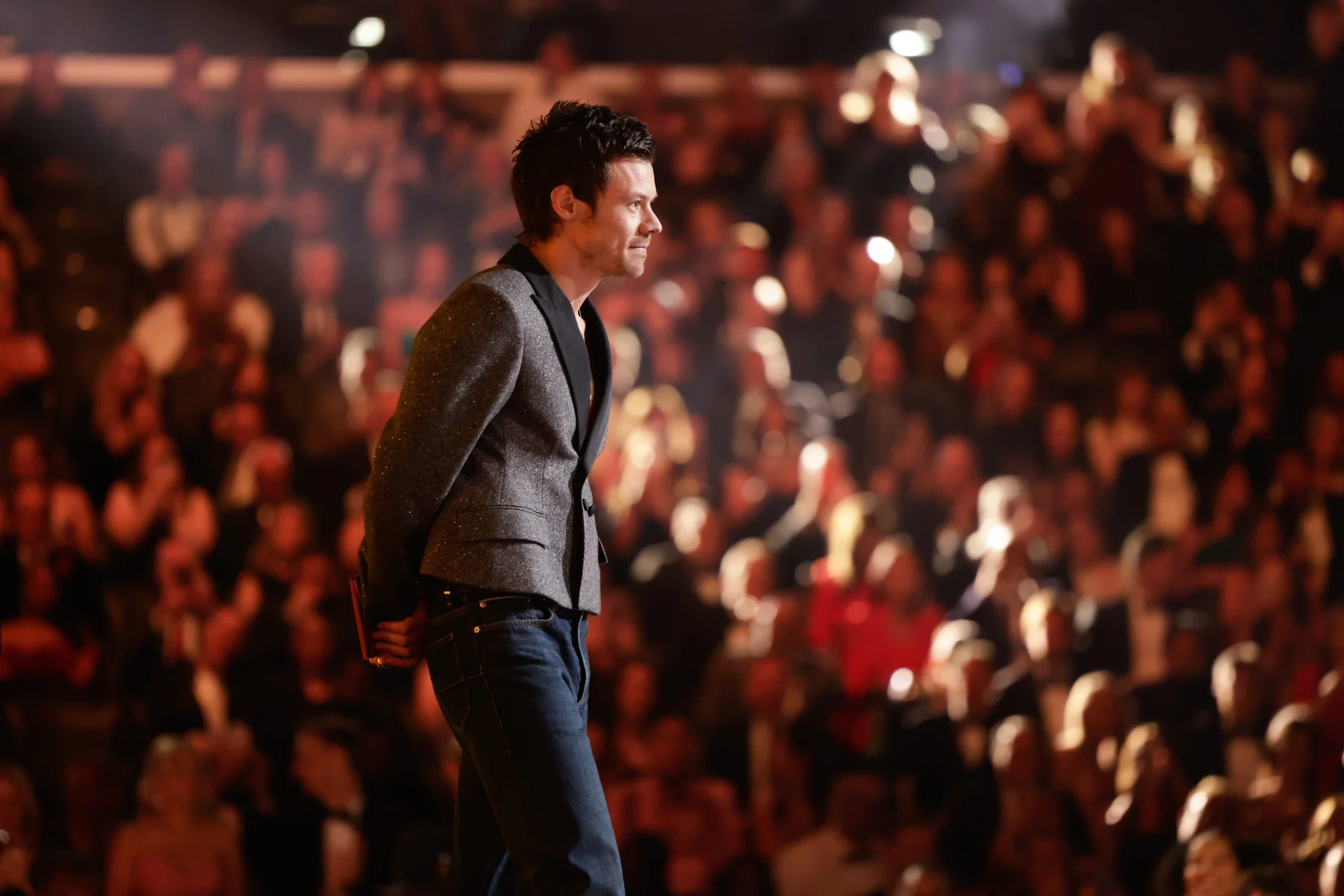
In this environment, the first impression of a pop era is rarely singular. Instead, it emerges through a network of clips, comments, memories, and expectations that circulate across platforms, influencing how the work is understood from the moment it enters public view.
Footnotes
- “TikTok: What It Is, How It Works, and Why It’s Popular.” Investopedia. ↩︎
- “Harry Styles: Biography, Singer, Actor, One Direction.” Biography.com. ↩︎
- Harry Styles. “Kiss All The Time.” Disco, Occasionally. Genius ↩︎
- Harry Styles. “American Girls (Official Video).” YouTube video. ↩︎
- @xorainbowlouis. “Harry Changing Lyrics…” TikTok, 5/17/2026. ↩︎
- “The Psychology of a Live Audience – Why Crowds Sing Along.” Festivaltopia. ↩︎
- @dymast3. “Sign Of The Times Full N2…” TikTok, 5/18/2026. ↩︎
- @sloanhooks. “For that price I thought Harry would give us a little more…” TikTok, 5/19/2026. ↩︎
- “Harry Styles Tour.” TikTok Search. ↩︎
- Harry Styles. “Fine Line.” Genius. ↩︎
- Harry Styles. Harry’s House. Genius. ↩︎
- “The Impact of an Artist’s Musical Eras.” MELODIC Magazine. ↩︎
- @grrrlmusichq. “Did you love Harry Styles’ “Kiss All The Time…” TikTok, 4/16/2026. ↩︎
- @mahoorb. “Oh He Saw The TikToks…” TikTok, 5/17/2026. ↩︎
- Derbaix. “Understanding Social Comparison Dynamics on Social Media: A Qualitative Examination of Individual and Platform Characteristics.” Psychology & Marketing, 2025. ↩︎
- @elleoonora_. “It’s not the same as it was…” TikTok, 5/19/2026. ↩︎
- @sunflower_28mv. “The way you can see how confident he became…” TikTok, 5/27/2026. ↩︎
- “Harry Styles Ticket Prices Spark Outrage As Presale Reaches $1,000.” Forbes. ↩︎
- @cnn. “Why are Harry Styles fans so mad?…” TikTok, 5/21/26.
↩︎ - @alexxxmergler. “Harry what was the thought process here…” TikTok, 1/27/26.
↩︎ - “Dynamic Pricing: What It Is & Why It’s Important.” Harvard Business School Online. ↩︎
- “Why Concert Tickets Cost So Much: The Economics and Regulations Behind Live Music Pricing.” GovFacts. ↩︎
- @gbzan. “Are you listening yet is…” TikTok, 5/31/2026. ↩︎
- “Cross-Cultural Perspectives on Music and Musicality.” PMC. ↩︎
- “Everything You Need to Know About Taylor Swift.” PureWow. ↩︎
- “Taylor Swift: The Eras Tour – The Final Show Full Setlist: All New & Returning Songs.” Screen Rant. ↩︎
- “Love on Tour.” Harry Styles Wiki | Fandom. ↩︎
- @letthesuningirl. “It was so special…” TikTok, 5/17/2026. ↩︎
- @dymast3. “No Happy Harry…” TikTok, 5/18/2026. ↩︎
- @anddreaa.a. “And you know what yes I would pay for these seats again” TikTok, 5/12/2026. ↩︎
- @audreymartha. “OK HARRY…” TikTok, 1/29/2026. ↩︎