
Table of Contents Show
Book banning has seen a meteoric rise in America since 2021, as we’ve previously explored, often consisting of long lists of books all being challenged at once, frequently by political action groups.1
There has, however, been little discussion of how that censorship may be affecting literacy, particularly for children, who are generally the most impacted by book bans. Evidence suggests that literacy rates are declining, both for students2 and adults,3 but that’s not the end of the story.
Reading forces people to pay attention to a book (unlike film or television, which sometimes acts more as background noise), thus engaging them in narratives beyond their own. This interaction with outside perspectives develops empathy, and that’s the element of literacy that’s most endangered by book bans.
Books As Windows, Mirrors, & Sliding Glass Doors — How Reading Builds Empathy
In 1990, Dr. Rudine Sims Bishop (renowned for her work with multicultural children’s literature) published “Windows, Mirrors, and Sliding Glass Doors,4” a seminal work that highlighted the importance of children’s literature in helping children form identity and relate to others.
The conceptual framework is simple: “Windows” are books that give readers a glimpse of a perspective distinct from their own, “Mirrors” are stories that reflect the reader’s own experience, and “Sliding Glass Doors” are books that let the reader enter an unfamiliar world.
What Bishop observed in 1990 was, in some ways, a sort of inverse of what we see today. Diversity in literature (particularly children’s literature) was relatively novel; she wrote the article primarily because she saw so few books that accurately reflected non-white experiences, and wanted more “mirrors” for children from racialized communities.5
[We] are realistic enough to know that literature, no matter how powerful, has its limits. It won’t take the homeless off our streets; it won’t feed the starving of the world; it won’t stop people from attacking each other because of our racial differences; it won’t stamp out the scourge of drugs. It could, however, help us understand each other better by helping to change our attitudes towards difference.6
This is the hope of all those who stand against book banning: That diverse books will help us see and understand one another, even if some of the “Sliding Glass Doors” might be uncomfortable to step through. And, indeed, subsequent research has proven that reading fiction can produce more empathetic people.7
The Hidden Harm Of Soft Book Bans
While “hard” bans (removal from a library) are the most publicized, “soft” book bans can be equally harmful, yet are often underreported. Soft bans occur when a book is reshelved in a different section of the library (typically the adults’ section), instead of with other books of a similar reading level.
When this happens in school libraries, it can be particularly heinous, because most schools locate their libraries in separate buildings, if not on separate campuses. So reshelving, say, a book written for elementary schoolers in a high school library could place a significant barrier between the book and its intended audience.
However, simply reshelving books for children or young adults in the adult section is still harmful and still considered censorship.8 After all, the adult section often has physical barriers placed between it and the children’s section, precisely because it might contain books that are inappropriate for minors.
Even if a child knows that the book they want is in the adult section, they could also pick up a book that really is inappropriate while they’re there. But the more likely outcome is that the books in question will fall out of circulation because they’re not being promoted to the proper age group.
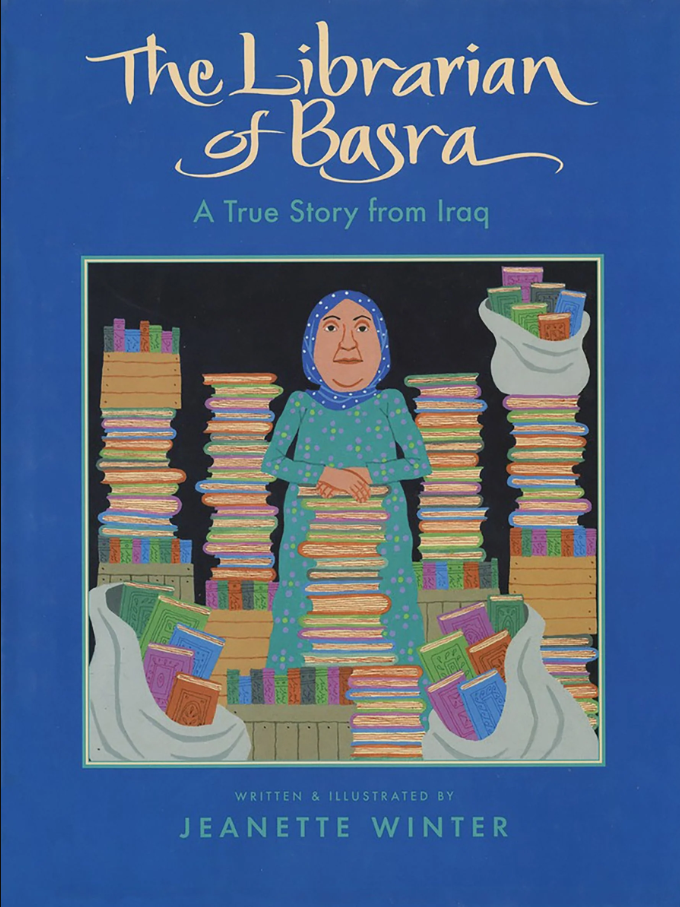
Just this year, a Michigan library moved over a hundred books for children and young adults to its adult section, including children’s picture books.9 The library board even considered placing some books behind glass.10 While such an outcome is obviously preferable to books being removed entirely, it still makes it harder for people to find books by and about minority communities, be they LGBTQIA+ folks or simply people of color.
On the other hand, at their best, libraries can serve as community centers, connecting patrons with all sorts of resources, from seed libraries and food banks11 to power tools12 and even streaming services.13 And of course, they’re always there to be a quiet place for promoting reading and literacy.
How Book Censorship Creates Echo Chambers
Outrageous as it may seem to ban children’s picture books, this mass censorship has a clear goal in mind: Remove any perspectives other than the white and cisheteronormative ones. They’re trying to erase narratives that run counter to their own, and in so doing, both reduce children’s ability to empathize with others and reduce the visibility of the “other.”
Here, we’ll examine two very different cases of books that have faced challenges and bans, interrogate the “danger” they pose, and the real value they can bring for children of the intended demographics.
Nimona (2015) — When Queer Representation Becomes A Target
This one might be surprising, but according to the American Library Association (“ALA”), this book has been targeted across the country.14
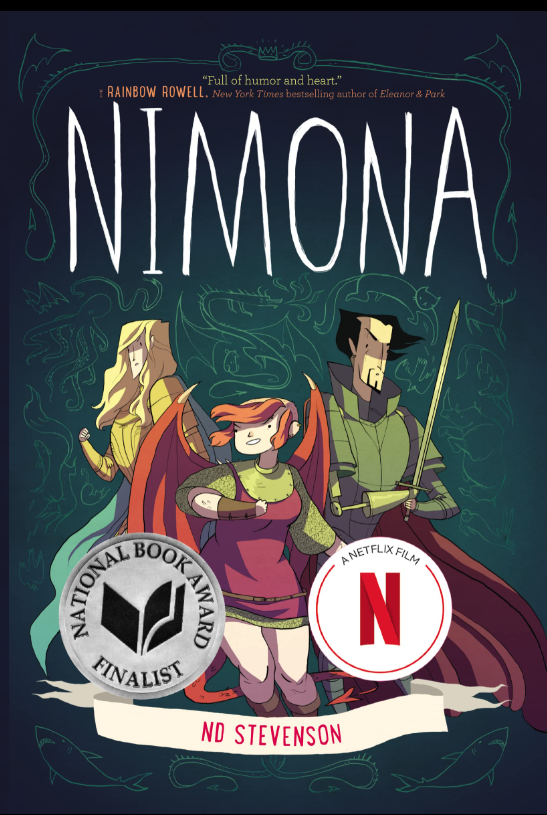
Originating as a webcomic, this graphic novel served as N.D. Stevenson’s debut — and if you didn’t know the author’s later work (and the subsequent adaptation), this would seem like a fun little adventure, if slightly rebellious and a tiny bit queer.15 That’s why it was never banned before 2021.16
Aside from some rather cartoony (if a little bloody) violence, there’s next to no “explicit content.” Even the queerness is barely noticeable in the book. Although Goldenloin and Blackheart started a relationship at the end, there’s not so much as a kiss between them. There’s no direct discussion of Nimona’s queerness, either (even if it’s obvious in hindsight that Stevenson was working out some of his own feelings through her).17
But after Stevenson rose to prominence with his work on She-Ra (and the film adaptation, which was much more explicitly queer)18 — and perhaps more importantly, once he came out as trans,19 he became a threat.
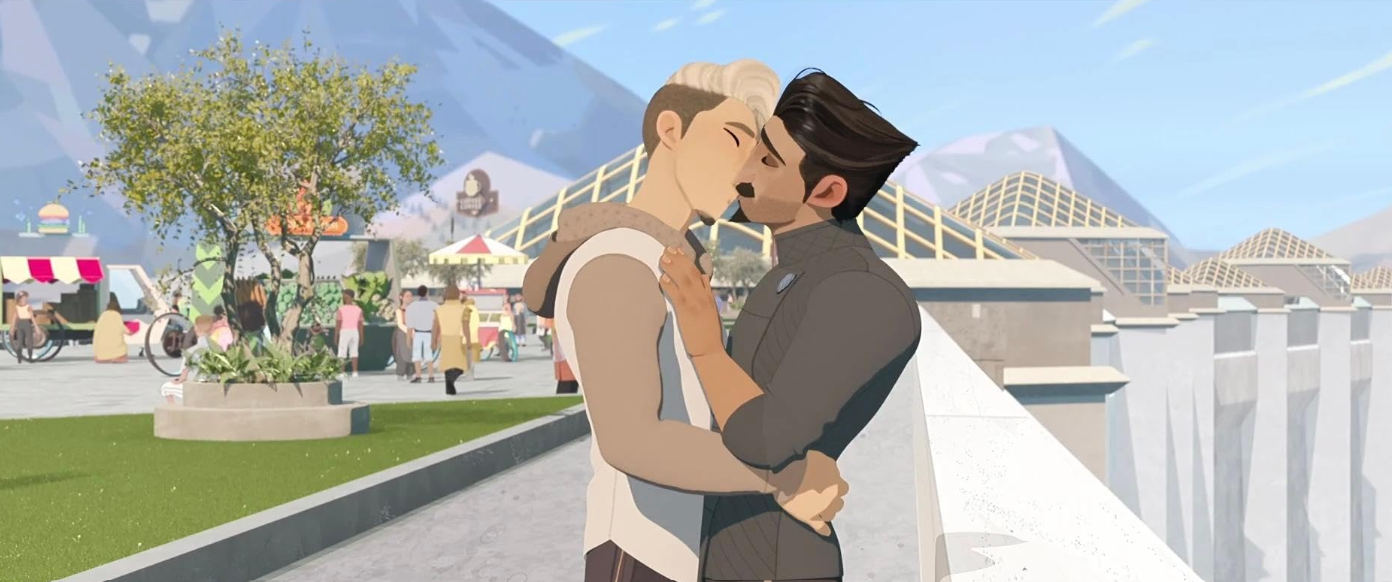
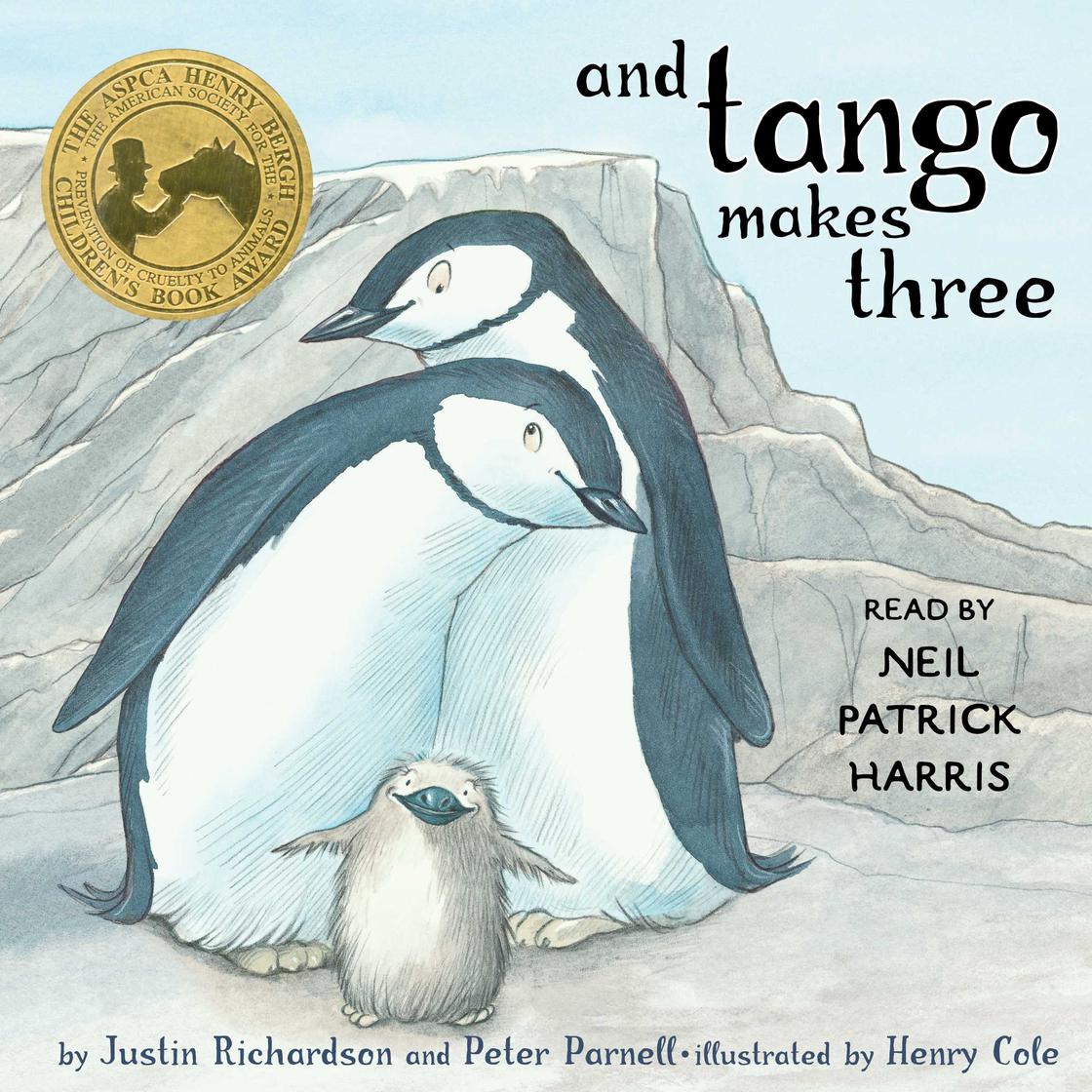
There’s a long history of queer narratives being dismissed as “obscene,”20 regardless of how much (or, as here, how little) explicit sexual content the story actually contains, hence why And Tango Makes Three has been so frequently challenged, despite containing no sexual content.21
The Firekeeper’s Daughter (2021) — Why Indigenous Stories Matter
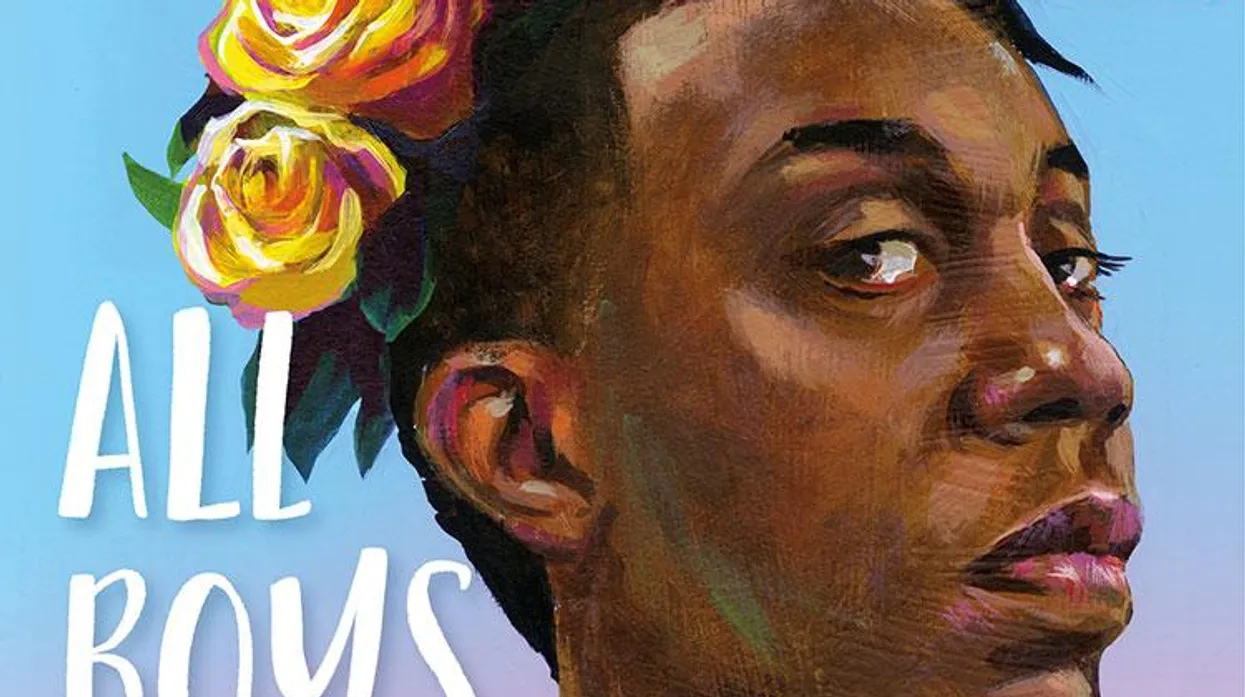
This is an intentionally challenging book (much like All Boys Aren’t Blue), and as such, it’s little wonder that it’s faced book bans.22
While Firekeeper’s Daughter isn’t among the most banned books (probably because it contains few, if any, queer characters), it does tackle real issues faced by many indigenous people, such as drug trafficking and consistently high rates of sexual assault.23
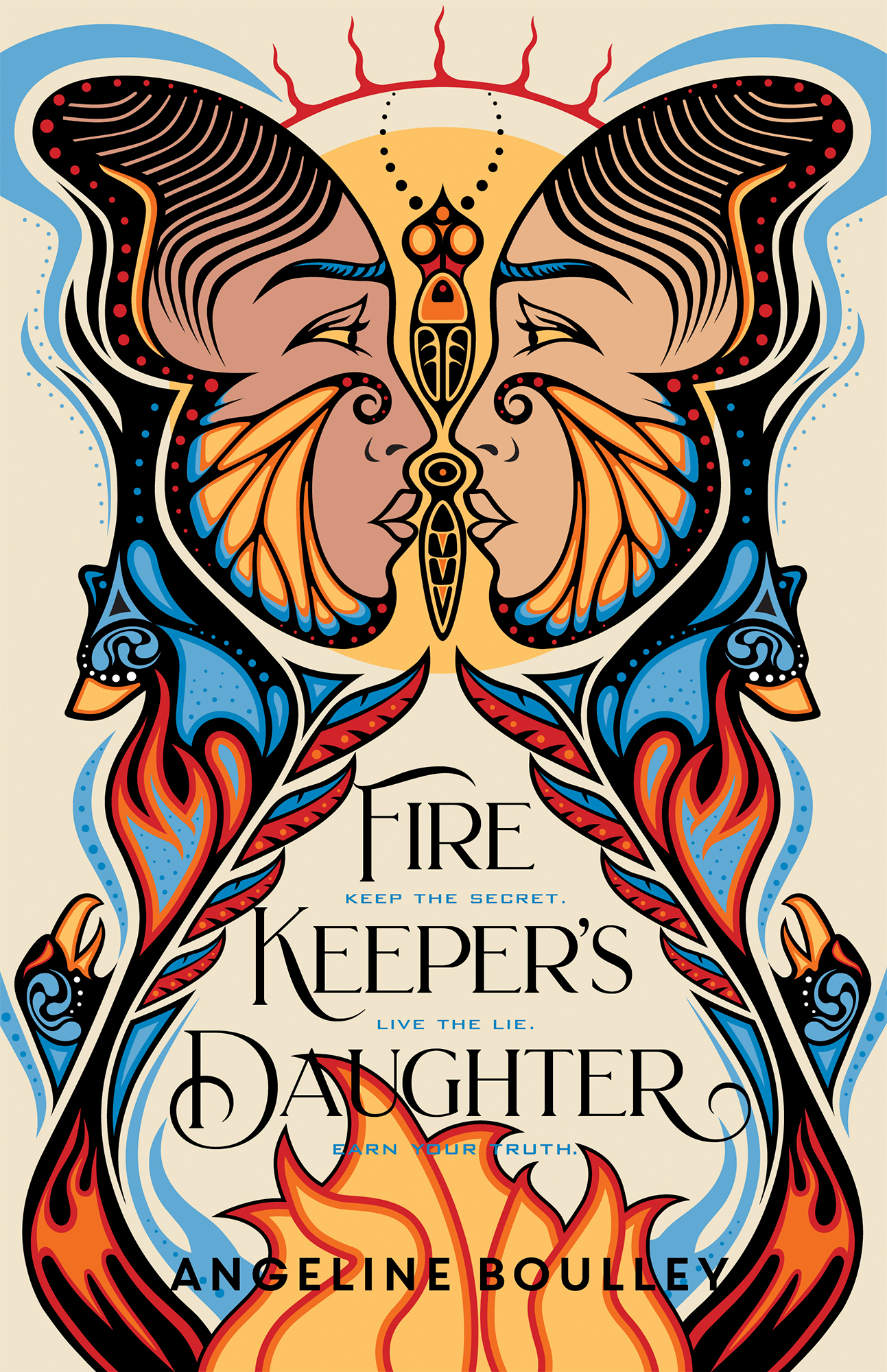
It did, however, get banned from a school on native land,24 not far from Boulley’s home in Michigan.25 The book is a compelling drama about a young adult seeking both community and identity as a biracial woman.
Furthermore, it highlights how communities can help people after sexual assault, something young people from many backgrounds could benefit from.26
In response to this ban, Boulley doubled down on the necessity of books like hers:
[If] a person is so fearful of books being used to indoctrinate, the answer isn’t freedom from books — it’s freedom to read more books.
Just because her book might be inappropriate for younger children doesn’t mean it has no value.
How Book Bans Undermine Literacy & Empathy
When children are prevented from accessing “dangerous” books, it’s appropriate to ask what makes them dangerous — and to whom. Book banners are trying to remove access to any narratives besides the straight and white, because if young people really see those others (or perhaps even see themselves in others), they could see other ways to live their own lives.
Empathy (or even literacy itself) is a danger to worldviews built on hate and fear. As Carmen Maria Machado (In the Dreamhouse (2019)) writes:
I believe in the power of words to cross boundaries in a time of deep division. Now more than ever, literature matters.27
Book banners discourage literacy, and even view libraries themselves as, at best, superfluous,28 and at worst, dangerous. 29 Censorship, whether in school libraries or public ones, is an infringement of free speech which affects vulnerable populations the most — and, not coincidentally, is largely targeting books by those disenfranchised populations, as well.
When students don’t find “mirrors” to look in, they’re often left feeling isolated. Research even seems to indicate that “getting lost in a book” is a big factor in cultivating empathy, so losing access to books kids could relate to is detrimental to their development.30
And after pushes in the past decade to create opportunities for diverse writers in the publishing industry,31 it’s devastating to see the fruits of those labors just being censored. Literacy develops empathy, while book bans foment apathy.
Underprivileged school children are most affected by book bans in libraries, because not only do they have more limited access to libraries in the first place, but they’re unlikely to be able to afford to buy books (an excuse book banners frequently make to dismiss the idea that what they’re doing is “real” censorship).32
Footnotes
- “Censorship Search Portal – FAQ.” American Library Association. 13 February 2026. ↩︎
- “Assessments – Reading.” Institute of Educational Sciences. 18 May 2026. ↩︎
- “Adult Literacy Rates are Falling; New Literacy Study Shows Big Problems.” Literacy Buffalo Niagara. 23 January 2025. ↩︎
- “Rudine Sims Bishop.” Wikipedia. 30 September, 2026. ↩︎
- Sims Bishop, Rudine. “Mirrors, Windows, and Sliding Glass Doors.” Perspectives: Choosing and Using Books for the Classroom. Vol. 6, no. 3, Summer 1990. ↩︎
- Sims Bishop, Rudine. “Mirrors, Windows, and Sliding Glass Doors.” Perspectives: Choosing and Using Books for the Classroom. Vol. 6, no. 3, Summer 1990. ↩︎
- Hammond, Claudia. “Does reading fiction make us better people?” BBC. 3 June 2019. ↩︎
- “Censorship Search Portal – FAQ.” American Library Association. 13 February 2026. ↩︎
- “Free Expression Under Threat as Michigan Public Library Board Moves Hundreds of Children’s Books to the Adult Section.” PEN America. 13 July 2026. ↩︎
- Davidson, Kyle. “ACLU raises First Amendment concerns over Hartland library board’s decision to reshelve LGBTQ+ books.” Michigan Advance. 27 June 2026. ↩︎
- “Cultivating Community.” Delta Twp. District Library. ↩︎
- Ray, Katrianna. “Michigan libraries evolve into free community hubs as costs rise and reading slips.” Mid-Michigan Now. 27 June 2026. ↩︎
- “About Us.” Kanopy. ↩︎
- “Censorship Search Portal – Nimona.” American Library Association. 13 February 2026. ↩︎
- “Nimona.” Wikipedia. 21 August 2026. ↩︎
- “Censorship Search Portal – Nimona.” American Library Association. 13 February 2026.l ↩︎
- Stevenson, N.D. Nimona. HarperCollins, 2015. ↩︎
- Stevenson, N.D. Nimona, Netflix. ↩︎
- “ND Stevenson.” Wikipedia. 7 October 2026. ↩︎
- “OBSCENE BOOKS | Annie On My Mind.” Youtube, uploaded by Reads with Rachel. 4 November 2023. ↩︎
- “Censorship Search Portal – And Tango Makes Three.” American Library Association. 13 February 2026 ↩︎
- “Censorship Search Portal – The Firekeeper’s Daughter.” American Library Association. 13 February 2026. ↩︎
- “Sexual victimization of Native American women.” Wikipedia. 9 October 2026. ↩︎
- Reese, Debbie. “Banning of Native Voices/Books: Firekeeper’s Daughter…” American Indians in Children’s Literature. Added 19 September 2023. ↩︎
- Nelson, Kate. “3 Native Authors On Getting Their Work To Kids Despite Book Bans.” Romper. 8 December 2023. ↩︎
- Boulley, Angeline. Firekeeper’s Daughter. Henry Holt and Co., 2021. ↩︎
- Machado, Carmen Maria. “Banning My Book Won’t Protect Your Child.” New York Times. 11 May 2021. ↩︎
- “Texas Is Turning Libraries Into Discipline Centers.” YouTube, uploaded by Bookish Realm. 1 August 2023. ↩︎
- “Texas Using Book Banning to Close Libraries.” YouTube, uploaded by Bookish Realm. 20 April 2023. ↩︎
- Bal PM, Veltkamp M. “How does fiction reading influence empathy? An experimental investigation on the role of emotional transportation.” National Library of Medicine. 30 January 2013. ↩︎
- Hart, Melissa. “We Need Diverse Books.” The Writer. 5 October 2024. ↩︎
- “This is what BOOK BANNING looks like | Julie Gebhards.” YouTube, uploaded by Reads with Rachel. 7 October 2023. ↩︎