Table of Contents Show
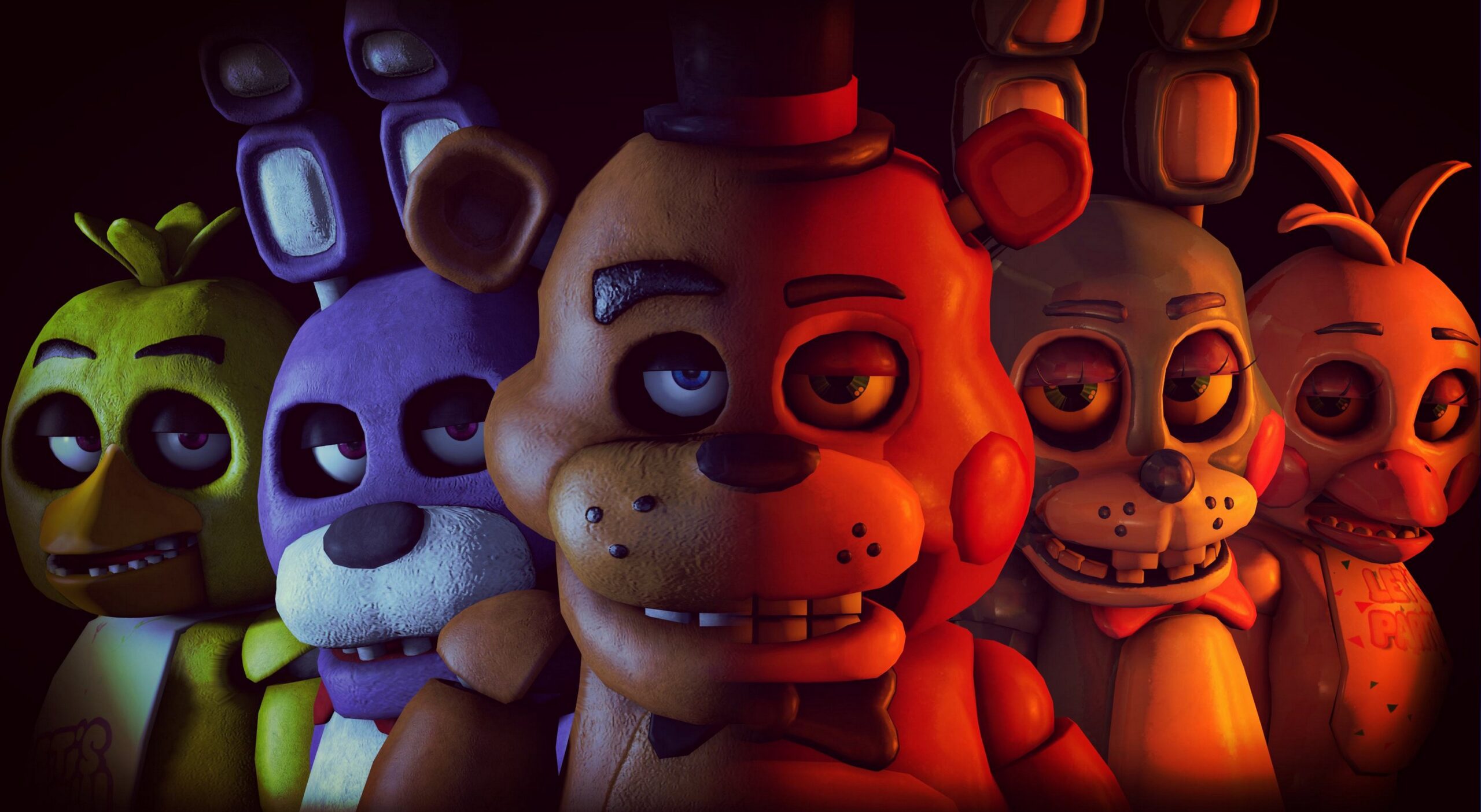
Once a clever subversion of childhood nostalgia, mascot horror — a subgenre of horror that transforms cheerful, child-friendly mascots and nostalgic entertainment spaces into sources of fear — has become one of the most recognizable and repetitive formulas in modern indie gaming, increasingly defined by frustrating gameplay loops, interchangeable characters, and predictable mystery-box storytelling.
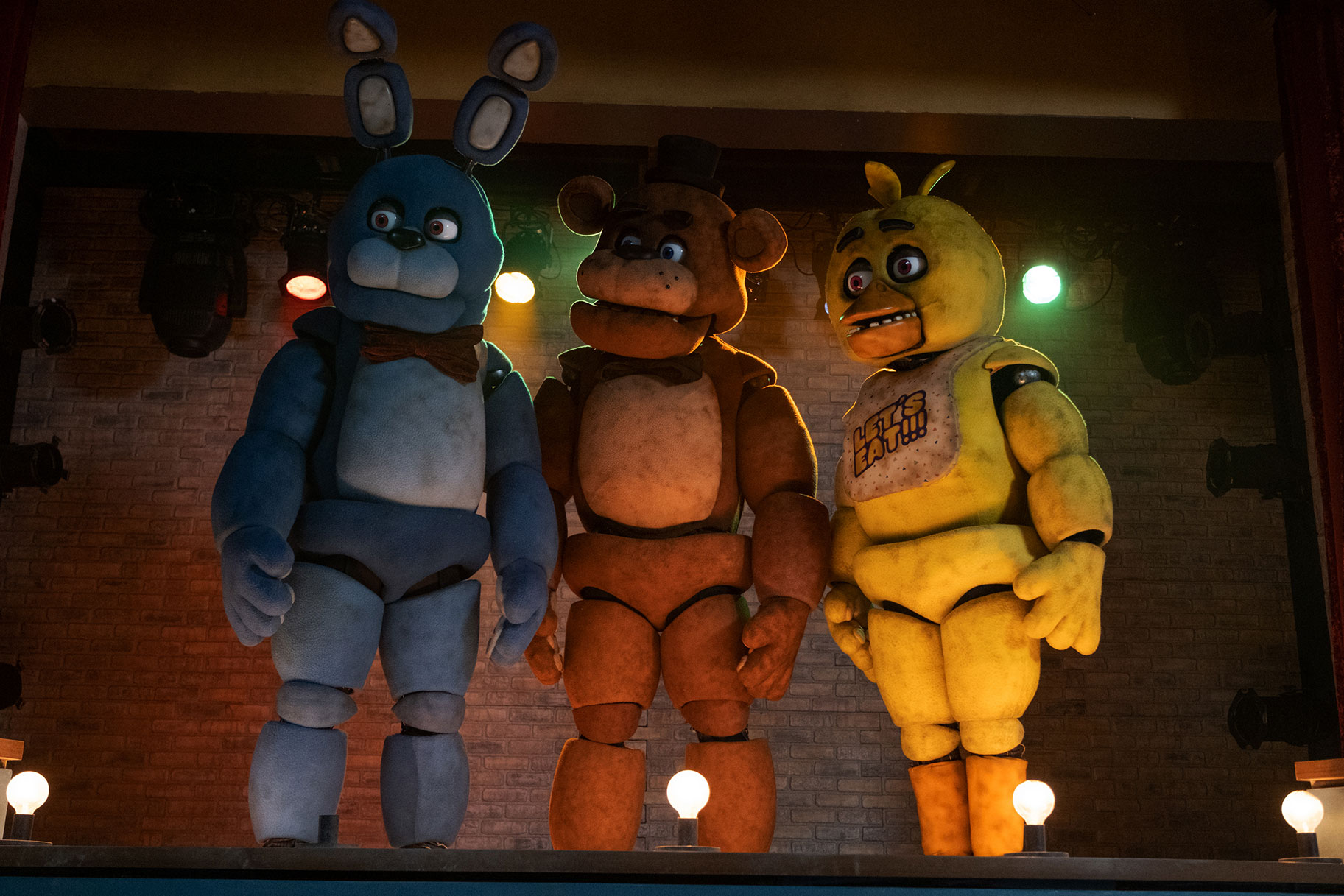
What began with the massive success of “Five Nights at Freddy’s” (2014),1 mascot horror has evolved into a wave of brightly colored marketable mascots, abandoned facilities, and lore designed less for fear and more for short-term virality.
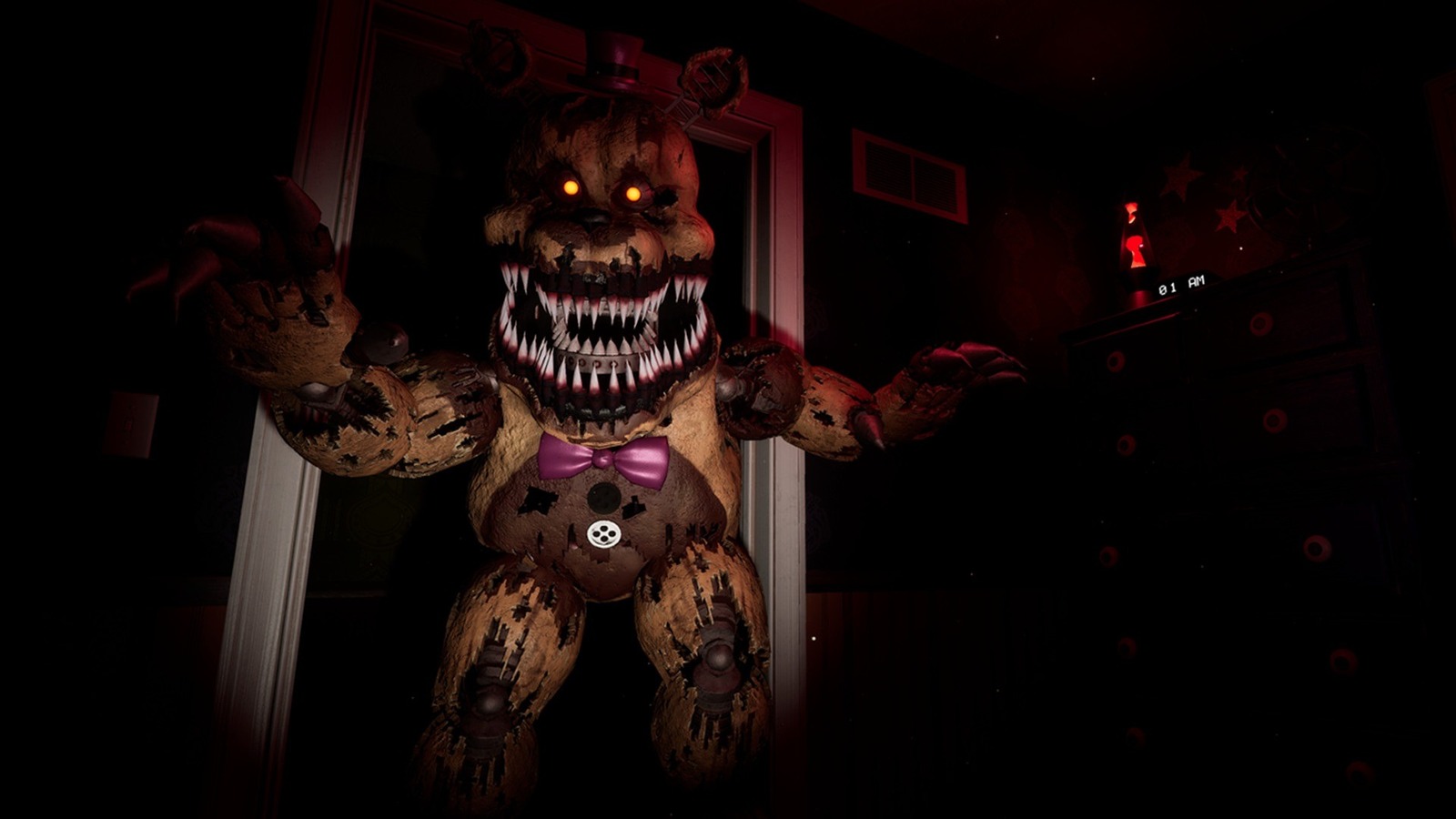
As newer titles like “Poppy Playtime” (2021)2 and “Gartan of Banban” (2023)3 follow increasingly familiar patterns, the question is no longer why mascot horror is scary — but whether it still is.
From Breakthrough To Blueprint — How “Mascot Horror” Became A Formula
Mascot horror did not emerge out of nowhere; it draws from a long-standing tradition of turning the nostalgic and familiar into something unsettling. Decades before indie games popularized the formula, horror media was already distorting childhood imagery into sources of fear. Films like Killer Klowns from Outer Space (1988)4 or Gremlins (1984)5 popularized the concept of twisting iconic childhood settings and nostalgia.
In the early 2000s, early internet horror expanded this idea through online creepypastas, short horror stories written by netizens. Familiar characters and media were reimagined as corrupted or haunted. Stories such as Squidward’s Suicide6 and Ben Drowned7 thrived on the unsettling collision between nostalgia and distortion.
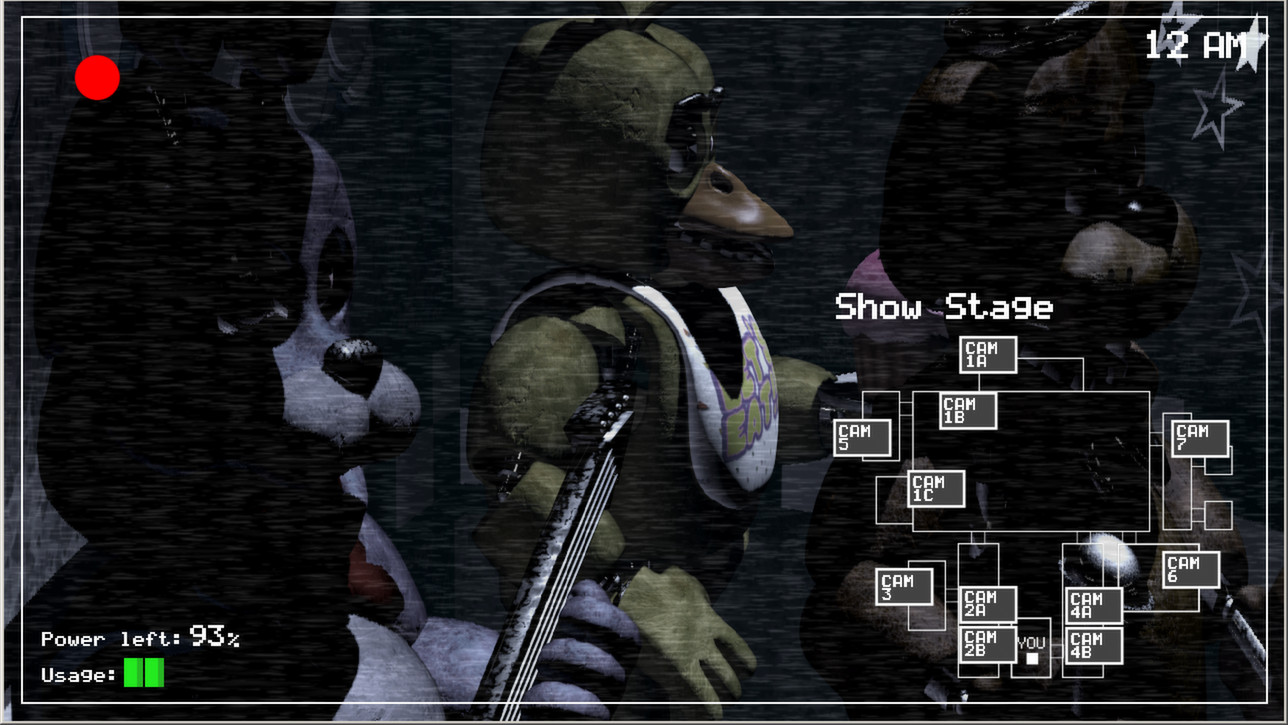
This set the foundation for the major mainstream success of “Five Nights at Freddy’s” (commonly known as FNAF) in the 2010s. “FNAF” masterfully taps into a shared discomfort based on the uncanny valley of animatronics and mascot costumes. The highly marketable characters paired with the simple gameplay loop tapped into a new audience of young teens and tweens. Furthermore, the game’s success on YouTube amplified its reach.
“FNAF” did not survive strictly off its gameplay; it was the ambiguous, captivating, and often completely nonsensical lore. The story was primarily told through vague secret messages, artwork, hidden mini-games, cryptic phone calls, and environmental details.
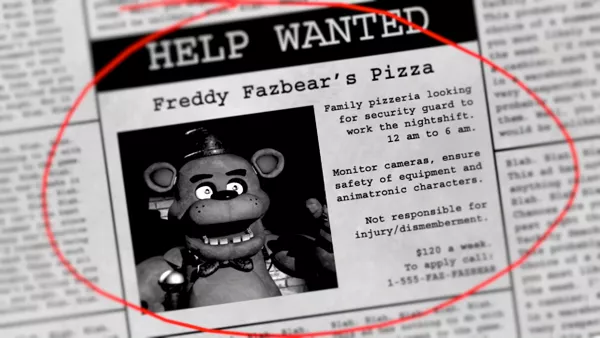
This forced players to piece together the story of several missing children, all killed by the illusion of William Afton, who had their bodies stuffed into the suits of the animatronics and now haunt each game’s central location. Questions around the “Bite of ‘87” and the identity of the “Crying Child” masterfully brought the game to life online.
In this way, “FNAF” masterfully walked the line between engaging and profitable games and fandom audience participation. The story unfolded over the course of 11 games, not including the several spin-offs, and is still ongoing. “FNAF” was undeniably innovative, but the success of the series set a precedent that many later indie games would follow far too closely.
Why Mascot Horror Feels Stale & Predictable
Mascot horror has become standardized into a jumble of predictable tropes and gameplay loops. Games such as “Poppy Playtime” and “Gartan of Banban” reused tropes popularized by “FNAF.” Abandoned children’s facilities, brightly colored mascots with gimmicky voices and exaggerated personalities, and hidden lore tied to unethical experiments on children have become some of the genre’s most overused tropes.
While effective in isolation, the repeated use of these motifs reduces their emotional impact. As noted in discussions of the trope on TV Tropes8, mascot horror relies heavily on the contrasts between innocence and horror. However, that contrast weakens when it becomes expected rather than surprising.

Another issue is the shift towards virality over substance. The genre’s success on video-sharing platforms like YouTube and TikTok has incentivized developers to prioritize cryptic, easily dissected lore and visually striking characters over cohesive storytelling. While mascot horror has always been intertwined with typical fandom theorizing, current iterations seem to prioritize viral shock value over cohesive storytelling and actual scary gameplay.
When Mascot Horror Became A Business Model
Furthermore, mascot horrors’ overwhelming success has created a unique over-commercialization issue. What began as an indie-driven creative movement has become a marketable brand identity. “Poppy Playtime” follows a serialized storyline with each new installment being similar to chapters in a novel.
However, besides Chapter 1, each chapter will cost more and more. Chapter 2 is typically for sale for $10, Chapter 3 is for $15, and Chapters 4 and 5 are priced at $20 each. This means that to enjoy the entire story, it will cost $65.9 And this amount will only grow as MOB Entertainment, the developer behind the game, has stated that they plan to continue the story.
“Gartan of Banban” follows this structure with its chapters, but each of the 8 individual chapters is released as its own game. Each game individually costs between $2-$6. Bundles for all 8 chapters can go anywhere between $40-$50.10
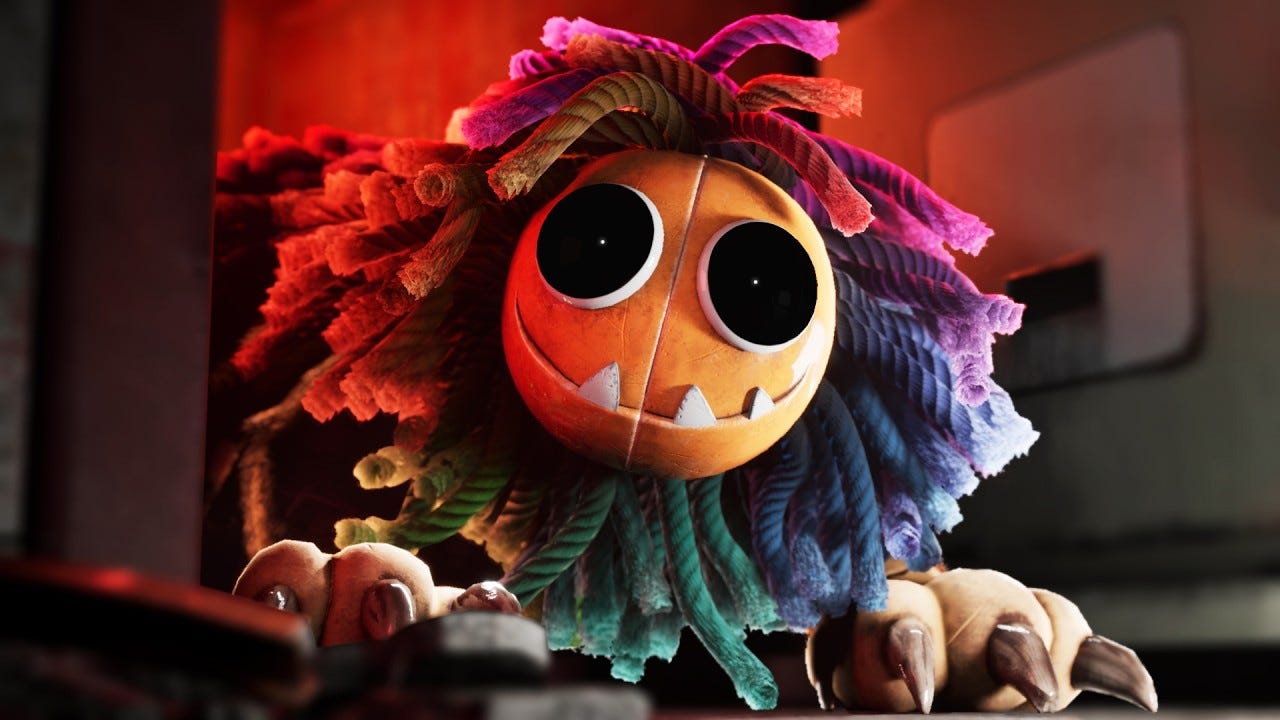
This over-commercialization has not stopped at game pricing. For example, MOB Entertainment has become notorious for its egregious merchandising practices. This included selling NFTs that included hidden lore details, incentivizing audiences to buy them to fully understand the story, and creating a profitable FOMO effect.11
Furthermore, their official storefront features an expansive catalog of plushies, apparel, accessories, and collectibles.12 “Gartan of Banban” has followed a similar pattern, although at a smaller scale. The game also features a large number of plush toys, costumes, backpacks, etc.

While this amount of merchandising is not new, and fans should feel free to enjoy merchandise of a beloved franchise, this amount of over-commercialization calls into question the number of characters these games seem to have. Each chapter must have a new character to become a fan favorite. That character must inevitably have merchandise13 made of them.
Then, squeeze every ounce of hype around that character until the next chapter, where the cycle inevitably repeats. This results in an over-bloat of characters that are easy to remember but hard for audiences to truly care about.
Formulaic Fear — Repetition Over Real Horror
Mascot horror games have begun to rely heavily on a tired formula. Each chapter largely follows the same structure: enter a new section of the factory, solve a series of environmental puzzles, meet a newly introduced mascot, trigger a chase scene, then uncover cryptic lore through tapes, notes, or voice recordings. Instead of tension building naturally, players are often moving from one scripted sequence to the next.
Recycled Icons & Predictable Threats
This formula is intensely clear when looking at “Poppy Playtime.” Chapter One introduced Huggy Wuggy as an effective threat because he was unexpected. His towering design and sudden pursuit through ventilation shafts created one of the genre’s most memorable moments. But later chapters repeatedly attempt to recreate that same shock with different mascots.
Mommy Long Legs in Chapter Two follows the player through a gauntlet of mini-games before culminating in another escape sequence. Chapter Three introduces CatNap as the next centerpiece villain, again marketed as a new icon before players even experienced the chapter itself. Rather than deepening existing threats, the series often replaces them with the next marketable face.
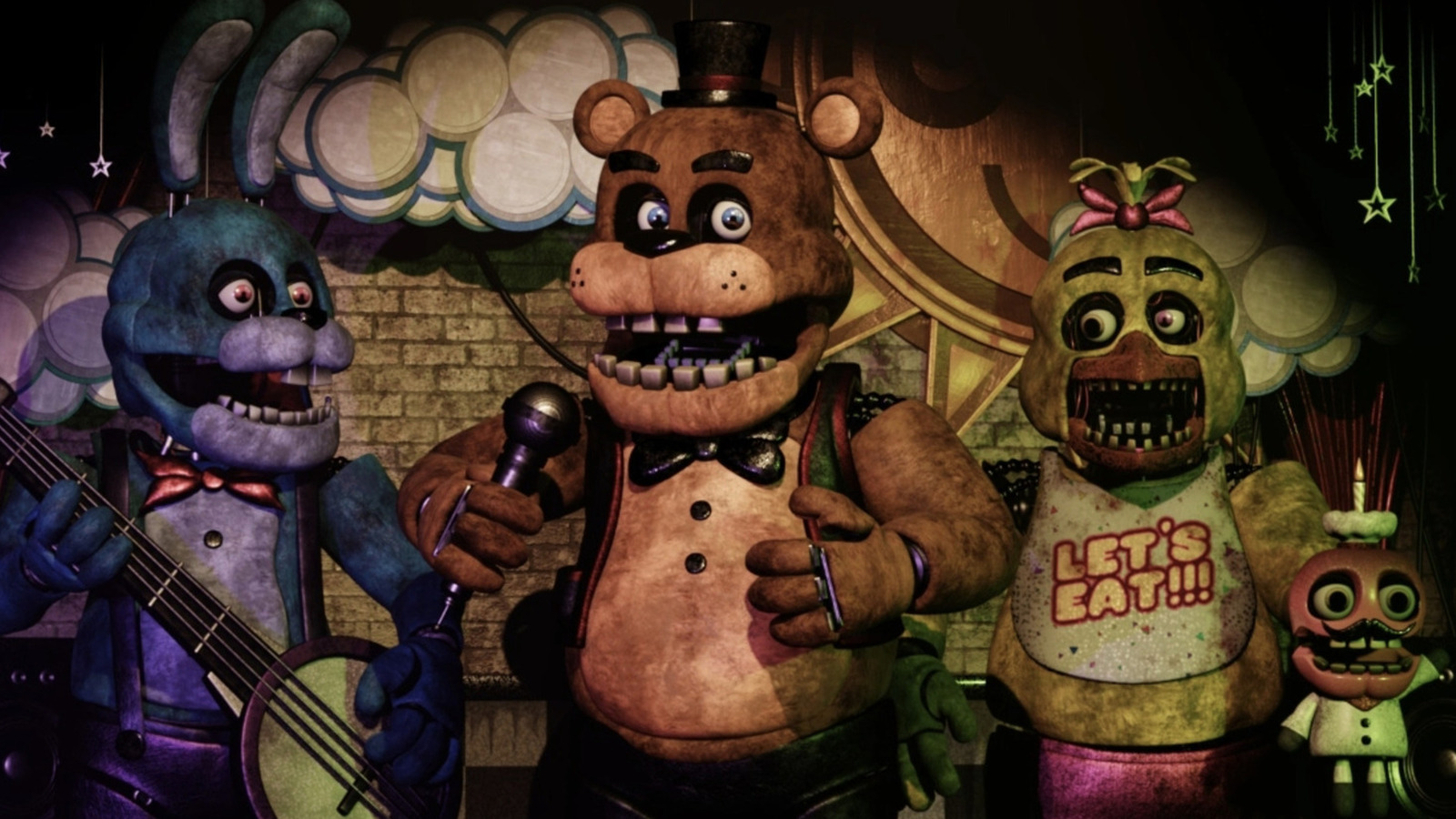
The puzzle design also reflects the formula. Many sections rely on pulling switches, restoring power, redirecting electricity, or using the GrabPack to manipulate machinery. While these mechanics were fresh initially, repeated use makes progression feel procedural rather than frightening. Players are not asking what horrors await — they are asking which lever must be pulled next.
Even the lore has become cyclical. The same narrative beats return repeatedly: unethical experiments, children turned into mascots, a sinister corporation hiding secrets, and audio logs that hint at tragedy without fully explaining it. These ideas can be effective, but constant reuse across chapters and across the genre has reduced their impact. Mystery becomes less compelling when audiences can predict the answer.
As fans on Reddit have discussed, these sequences often feel like “homework” that you have to push yourself through, turning fear into frustration as you must repeatedly “start all over” if caught during a chase scene.14

The result is a rotating lineup of antagonists that feels less like meaningful threats and more like interchangeable set pieces designed to sustain attention. Even within fan discussions, this has led to criticism that newer entries feel like they “are going through the motions,” with the original sense of mystery fading into disengagement.
Prominent content creators echoed this fatigue. Markiplier, one of the most influential voices in gaming, has openly critiqued the direction of mascot horror, describing later experiences as disjointed and overly reliant on repetitive mechanics. His more recent play-through of Chapter 5 of “Poppy Playtime” went viral for his obvious lack of interest and exhaustion with the franchise.
His reaction was echoed by other creators, like Jacksepticeye and CaseOh, highlighting how “Poppy Playtime,” undeniably one of the most prominent games in mascot horrors, has fallen back on tired patterns rather than expanding them.
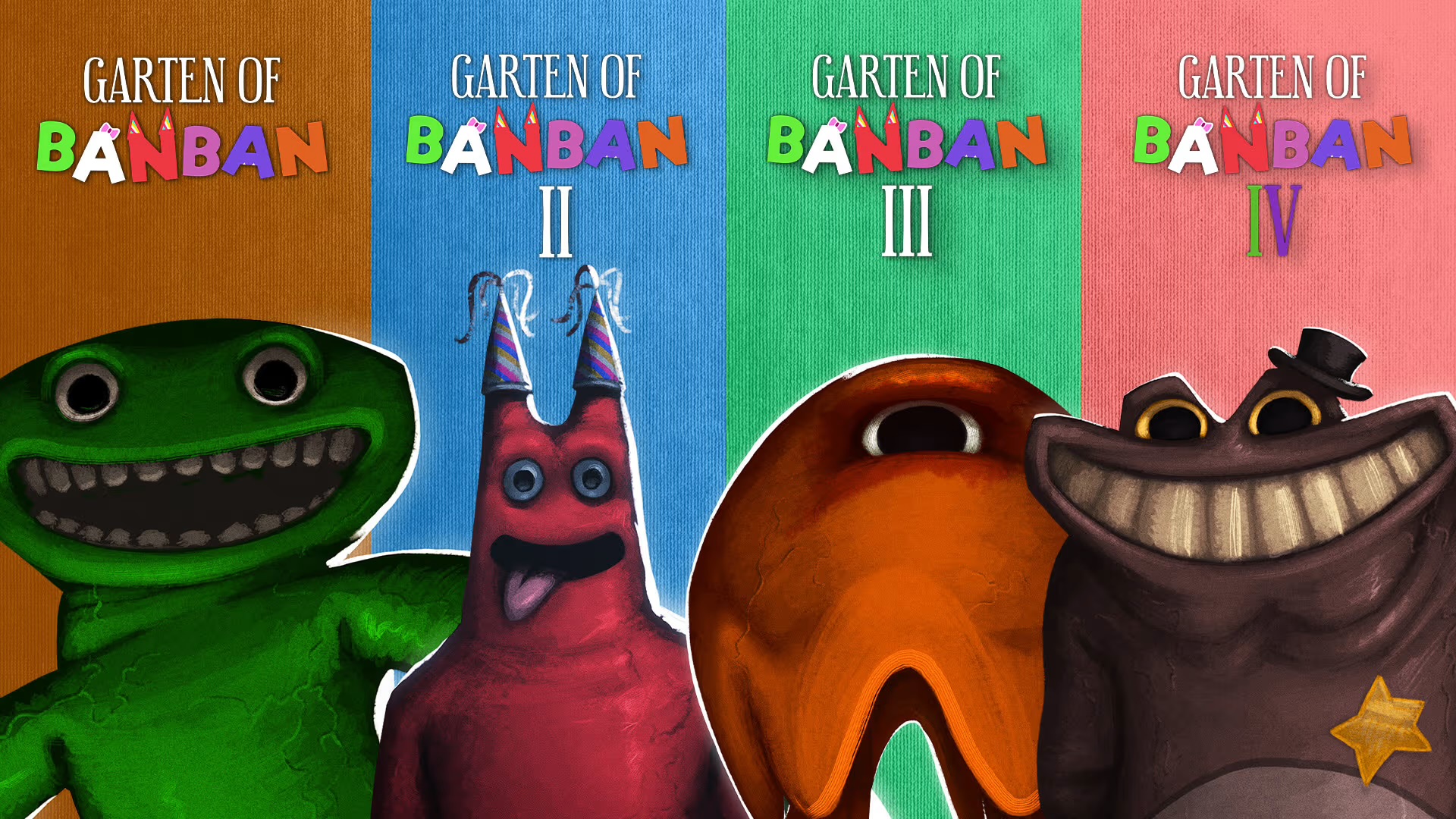
“Gartan of Banban” is an even worse example of the genre’s decline. When the game was first released in 2023, many netizens believed it was a parody. It followed the tired pattern of repetitive puzzles, low-impact chase scenes, marketable characters, and missing children to such a perfect degree that it took the creators making a statement saying the game was made entirely in earnest.15

What emerges from these trends is a genre increasingly defined by iteration rather than escalation. The repetitive structure remains largely unchanged, while the stakes and emotional investment struggle to maintain relevance. Without innovation in gameplay or deeper integration between mechanics and narrative, mascot horror risks fading into obscurity and mediocrity.
How Mascot Horror Can Evolve Beyond Its Formula
Mascot horror needs to mature. After decades, the genre still has a strong cultural presence among young audiences. The genre’s central premise of turning symbols of comfort, innocence, and nostalgia into something threatening still strikes a chord with the audience. What must change is the genre’s reliance on the same formulas popularized by the “FNAF” franchise that has caused it to stagnate.
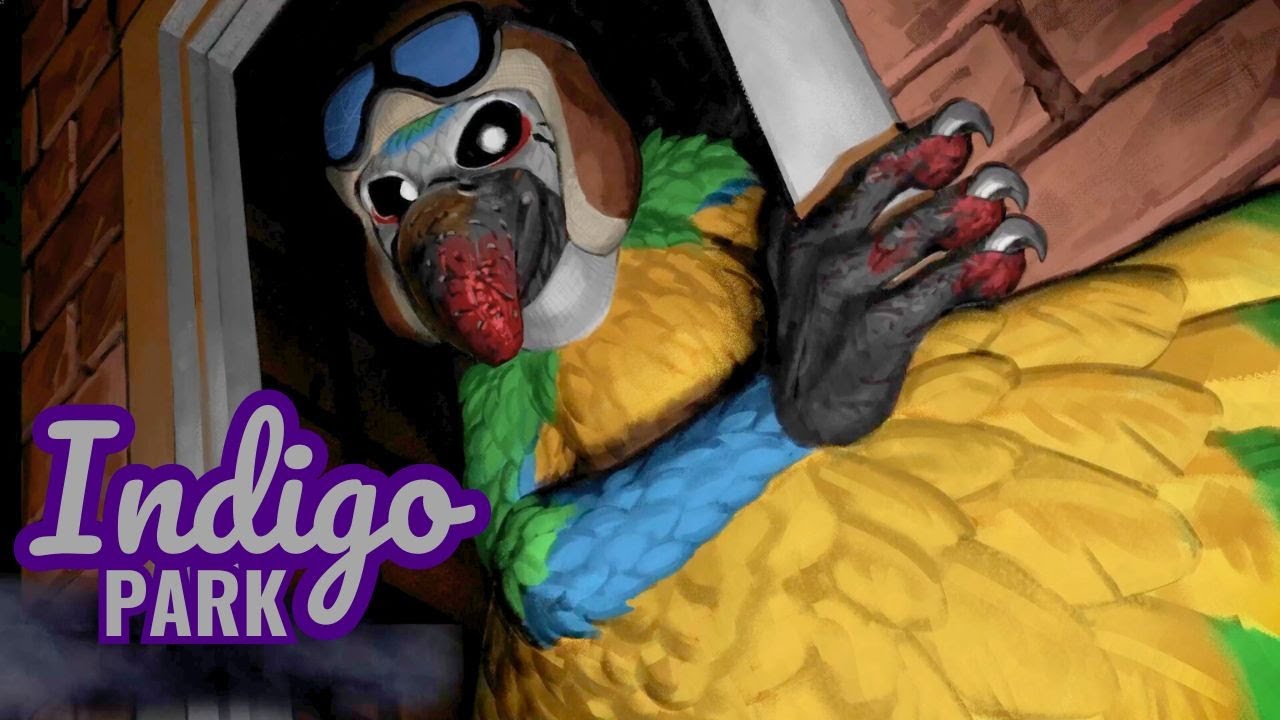
One of the strongest examples is “Indigo Park”16 (2024). Instead of relying solely on nonstop chase scenes or monster reveals, “Indigo Park” places greater emphasis on atmosphere, environmental storytelling, and the unsettling collapse of a once-beloved theme park.
Its mascots feel tied to the larger world around them and the player, rather than just existing as filler gimmick characters to fill up the cast. The game understands that abandoned spaces, warped nostalgia, and gradual tension are far more effective than constant noise. And the game’s central mascot, Rambley the Raccoon, expertly toes the line between annoying, frightening, and cute.

Another positive direction is a stronger focus on realistic worldbuilding. Mascot horror works best when the mascots feel like products of a believable entertainment brand with history, branding, and understandable logic. “Poppy Playtime” and “Gartan of Banban” understood this in the beginning, but as we delve deeper into each game’s respective setting, it feels less and less believable to the audience, inevitably breaking the immersion.
“Indigo Park” uses real-world theme parks and corporations to immerse the audience into the setting, giving the setting a more powerful connection to the player as the player inevitably begins to connect the in-game “Indigo Park” with their memories of real-world theme parks.
This connection then furthers the horror aspect, as seeing the park in such a rundown, disgusting state hits the player in a far more significant way than an abandoned toy factory that was secretly an orphanage that was also secretly running experiments to turn children into living toys.
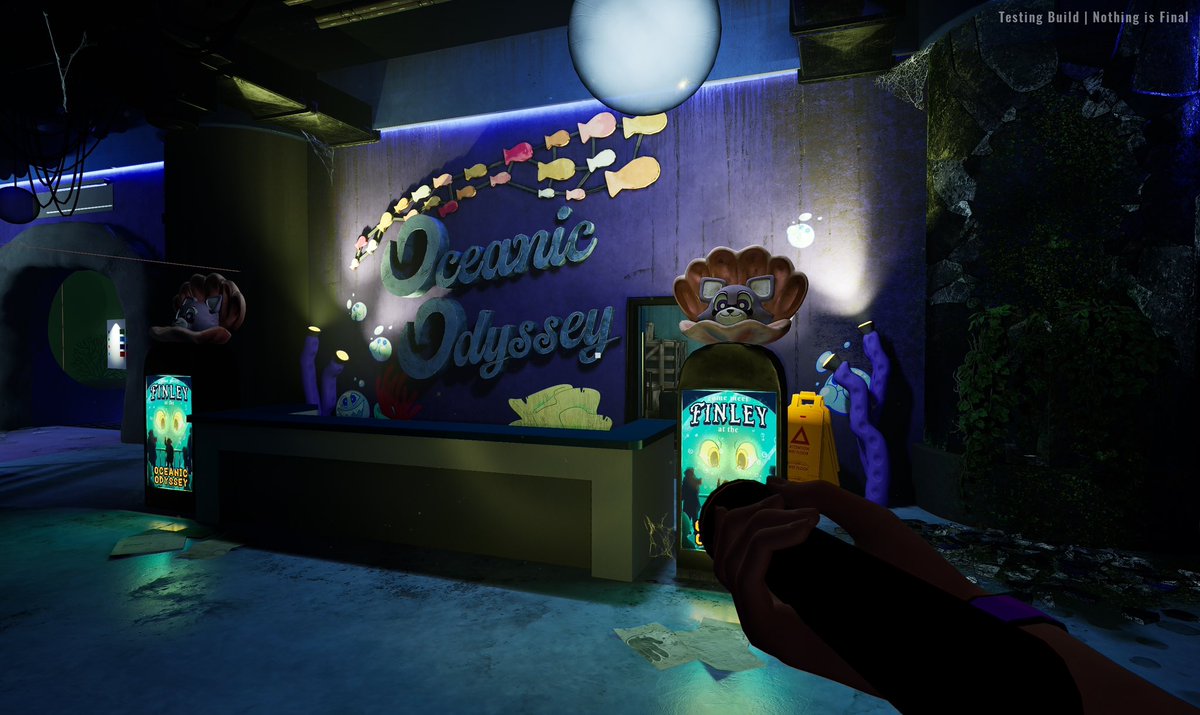
Furthermore, while “Indigo Park” has a colorful cast of marketable characters, the game keeps the cast small. This allows each character’s individual gimmick and design to be far more memorable than a one-note character in an extensive cast. Mascot horror characters work when the characters are extensions of the themes and story rather than merchandising concepts designed for short-term virality.
Still Stuck In The Same Gameplay Loop
“Indigo Park” is not perfect, however. It carries over the puzzle-based system of its counterparts, though to a less frustrating degree. Gameplay innovation is a clear path forward for the genre. Instead of repeating puzzle-room progression followed by a scripted chase sequence, newer titles should blend exploration, stealth, investigation, and dynamic character encounters.
Horror is far more effective when the audience is uncertain, not when they know a chase scene will begin the moment they open a door. Predictability turns tension into routine, reducing fear to a mechanical response rather than an emotional one. Eventually, players stop reacting with fear and start optimizing routes, memorizing triggers, and treating encounters like repeatable obstacles rather than threats.
Finally, mascot horror can mature by embracing emotional and thematic depth. Mascot horror has always been rooted in corrupted innocence, but that idea can easily expand into themes of corporate exploitation, parasocial branding, or the discomfort around revisiting childhood spaces as an adult.
“Poppy Playtime” and “Gartan of Banban” both teeter on emotional depth, but rarely allow them to impact the player before the next scripted event plays. “Indigo Park” allows the atmosphere to carry most of the emotional depths, but we can only wait till the game is further in development to see if it improves.
Can Mascot Horror Survive Its Own Success?
Mascot horror can survive — but only if it is willing to mature. Modern iterations of the genre rely too heavily on the same formula, and without innovation, it risks collapsing under the weight of its own predictability. What was once an effective subversion of childhood nostalgia has, in many cases, become a checklist: abandoned facilities, quirky mascots, cryptic tapes, and lore that gestures toward depth without fully committing to it.

Its survival depends entirely on developers. Games like “Indigo Park” and its growing fan base demonstrate that there is still a strong appetite for indie mascot horror. Audiences have not abandoned the genre — they have simply become more discerning. Players are no longer satisfied with recycled mechanics, shallow storytelling, or frustration disguised as difficulty. They expect evolution: more intentional narratives, refined gameplay, and horror that extends beyond aesthetic mimicry.
If nothing changes, mascot horror will not disappear overnight — it will stagnate. The genre will become increasingly self-referential, crowded with titles that blur together until none stand out.

New releases will feel less like innovations and more like imitations, each one chasing the success of predecessors like “Five Nights at Freddy’s” or “Poppy Playtime” without understanding what made them resonate in the first place. In that state, mascot horror does not die dramatically; it fades into irrelevance, remembered less as a meaningful sub-genre and more as a fleeting trend of the 2010s and 2020s.
For mascot horror to endure, it must do what it once did so well: surprise its audience — not by repeating the past, but by redefining what the genre is capable of becoming. If developers can allow their games to mature alongside their player bases, they may be able to endure the test of time. Or risk being just another fad.
Footnotes
- Cawthon, S. (2014). Five Nights at Freddy’s [Video game]. Scott Cawthon. ↩︎
- Poppy Playtime. Mob Entertainment, 2021. Video game. ↩︎
- Garten of Banban. Euphoric Brothers, 2023. Video game. ↩︎
- Stephen Chiodo, dir., Killer Klowns from Outer Space (Los Angeles: Trans World Entertainment, 1988), film. ↩︎
- Joe Dante, dir., Gremlins (Burbank, CA: Warner Bros., 1984), film. ↩︎
- “Squidward’s Suicide.” 2026. April 18. ↩︎
- “BEN Drowned.” 2026. April 18. ↩︎
- “Mascot Horror.” n.d. Accessed April 16, 2026. ↩︎
- “Poppy Playtime on Steam.” n.d. Accessed April 17, 2026. ↩︎
- “Garten of Banban.” n.d. Accessed April 17, 2026. ↩︎
- “Mob Entertainment Launches Official Poppy Playtime Merchandise Store – Los Angeles Today.” 2026. March 16. ↩︎
- “Mob Entertainment Launches Official Poppy Playtime Merchandise Store – Los Angeles Today.” 2026. March 16. ↩︎
- “The Official Poppy Playtime Store.” n.d. Accessed April 23, 2026. ↩︎
- Eekah. 2026. “Caseoh’s reaction to Mark’s PP5 reaction:” Reddit Post. R/Markiplier, February 22. ↩︎
- “Post by @pangolin-404 · 2 Images.” 2023. January 16. ↩︎
- Indigo Park: Chapter 1. UniqueGeese, 2024. Video game. ↩︎