
Table of Contents Show
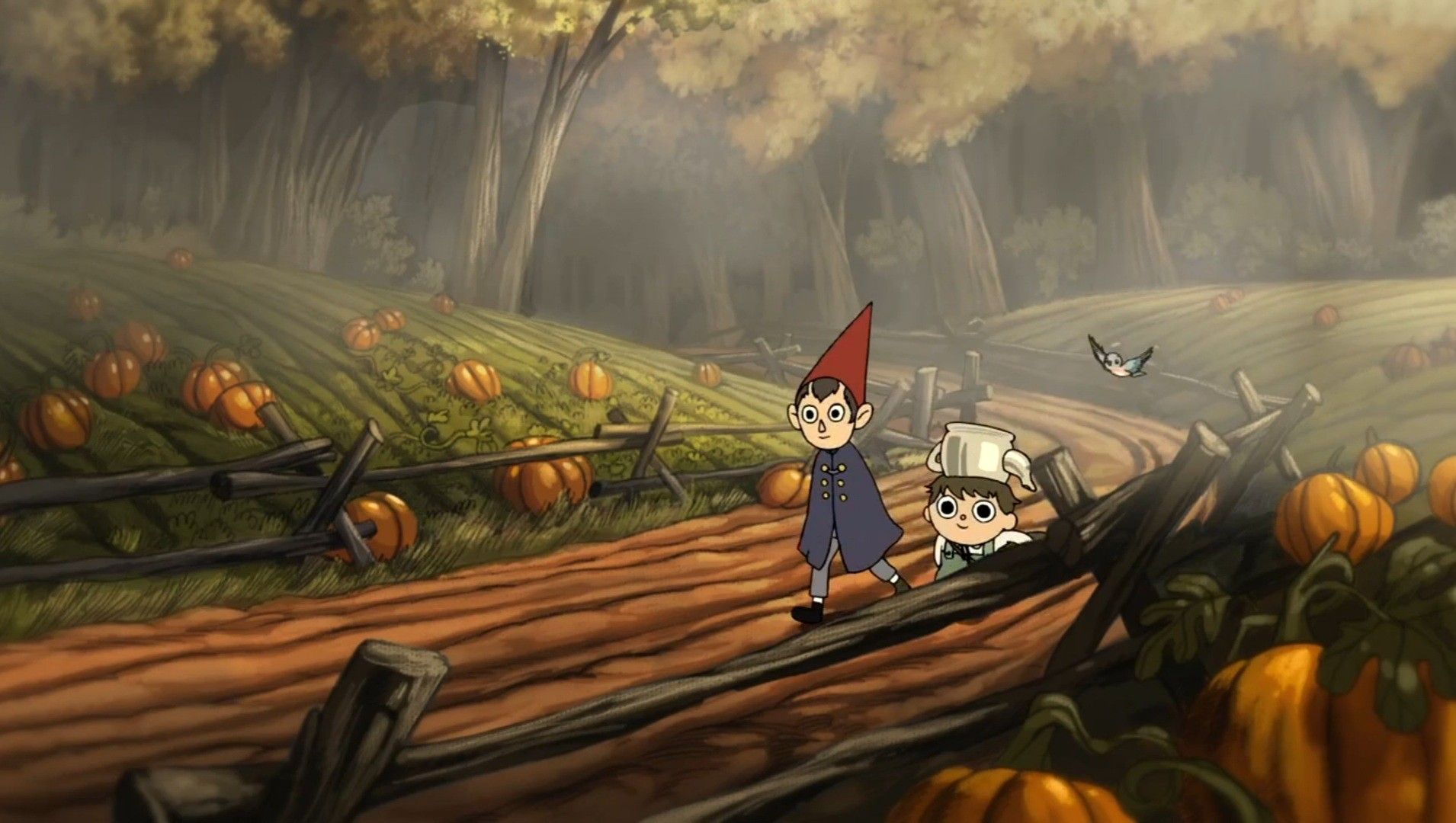
As the leaves change color and the “ber-months” settle in, cozying up with a short, fall-themed series can help audiences get into the season. Over the Garden Wall (2014) delivers that warm, rich, Autumnal feeling while giving viewers complex characters and a deep sense of nostalgia in ten short episodes.
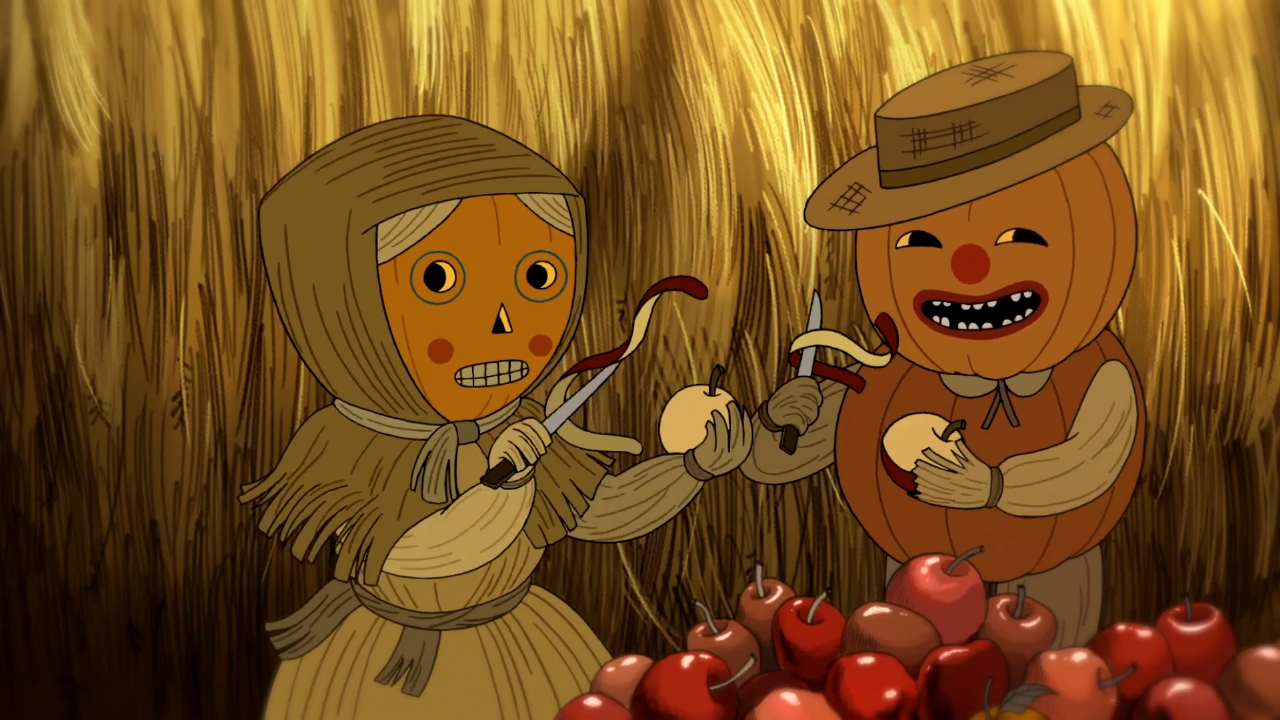
Over the Garden Wall, directed by Patrick McHale, is a miniseries that follows two lost brothers on their trek to get through a strange forest called “The Unknown.” They meet a multitude of odd fairytale-like creatures along the way, including a bluebird named Beatrice, who becomes fast friends with the duo.
Though the series is a Cartoon Network Studios show — a station marketed primarily towards children — there are instances in which the mood becomes eerie. Oftentimes, monsters lurk in the shadows, the brothers get chased by malevolent beings, and the forest grows increasingly dark and windy — all while colorful leaves swirl around them.
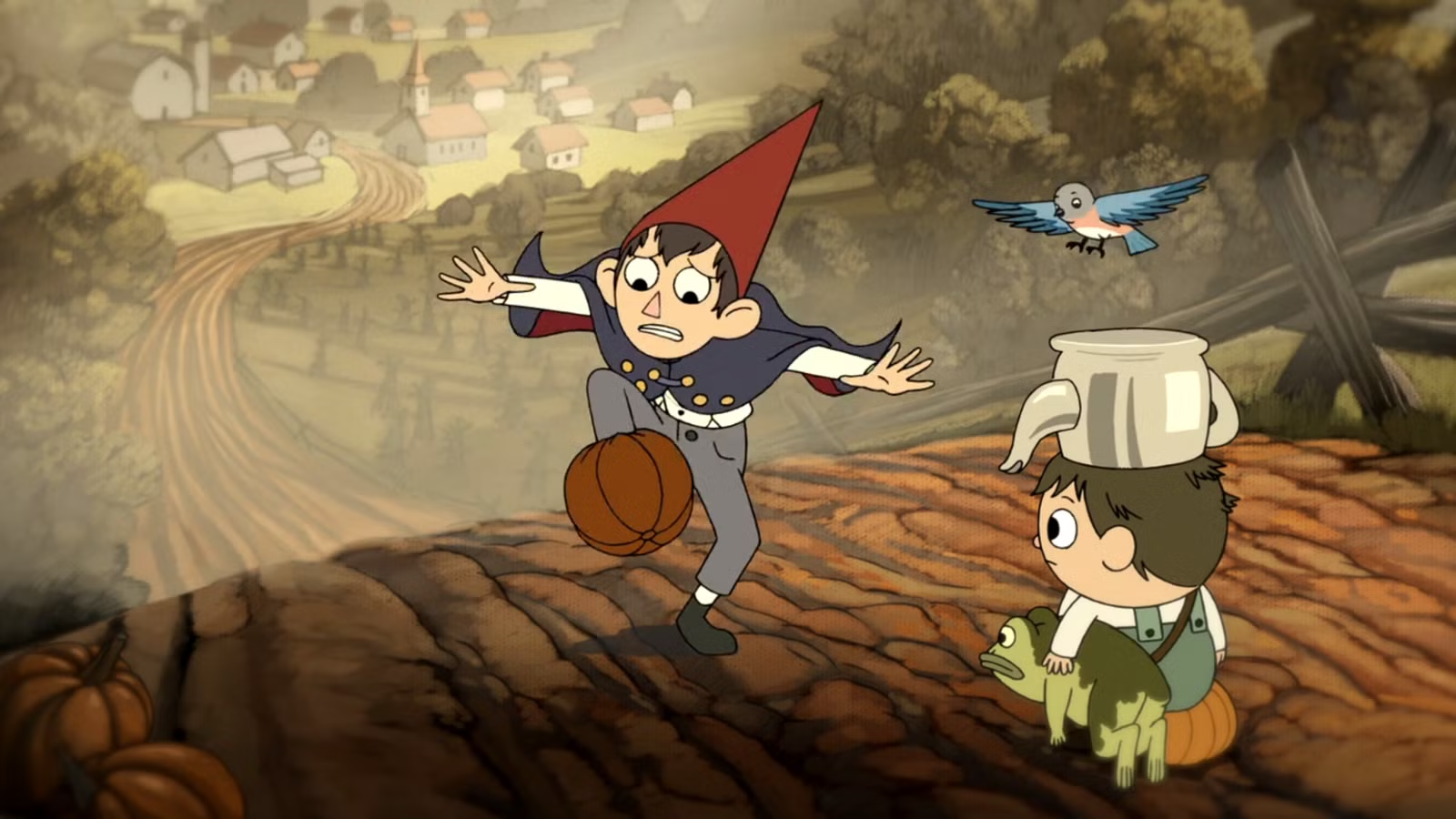
The short series blends both sides of Autumn — the dark, eerie side and the warm, colorful side. This results in a familiar feeling of nostalgia, and it is said that the production team wanted to focus more on the “mood” than anything else.1
How Over The Garden Wall Captures The Magic Of Autumn
When most people think of the Fall or the Autumn season, they think of things like bright yellow, orange, and red colored leaves, chilly weather, Thanksgiving, pumpkins — things that cause one to want to stay in the house and get nice and cozy. Over the Garden Wall encompasses the “fall feeling” so well because the creator traveled to Massachusetts during the Autumn season, and it heavily influenced the feeling he wanted for the miniseries.
“The time I was there was this perfect arc. When it started, there was still green in the trees, and it all changed to these rainbow colors, and then more muted browns, and then stuff started falling, and then it all got hit with a snowstorm. So the series is recreating that.” 2
The series uses many visual elements that really emphasize the autumnal feeling, the most notable being: using a “Fall” color palette; warm-toned browns, yellows, oranges, and reds; the thick forest called “The Unknown” being home to fairytale creatures — many of them being vegetable and fruit people, pumpkins specifically — small brick cottages (along with a haunted house or two), as well as drifting leaves and breezy trees in the background.
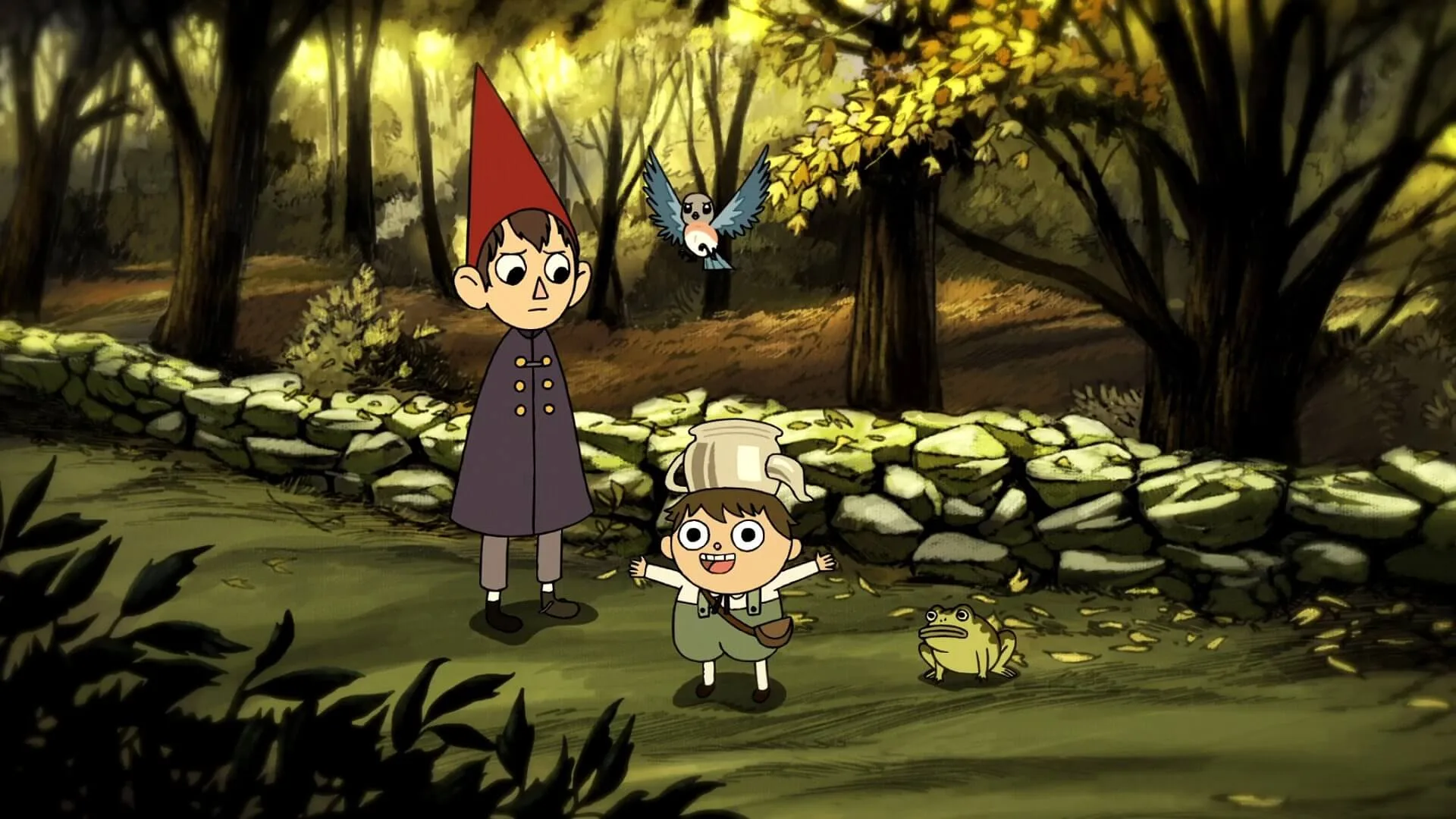
Paired with the folk-like music in the series, the animation immerses the audience completely in the other world. The classic-looking animation and “old-timey” music transport you to an older time, creating the opportunity for younger people to have an appreciation for older, classic things.
McHale says in an interview:
“We were also trying to do that with music and hopefully introduce audiences, especially younger audiences, to music that maybe they hadn’t heard before. If they are introduced to it in the context of a funny cartoon, then they might absorb it better and recognize it as something nice to listen to, rather than, ‘Oh, that sounds old and weird.’”3
Pumpkins, Folklore, & The Series’ Eerie Fairytale World
This series homes in on the “odd” and “whimsical” side of what the Autumn season can be, giving it a more “vintage” or “classic” cartoon feel. Though there has never been an official date for the time of the series, there is a heavy Americana and Folkloric feel, making the series feel even more “nostalgic.”
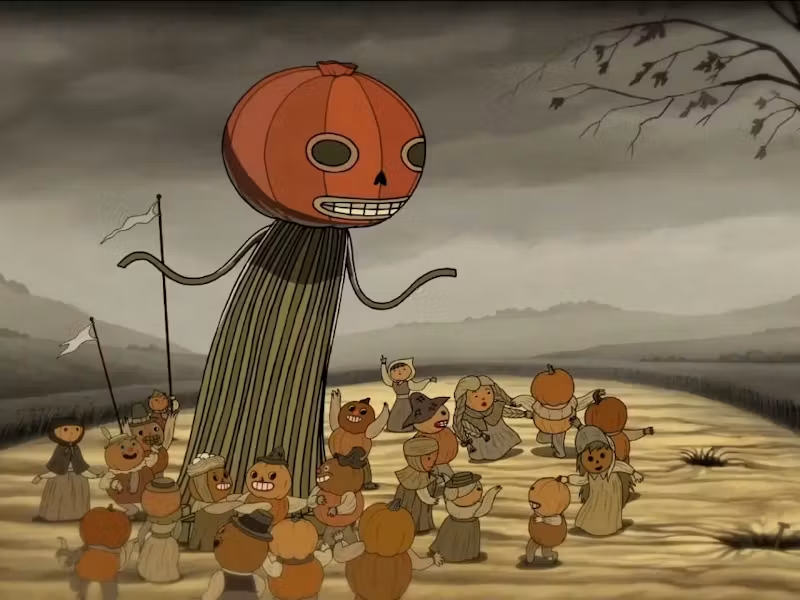
Over the Garden Wall goes beyond just using pumpkins and leaves as background filler. A large majority of the fairytale creatures in the series are pumpkin or vegetable people with their own stories and lives, transporting you into the autumnal world.
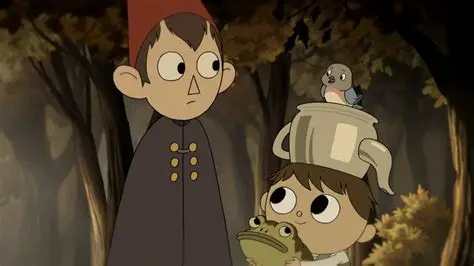
The whimsical characters are all dressed in “fall attire” with hats, coats, long skirts, or scarves, and seem to be in the middle of a big harvest festival. Aside from the main characters and the pumpkin people, there are many more “background characters” that leave a lasting impression and really emphasize the autumnal feeling.
The Beast is one of the most daunting, spooky characters in the series. Often lurking in the shadows and taunting The Woodsman, The Beast is known for taking children lost in the woods and turning them into Edelwood trees.

The Woodsman carries around a lantern that houses The Beast’s soul, hence why he is hardly more than a shadow’s length away from him. With The Beast’s tall, shadow-like appearance accompanied by a deep voice and horns, he is an image that no one wants to encounter.
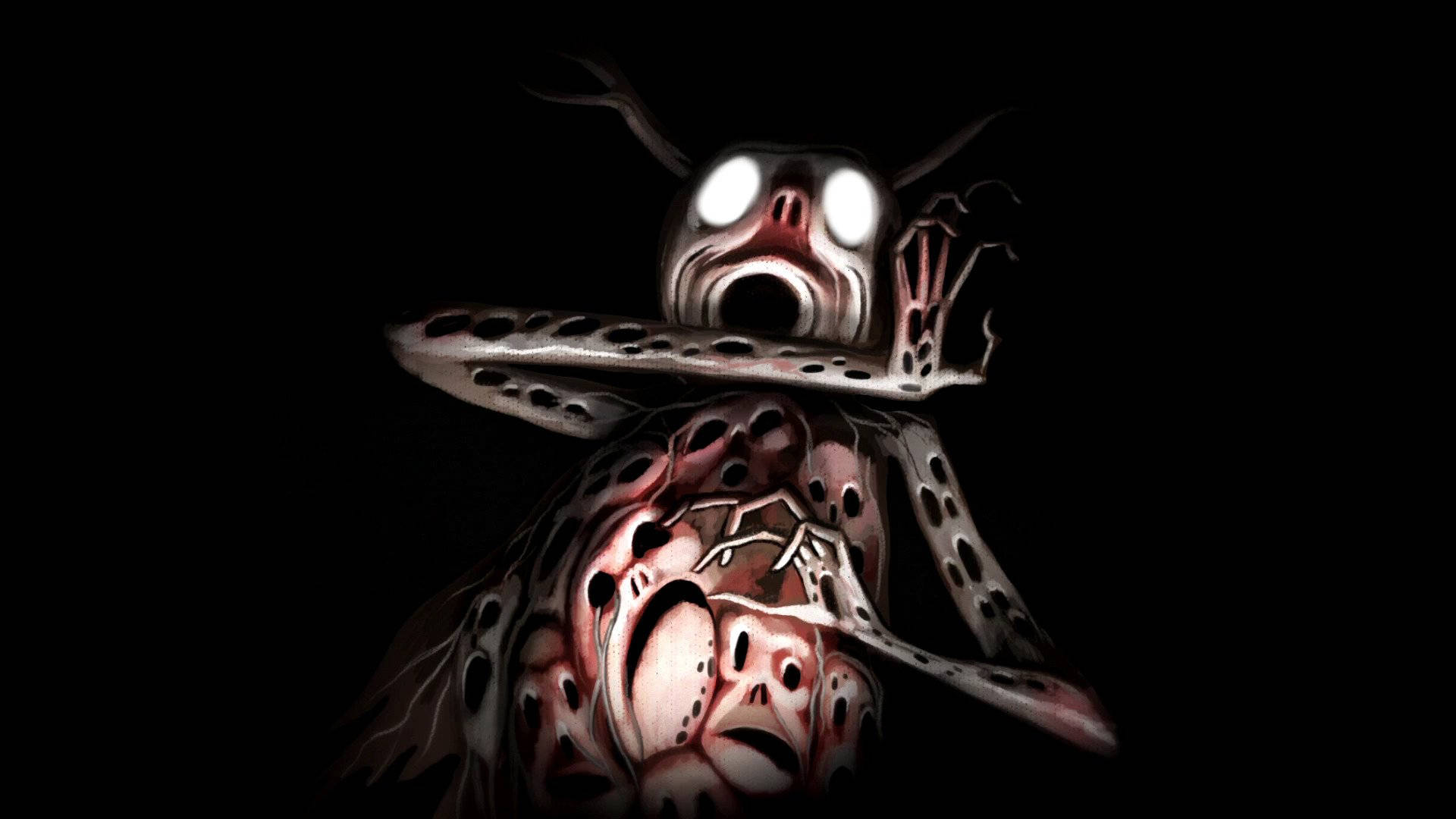
At the end of the series, you catch a glimpse of what The Beast really looks like — a pale, flesh-toned monster with the faces of tortured souls all over his body. The Beast is one, possibly even the biggest character that heavily emphasizes the spooky side of autumn.
The Woodsman — an older man that Wirt and Greg encounter early on in their adventures — is a strange, small, stern man who carries a lantern and traverses the woods at all hours of the day, cutting down trees and extracting the oil from them. Initially, the brothers are unsure about him — maybe he’s an axe murderer, who knows — and they plan to sneak away from him about as quickly as they’ve met him.

This plan is hindered, however, when Greg encounters a force which he assumes to be The Beast. During a fight with the animal, the mill in which The Woodsman extracts the oil from the trees is demolished, leaving The Woodsman distraught.

It is unknown to the boys until much later that the woodsman is cutting down the Edelwood trees for The Beast, and it is even later until they find out why. The Woodsman is told that his long-departed daughter’s soul is trapped in the lantern, and if he does not continue to cut down the trees and provide the lamp with oil, her soul will be lost forever.
This idea has been created by The Beast himself, however, and is not true. The soul that is encompassed in the lamp is none other than The Beast’s. The Woodsman is a very complex emotional character whose rough exterior is put in place to keep everyone who enters the forest safe whilst trying to save — seemingly — what little of his daughter he has left.
Character Development & The Darker Themes Of The Unknown
Though this series is seemingly marketed towards children, it contains deeper themes throughout. A main focus on Wirt, the older brother, is that he starts off the series afraid and uncertain of everything. He is more reserved and worrisome than his younger brother, Greg. He is often seen as pessimistic and a stickler for rules — this typically results in him clashing with Beatrice and Greg.
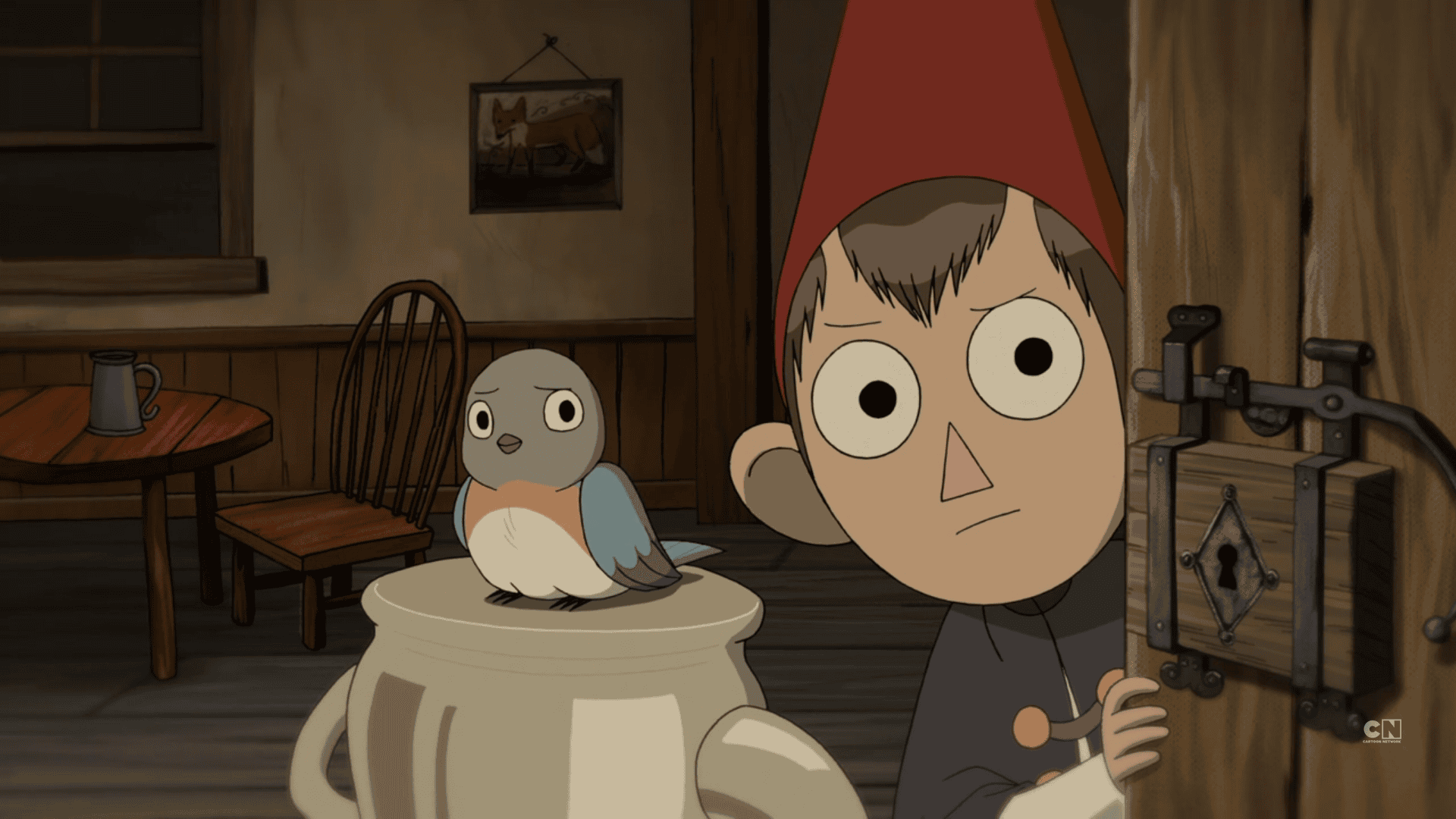
As the series progresses, Wirt slowly becomes more optimistic and confronts his fears. He lets his guard down, and by the time the party is through “The Unknown,” he has grown to be much more loving and carefree.
Beatrice, the bluebird that joins their party, starts less than excited to have the company of the brothers. She is sassy and has a lot of snarky things to say — mostly aimed at Wirt. As the story progresses, she reveals why she has such a “bad attitude” — she is to blame for her and her entire family being turned into bluebirds — and becomes more emotionally vulnerable with the two — even enjoying their company.
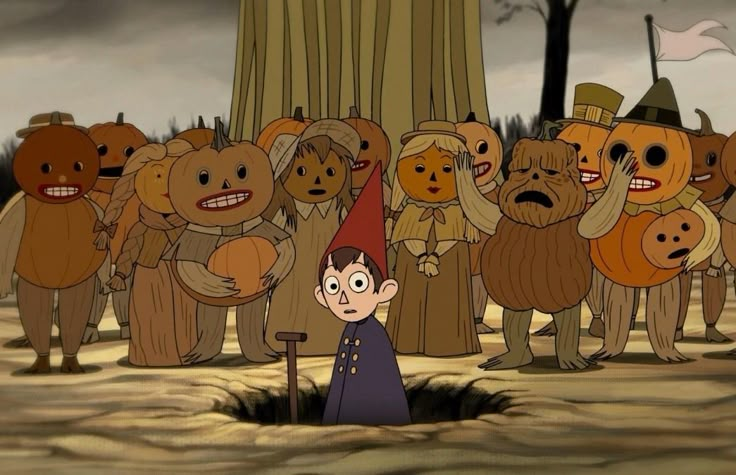
The theme of Death is also heavily present throughout. A great example of this is in the Episode “Hard Times at the Huskin Bee,” where the audience is introduced to the “pumpkin people.” Greg and Wirt are convinced that they are digging their own graves when, in reality, they are digging up the skeletons of villagers who have passed so they can join in the “Pottersfield Harvest.” All of the “pumpkin people” are really skeletons walking around in pumpkin suits.
During the “Hard Times At The Huskin’ Bee,”4 one of the villagers tells Wirt that he is “too early,” which you later find out is because the villagers are all deceased. Along with the pumpkin villagers, there is The Beast that takes children and turns them into trees, ending their lives, along with The Woodsman who thinks he is carrying his departed daughter’s soul in his lamp.
Why Over The Garden Wall Is Worth Rewatching Every Fall
Though Over the Garden Wall is only ten episodes long, the autumnal vibe with the excellent storytelling and animation makes it an immersive, feel-good watch. The series does not lack substance, and with it being a miniseries, it feels almost carefree — like sitting down to watch a movie, not bingeing a full series. With its compact storytelling and visual appeal, it piques the interest of a multitude of people — children and adults alike.
Sitting apart from other seasonal cartoons, Over the Garden Wall has substance and charm. Being both spooky and cozy, it makes for a great rewatch when the leaves start to hit the ground, and there is a chill in the air.
Footnotes
- Entertainment Weekly. “‘Over the Garden Wall’ creator reflects on 10 years of an autumnal classic.” 17 September 2026. ‘Over the Garden Wall’ creator reflects on show’s 10th anniversary ↩︎
- Entertainment Weekly. “‘Over the Garden Wall’ creator reflects on 10 years of an autumnal classic.” 18 September 2026. ‘Over the Garden Wall’ creator reflects on show’s 10th anniversary ↩︎
- Entertainment Weekly. “‘Over the Garden Wall’ creator reflects on 10 years of an autumnal classic.” 18 September 2026. ‘Over the Garden Wall’ creator reflects on show’s 10th anniversary ↩︎
- IMDb. ‘Chapter 2: Hard Times at the Huskin’ Bee. 27 September 2026.“Over the Garden Wall” Chapter 2: Hard Times at the Huskin’ Bee (TV Episode 2014) – IMDb ↩︎