
Table of Contents Show
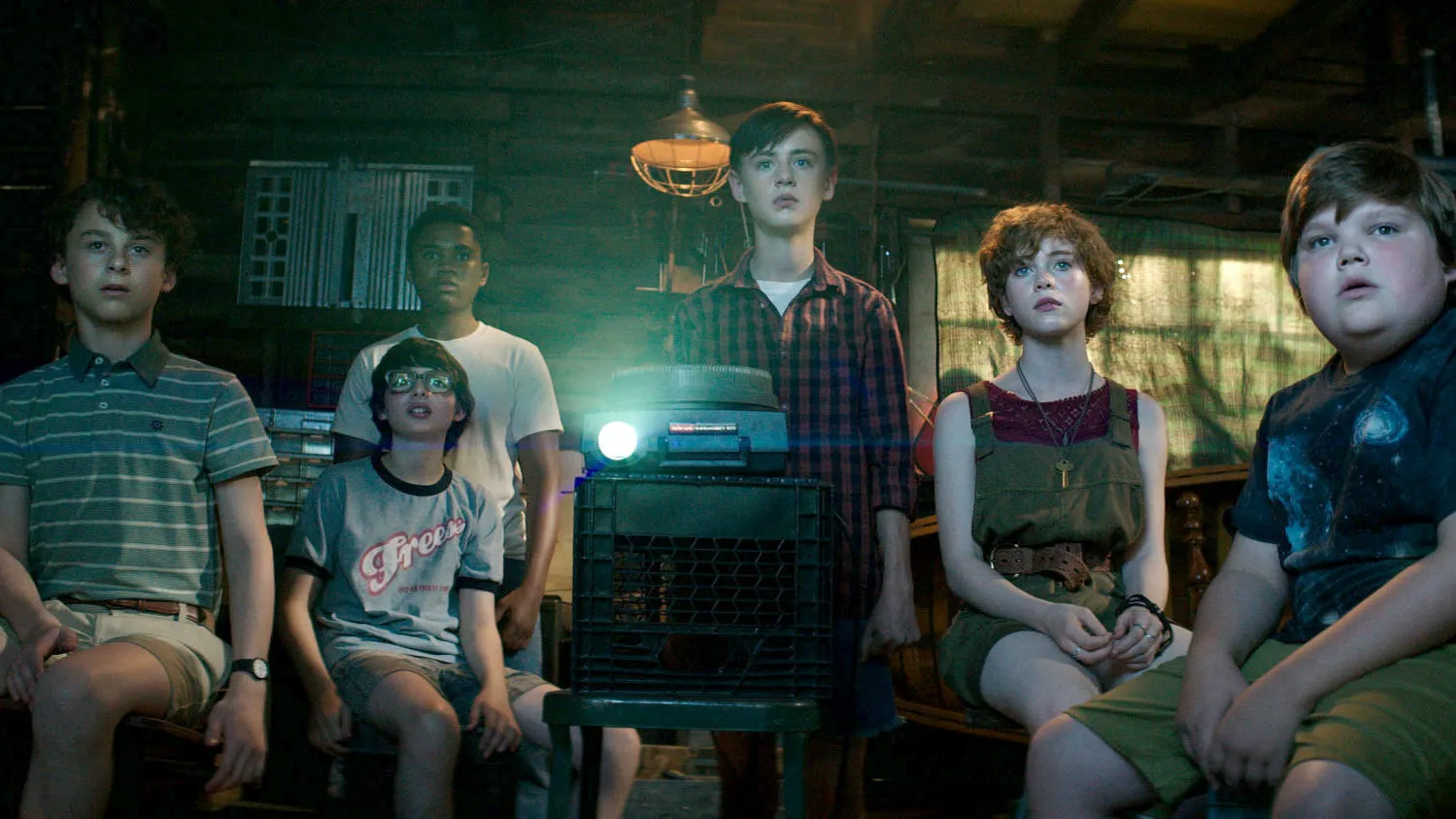
Pennywise may haunt Derry, Maine, but the children of IT (Muschietti, 2017) face another kind of danger: adults who fail to protect them.1 The Losers’ Club, a group of seven children — Bill Denbrough, Beverly Marsh, Ben Hanscom, Richie Tozier, Eddie Kaspbrak, Mike Hanlon, and Stanley Uris — forms a close friendship as they face bullying, abuse, and their own personal fears.

Throughout the film, the Losers’ Club encounters mistreatment, violence, fear, and disappearance while the adults around them repeatedly dismiss or overlook what is happening.2 Rather than making Pennywise the only source of horror, IT creates an environment where children cannot depend on the adults who should keep them safe. Their isolation ultimately forces the Losers to create their own support system and face Derry’s dangers together.
It (2017) — When Adults Fail To Protect Children
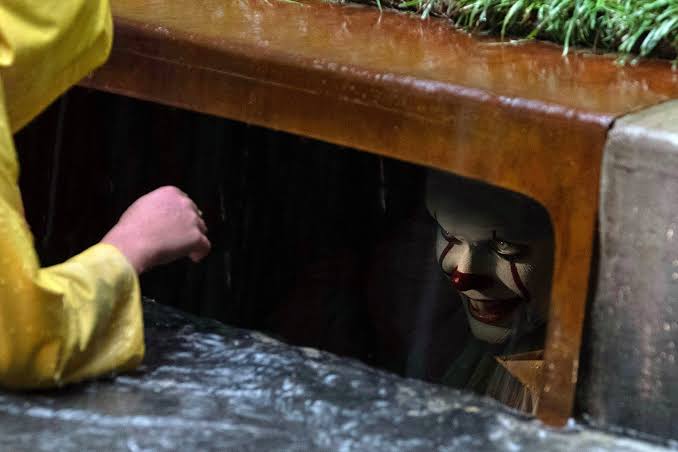
Adults’ failure begins with the film’s opening scene. Bill Denbrough gives his younger brother, Georgie, a paper boat during a rainstorm. When Georgie follows the boat into the street, he encounters Pennywise at a storm drain. Pennywise attacks and kills him, leaving Bill devastated.3

What follows is just as important as Georgie’s disappearance. Bill’s parents become emotionally distant after his death, leaving him struggling with grief while continuing to attend school and interact with the other children. His parents’ inability to meaningfully engage with what he is experiencing contributes to Bill’s isolation.
The adults of Derry also fail to recognize what is happening to the children more broadly. Missing children become part of the town’s reality, yet there is little sense that the community is taking meaningful action to protect them. The children are left to investigate the disappearances themselves.

Beverly’s home life provides an even more direct example of adult failure. Her father is controlling and abusive, turning what should be a safe place into another source of fear.

When he questions her about the boys she spends time with, his focus is on controlling her rather than understanding her experiences. Without a trustworthy adult to turn to, Beverly must navigate these dangers largely on her own, showing how the film’s horror extends beyond Pennywise and into the children’s everyday lives.
Derry’s Culture Of Silence & Indifference
The problem in IT goes past the individual parents. Derry itself has developed a culture that lets disturbing events continue without sufficient attention.

Henry Bowers and his friends provide a clear example. Henry repeatedly bullies and threatens the Losers, and his violence escalates throughout the film. Yet the adults around him seem largely incapable of stopping his behavior before it becomes dangerous.
Henry’s treatment of Ben, for example, is not simply ordinary childhood teasing. Henry and his friends pursue and physically attack him, attempting to carve his name onto Ben’s stomach.
The Losers eventually become responsible for protecting one another because the adults do not appear to provide meaningful protection from the bullying. The town’s reaction to violence is equally troubling.
Derry’s children disappear, yet the community seems accustomed to tragedy. This normalizing of danger creates an environment where the children are expected to navigate threats on their own. That atmosphere makes Pennywise more frightening.

Pennywise doesn’t operate in a community where adults actively look out for children. Instead, he exists within a town where people repeatedly fail to notice — or fail to act on — the dangers around them. The film (2017) therefore makes neglect part of its horror. Pennywise is supernatural, but the conditions that allow him to prey on children are disturbingly ordinary: silence, denial, bullying, and adults who do not listen.
The Losers’ Club — Finding Safety In Friendship
The Losers’ friendship becomes important because the adults around them have failed to provide the protection and understanding they need. Their bond is not simply a feel-good theme; it is a response to their isolation. The children come together because they recognize something in one another that the adults do not. They understand what it feels like to be bullied, excluded, frightened, or misunderstood.

When Henry and his friends attack the Losers, the group begins to recognize the importance of standing together. Later, when the children enter the Neibolt Street house, they again have to rely on one another because no adult is going to rescue them. Their confrontation with Pennywise illustrates the result of this dependence on one another. Each child has a different reason to be afraid, but the group gives them a place where those fears are taken seriously.

The adults of Derry repeatedly look away, while the Losers choose to look directly at what is happening. That difference is central to the film. The children investigate Georgie’s disappearance, confront Henry’s bullying, respond to Beverly’s situation, and eventually face Pennywise themselves. They are forced into roles that should belong to the adults around them.
Pennywise & The Consequences Of Neglect
Pennywise remains the film’s primary supernatural threat, but his role becomes more interesting when viewed alongside Derry’s adult failures. He can prey on children partly because they are isolated from meaningful adult protection. The film repeatedly places the children in situations where they are left to handle danger themselves. Georgie encounters Pennywise while his parents are inside.

Beverly cannot rely on her father for safety. Bill receives little emotional support after losing his brother. The Losers face Henry without effective adult intervention. Even Pennywise’s methods reinforce this isolation. He targets children when they are alone or vulnerable, appearing in places where they do not have anyone to turn to. The threat is not only that Pennywise exists; it is that the children have so few adults capable of recognizing what they are facing.

This makes the final confrontation with Pennywise a consequence of the larger environment surrounding the Losers. They have learned that waiting for adults to solve their problems is not an option.
When Adult Indifference Becomes The Real Horror
IT is frightening because of Pennywise, but the film’s portrayal of adults creates a different and more realistic form of horror. The children are surrounded by people who should notice when something is wrong, yet again and again, they are left to handle danger themselves.
The film does not suggest that every adult in Derry is intentionally harmful. Instead, it presents a community in which neglect, denial, and indifference allow problems to continue. That distinction makes the children’s situation more unsettling. They are not simply fighting a supernatural creature; they are living in an environment where the people who should protect them often fail to do so. This also changes how the Losers’ friendship can be understood.
Their bond is not merely a separate theme about the power of friendship.4 It develops because they need somewhere to turn. When adults look away, the children look to each other.

Ultimately, IT makes adult indifference part of its horror. Pennywise may be the creature attacking the children, but Derry’s failure to protect them leaves them especially vulnerable. By placing the Losers in a world where adults dismiss bullying, overlook violence, and fail to recognize their fears, the film explains why these children must become each other’s support system.
The most unsettling idea in IT is not simply that a monster lives beneath Derry. It is that the children facing that monster are often left to face it alone.