Table of Contents Show
Warning: This article contains spoilers for the Nightmare on Elm Street (1984-) franchise, and discussion/images of death and violence.
For a film franchise spanning nine total movies, it might seem strange to think of A Nightmare on Elm Street as a trilogy. However, this hasn’t stopped fans from dividing Elm Street‘s films based on the stories they tell. Of these, the “Nancy” trilogy and the “Dream” trilogy have become the most prevalent in discussion.
The Nancy trilogy, consisting of A Nightmare on Elm Street (1984; Wes Craven), A Nightmare on Elm Street 3: Dream Warriors (1987; Chuck Russel), and Wes Craven’s New Nightmare (1994), is named after the character of Nancy Thompson, played by Heather Langenkamp, who appears in each of the three in some form. Meanwhile, the Dream trilogy gets its name from the shared title motif of Nightmare 3-5: Dream Warriors, A Nightmare on Elm Street 4: The Dream Master (1988; Renny Harlin), and A Nightmare on Elm Street 5: The Dream Child (1989; Stephen Hopkins). But there is another.

Released just a year after the original Nightmare on Elm Street, 1985’s A Nightmare on Elm Street 2: Freddy’s Revenge (Jack Sholder) has been considered a black sheep of the franchise. Story-wise, it stands on its own, but when looked at as a middle chapter for A Nightmare on Elm Street and A Nightmare on Elm Street 3, the three films form a hidden trilogy worthy of addition to fan discourse.
Each of these trilogies takes a different approach to the Nightmare on Elm Street franchise, and each has its own strengths. As a result, determining the ‘best’ of these trilogies is less a question with an objective answer, and more a matter of what fans want out of the Elm Street films, be it directorial vision, scares, or sheer creativity.
From Survivor To Mentor — The Nancy Thompson Trilogy
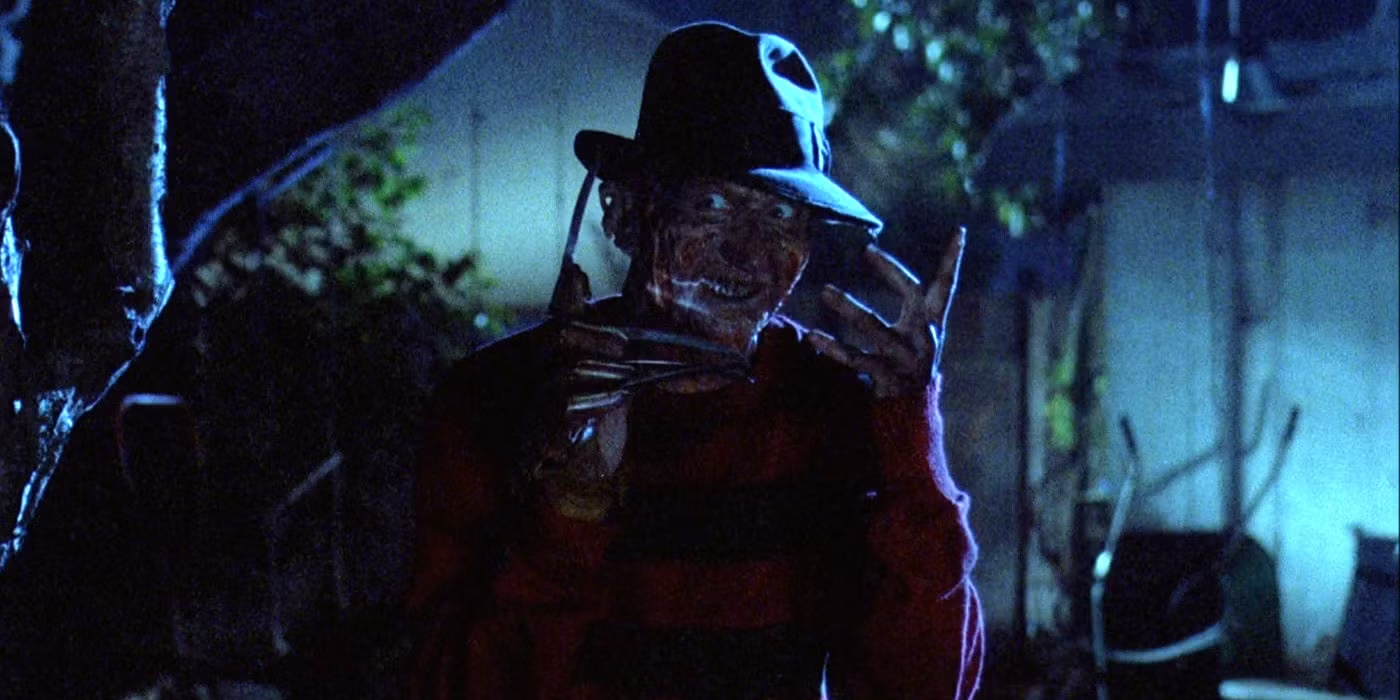
Wes Craven‘s A Nightmare on Elm Street introduced audiences to Freddy Krueger (Robert Englund), a killer capable of murdering people in their dreams. It also introduced his nemesis, teen Nancy Thompson, who finds herself and her friends being targeted by Freddy.
As a character, Nancy is a classic example of a final girl. She’s resourceful, shifting between attempts to stay awake and deliberately entering Freddy’s realm to confront him. As Nancy’s friends are picked off one by one, she digs for the truth about Freddy — who he is and what connection he has to her parents. It is the confrontational nature of Nancy’s character that has allowed her to be the trilogy’s defining element.
The horror of A Nightmare on Elm Street is built largely on the idea of ancestral sin, children being punished for the actions of past generations. Nancy’s parents (and the parents of her friends) killed Freddy, who she discovers was a child murderer who evaded justice. This is why Freddy targets Nancy’s circle; he wants revenge on their parents. But it’s Nancy who bears the consequences for their actions.

The parents of the original Elm Street are flawed. Nancy’s mother Marge (Ronee Blakley) is an alcoholic, while Nancy’s father (John Saxon; separated from Marge) is emotionally distant. When the audience sees the others, they’re either neglectful, like Tina’s mother, or, in the case of Nancy’s boyfriend, Glen, are old-fashioned and oblivious to what’s going on.
A Nightmare on Elm Street’s emphasis on its parental characters sets it apart from its slasher contemporaries, like Friday the 13th and Halloween, where any parents featured are often only minimally involved (if at all) in the plot. Here, Marge is a crucial part of her arc, acting both as an obstacle to Nancy, as well as someone she has to make peace with by the movie’s end, allowing Nancy to defeat Freddy.

In A Nightmare on Elm Street 3: Dream Warriors, Freddy returns, targeting a new group of troubled teens at Westin Hills Psychiatric Hospital — the surviving children of those who killed him. Nancy is the one to help them. Older now, she not only mentors the teens in fighting Freddy, but she’s the one to inform them of their parents’ connection to the killer.
This (and Nancy’s return as a whole) is significant because she’s passing on to them knowledge that helped her survive in the first film. In this way, she’s the perfect mentor for the new cast, having experienced the same scenario they have. As such, Nancy teaches them to use their dreams in a similar manner as she did: by turning them against Freddy.

This idea is the crux of the original Elm Street, where Freddy’s defeat is brought about by Nancy turning her back on him, denouncing Freddy’s power over her. “I take back every bit of energy I gave you,” she says. “You’re nothing. You’re shit.”1
It’s a moment of empowerment for Nancy, which becomes literal in Dream Warriors, with the teens using actual “dream skills” to fight Freddy. Many of these skills involve an overcoming of some insecurity or perceived flaw. For instance, Taryn (Jennifer Rubin), a recovering drug addict, becomes a confident punk-rocker type in her dreams, or Joey (Rodney Eastman), who was rendered mute, is able to use his voice as a weapon against Freddy.

While Nancy is ultimately killed at the end of Dream Warriors, her part in teaching the teens to harness their abilities is symbolic of what the Nancy trilogy is saying about her as a nemesis to Freddy. It’s not that she’s particularly special; it’s that she’s conquered her fears, and this, of course, is crucial to defeating Freddy. In her death, Nancy inspires the teens to do the same. When Wes Craven returned to the franchise, he would recontextualize Nancy as the franchise hero.
Nancy As Protagonist — When Horror Goes Meta
The first Nightmare on Elm Street exists purely as the product of Wes Craven. While Craven wrote the initial script for Dream Warriors, it was heavily re-written by director Chuck Russell and screenwriter Frank Darabont.2 This, combined with Craven’s lack of involvement with the other Elm Street sequels, would lead to him taking creative control back in New Nightmare, released three years after Freddy’s “final” death in Freddy’s Dead: The Final Nightmare (1991; Rachel Talalay), the sixth entry in the series.
Rather than continuing the storyline of the previous films, New Nightmare takes a very meta approach. Significantly, it also brings back Nancy as the main protagonist — in a sense, anyway. Here, Heather Langenkamp plays a fictionalized version of herself, in a world where the Elm Street films are only cinema. She has a husband, Chase (David Newsom), and a son, Dylan (Miko Hughes), and wants to move on from her role as Nancy.

However, when Dylan begins acting strangely, Heather is brought back in contact with Wes Craven, who’s working on the script for an all-new Nightmare film — and he wants her to star.
New Nightmare serves as a strange sequel because it’s a direct response to the five films before it. The villain here isn’t exactly Freddy, but an entity who takes his form in the real world. The (fictionalized) Craven explains:
“It’s old, very old, and it’s taken different forms in different times… It can be captured, sometimes… By storytellers, of all things. Every so often, they imagine a story good enough to catch its essence. Then it’s held prisoner for a while… The problem comes when the story dies. It happens a lot of different ways, the story gets too familiar, or too watered down by people trying to make it easier to sell… when the story dies, the evil is set free. For ten years he’s been imprisoned as Freddy by the story of Nightmare on Elm Street. But now that the films have stopped… The way to stop him is to make another movie.”3
By the time of New Nightmare’s release, Freddy Krueger had become a pop culture icon. The “Freddy” of A New Nightmare is thus Craven’s commentary on what he felt the character had become through overexposure: watered-down, and lacking the qualities which made the killer scary in the first place.

New Nightmare’s Craven frames Heather as being the only one able to stop the entity, stating: “Dramatically speaking it makes perfect sense. You played Nancy, after all.”4 With this, the notion of Nancy as Freddy’s nemesis becomes less about her character arc, and more about how she functions narratively. Nancy is the “final girl.” She defeats Freddy because the script demands her to.
And so Heather assumes the role of Nancy once again, saving Dylan from the entity and blurring the line between the actress and her character. By the end of the Nancy trilogy, she’s gone from survivor to mentor to mother, but it’s New Nightmare which cements her as the ultimate opposing force to Freddy’s evil — just as Wes Craven intended her. Of course, she wouldn’t be the only final girl to take on Freddy.
Elm Street‘s Creative Peak — The Dream Trilogy And The Arc Of Alice Johnson
If the Nancy trilogy is defined by its title character, then the Dream trilogy can be defined by spectacle. Elm Street 3-5 lean heavily into the fantastical nature of dreams, with creative imagery and memorable deaths. These films also embrace a more darkly comical Freddy, who quips after every kill.
In many ways, Dream Warriors is the birthplace of this trend. The kills in this film are more grandiose than in the original Nightmare, making strong use of visual effects, such as when Freddy’s head emerges from a TV set, or when the killer uses Phillip (Bradley Gregg) as a marionette.
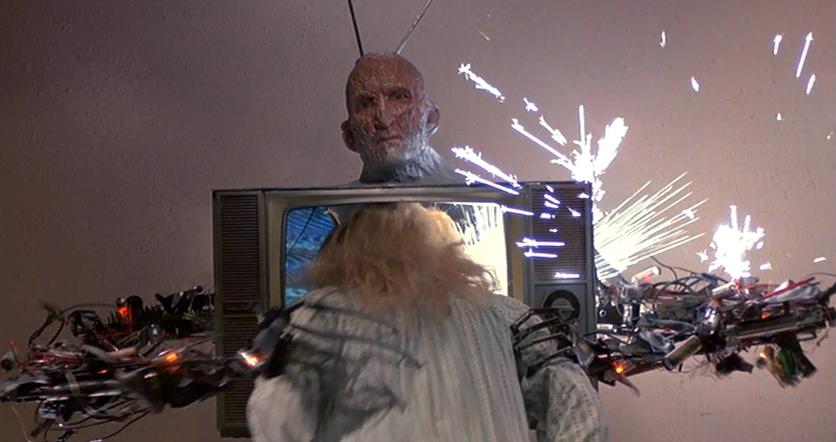
Elm Street 4 and 5 only up the scale. In A Nightmare on Elm Street 4: The Dream Master, director Renny Harlin makes Freddy’s dreamscape feel colorful and disorienting. The camera is in constant motion, with overhead shots and unnatural zoom-ins. The gory effects — courtesy of visual effects artist Screaming Mad George5 — are just as visceral, such as the death of Debbie Stevens (Brooke Theiss), whom Freddy slowly turns into a cockroach before squishing her. This high-energy stylization has led to The Dream Master often being referred to as “The MTV Nightmare.”6
A Nightmare on Elm Street 5: The Dream Child‘s visual style leans more gothic in comparison, with grand set-pieces, and even more elaborate death sequences. In this regard, the Dream trilogy’s greatest strength is in its ability to fully capitalize on A Nightmare on Elm Street‘s creative premise — but it would be remiss not to mention its main heroine.

The Dream Master continues the storyline set-up in Dream Warriors. In that film, the sole survivors were Kristen Parker (Patricia Arquette), Roland Kincaid (Ken Sagoes), and Joey. Here, the boys are trying to move on, but Kristen (played by Tuesday Knight in 4) fears Freddy’s return. She ends up being right, and Freddy quickly dispatches the three teens, but not before Kristen passes on her power (being able to pull people into her dreams) to her friend, Alice Johnson (Lisa Wilcox) — inadvertently making her the new series protagonist.
Alice is part of Kristen’s newly introduced circle of friends. She begins The Dream Master as an introverted, insecure girl. Her brother, Rick (Andras Jones), is dating Kristen, and her father is a neglectful alcoholic. She also has a crush on Dan Jordan (Danny Hassel), who she struggles to speak to.
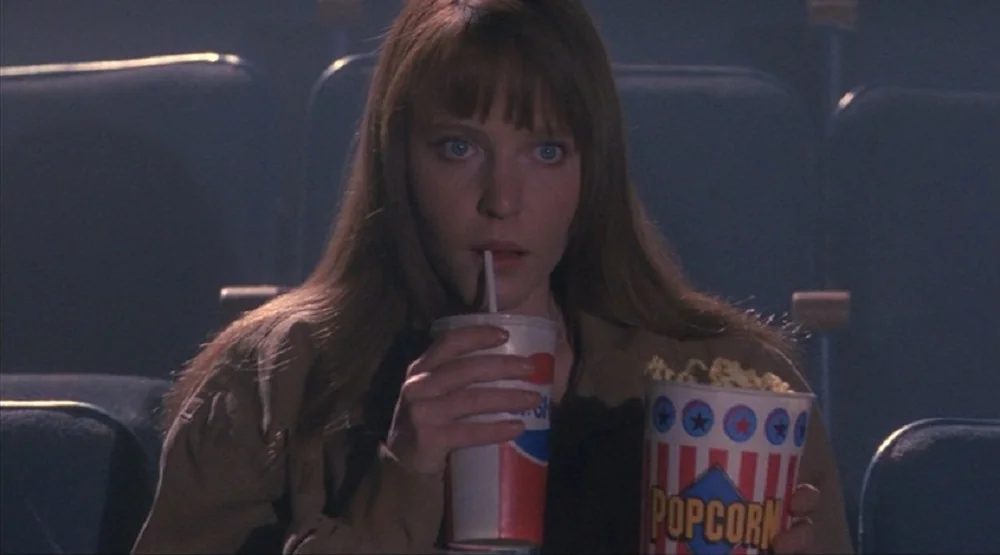
As a result, Alice’s arc becomes a matter of gaining self-confidence, and the gradual shift in her character is brought about in a very Elm Street sort of way. For each of her friends that Freddy kills, Alice takes on some trait from them — for instance, Rick’s martial arts skills. The more Alice inherits from their personalities, the more she’s able to accept herself, which gives her the needed courage to fight Freddy head-on.
The final battle between Alice and Freddy is one which perfectly encapsulates the spectacularized style of The Dream Master, taking place within a dream rather than reality. Freddy’s death happens when Alice shows the killer his own reflection, leading to the souls of Freddy’s victims tearing him apart.

In A Nightmare on Elm Street 5: The Dream Child, Alice continues to grow as a character. She’s gotten together with Dan and successfully graduated from high school. To perhaps mark her development in a more significant way, The Dream Child reveals Alice is pregnant. It’s through this that Freddy is able to return, using the dreams of Alice’s unborn baby to kill his victims.
This plotline allows not only for some strange, creative new deaths, but it also provides new drive for Alice. Where The Dream Master was all about her finding herself, Alice in The Dream Master is driven by a need to protect her child from Freddy’s influence. It’s a unique motivation for a final girl — years before the likes of Scream’s Sidney Prescott would adapt to being a mother — and transforms Alice’s arc into one about her sudden shift into adulthood.

In this way, The Dream Child concludes the Dream trilogy with a return to one of Elm Street’s core ideas: the lengths a parent might go to protect their child. Freddy faces a mother’s wrath — both Alice’s and his own mother’s — which in turn captures the way Alice acts as a more fantastical final girl, making her the perfect nemesis for the Dream trilogy’s spectacularized depiction of Freddy. But when talking about the series’ growth from Elm Street to Elm Street 5, one film is often forgotten.
The Hidden Trilogy — Freddy’s Revenge As Middle Chapter
Set four years after the original A Nightmare on Elm Street, A Nightmare on Elm Street 2: Freddy’s Revenge focuses on a new teenage protagonist: Jesse Walsh (Mark Patton). When Jesse moves into a new house in Springwood, he begins having nightmares about Freddy Krueger, who wants to use Jesse’s body as a vessel to continue killing.
In comparison to the sequels that would follow, Freddy’s Revenge is mostly a standalone story. None of the characters featured in it appear, or are even referenced in later sequels. That being said, the original Nightmare informs a lot of Part 2’s plot. For instance, the house Jesse moves into was Nancy Thompson’s. Here, Jesse stumbles upon her diary, which details much of the first film’s events. Nancy’s diary also gives Jesse’s girlfriend, Lisa (Kim Myers), crucial information for helping save Jesse from Freddy.

Compared to her role in Dream Warriors, Nancy’s role is only an indirect one in Freddy’s Revenge, but once again, she’s passing on knowledge to the next protagonist. As Freddy possesses Jesse’s body, Jesse has to fight for control in a similar way as Nancy does, overcoming his fear. Through this, Freddy’s Revenge becomes a bridge from Elm Street to Elm Street 3, the trilogy consistently portraying Freddy as someone whose power comes largely from fear.
It’s fitting, then, that Freddy’s defeat is always brought about by someone who’s able to strip him of that power. Indeed, Freddy is at his scariest within this trilogy. He’s invasive and predatory — especially in Freddy’s Revenge, tormenting Jesse from the shadows. As a result, the defeat of Freddy always feels like a true conquering of evil moment in each of the three films.

And who’s responsible for slaying the monster? It’s ordinary teenagers — ignored by their parents, and forced to fight Freddy on their own terms. When looking at Dream Warriors as the ending to this trilogy, Freddy’s death is brought about when the sins of the past are finally confronted, and fears are overcome.
While Freddy’s Revenge may be ignored by the sequels that follow, its existence allows for the natural progression of this idea that through horror, one can find themselves — be it a discovery of inner strength like Nancy and the Dream Warriors, or the discovery of one’s agency (or even queerness, as many would argue), like Jesse does when Freddy is exorcized from his body. It helps make the trilogy of Elm Street 1-3 not only its scariest, but its most relatable.
What Fans Want From Freddy
This breakdown of A Nightmare on Elm Street into distinct trilogies proves at least two things. One, that when it comes to a series like the Elm Street franchise, with differing directors, screenwriters, and casts, fans will follow its storyline as they see fit. And two, it shows A Nightmare on Elm Street has differing appeal for different audiences.
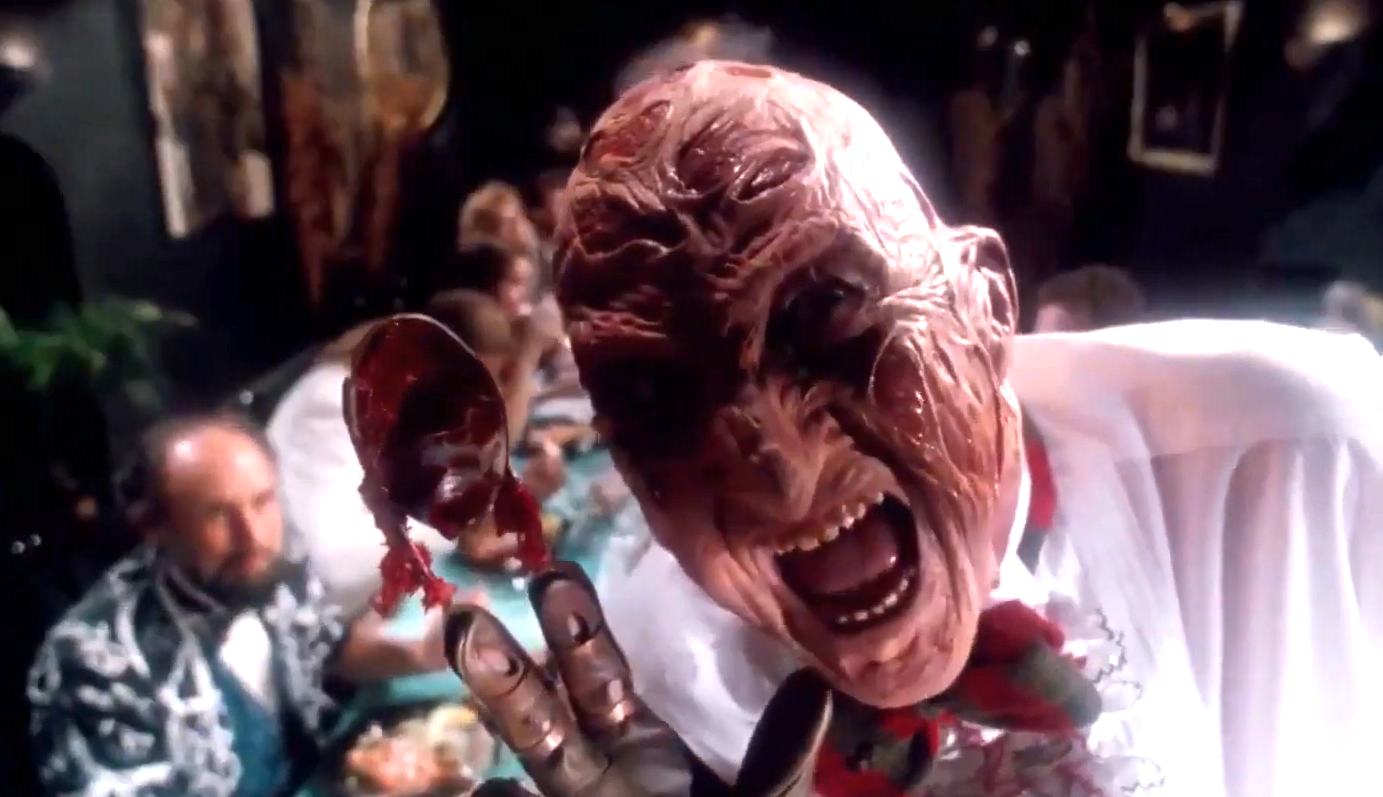
For fans looking for a series of films united by one character, the Nancy trilogy fills that role, and with the most direct involvement from Wes Craven, it’s the most creator-driven version of the series. In that sense, it’s perhaps the most true to Craven’s vision of Freddy and Nancy.
Meanwhile, the Dream trilogy is one which takes the boldest swings. From Dream Warriors to The Dream Child, each film contains colorful cinematography, creative deaths, and a killer with personality. The resulting trilogy is one which mixes horror with fantasy, setting it apart from other slashers of the era and delivering on the series’ premise: a killer who attacks through dreams.
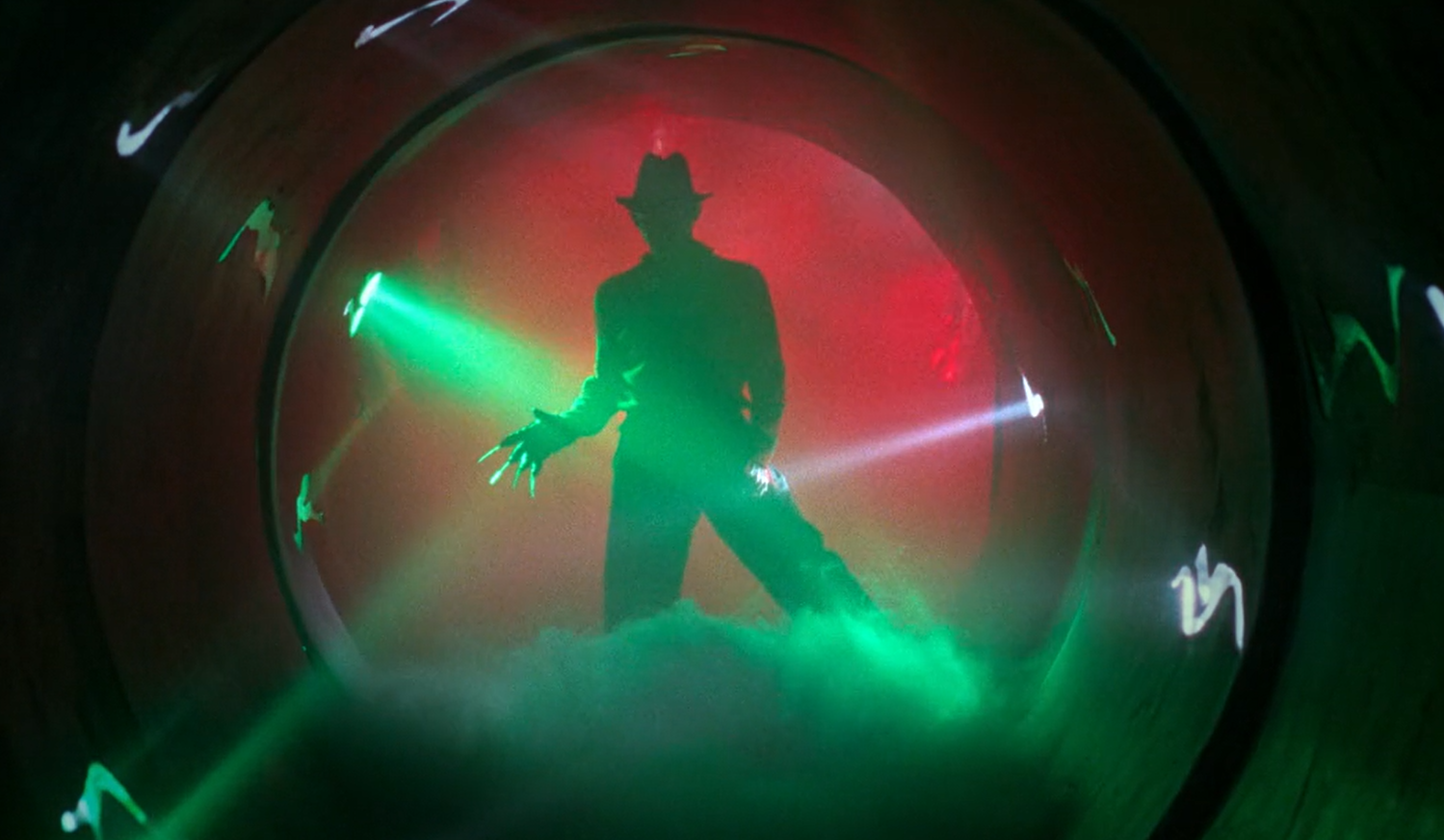
The final trilogy is one created by default, given it follows the release order of the first three films. Despite this, it remains thematically consistent across each entry. Of course, someone might ask: how can these films be considered a trilogy when the second part can be more or less ignored entirely?
To answer this, it might help to point to the ways the other Elm Street trilogies are imperfect. The Nancy trilogy, for instance, while focusing on one character, takes a dramatic veer with New Nightmare. Its main protagonist isn’t even truly Nancy, and it’s not so much a sequel to the other two films as it is a response to them. It can’t exist without the franchise as a whole.

The Dream trilogy, in comparison, is creative but messy. The main cast largely changes between each film, and each entry only adds more increasingly complex rules to its lore. This is all just to say that Elm Street 1, 2, and 3 are just as deserving of being treated as a cohesive trilogy, especially when looked at as a series about teens finding independence — especially relevant given how youths of the ’80s ate up these movies. If there’s one thing these films capture, it’s the generation that watched them.
And this isn’t even mentioning the dismissal of films that don’t fit neatly into these trilogies, such as Freddy’s Dead, or Freddy vs Jason (2003), or even A Nightmare on Elm Street’s 2010 remake. If we’re taking those films into account, one could make a case for a whole different trio of movies as its own trilogy. A Nightmare on Elm Street is malleable in that way — more so than a lot of other movie franchises — allowing fans to craft differing stories with the same pieces.
There Is No Definitive Elm Street Trilogy
On a deeper level, viewing A Nightmare on Elm Street in parts rather than as a whole suggests that fans will often pick and choose what is or isn’t canon based upon their preferences. With its varying tones, ideas, and characters, A Nightmare on Elm Street‘s “trilogies” exist primarily to make sense of the franchise’s chaos, or at the very least, find cohesion in them.

As such, each of these trilogies represents a different view of what Elm Street “should” be, be it character and director-driven, as in the Nancy Trilogy, surreal and special effects-heavy like the Dream trilogy, or one which centers horror over spectacle and meta-reflection, as Elm Street’s original trilogy does. They all have their own charm.
But whether one watches the franchise through a select few movies, or binges all nine of them, the truth is that there will never be a definitive Elm Street trilogy. For as many fans who would rather ignore the zanier sequels, for others, that’s the whole appeal. Fans will choose what’s best for them, and A Nightmare on Elm Street ultimately means different things to different people — like dreams themselves. Or nightmares.
Footnotes
- Craven, Wes, dir. A Nightmare on Elm Street. New Line Cinema. 1984. ↩︎
- “Read This: Wes Craven’s Original Script for Nightmare on Elm Street 3: Dream Warriors.” AV Club. 21 Sep. 2025. ↩︎
- Craven, Wes. dir. Wes Craven’s New Nightmare. 1994. ↩︎
- Ibid. ↩︎
- Lore, Justin. “THIS JUSTIN: The Strange World of Screaming Mad George.” Cinepunx. 10 Jul. 2020. ↩︎
- Fiduccia, Christopher. “10 Facts and Trivia You Didn’t Know about a Nightmare on Elm Street 4: The Dream Master.” ScreenRant. Oct 2019. ↩︎